

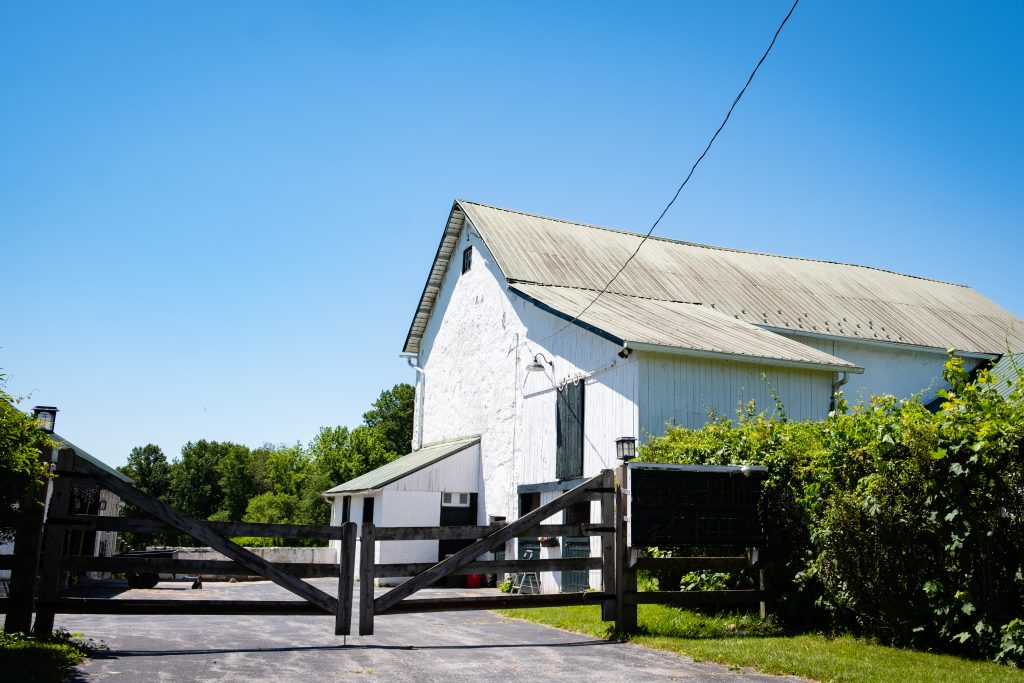
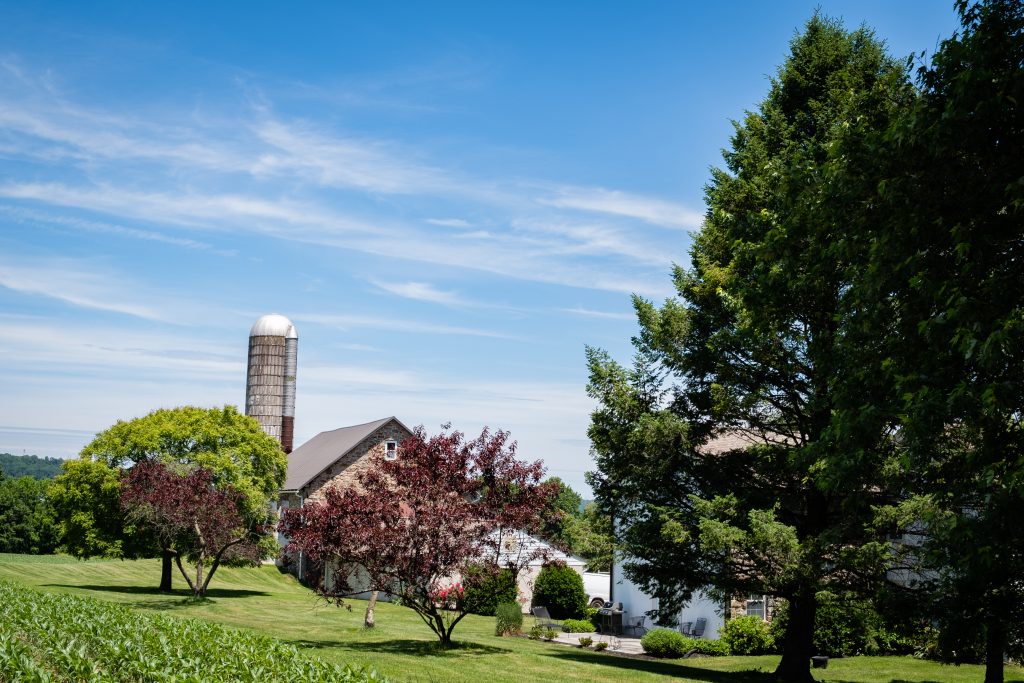
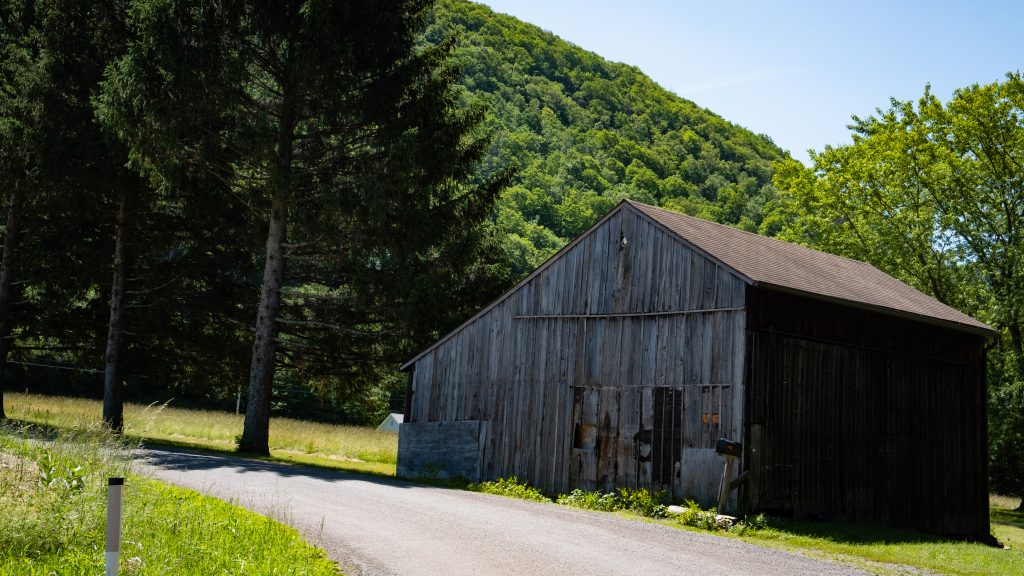
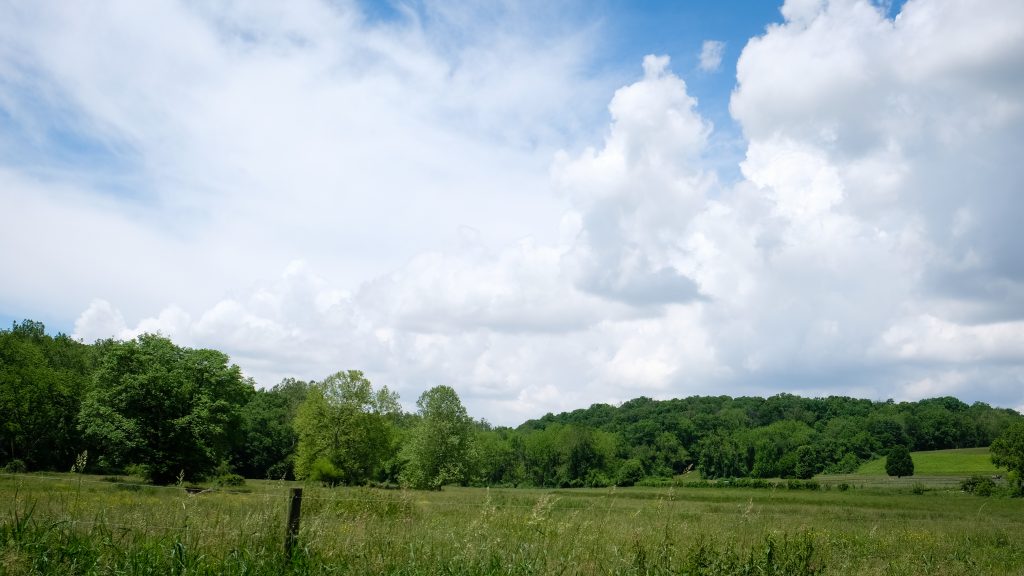
The area around the French Azilum historic site is lovely. It is just one more reason to visit the area. I think these pictures speak for themselves, so I will leave this as a picture blog.


The area around the French Azilum historic site is lovely. It is just one more reason to visit the area. I think these pictures speak for themselves, so I will leave this as a picture blog.
Upcoming posts will feature a recent trip to Tioga and Bradford Counties, along with bonus locations. This will be followed by some very special “not in Pennsylvania” posts in Autumn. Stay tuned! In the meantime, here are some random favorites of mine.


A short trip to some state parks north of Harrisburg made for an interesting day out. Boyd Big Tree Preserve and Joseph E. Ibberson State Conservation Area are located in Dauphin County and occupy a distinctive niche in the state park system.They would be of particular interest to hikers.
The 1,025-acre Boyd Big Tree Preserve Conservation Area straddles Blue Mountain and is the habitat of large trees of numerous species, which are homes for deep forest birds, especially warblers. During the summer and fall, the old field is filled with blooming wildflowers like butterfly weed, In late July and early August, the flowers attract field birds and many varieties of butterflies. There is also a trail network here and opportunities for wildlife viewing.


Straddling Peters Mountain, the 803-acre Joseph E. Ibberson Conservation Area is dominated by large hardwood trees. This large block of nearly unbroken forest is a haven for wildlife like forest warblers and other deep woods animals. A main attraction of the conservation area is the elaborate trail system which connects to the Appalachian Trail on the northern slope of Peters Mountain.


Berks County is the home to a few covered bridges and some very picturesque spots. Greisemer Covered Bridge is one of few I have seen with a hex sign. The oak design is one of my favorite hex signs. Here are a few views of the bridge. You will note the common Burr arch truss design.


A lovely church property stands between the two bridges featured in this blog. This is Salem United Church of Christ in Oley and its churchyard. The view toward the hills beyond is really lovely.


The Pleasantville Covered Bridge is on more busy stretch of the appropriately named Covered Bridge Road and more difficult to photograph. As a white bridge, it provides a nice contrast with the red Greisemer Bridge. It is interesting that, although I see barn stars everywhere, I tend to see hex signs more often in Berks County.


Below are a few photographs of a favorite corner of northwestern Chester County. I go here in hopes of finding some grassland species of birds that sometimes frequent farmers fields. So far I have just found horned larks, but there have been snow buntings, eastern meadowlarks and others spotted in the area, so you never know ….



Lycoming County has a total of four covered bridges. I visited two of them on my way home from Potter County.
The Buttonwood Bridge (also known as the Blockhouse Bridge) was built in 1898 with the structure spanning Blockhouse Creek. It uses a queen post with king post truss and is 74 feet 2 inches (22.6 m) long. The bridge is in good condition with a new wood shingled roof and pressure treated floor. The structure is open to traffic all year long. The bridge was placed on the National Register of Historic Places in 1980 and had a major restoration in 1998. It is the shortest and most heavily used of the three covered bridges remaining in Lycoming County.


The next bridge to the south was the Cogan House Bridge. This bridge was built in 1877 of the Burr Arch design with a structure length of 94 feet crossing Larry’s Creek. Cogan House bridge is open to traffic, and leads to a dead end private drive near the game lands. The bridge was placed on the National Register of Historic Places in 1980, and had a major restoration in 1998. The Cogan House bridge is named for the township and village of Cogan House, and is also known by at least four other names: Buckhorn, Larrys Creek, Day’s, and Plankenhorn.
The Cogan House Covered Bridge was constructed by a millwright who assembled the timber framework in a field next to the sawmill, before it was reassembled at the bridge site. It was the only bridge on Larrys Creek that survived the flood of June 1889, and one of only a handful that were left intact in the county. Although the bridge used to carry a steady flow of tannery and sawmill traffic, the clearcutting of the surrounding forests meant the end of those industries by the early 20th century.


There are lots of sights to behold on a drive through southern Chester County.



Springton Manor Farm is a county park located in Glenmoore, Chester County. Within the farm’s historic landscape of fenced fields, stone walls and misty morning vistas is a preserved patchwork of colonial plantation, Industrial Revolution era scientific farm, Victorian tenant farm, and gentleman’s country estate. The Manor House and Carriage House overlook 300 acres of centuries-old sugar maples, open pastures and stately Penn Oaks, which grace the lower pond. The Manor House is not open to the general public.
Initially part of a William Penn Manor, Springton Manor has been in agricultural use since the early 1700’s. On this demonstration farm, you can meet the animals and learn about Chester County’s farming history. The barn complex consists of the Great Barn, sheep shed, goat shed, a roost and equipment shed. You may see horses, donkeys, rabbits, calves, pigs, sheep, goats, chickens and peacocks. The Family Farm Museum, located within the Great Barn, contains seasonal tools and apparatus used on Chester County farms from the 1700’s to the 1900’s.


A trip tp eastern Lancaster County provided a look at the following scenes:
A group of vultures found something dead and furry by the side of the road. There was one black vulture and several turkey vultures.


There were also plenty of horses enjoying their Sunday off. I think almost everyone likes horses.


The presence of a snowy owl in the area causes great excitement. Even the local news take notice. A bird in eastern Lancaster County recently created the expected onslaught of birders. I set out one Saturday to have a look as well. Note to self: don’t go looking for an owl without your “good” camera.
The bird was close to the road but not in front of the most photogenic backdrop. The online consensus is that it is a “she,” but I’m not sure how you tell juveniles from females.


