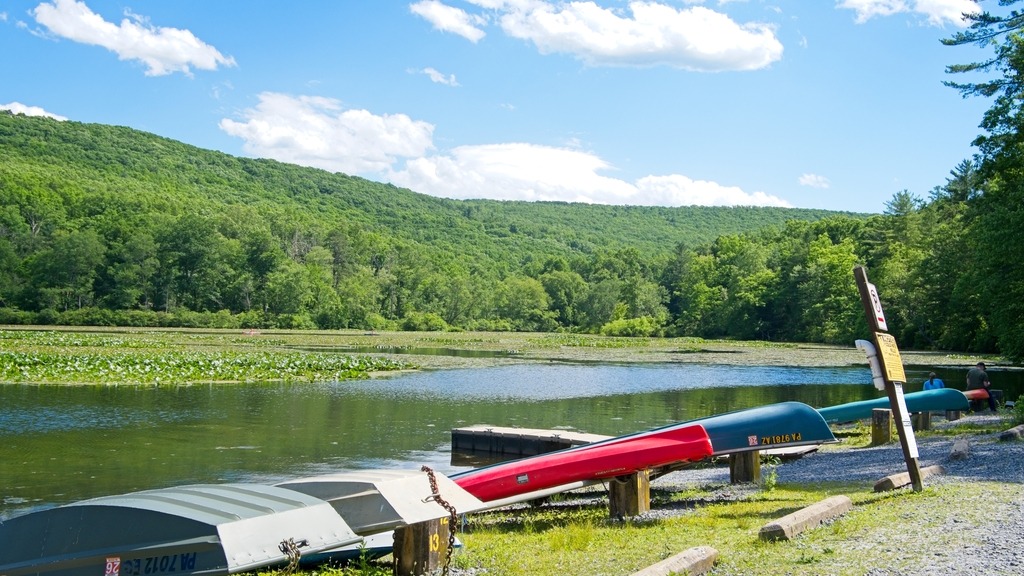
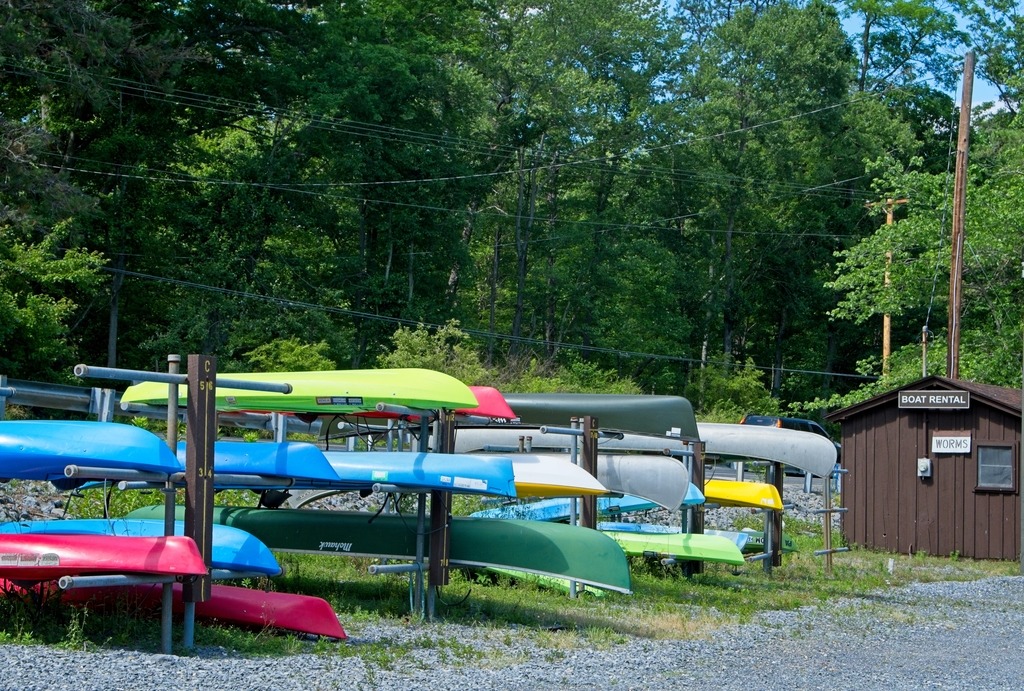
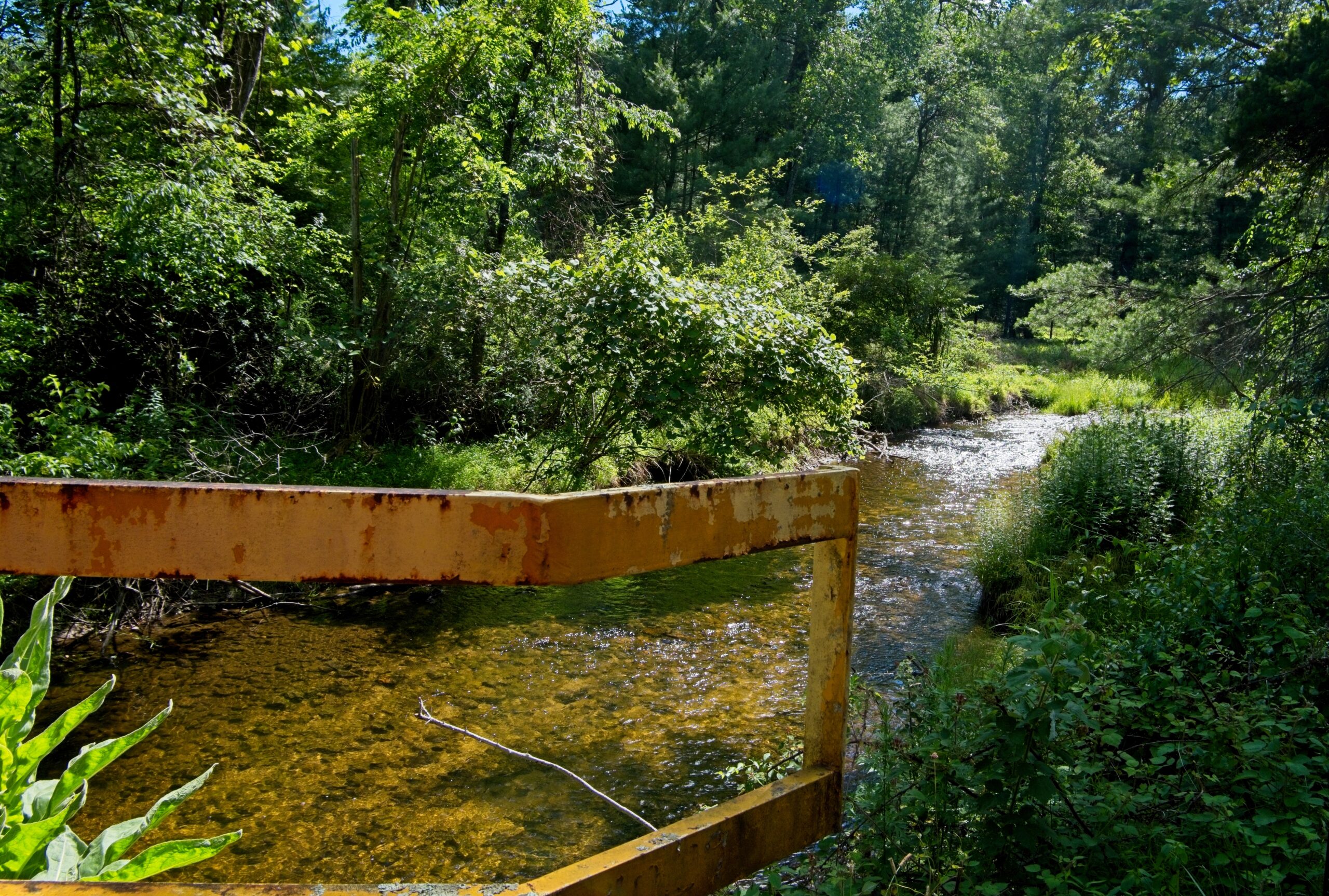
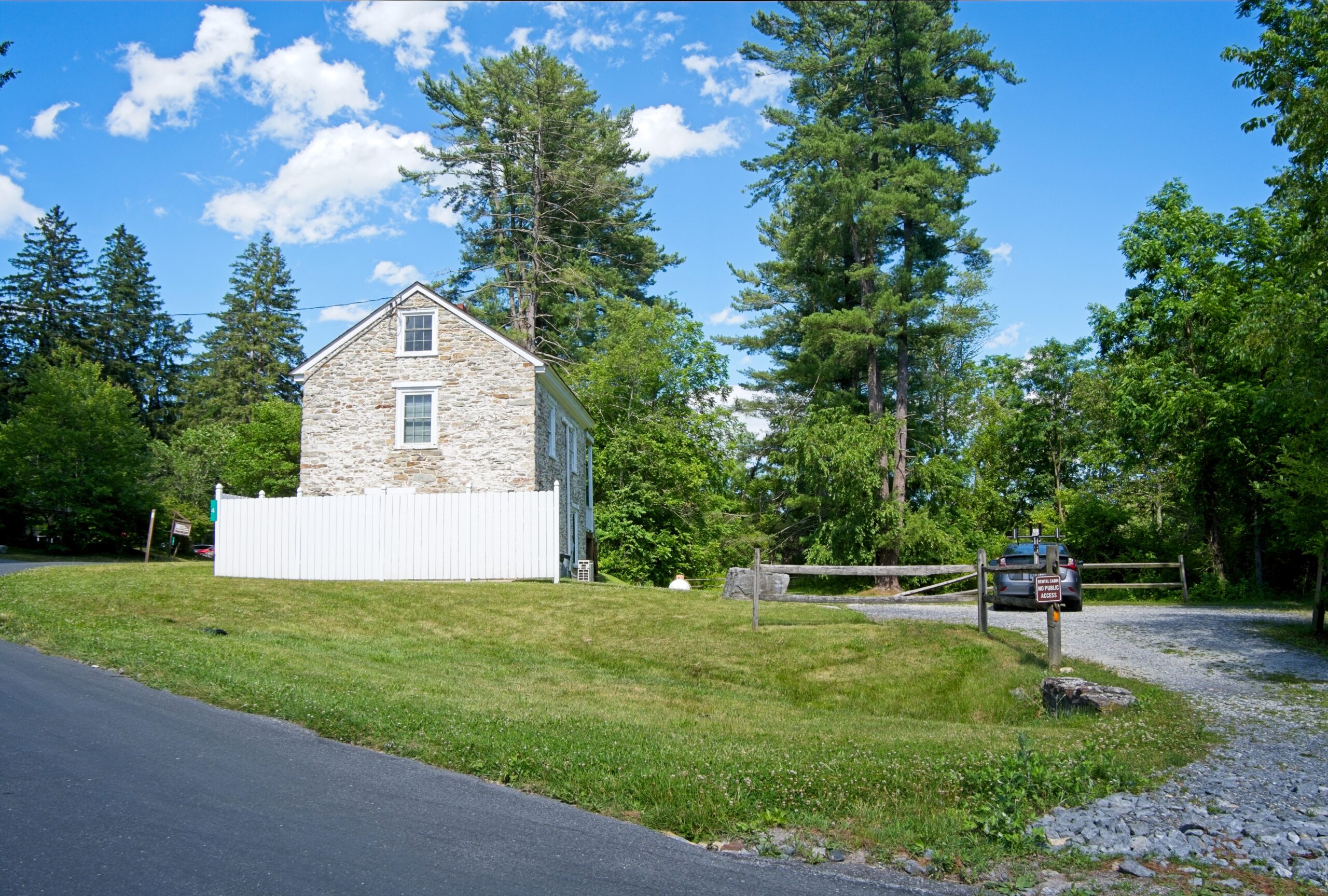
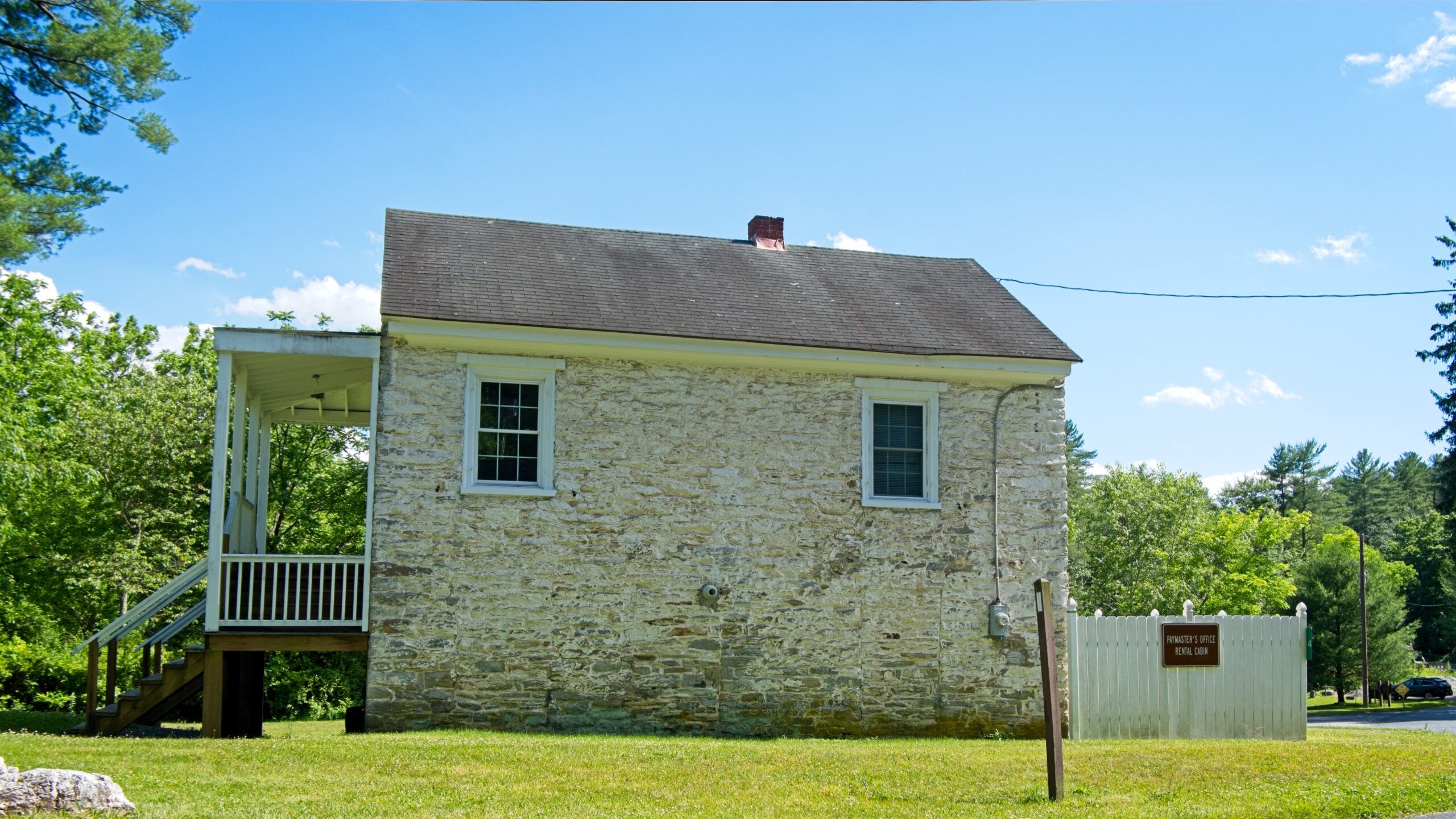
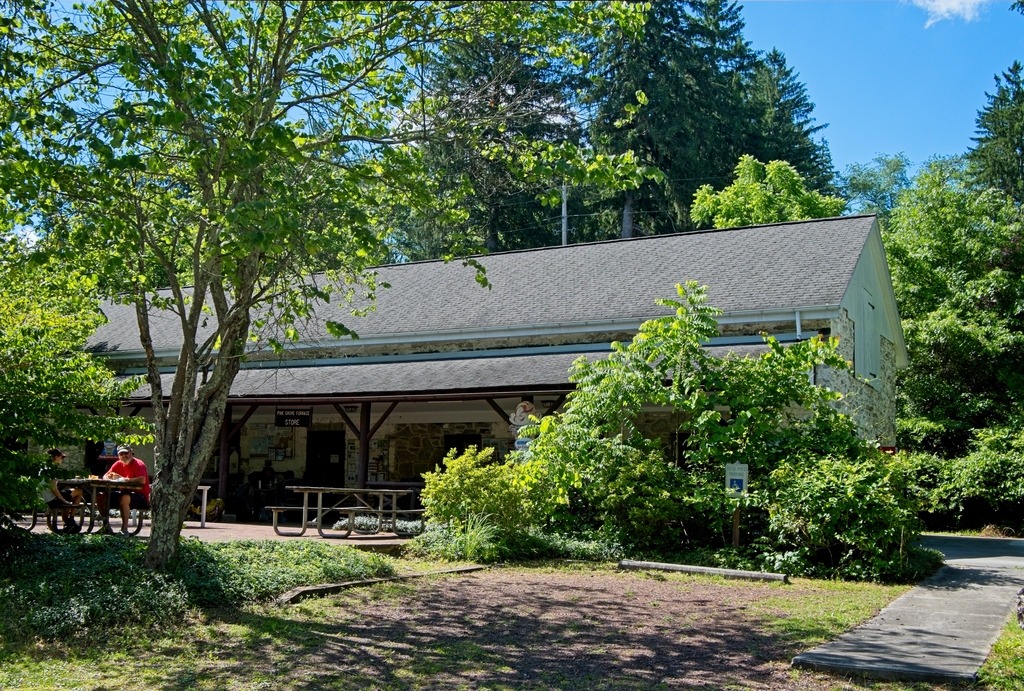
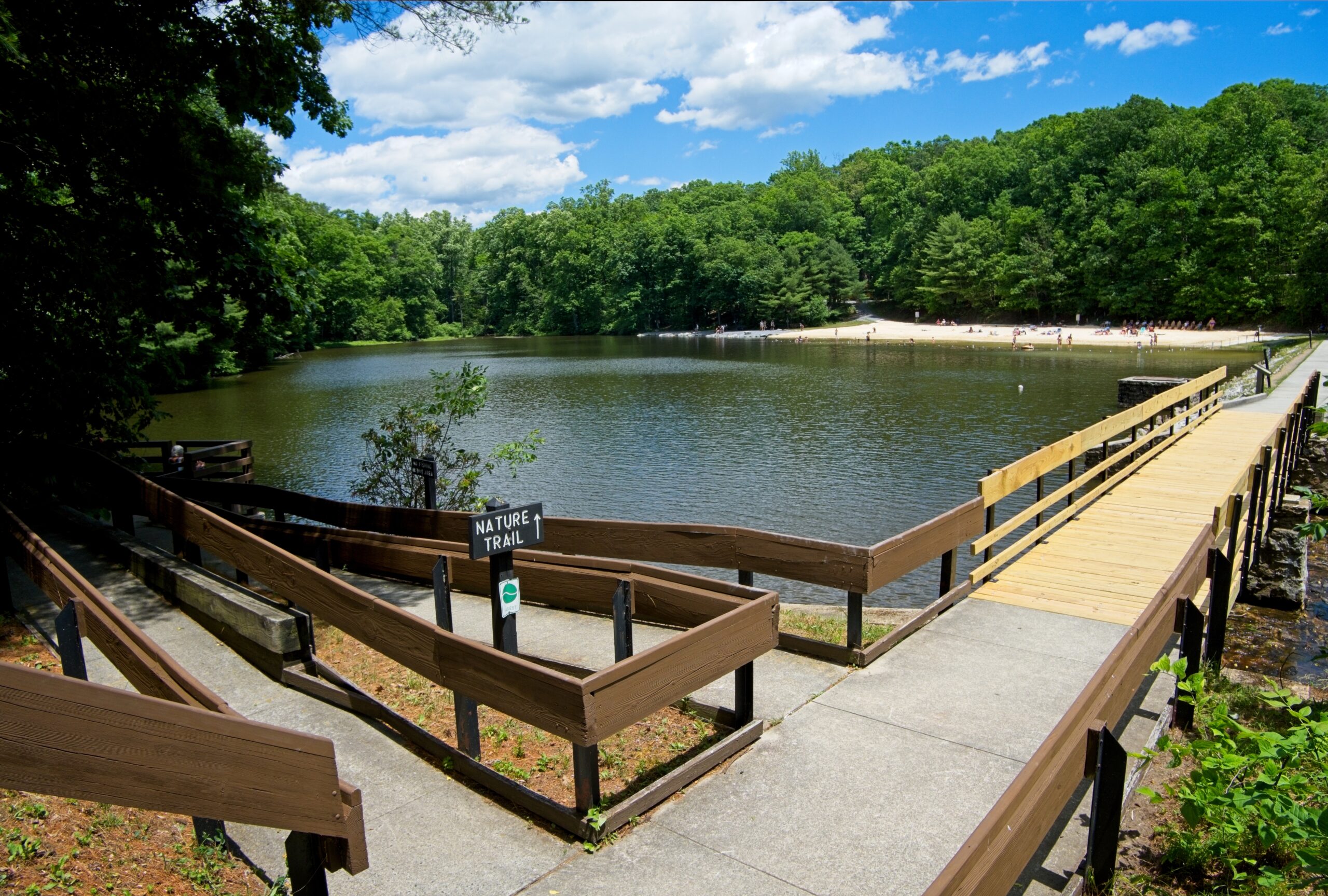
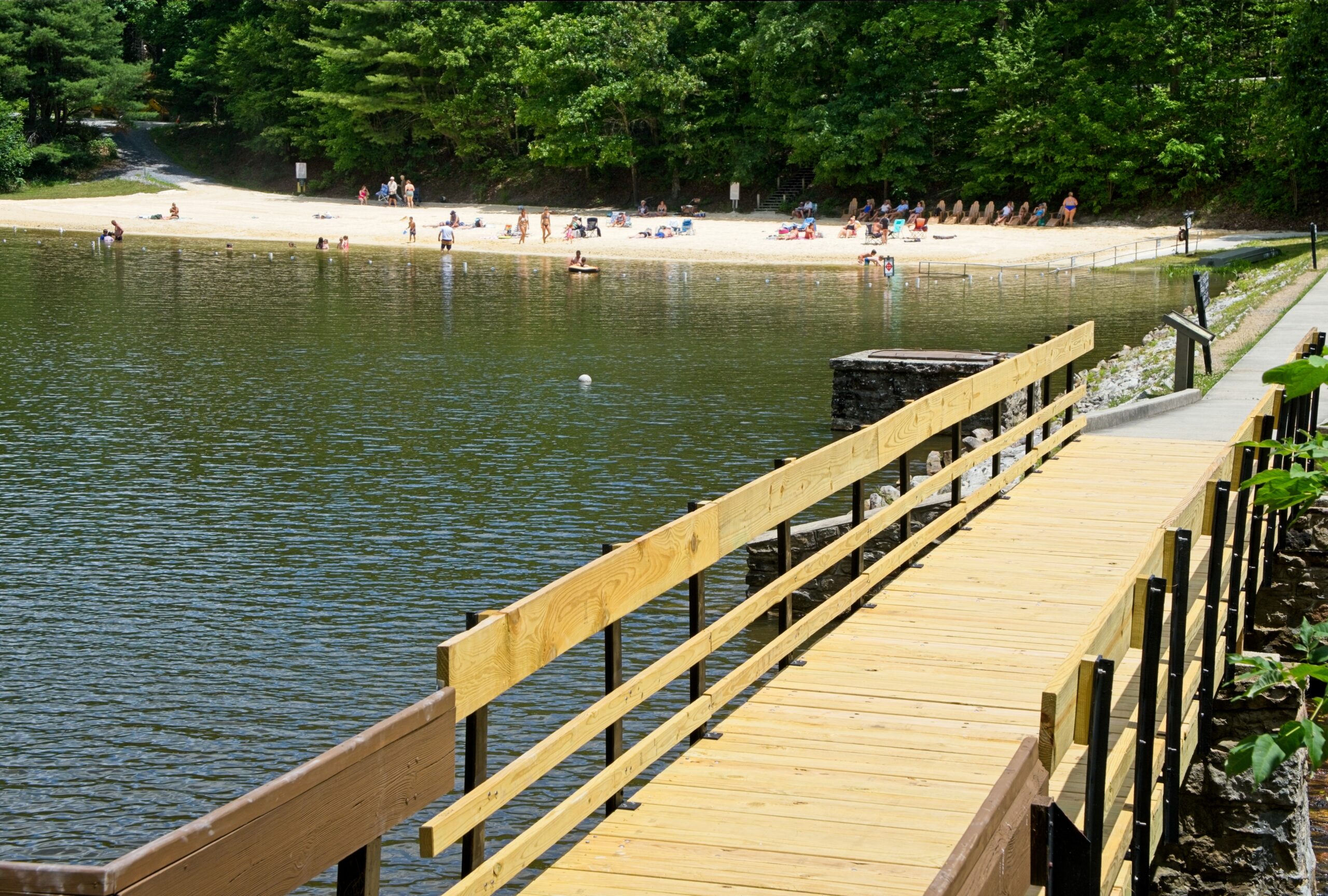
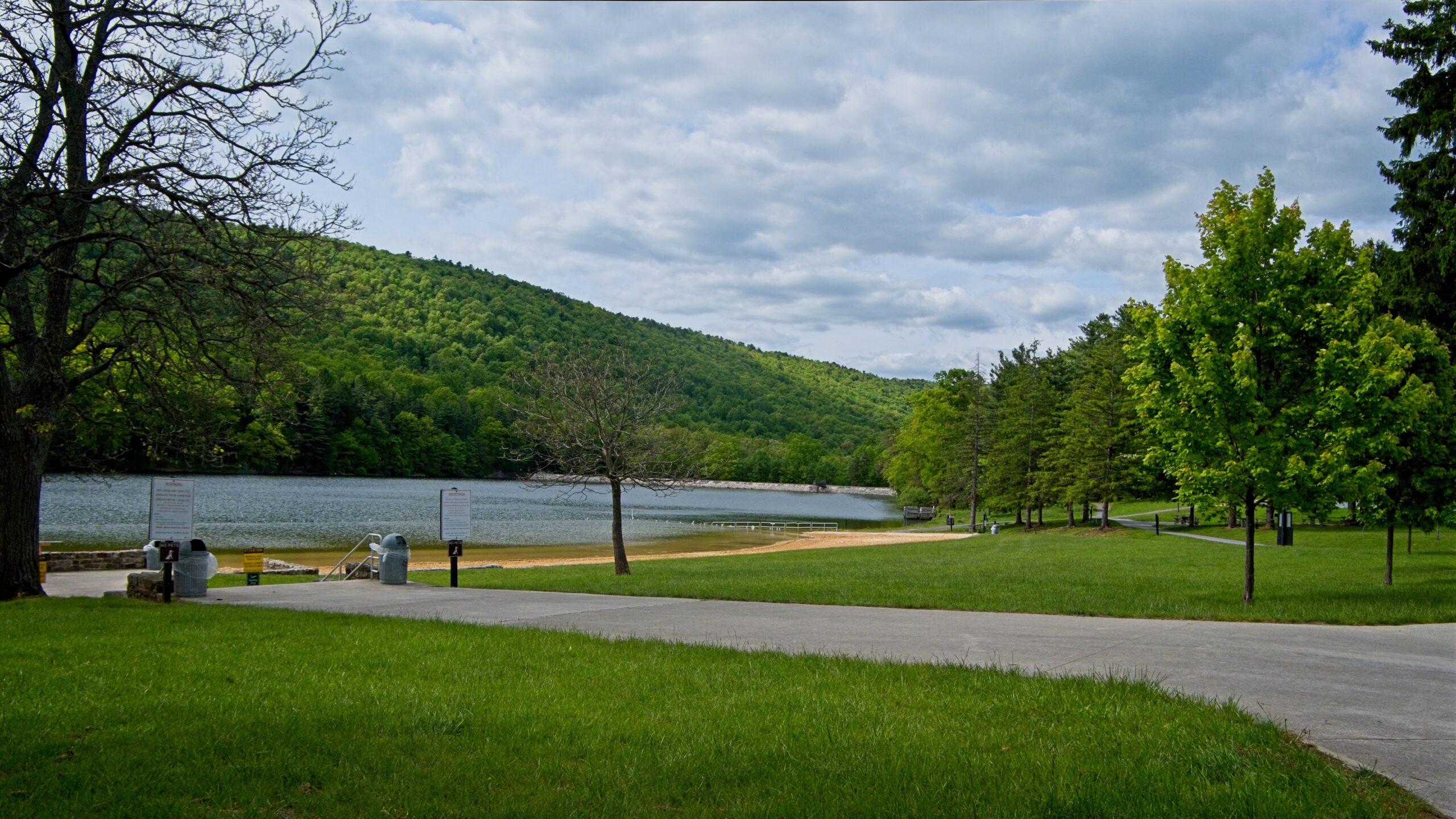
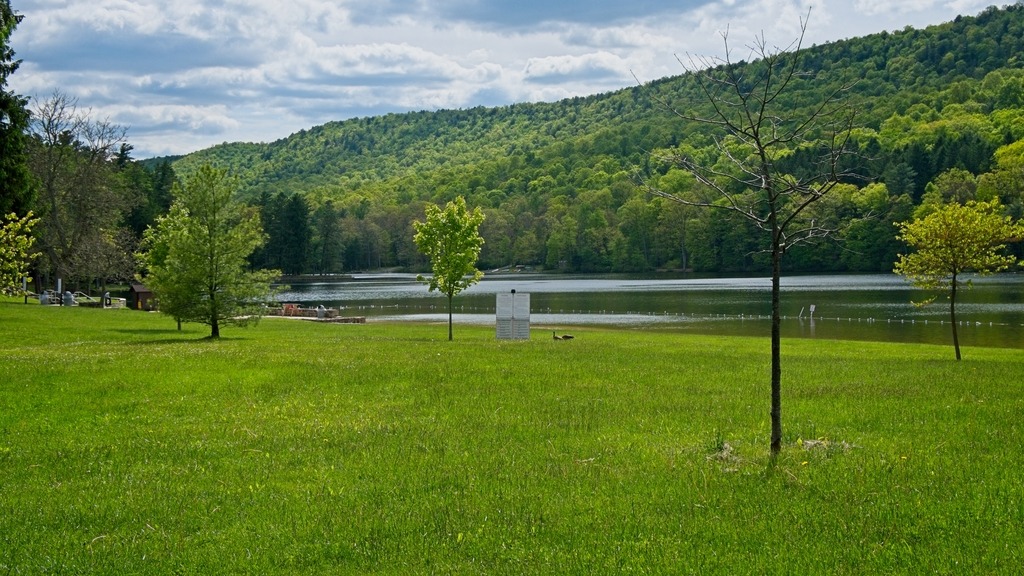
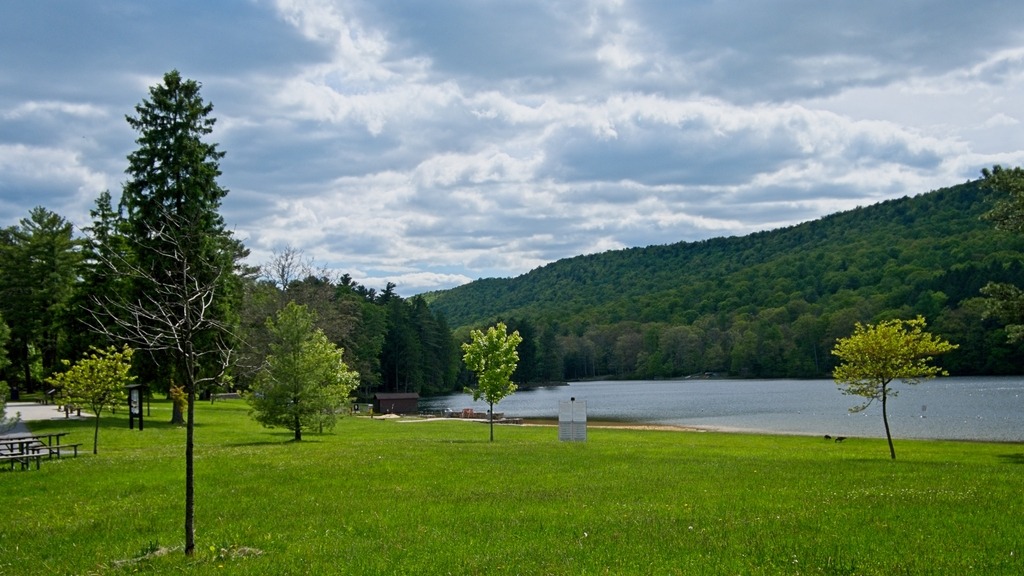
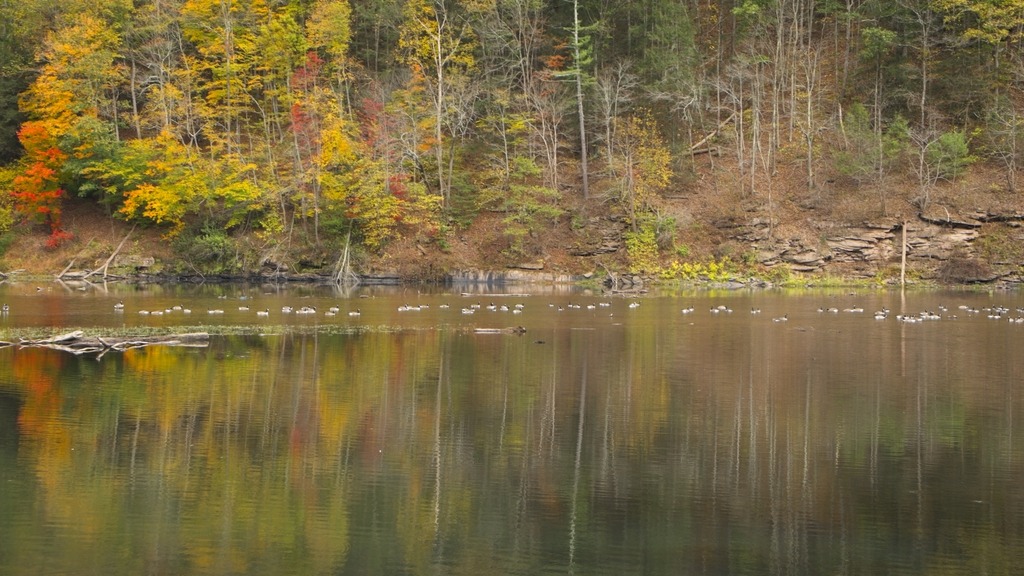
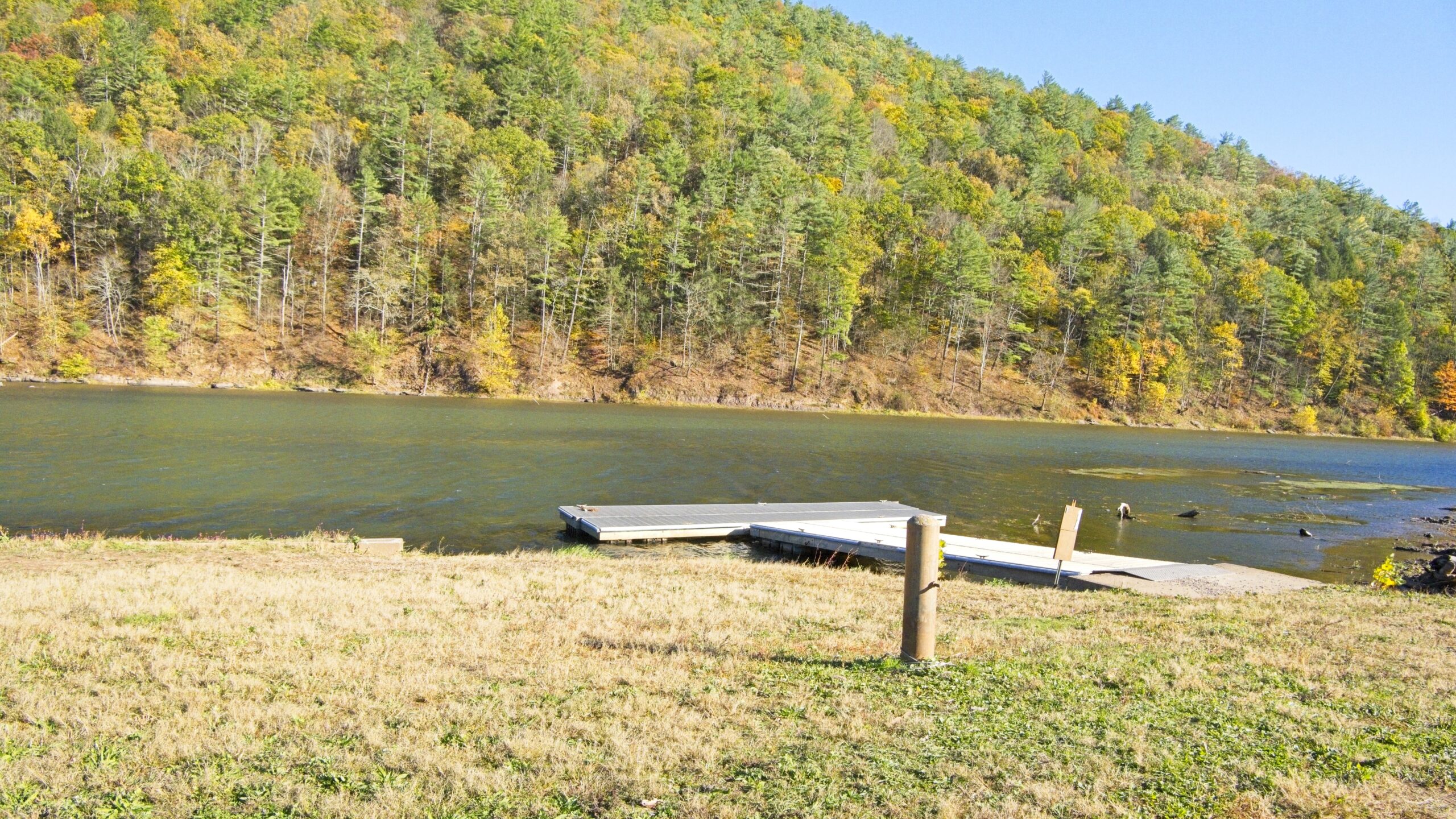
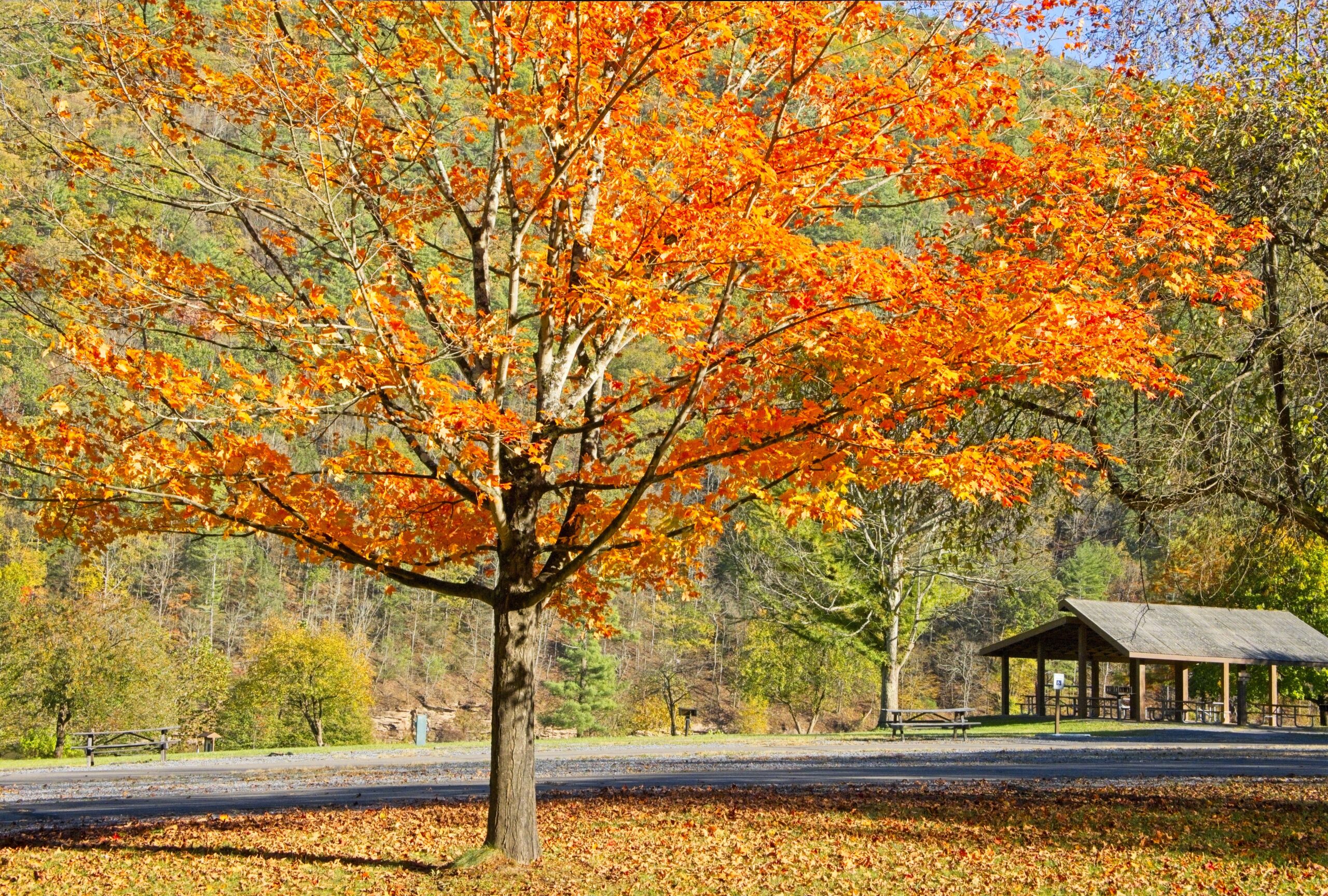
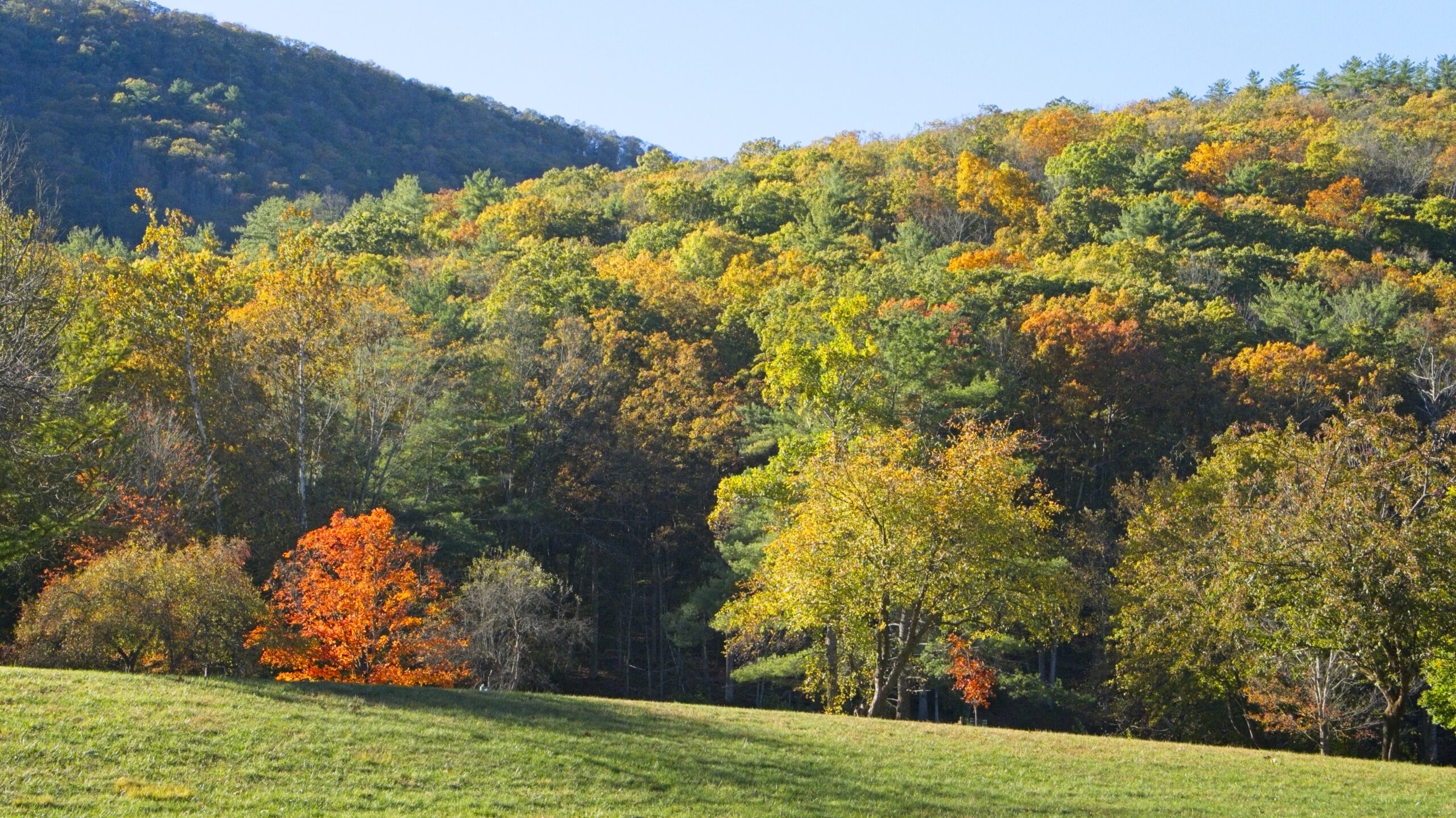
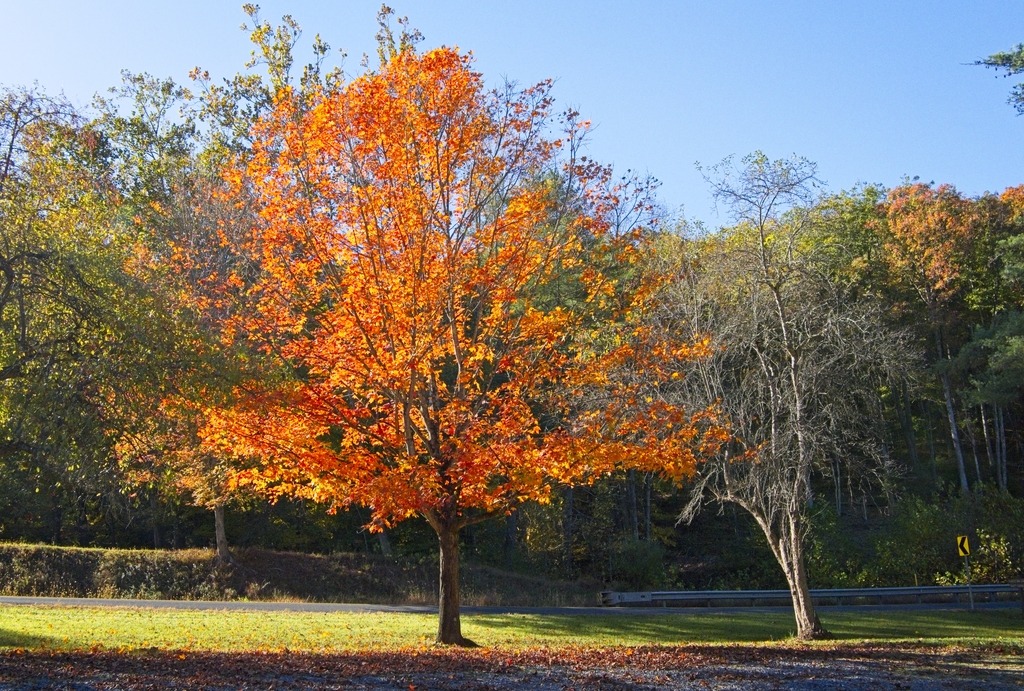
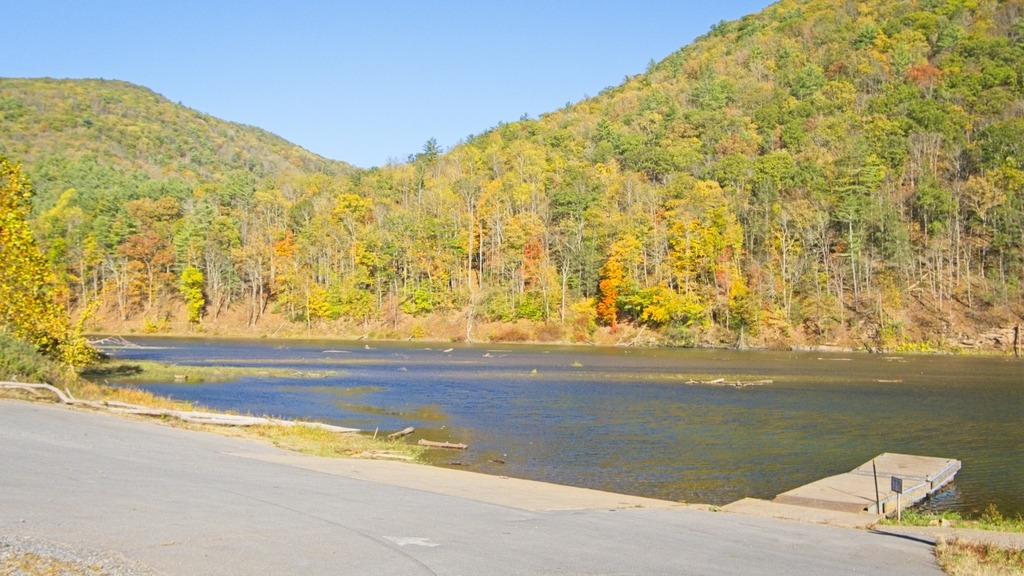
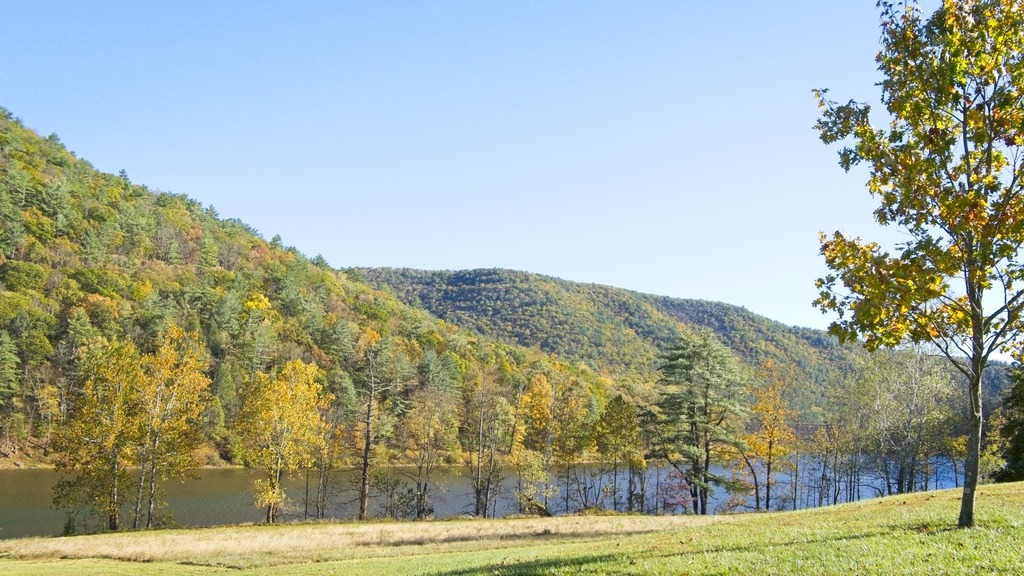
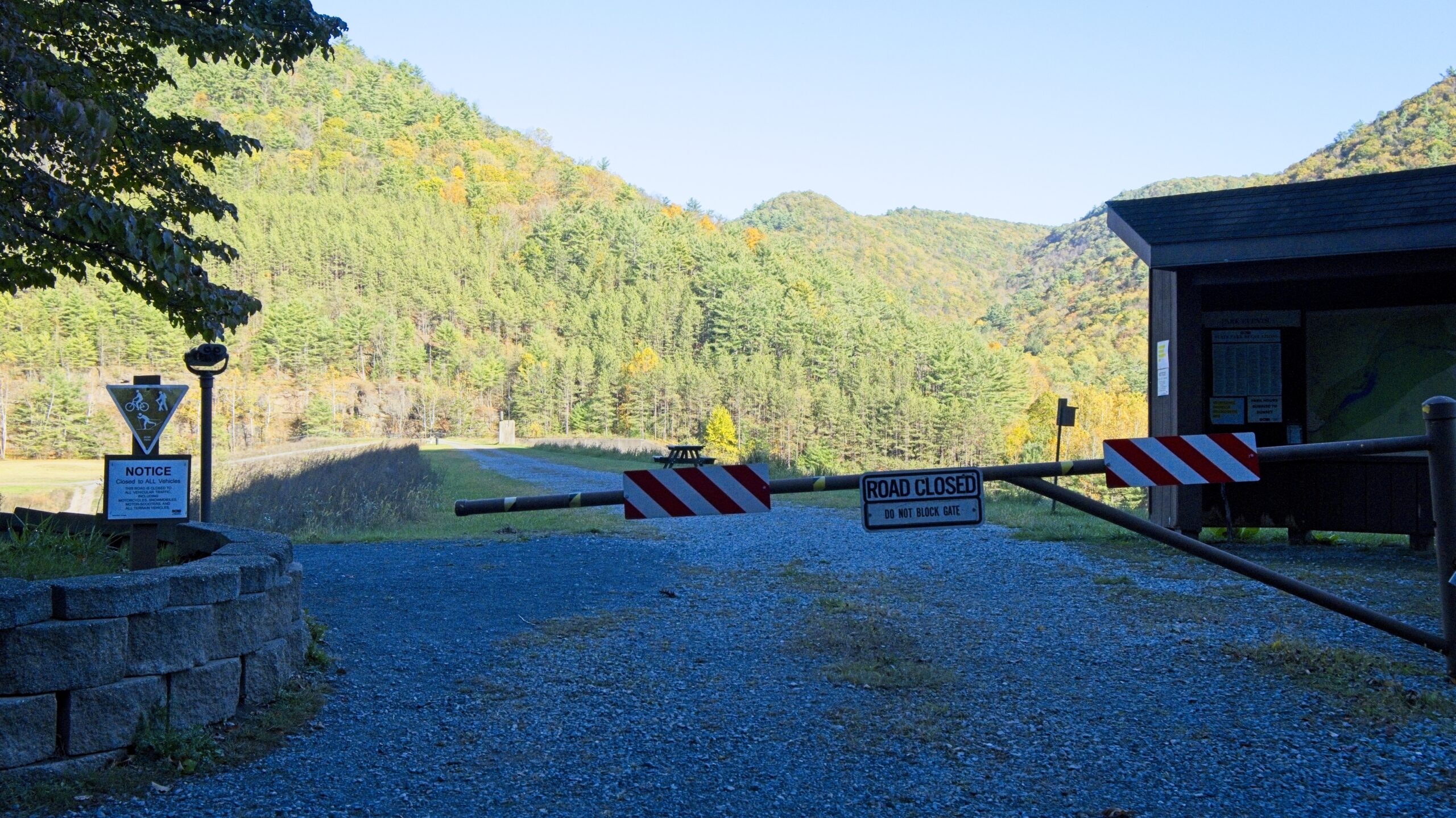
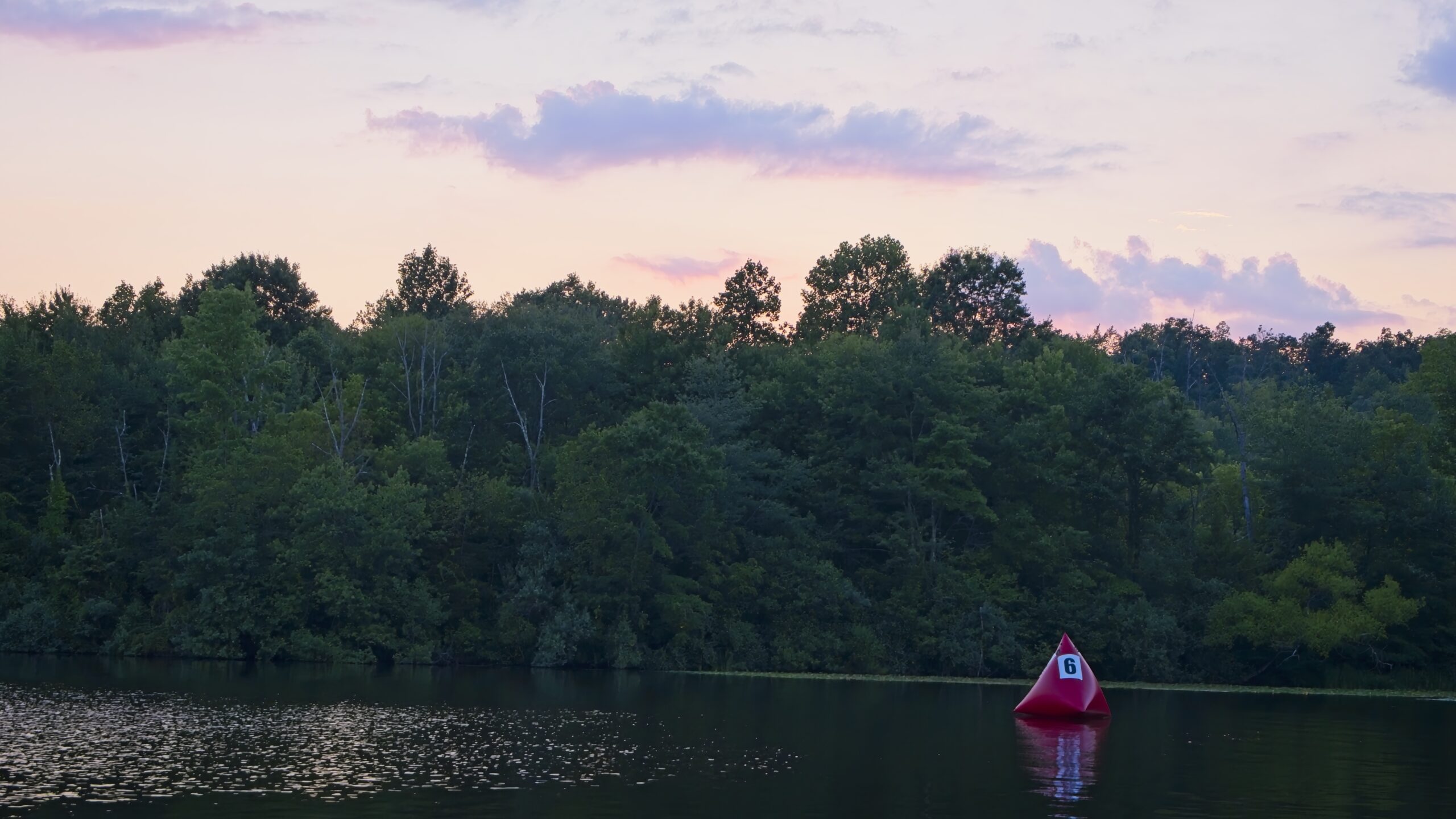
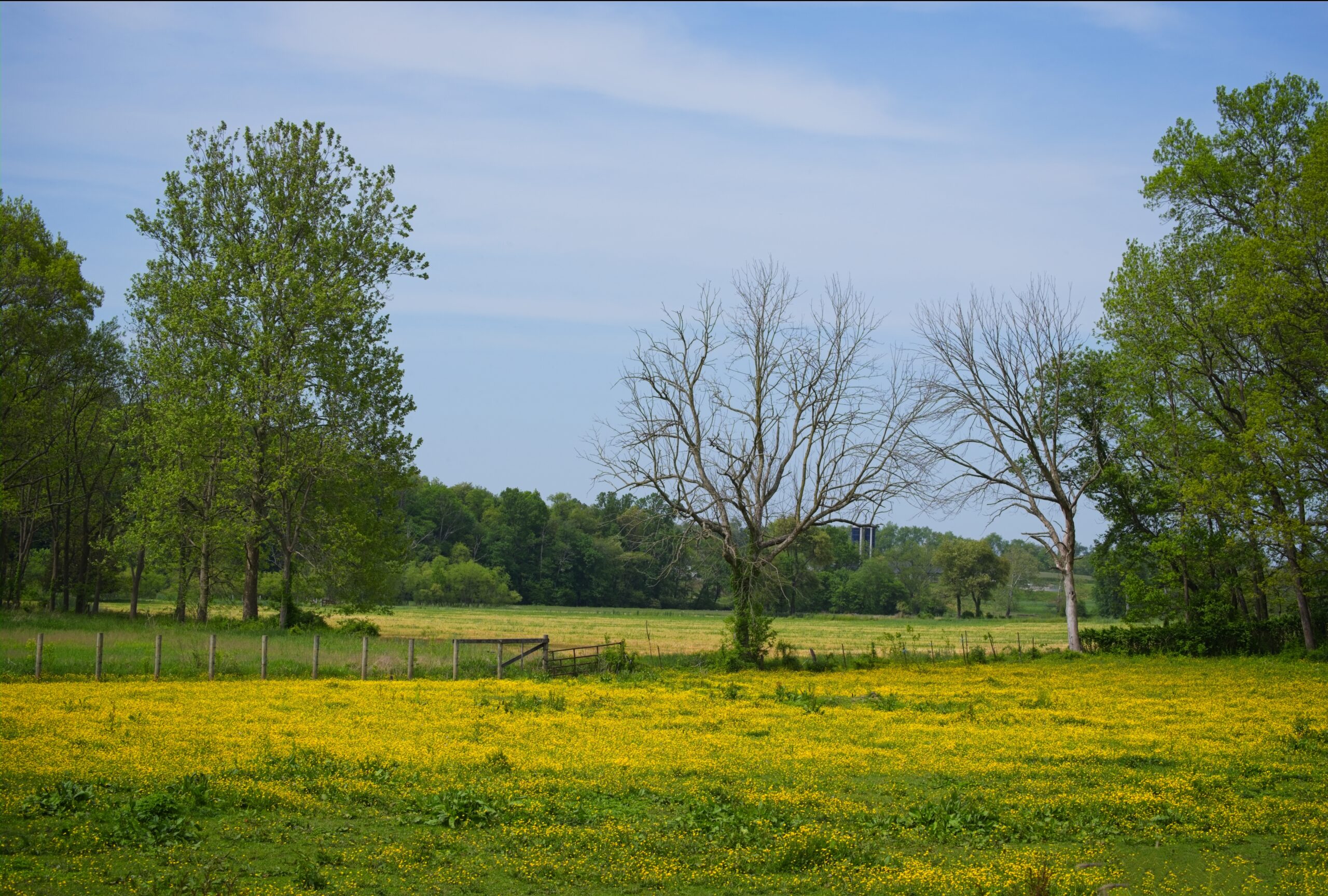
The 696-acre Pine Grove Furnace State Park is at the northern tip of the Blue Ridge Mountains, in an area known as South Mountain. Visitors enjoy many recreational opportunities, including two mountain lakes (Laurel Lake and Fuller Lake), hiking the Appalachian Trail, biking the rail trail, visiting the Appalachian Trail Museum, and viewing sites from when the park was a charcoal-fired iron furnace community
The park is surrounded by Michaux State Forest, which provides opportunities for exploring extensive public lands around South Mountain. The area is know for being close to the mid way point of the Appalachian Trail.
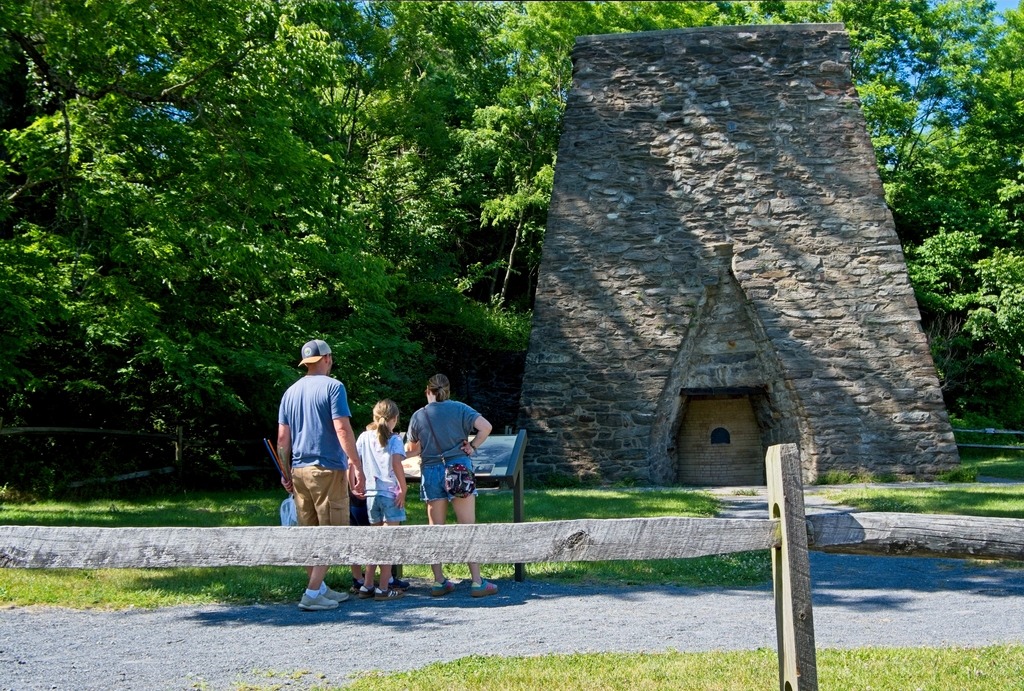
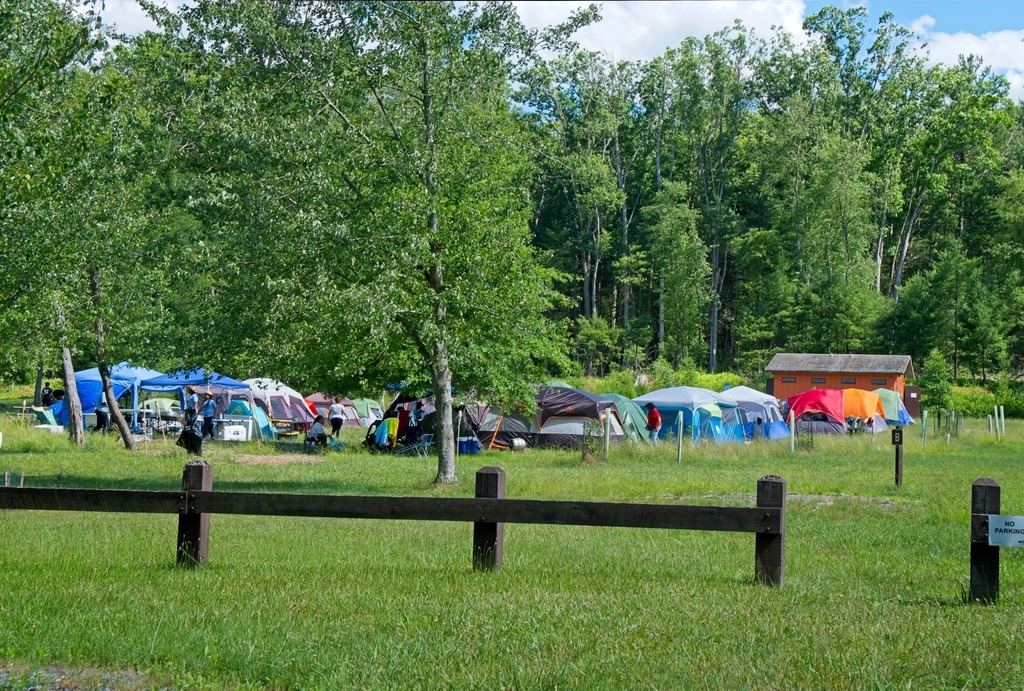
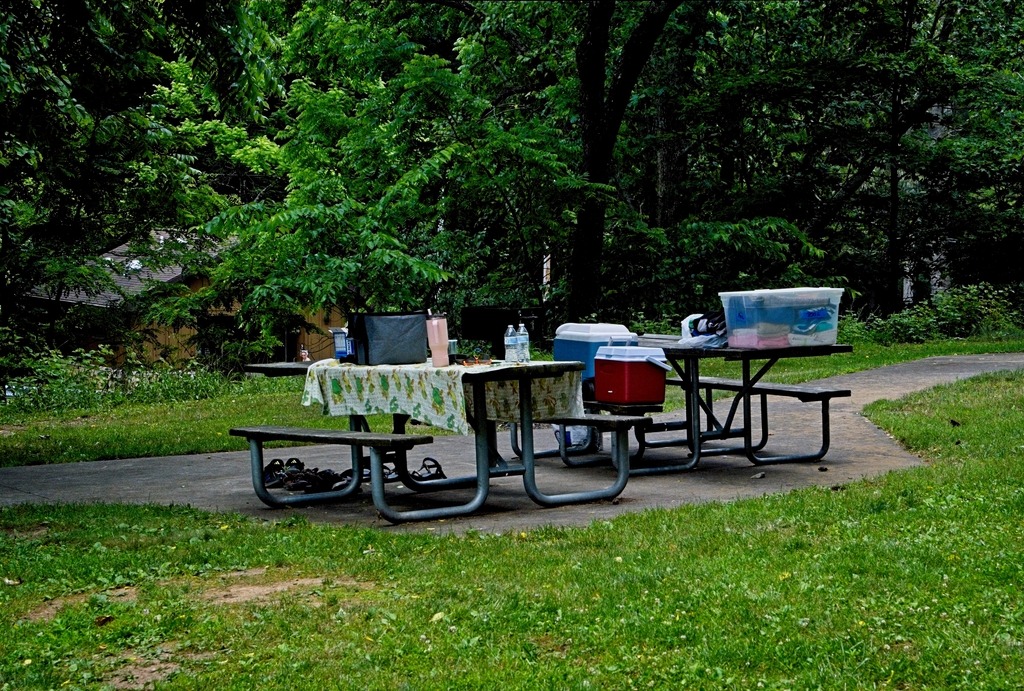
An old iron furnace.The group tent camping area.The Pine Grove Furnace General Store, home of the half gallon ice cream challenge.
I had previously visited Colonel Denning State park in Spring of 2020. The previous post can be found here. The Park, in north-central Cumberland County, has 273 acres of woodland and a 3.5-acre lake. It serves as a gateway to the 96,000-acre Tuscarora State Forest, which surrounds the park.These scenic and historic public lands are located in Doubling Gap, so named by the “S” turn where Blue Mountain doubles back on itself.
Although never a colonel, William Denning (1737-1830) served as a Revolutionary War sergeant from March 1778 to April 1780 in Nathaniel Irish’s Company of Artillery Artificers in Benjamin Flower’s Regiment. Stationed just outside of Carlisle at Washingtonburg Forge (now Carlisle Barracks), Denning earned his place in history making wrought iron cannons for the Continental Army. Unfortunately, none of Denning’s cannons survive today.
After the Revolution, William Denning lived out his life near Newville and is interred with his only son and daughter in the Big Spring Presbyterian Church cemetery in Newville. His monument reads, “The patriotic blacksmith and forger of wrought iron cannon during the Revolutionary War.” It is not known when or who added the “Colonel” to Sergeant William Denning’s name.
Colonel Denning State Park became a state recreational area around 1930, under the Pennsylvania Bureau of Forestry. It was developed formally in 1936 through the efforts of the Civilian Conservation Corps Camp S-111 in Perry County.
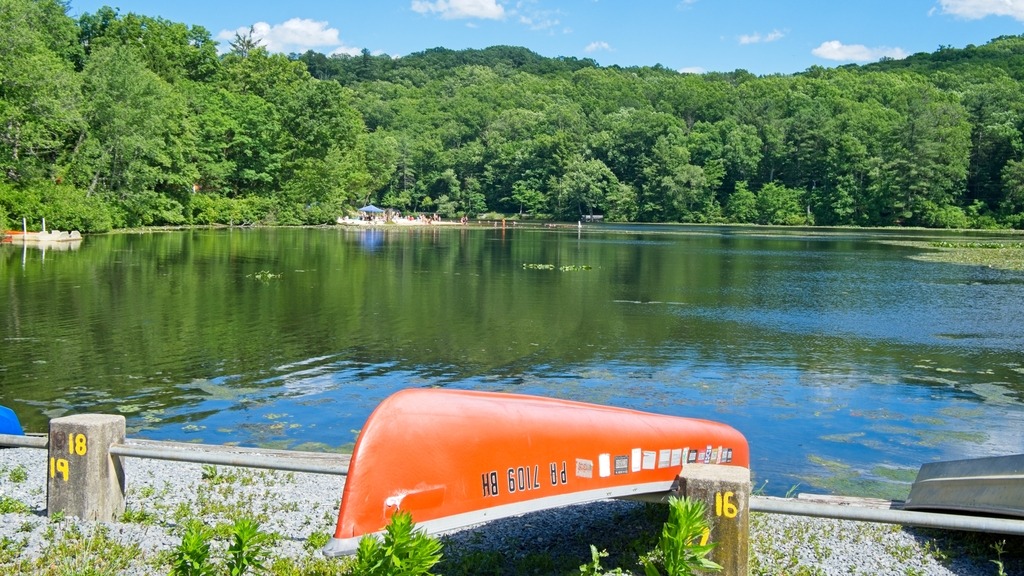
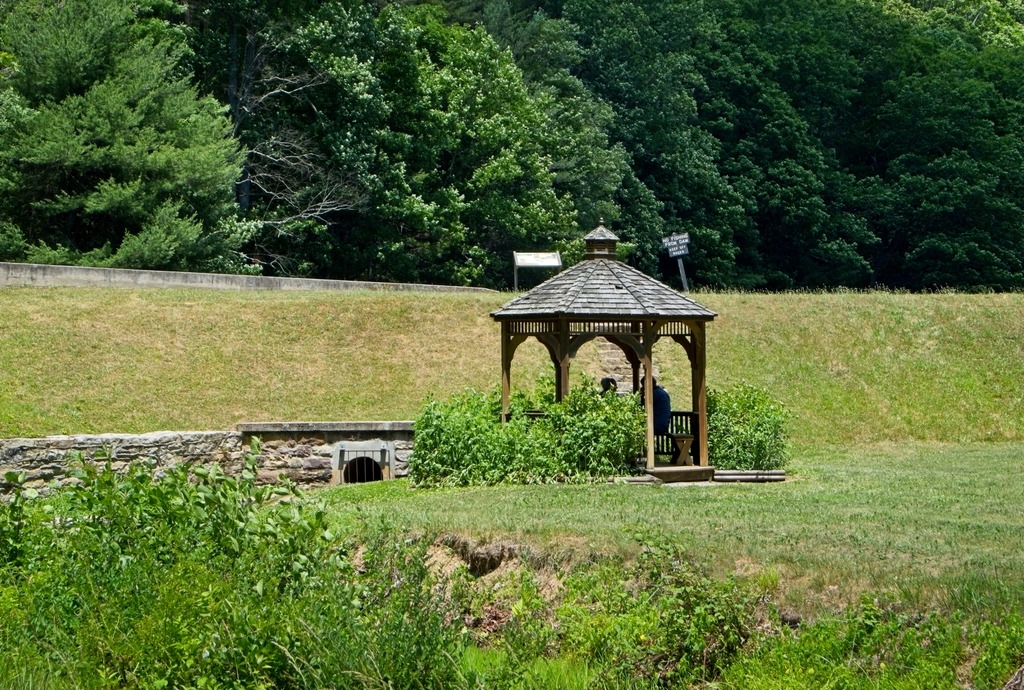
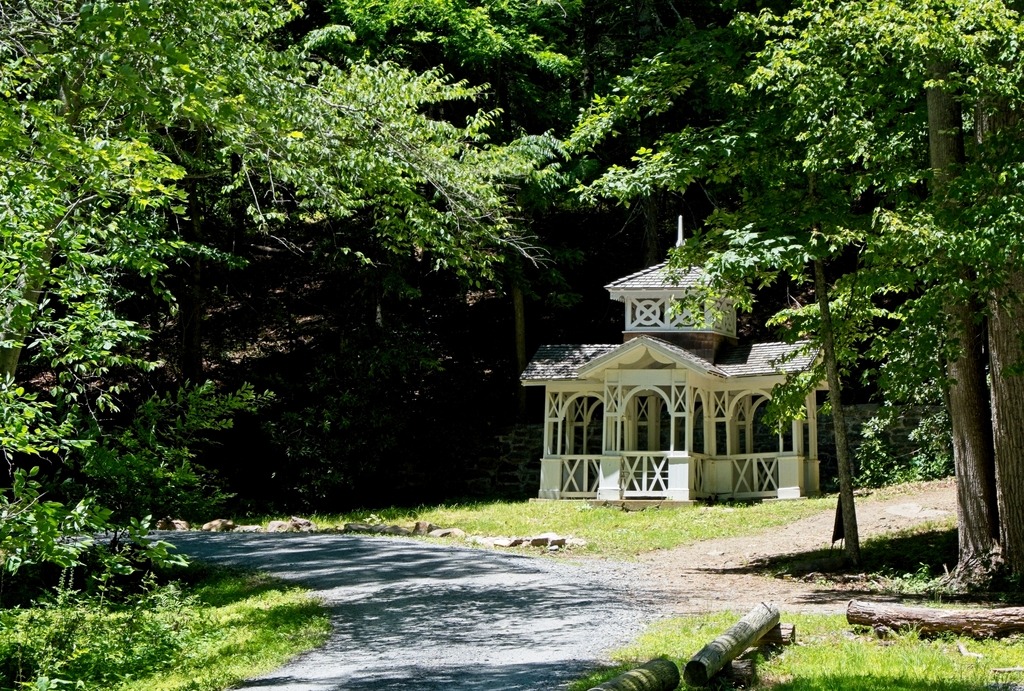
The lake and beach.A distinctive gazebo near the dam.
As a bonus, here are some looks at a nearby church camp known as Doubling Gap Center Camp YoliJwa.
Cowans Gap State Park is a 1,085-acre (439 ha) Pennsylvania state park in Fulton County. The park is largely surrounded by Buchanan State Forest in Allens Valley just off Pennsylvania Route 75 near Fort Loudon. The park is lovely, and although I have visited before, I was happy to be back.
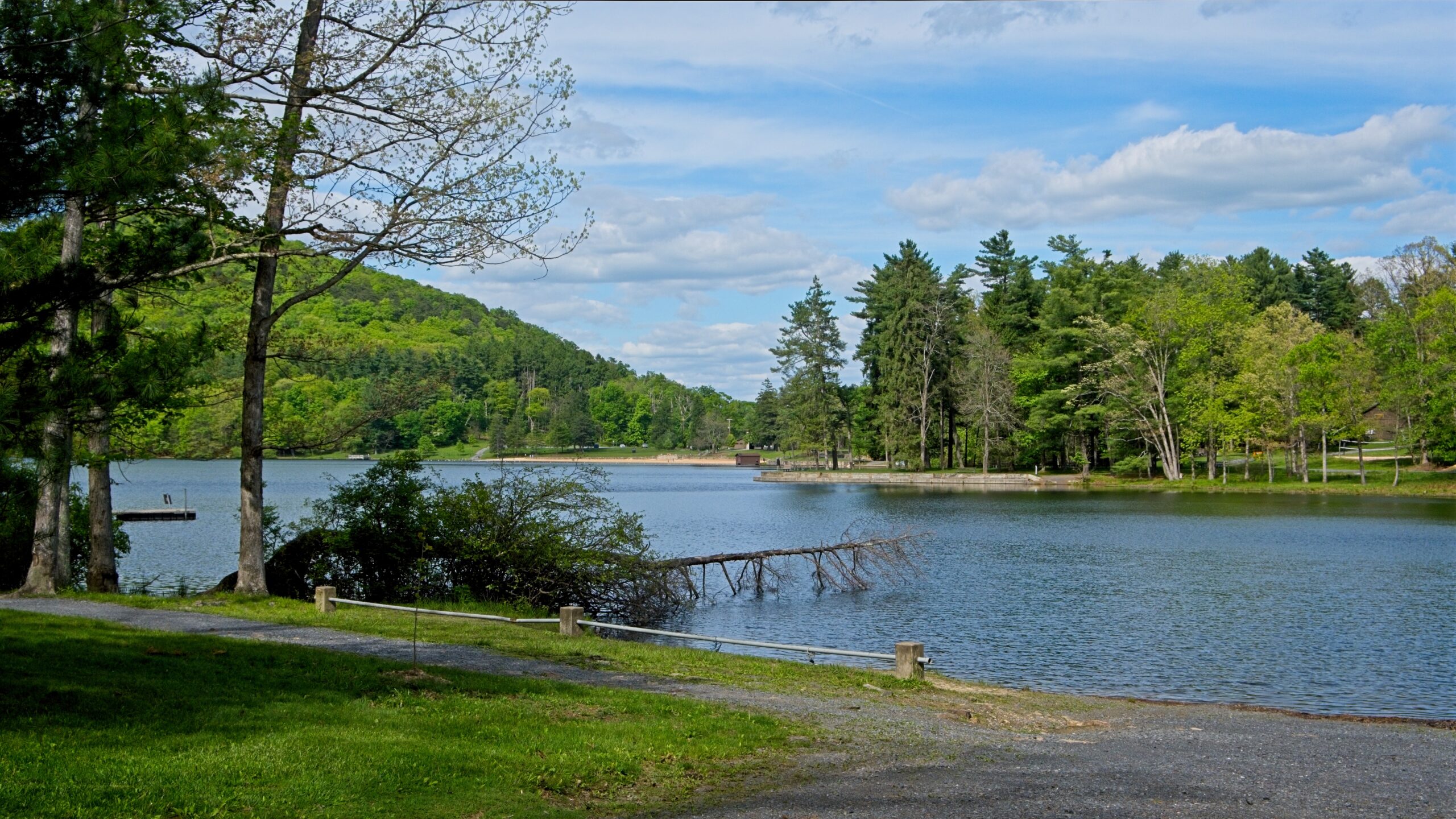
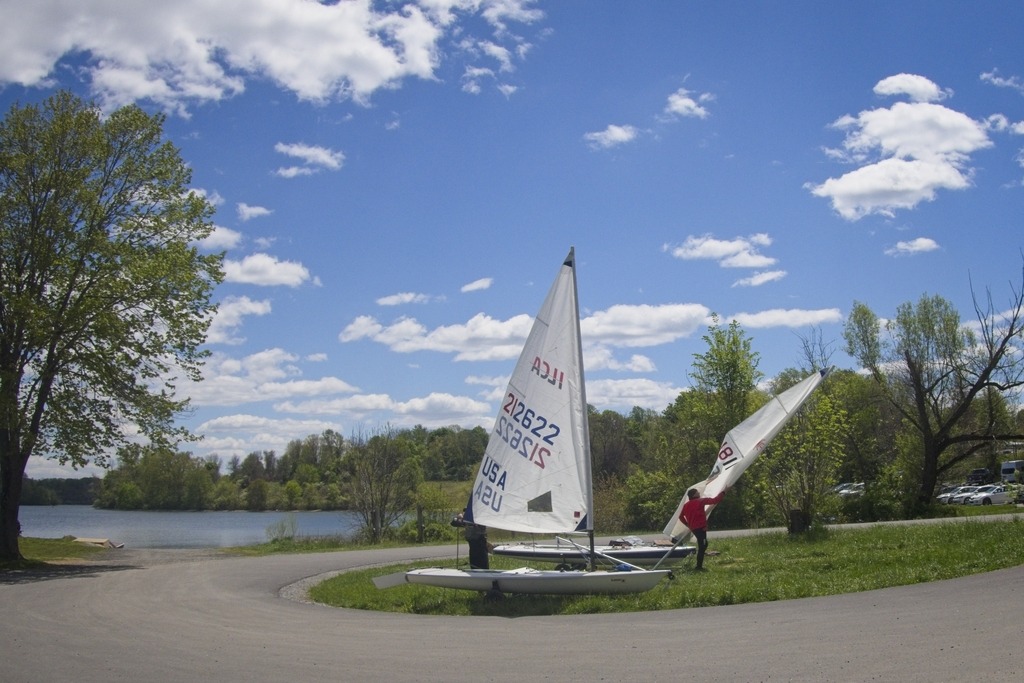
A boat access for the lake.The swimming beach at the day use area.
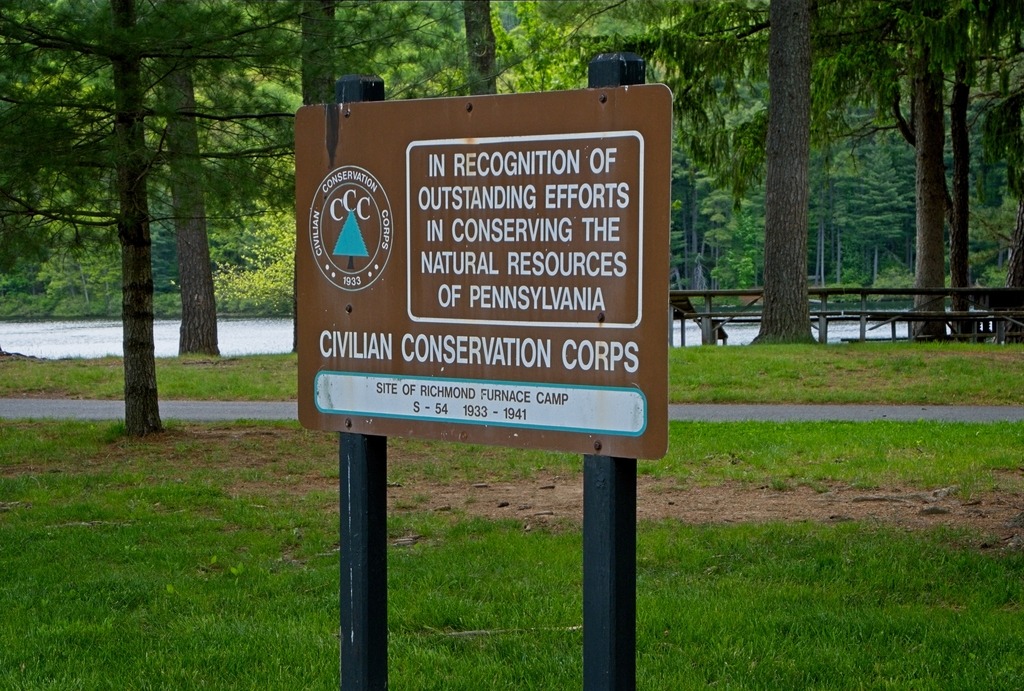
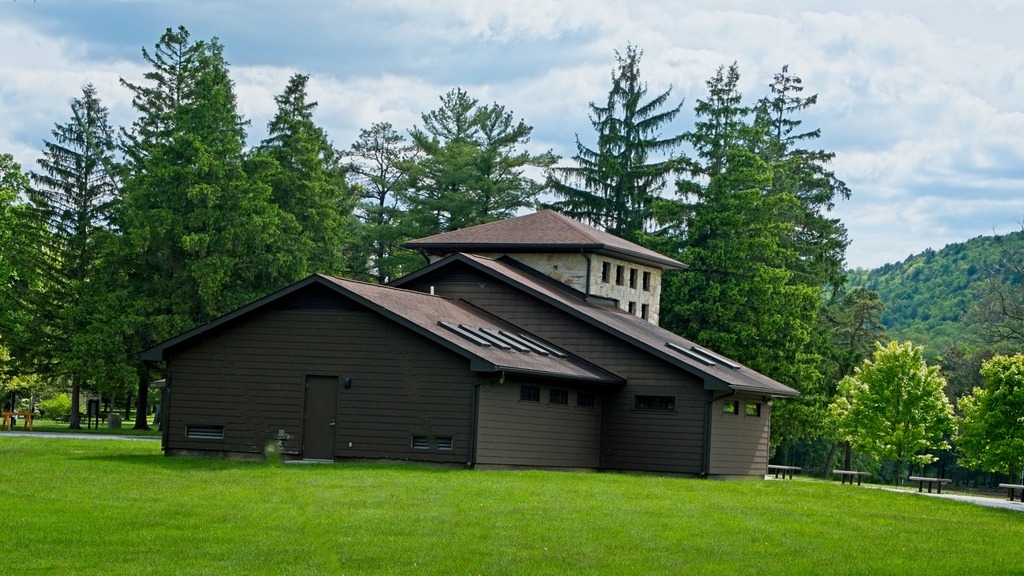
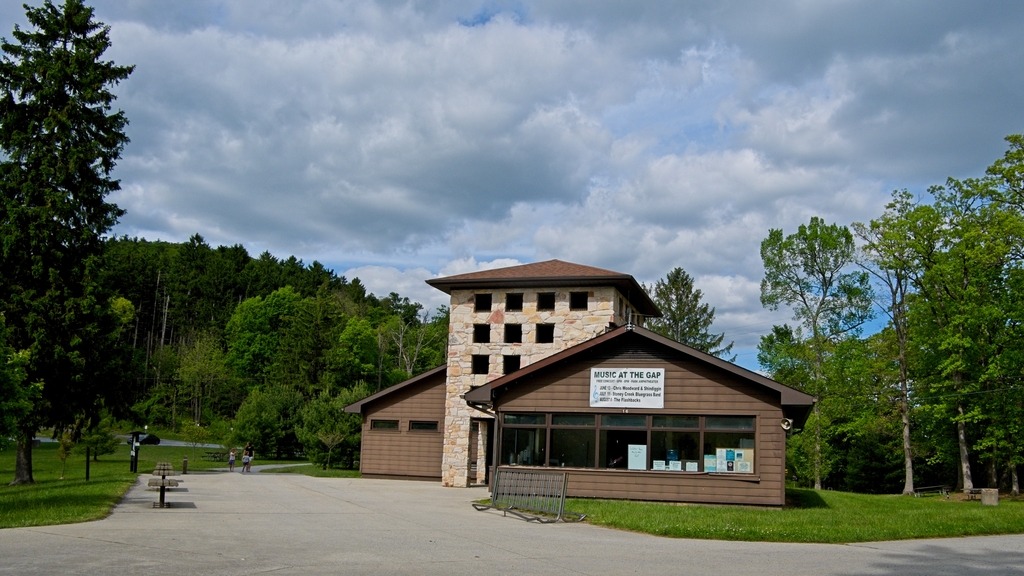
The Civilian Conservation Corps provided work for the unemployed from throughout the United States. A CCC camp, Richmond Furnace Camp PA-SP-54, was built at the site of Cowans Gap State Park. At first the young men lived in tents, but they soon built cabins (which are still in use at the park). The young men of the CCC also planted thousands of acres of new trees, built four bridges, 30 miles (48 km) of state roads, 32 miles (51 km) of fire trails, and 11 miles (18 km) of telephone lines. In addition, the CCC also cleared the forests and streams of brush, built pavilions, and constructed the dam that created Cowans Gap Lake. The park opened to the public in 1937.
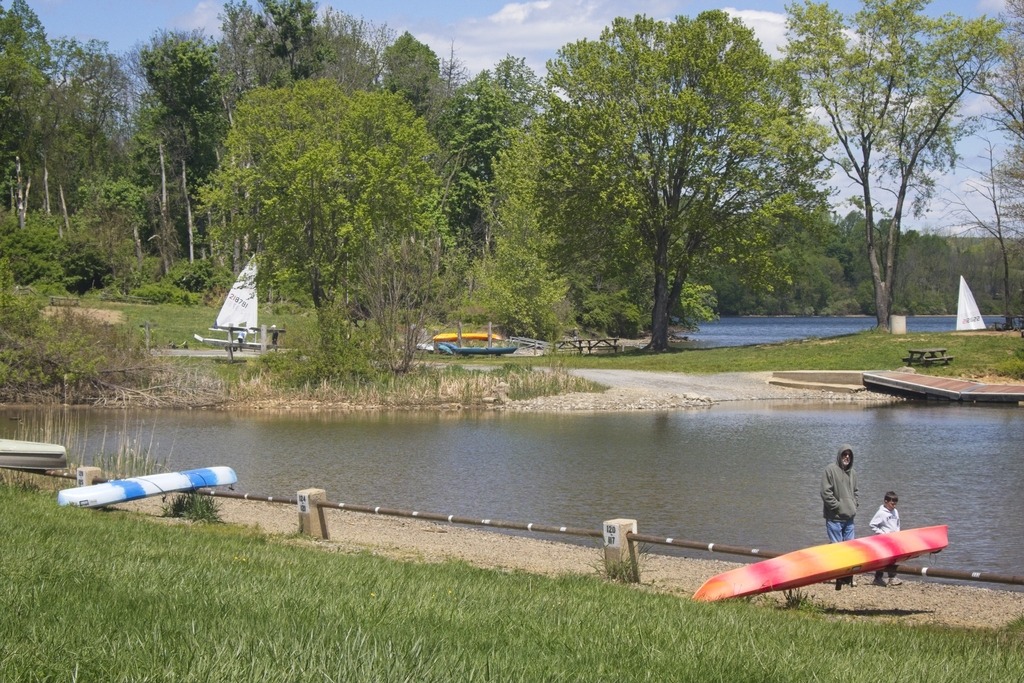
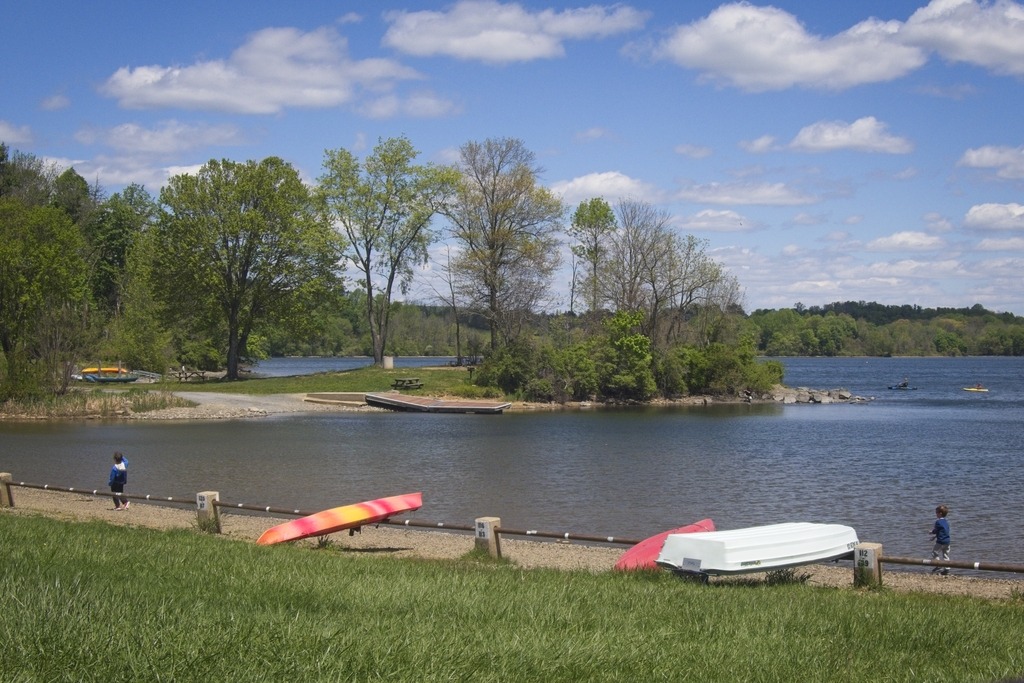
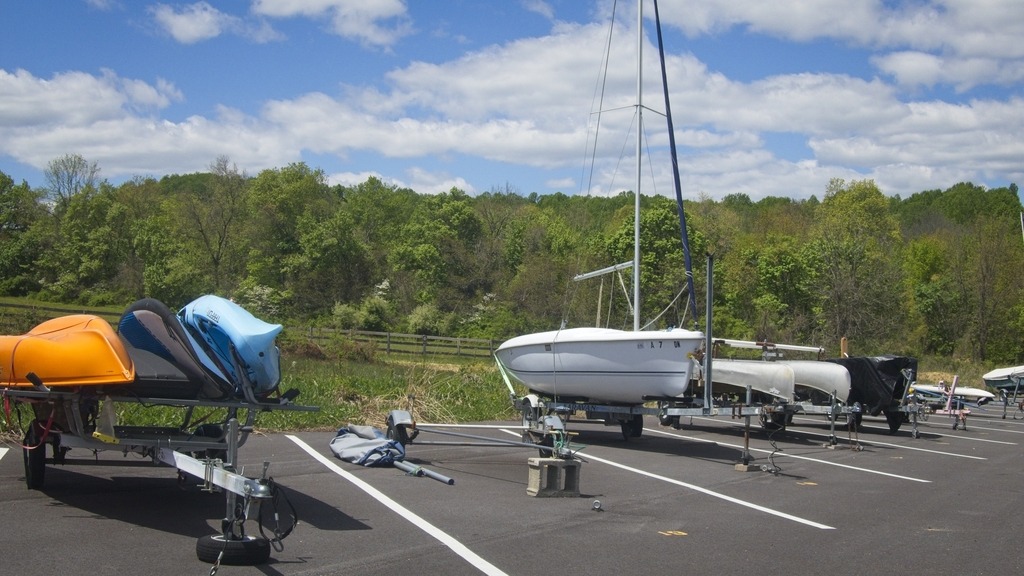
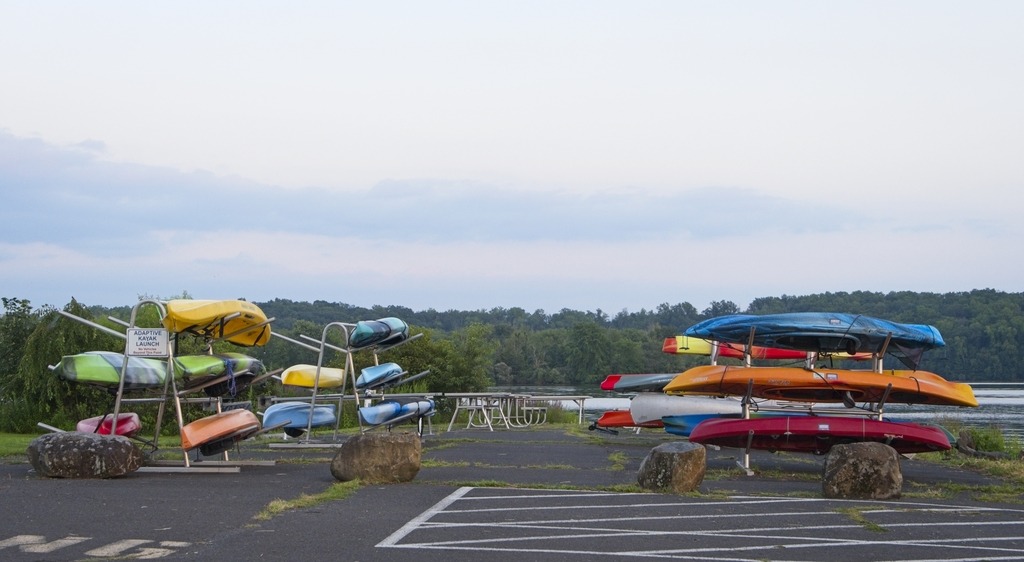
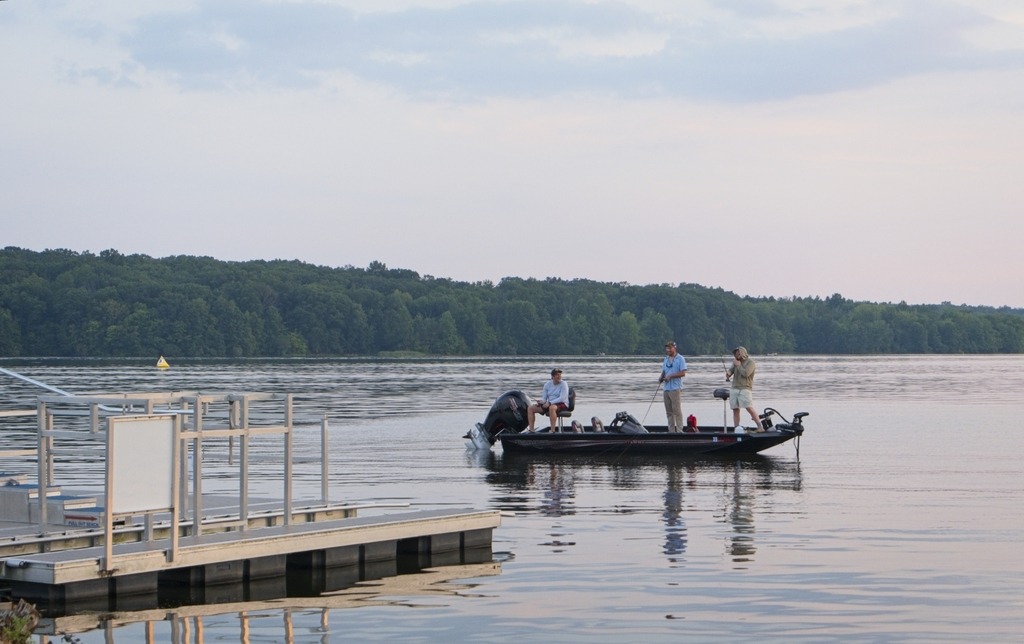
The Spring birding season led to another trip to Marsh Creek State Park in Chester County. The park was active with boaters getting ready for the season in relatively nice weather for May.
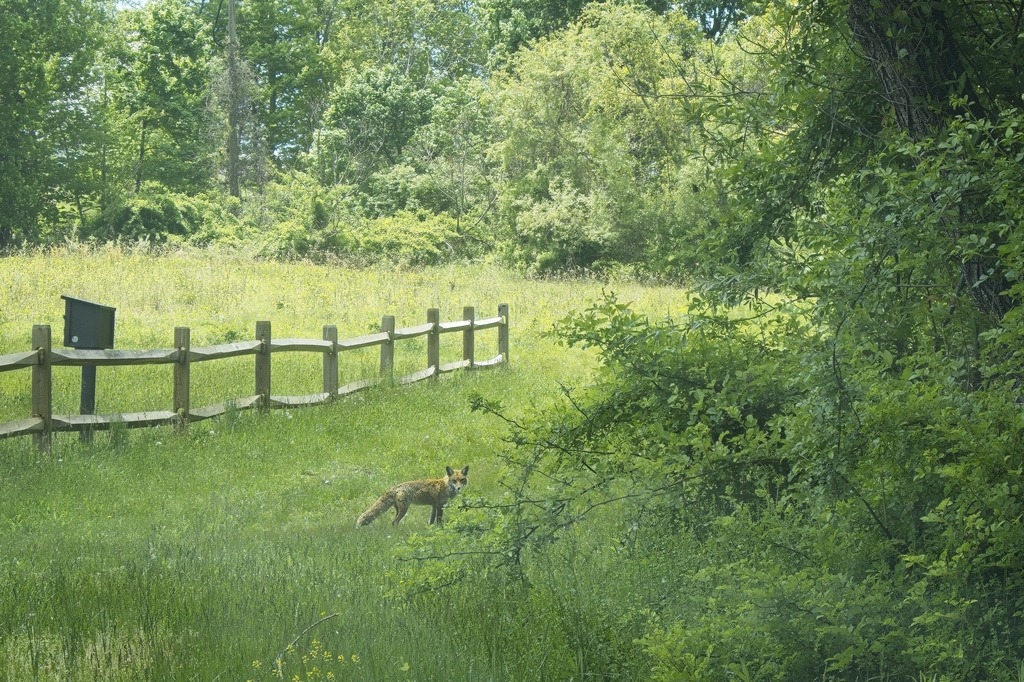
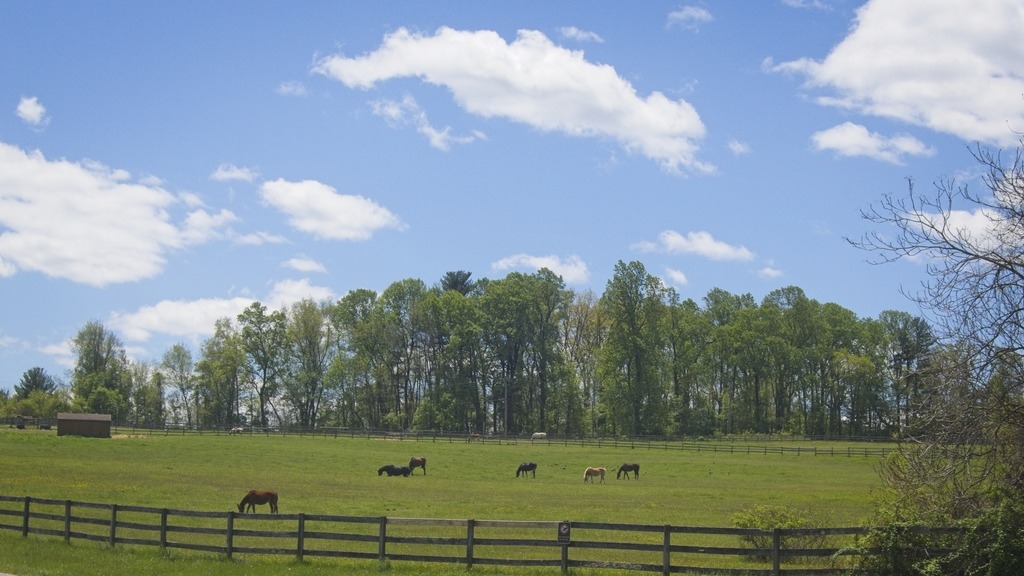
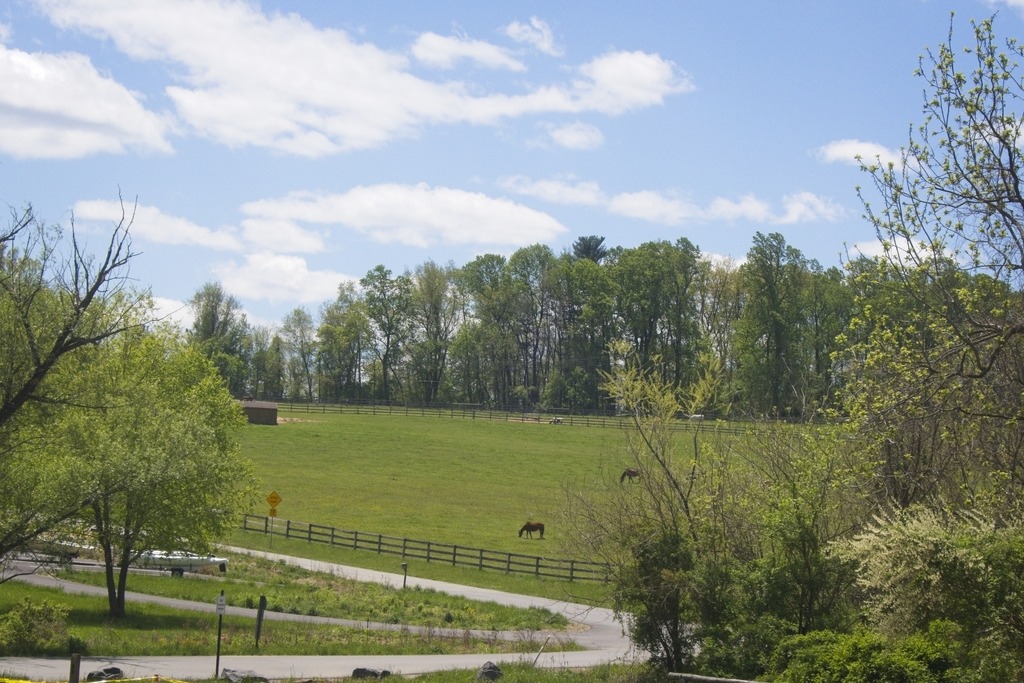
At the west boat launch.This fox was out enjoying the sun.More horses than unusual out in the pasture.The new access point off Chalfont Road.
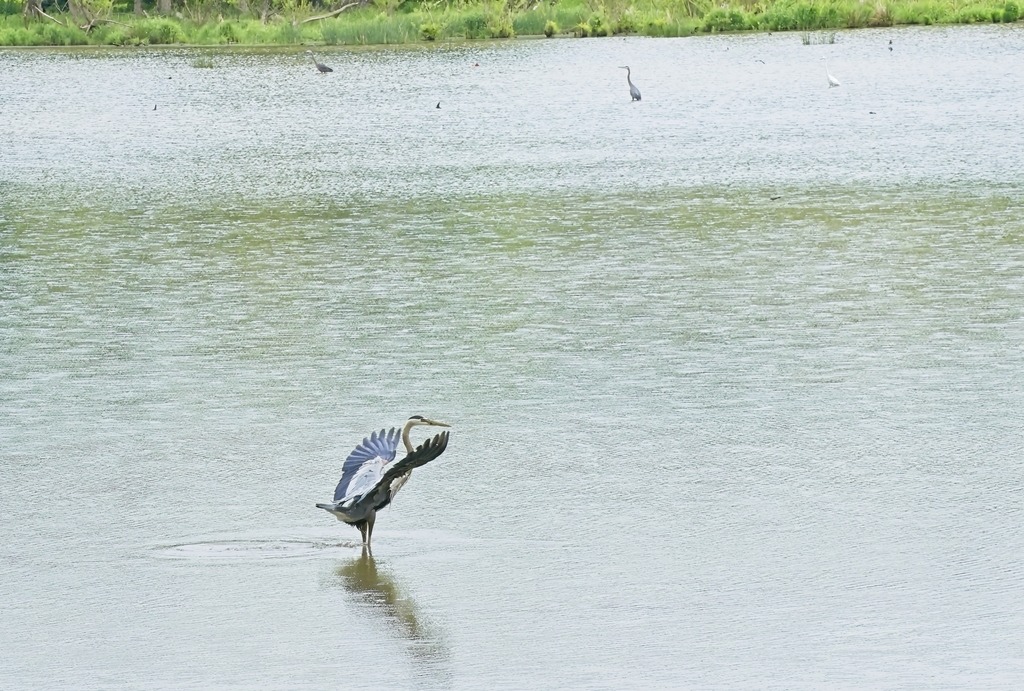
The great blue heron is one of my favorite birds, due in no small part to the fact there is a rookery near where I live. Here is a shot of one in action at the Octoraro Lake in Chester County. Note the bonus great blues in the background, as well as a faint great egret.
The great blue heron (Ardea herodias) is a large wading bird in the heron family (Ardeidae), common near shores of open water and wetlands over most of North and Central America, as well as Northwestern South America, the Caribbean, and the Galápagos Islands. It is occasionally found in the Azores and is a rare vagrant to Europe.
They are fairly easy to find in Pennsylvania if you know where to look. Coupled with their majestic, but positively prehistoric looks, the great blues are a favorite.
The scenic vista on McCalls Dam Road in Clinton County provided a good overview of the area’s fall foliage. I felt this year’s foliage was not spectacular, but still nice, perhaps due to warm and dry conditions in the preceding weeks. This vista sits above Raymond B. Winter State Park, and the road is paved from that park to this location. It is also south of McCalls Dam State Park on the same road. Confusingly, there is no longer a dam at McCalls Dam. The small park is adjacent to White Deer Creek, and the surrounding forest contains pines, hemlocks, maples, and oaks. There is a small picnic area with picnic tables and and a bench next to the creek. The park also provides access to hunting, fishing and hiking.
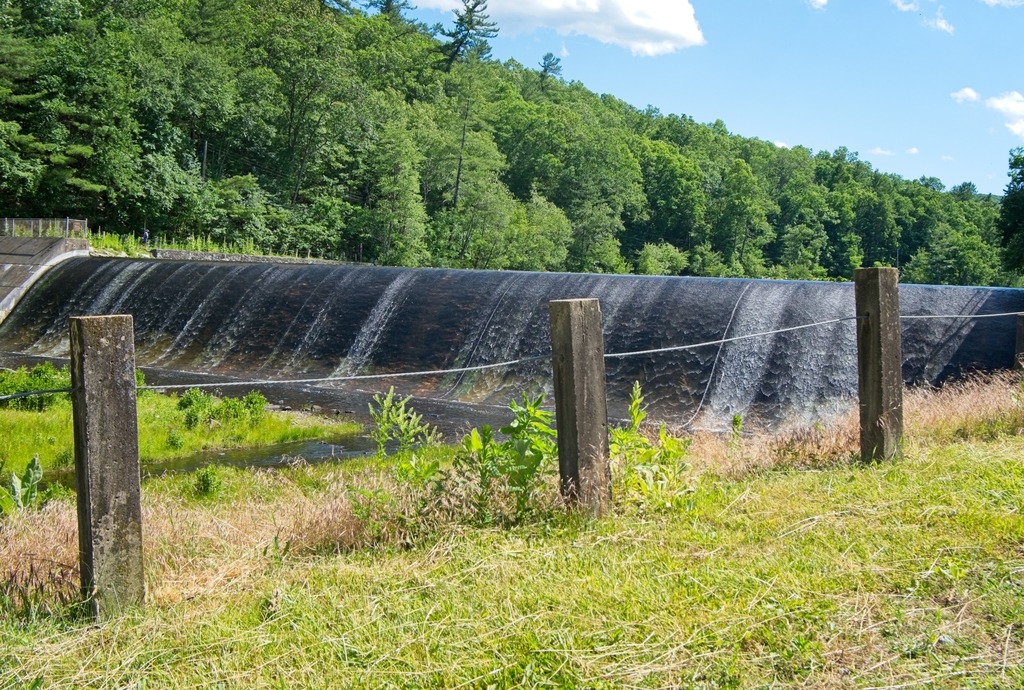
Here is an actual dam at Raymond B. Winter State Park.
My Autumn destination this October was Little Pine State Park in northern Lycoming County. The 2,158-acre Little park is surrounded by a beautiful mountain section of Tiadaghton State Forest . The 45-acre Little Pine Lake, hiking trails, campground, and nesting bald eagles are prime features of the park, along with nearby access to Pine Creek.
During 1933, the Civilian Conservation Corps (CCC) built Camp S-129-PA and a small picnic area along Little Pine Creek. During 1937, the camp was closed and the property turned over to the Bureau of State Parks. When the park opened, it used many of the CCC buildings. In 1950, a dual-purpose flood control/recreation dam was constructed. The park remained a picnic area until the campground, beach, and swimming area were constructed in 1958. In 1972, Hurricane Agnes flooded and destroyed many park facilities, including all but a few remnants of the former CCC facilities. Hurricane Agnes was the only time water went over the spillway. In 1975-76, federal disaster aid helped build a new beach house, office, maintenance area, and a new campground with modern restrooms. As part of the “Growing Greener” initiative, several major improvements began in 2002, including, enlarging and modernizing the park office and putting showers in the campground.
A trip into Bucks County led me to several covered bridges. Near the Cabin Run Covered Bridge is Tohickon Valley Park, a pleasnt spot with parking, picnic tables and fishing access to the Tohickon Creek. It is close to several other county parks. The 612-acre Tohickon park also has playgrounds,hiking, ball fields, and a swimming pool in season. Overnight stays include group and family camping and cabins on 22 campsites. It is deceptively large, which is why I missed a portion of it when I was there.
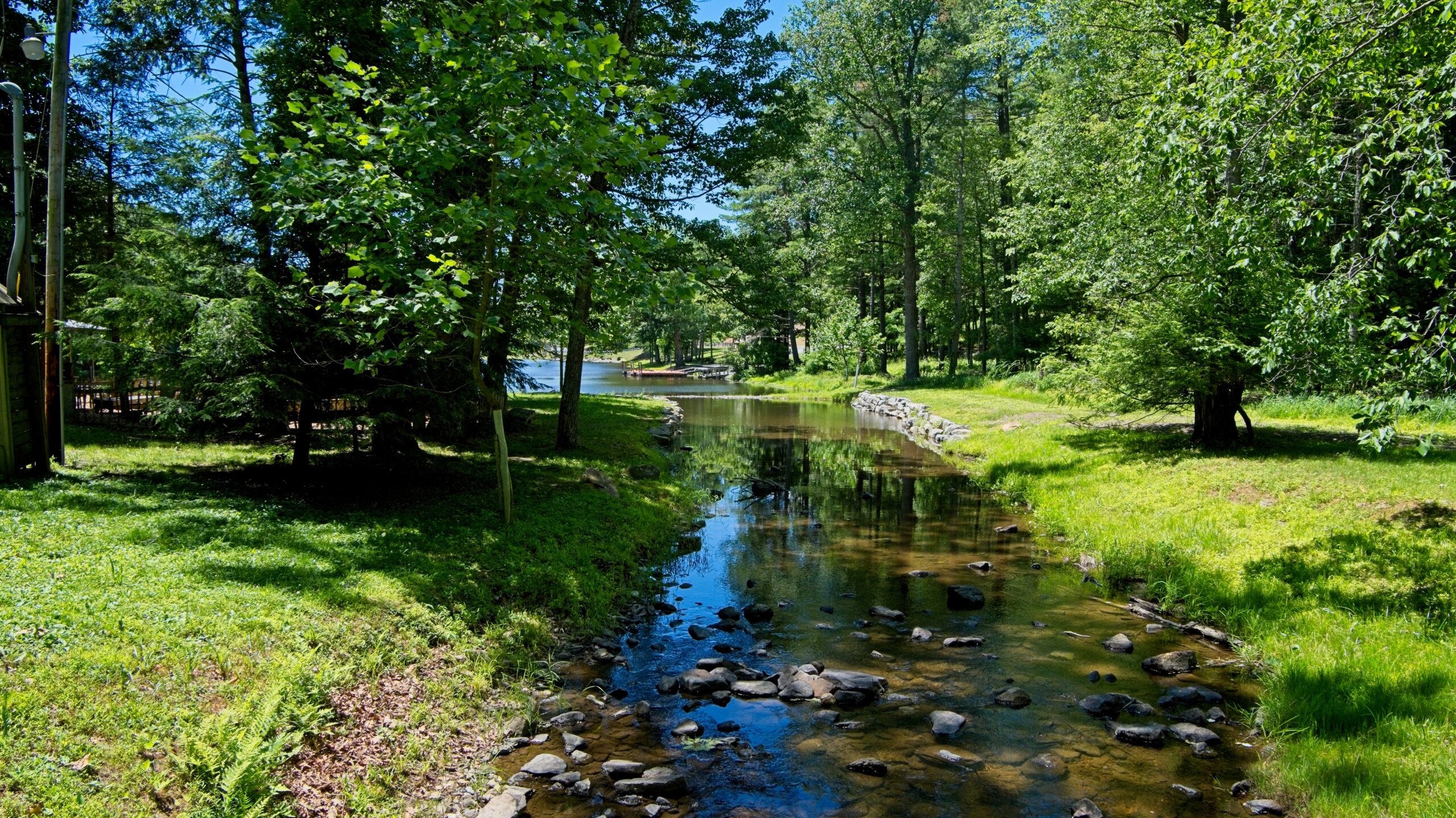
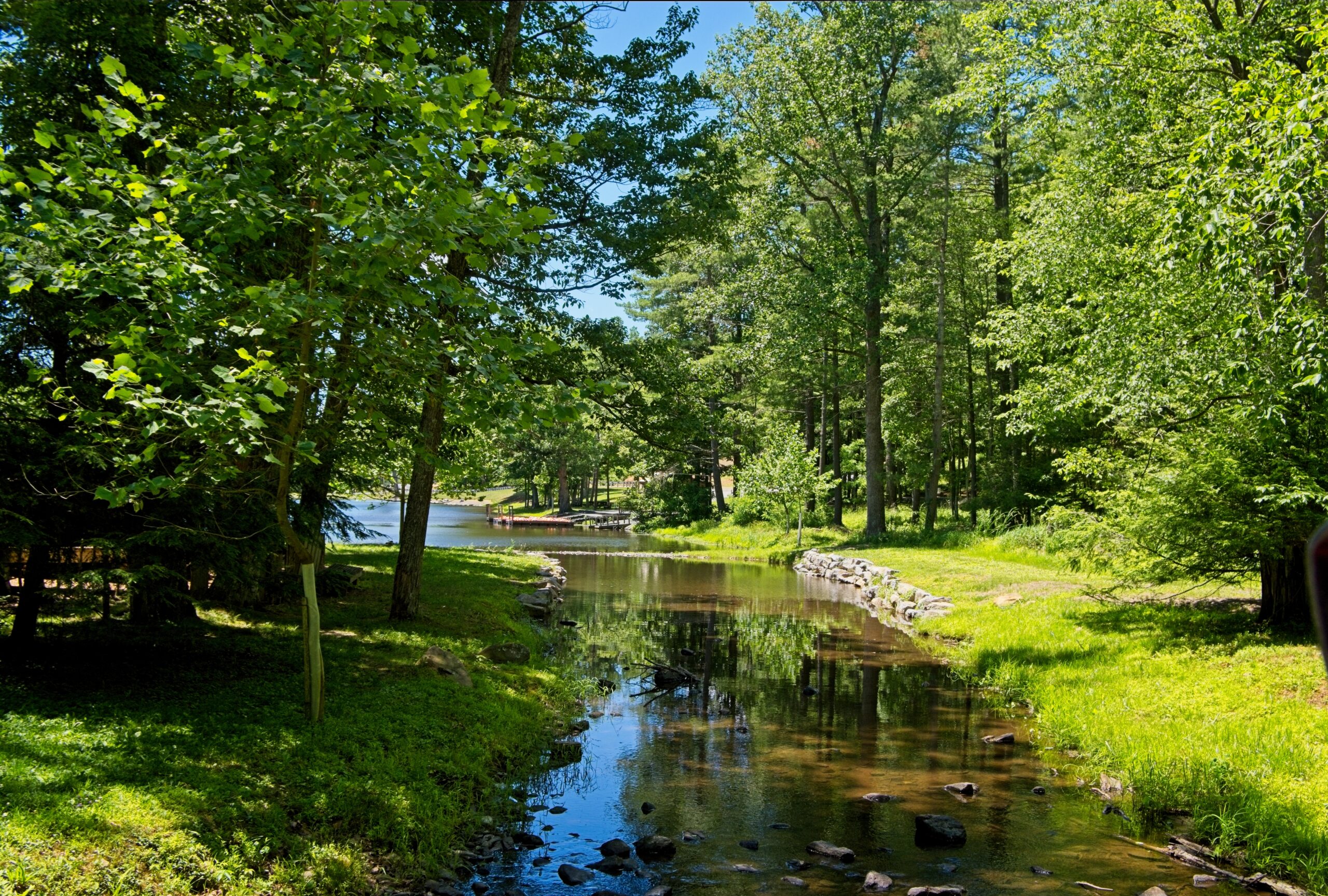
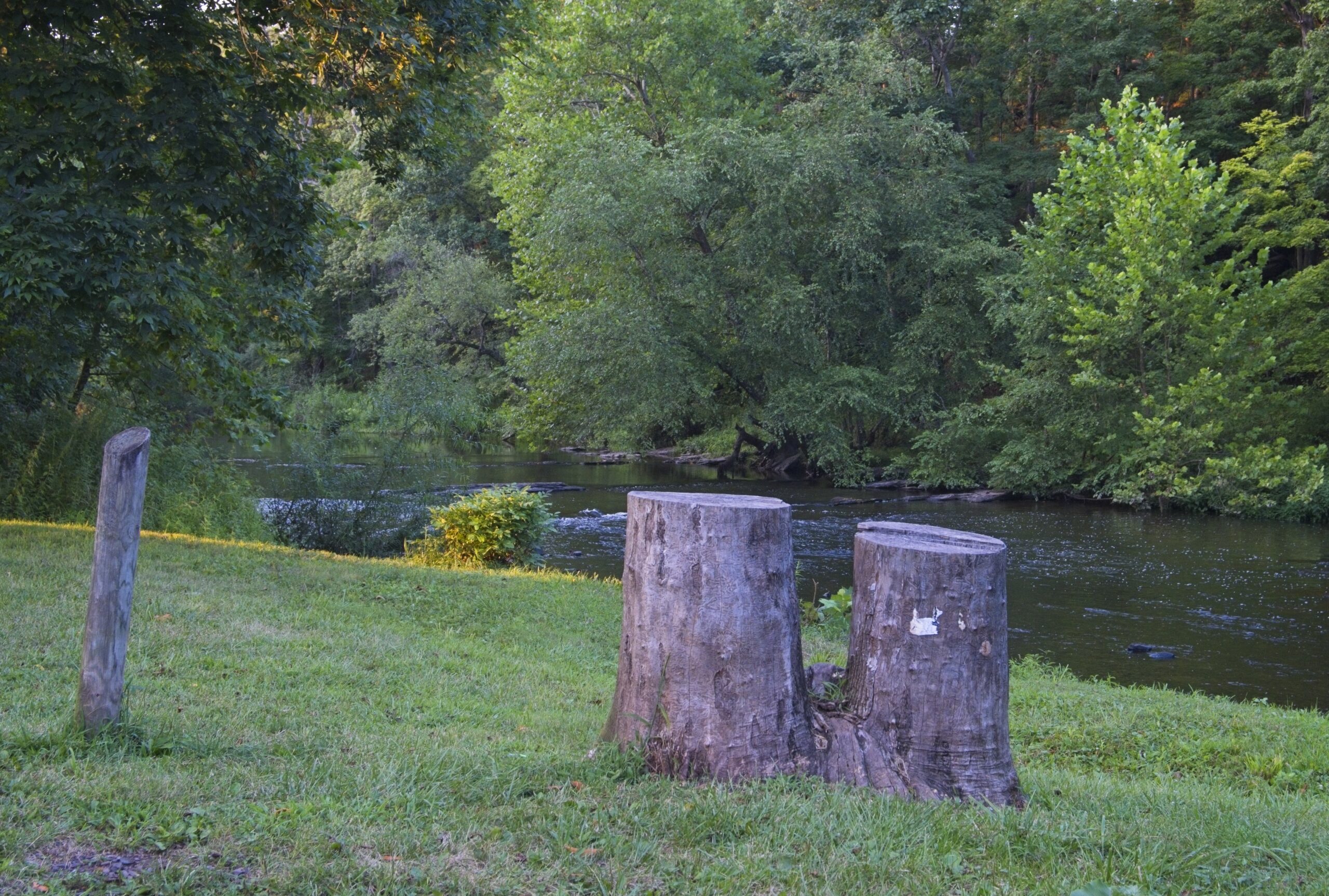
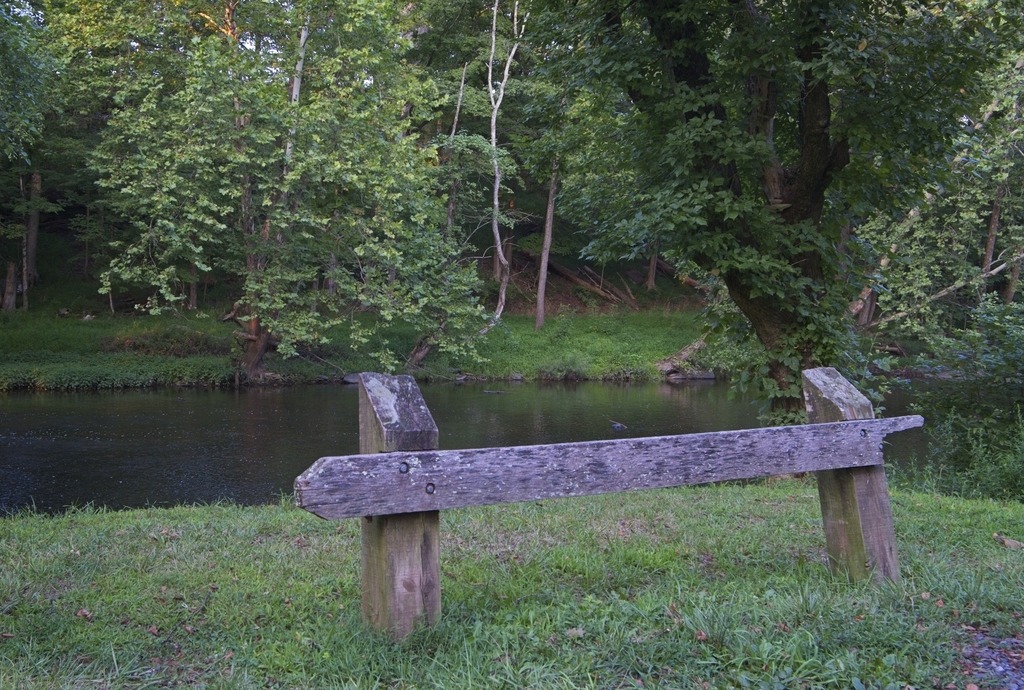
Views of Tohickon Creek.
Nockamixon State Park has been featured on this blog before.so I will not go into detail here. It is a large park in Bucks County with a lake, full service marina, hiking, picnicking, hunting and fishing. It is actually a decent location for astronomy close to the city of Philadelphia. The Tohickon boat launch area is used for astronomy and provides fairly open horizons and a 20.10 mag/arssec^2 sky.
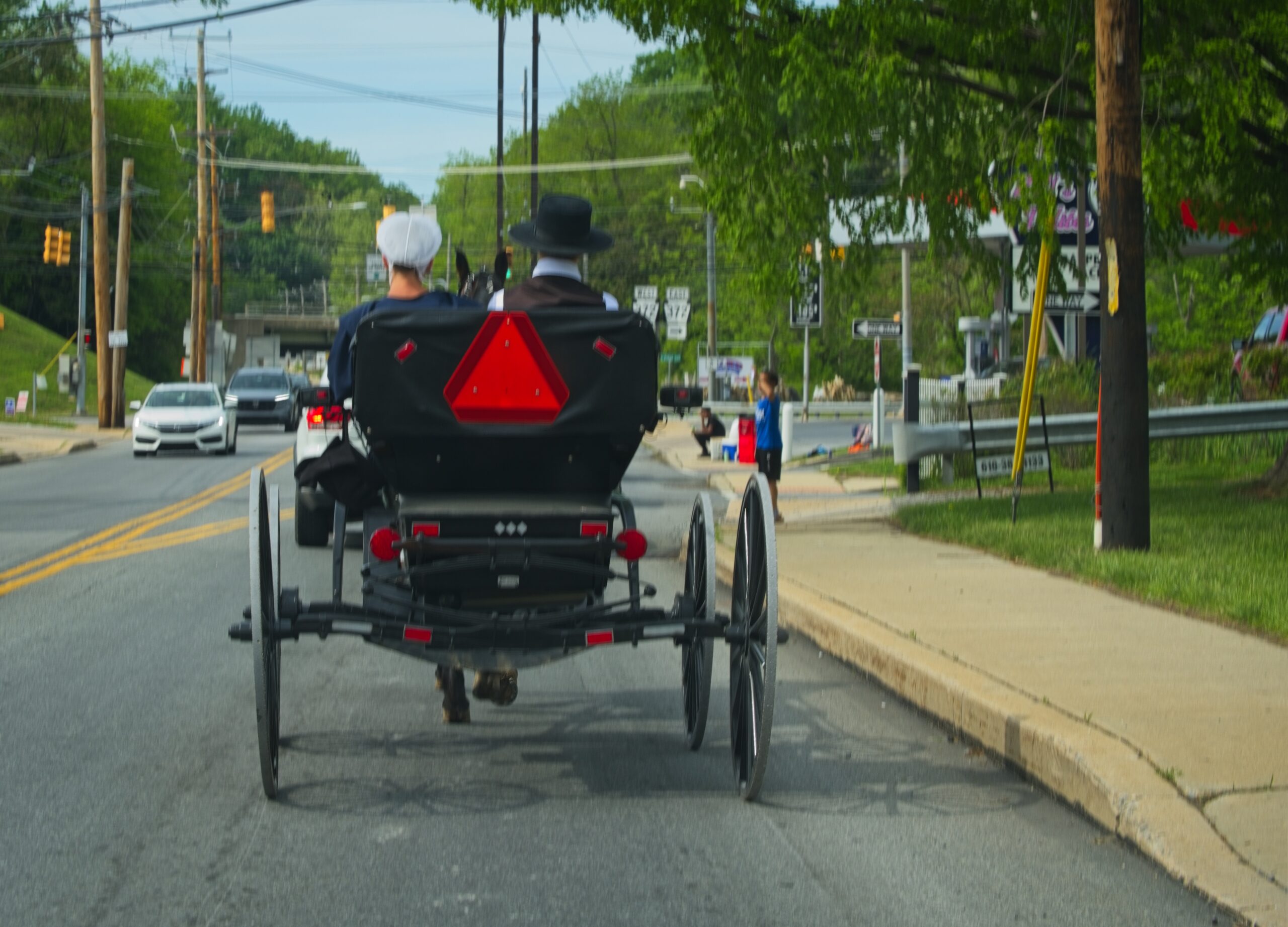
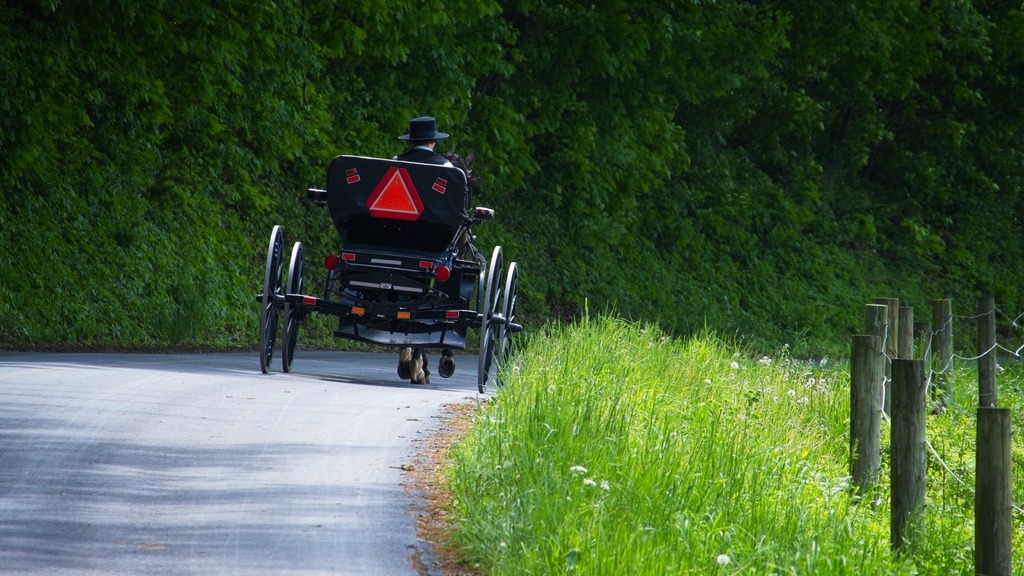
The area around the Octoraro Reservoir and watershed in southern Lancaster and Chester Counties is particularly scenic. The buggies were out in force one Saturday in May.
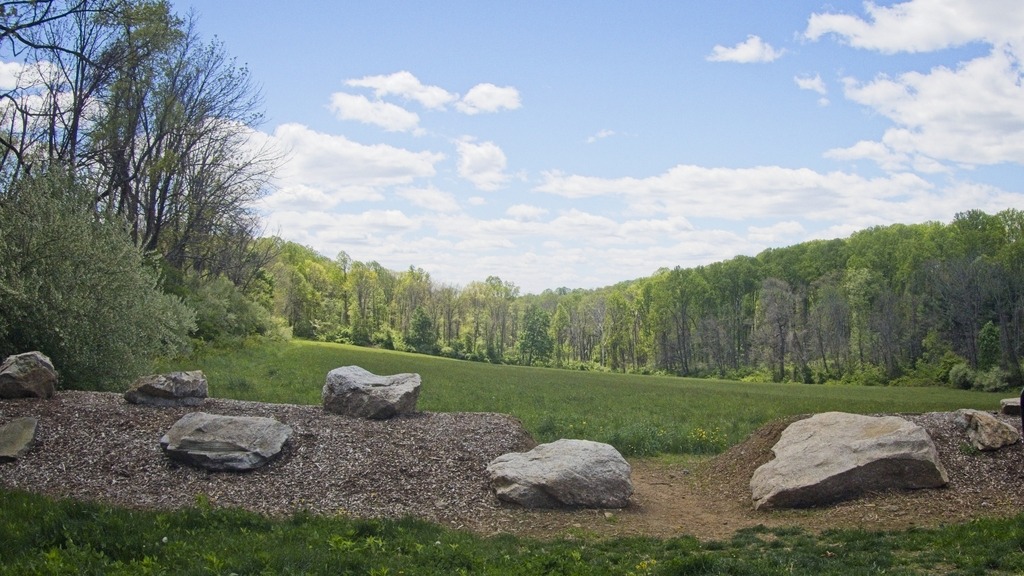
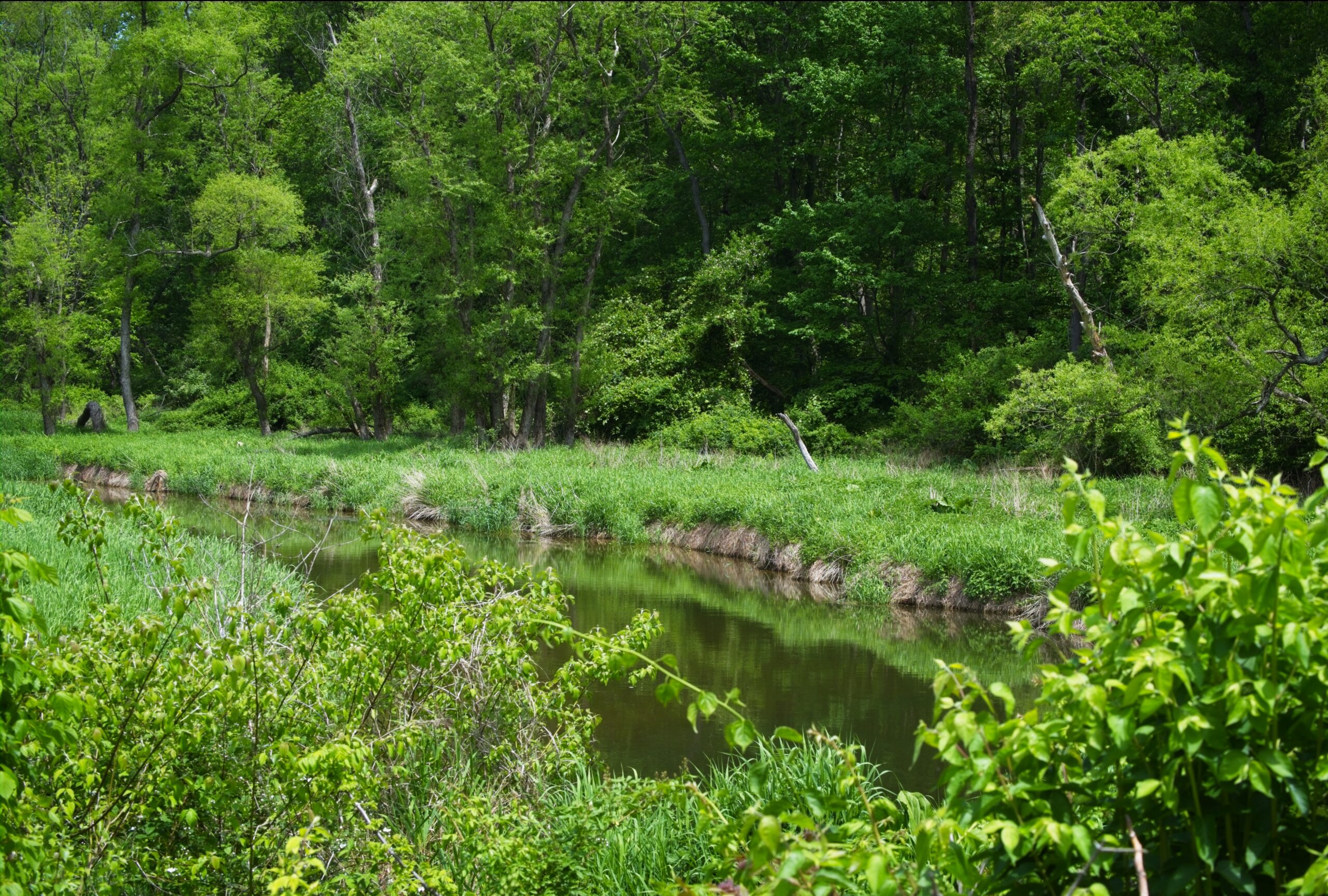
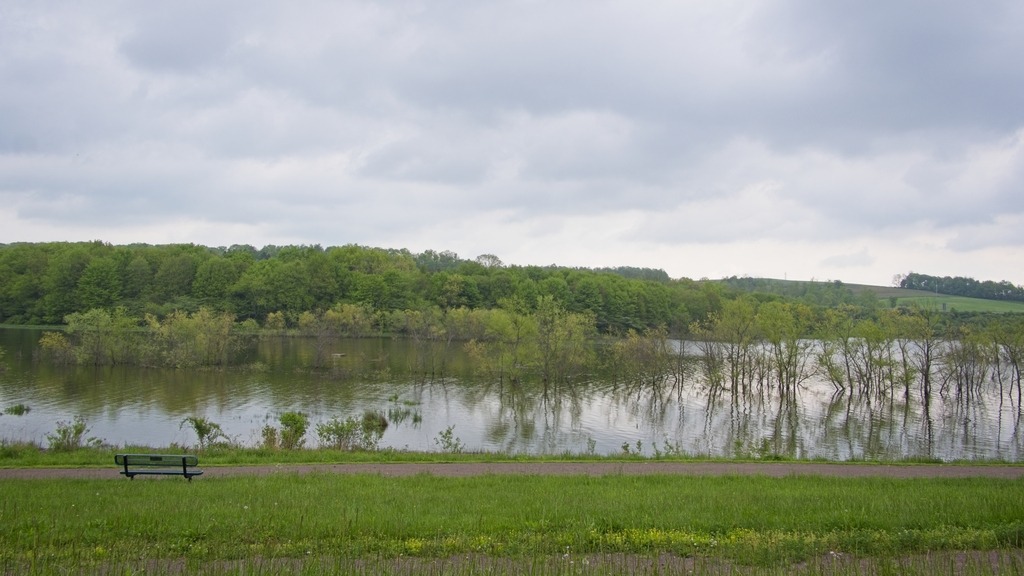
I don’t have much to say about these photos, and I will let them speak for themeselves.
Lake Somerset is a 253-acre impoundment just north of Somerset (duh). It is owned by the Commonwealth of Pennsylvania and managed by the Fish and Boat Commission for public fishing and boating. The Commission’s Southwest Region Office is located at the lake. I stopped on a previous trip and couldn’t resist a return visit. It was great spot for some more Spring birding.
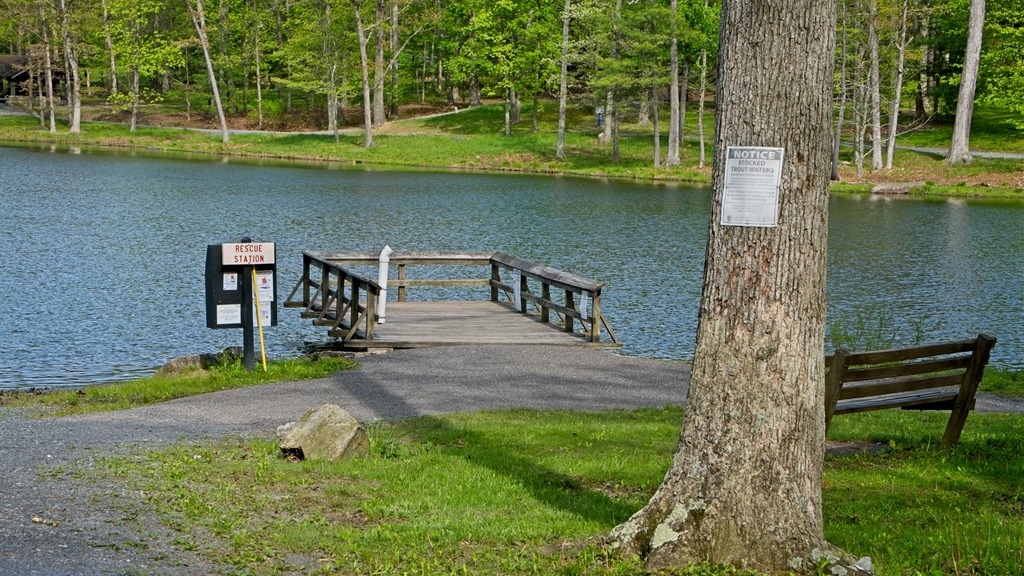
We will start at the north end and work our way south.A very nice fishing pier.These geese had several youngsters.