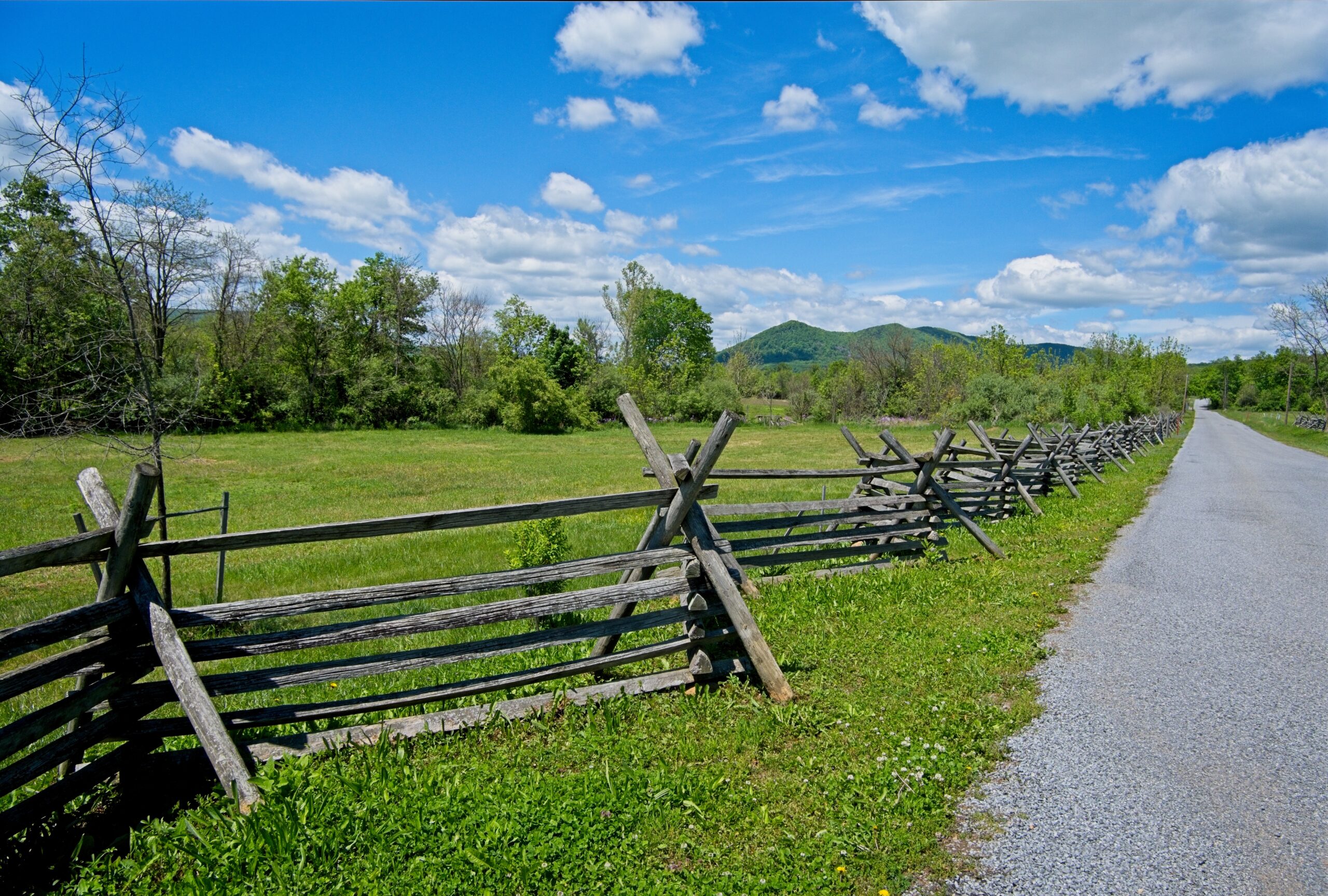
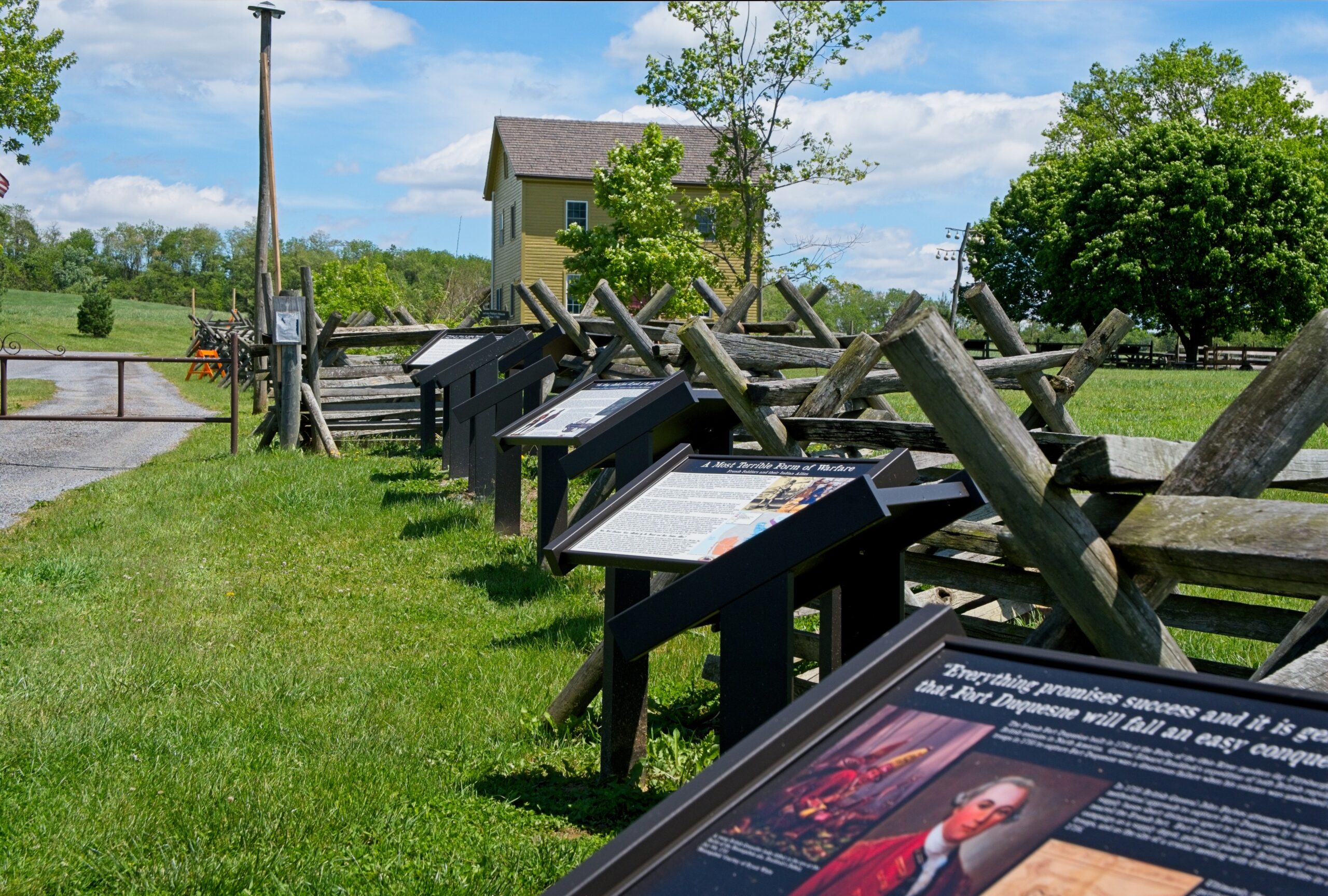
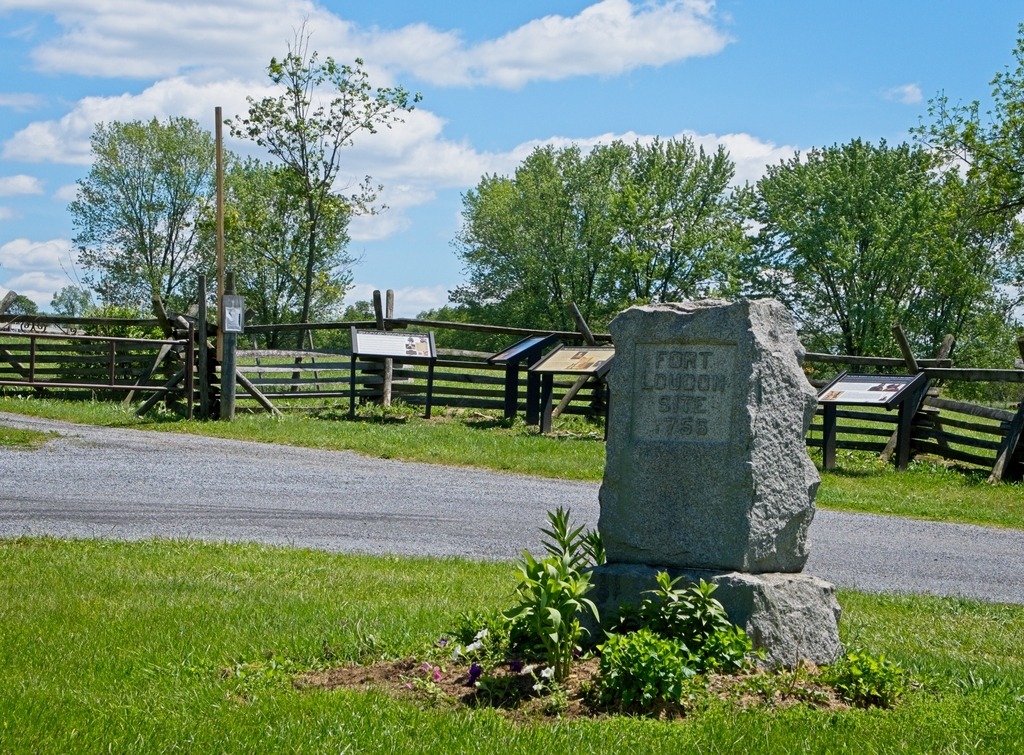
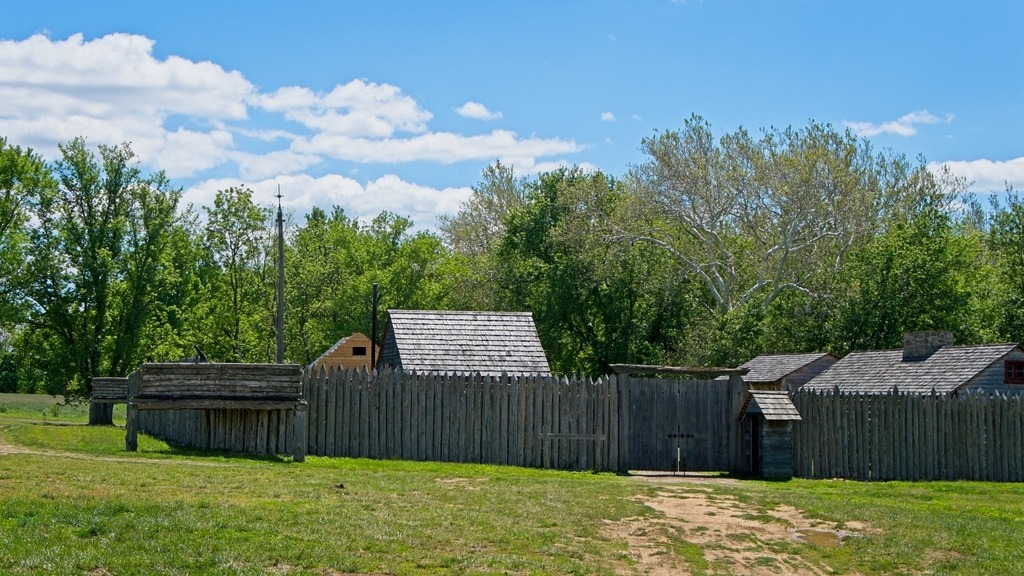
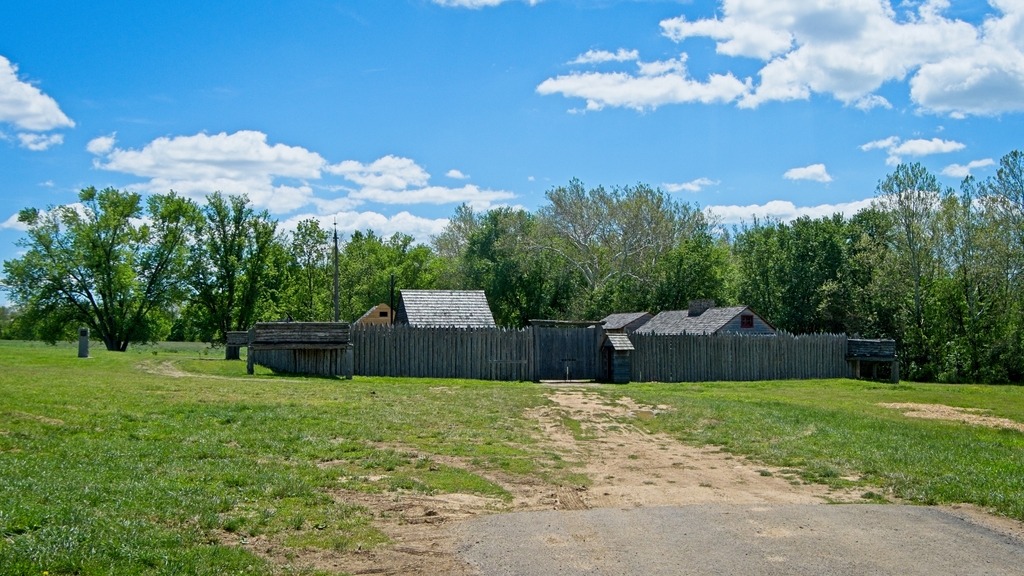
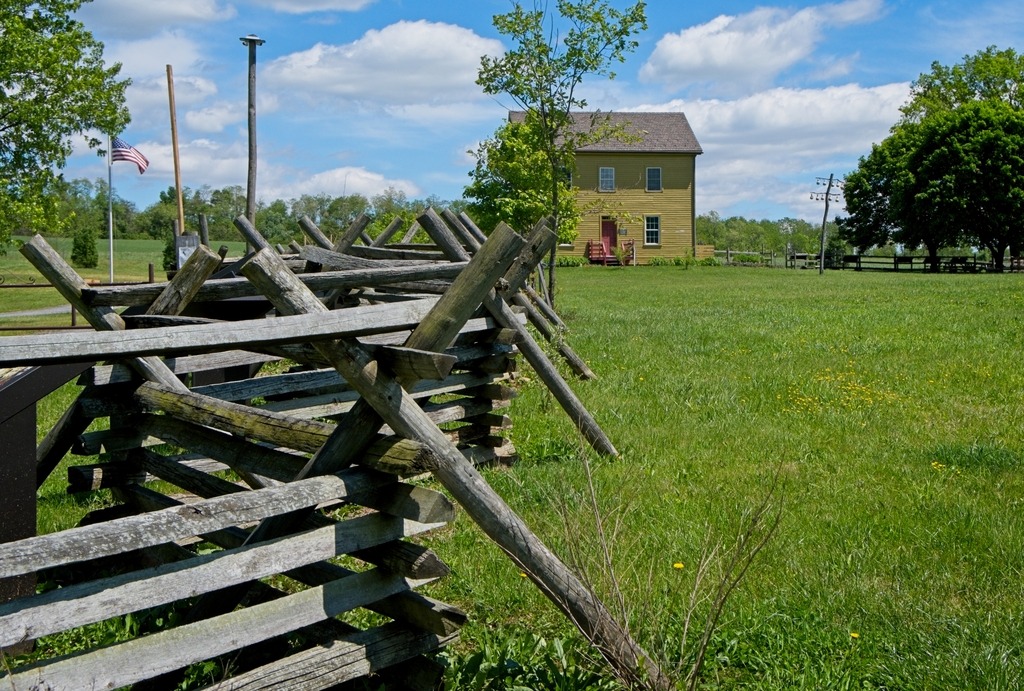
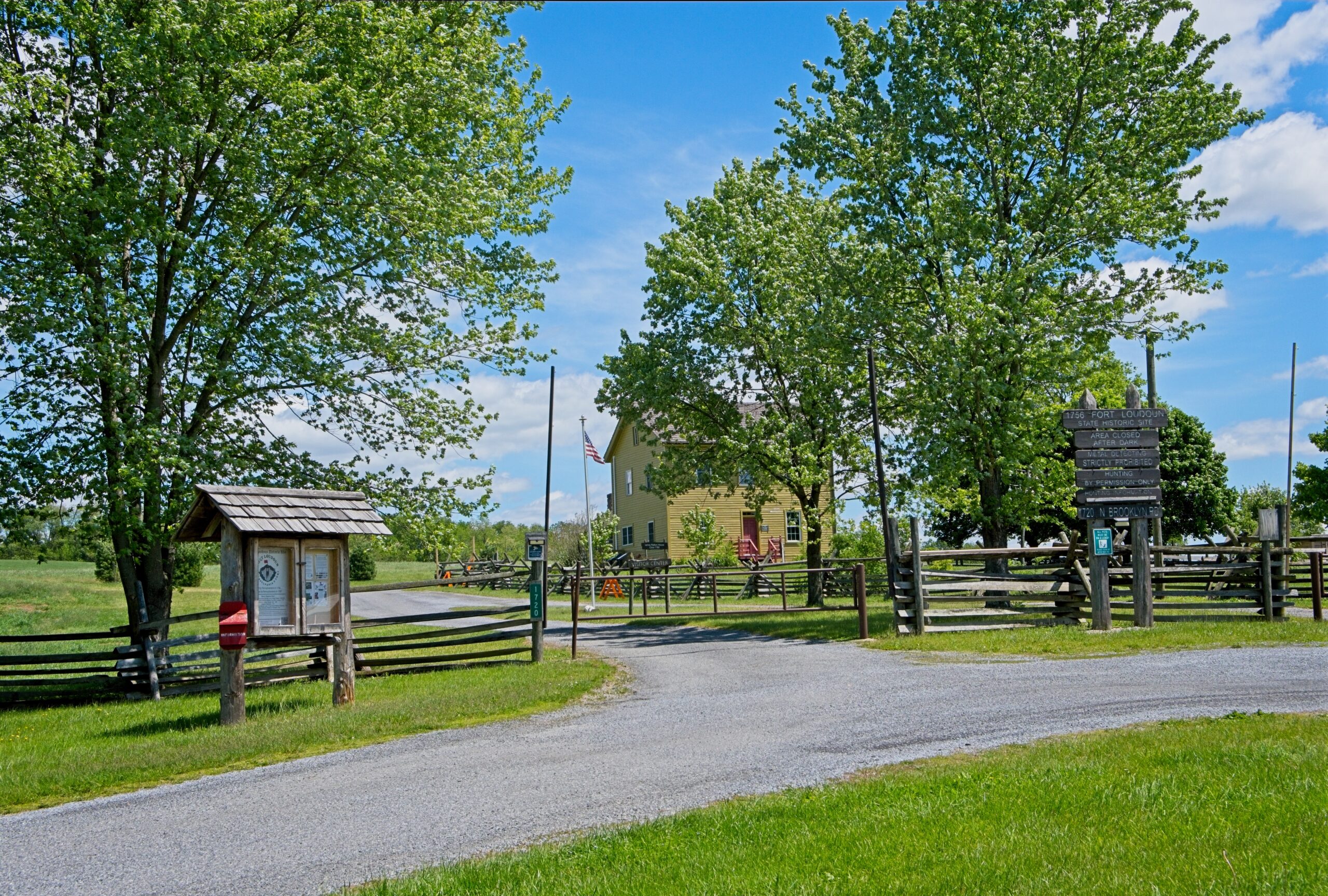
The colonial Fort Loudoun was built in 1756 during the French and Indian War as a supply depot. A replica of the fort, built in 1993, stands at the corner of US 30 and Brooklyn Road North, at the southeastern corner of the CDP. There are events anb workshops held at the site, although hours for tours can be variable. The exterior of the property and access to Conococheague Creek for fishing is available from sunup to sundown. Please check the fort’s website for more informaiton.
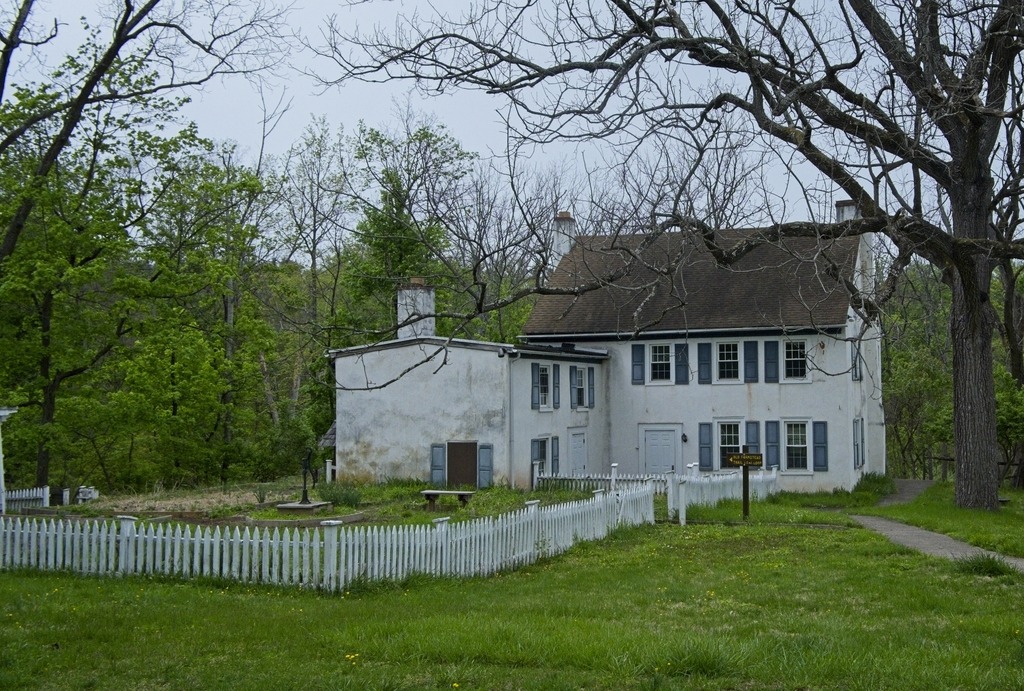
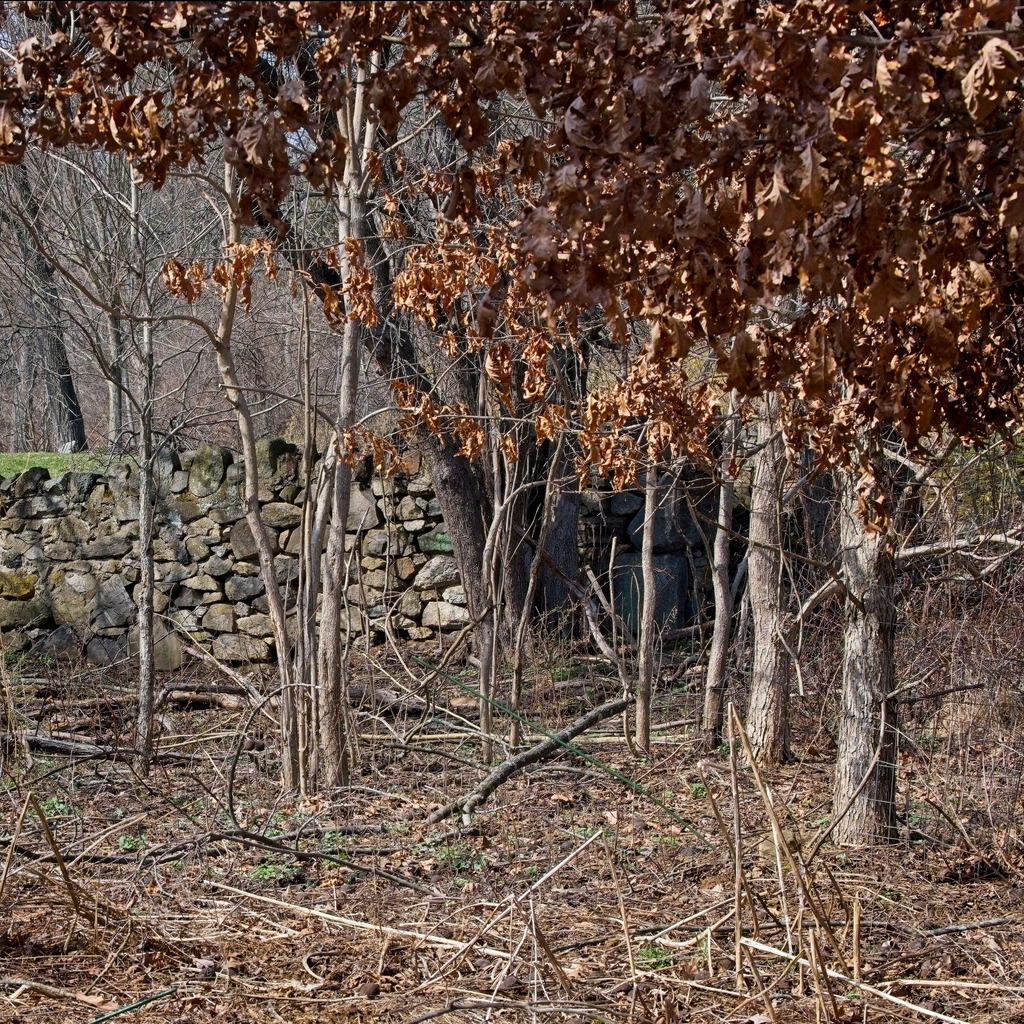
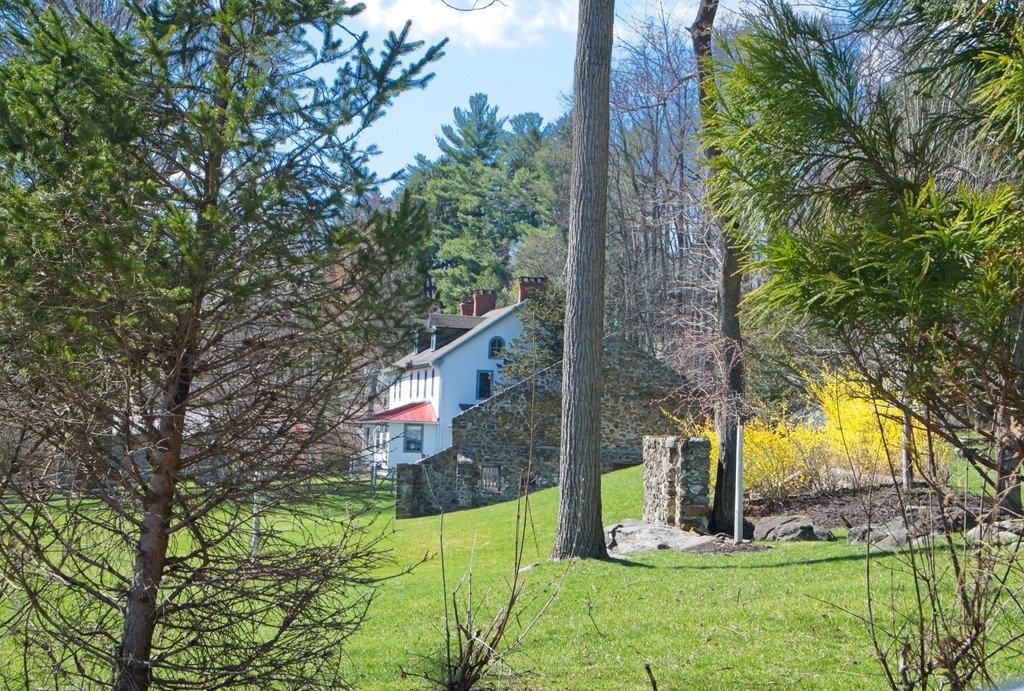
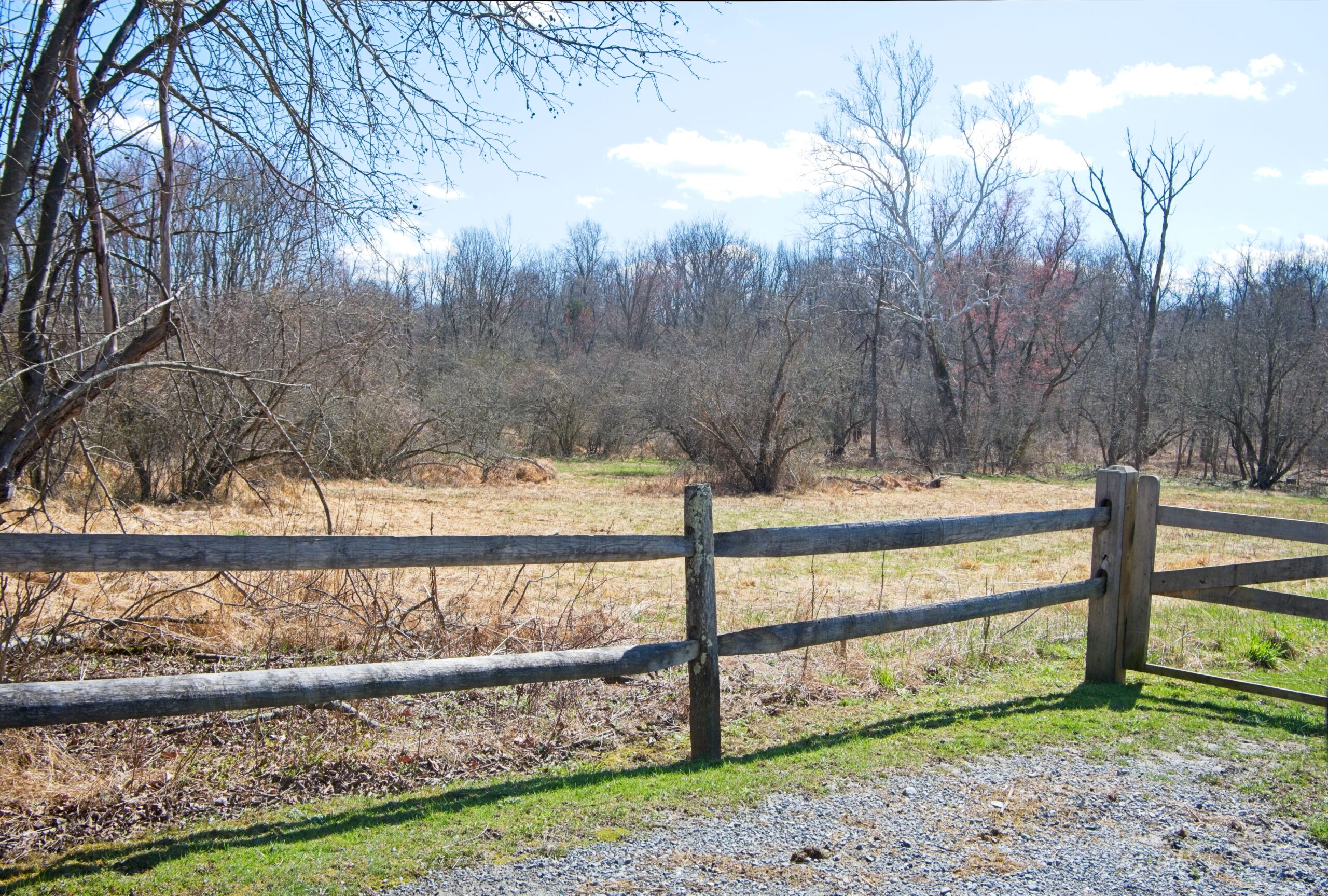
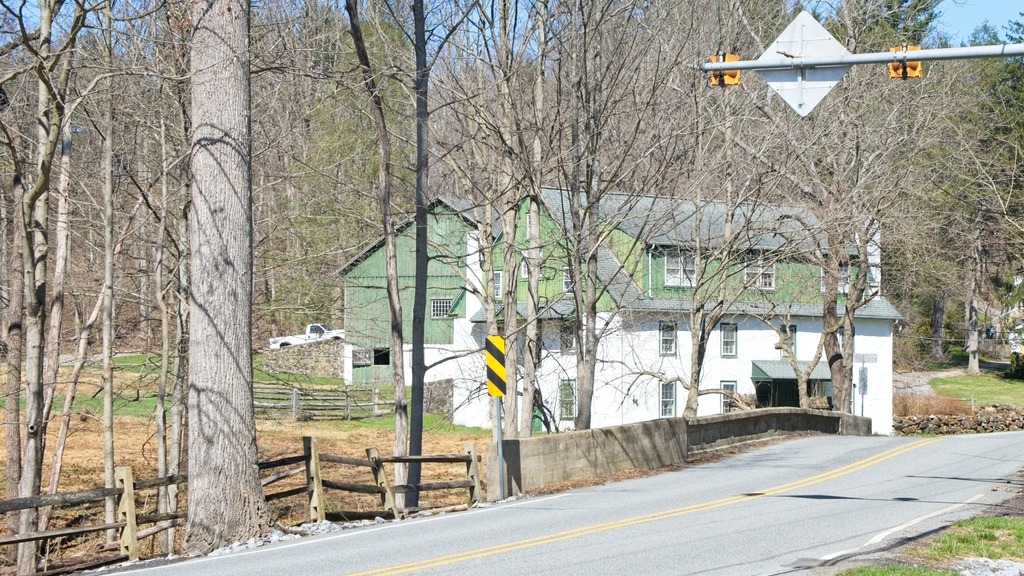
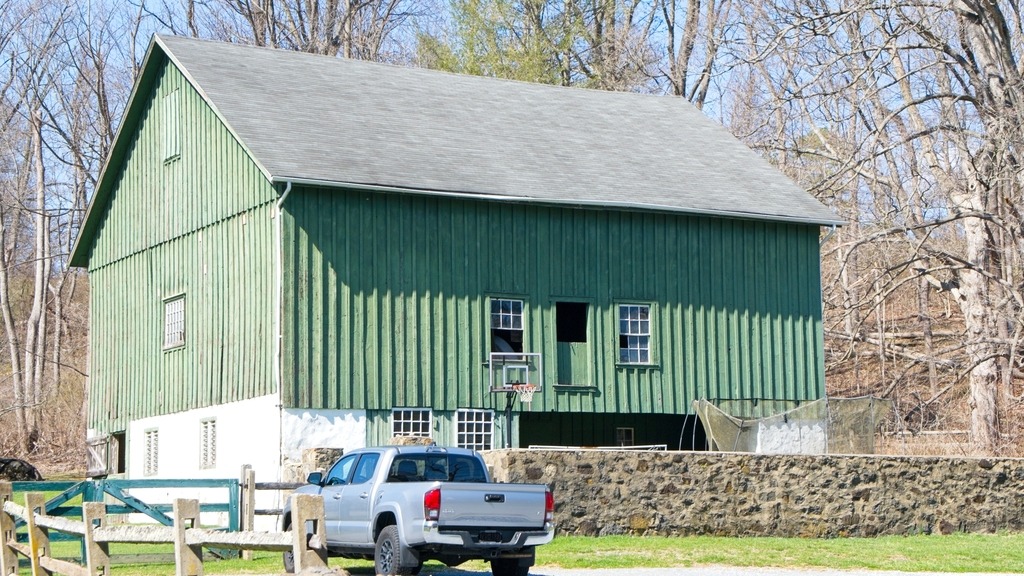
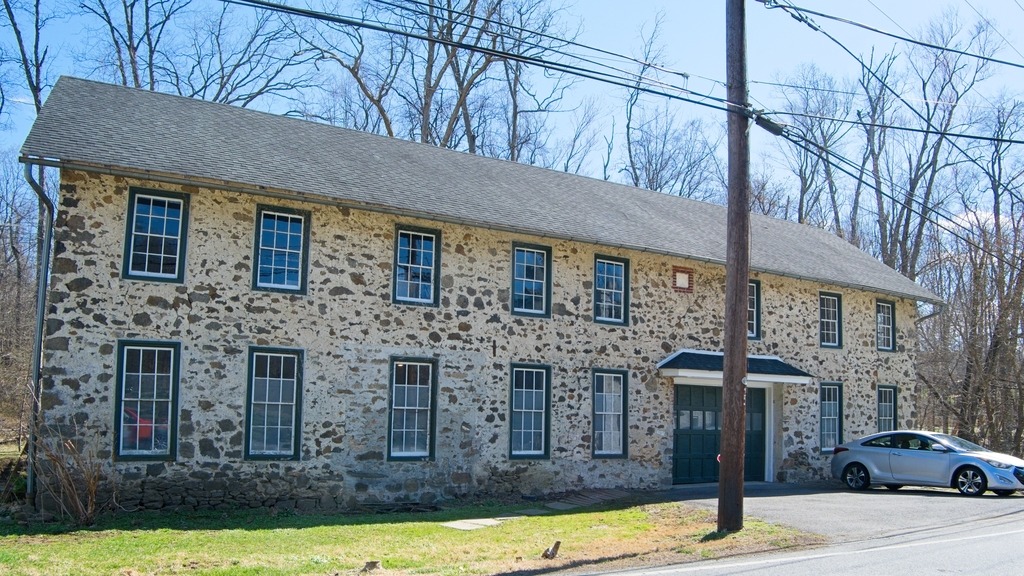
Kuster Mill, also known as Custer’s Fulling Mill and Skippack Creek Farm, is a historic fulling mill in Evansburg State Park on Skippack Creek in Montgomery County. The complex includes three contributing buildings and one contributing structure. They are the original mill, mill race, a stone house, and a Dutch bank barn. It was added to the National Register of Historic Places in 1971.
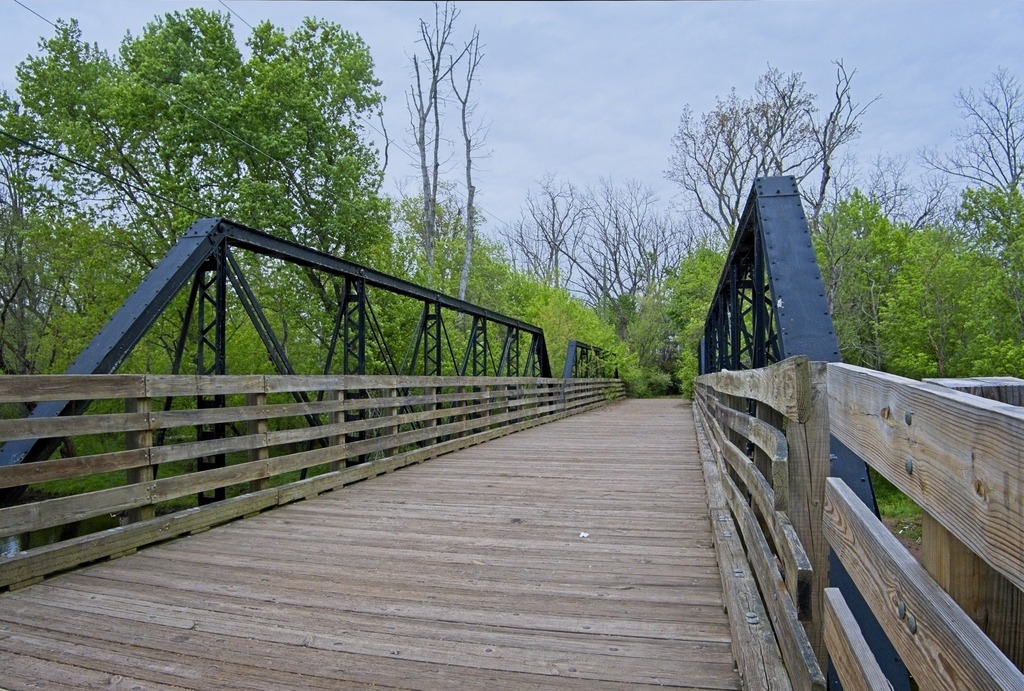
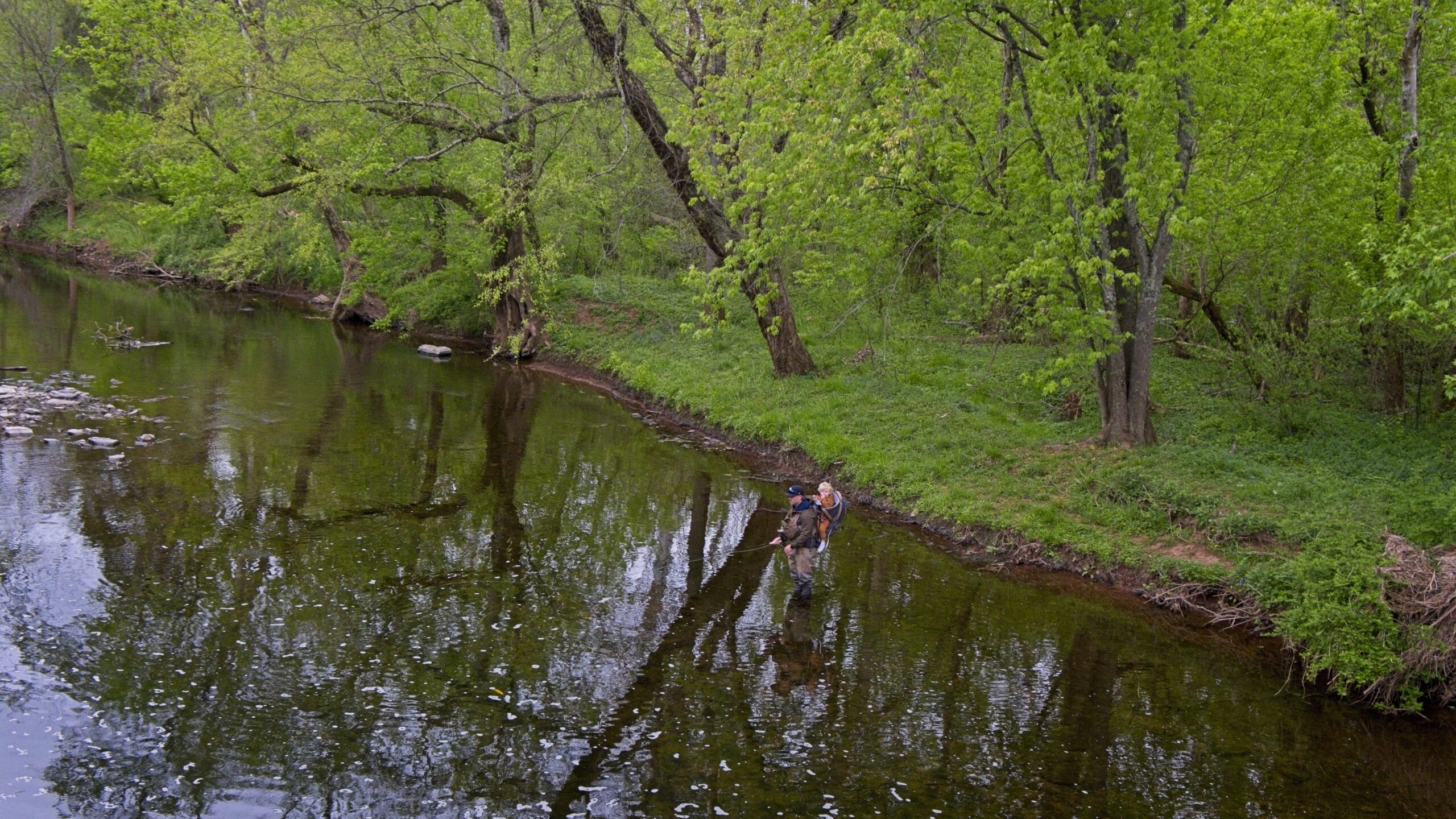
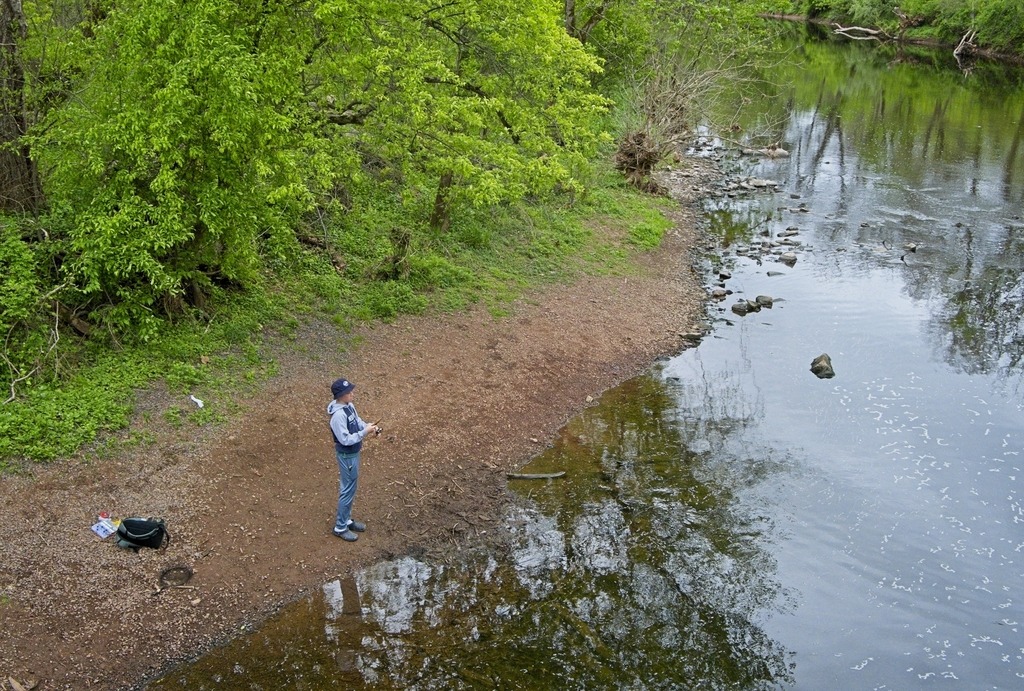
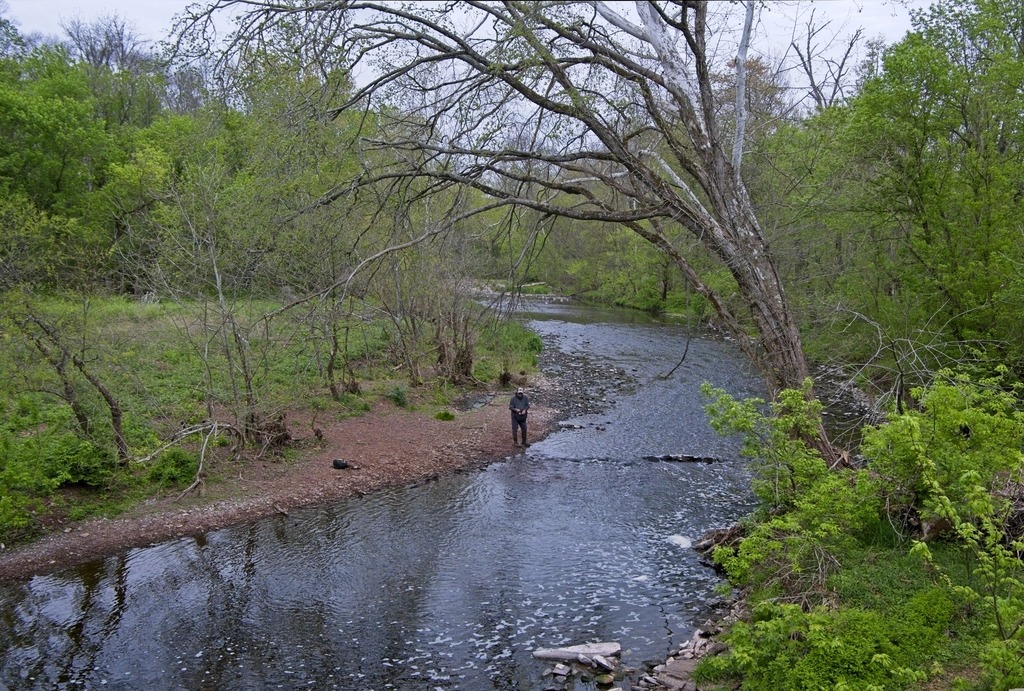
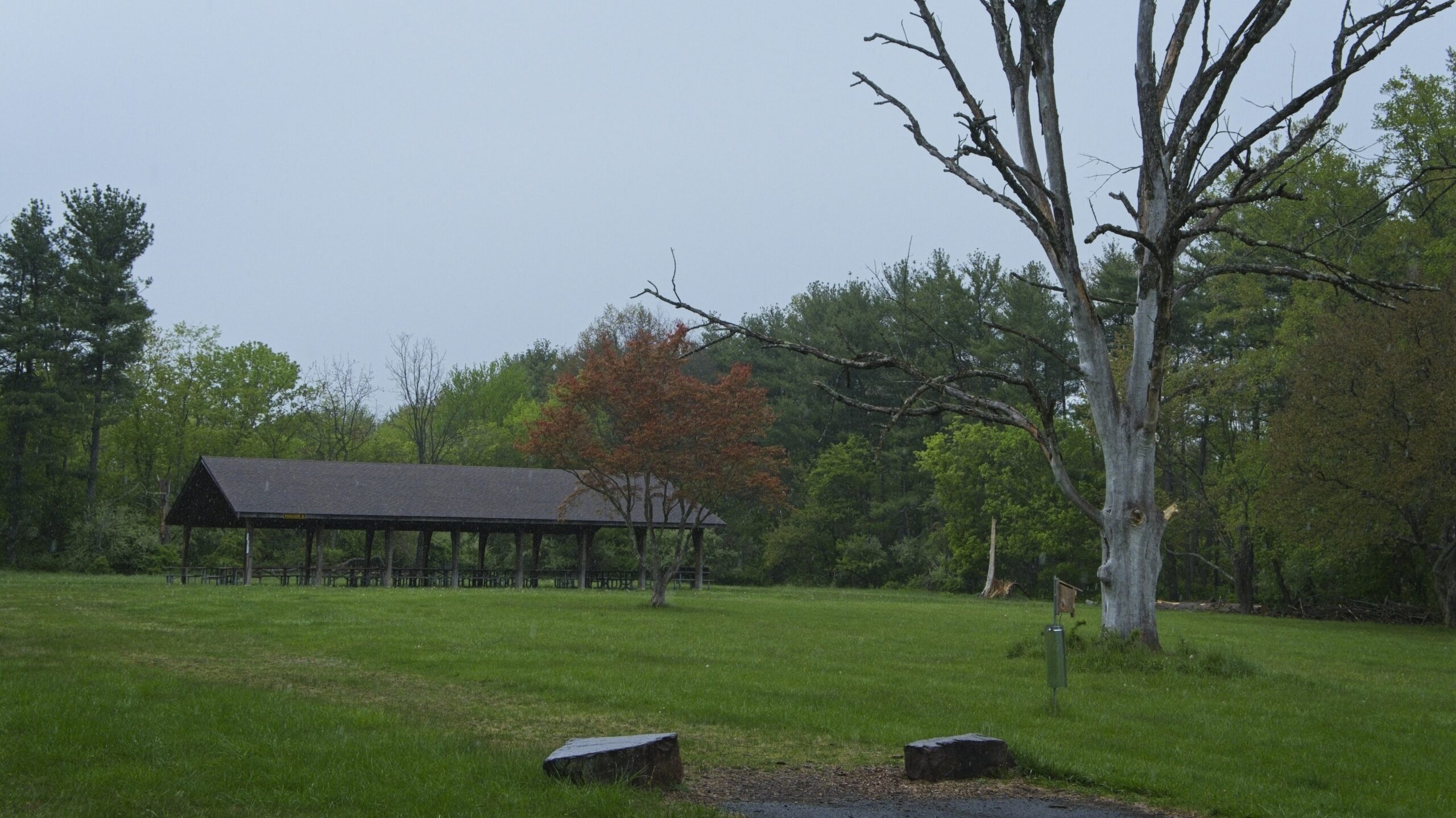
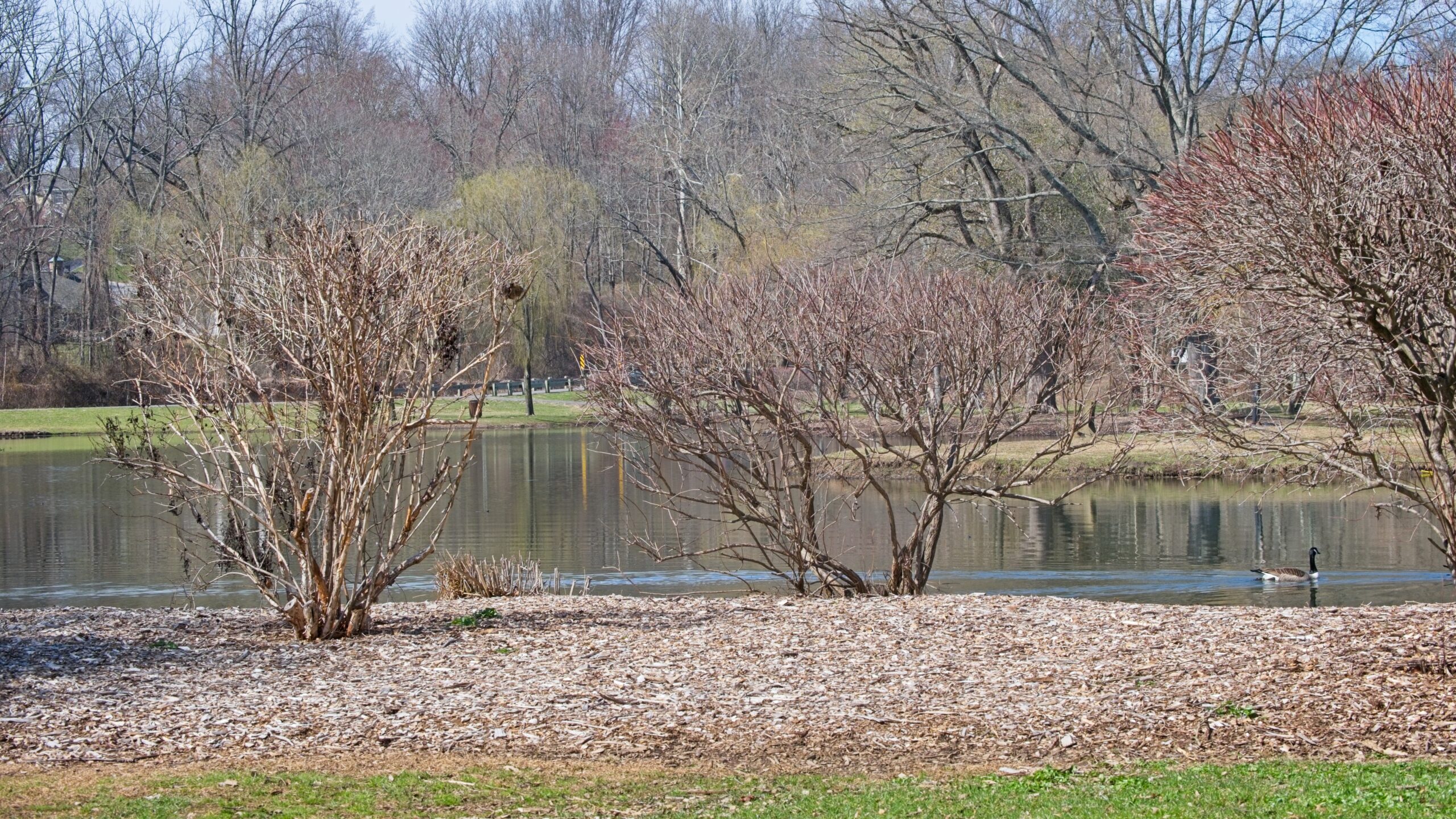
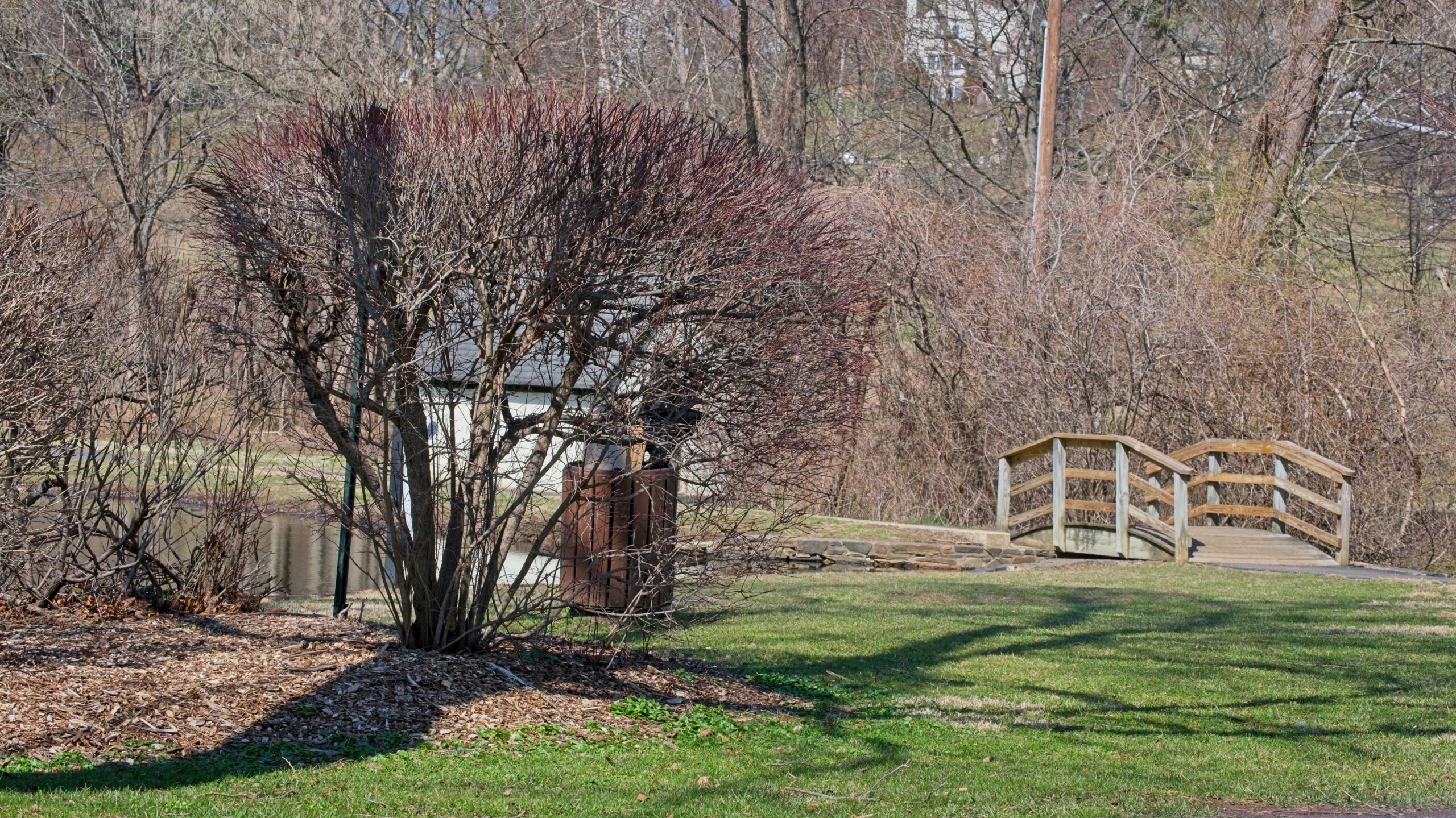
Today, the area is popular with fishermen and walkers in Evansburg State Park. I visited on a day in April when trout season was underway. The weather was grim, but that was not much of a deterrent to those enjoying the park.
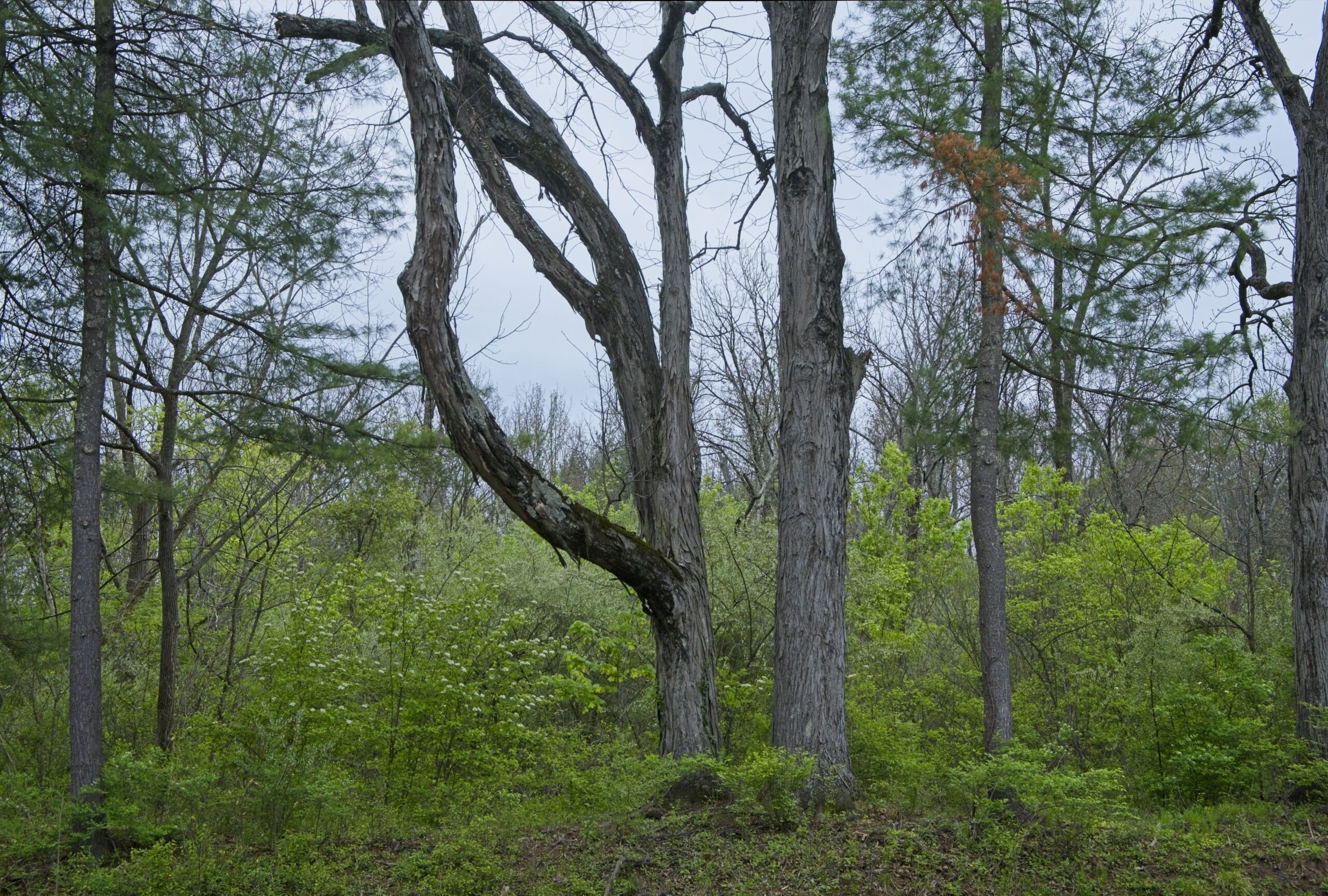
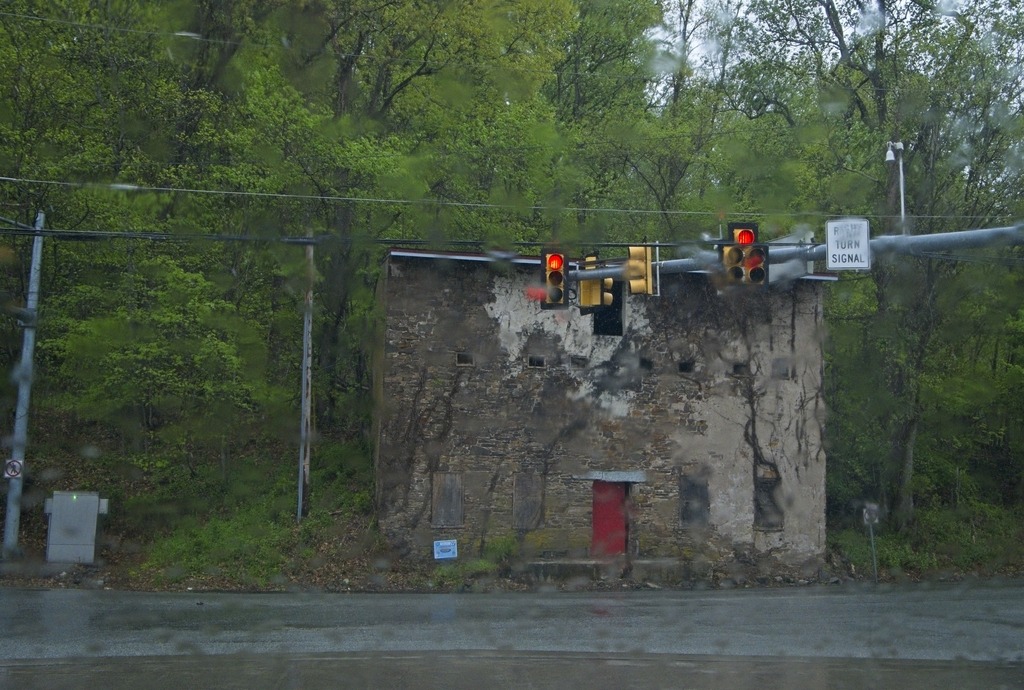
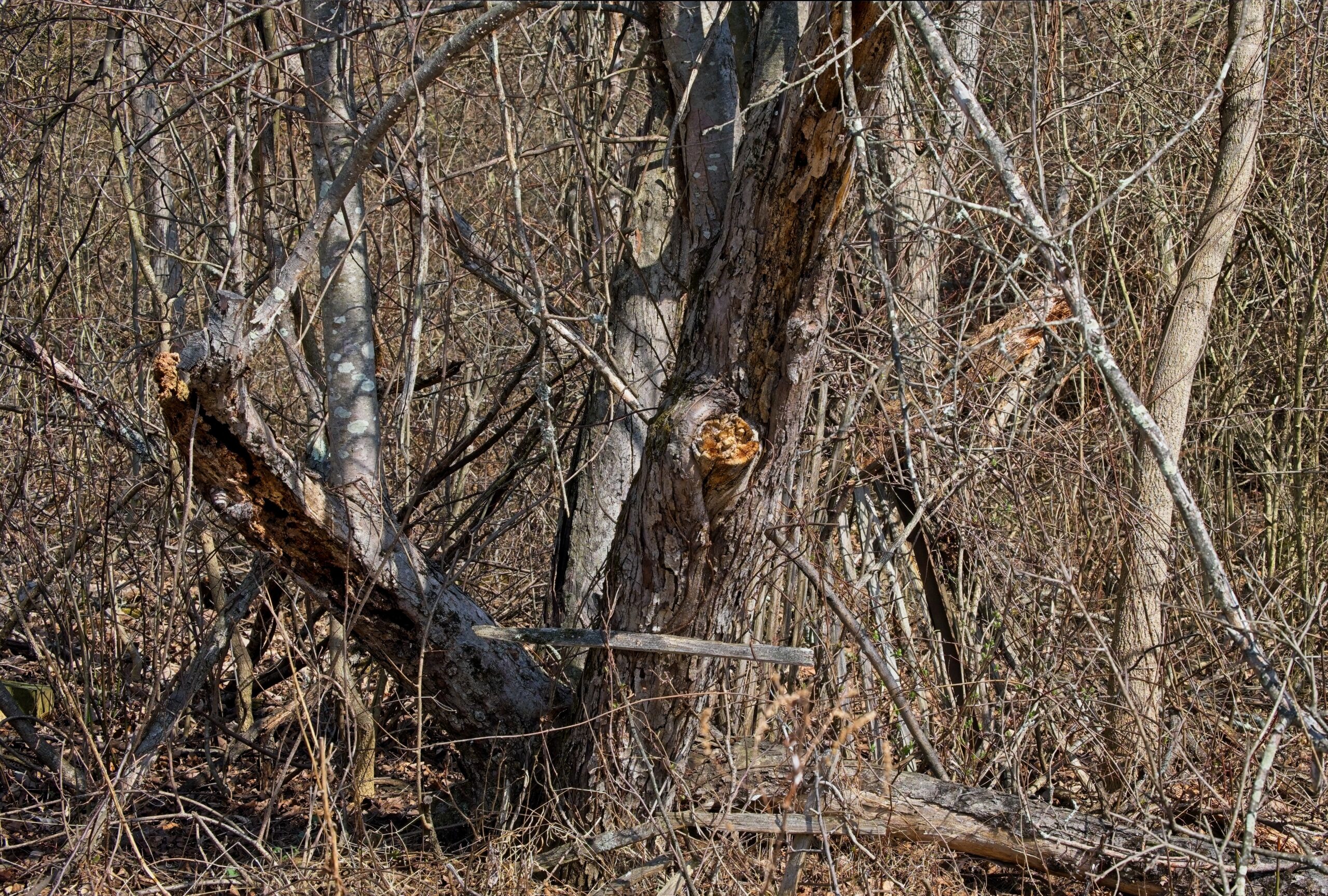
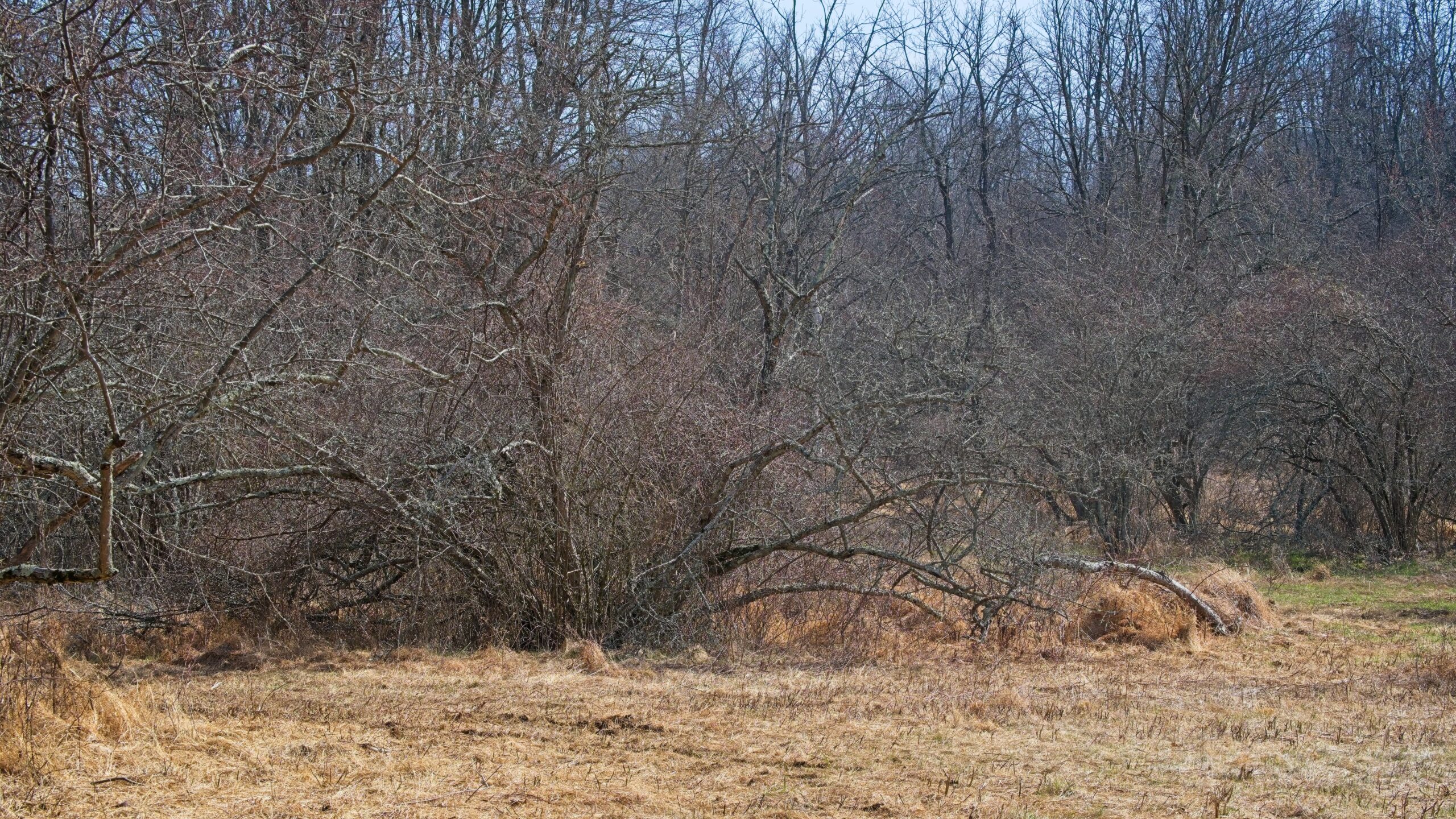
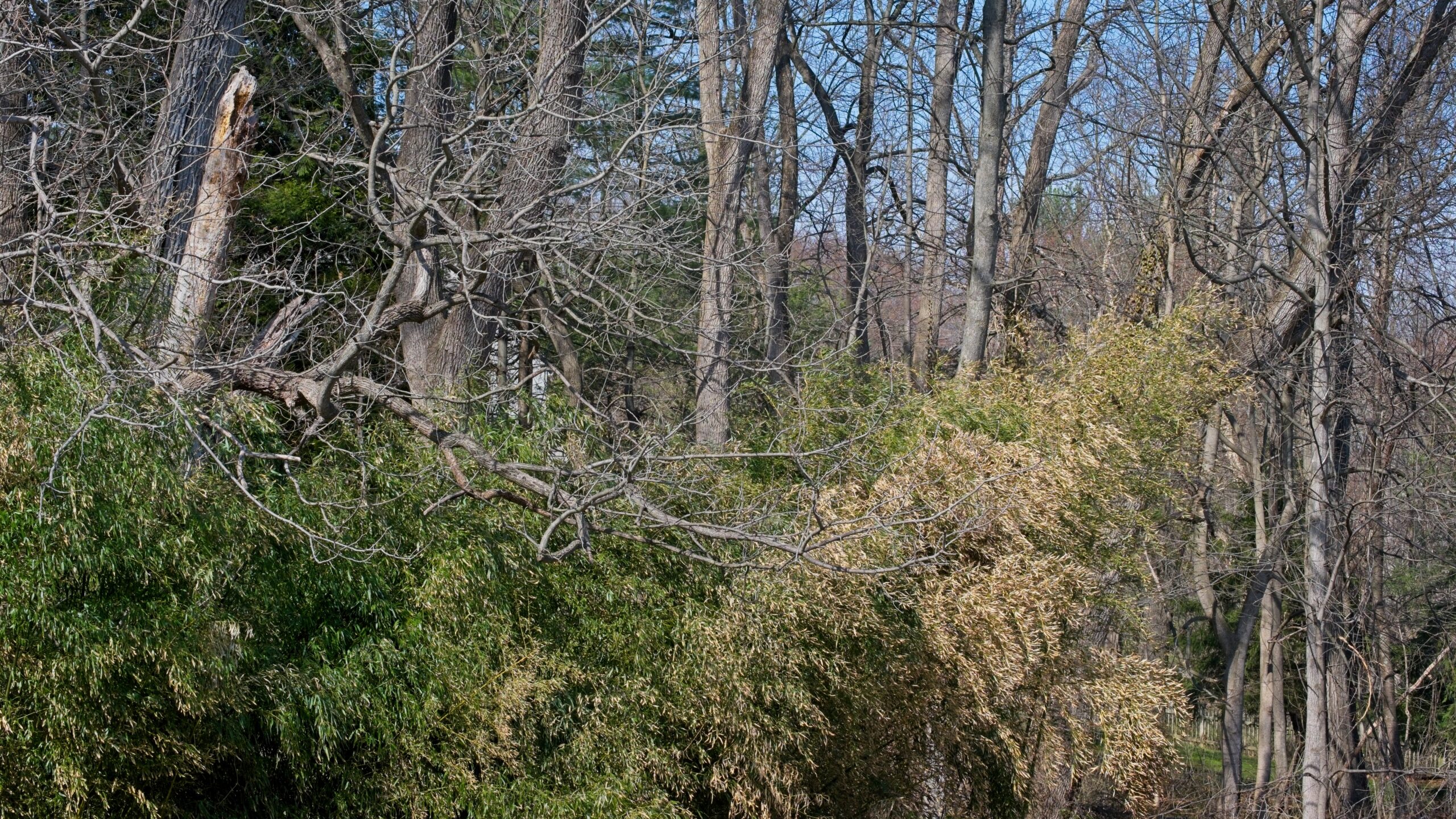
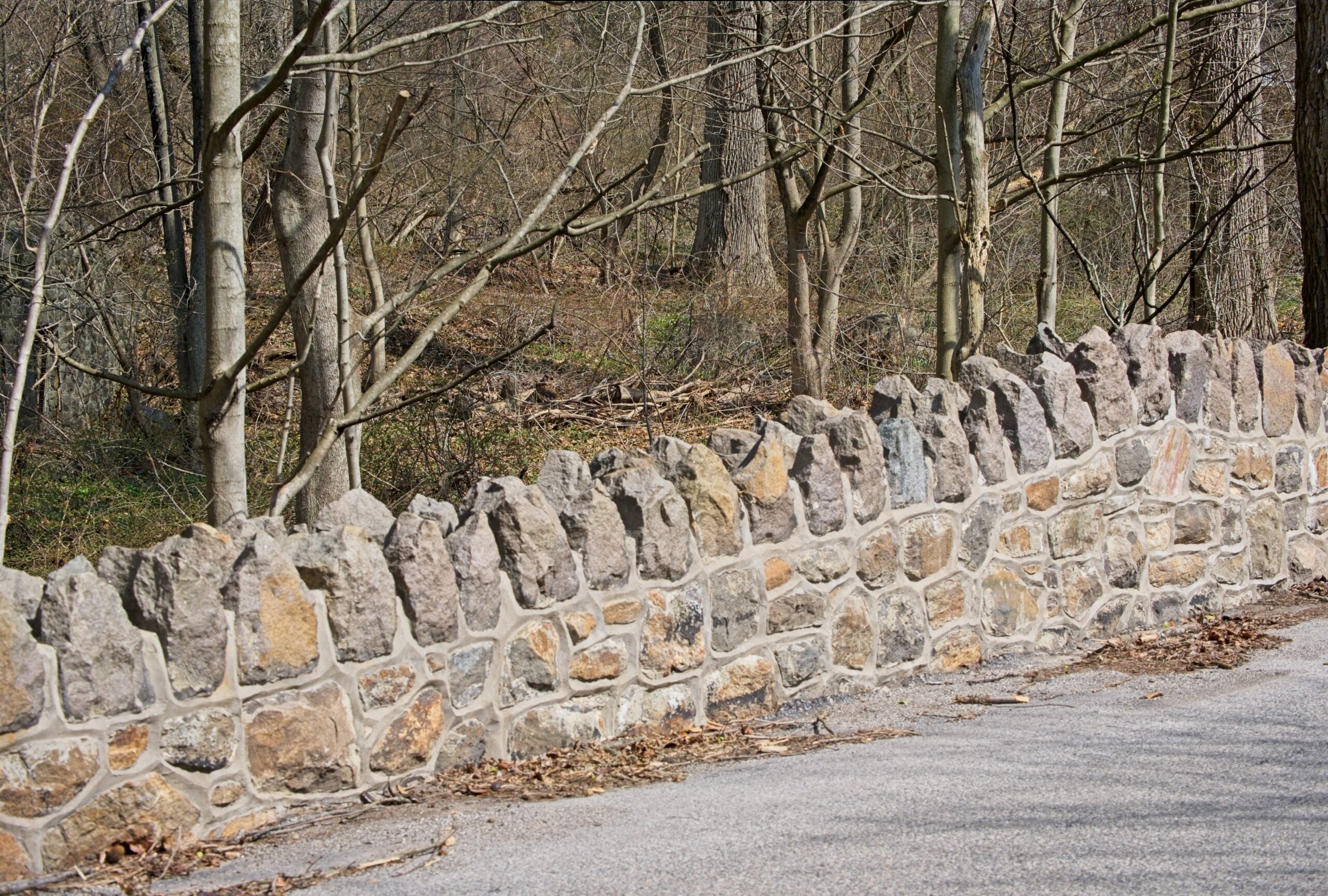
The pedestrian bridge.Fishing is family affair here.You have to wonder how trees get like this,The Friedt Visitor Center at Evansburg State Park.Along Arcola Road
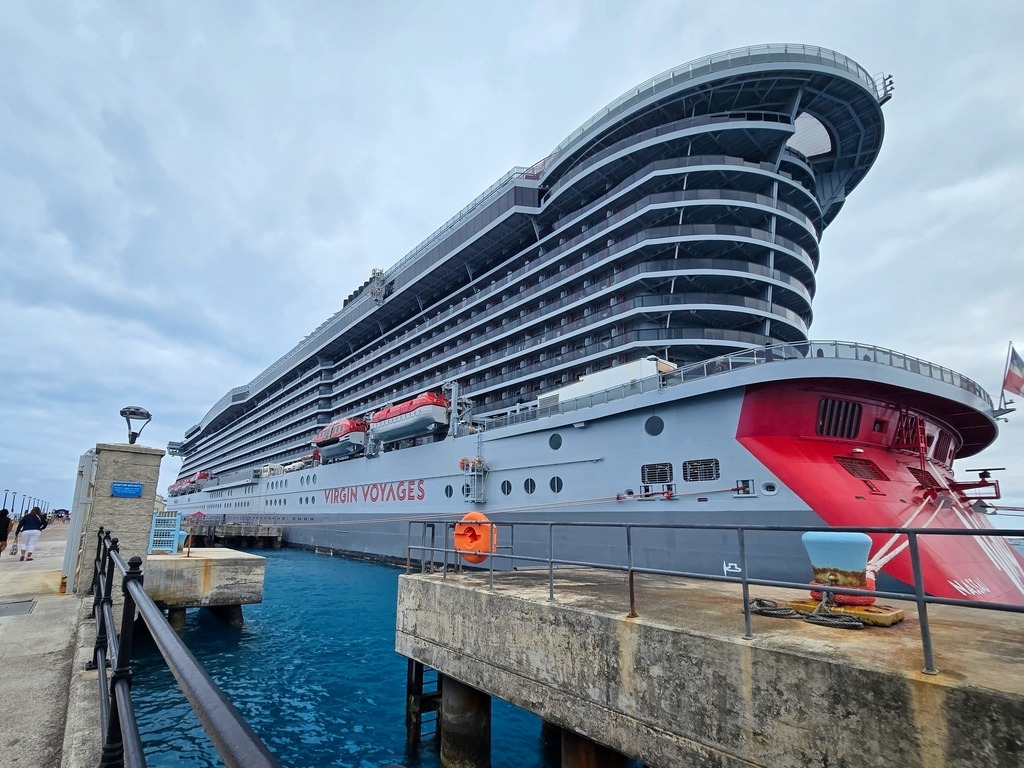
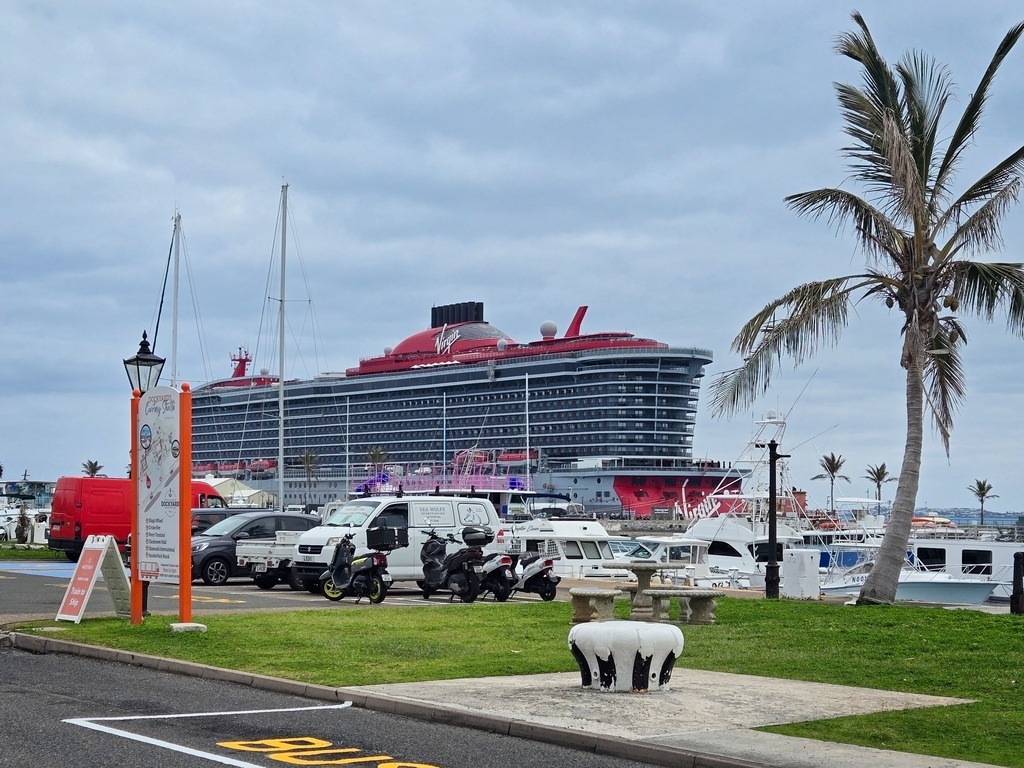
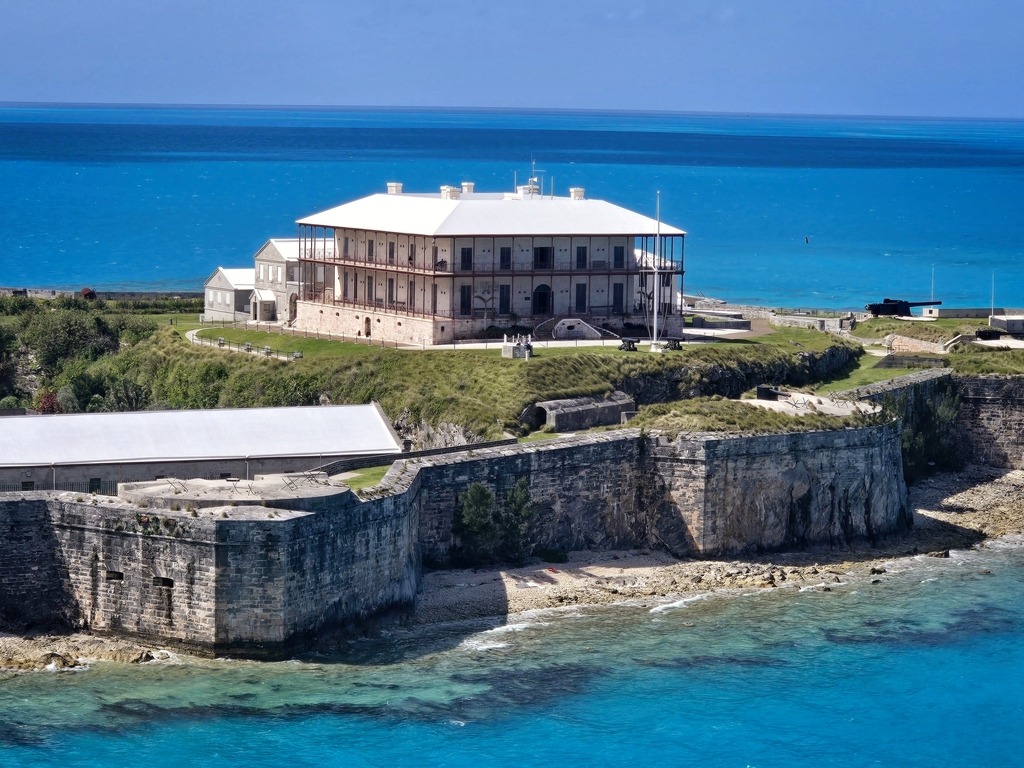
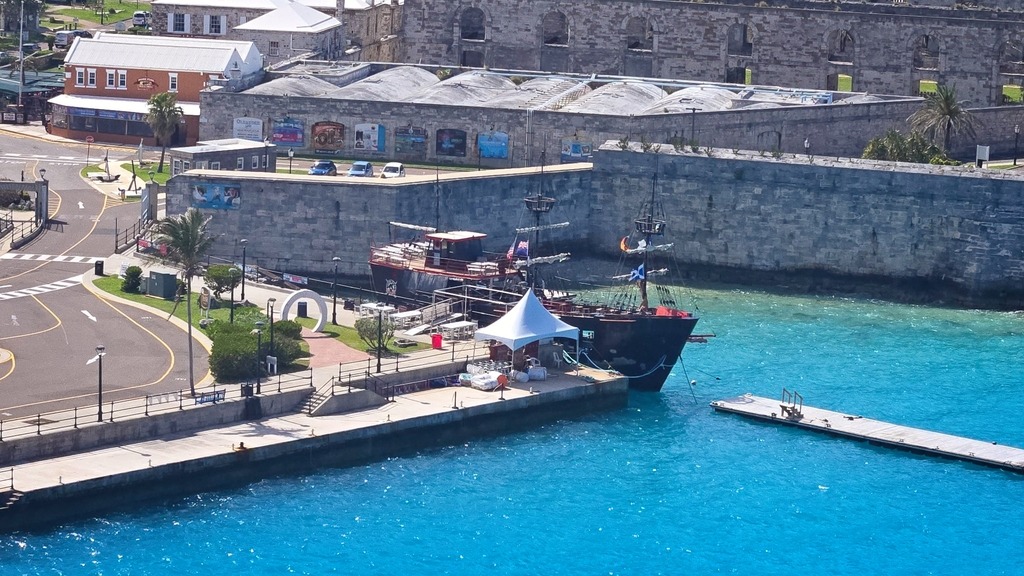
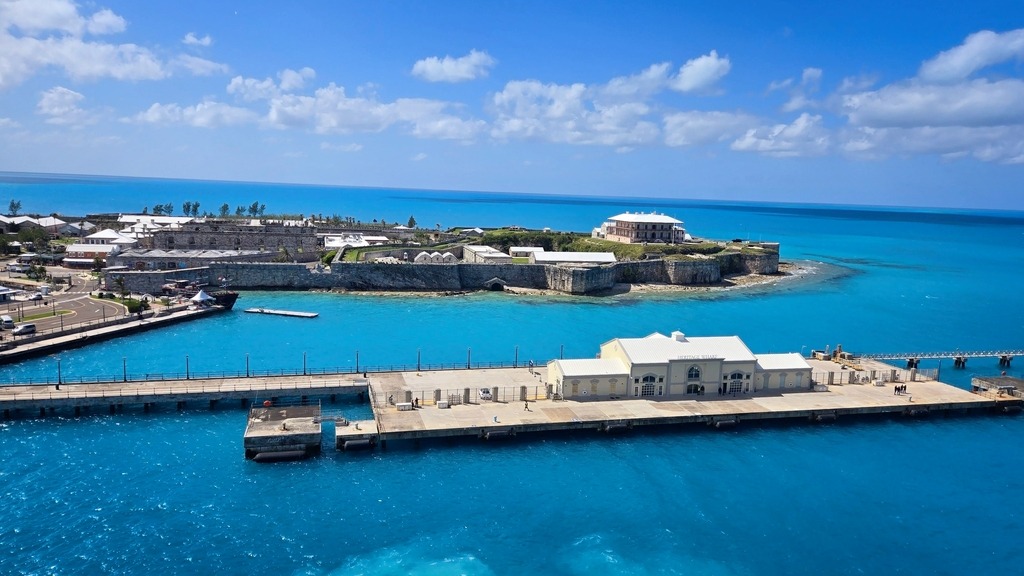
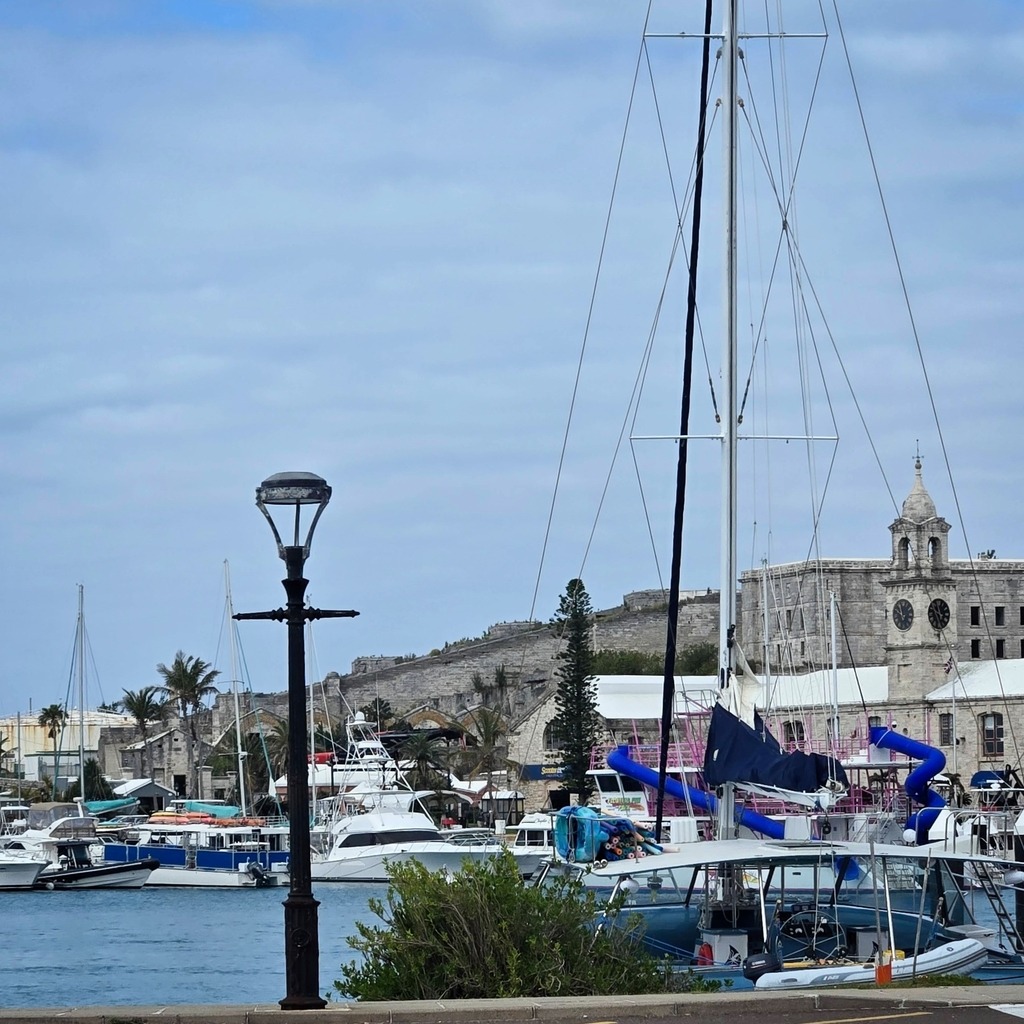
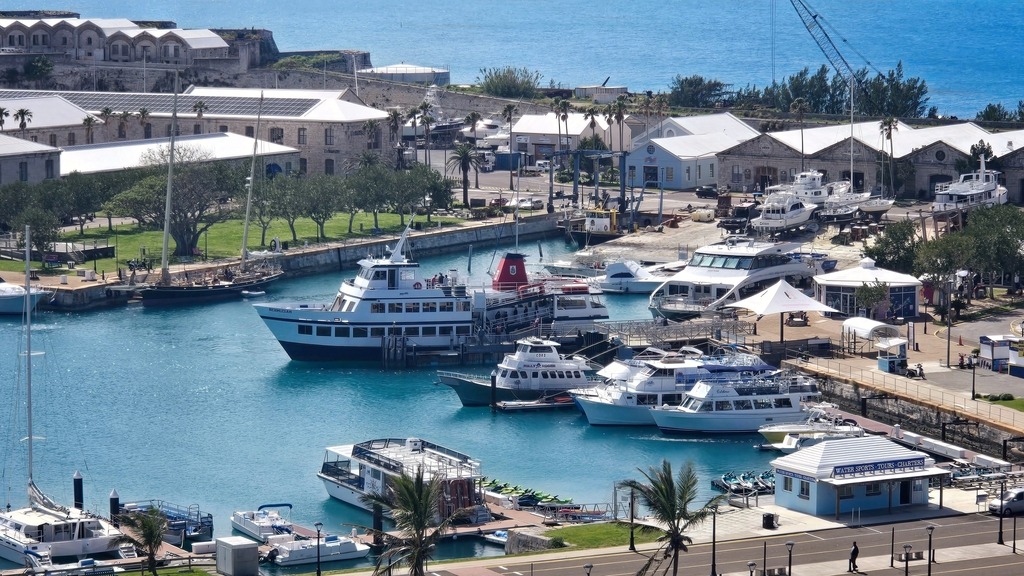
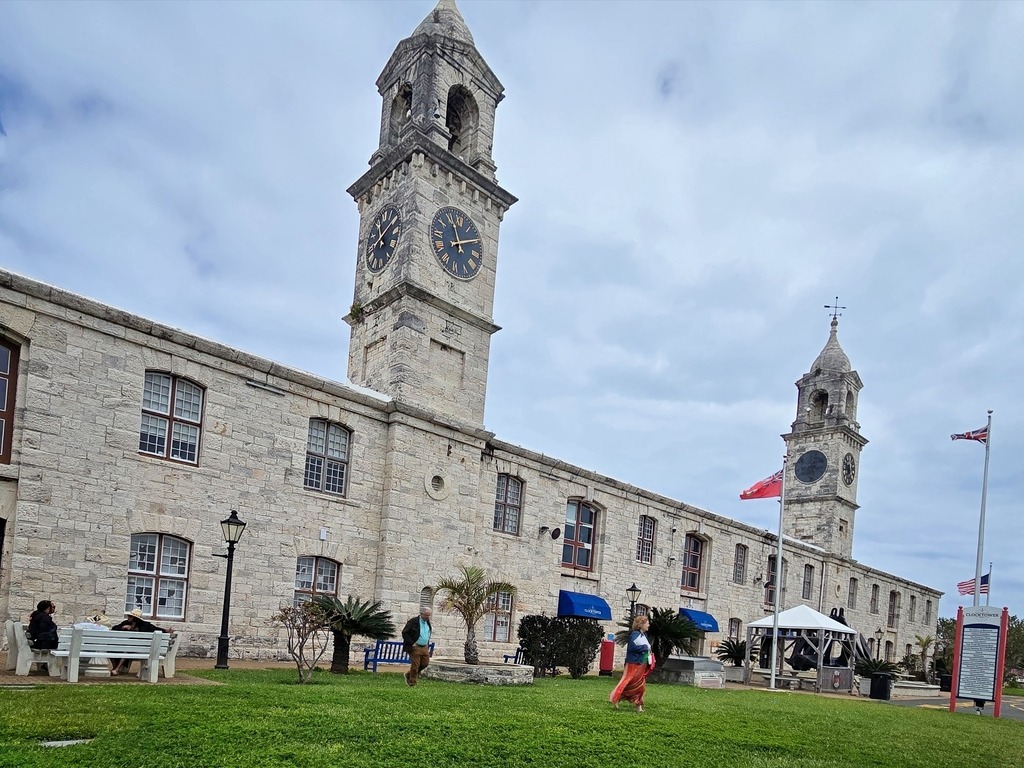
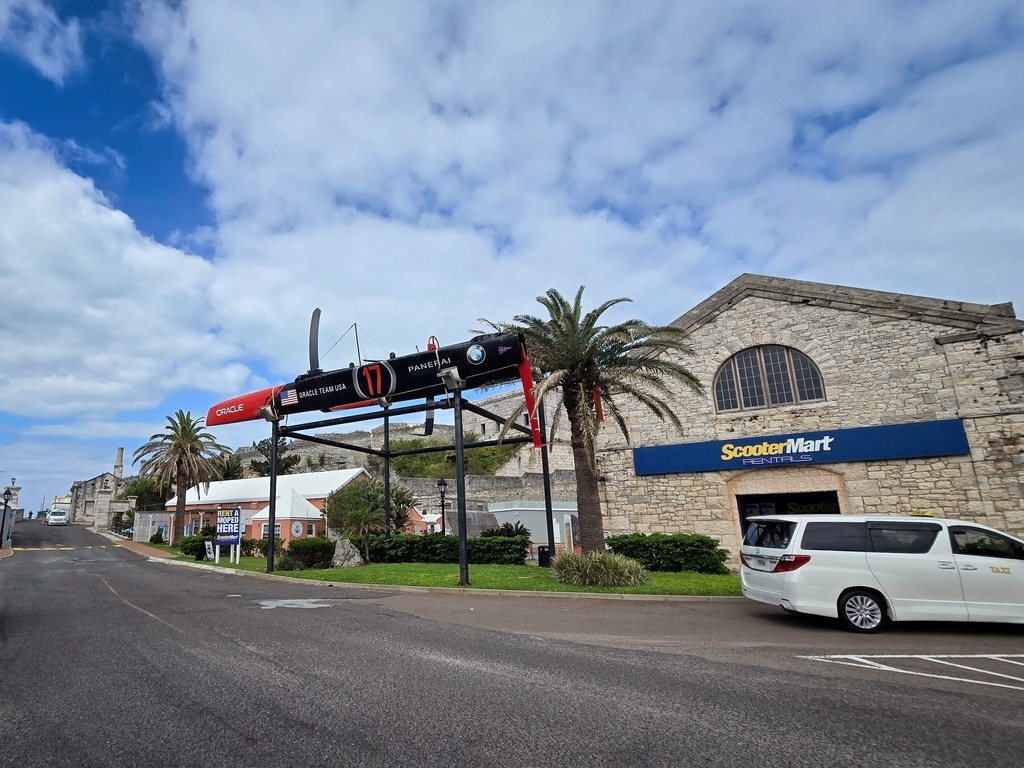
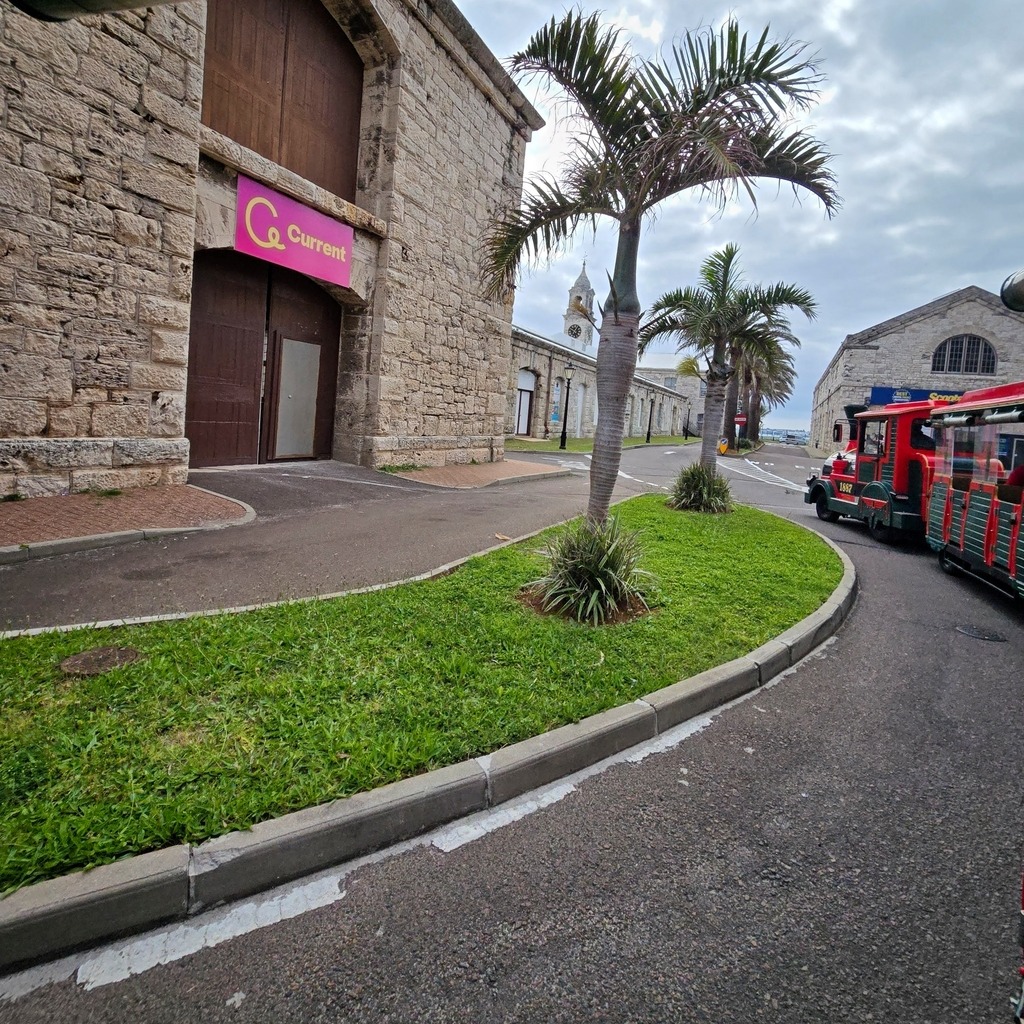
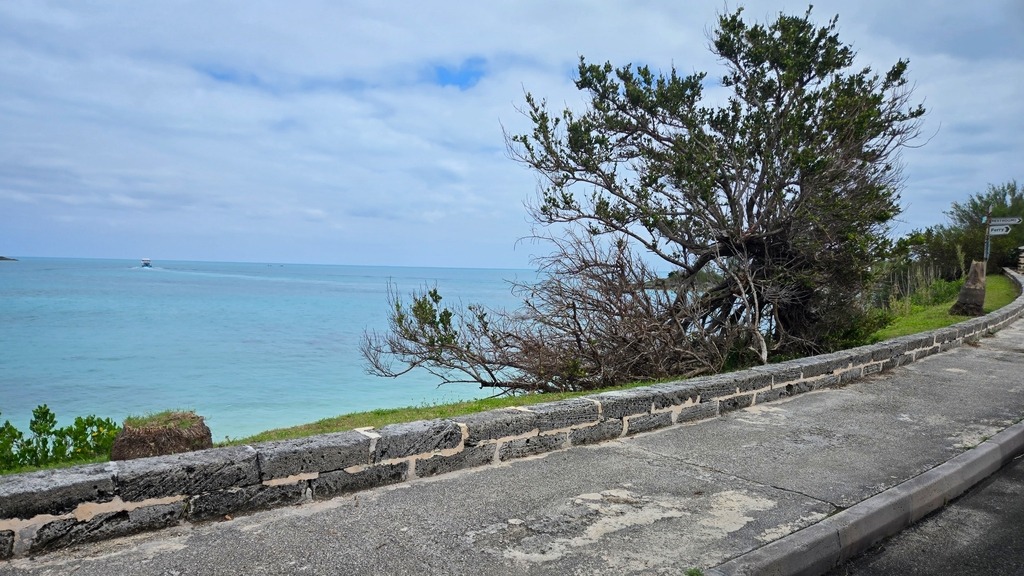
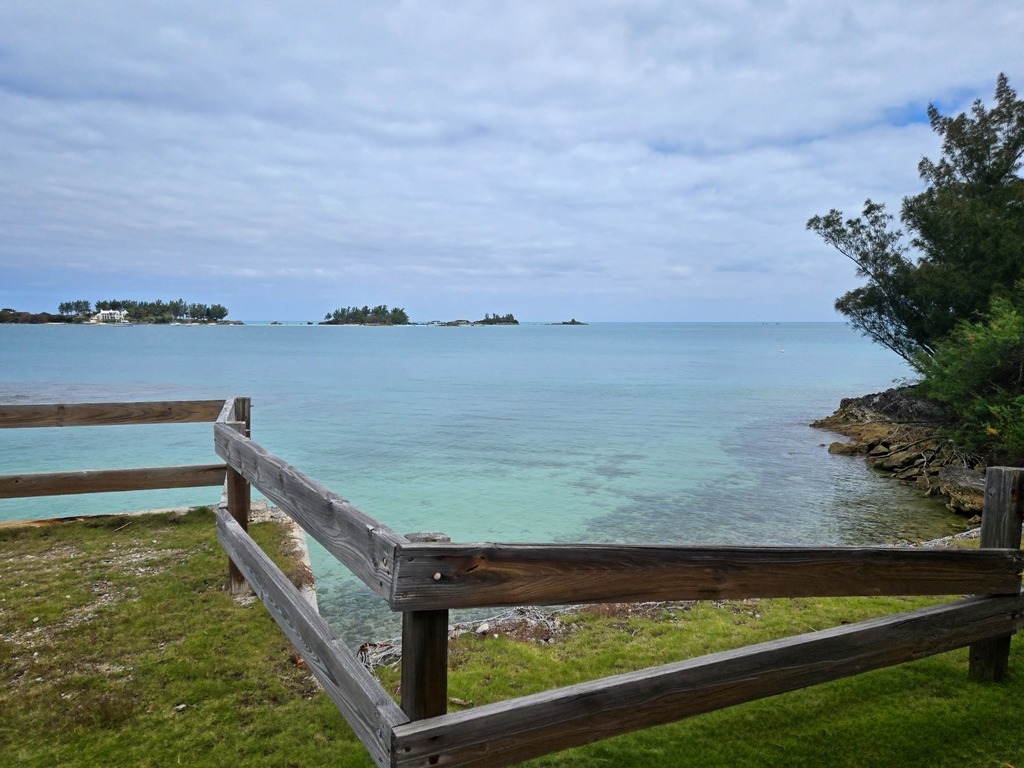
Continuing our series from Bermuda in April, the following photos provide a look around the Royal Naval Dockyard, which now functions as a cruise port and location for dining, shopping and museums.
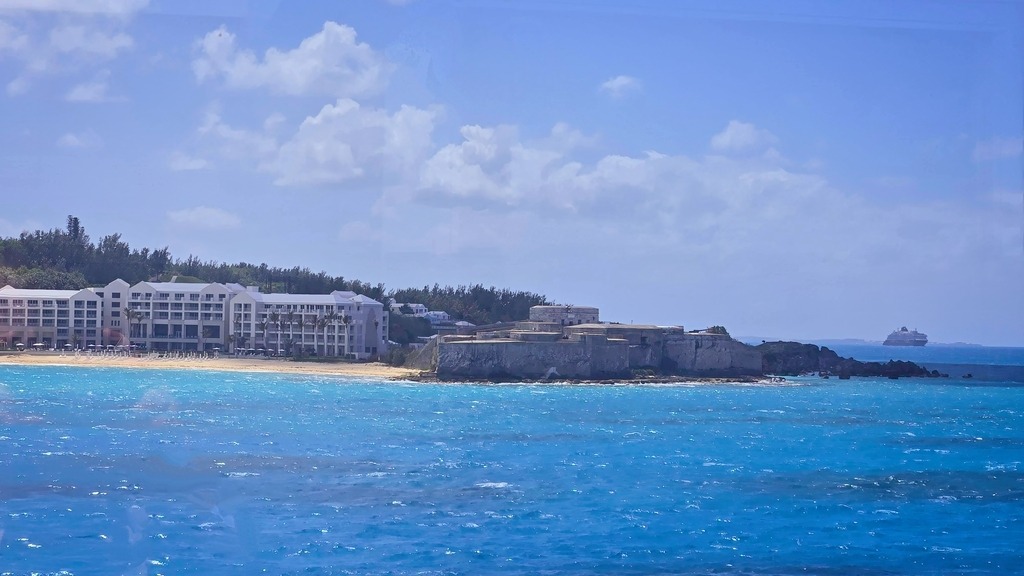
The Commissioner’s House at the National Museum of Bermuda.Calico Jack’s, now a restaurant and bar.Heritage Wharf and the Commissioner’s House.The ferry has arrived.The Clocktower Mall.The 2017 America’s Cup hull of Oracle Team USA.Some jet skiers braving the cold waters.Fort St. Catherine near St. George.The reef is very close to the channel in some spots.
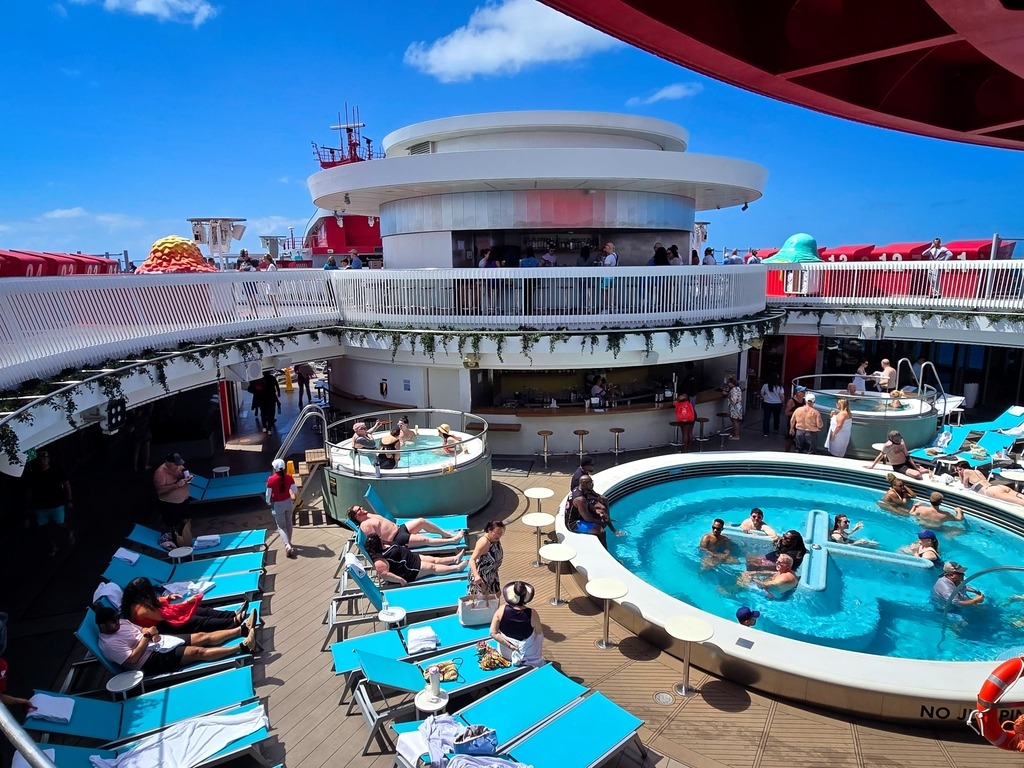
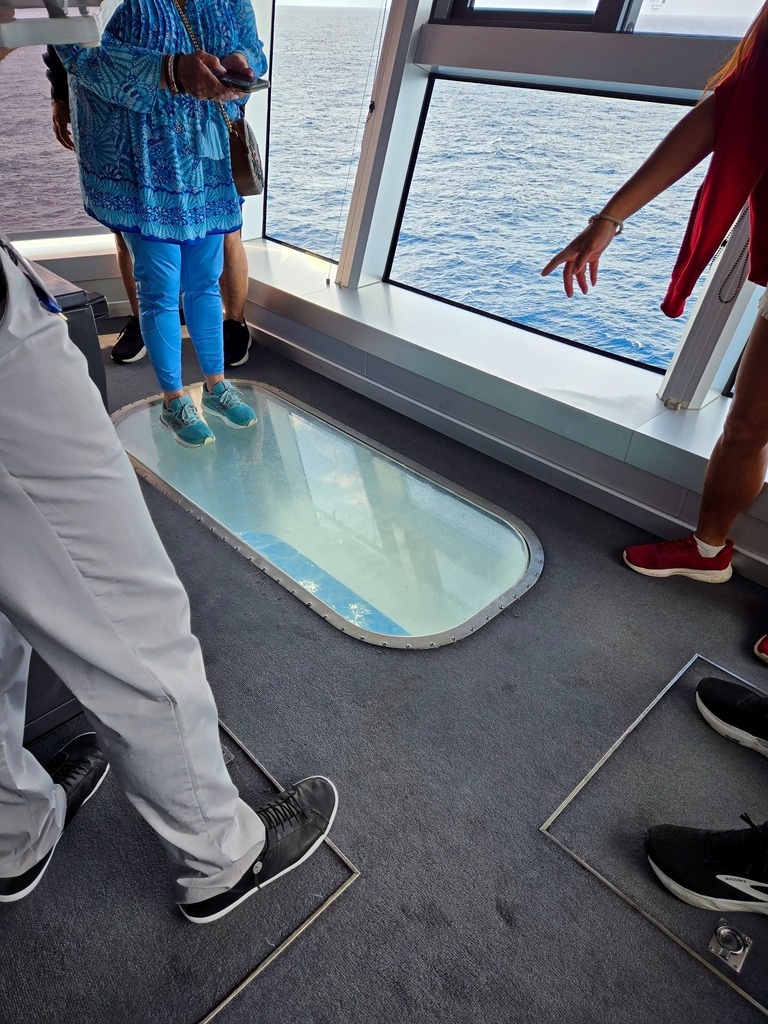
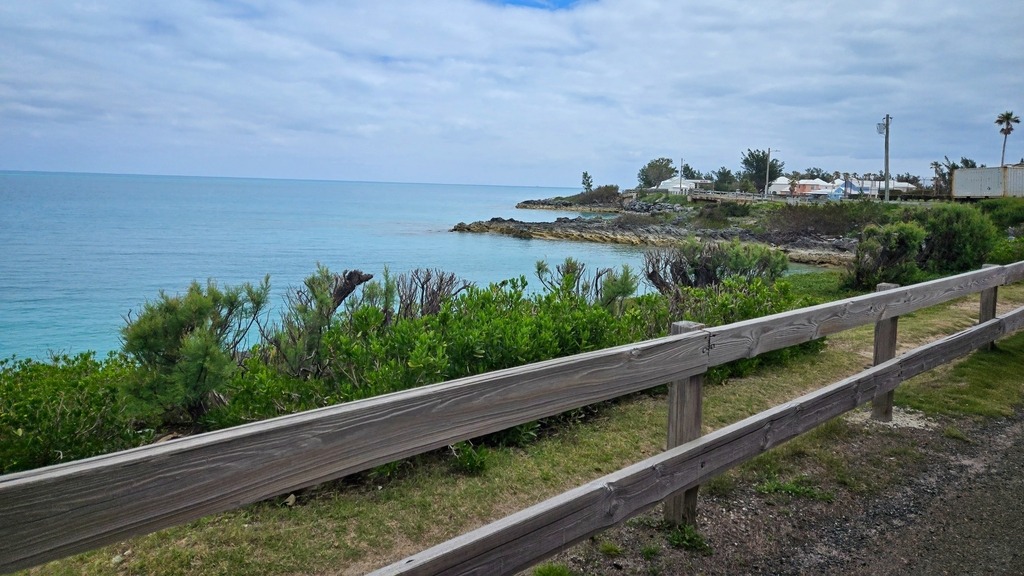
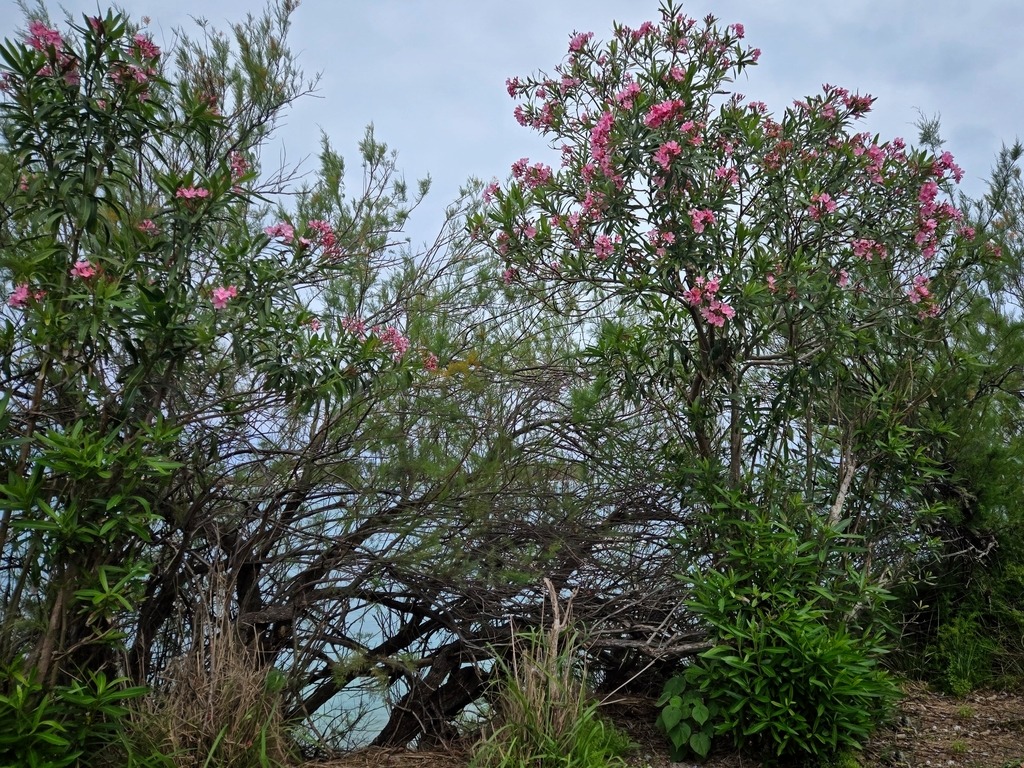
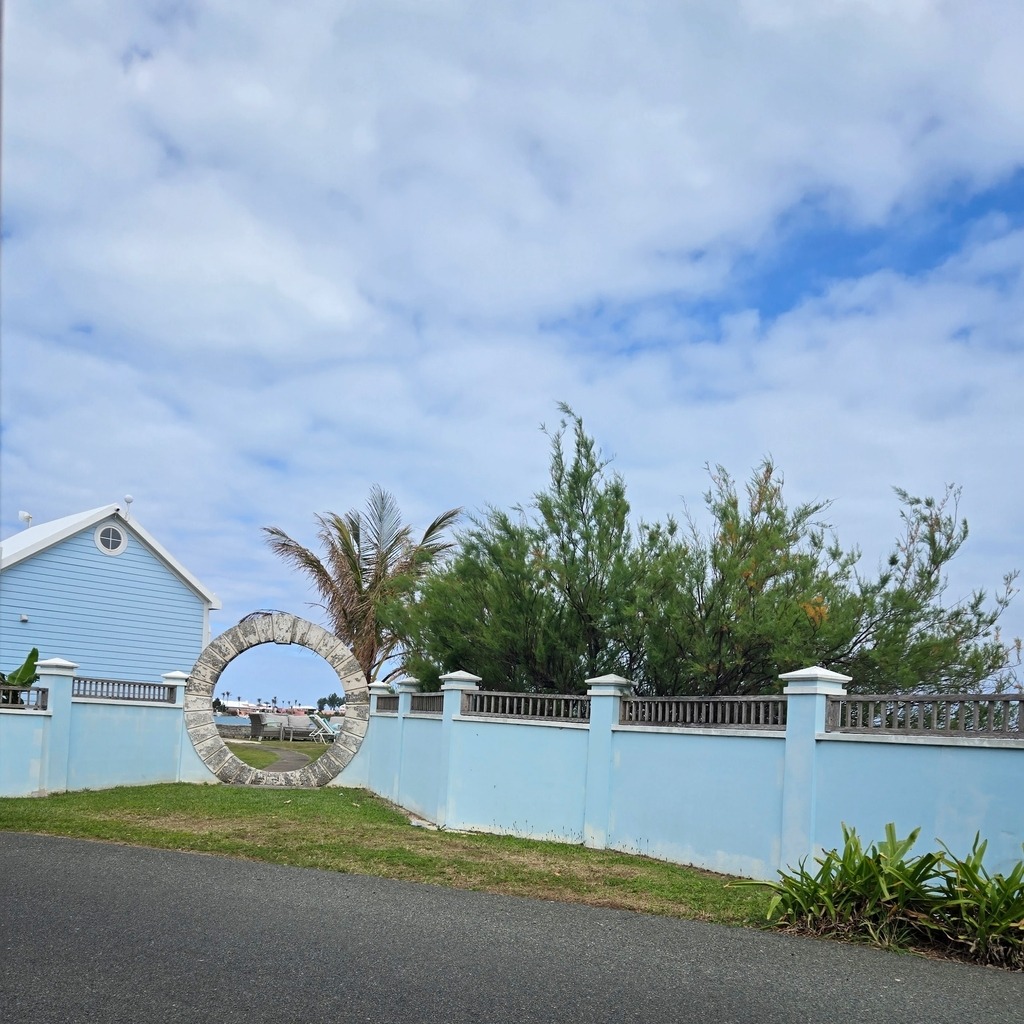
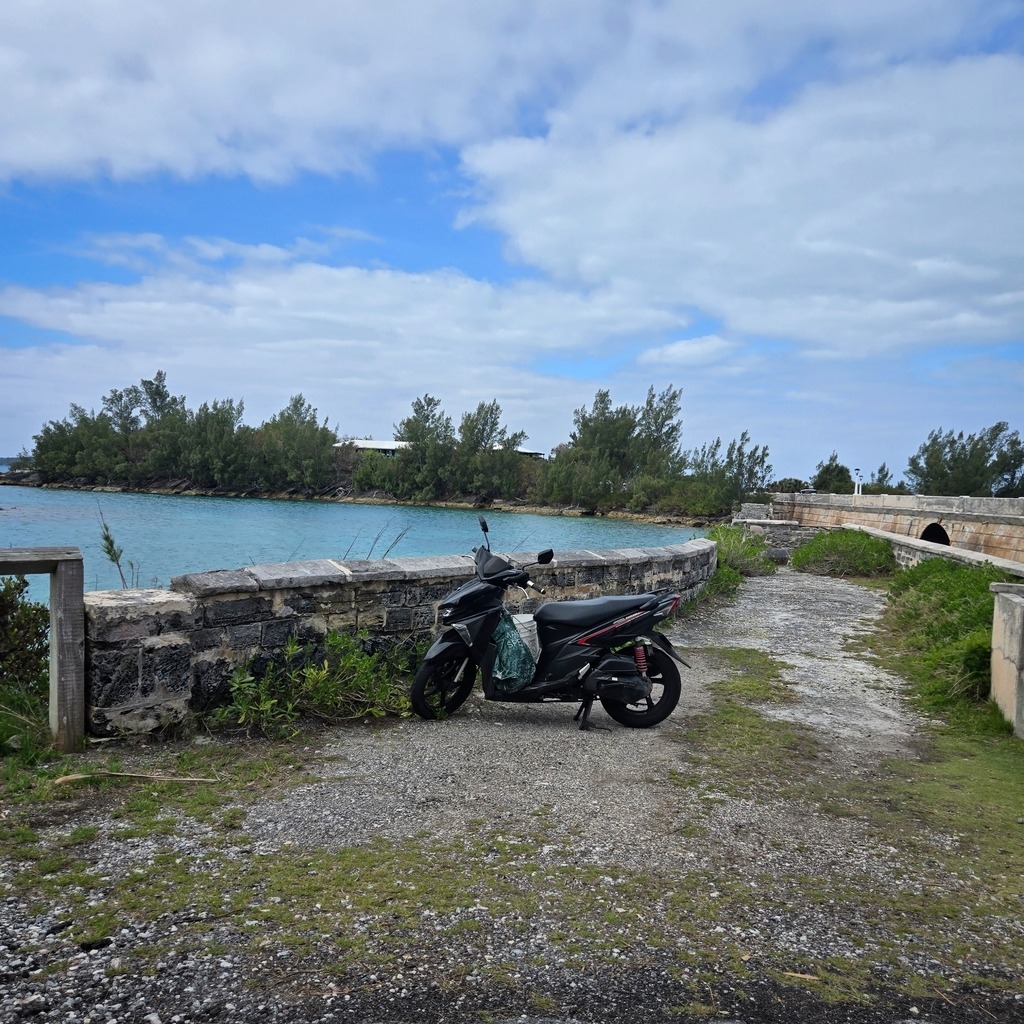
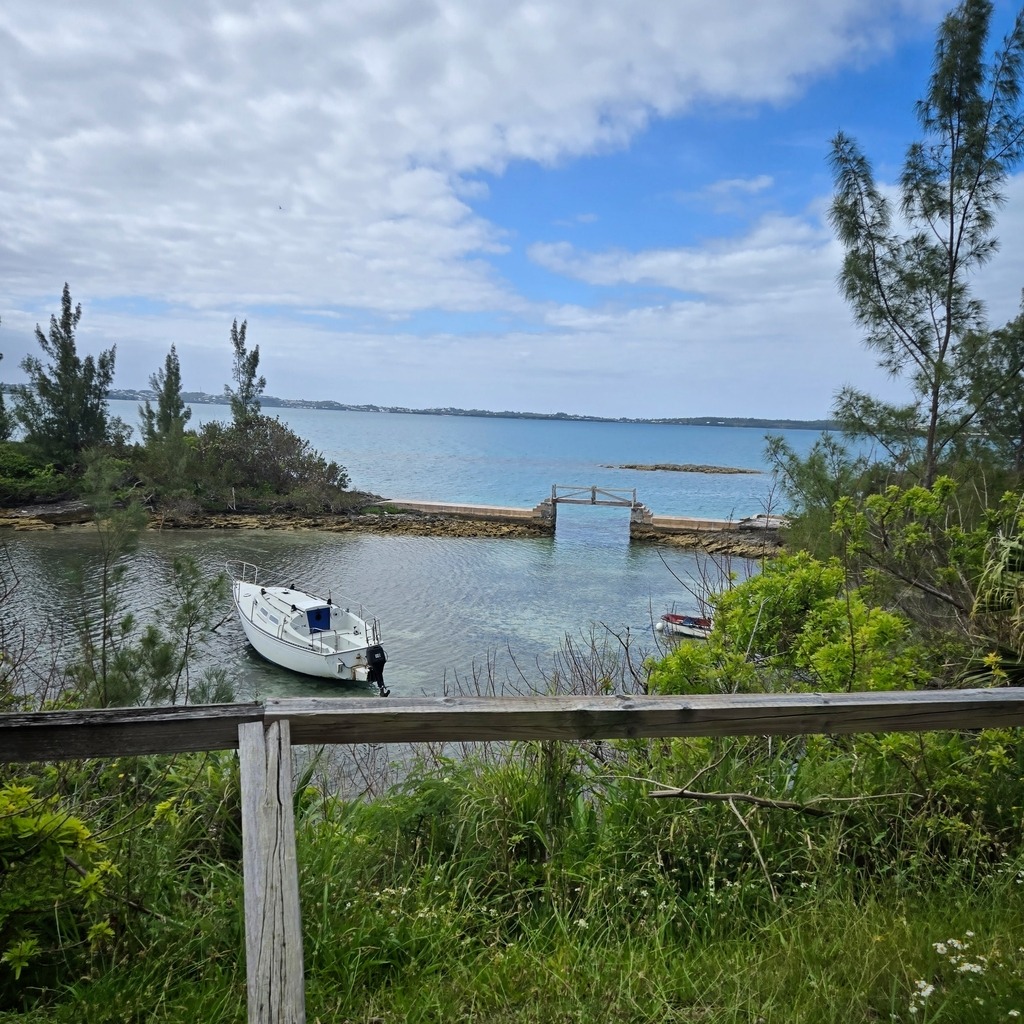
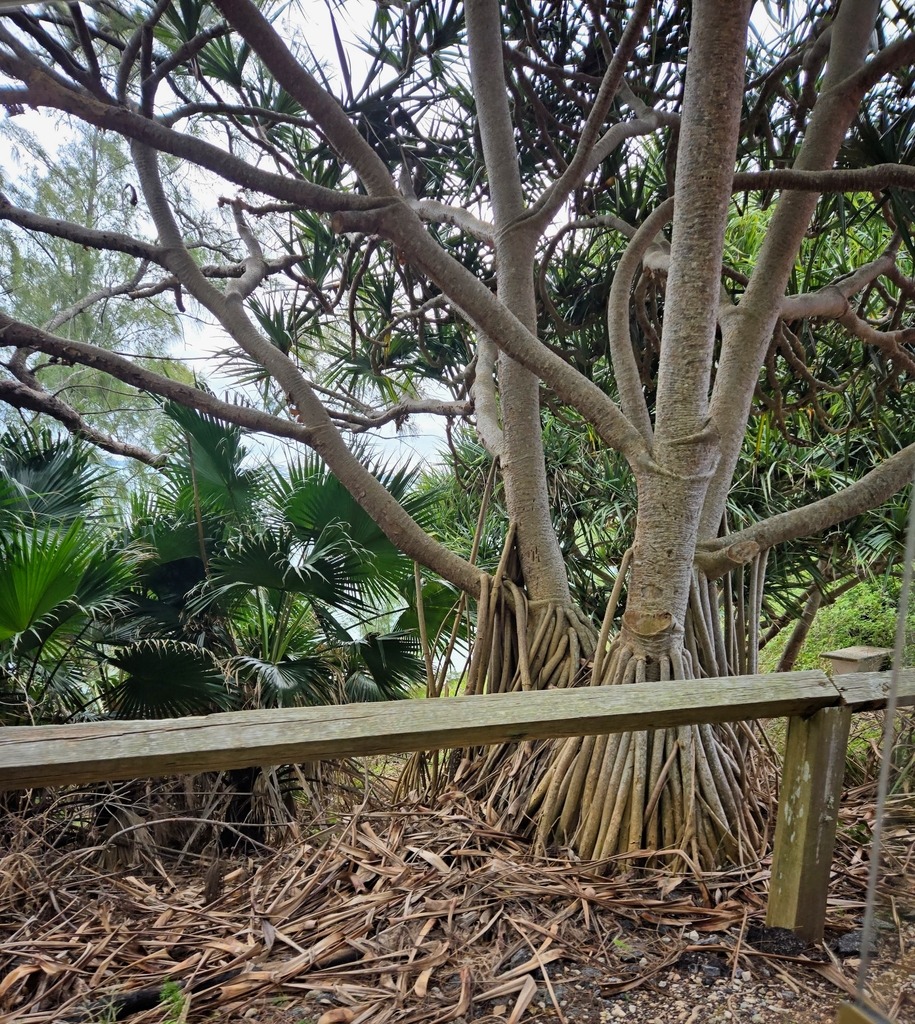
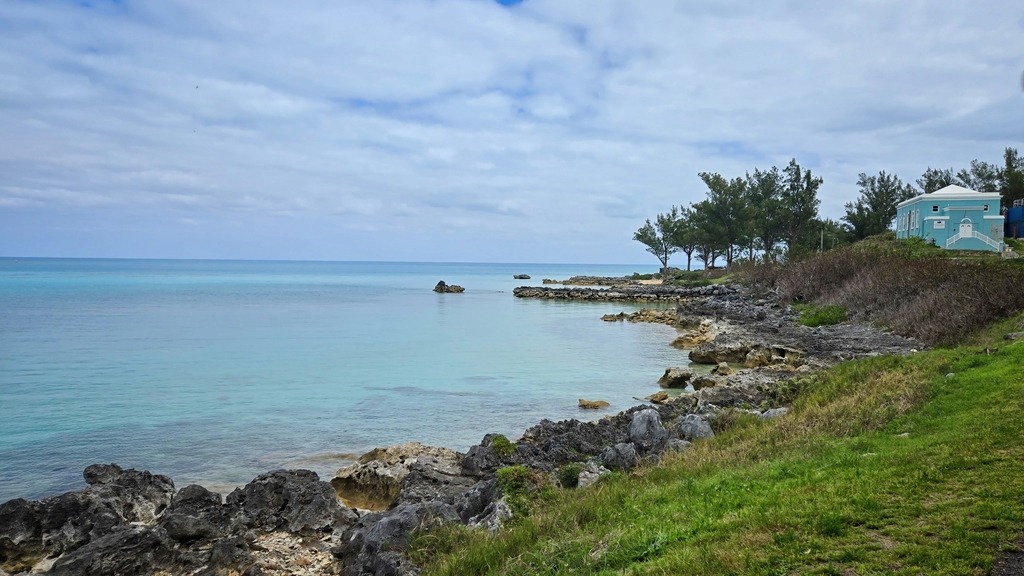
The following post (and two more to follow) are from a recent cruise to Bermuda which I took in mid April. The first entry is from a trolley tour around the West End of Bermuda near the Royal Naval Dockyard and Somerset Parish. Even though the weather was overcast, there were still some lovely coastal views.
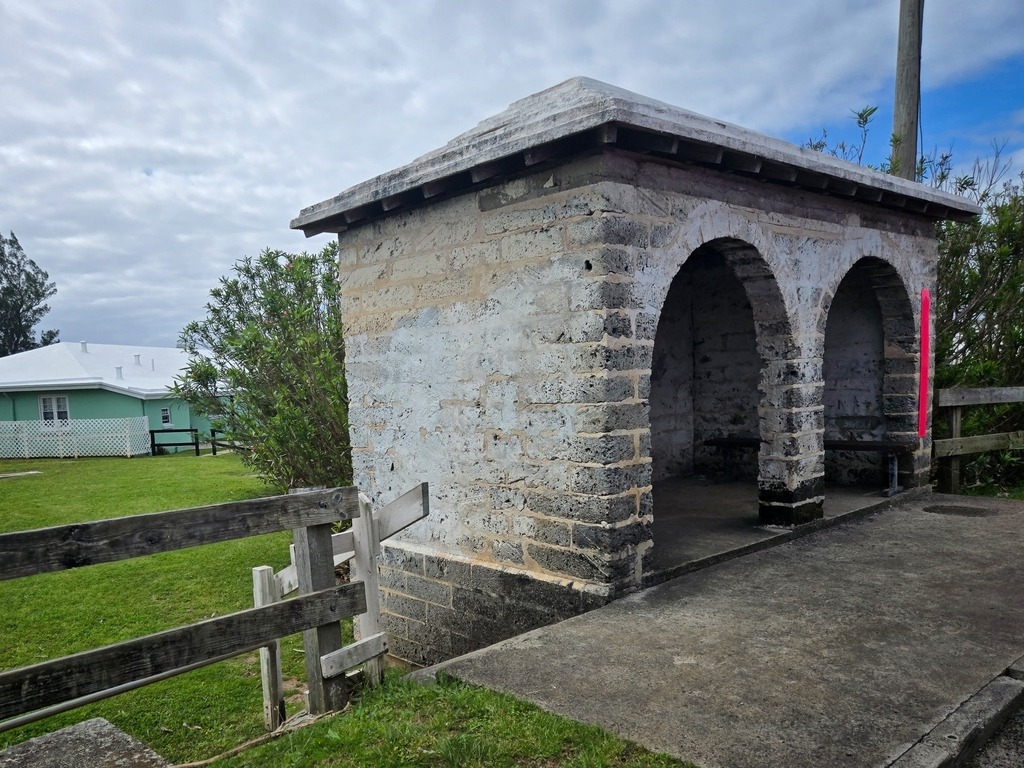
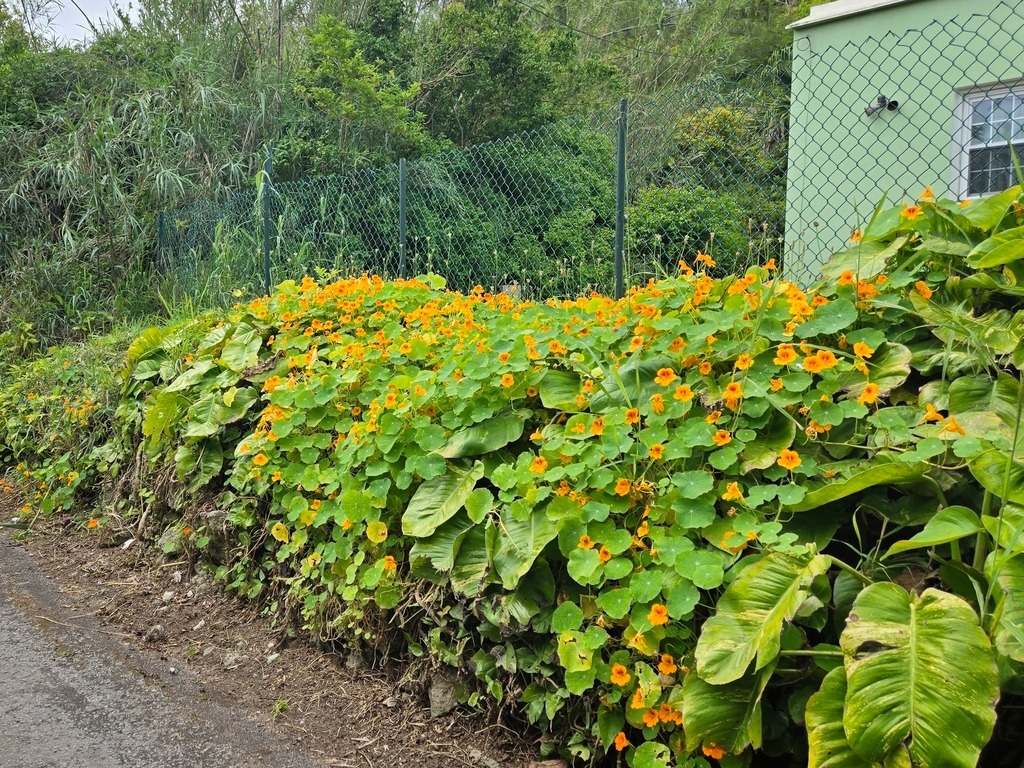
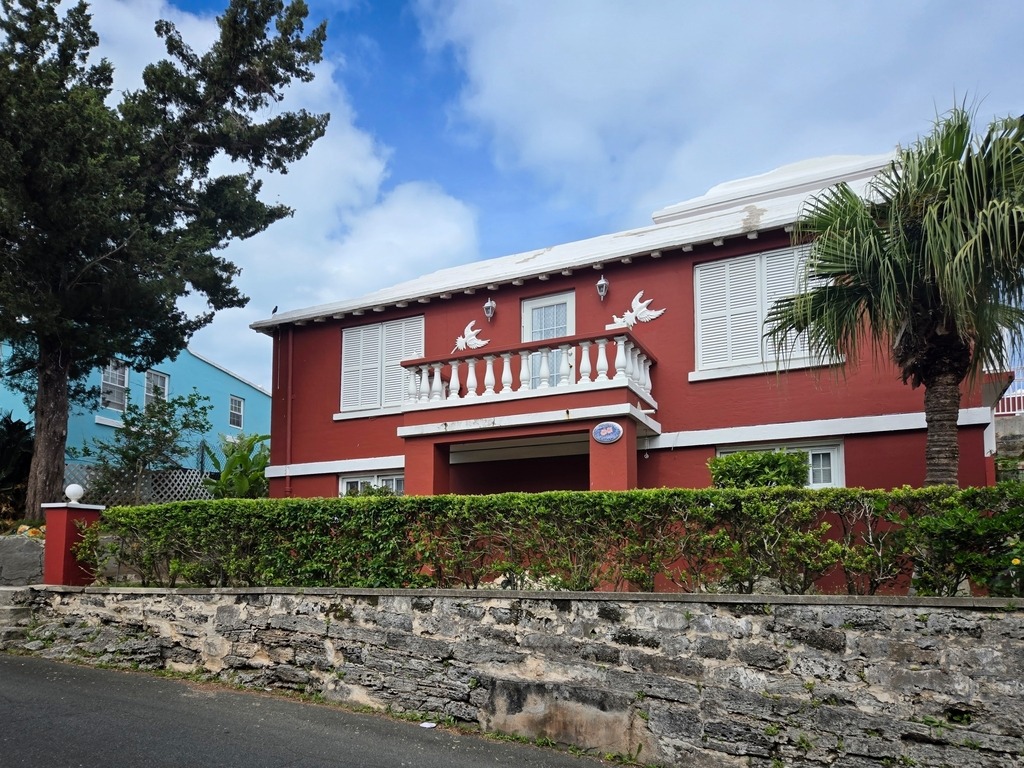
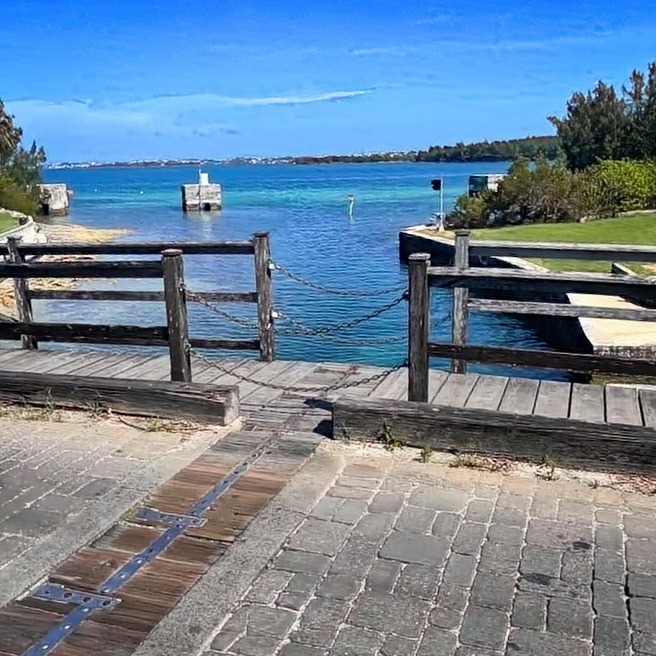
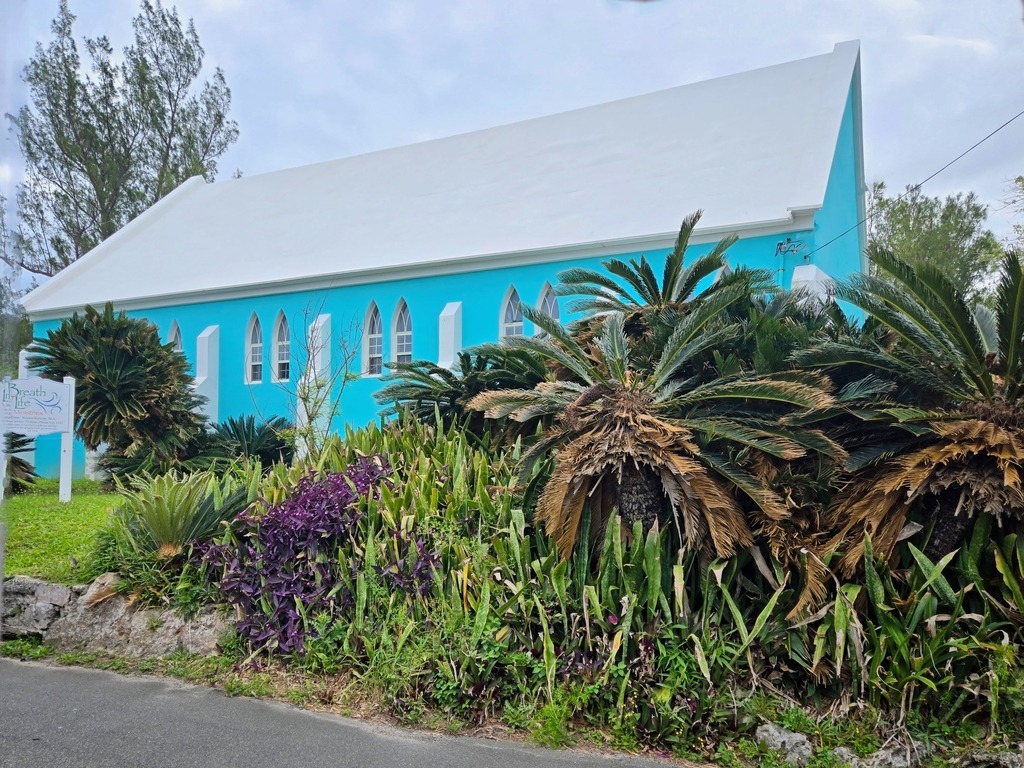
One of the famous Bermuda Moon Gates.Old bus shelter of Bermuda limestone.I love the colorful buildings here.The world’s smallest drawbridge – from a photo of a fellow traveller.
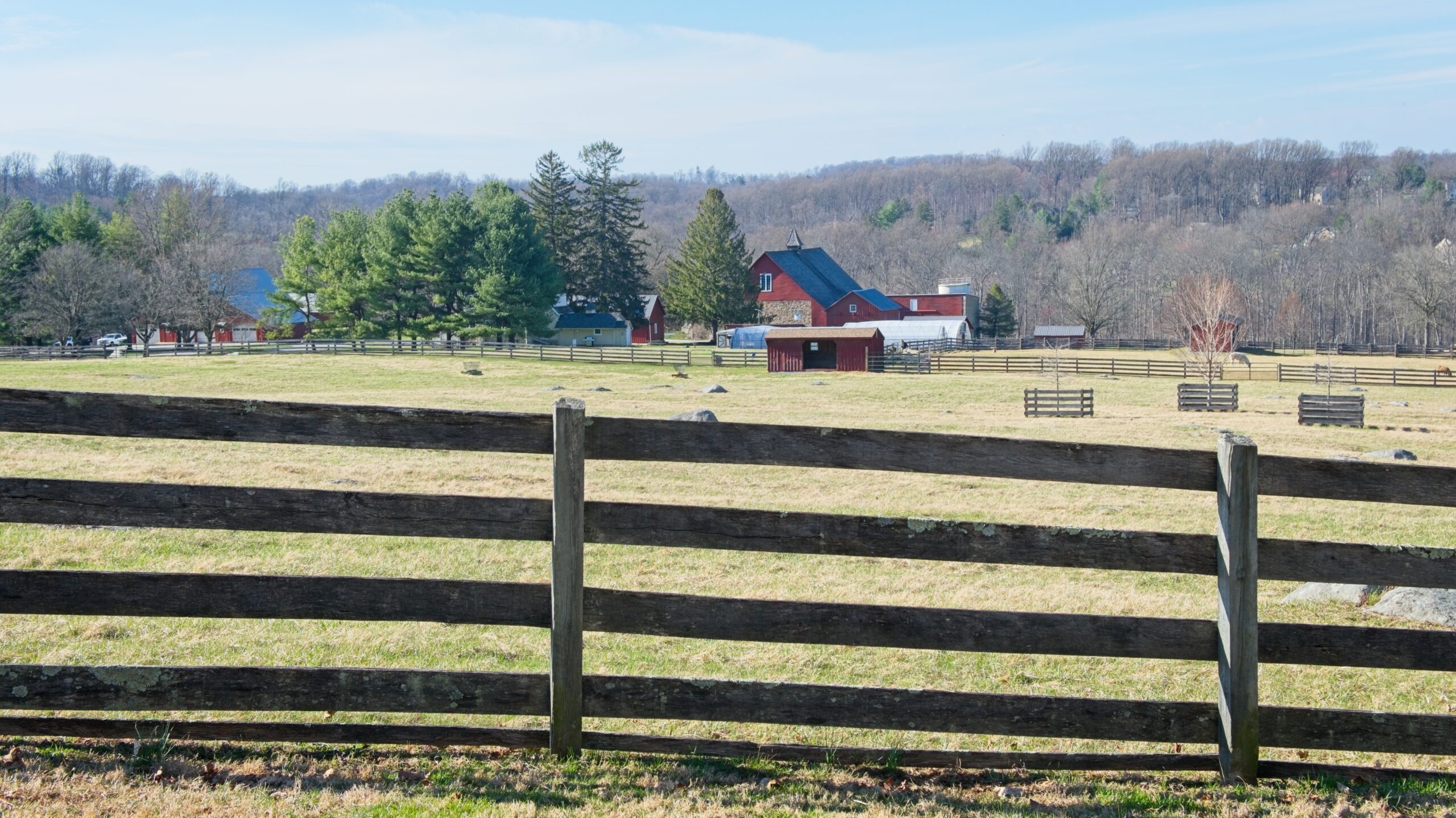
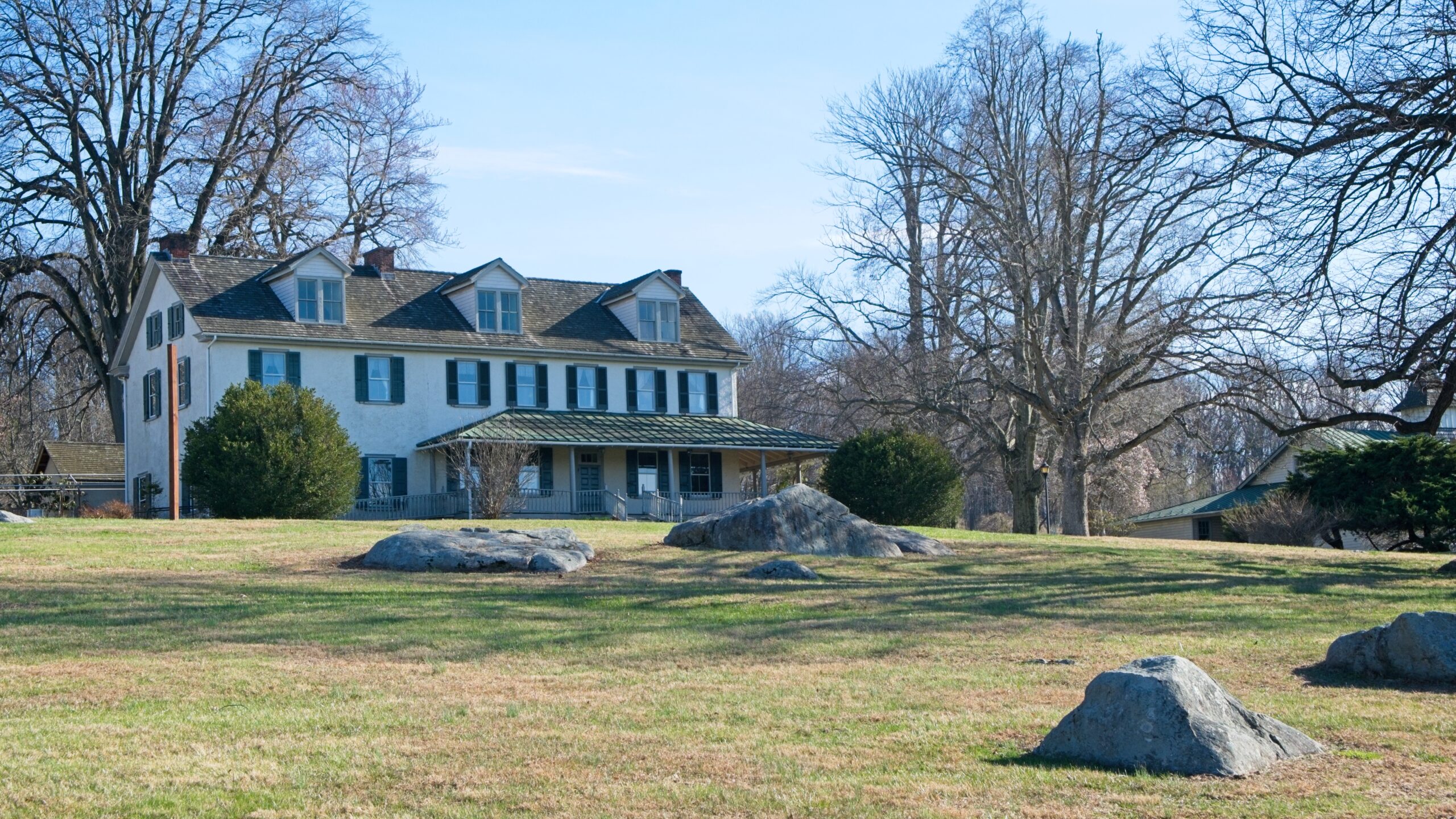
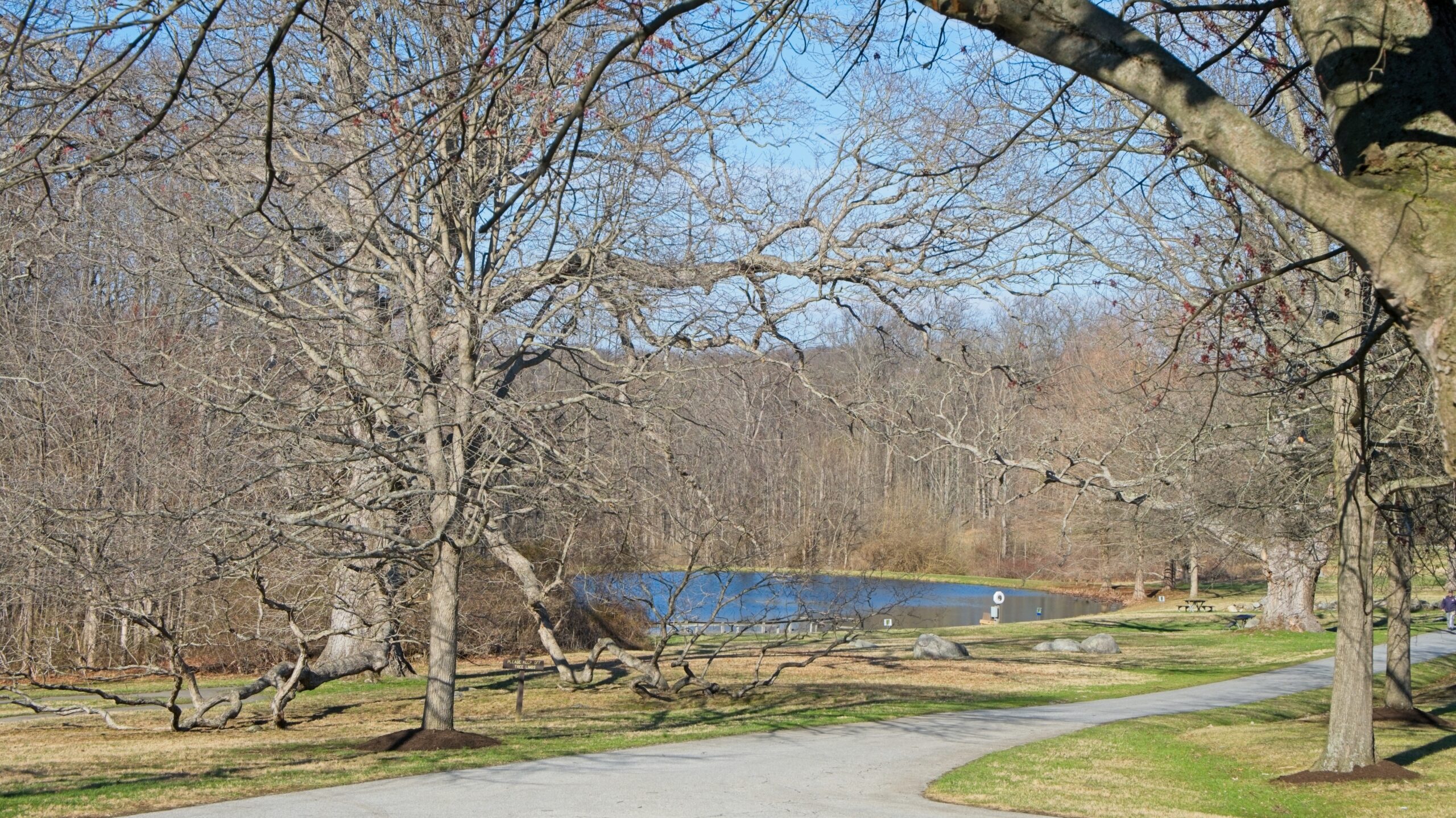
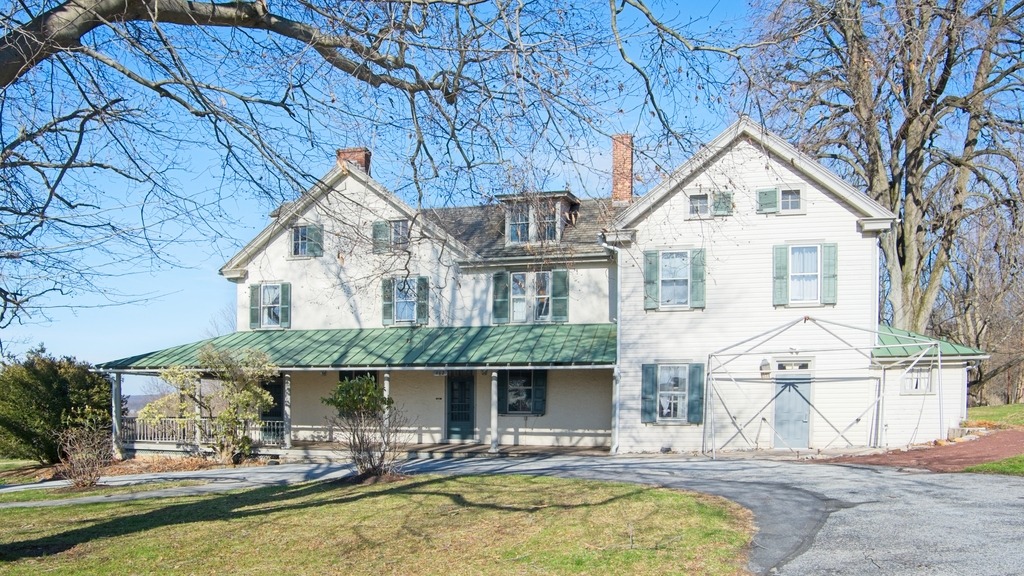
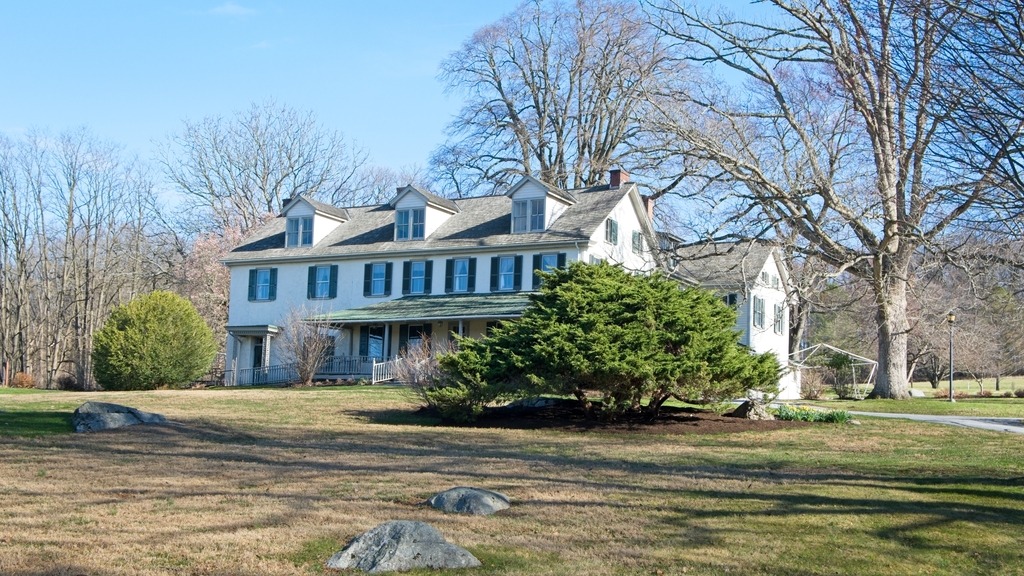
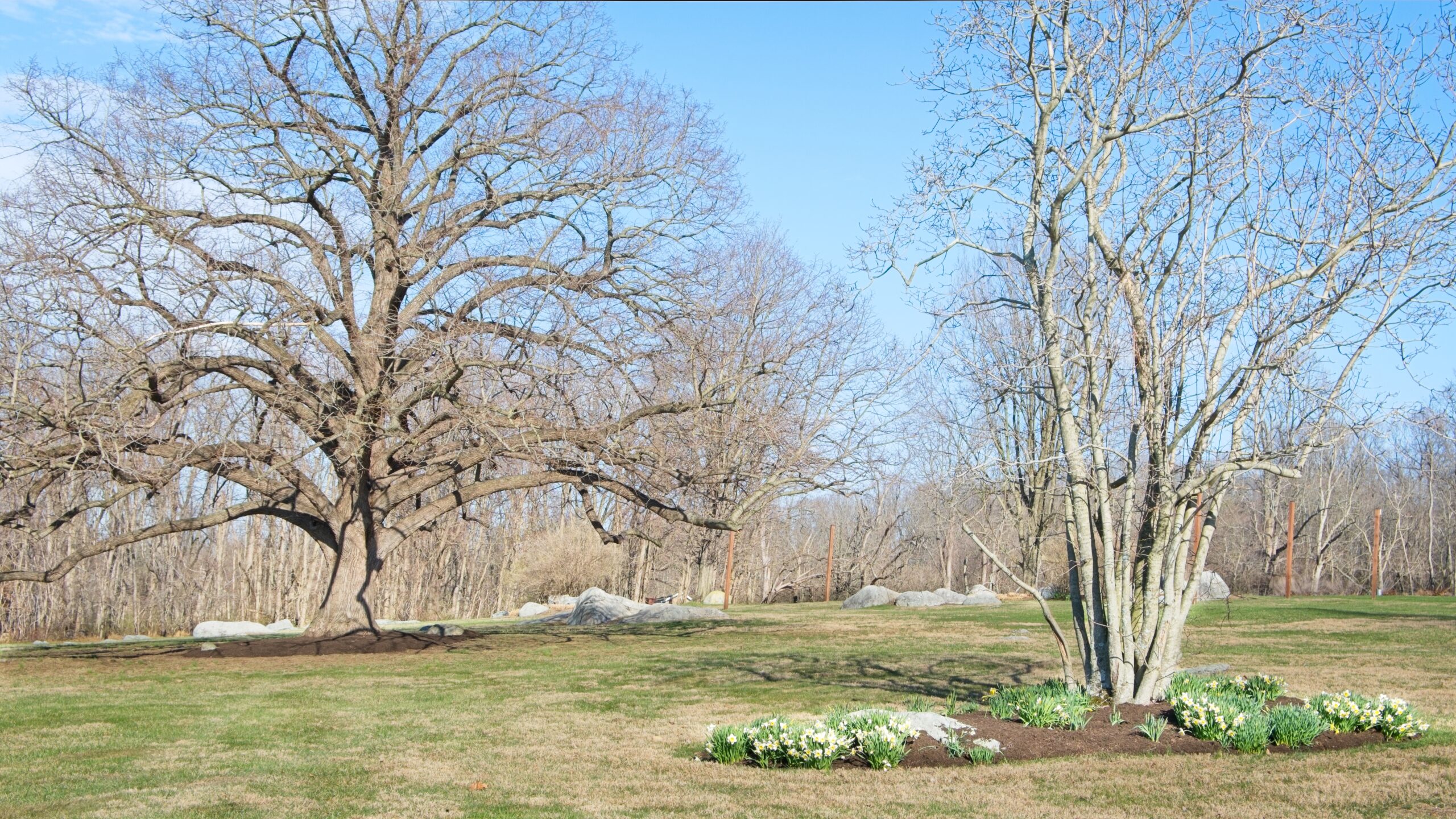
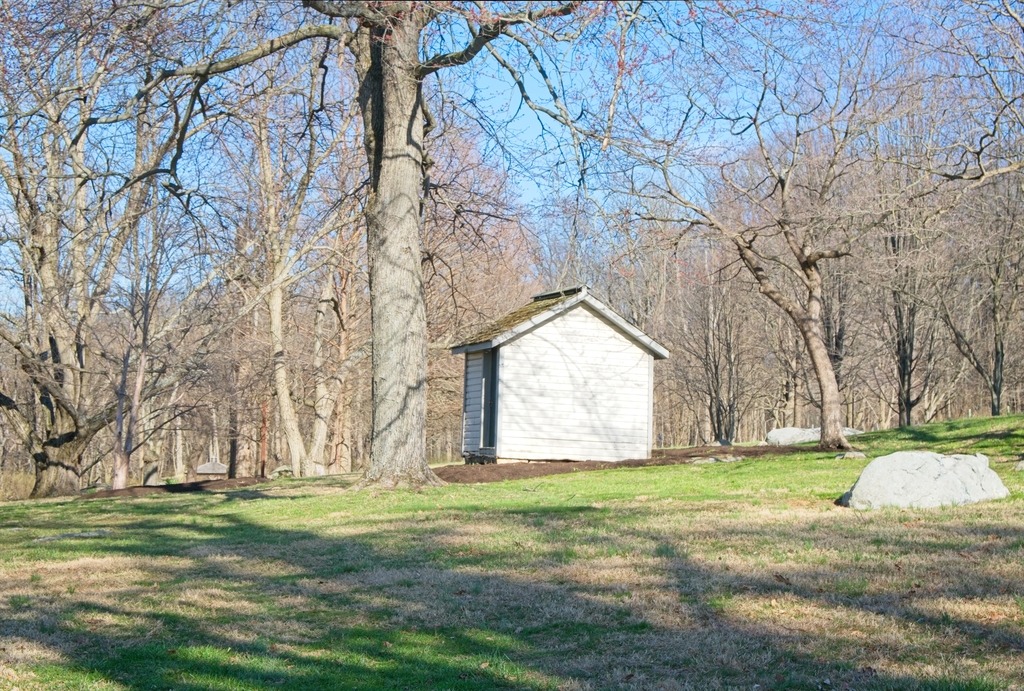
Springton Manor Farm is part of the Chester County park system. Within its historic landscape of fenced fields, stone walls and misty morning vistas is a preserved patchwork of colonial plantation, Industrial Revolution era scientific farm, Victorian tenant farm, and gentleman’s country estate. The Manor House and Carriage House overlook 300 acres of centuries-old sugar maples, open pastures and Penn Oaks, which surround the lower pond. The Manor House is not open to the general public.
Initially part of a William Penn Manor, Springton Manor has been in agricultural use since the early 1700’s. On this demonstration farm, one can meet the animals and learn about Chester County’s farming history. The barn complex consists of the Great Barn, sheep shed, goat shed, a roost and equipment shed. You may see horses, donkeys, rabbits, calves, pigs, sheep, goats, chickens and peacocks. The Family Farm Museum, located within the Great Barn, contains seasonal tools and apparatus used on Chester County farms from the 1700’s to the 1900’s.
This visit focuses on the exterior of the property and the manor house. I visited this property previously. You can view that post here. That post has views of the farm buildings. I intend to return earlier in the day to try to photograph some of the animals. which now seem to include llamas or alpacas.
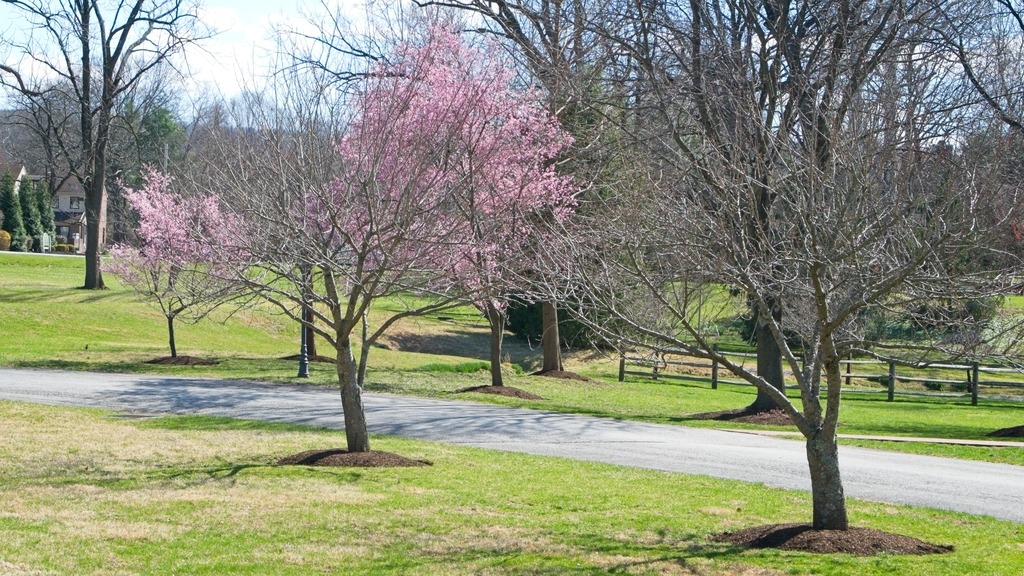
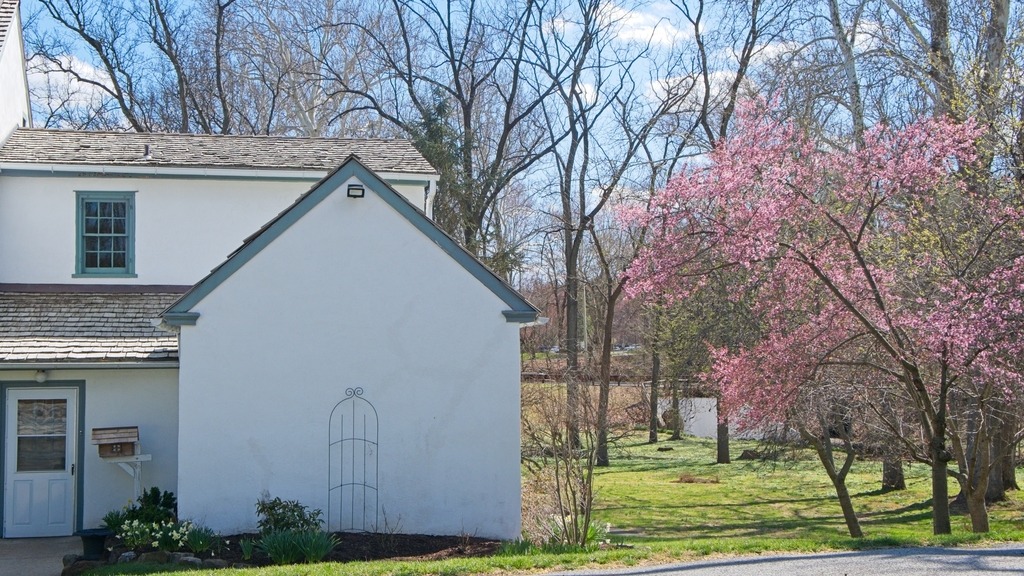
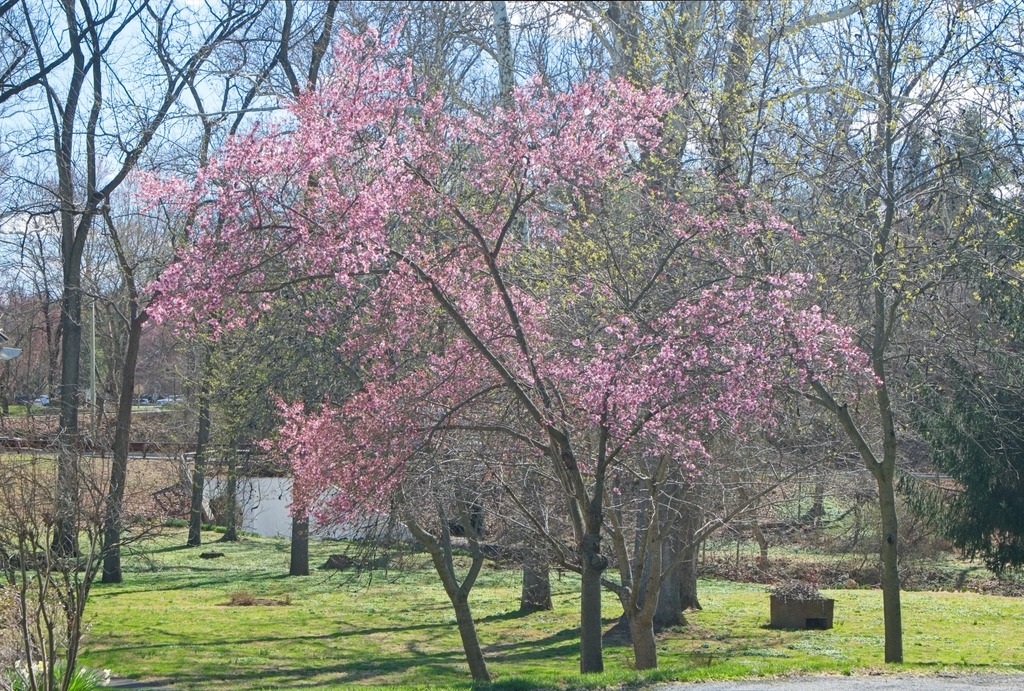
The Duportail House in eastern Chester County is a frequent feature on this blog. Today we look at some of the Spring flowering trees on the grounds.
In 1740, a Welsh Quaker named John Havard, Jr. built a stone farmhouse on a large William Penn land grant in Chester County’s Great Valley. During the Continental Army’s encampment at Valley Forge in 1777-78, the Havard family played host to a guest from France, General Louis Lebègue Duportail. Recruited by Benjamin Franklin, Duportail served as the army’s Chief Engineer, designing fortifications at Valley Forge that could enable Washington’s troops to hold off a potential attack by the British army, which was encamped in nearby Philadelphia. The house is now used as an event venue, and the surrounding property is a park.
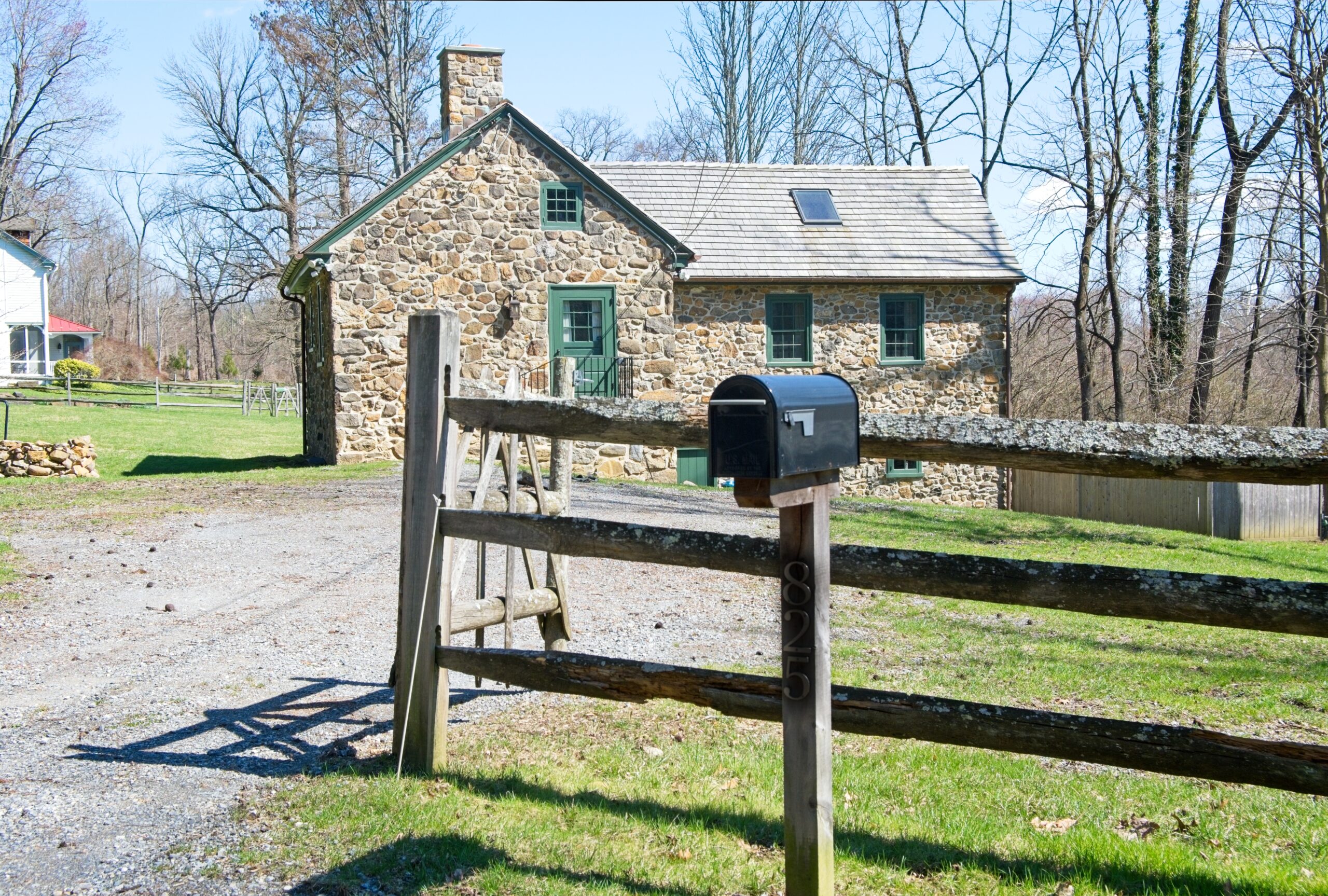
Waterloo Mills Preserve in Chester County is a property owned by the Brandywine Conservancy. On 170 acres, the site contains an 18th century village, mill race remnants, wildflower meadows, fertile marshes, mature woods and over a mile of the upper reaches of Darby Creek. Members of the Brandywine Conservancy & Museum of Art can walk the trails through the property. Stepping stones and a puncheon log allow visitors to ford small streams and Darby Creek. The property offers a variety of wildlife ranging from whitetail deer to turtles to migratory birds, as well as many varieties of plants.
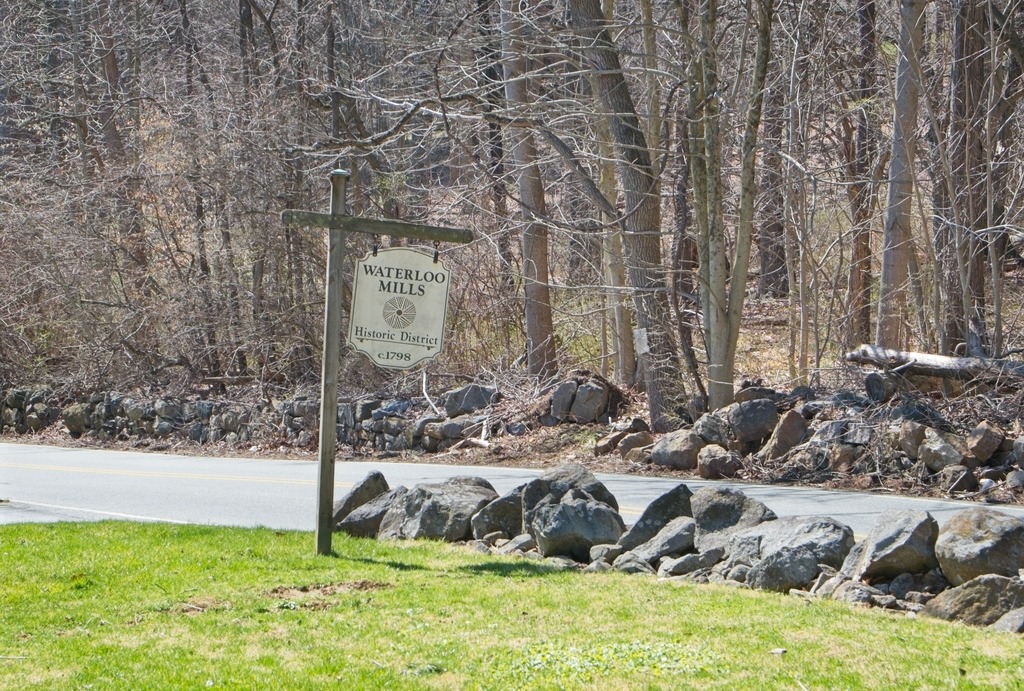
The village of Waterloo Mills, listed on the National Register of Historic Places, includes an old gristmill, a barn, a wheelwright and blacksmith’s shop, and two houses. Here are some views of the outdoor sections of the property.
A few of the old mill and farm buildings in the Historic District remain.
The Willows Park has been featured on this blog before. It is a 47.5-acre estate purchased by Radnor Township in 1973 from the Zantzinger family. Situated at the end of a long, winding driveway is a three-story mansion. The mansion was built in 1910 by John Sinnott Jr. for his wife, and referred to as Rose Garland. The mansion and 47.5 acres that now make up the park were purchased by Clarence Geist in 1937 as a wedding present for his daughter. The estate was then called Maral Brook, which was a combination of their first names, Mary and her husband, Alfred Zantzinger. The site was renamed The Willows because of the beautiful willow trees that surround the property.
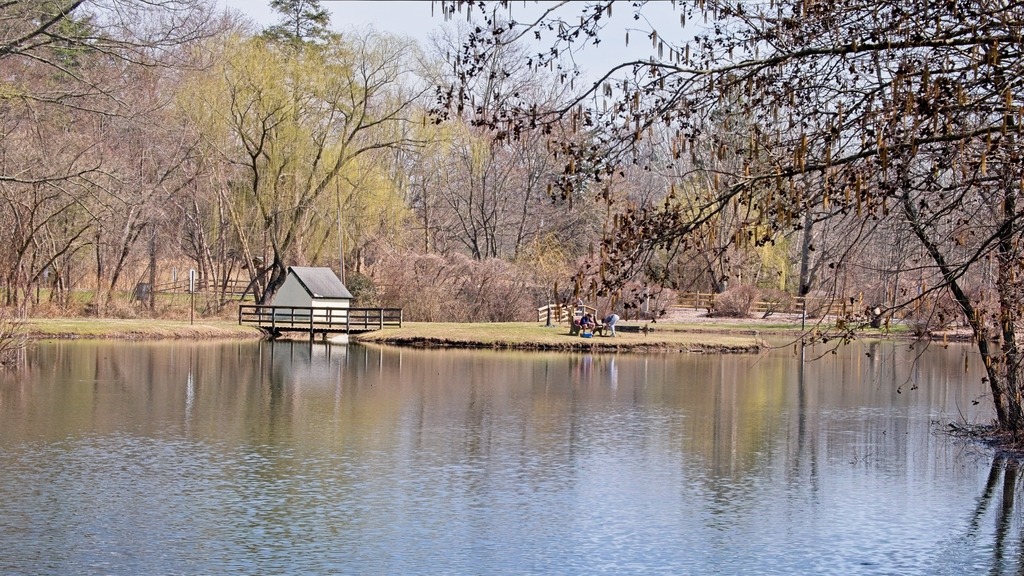
Little Darby Creek winds through the property and is dammed to form a small pond. I have been coming to the Willows for many years. The property has been a popular spot for birding, and migrating waterfowl can sometimes be seen on the pond. It is also a spot that has been stocked for the first day of trout season. Renovation work done to the pond quite a few years ago seems to have reduced the number of birds that use it and the nearby creek. Sadly, maintenance of the mansion and cottage is inadequate. The cottage no longer seems to be in use and is falling into disrepair. The mansion sat vacant for nearly a decade. It is currently being renovated and hosts limited events. It no longer appears to be available for weddings. It was once booked years in advance for weddings. It’s hard to understand why a financially productive property like this was allowed to sit vacant and fall into disrepair.
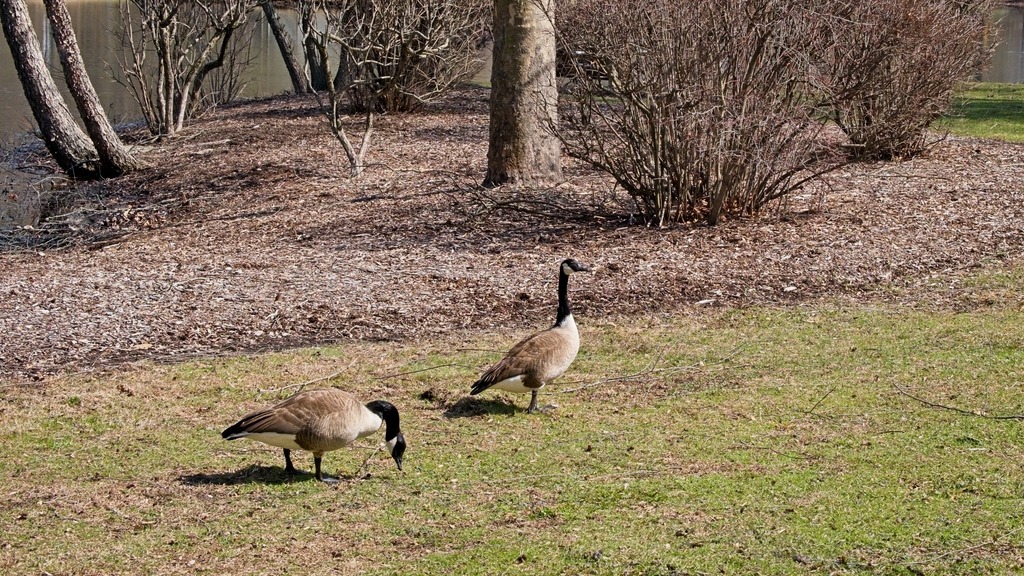
These geese have found some prime real estate for a nest.
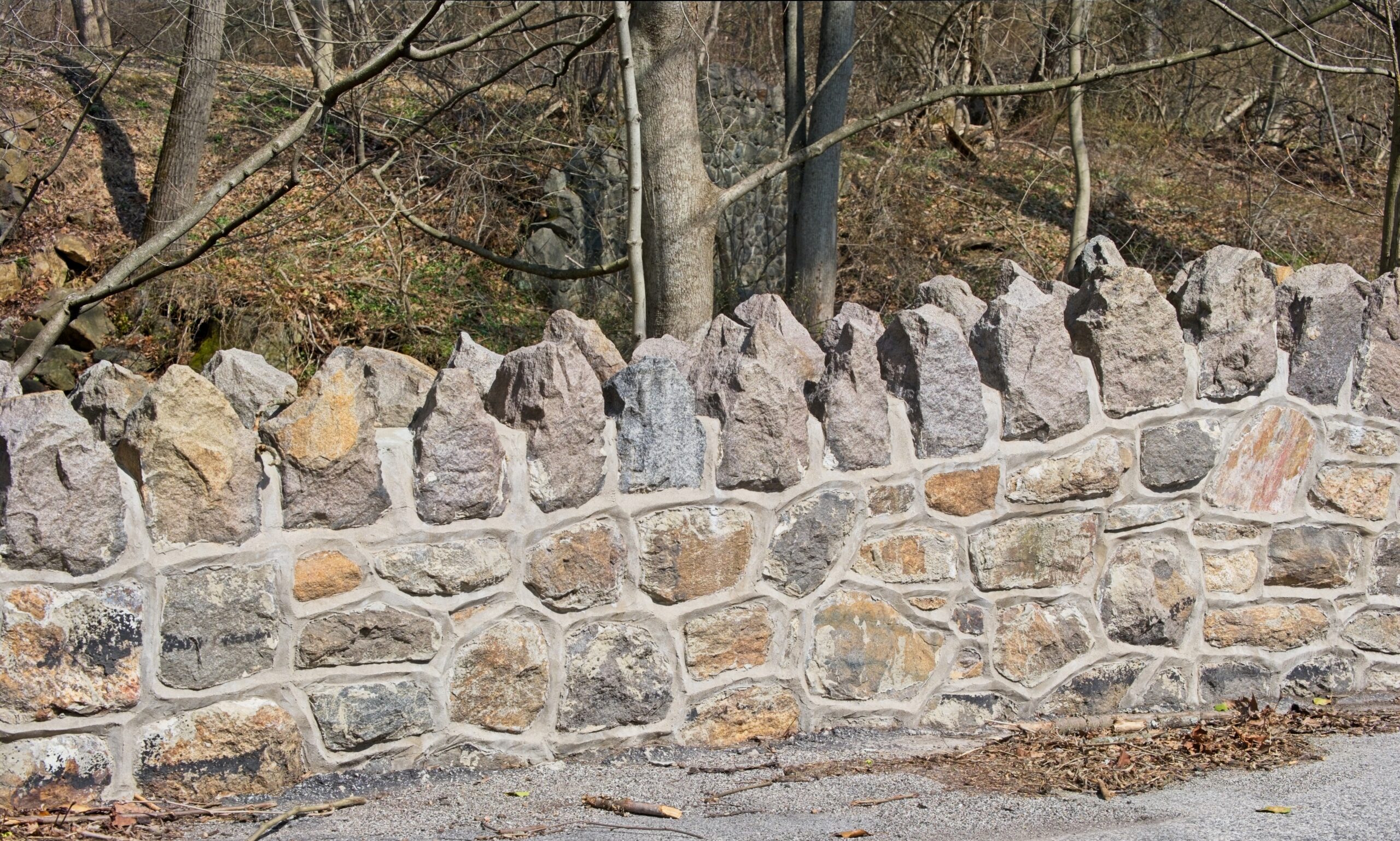
A short distance away, on Church Road, sits one of two distinctive stone “Dragon Tooth” bridges over Darby Creek. The other is near the intersection of Sugartown and Church Roads.
The grim winter weather continues in Chester County. I was able to get away on a Sunday to visit a few spots along French Creek.
Rapp’s Dam Covered bridge has been featured before on this blog. This bridge is a 105-foot-long (32 m), Burr truss bridge that was constructed in 1866 by Benjamin F. Hartman. It has fieldstone abutments, horizontal siding and boxed cornices with returns at its portals. It is one of three covered bridges that cross French Creek, the others being Hall’s Bridge and Kennedy Bridge. The Rapps Bridge was renovated in 1978 and again in 2011.
The bridge is adjacent to the French Creek Heritage Park which has picnic tables and access for the French Creek Trail.
Snyder’ s Mill also sits in the park. It was a linseed oil mill in the 1800s, and could be the graining mill of the 1775 Continental Powder Mill Complex. In recent years, Snyder’s Mill had been on the verge of total collapse. The East Pikeland Historical Commission has stabilized the mill and is working to promote the site as a heritage tourism destination.
A short distance upstream is the Hares Hill Road Bridge, a single-span, wrought iron, bowstring-shaped lattice girder bridge. It was built in 1869 by Moseley Iron Bridge and Roof Company and is the only known surviving example of this kind.
This building in the Kimberton area caught my attention.