I made a rare summer visit to Bombay Hook National Wildlife Refuge (near Smyrna, Delaware) due to the increased number of interesting species found there in prior days. I didn’t manage to find all of them, but the trip didn’t disappoint.
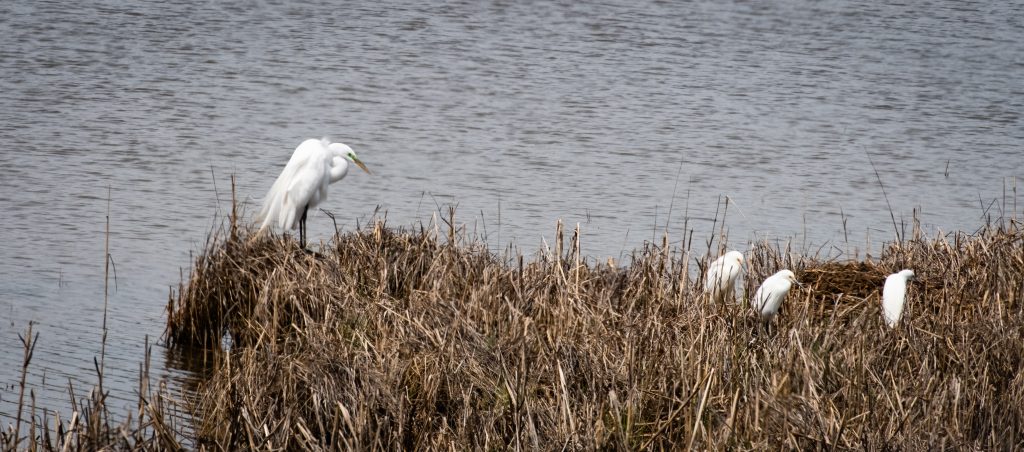
Of particular interest were the Curlew Sandpiper, Glossy Ibis, Sandhill Crane, Black Swan, and Roseate Spoonbill, as well as the host of other birds that visit the Refuge or call it home. Large numbers of American Avocet, Semipalmated and Black Bellied Plover, Mute Swans, Great and Snowy Egrets, Great Blue Herons and a variety of sandpipers and other shorebirds were present.
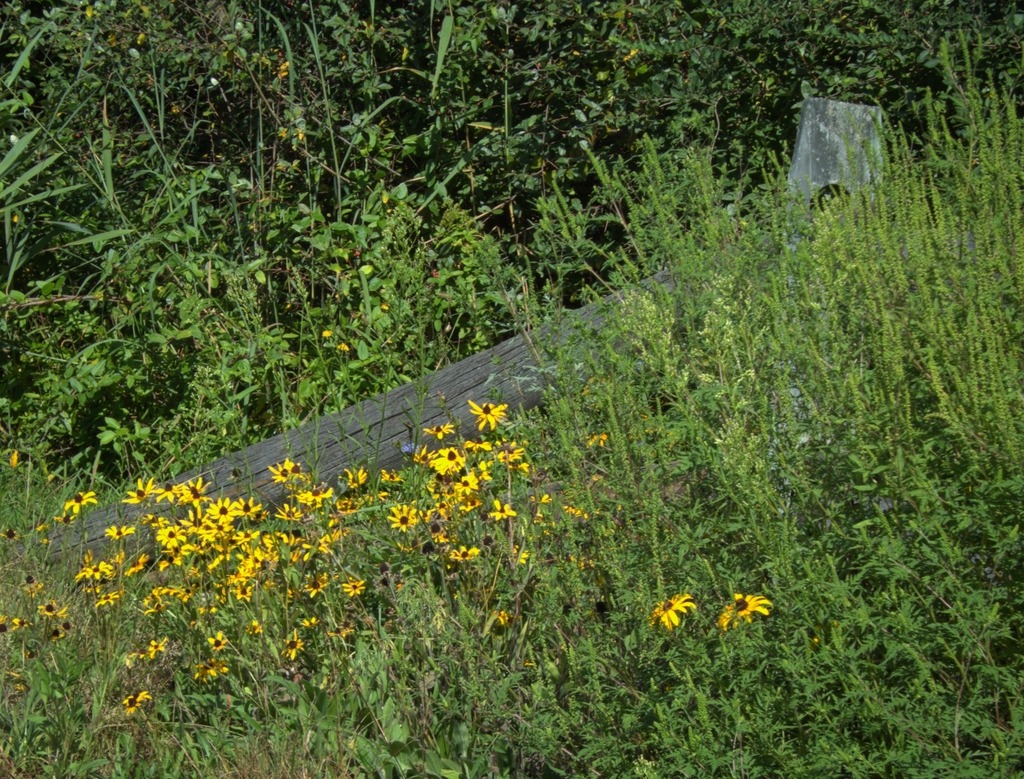
With many summer wildflowers in bloom, the Refuge was looking lovely. Sadly, the Purple Martin colony seems to have mostly dispersed. I also missed the Black Swan, Spoonbill, and Curlew Sandpiper but was still happy with my day.
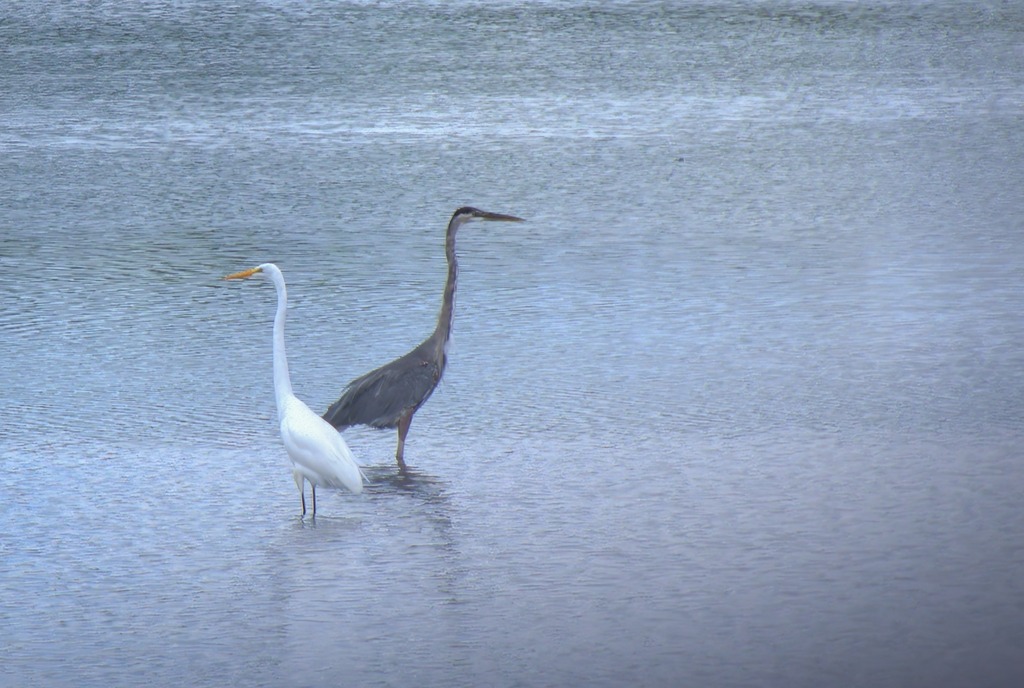
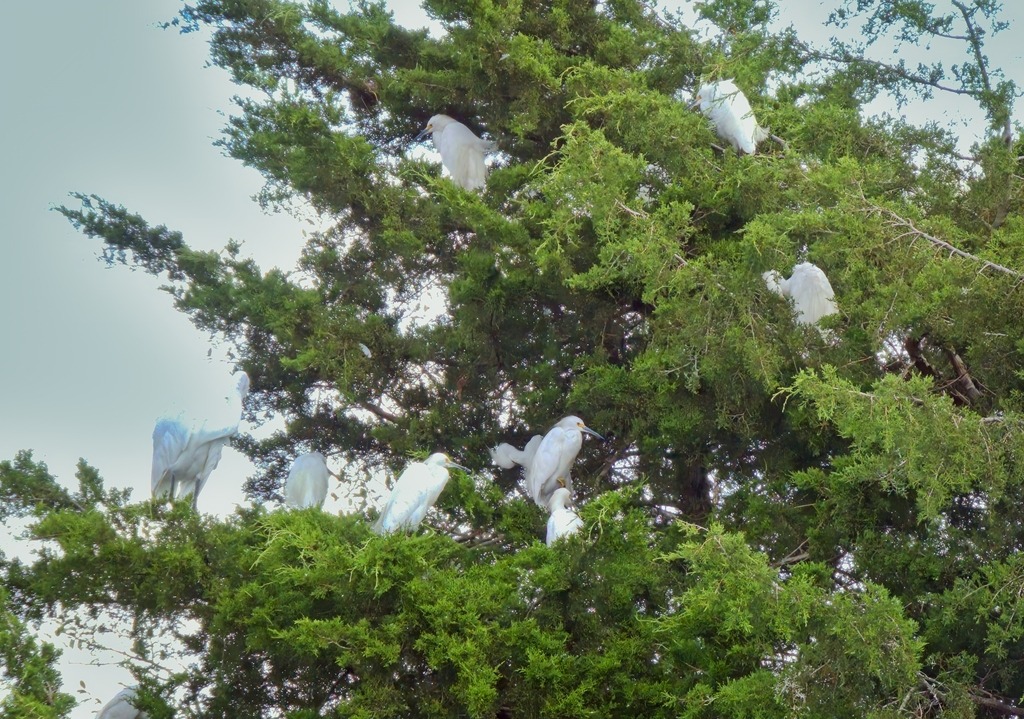
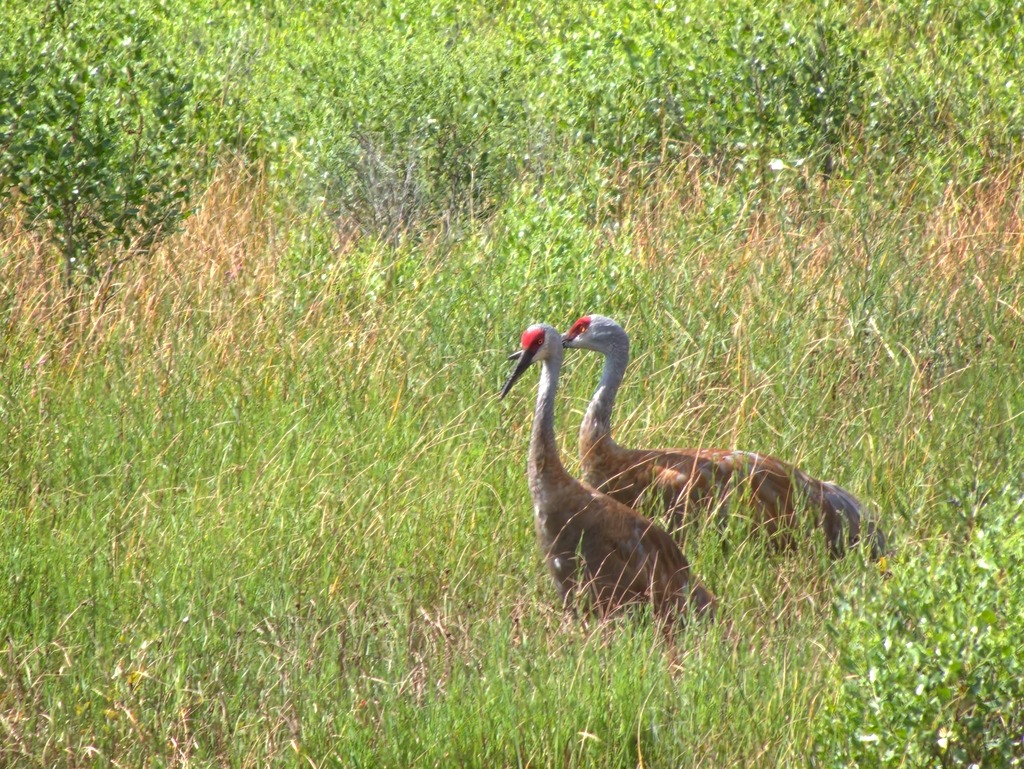
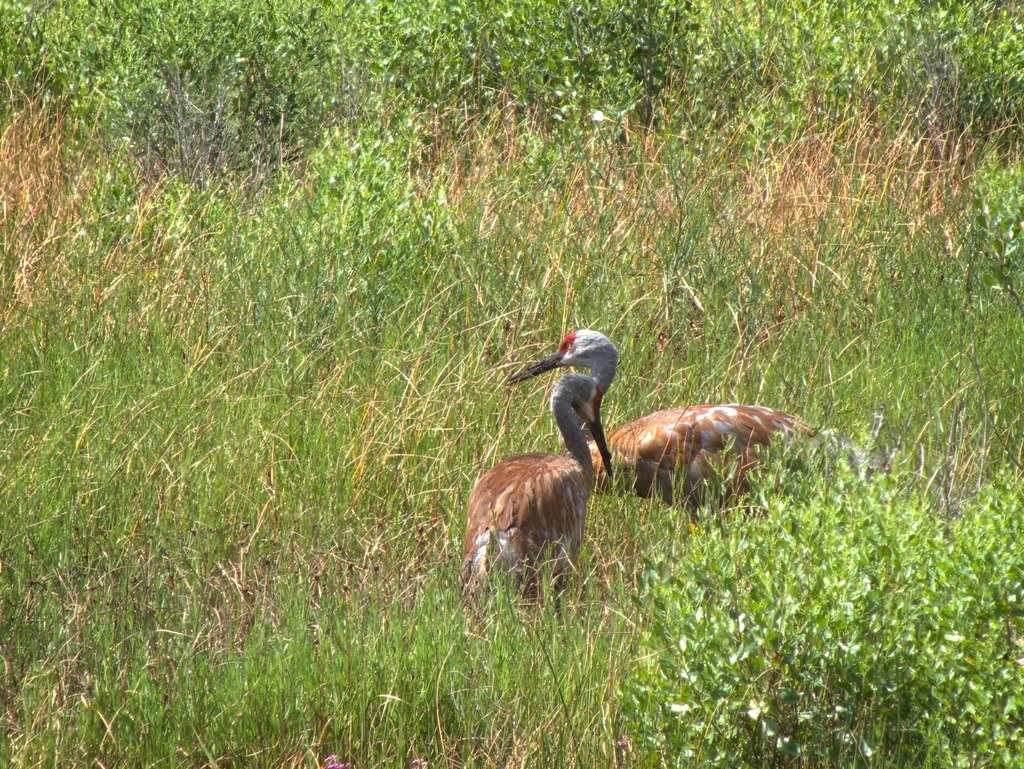
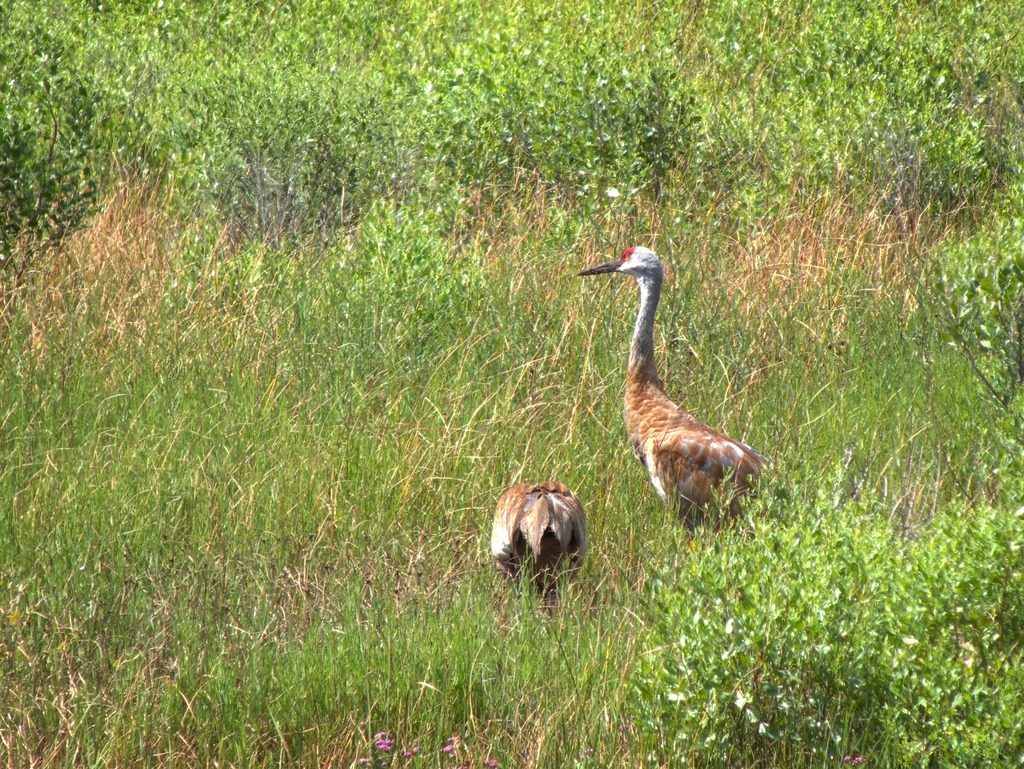
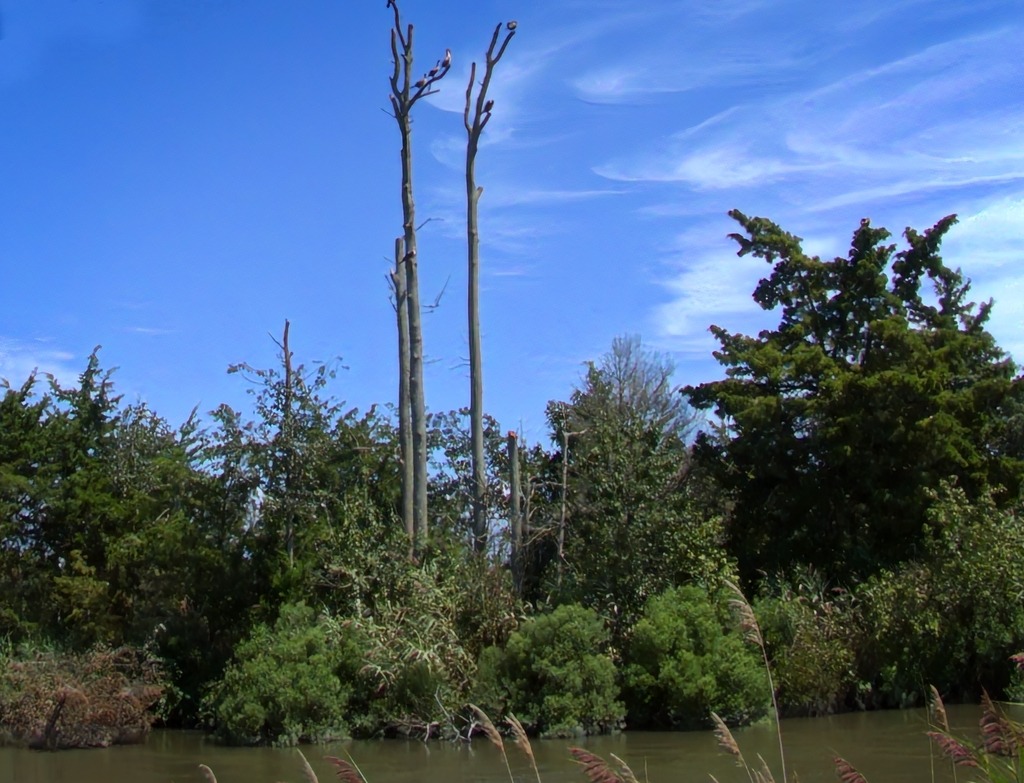
Three of the four of Glossy Ibis I saw. One of my favorite birds, up close there is a dazzling array of iridescent plumage.A Great Egret and Great Blue Heron seem offended by each other,I was thrilled to see this juvenile Yellow Crowned Night Heron – a long time nemesis bird and a lifer.A convention of Great Egrets in this tree.Lots of American Avocet were present.Fantastic views of a pair of Sandhill Crane.
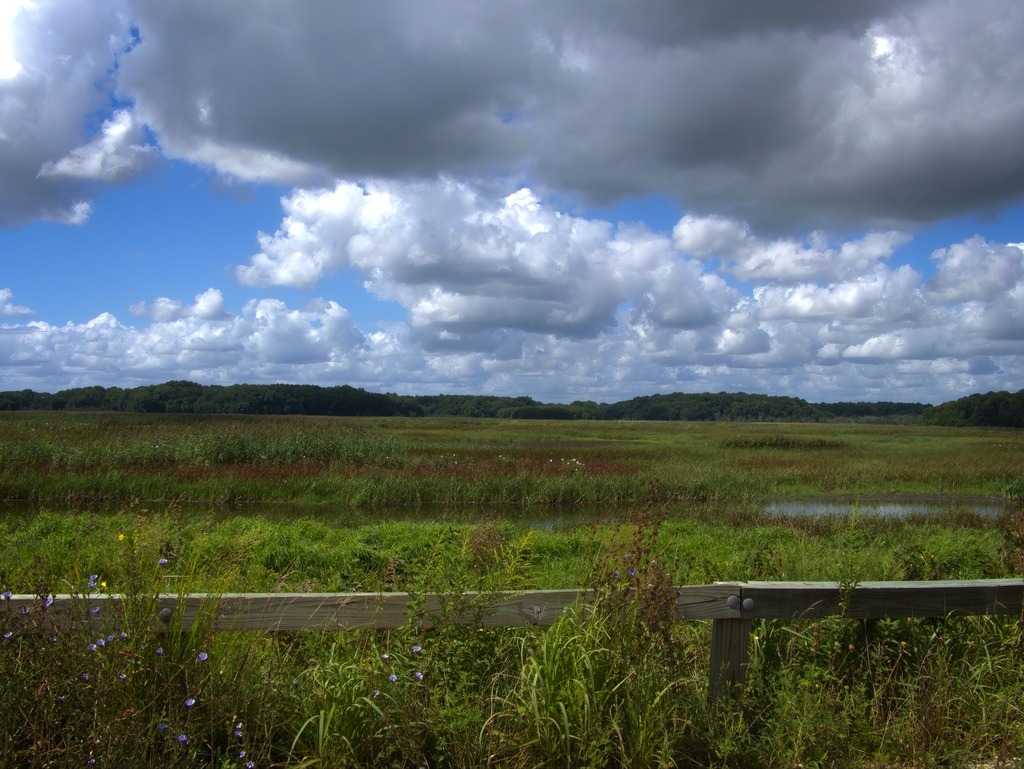
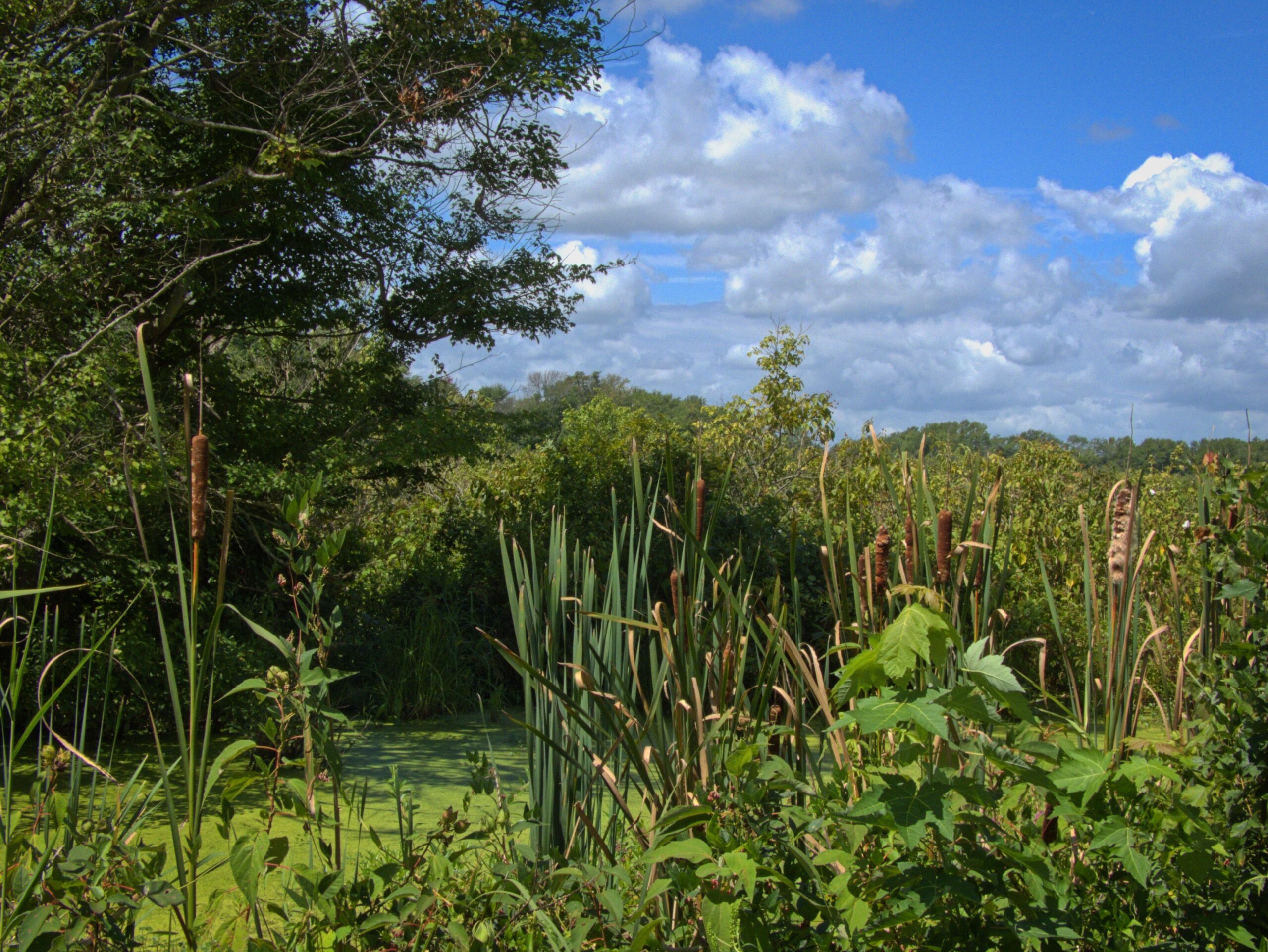
If the bird life disappoints, you can always just enjoy the view.
The Ashland Covered Bridge, also known as Ashland Bridge or Barley Mill Road Covered Bridge, is a covered bridge over Red Clay Creek on Barley Mill Road (near the junction of Brackenville Road) in Ashland in New Castle County, Delaware. It was added to the National Register of Historic Places in 1973.
It is a Town lattice truss bridge following a design of Ithiel Town, built about 1860. It is almost identical to the Wooddale Bridge. It adjoins the Ashland Nature Center and is one of the last remaining covered bridges in Delaware..
The Town lattice truss.I loved the Kingfisher on this building at the Ashland Nature Center.A stream at the Nature Center.
A short distance from the Chadds Ford area one enters the state of Delaware. Fred Smith’s Covered Bridge crosses the Brandywine Creek near the Brandywine tract of First State National Historic Park. It was reconstructed in 2002 after a fire in 1961. It is of the ever popular Burr Arch Truss design. The original Smith Bridge was built in 1839 and was a single span that crossed over Brandywine Creek, near Winterthur. It measured 154 feet long.
April and May are prime times for birding at Bombay Hook National Wildlife Refuge in Delaware. The weather was beautiful on a recent trip. Here are a few photos of what I saw.
This egret had the Beaver Pond to itself.Two avocets at cross purposes.Looking like a school master with errant pupils – great and snowy egrets.A relaxing bask in Finnis Pool.A beautiful redbud in bloom.Finally, the worst picture of the cutest pied billed grebe ever.
Let’s take a look at some state parks in southeastern Pennsylvania from way back in mid September. Benjamin Rush State Park is in norheast Philadelphia and is the only state park within the city boundary. It has trails for hikers and bikers, good spots for wildlife and bird watchers and a model airplane field (like Valley Forge).
The park was named for Benjamin Rush, signer of the Declaration of Independence and attendee at the Continental Congress. He is the Father of American Psychiatry and published the first text book on the subject in the U.S. He advocated improved conditions for mental patients and careful clinical observation and study. Dr. Rush pioneered addiction therapies including treatment of alcoholism as a disease. The park was created out of land from a former state mental hospital.
I found its most notable feature to be its large community garden, however.
Community gardens flying the flag.
The next location was in Bristol, PA, Bucks County, for two of the many access points for Delaware Canal State Park. A walk along the entirety of the 60-mile-long towpath of the Delaware Canal State Park is a stroll back in time. Following the Delaware River between Easton and Bristol, this park contains an historic canal and towpath, a 50-acre pond, many miles of river shoreline, 11 river islands, and diverse scenery.
Boat along the Delaware River.The High Cross Monument to Irish immigration.Harriet Tubman.The Hispanic Monument.
Futher into town, we see the southern end of the canal.
The end of the line.A monument to Irish Civil War veterans and the basin at Bristol.
Finally, White Clay Creek Preserve along the Delaware border is the only property in the state park system called a “preserve.” Maybe because it adjoins White Clay Creek State Park in Delware. The 2,072-acre White Clay Creek Preserve is in southern Chester County. One can enjoy hiking, biking, fishing, and horseback riding in the Preserve. The area of White Clay Creek Preserve is part of a larger tract of land sold to William Penn in 1683 by Lenni Lenape Chief Kekelappen. It is thought that Kekelappen lived in Opasiskunk, an “Indian Town” which appears on a survey map of 1699 at the confluence of the Middle and East branches of White Clay Creek. The creek is named for the white clay found along its banks and used to make pottery.
The London Tract Baptist Meetinghouse, built in 1929, is at the intersection of Sharpless and London Tract roads. In its stone-walled cemetery rest many of the area’s earliest settlers including Dr. David Eaton.
The London Tract Baptist Meeting House, near the park office.The remains of the Sexton’s House across the road.
In 1984, the DuPont Company donated land to Pennsylvania and Delaware for the purpose of preserving the diverse and unique plant and animal species, and the rich cultural heritage of the area. Today, these lands form the bi-state White Clay Creek Preserve. Because White Clay Creek posses outstanding scenic, wildlife, recreational, and cultural value, it has been designated by Congress as a National Wild and Scenic River, and shall be preserved in free-flowing condition for the benefit and enjoyment of present and future generations.
This past May I took a trip to one of my favorite bird watching spots at Bombay Hook NWR near Smyrna, Delaware. It had been while since I was last there, but it is well worth the trip. Just look out for the insects in late Spring and early Summer. The refuge has a great auto tour route which is a nice feature for the disabled (or the just plain lazy). There are also plenty of opportunities to take short walks to see the varied habitats here.
I was excited as I approached this bird. It looked pink from a distance. Turns out it was just a snow goose stained reddish brown from iron compounds in the soil.
There were some shore birds present in late May.A family of snowy egrets.One of the many nest boxes used by tree swallows.This Canada goose has a secret.A great egret trying to hide from me.Those babies were well hidden in the grass.