• The Ephrata Cloister

    The Ephrata Cloister or Ephrata Community was a religious community, established in 1732 by Johann Conrad Beissel at Ephrata, Lancaster County. The grounds of the community are now owned by the Commonwealth of Pennsylvania and are administered by the Pennsylvania Historical and Museum Commission. The Cloister’s website can be found at https://ephratacloister.org and provides the following information:

    Conrad Beissel, Ephrata’s founder, came to the site in 1732 seeking to live as a hermit following his own religious ideas. He believed earthly life should be spent preparing to achieve a spiritual union with God at the Second Coming he felt would soon occur. By the early 1750s, nearly 80 celibate Brothers and Sisters were housed in impressive Germanic log, stone, and half-timbered buildings. At the same time, nearly 200 family members known as Householders, occupied nearby homes and farms.

    Celibate members followed a life of work balanced with hours of private prayer. Wearing white robes, they adopted sparse diets, and slept little, all in an effort to provide discipline as they prepared for an anticipated heavenly existence. Labors included farming, papermaking, carpentry, milling, and textile production. The Cloister was known for the German calligraphic art of Frakturschriften, created in a distinctive style considered the first of this folk art produced in America, self-composed a cappella music written using Beissel’s rules for four-part harmony (with over one-thousand original compositions), and an ambitious printing establishment creating works for the use of the community and neighbors, including the translation and publication of the 1500 page Martyrs Mirror for the Mennonites, the largest book printed in colonial America.

    The Society declined after the death of the charismatic Beissel in 1768. The last celibate member died in 1813 and the next year the remaining Householders incorporated into the German Seventh Day Baptist Church. Members continued to live and worship in the Cloister buildings until the close of the Church in 1934. Marie Kachel Bucher, the last surviving resident of the Ephrata Cloister, died on July 27, 2008, at the age of 98.

    Here is a look at the exterior of the buildings. There was an event going on that Day called “Charter Day” which was wrapping up as I was arriving in late afternoon.

  • An Au Naturel Covered Bridge

    Knapp’s Covered Bridge is a Burr arch truss covered bridge over Brown’s Creek in Burlington Township, Bradford County. It was built in 1853 and is 95 feet (29.0 m) long. The bridge was placed on the National Register of Historic Places in 1980 and had a major restoration starting in 2000. Knapp’s Bridge is named for a local family, and is also known by as the Luther’s Mills Covered Bridge (for the nearby village of Luther’s Mills) and as the Brown’s Creek Covered Bridge.

    The surrounding countryside also provides some nice sightseeing, like this pretty church with its barn across the road and the nearby farmland.

    Nice barn star and flag.
  • Berks Perks

    Berks County is the home to a few covered bridges and some very picturesque spots. Greisemer Covered Bridge is one of few I have seen with a hex sign. The oak design is one of my favorite hex signs. Here are a few views of the bridge. You will note the common Burr arch truss design.

    A lovely church property stands between the two bridges featured in this blog. This is Salem United Church of Christ in Oley and its churchyard. The view toward the hills beyond is really lovely.

    A nice view with the farm in back.
    These cows were across the road from the church.
    The Pleasantville Covered Bridge

    The Pleasantville Covered Bridge is on more busy stretch of the appropriately named Covered Bridge Road and more difficult to photograph. As a white bridge, it provides a nice contrast with the red Greisemer Bridge. It is interesting that, although I see barn stars everywhere, I tend to see hex signs more often in Berks County.

    Headed home, I came across this fantastic barn with hex signs.
    Looks like soybean at this farm.
  • Looking Back at Summer

    Let’s take a look at some state parks in southeastern Pennsylvania from way back in mid September. Benjamin Rush State Park is in norheast Philadelphia and is the only state park within the city boundary. It has trails for hikers and bikers, good spots for wildlife and bird watchers and a model airplane field (like Valley Forge).

    The park was named for Benjamin Rush, signer of the Declaration of Independence and attendee at the Continental Congress. He is the Father of American Psychiatry and published the first text book on the subject in the U.S. He advocated improved conditions for mental patients and careful clinical observation and study. Dr. Rush pioneered addiction therapies including treatment of alcoholism as a disease. The park was created out of land from a former state mental hospital.

    I found its most notable feature to be its large community garden, however.

    Community gardens flying the flag.

    The next location was in Bristol, PA, Bucks County, for two of the many access points for Delaware Canal State Park. A walk along the entirety of the 60-mile-long towpath of the Delaware Canal State Park is a stroll back in time. Following the Delaware River between Easton and Bristol, this park contains an historic canal and towpath, a 50-acre pond, many miles of river shoreline, 11 river islands, and diverse scenery.

    Boat along the Delaware River.
    The High Cross Monument to Irish immigration.
    Harriet Tubman.
    The Hispanic Monument.

    Futher into town, we see the southern end of the canal.

    The end of the line.
    A monument to Irish Civil War veterans and the basin at Bristol.

    Finally, White Clay Creek Preserve along the Delaware border is the only property in the state park system called a “preserve.” Maybe because it adjoins White Clay Creek State Park in Delware. The 2,072-acre White Clay Creek Preserve is in southern Chester County. One can enjoy hiking, biking, fishing, and horseback riding in the Preserve. The area of White Clay Creek Preserve is part of a larger tract of land sold to William Penn in 1683 by Lenni Lenape Chief Kekelappen. It is thought that Kekelappen lived in Opasiskunk, an “Indian Town” which appears on a survey map of 1699 at the confluence of the Middle and East branches of White Clay Creek. The creek is named for the white clay found along its banks and used to make pottery.

    The London Tract Baptist Meetinghouse, built in 1929, is at the intersection of Sharpless and London Tract roads. In its stone-walled cemetery rest many of the area’s earliest settlers including Dr. David Eaton.

    The London Tract Baptist Meeting House, near the park office.
    The remains of the Sexton’s House across the road.

    In 1984, the DuPont Company donated land to Pennsylvania and Delaware for the purpose of preserving the diverse and unique plant and animal species, and the rich cultural heritage of the area. Today, these lands form the bi-state White Clay Creek Preserve. Because White Clay Creek posses outstanding scenic, wildlife, recreational, and cultural value, it has been designated by Congress as a National Wild and Scenic River, and shall be preserved in free-flowing condition for the benefit and enjoyment of present and future generations.

  • A Merry Christmas Pageant

    Wishing everyone a Merry Christmas and a happy holiday season. Here’s a look at the Christmas Pageant at St. Davids Church in Wayne, PA. You can’t beat the combination of community spirit, cute kids, and potentially miscreant livestock. A great and inspirational time was had by all.

    The donkey, however, was not pleased.
  • A Black and White Christmas

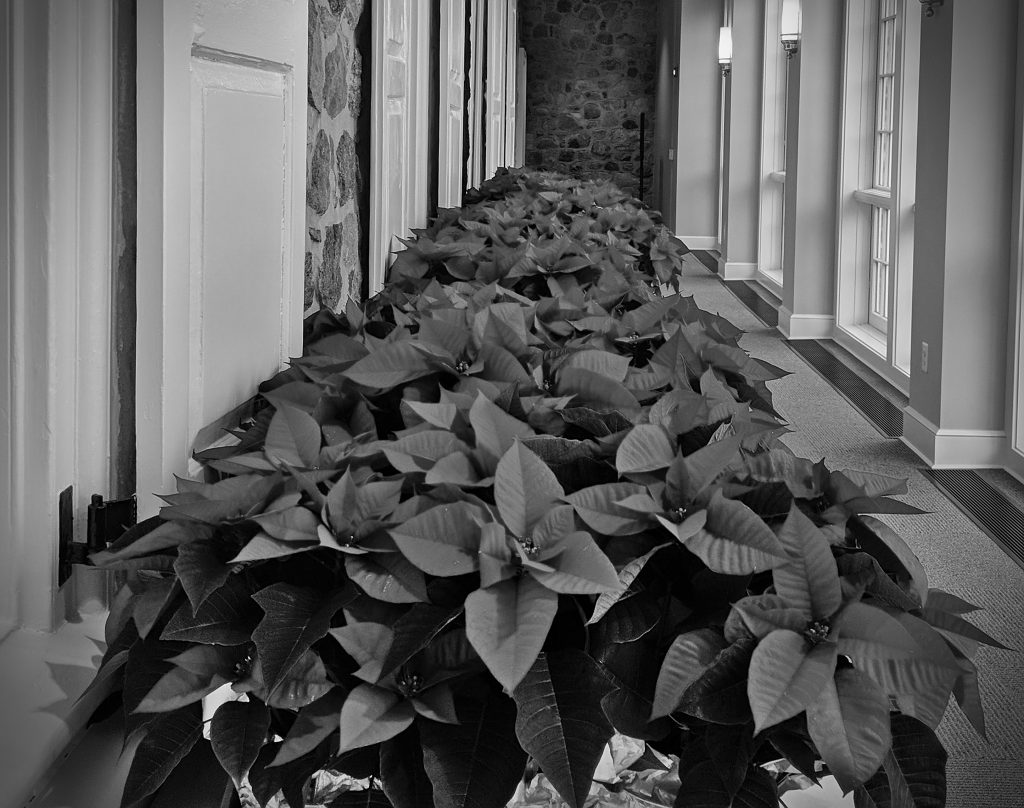
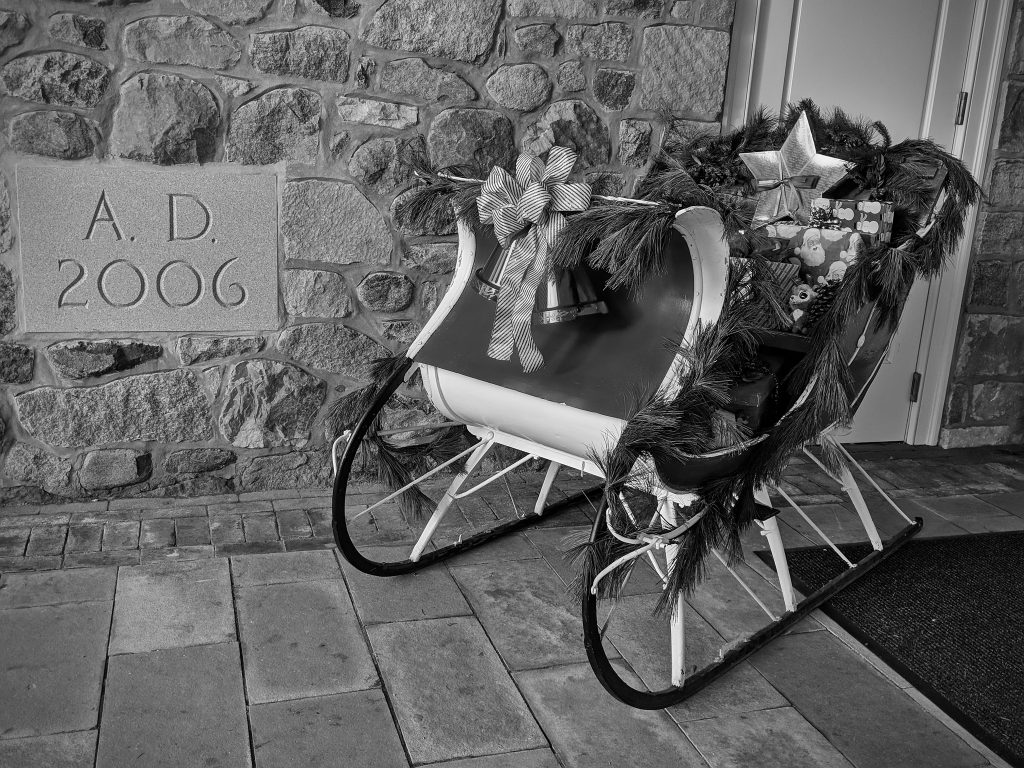
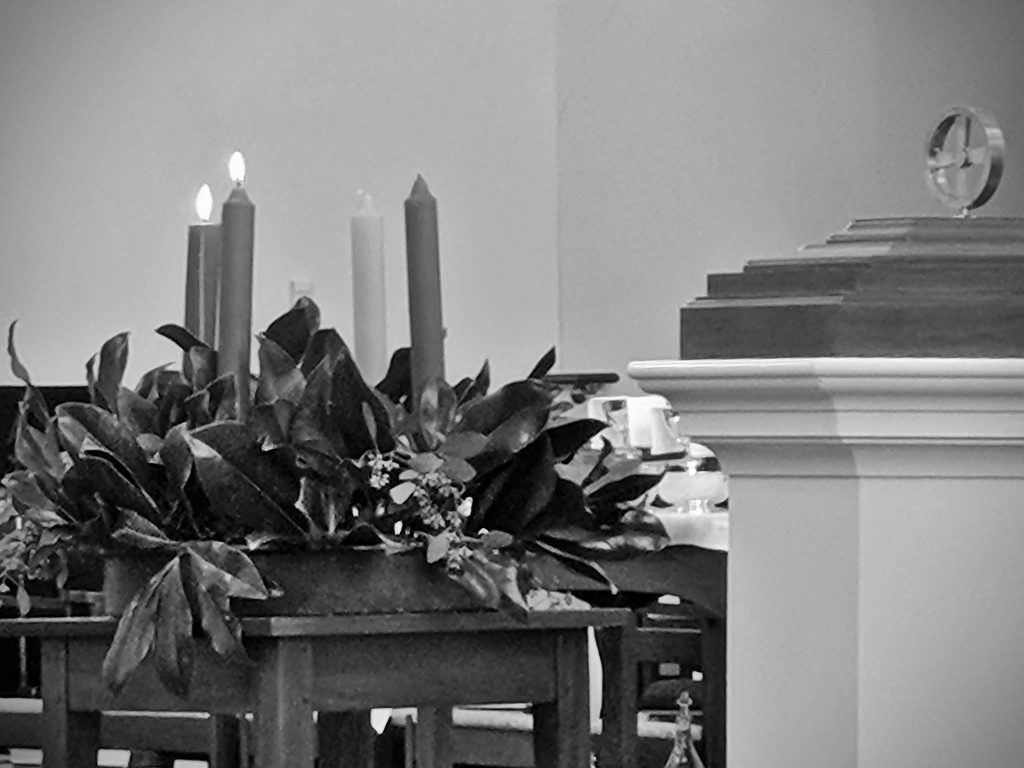
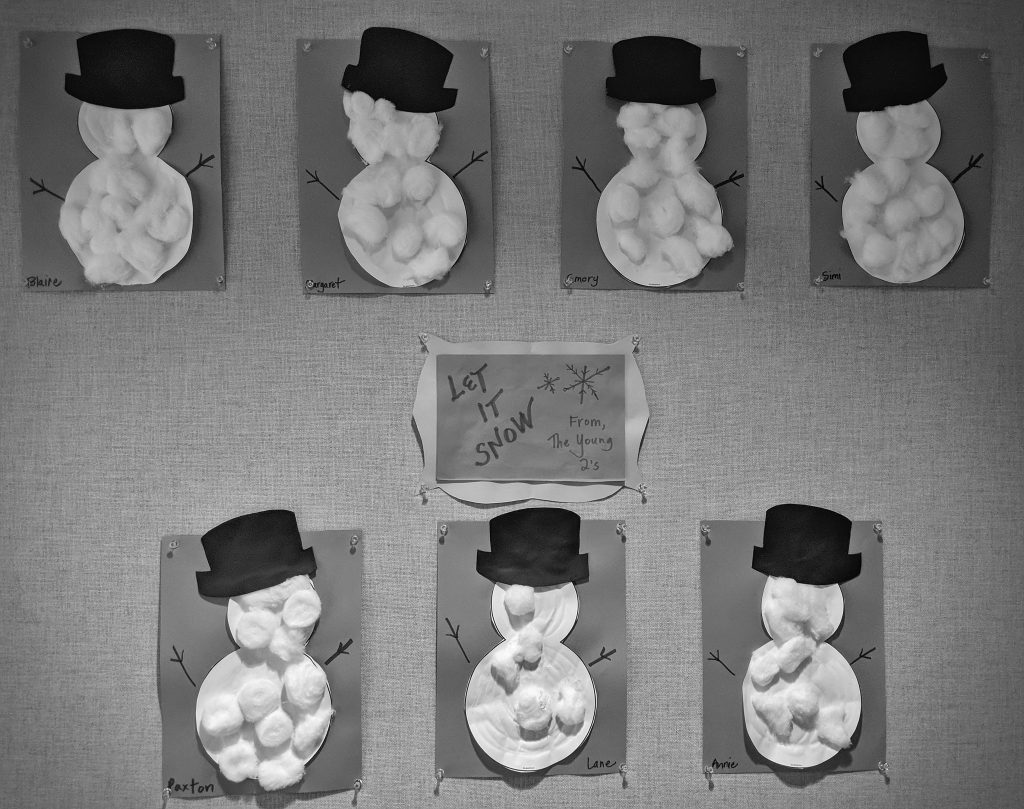
    I am experimenting taking some black and white images from around my local area and in my church this holiday season. This is still a work in progress. Check back for more later this month.

    Poinsettias lined up ready for delivery.
    It’s still Advent. Like many Episcopal churches, mine doesn’t actually decorate much for Christmas until it’s the actual liturgical season of Christmas (Christmas to Epiphany).
    Christmas from the little ones.
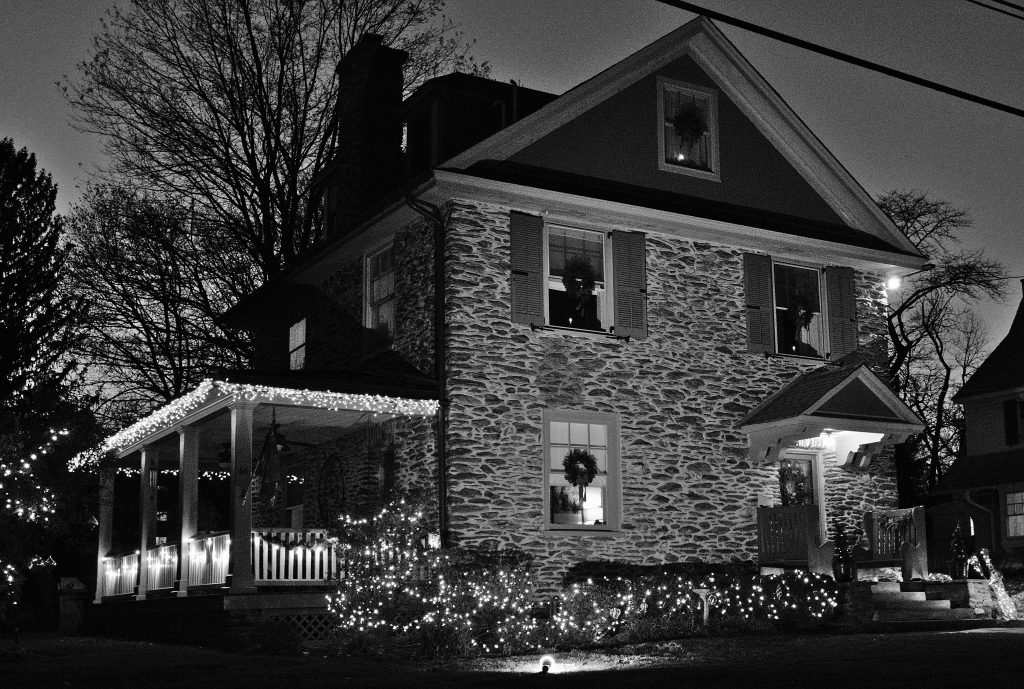
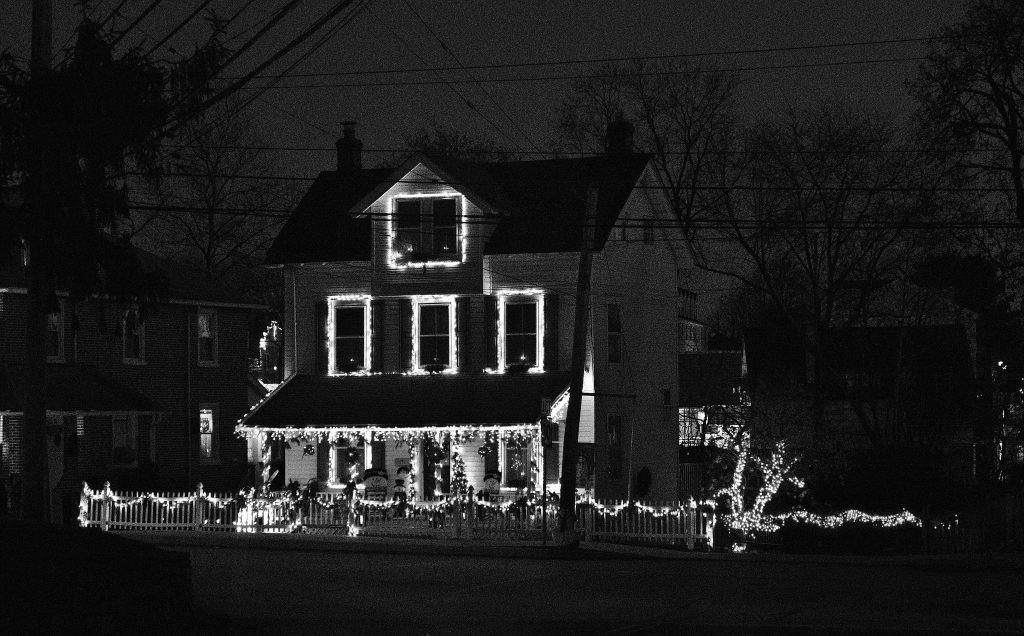
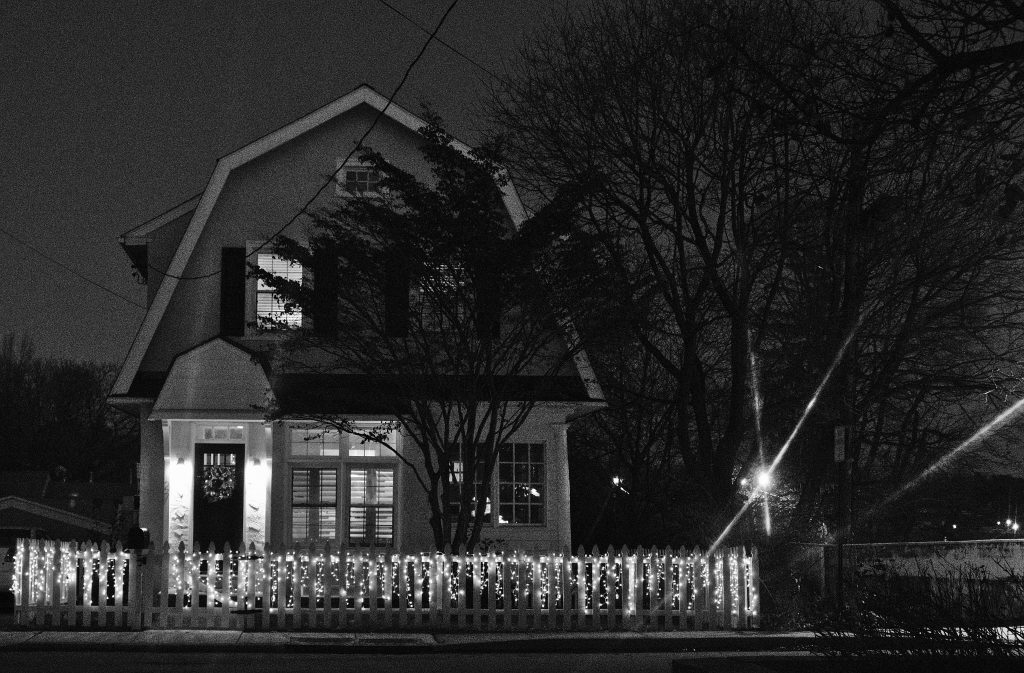
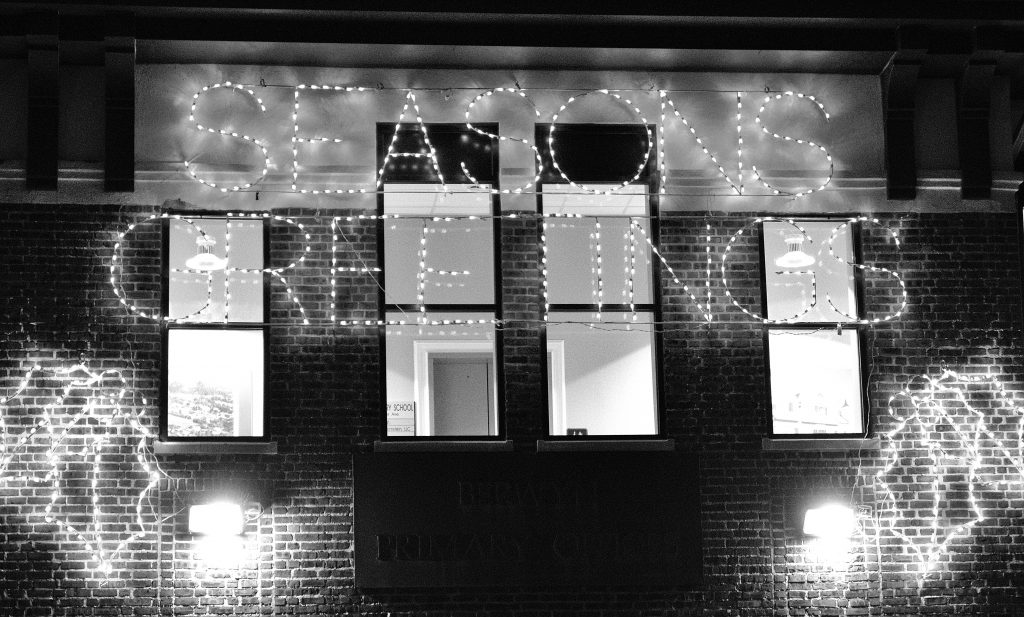
    Christmas lights from around the area. You’re not losing much in black and white. People seem to like white, not colored, lights these days.
    This one was red and green, however.
error: Content is protected !!