

Here are some views of Cumerland County. They are mostly in the northwestern part of the county.
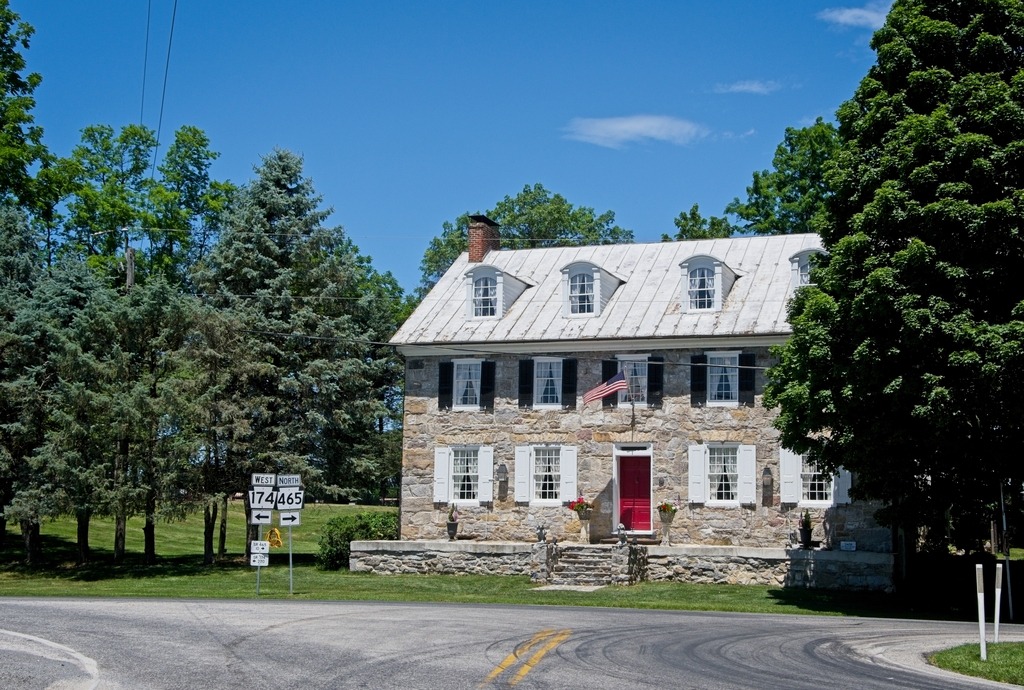
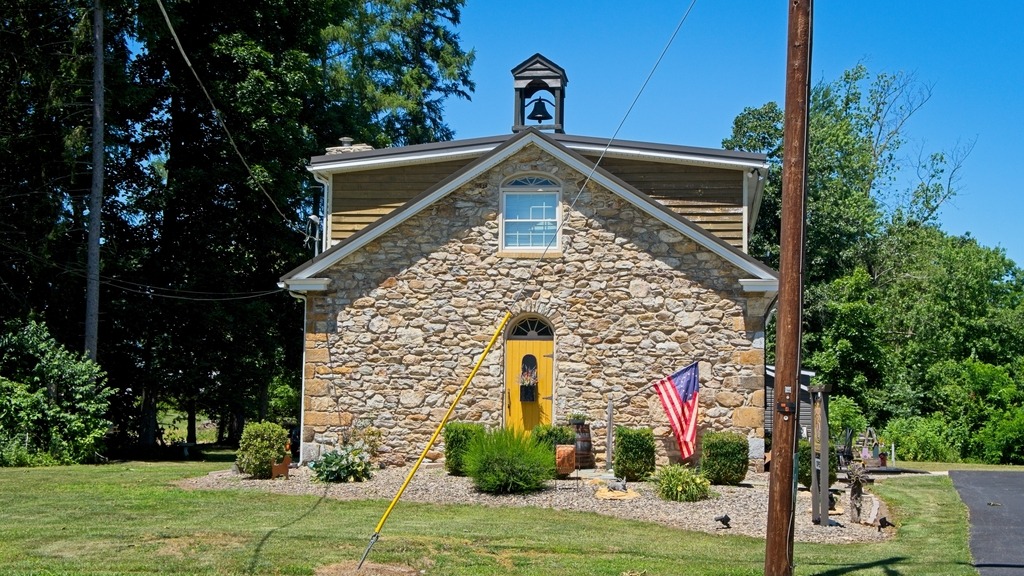
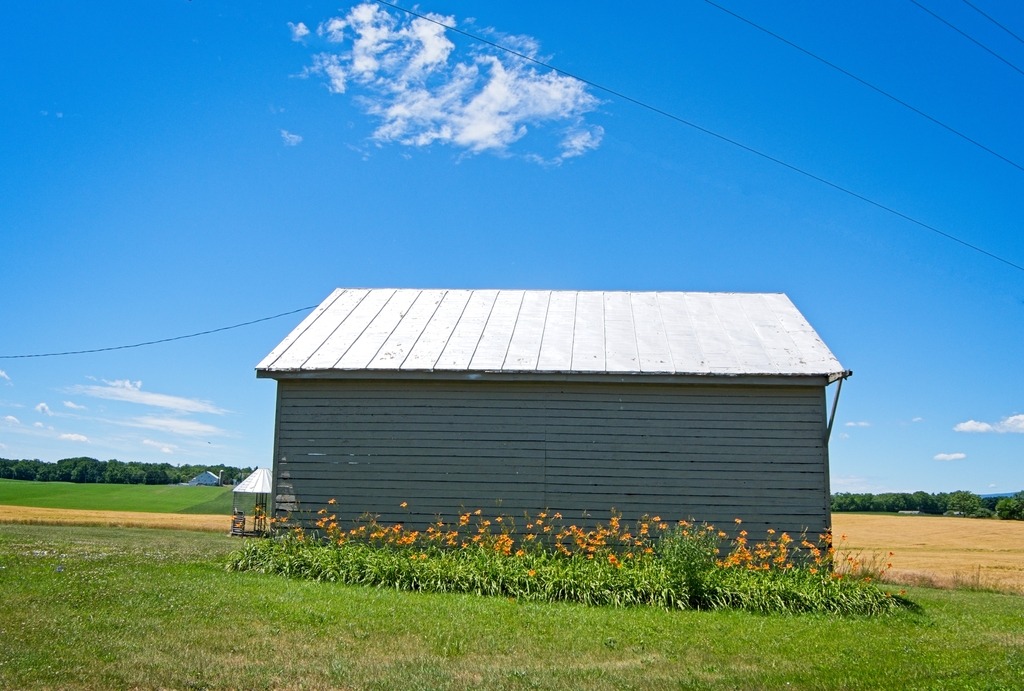
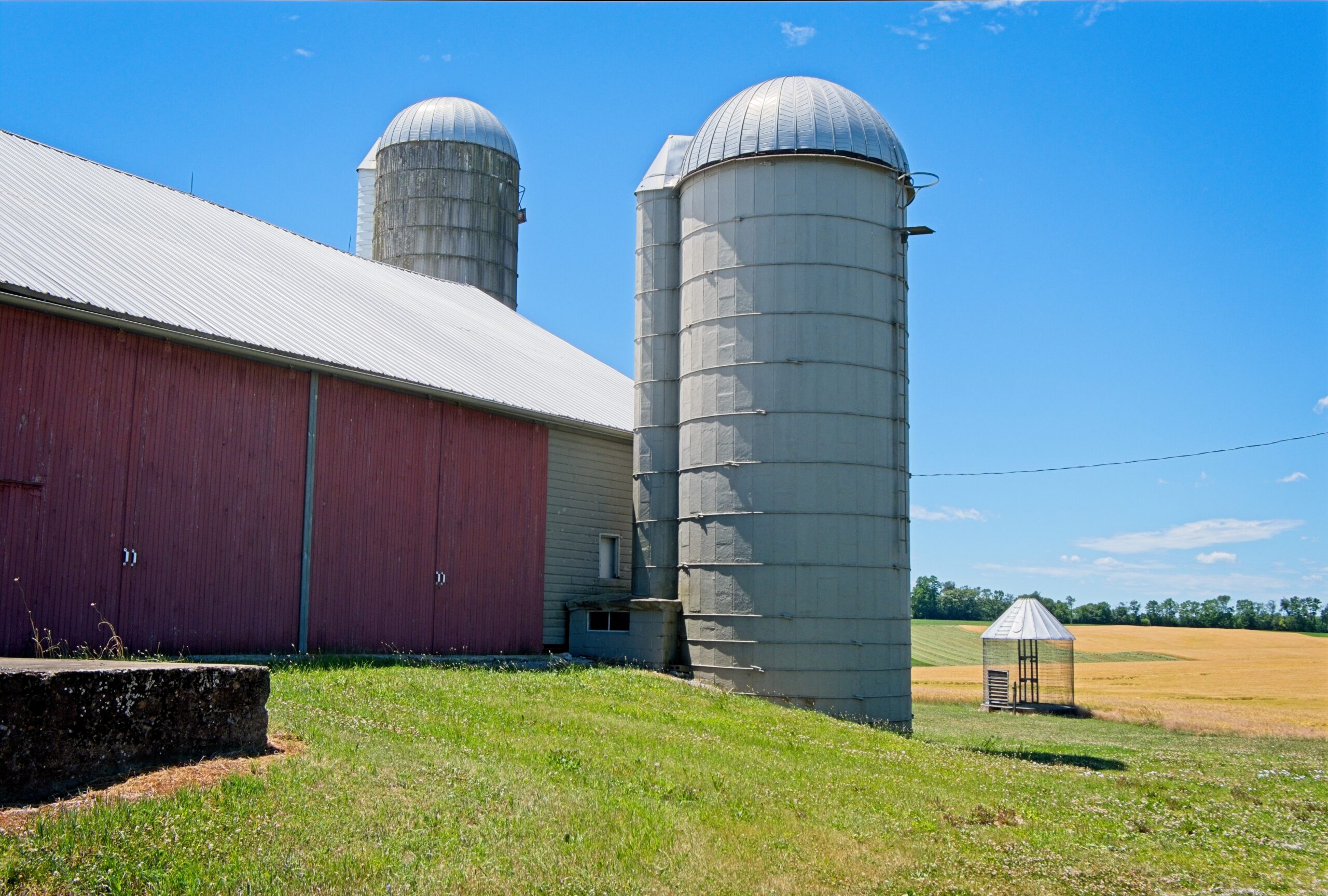
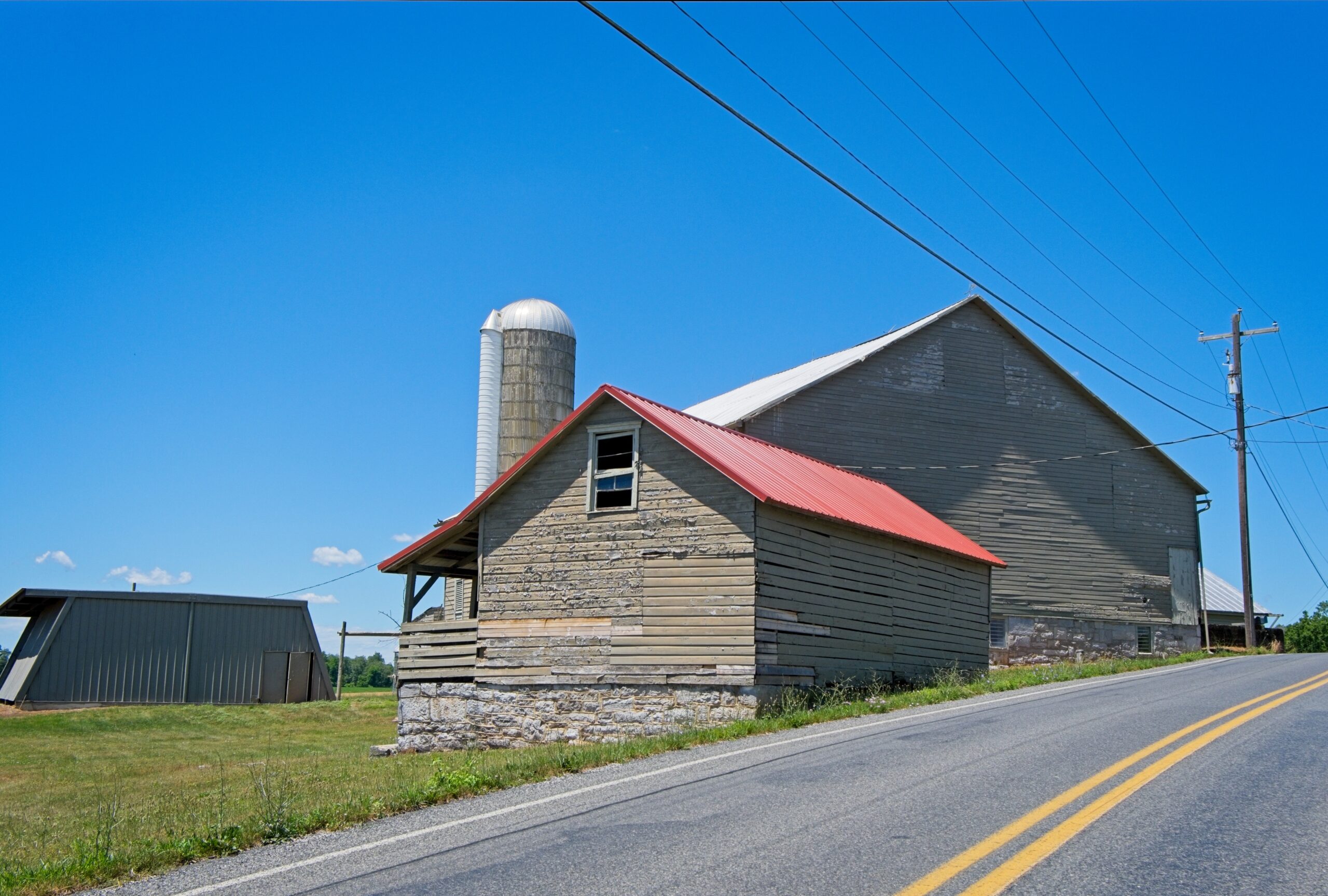
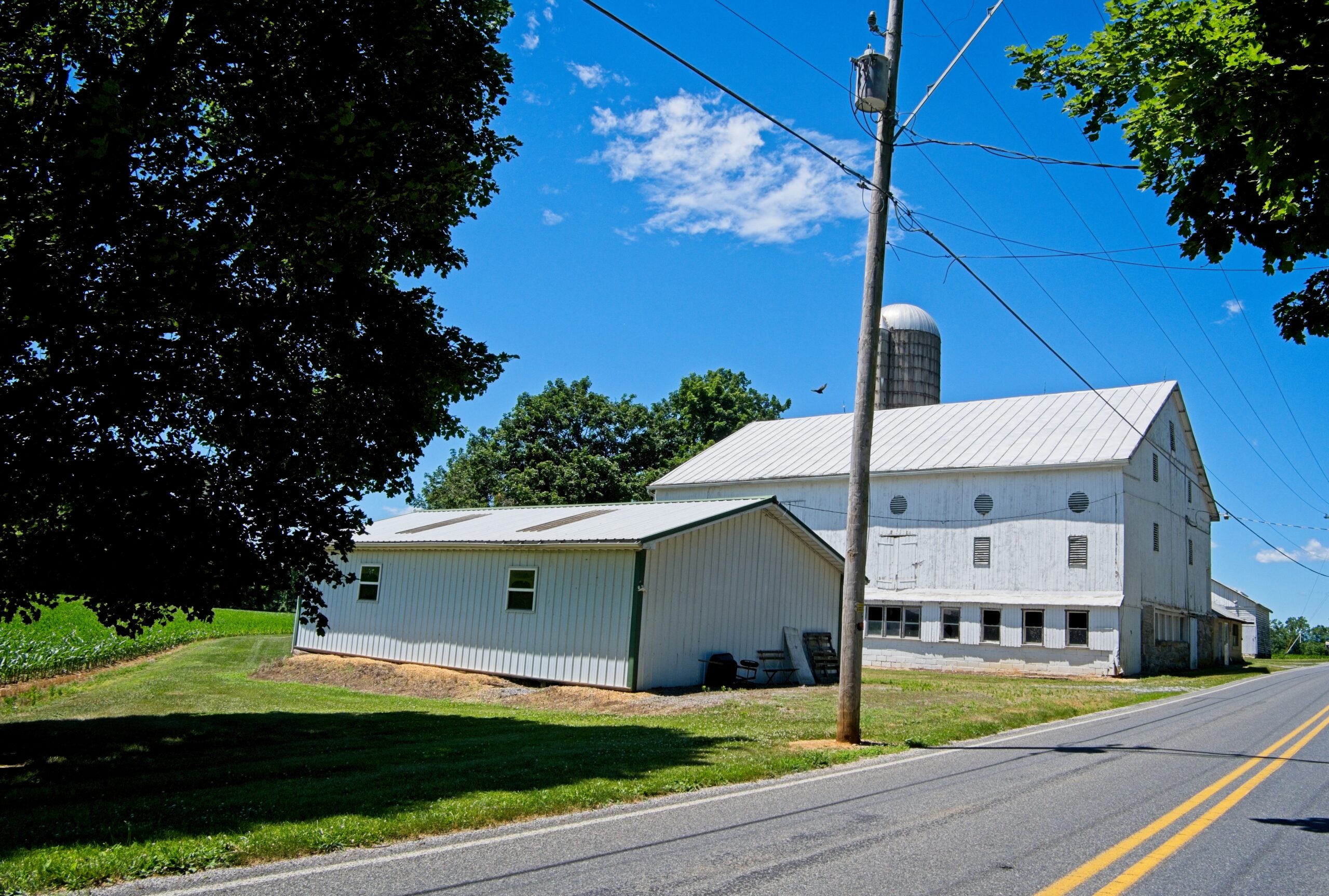
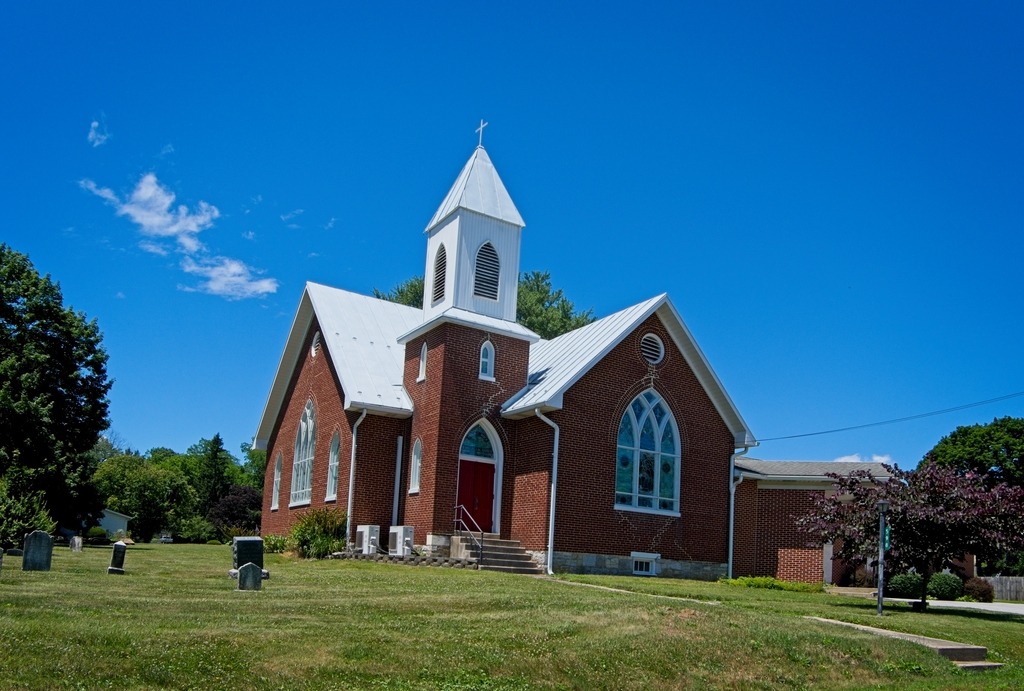
Here are some views of Cumerland County. They are mostly in the northwestern part of the county.
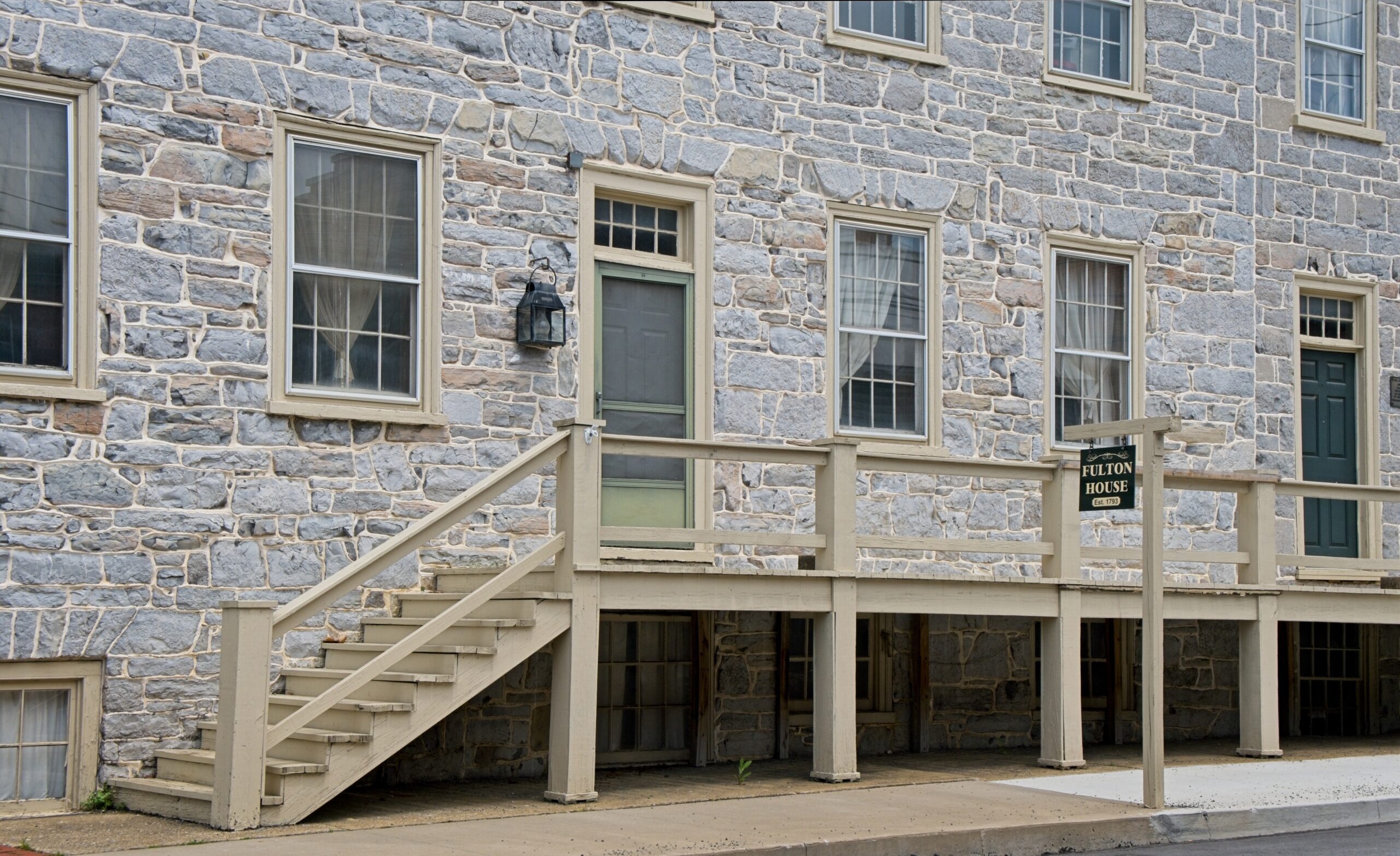
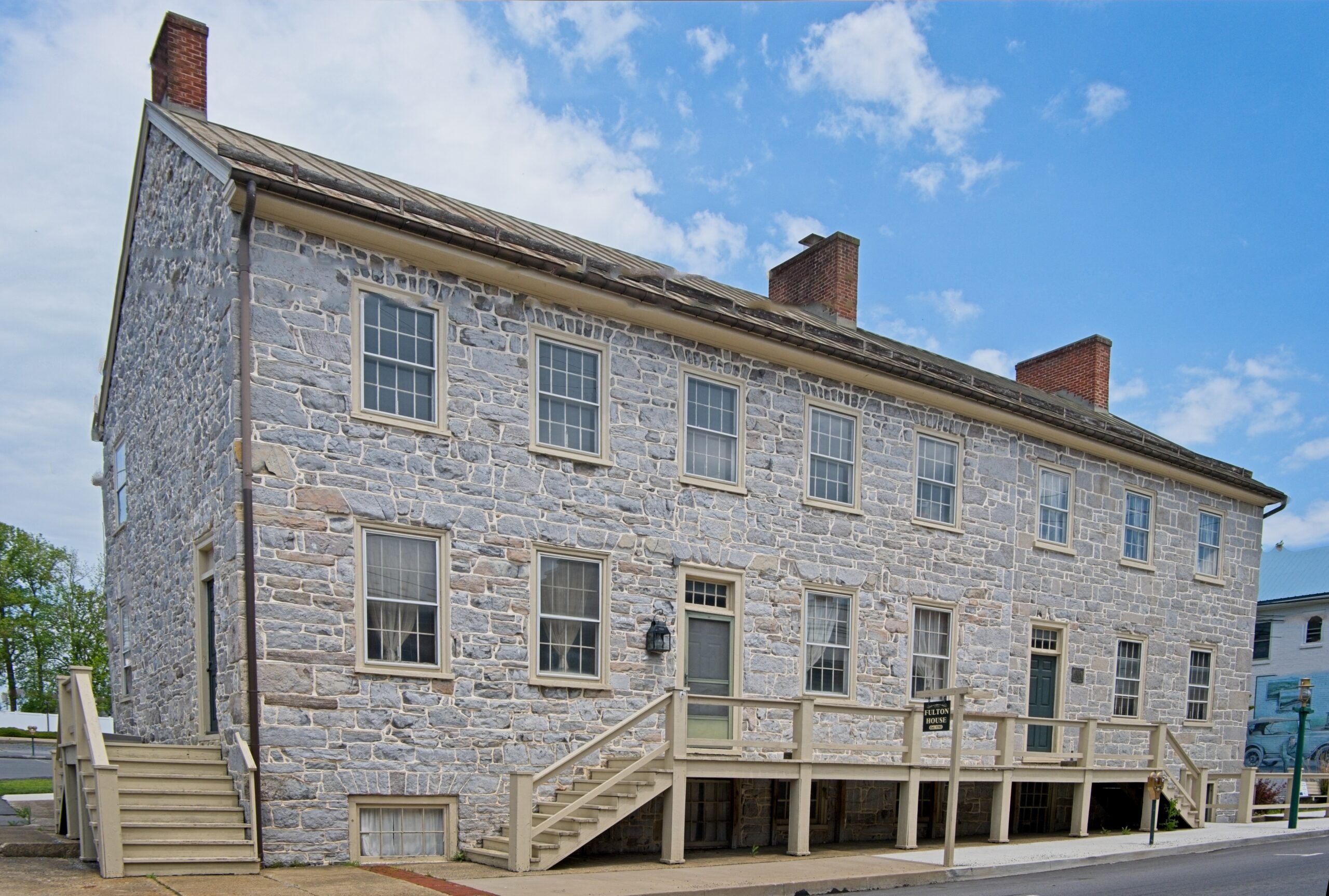
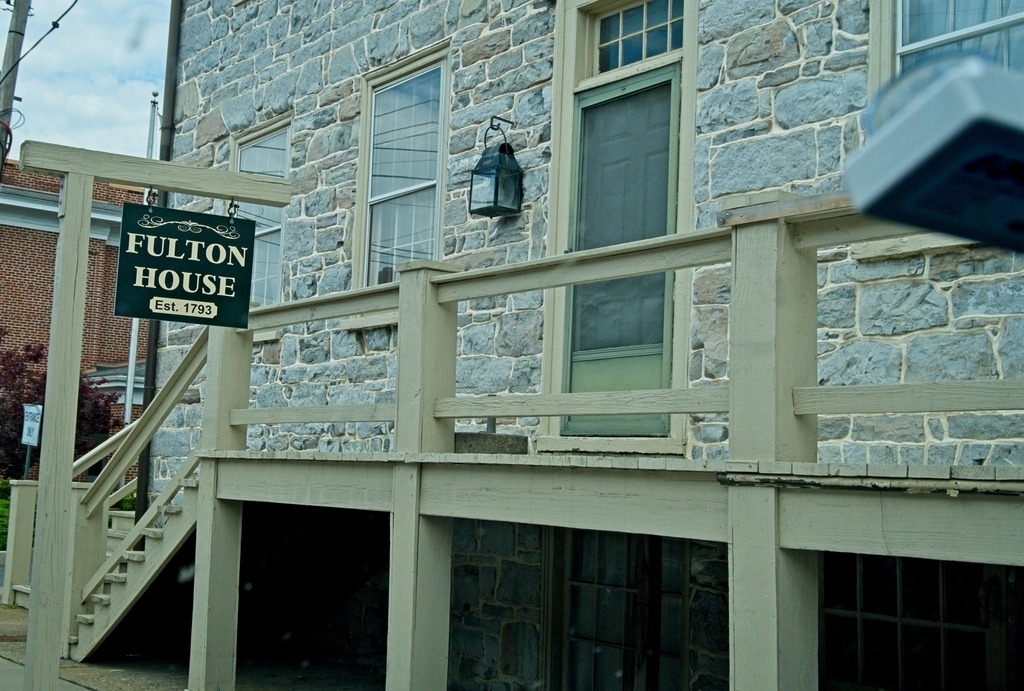
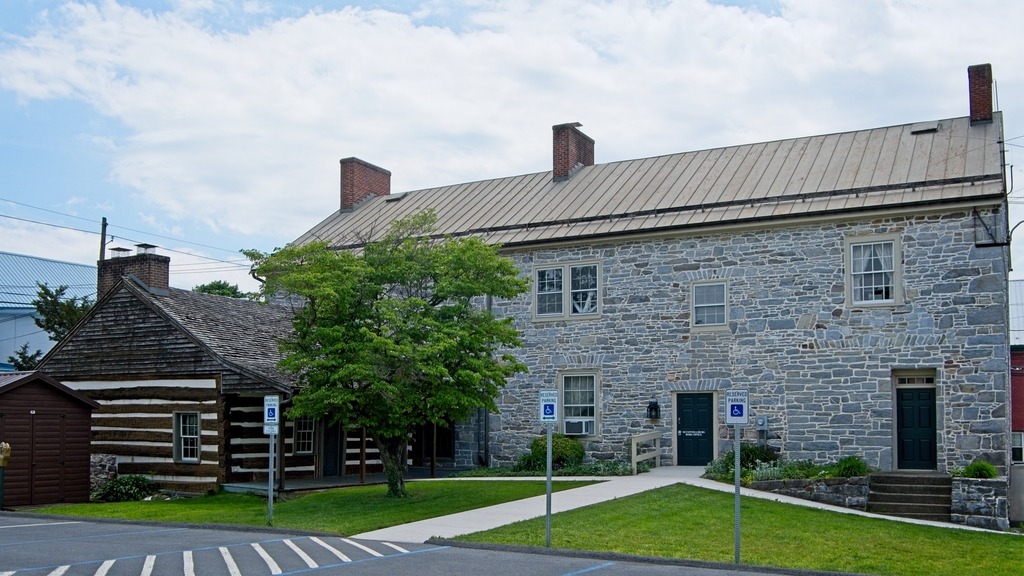
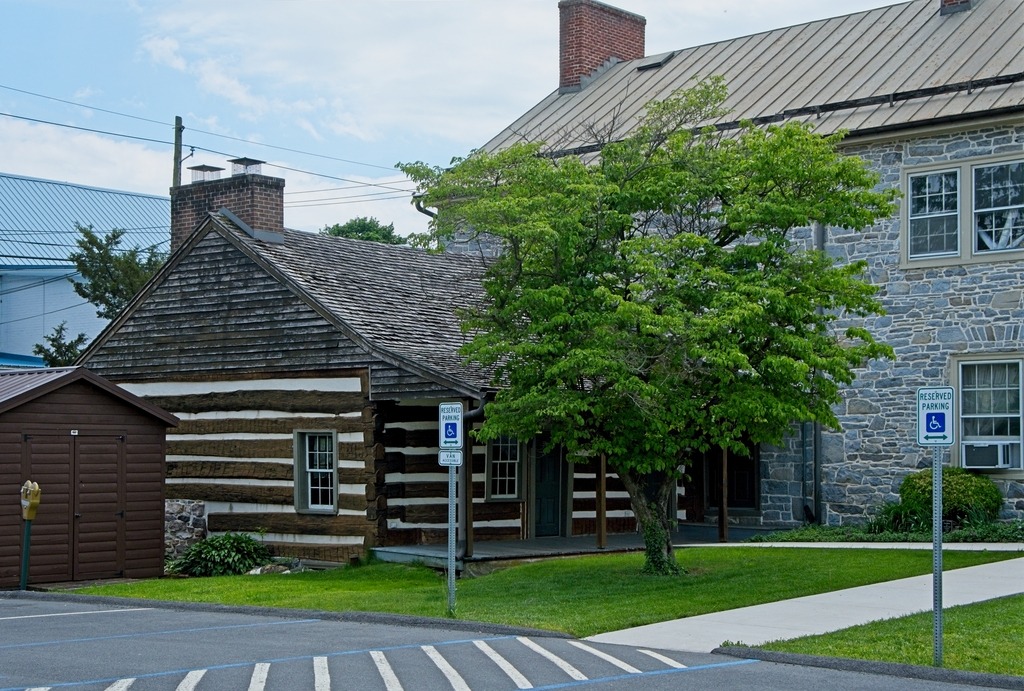
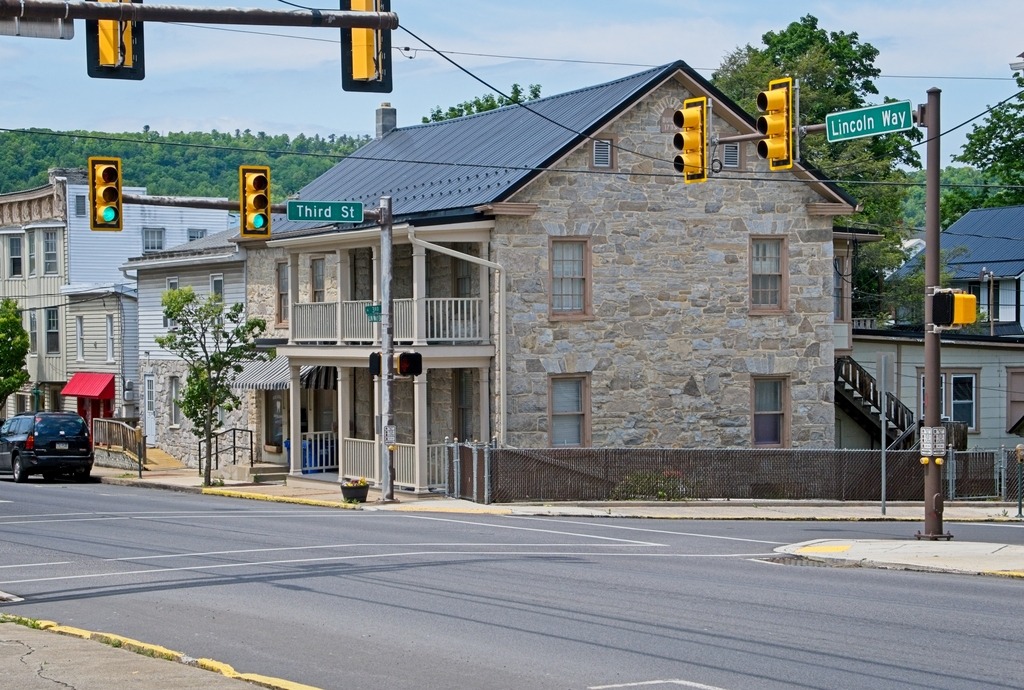
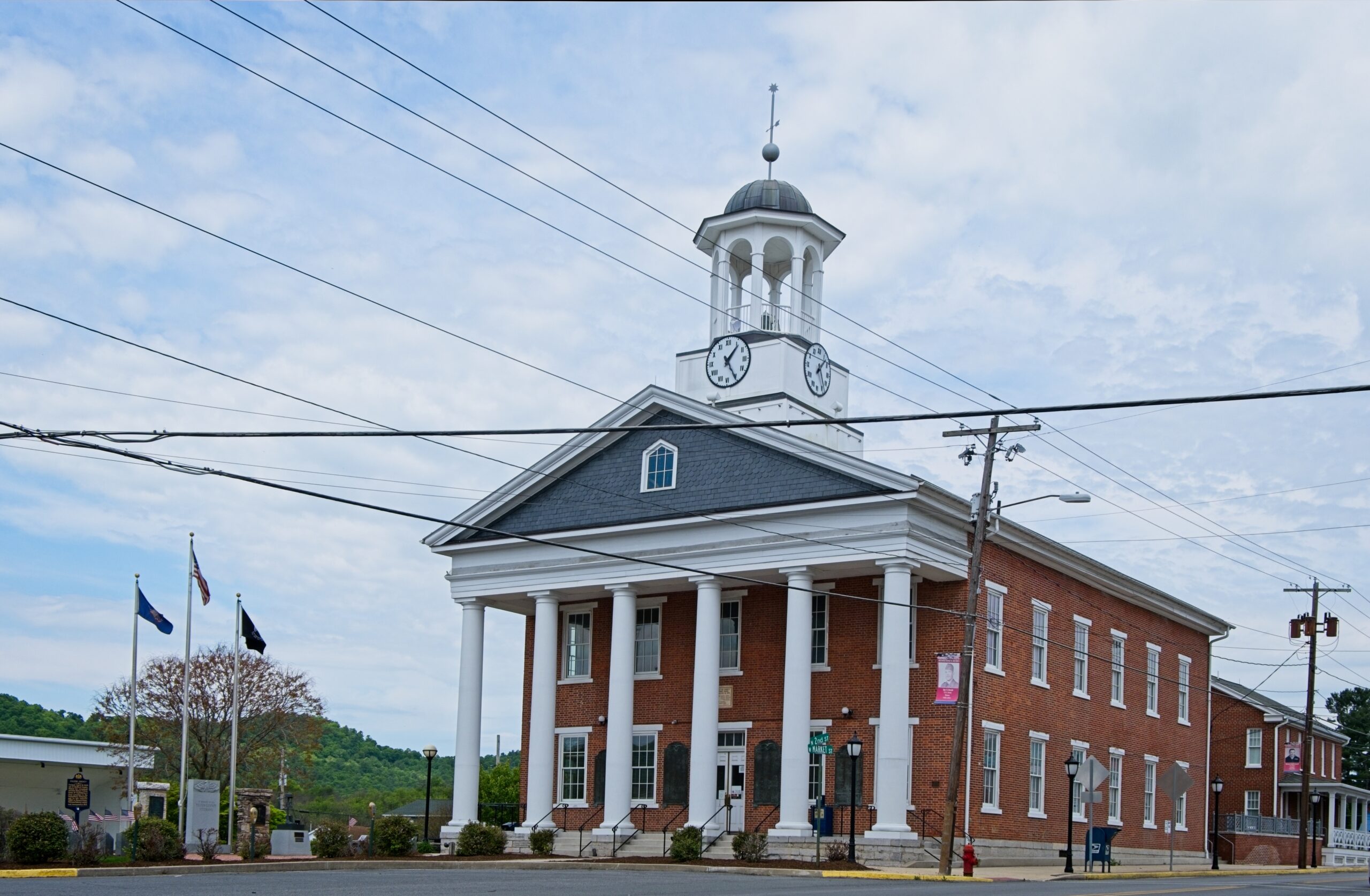
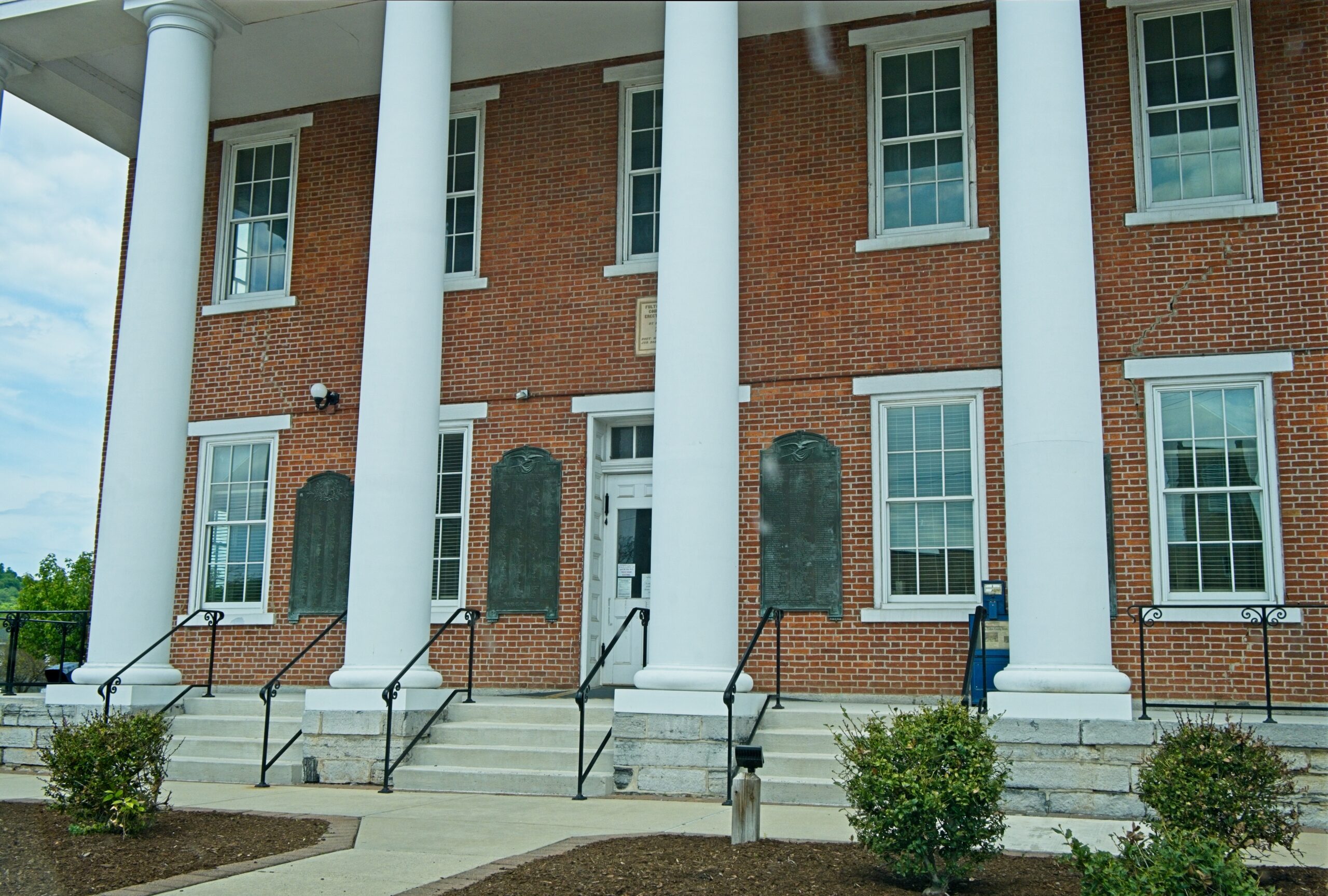
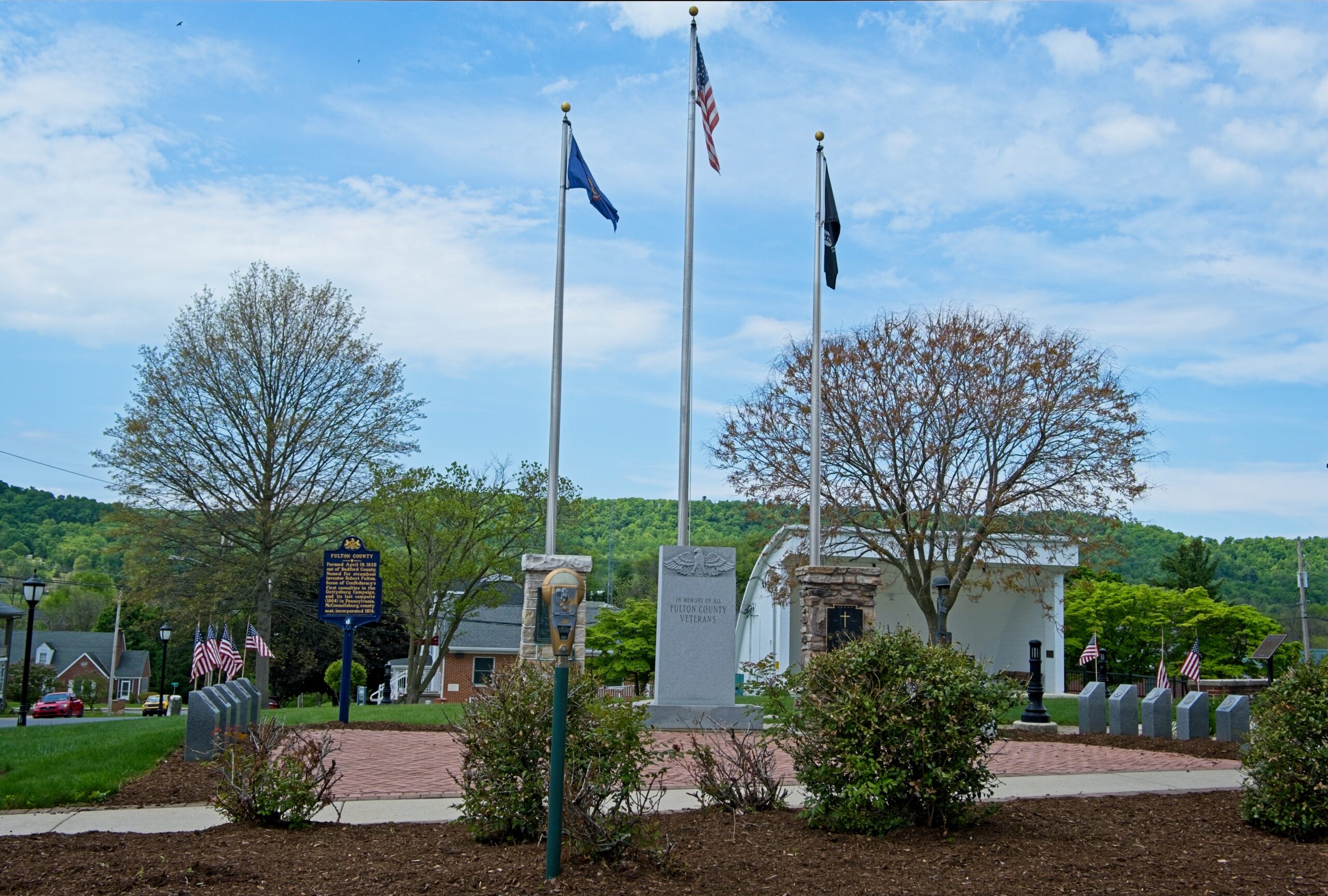
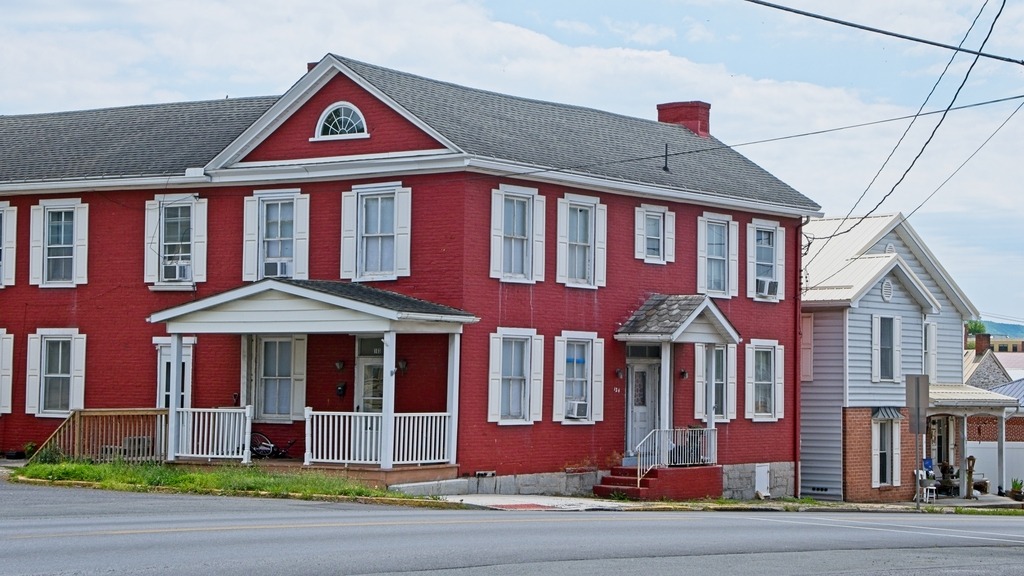
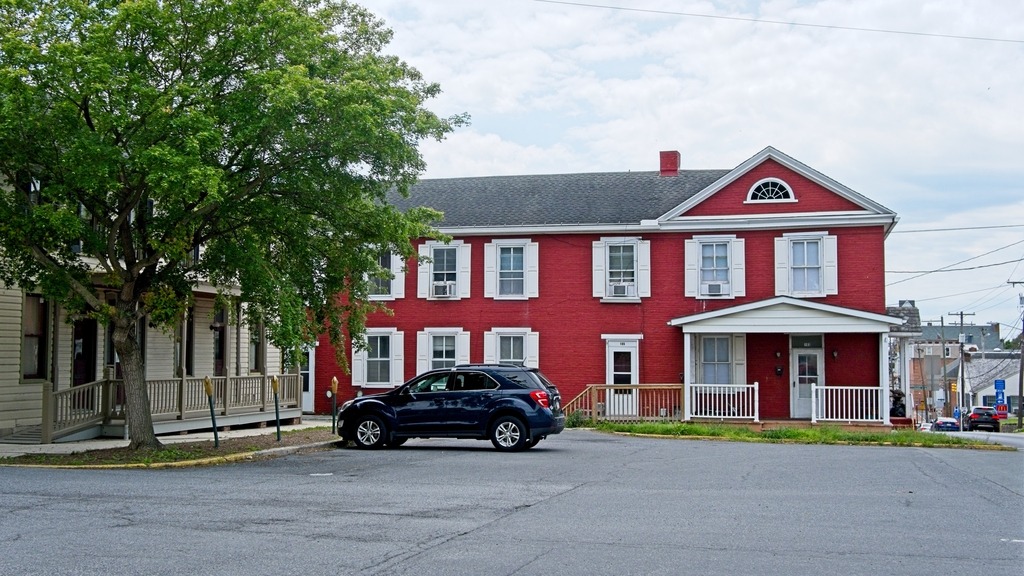
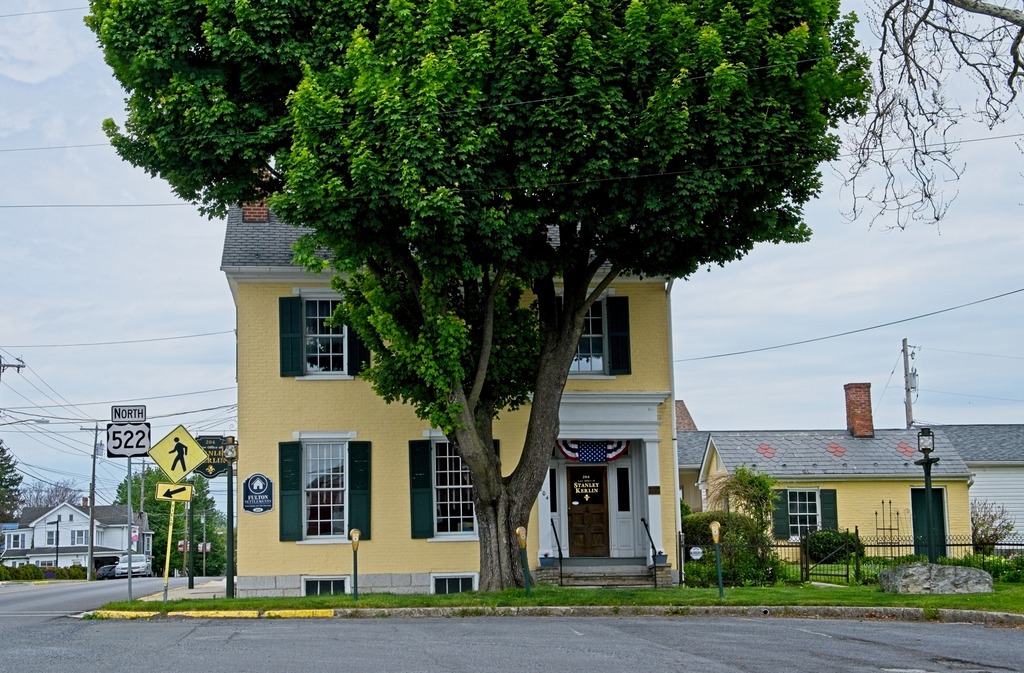
I took a drive into McConnellsburg, which is the county seat of Fulton County, The population was 1,150 at the time of the 2020 census. The McConnellsburg Historic District was recognized by the United States Department of the Interior in 1993 when it was listed in the National Register of Historic Places. The district consists of 144 structures that contribute to its historic character. Of note are the numerous taverns, inns, automotive garages and other travel-related structures still in existence today, which includes the Fulton House, the Fulton County Courthouse, and the log cabin of Daniel McConnell, who laid out the borough on April 20, 1786 (which was further incorporated on March 26, 1814).
The Fulton House, located at 112-114 Lincoln Way East, was built in 1793 as an inn and tavern and was expanded in 1820. It was constructed by the town founder, Daniel McConnell, and was a major stop for travelers headed west. It has hosted noted people (including presidents), was involved in two incursions of the confederacy, and nearly burned to the ground in 1944. It was later restored and and purchased by the Borough of McConnellsburg. The original log cabin kitchen was built circa 1770 and was later restored. The museum shows furnishings, tools, utensils, and decorative items relating to the cultural and material heritage of Fulton County from the 18th, 19th, and 20th centuries.
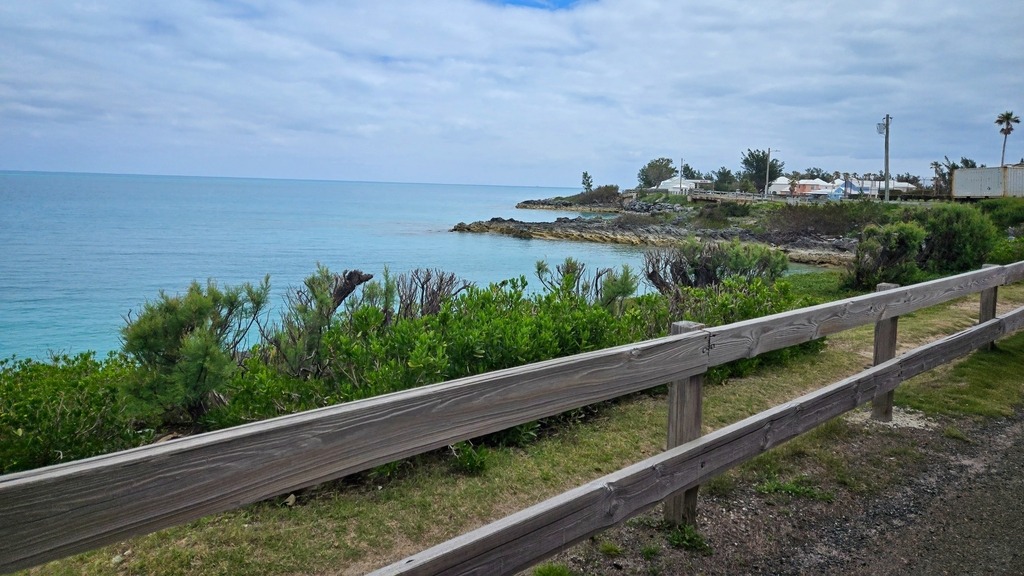
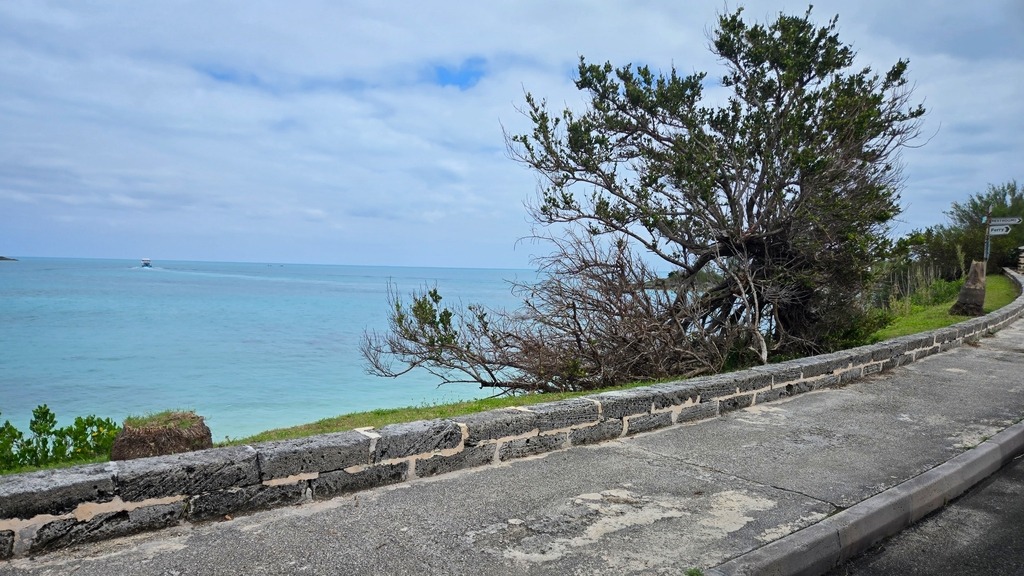
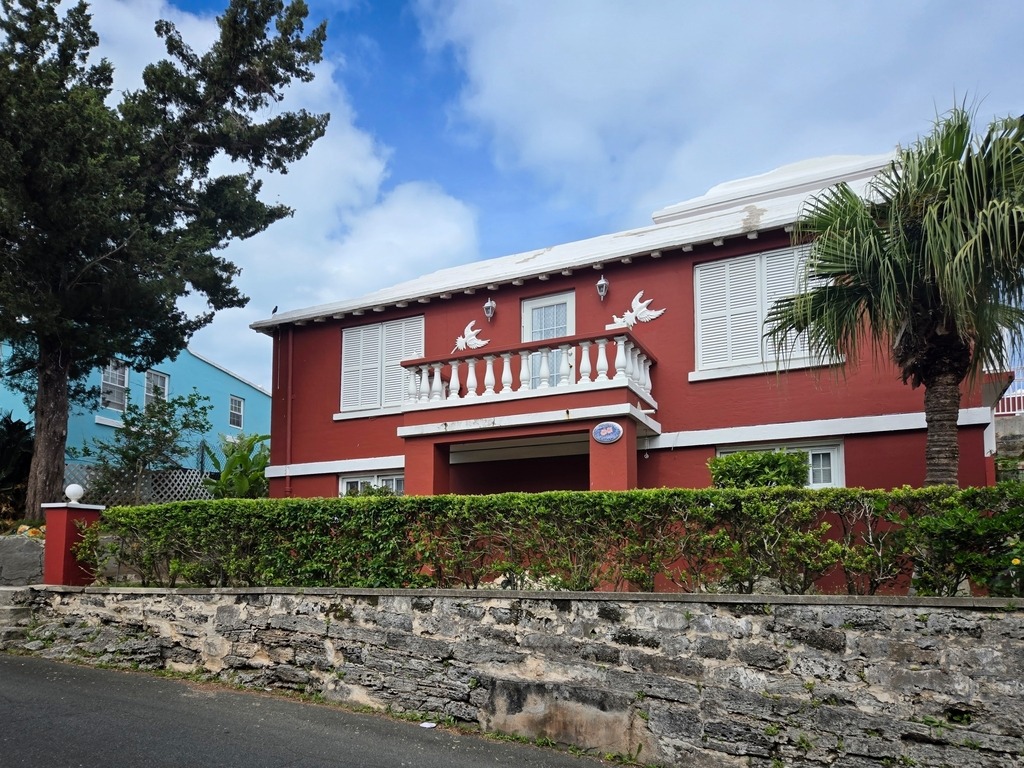
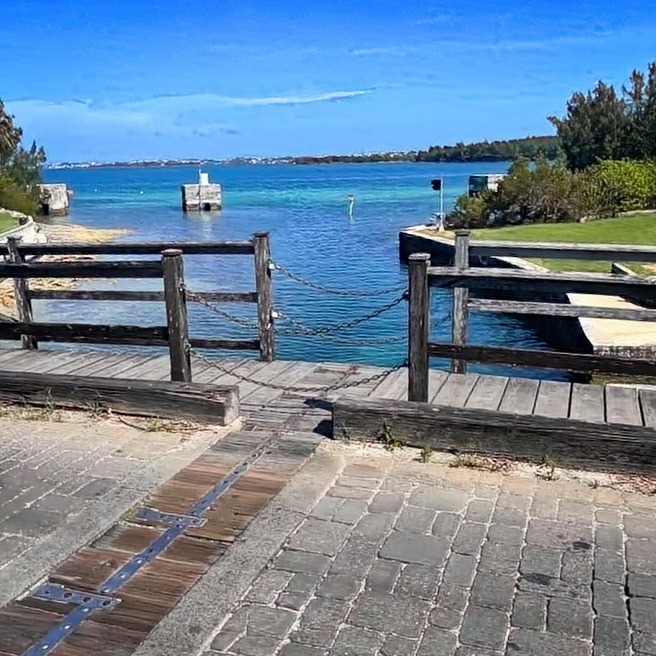
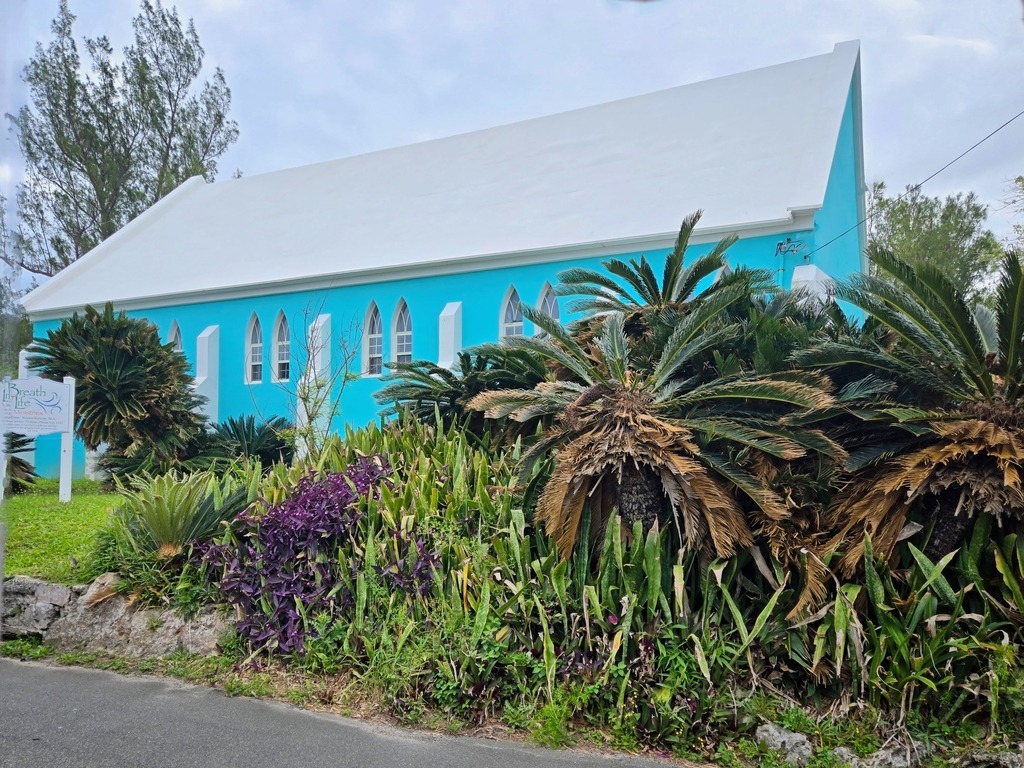
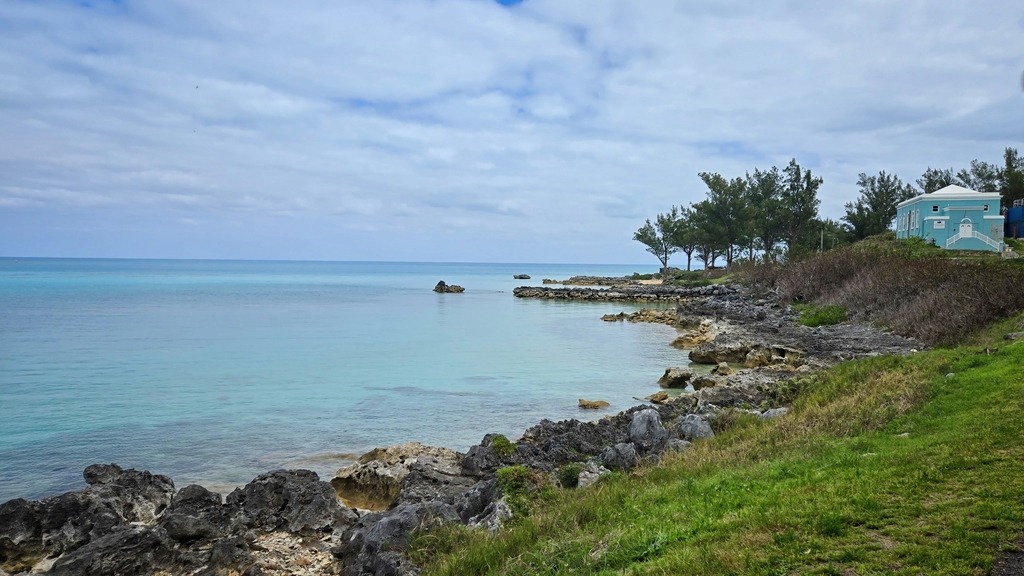
The following post (and two more to follow) are from a recent cruise to Bermuda which I took in mid April. The first entry is from a trolley tour around the West End of Bermuda near the Royal Naval Dockyard and Somerset Parish. Even though the weather was overcast, there were still some lovely coastal views.
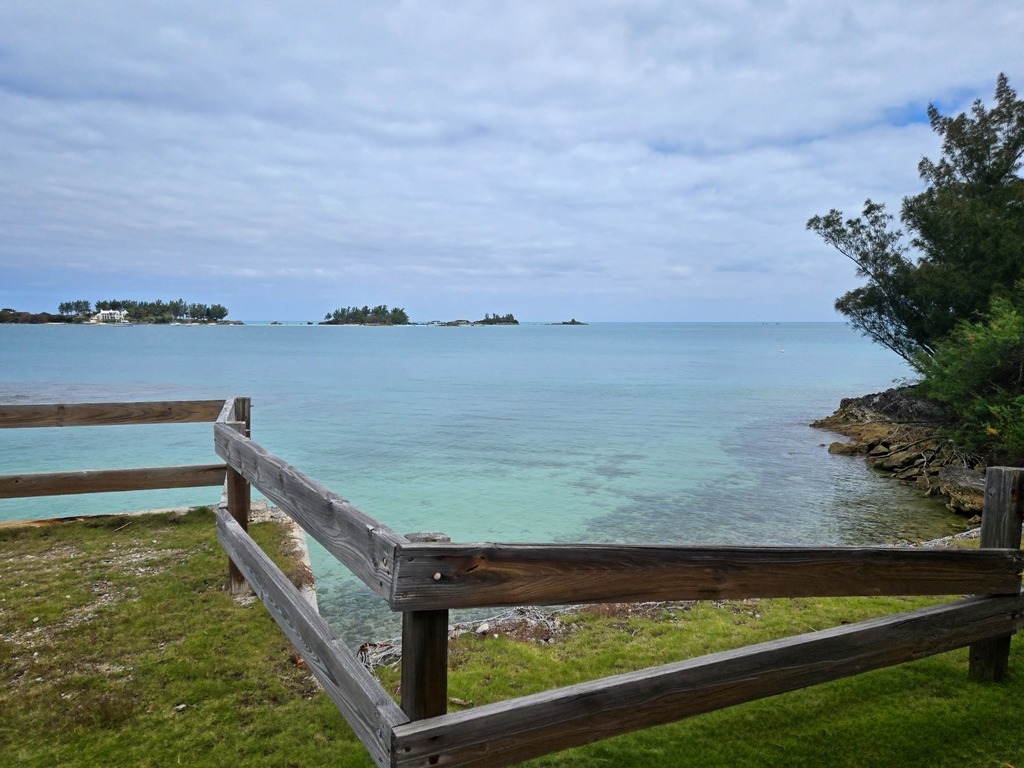
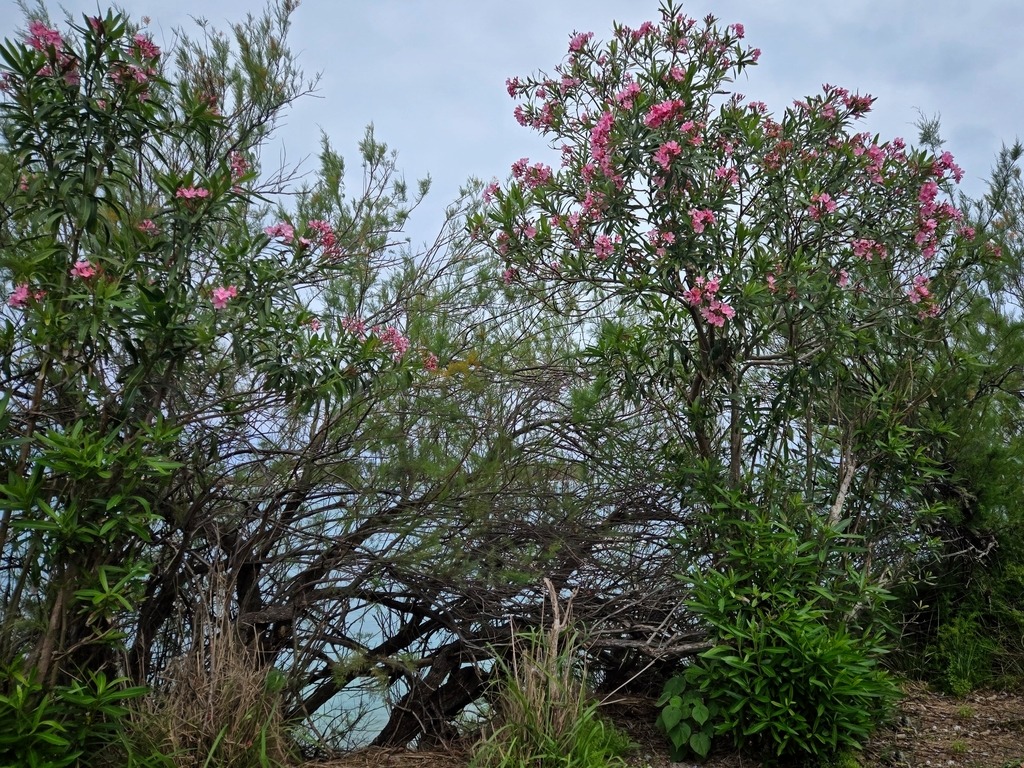
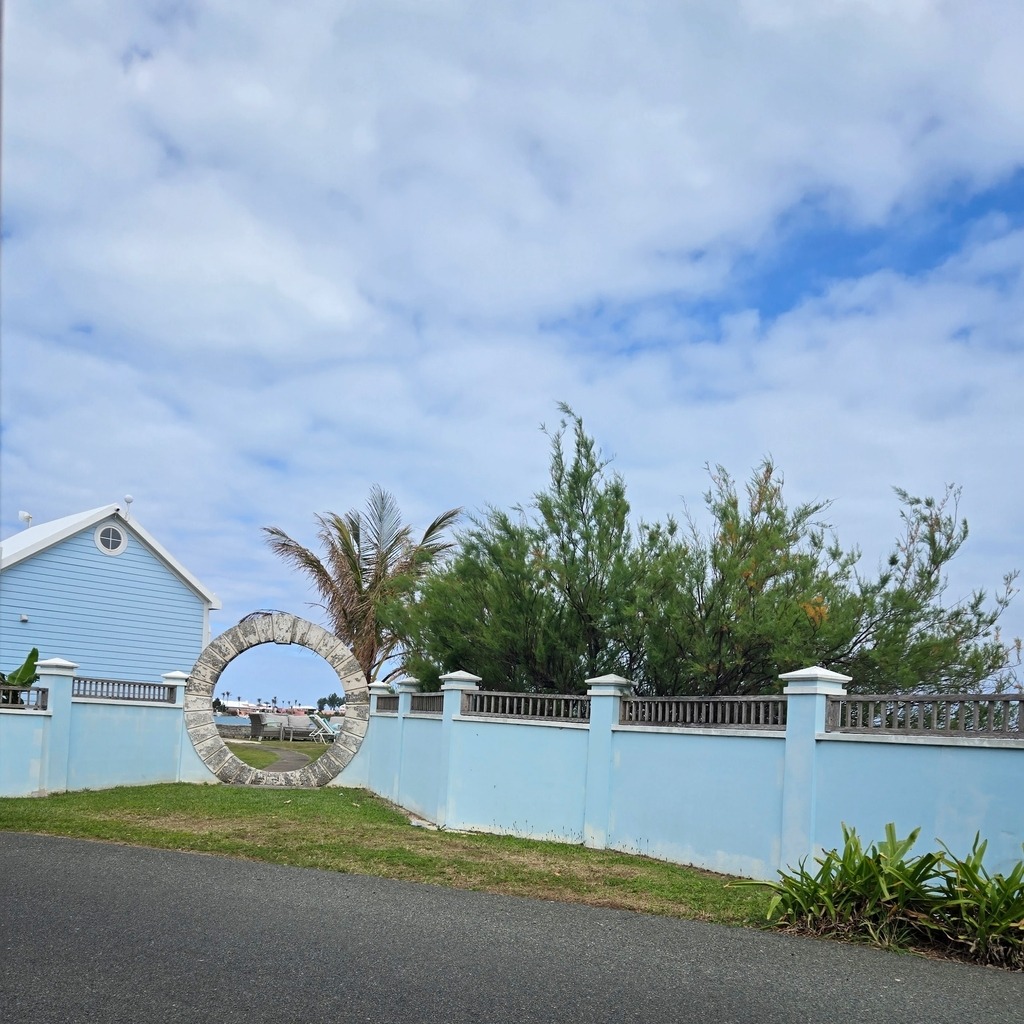
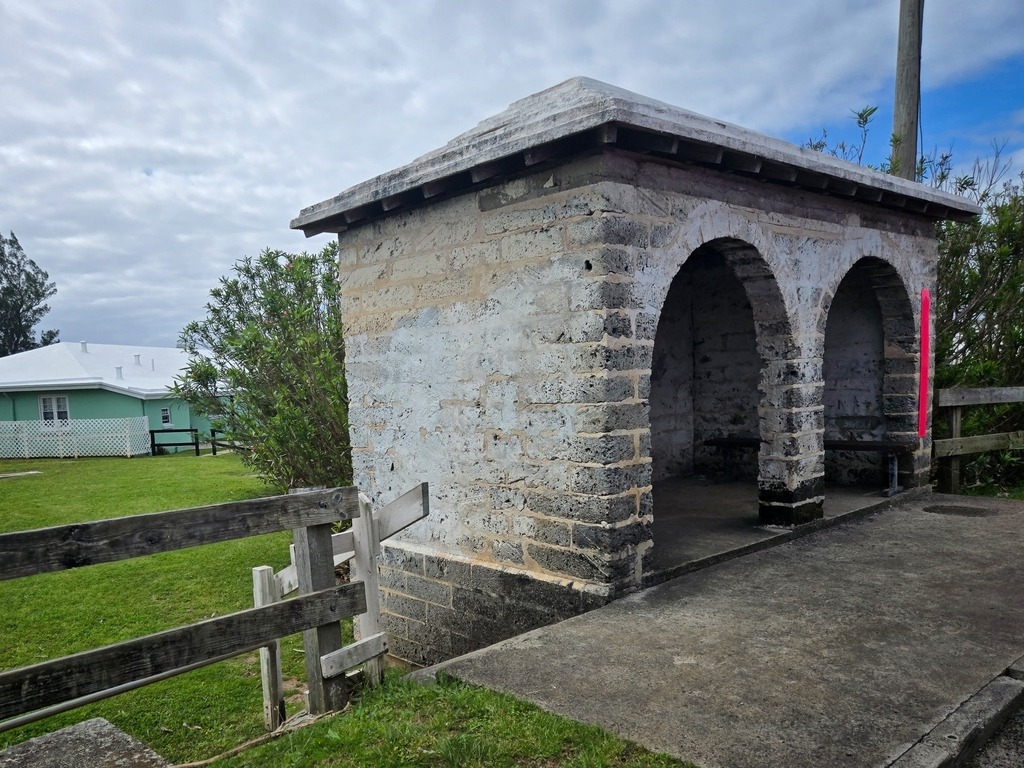
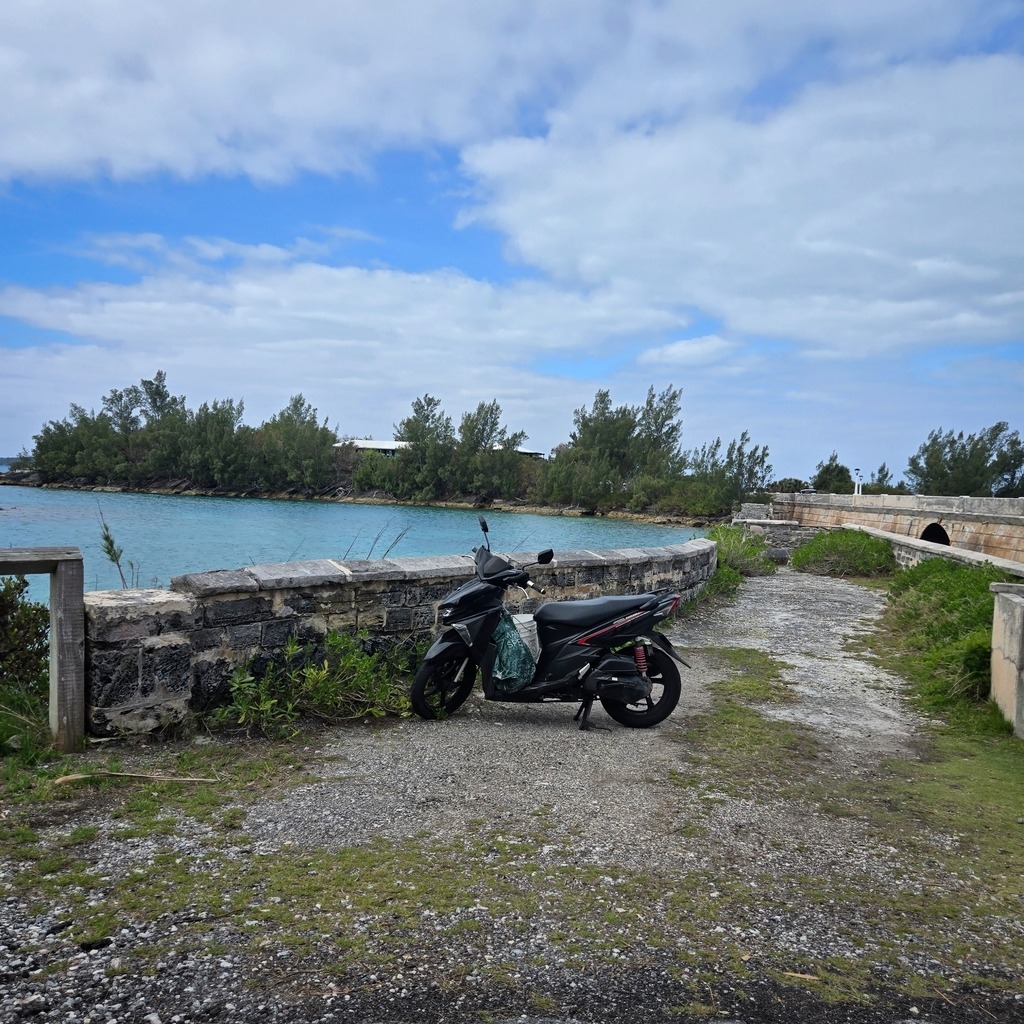
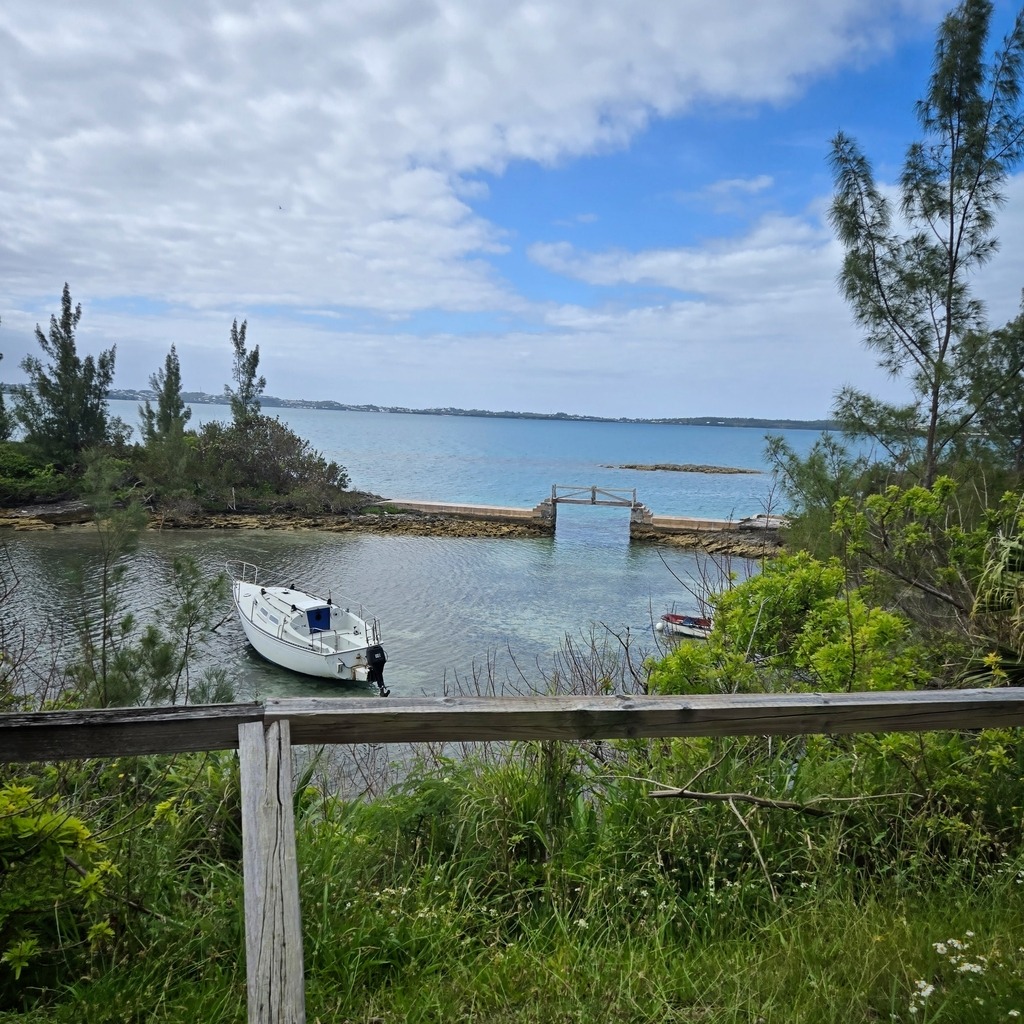
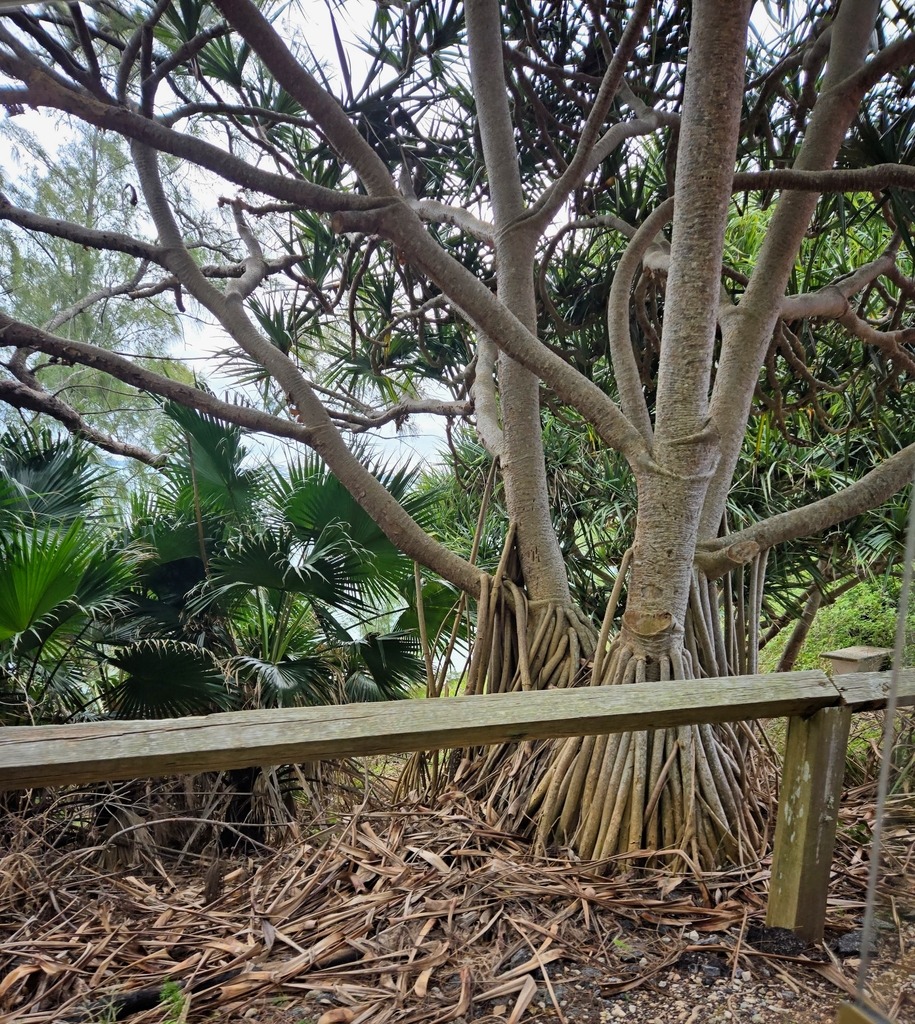
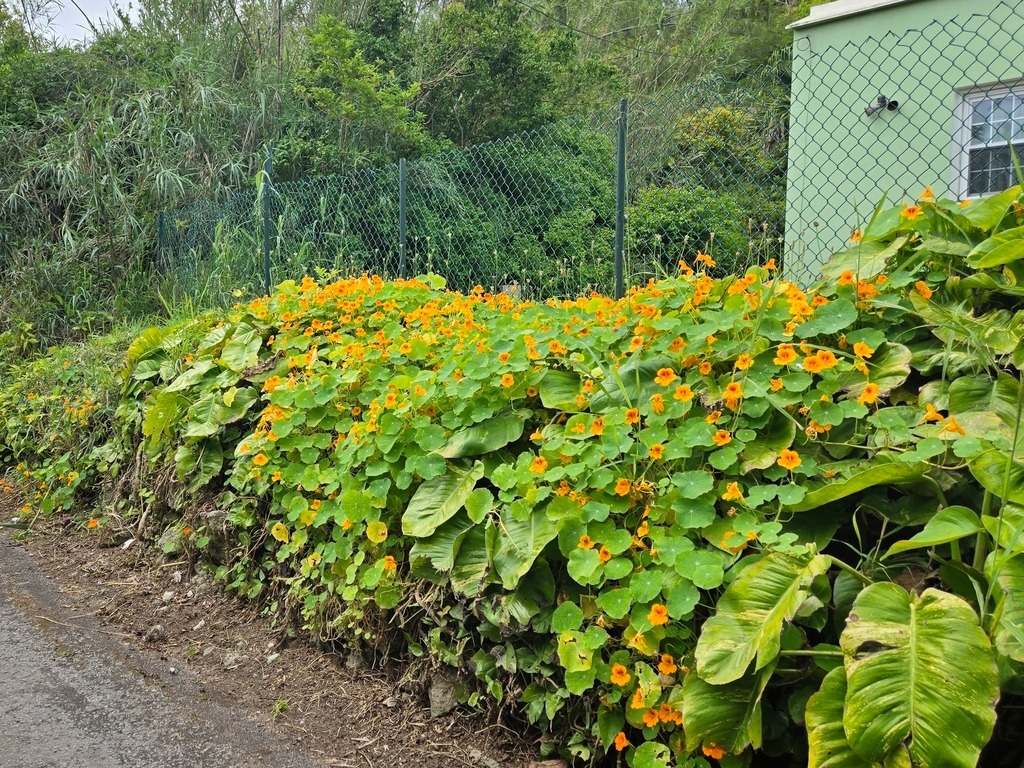
There is some lovely countryside the way to and from Leonard Harrison State Park in Tioga County.


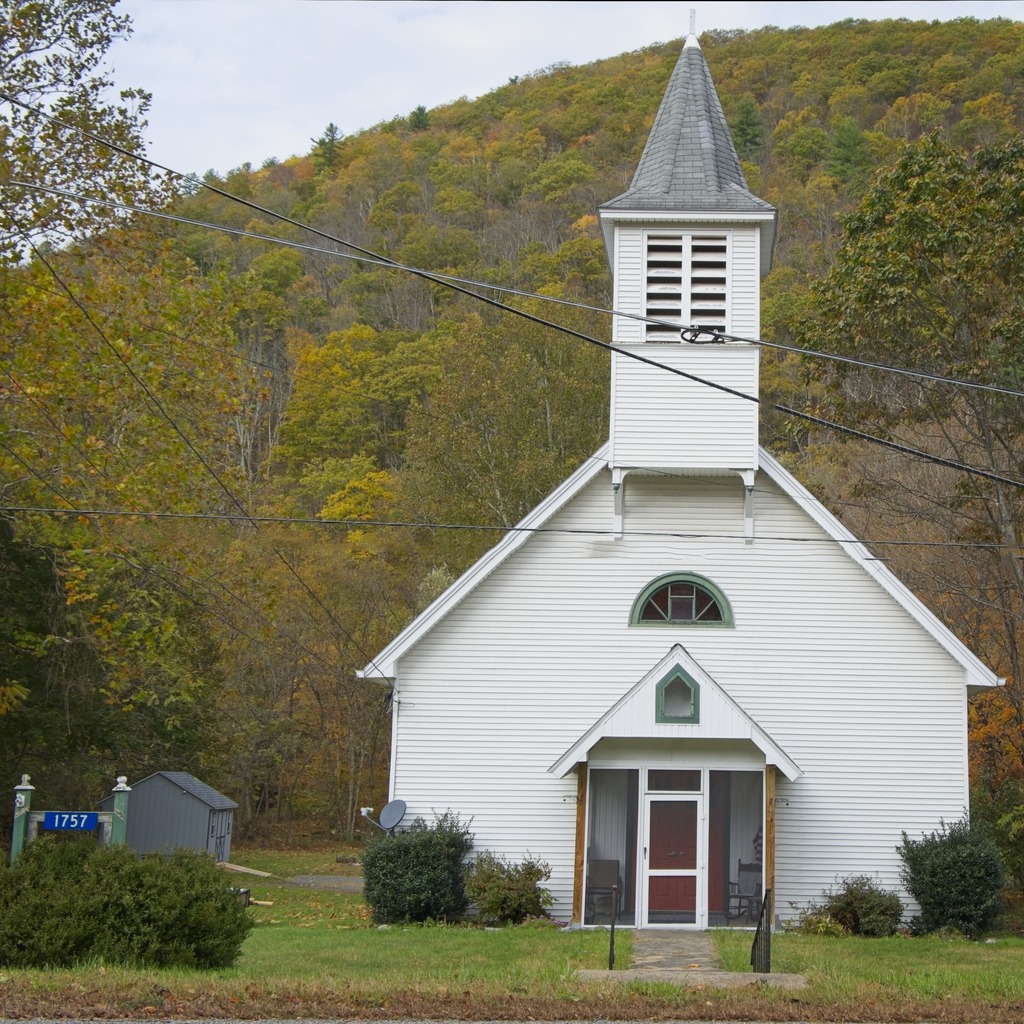
Near Waterville, Route 414 turns north up the Pine Creek valley. The southern part of this valley feels wider and has more towns along the banks of the stream. Most of this area is still in Lycoming County until just south of Blackwell. The Pine Creek area was the site of major logging activity from the late 18th through early 20th century and is now a major hub for recreation. Much of the now second-growth forest is protected by a network of parks, state game lands and state forest,


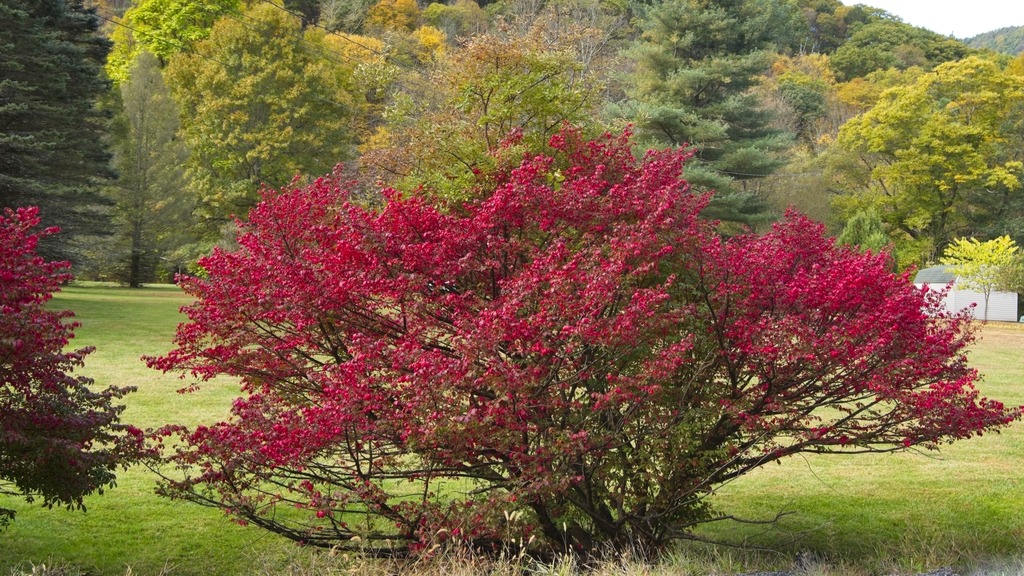
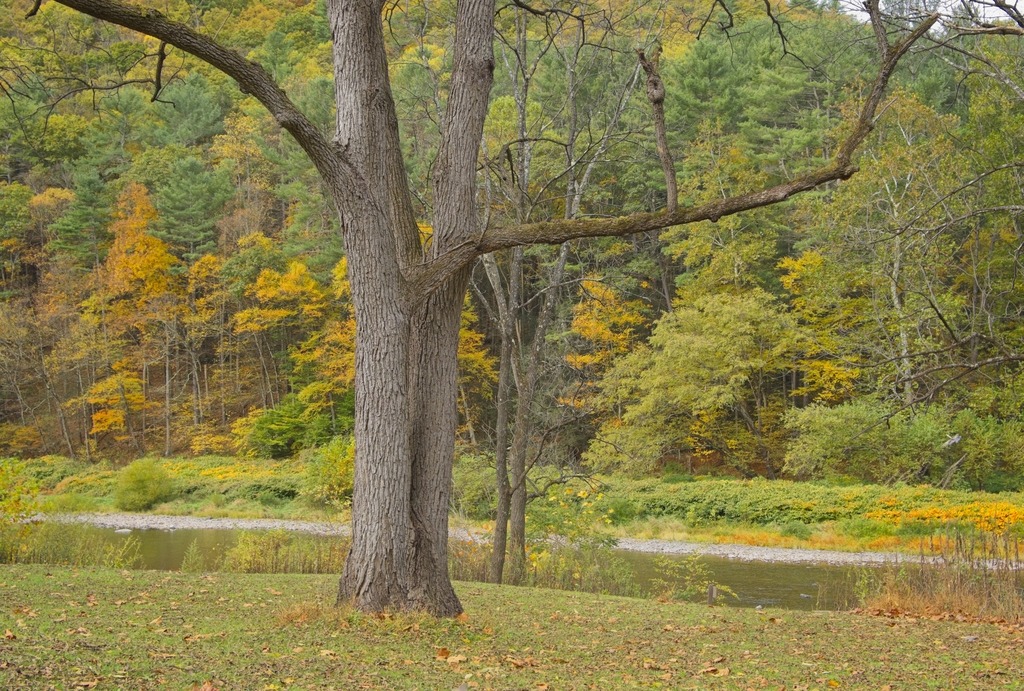
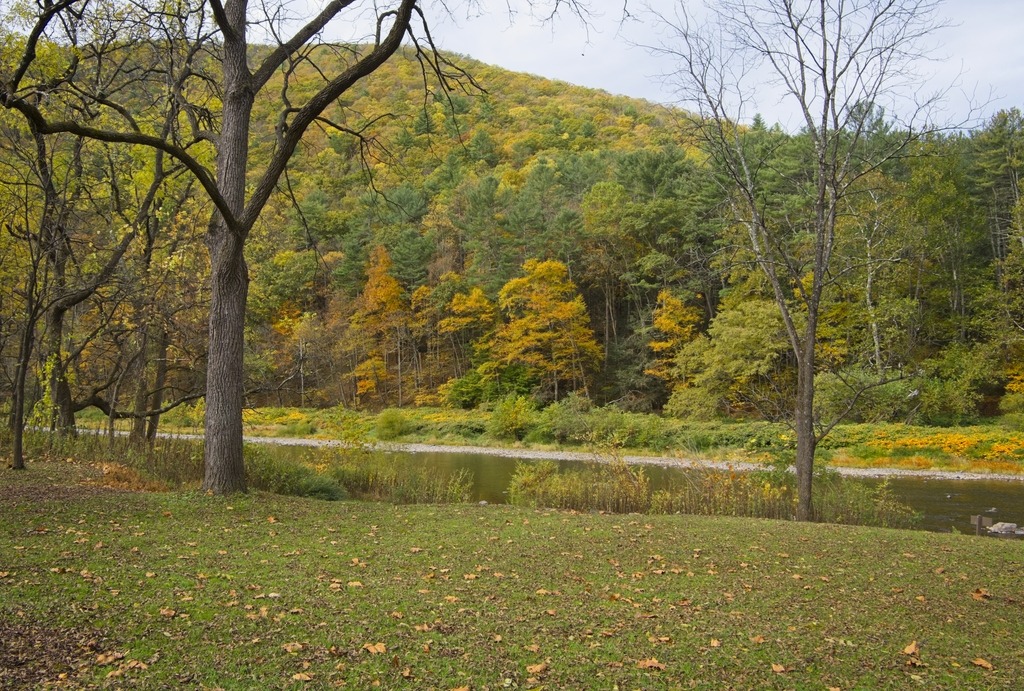

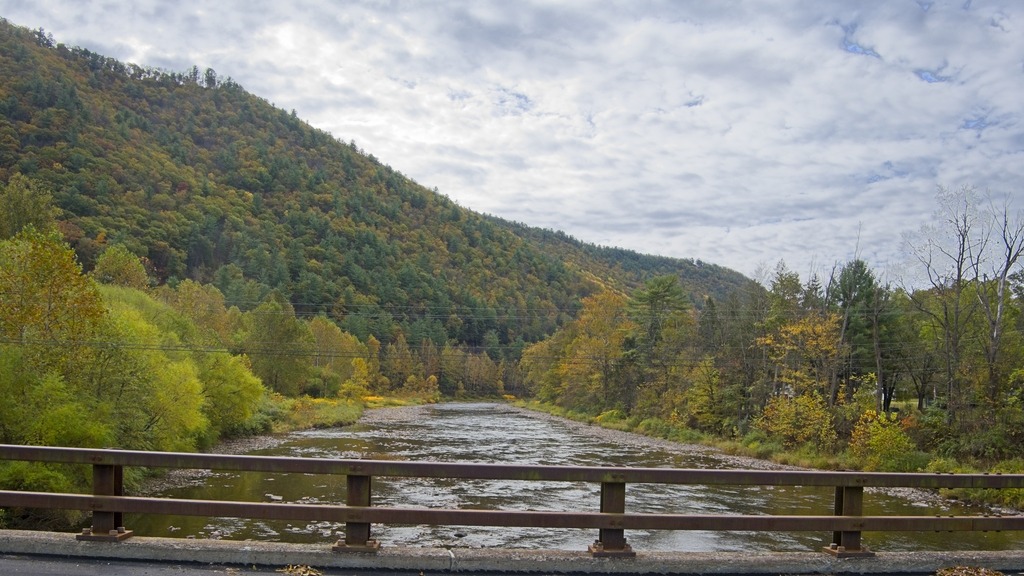

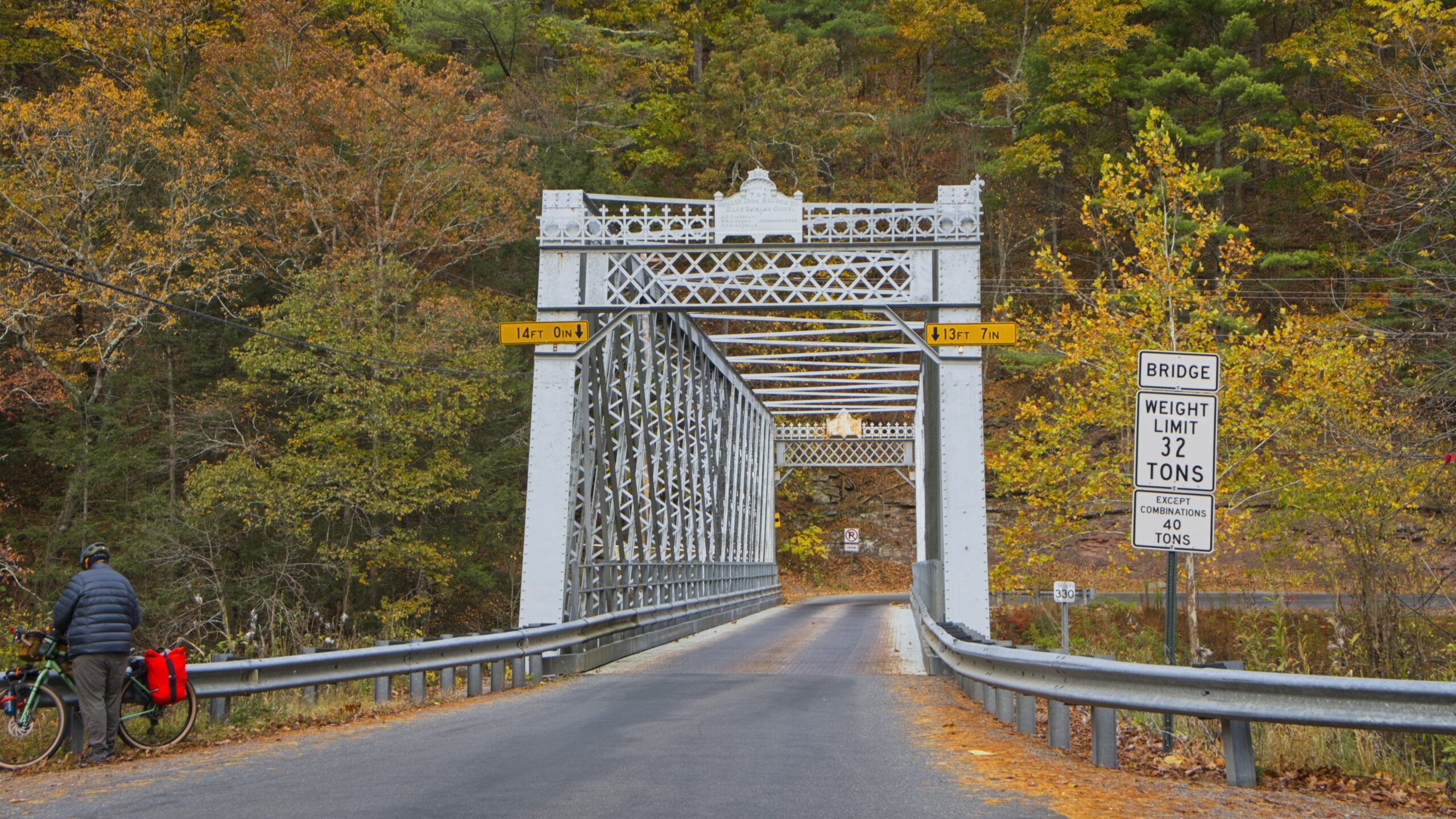

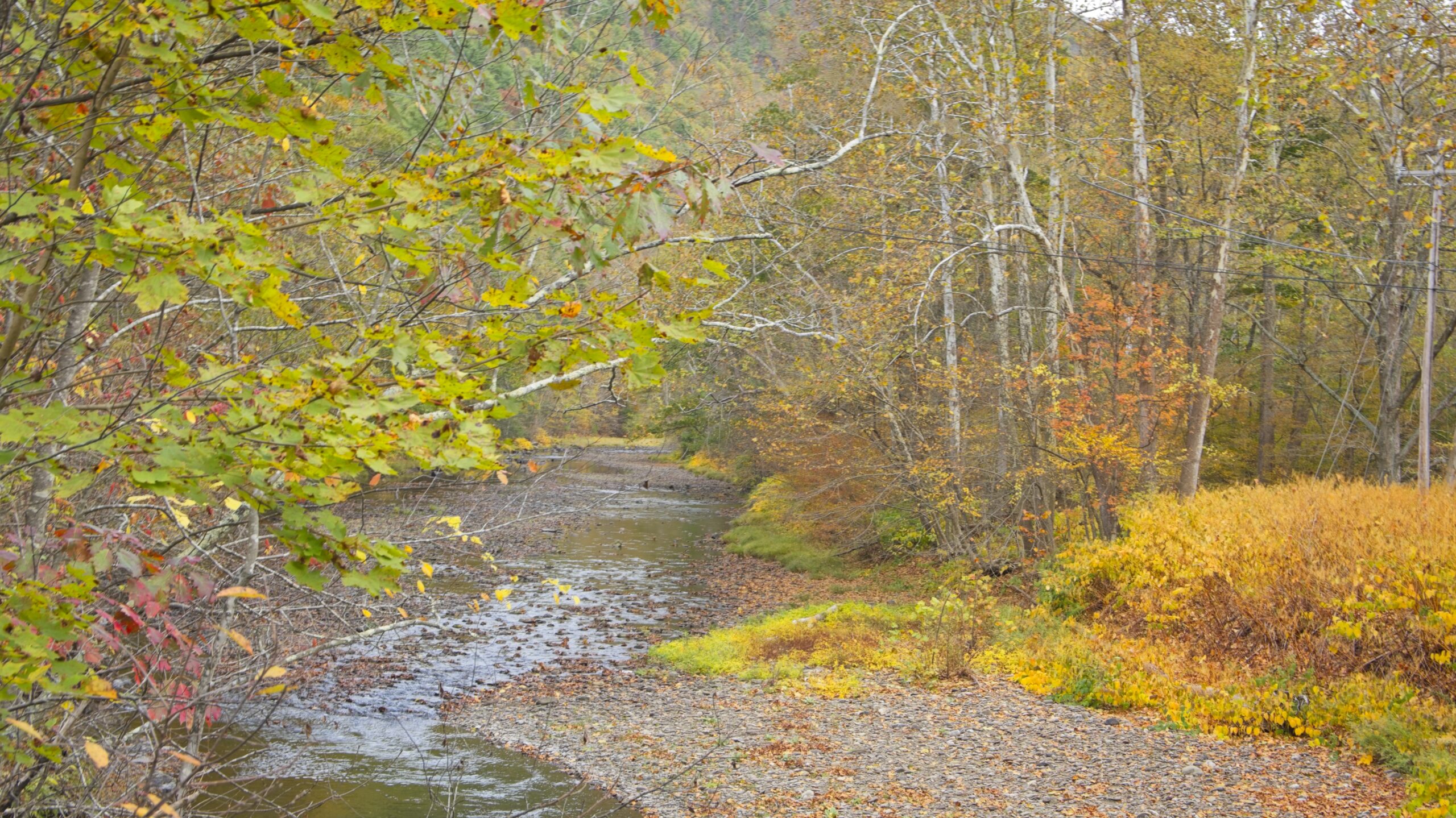
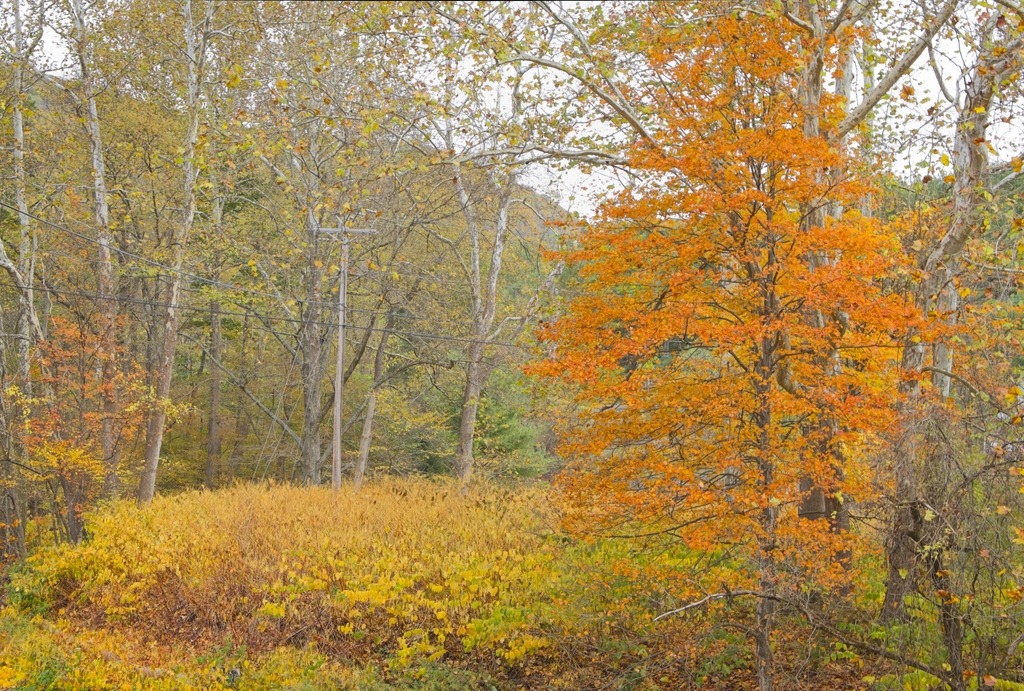
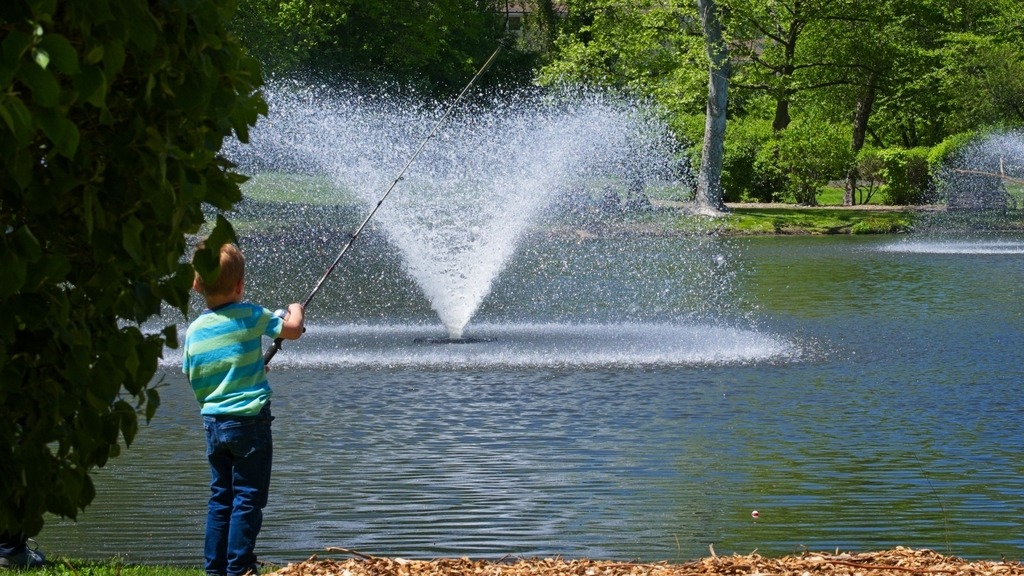
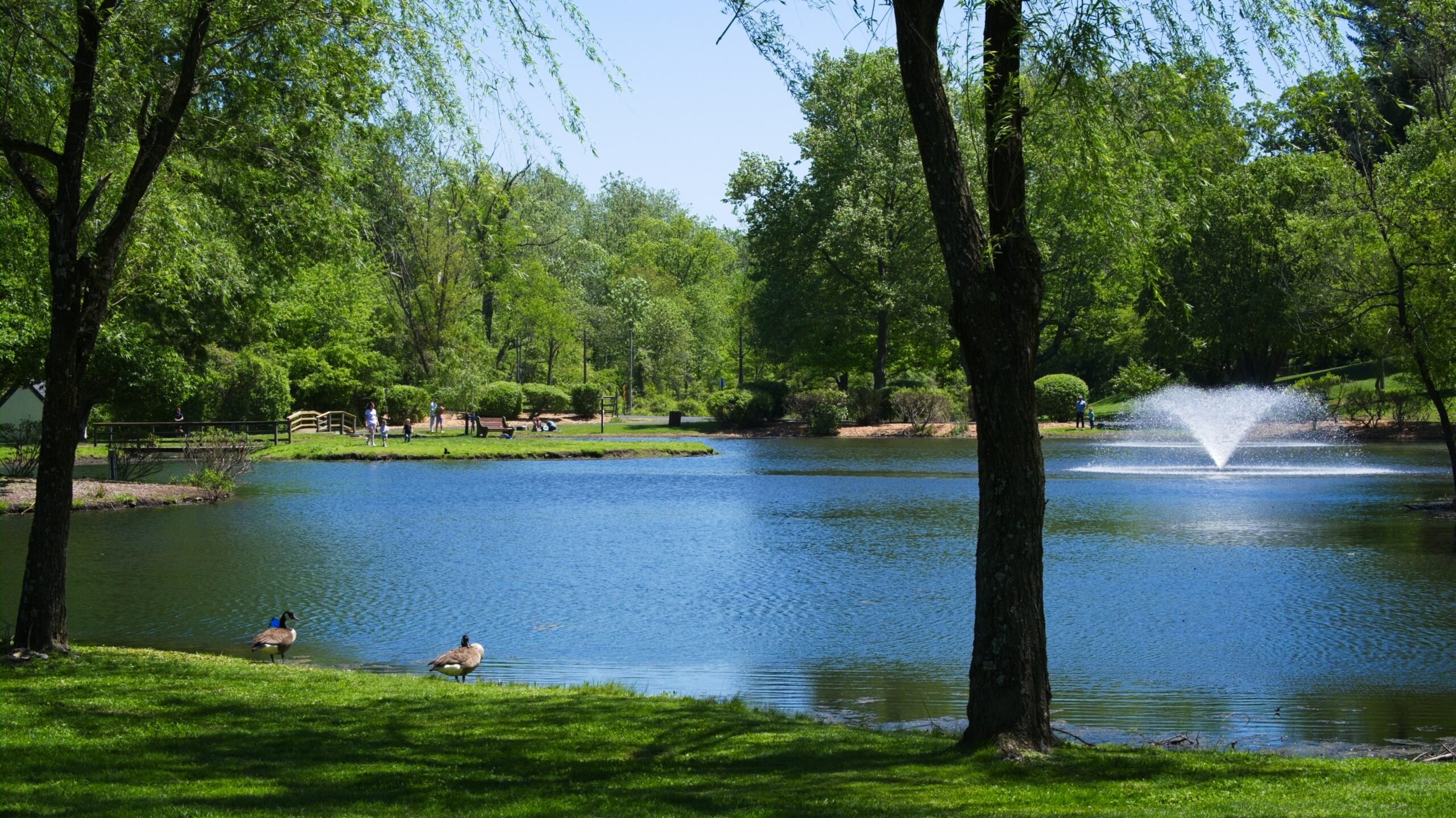
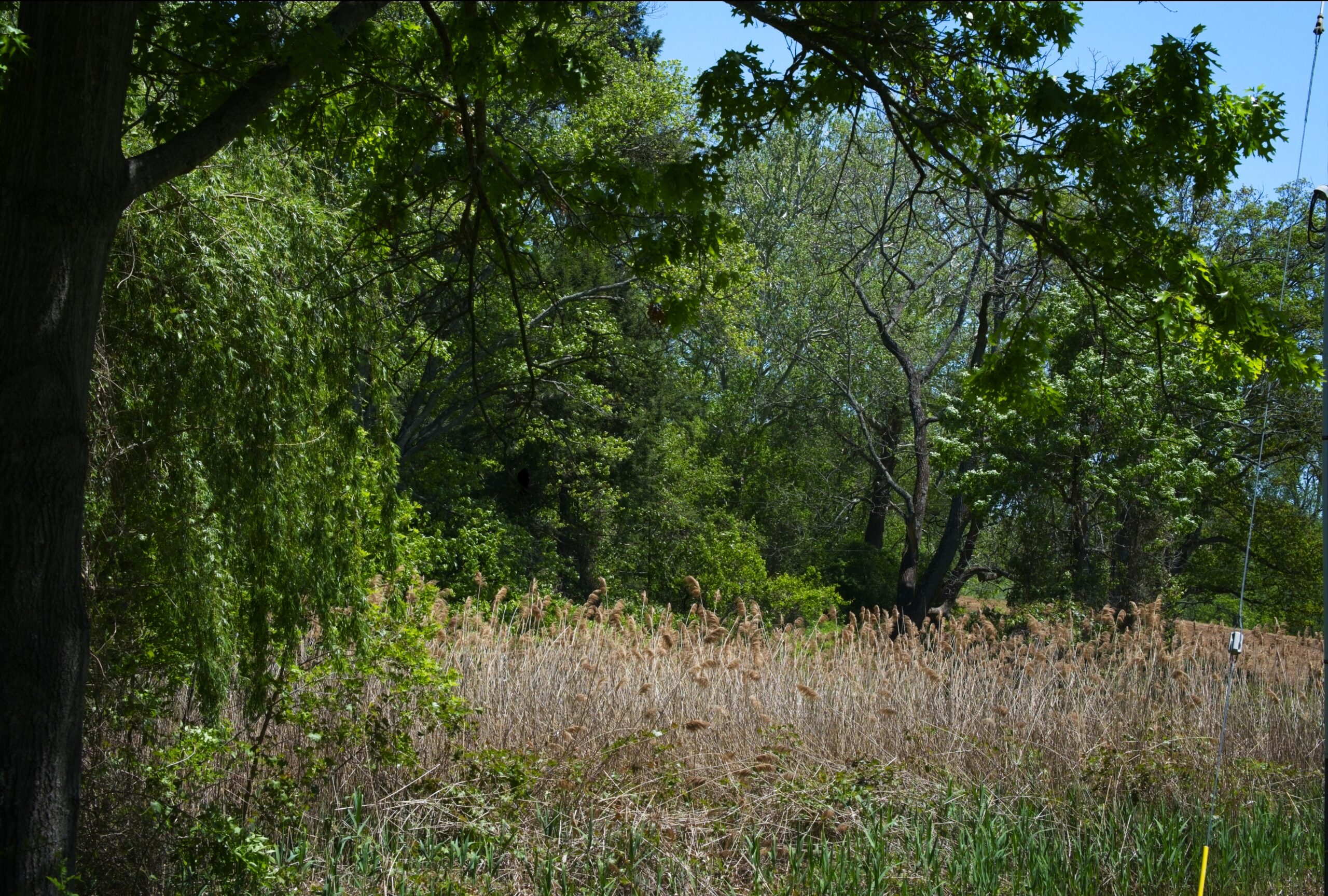
The Willows Park Preserve in northwestern Delaware Country has been a popular spot for birding, fishing, picnicking and walking for decades. Built in 1910, the Willows Mansion is surrounded by 47.5 acres of public park with water, meadow, woodland and garden views. Closed for nearly a decade, the deteriorating mansion sits idle while park life carries on. However, efforts to restore the Mansion are ongoing. It was once a very popular wedding reception venue.

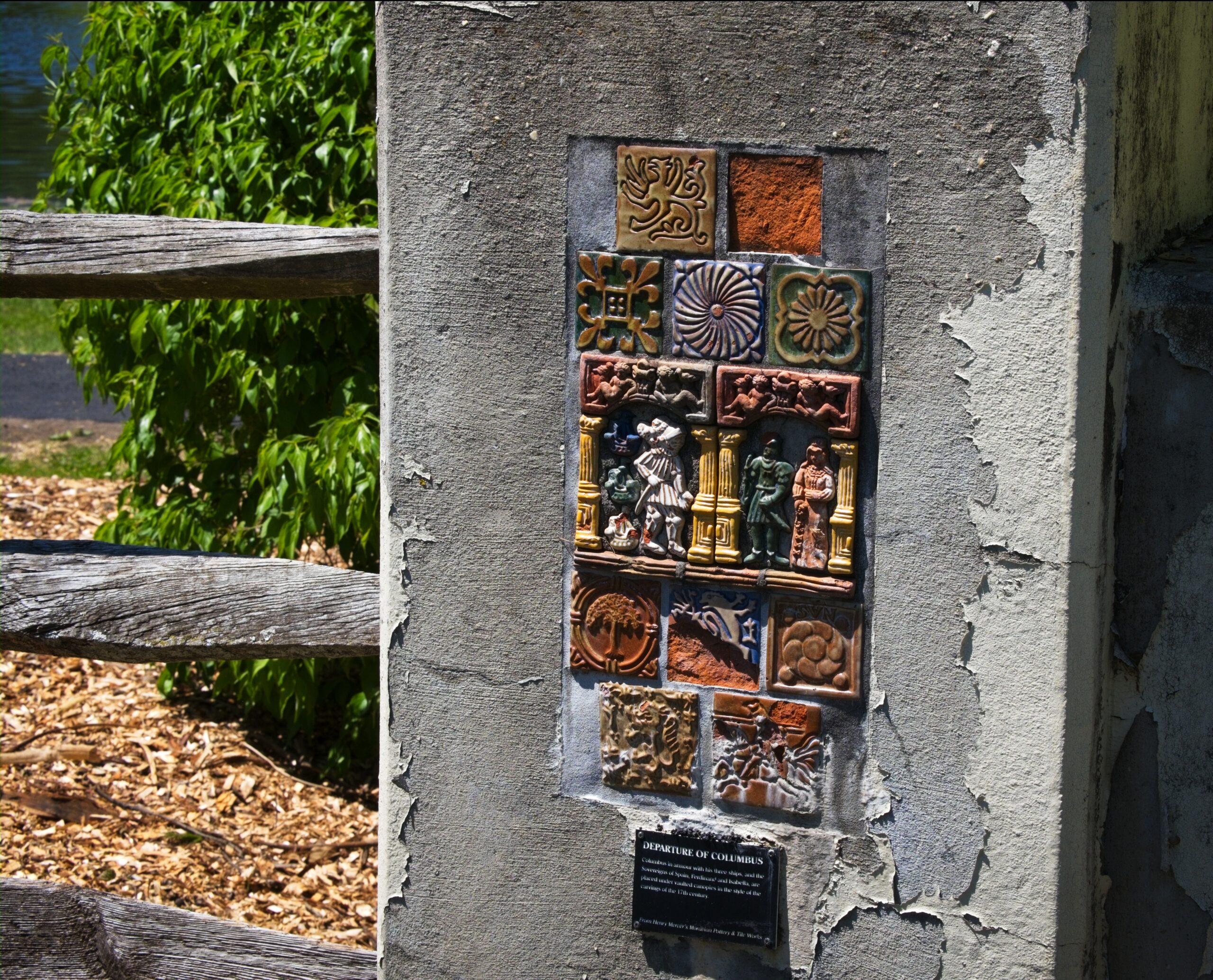


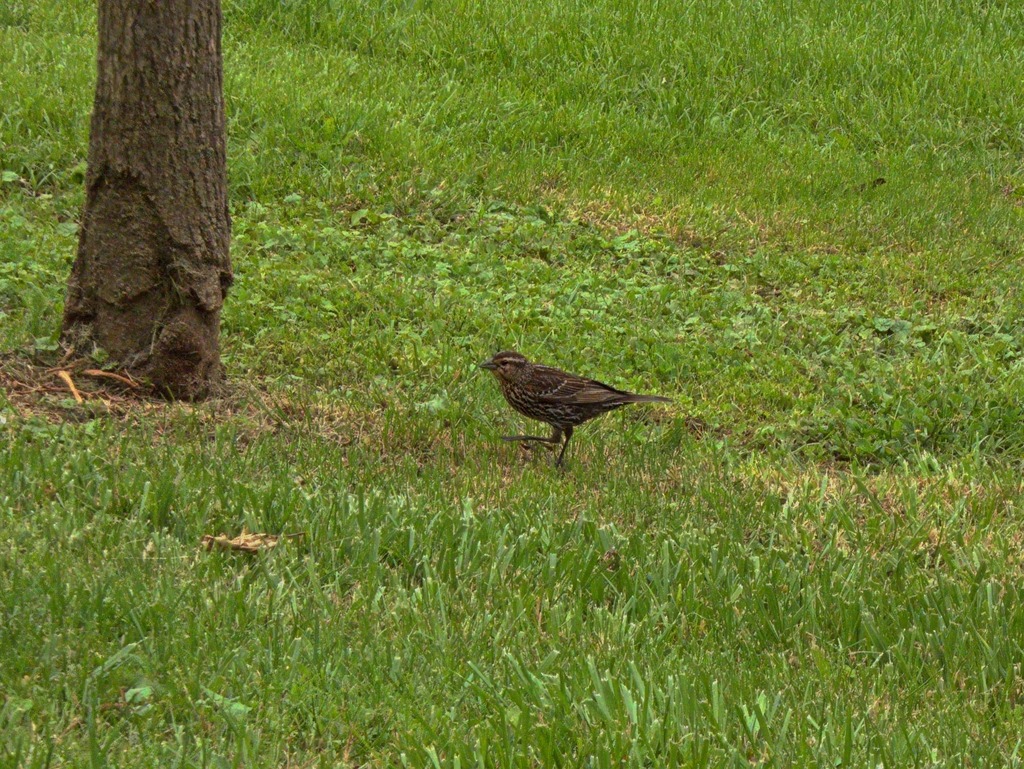
I made another stop that day at St. Davids Church, which lies mostly within Radnor Township, Delaware County. The parish is more than 300 years old. Toward the close of the seventeenth century, a hardy group of Welsh colonists settled in an area which became known as Radnor. In 1704, a 100-signature petition for Welsh prayer books and a Bible, but more particularly for a Welsh-speaking missionary, was dispatched to the Society for the Propagation of the Gospel in London. Ten years later, in return for this long-awaited recognition, the settlers “heartily engaged themselves to build a handsome stone church,” to be named after the Patron Saint of Wales. The cornerstone was laid on May 9, 1715.
With the coming of the Revolution in the colonies, a rapidly swelling wave of resentment against the Church of England arose among the patriots of the congregation. A leader of this opposition was Anthony Wayne, later appointed major general of the American forces, who is buried in St. David’s historic churchyard. The church building provided shelter for soldiers of both sides.
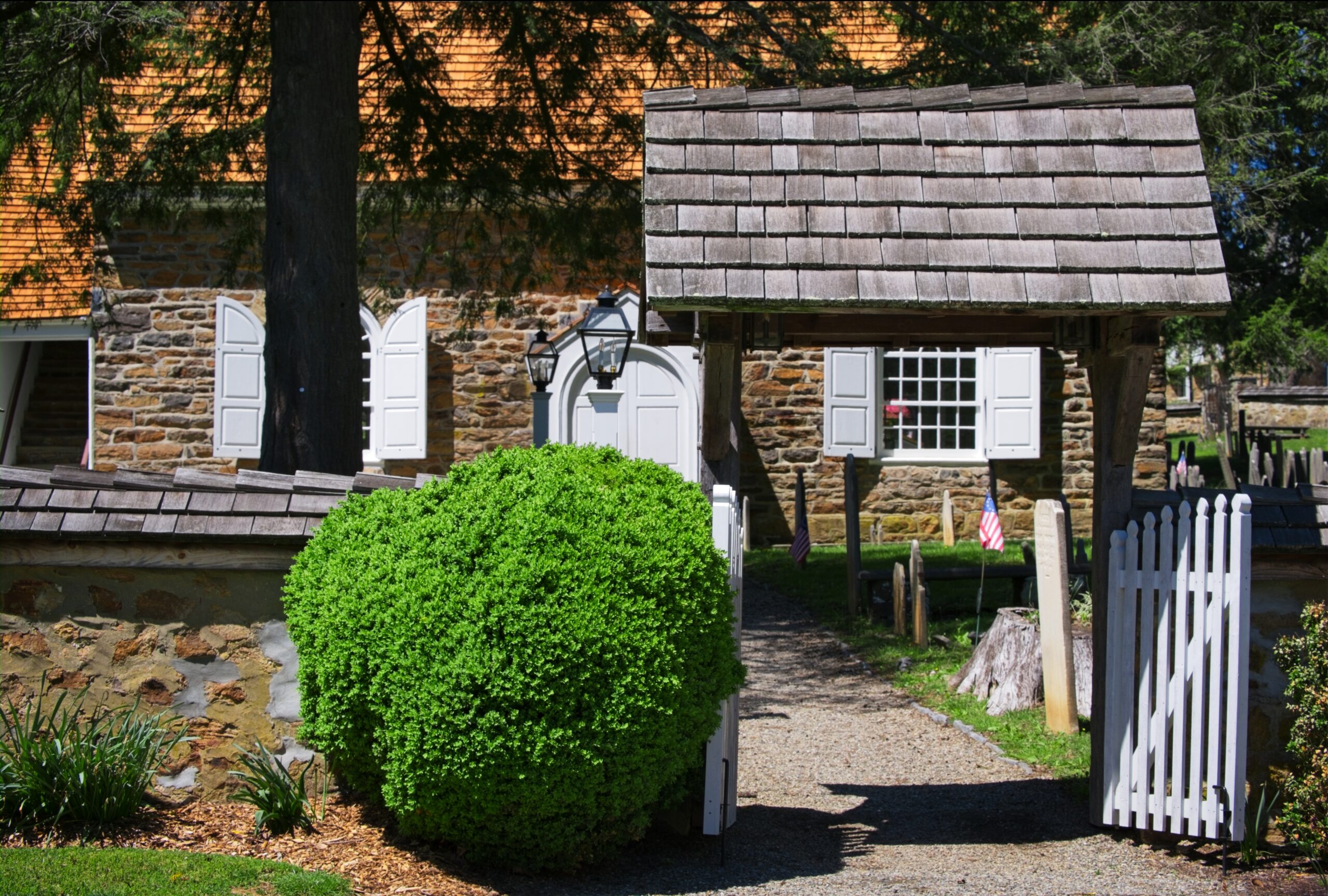

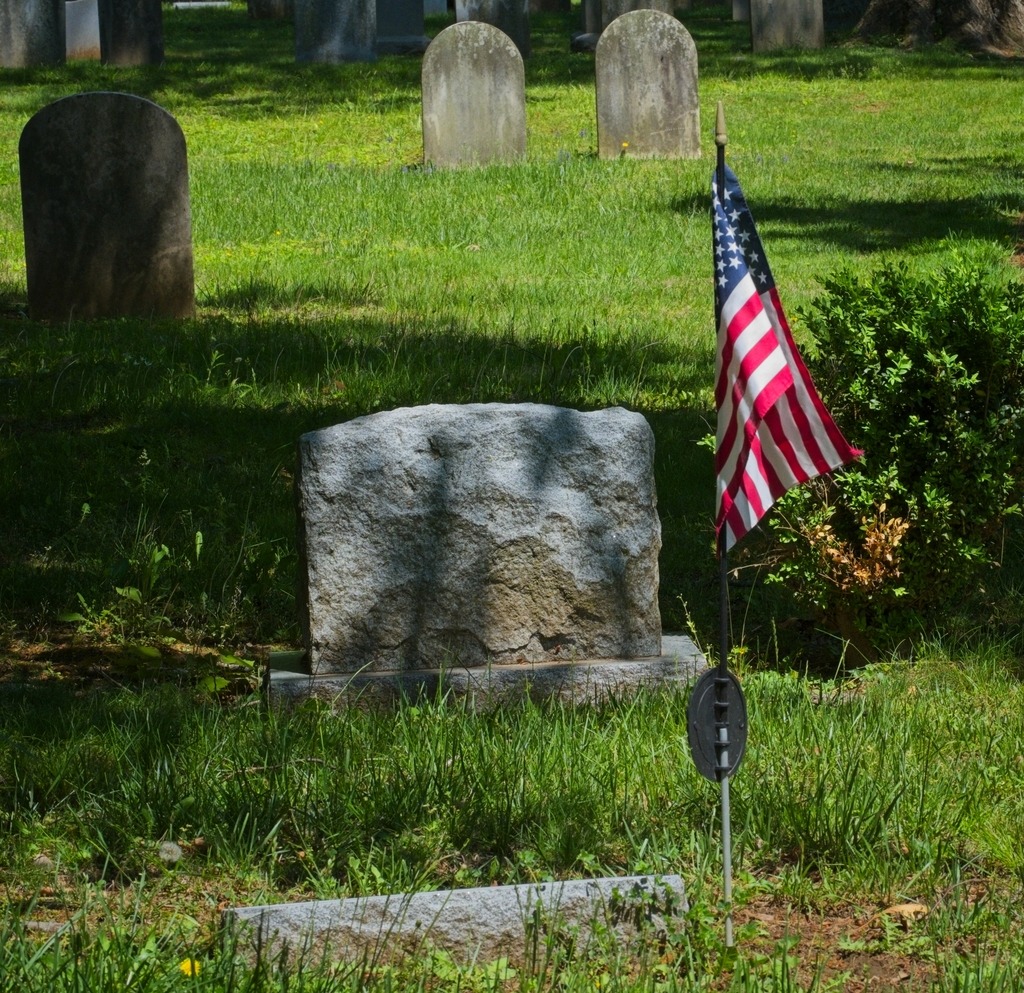


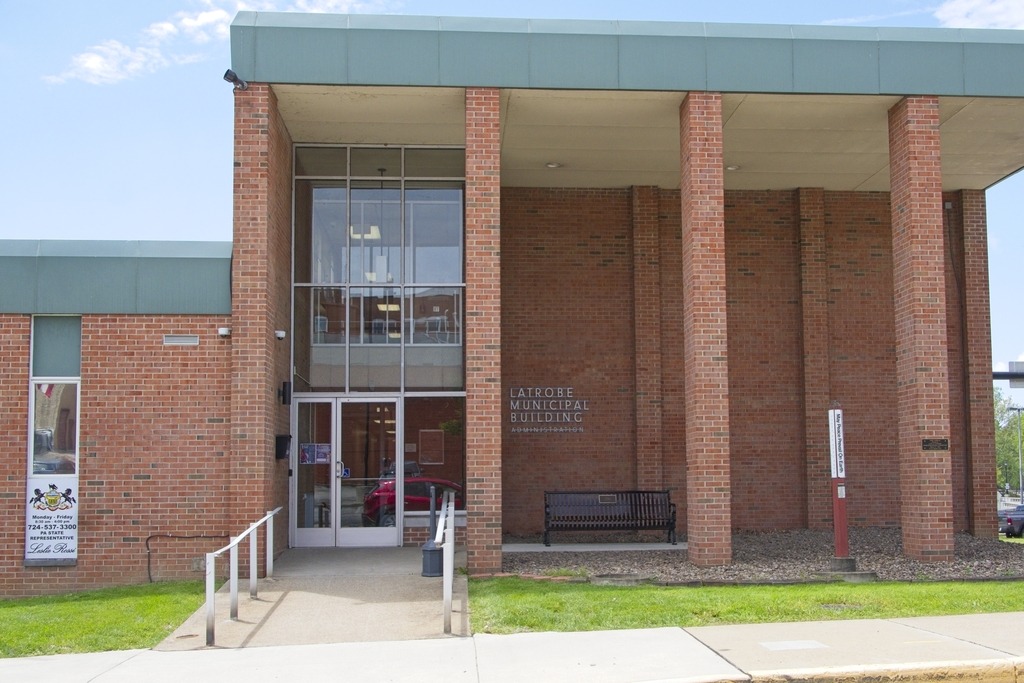
Latrobe is a city in Westmoreland County, with a population of 8,060 as of the 2020 census. Latrobe was incorporated as a borough in 1854, and as a city in 1999.
Latrobe is known as the home of the Latrobe Brewery, the original brewer of Rolling Rock beer. Latrobe was also the birthplace and childhood home of children’s television personality Fred Rogers and former professional golfer Arnold Palmer. The nearby airport is named after Palmer.
The banana split was invented in Latrobe by David Strickler in 1904. The city is also home to the training camp of the Pittsburgh Steelers. Latrobe was long recognized as the site of the first professional American football game in 1895 until research found an 1892 game with paid players.
The banana split is claimed to have been invented in 1904 in Latrobe by David Evans Strickler at the pharmacy that later became named Strickler’s Drug Store. In 2004, the National Ice Cream Retailers Association certified Latrobe as the birthplace of the banana split. The town holds an annual festival in honor of the dessert.


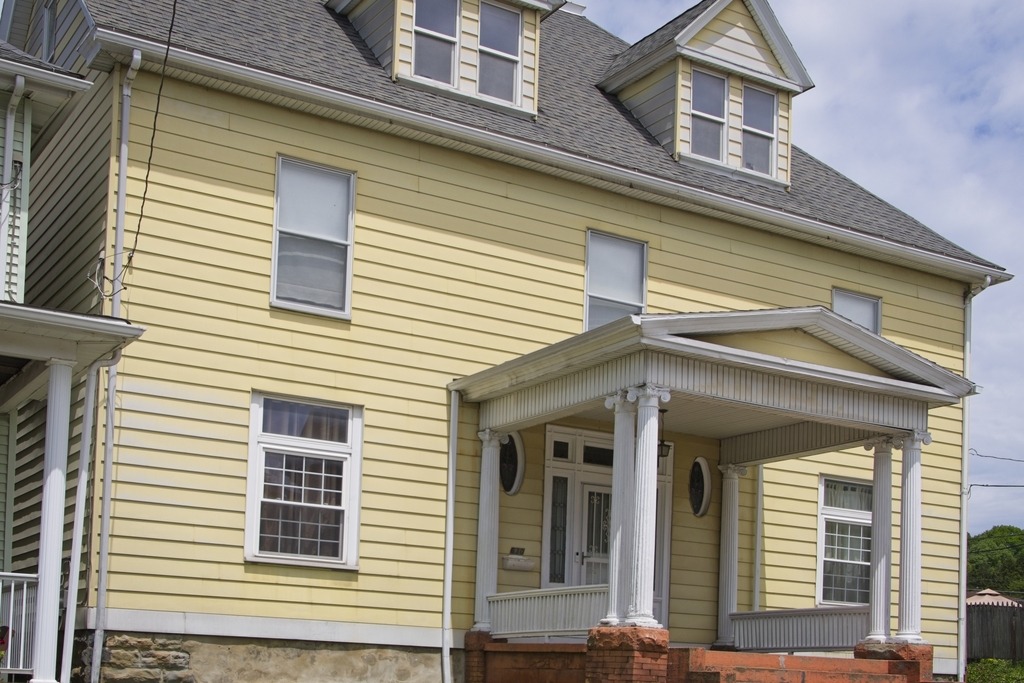

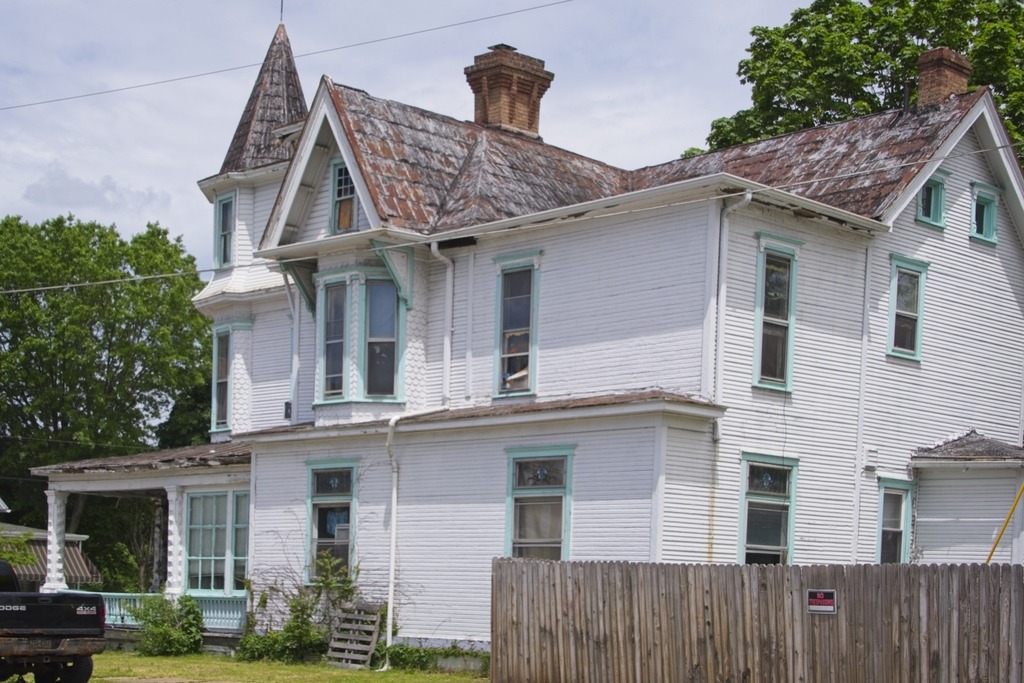
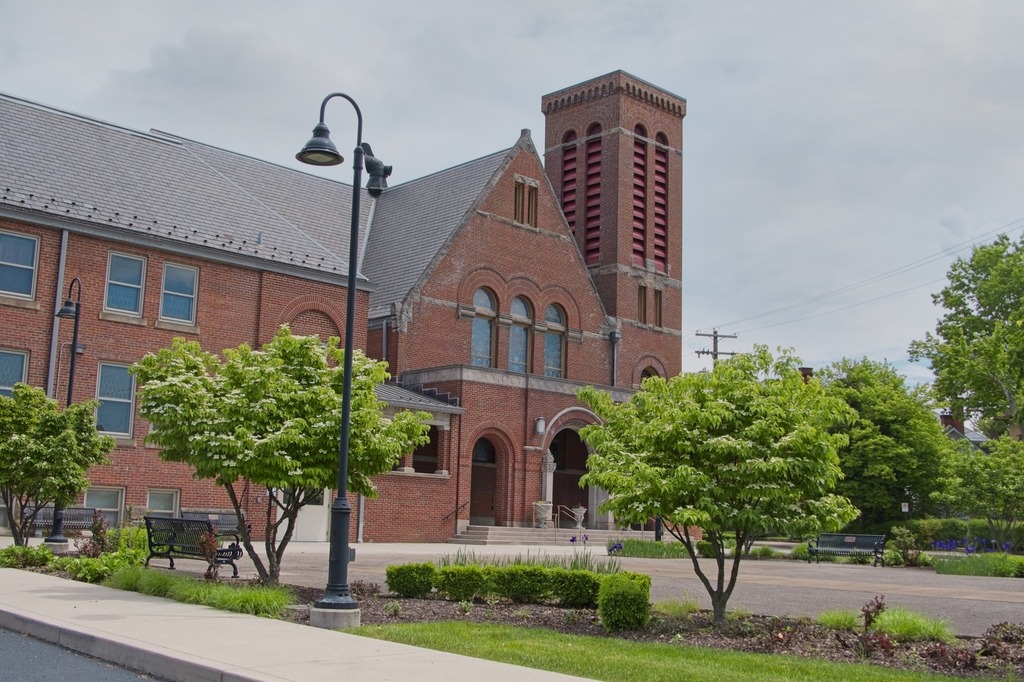
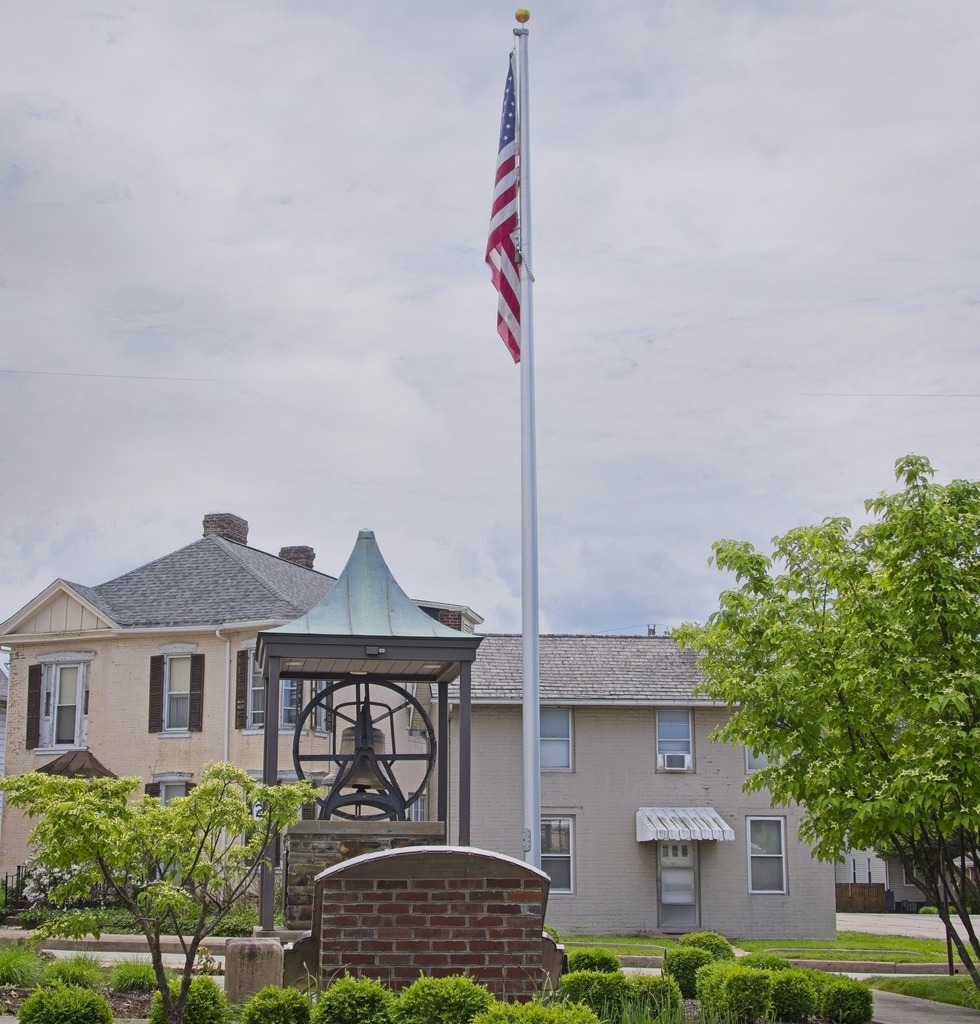

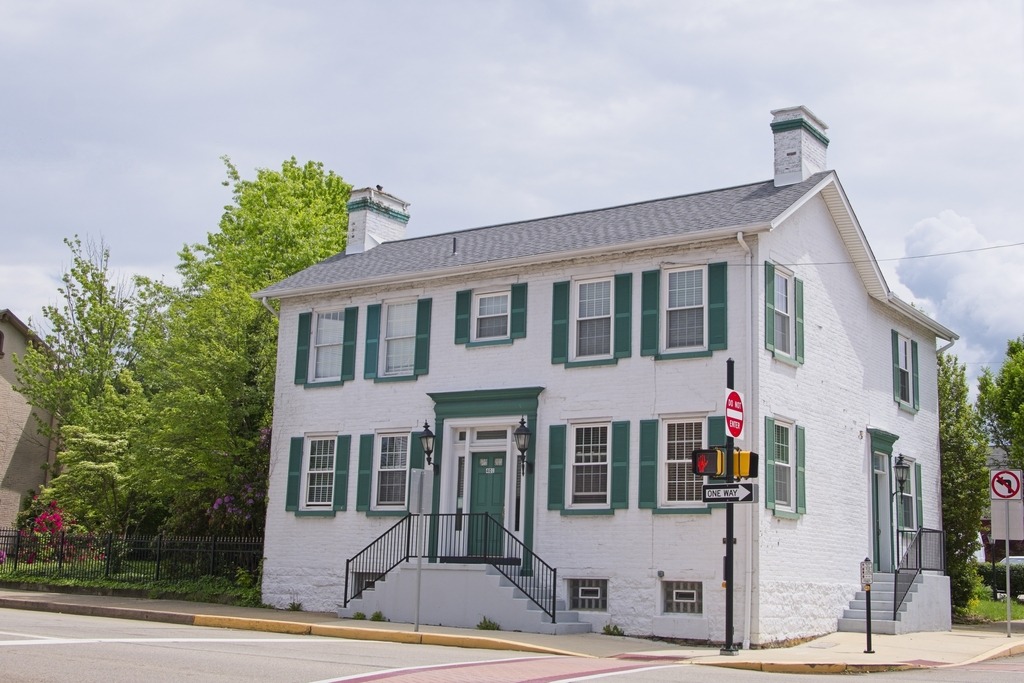
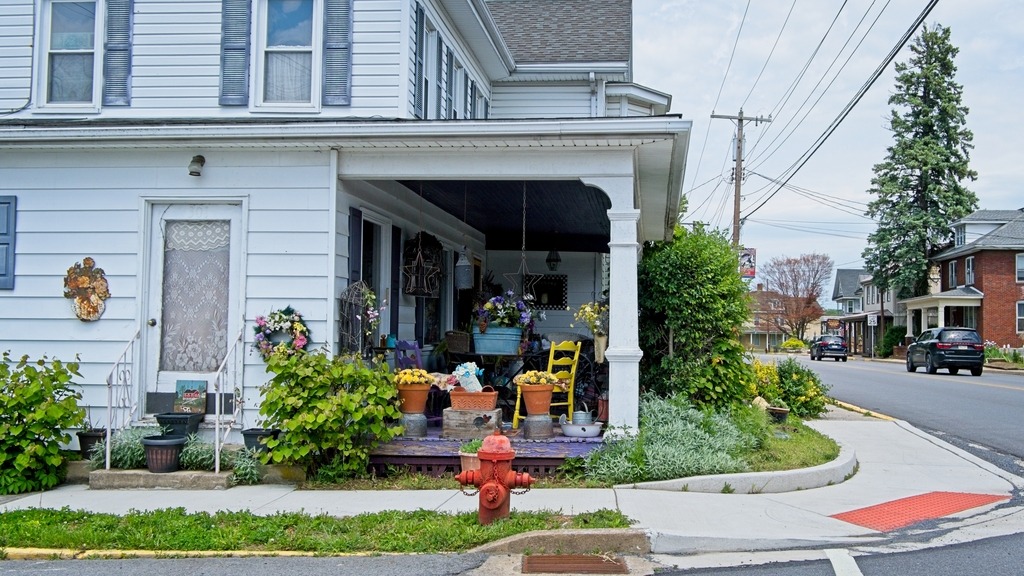
I made my way into Lycoming County back in September. Before we head there, here are some remaining shots of Sullivan County, featuring the town of Muncy Valley. This particular house, on a sharp turn on Route 42, is always decked out with lots of flowers, in season.


I travelled into Lycoming County on this trip because I specifically wanted to see Rose Valley Lake, which is known as a birding area. The lake is a reservoir that covers 389 acres (1.57 km2) in Gamble Township. The three-hundred-and-sixty-acre artificial lake is owned by the Commonwealth of Pennsylvania, and was given its name, “Rose Valley Lake,” in May 1973 by the Pennsylvania Fish Commission, following approval by the commonwealth’s Geographic Names Committee. Created by the Pennsylvania Fish Commission, via the construction of a twenty-five-foot-high, four-hundred-and-ten-foot-long earthen dam on Mill Creek in Lycoming County, Pennsylvania, Rose Valley Lake is a three-hundred-and-sixty-acre artificial body of water. The most common game species of fish in the lake are largemouth bass, bluegill, black crappie, muskellunge, yellow perch, chain pickerel, pumpkinseed and walleye.


Finally, the Lairdsville Covered Bridge is a wooden covered bridge over Little Muncy Creek in Moreland Township, Lycoming County. It was built in 1888 and placed on the National Register of Historic Places in 1980. It is also known as the Frazier Covered Bridge. The window with the exposed beams is a unique feature.


The annual weekend trip to Lake Naomi in the Poconos was blessed with lovely weather – and I got to extend it by a day. Here are some views of the lake.


Get ready – the upcoming posts contains a lot of covered bridges. We will also continue the two-per-week schedule of new posts.
I used the extended July Fourth holiday to take another trip to the Laurel Highlands. The trip started with an exit of the Pennsylvania Turnpike at Breezewood to see some covered bridges. The first stop of the trip was Jacksons Mill Covered Bridge, a wooden covered bridge located in Bedford County. It crosses Brush Creek and is a 91-foot-long (28 m), Burr Truss bridge, constructed in 1889. It is one of 15 historic covered bridges in Bedford County. The bridge was listed on the National Register of Historic Places in 1980.


Nearby is Feltons Mill Covered Bridge, which is another wooden covered bridge located in Bedford County. It is a 105-foot-long (32 m), Burr Truss bridge with a medium pitched gable roof, constructed in 1892. It also crosses Brush Creek. It was listed on the National Register of Historic Places in 1980.
I was not able to get a good photo of this bridge, as the entrance appears to be on private property. The access road had a rope across it and appears to terminate a short distance from the main road. The bridge might be viewable from the nearby main road bridge when the trees are not leafed out, However, this random haybale was sitting nearby, and you know I can’t resist a good haybale.

My drive around the Breezewood area also produced some other interesting sights, such as this interesting looking Church, with a very minimalist style.


