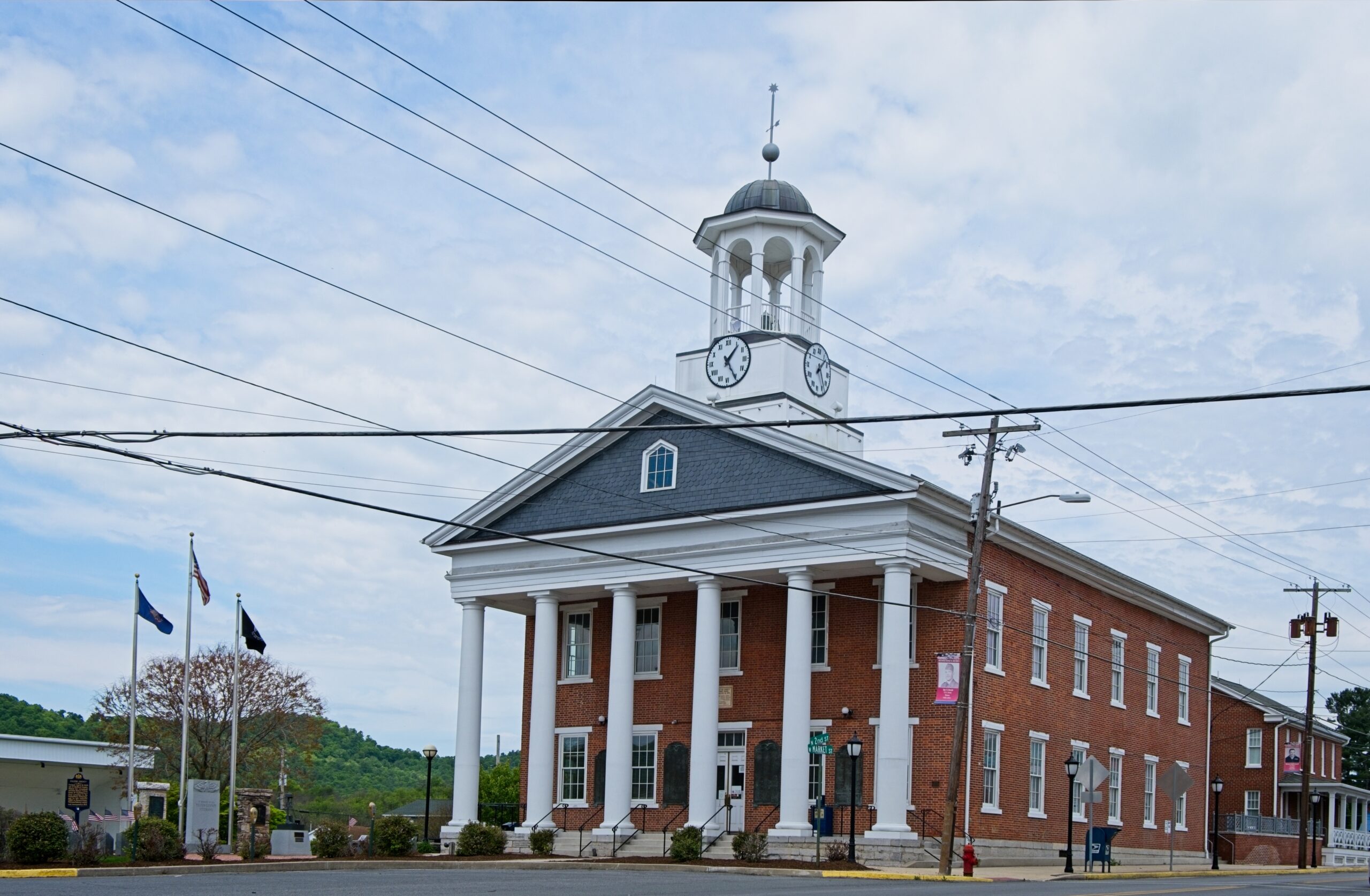
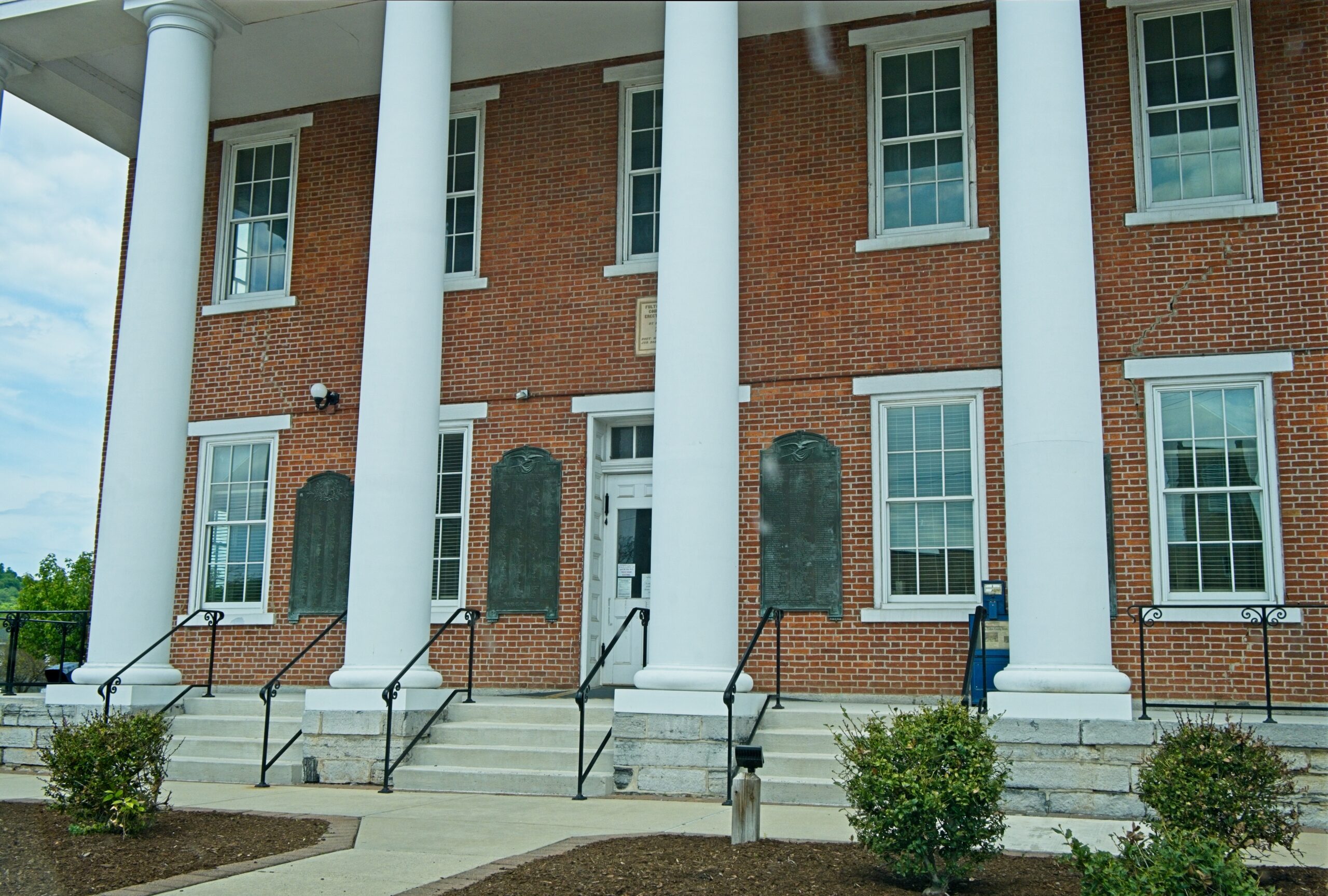
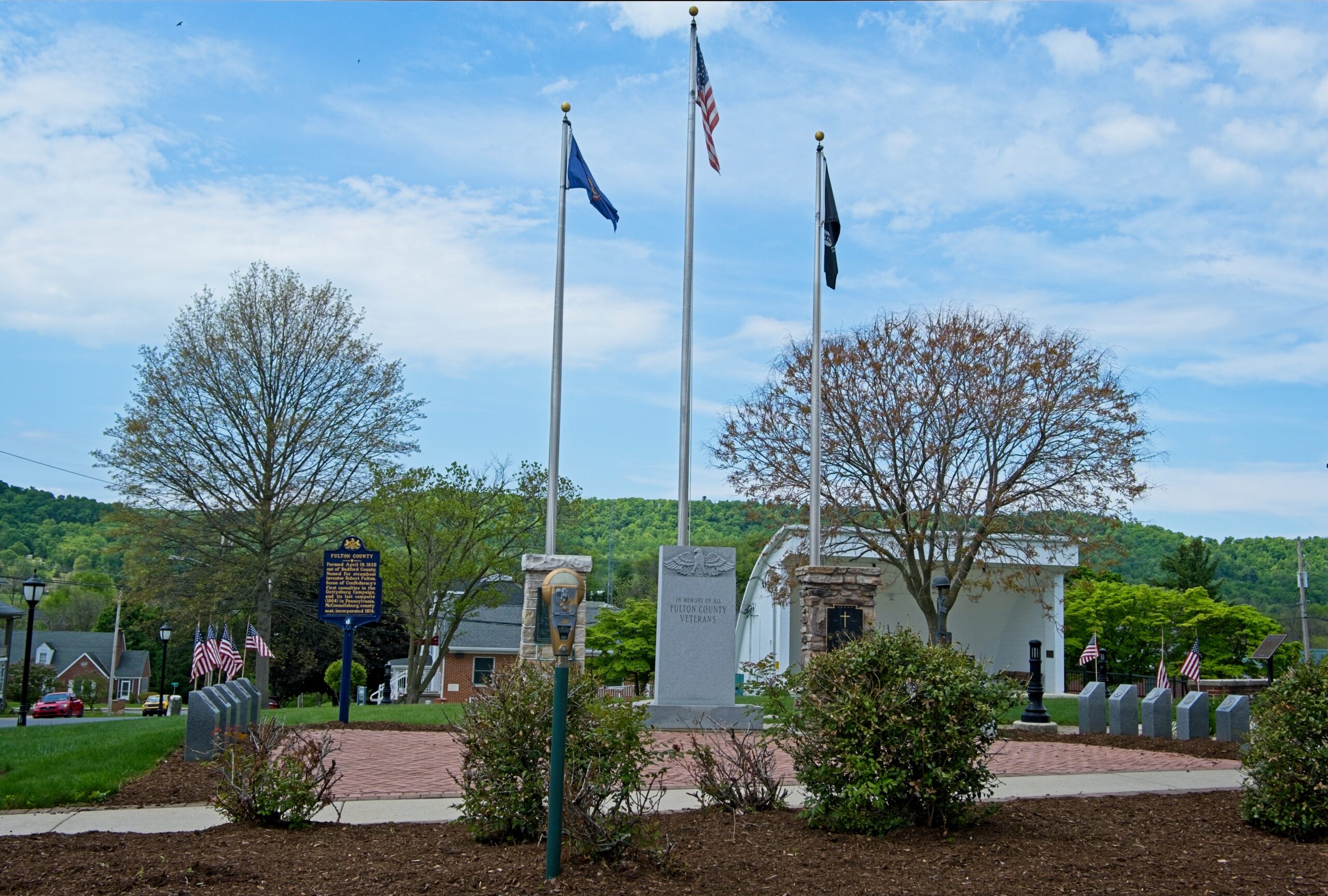
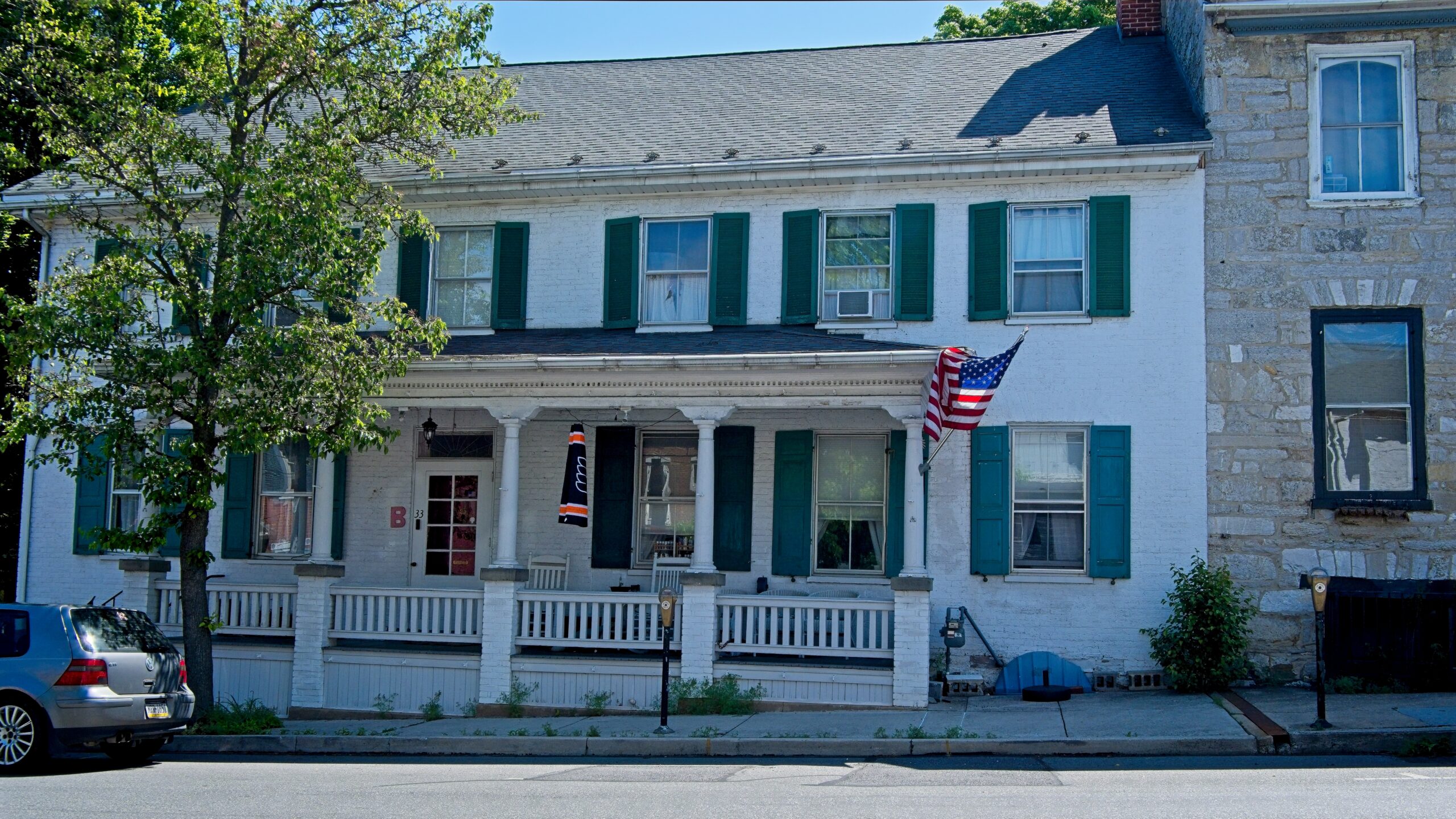
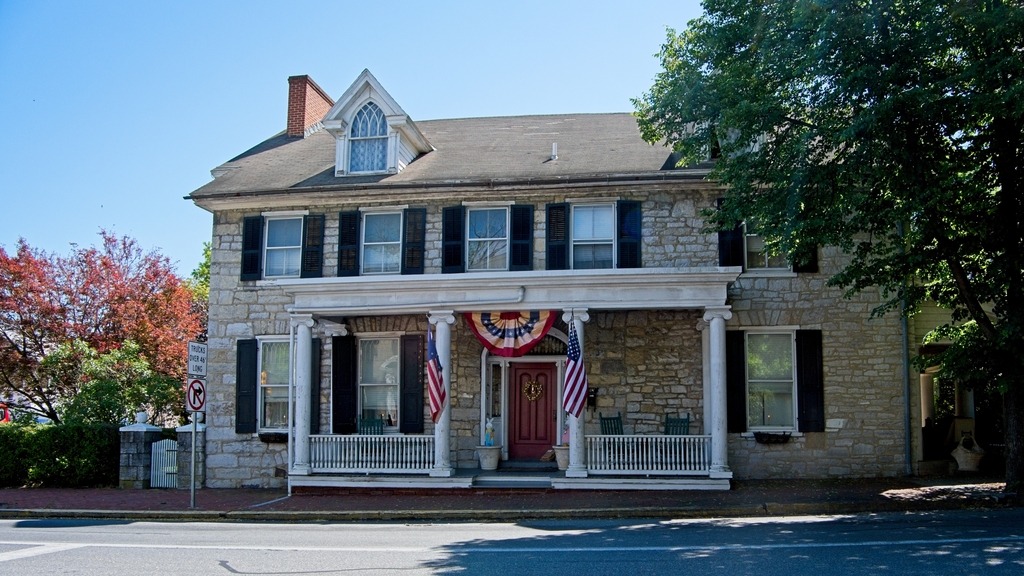
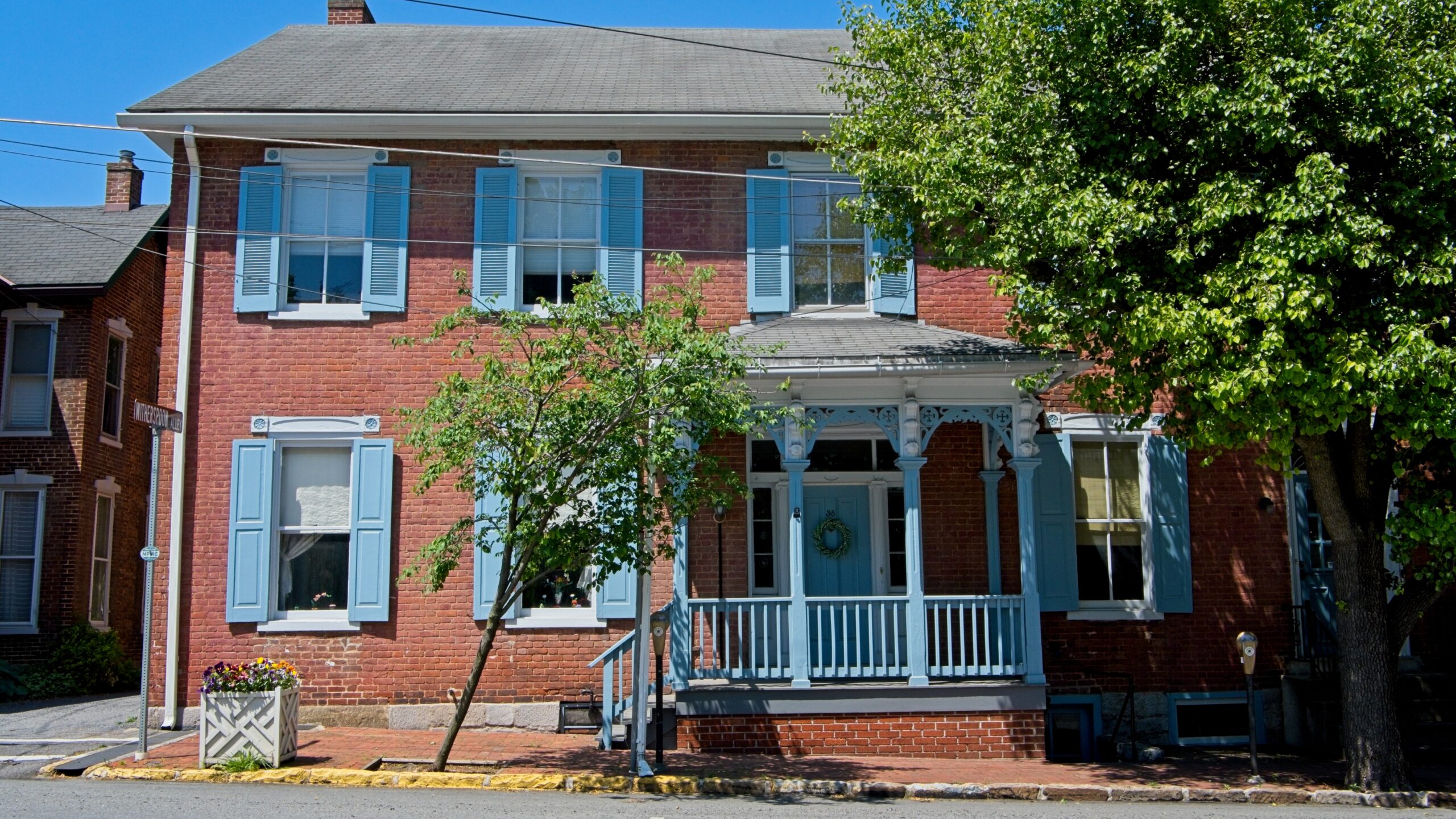
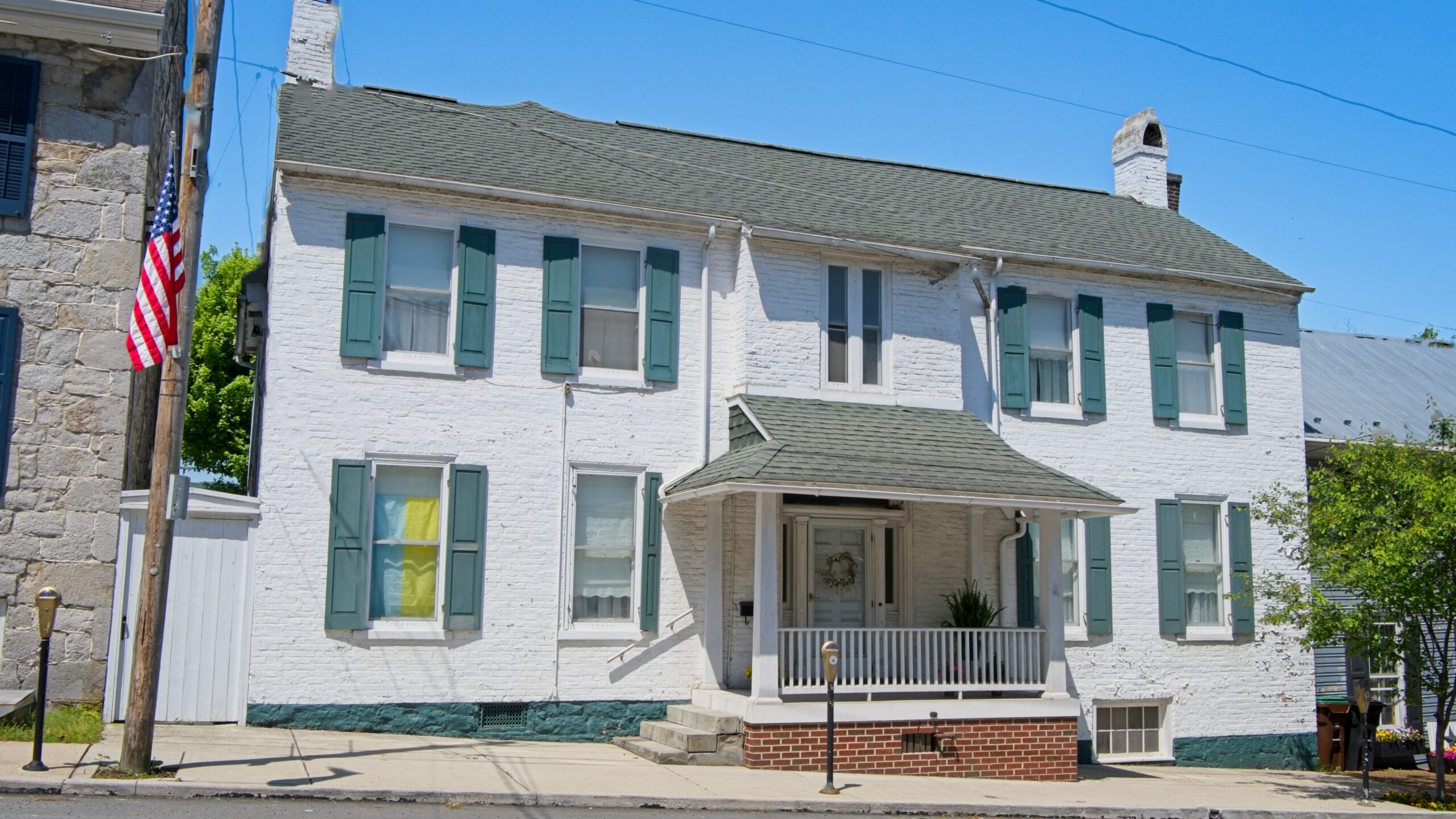
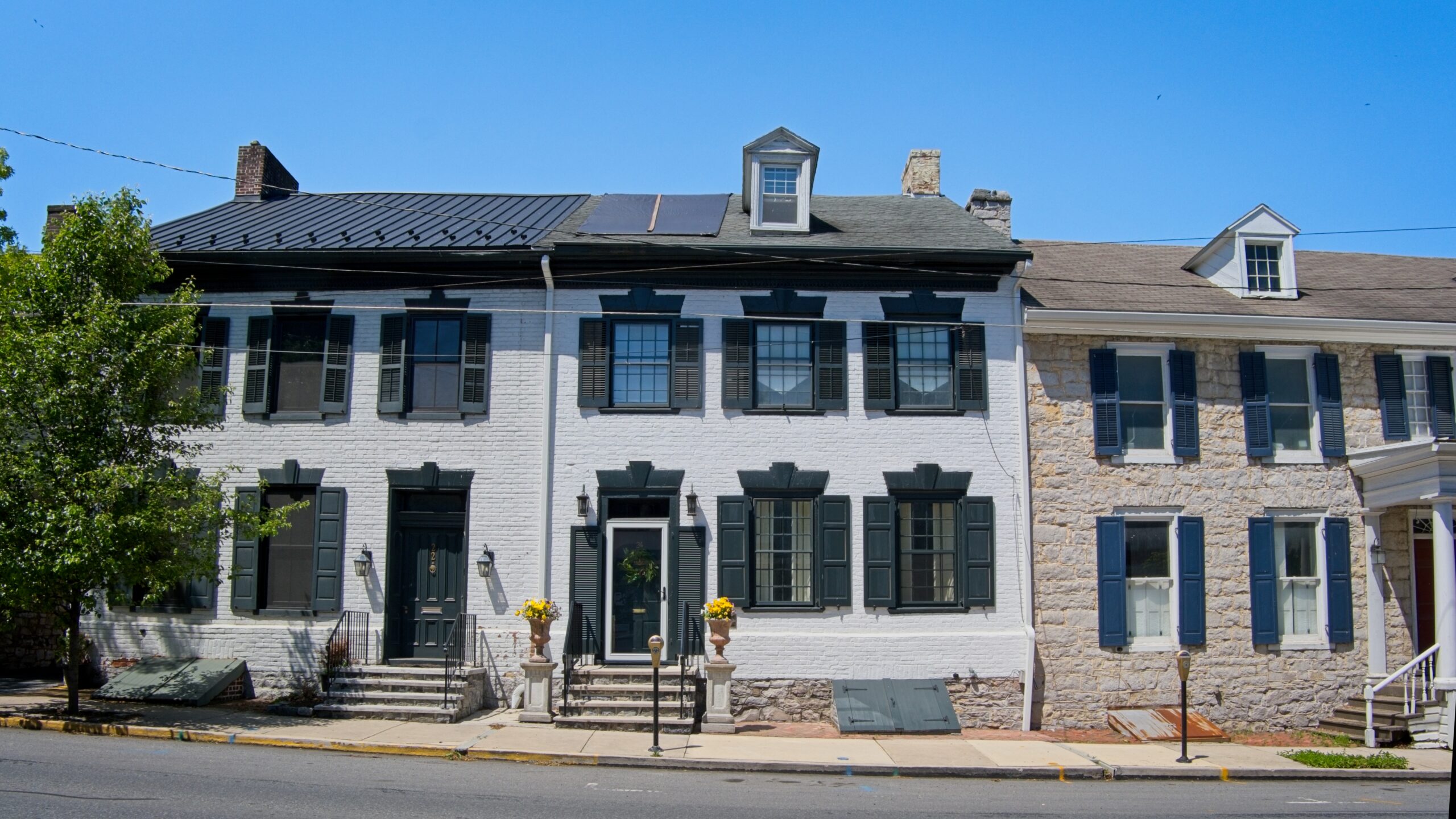
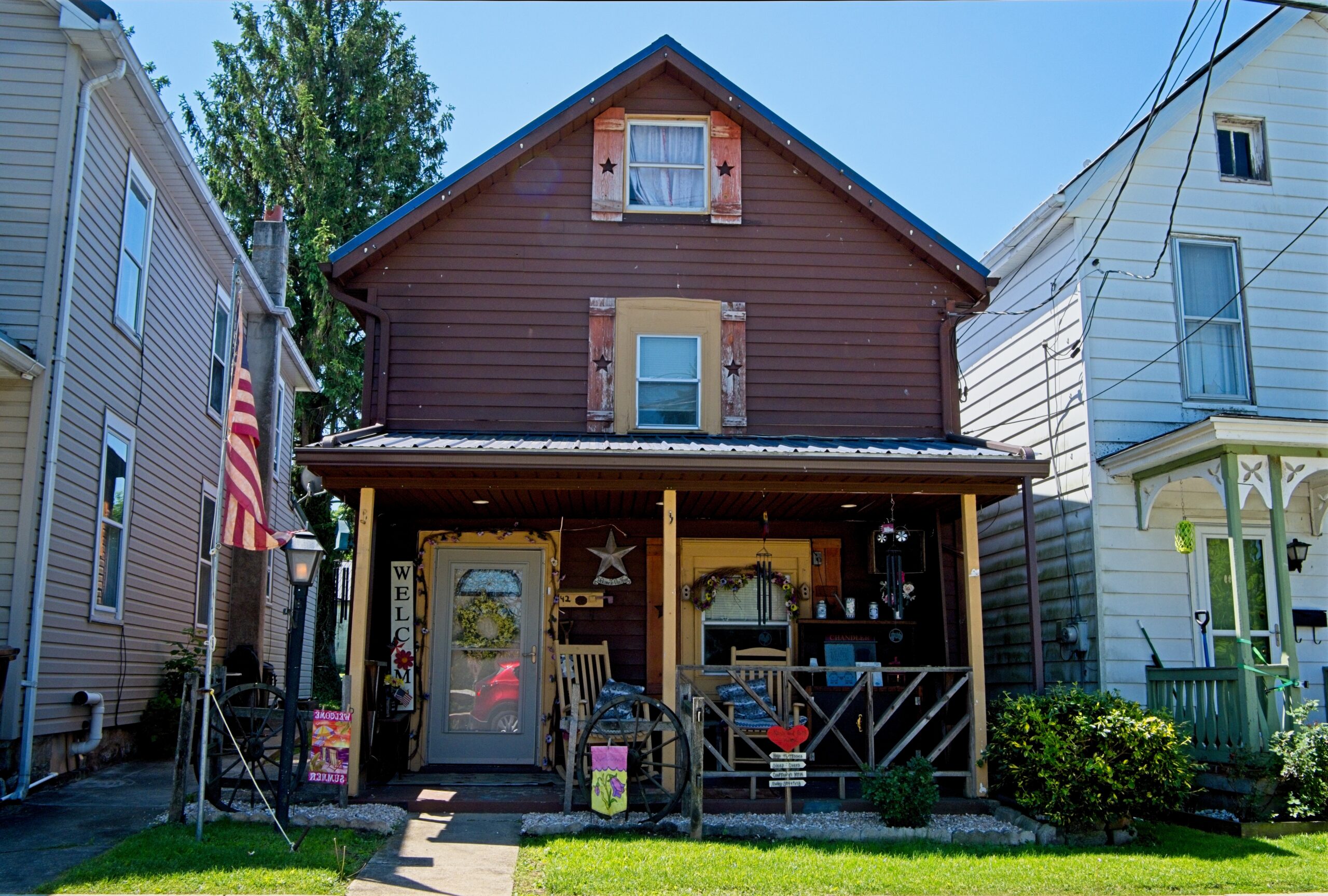
I took a drive into McConnellsburg, which is the county seat of Fulton County, The population was 1,150 at the time of the 2020 census. The McConnellsburg Historic District was recognized by the United States Department of the Interior in 1993 when it was listed in the National Register of Historic Places. The district consists of 144 structures that contribute to its historic character. Of note are the numerous taverns, inns, automotive garages and other travel-related structures still in existence today, which includes the Fulton House, the Fulton County Courthouse, and the log cabin of Daniel McConnell, who laid out the borough on April 20, 1786 (which was further incorporated on March 26, 1814).
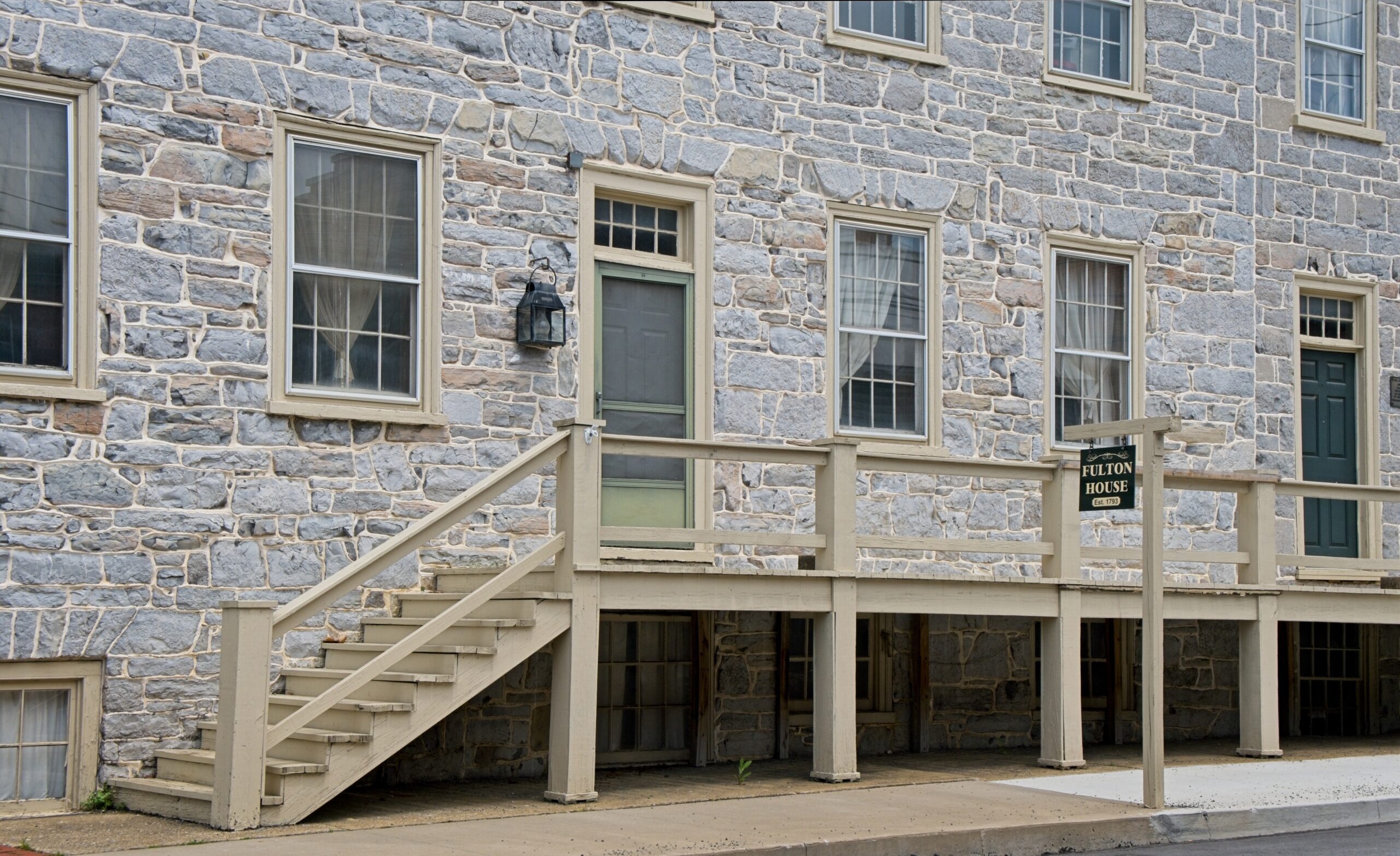
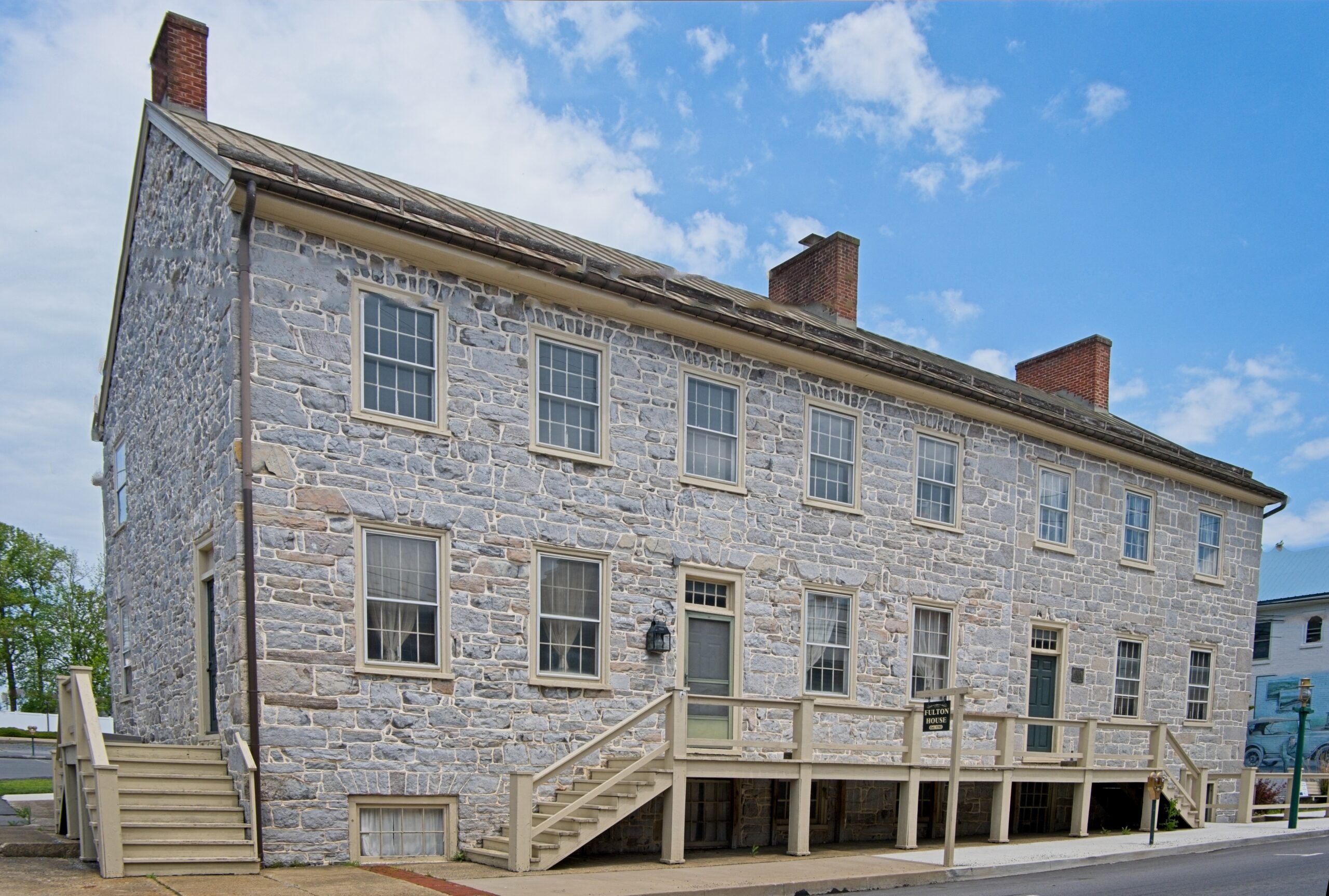
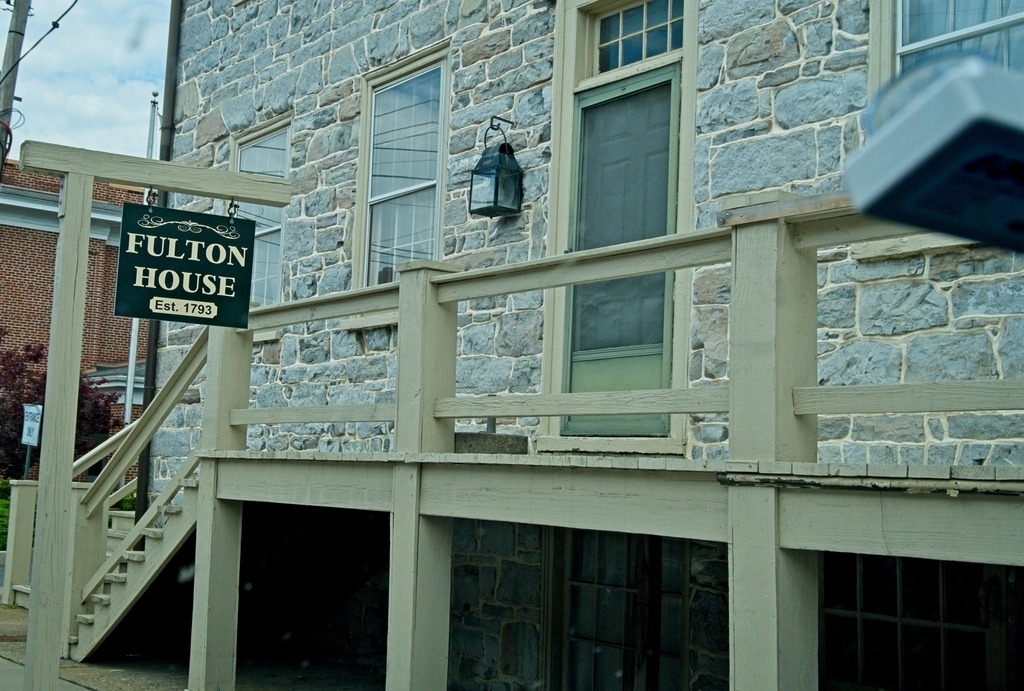
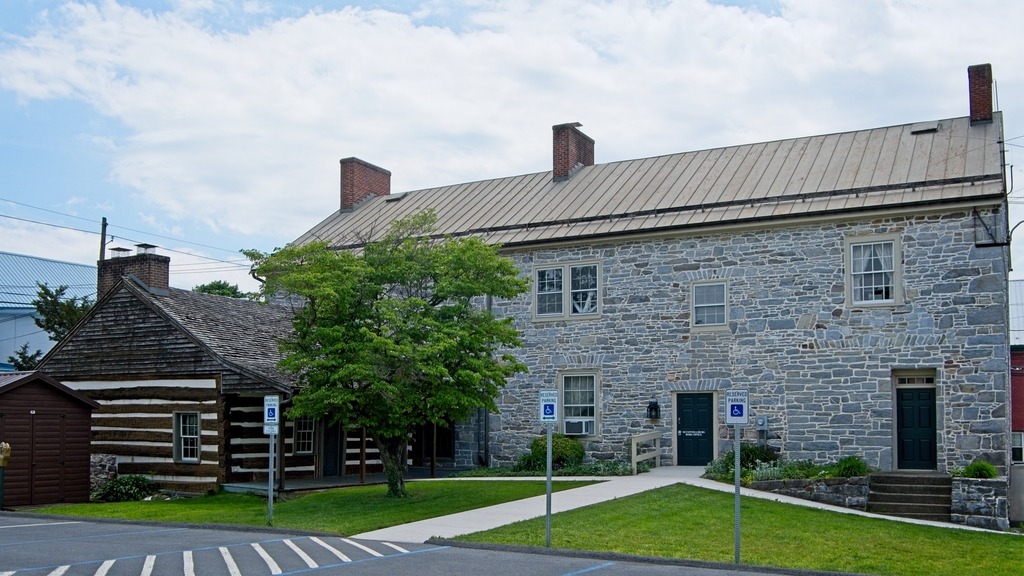
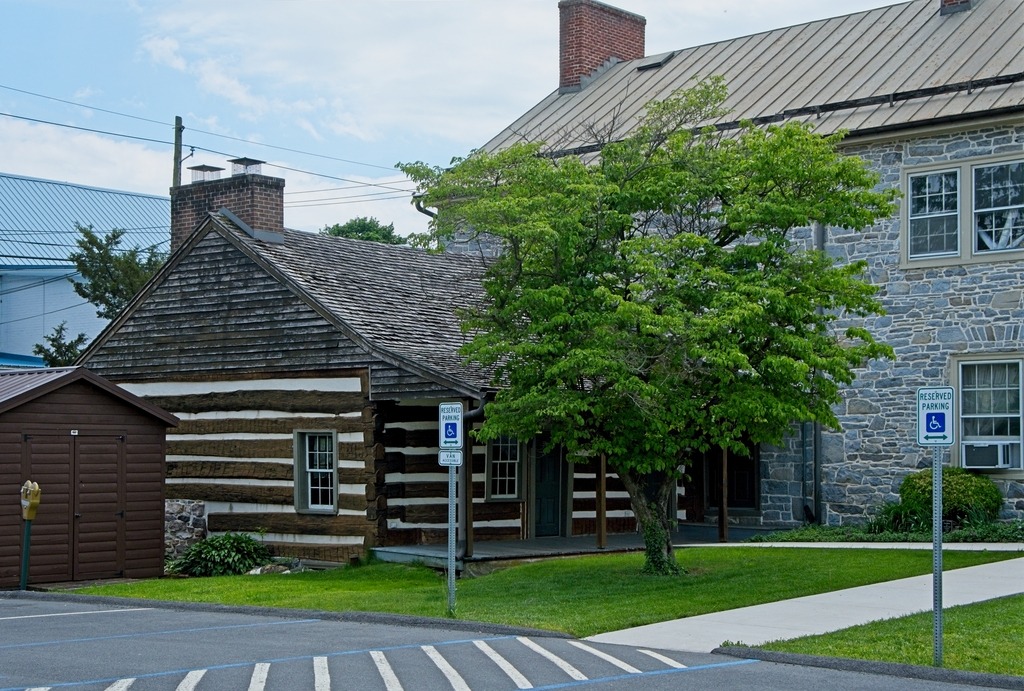
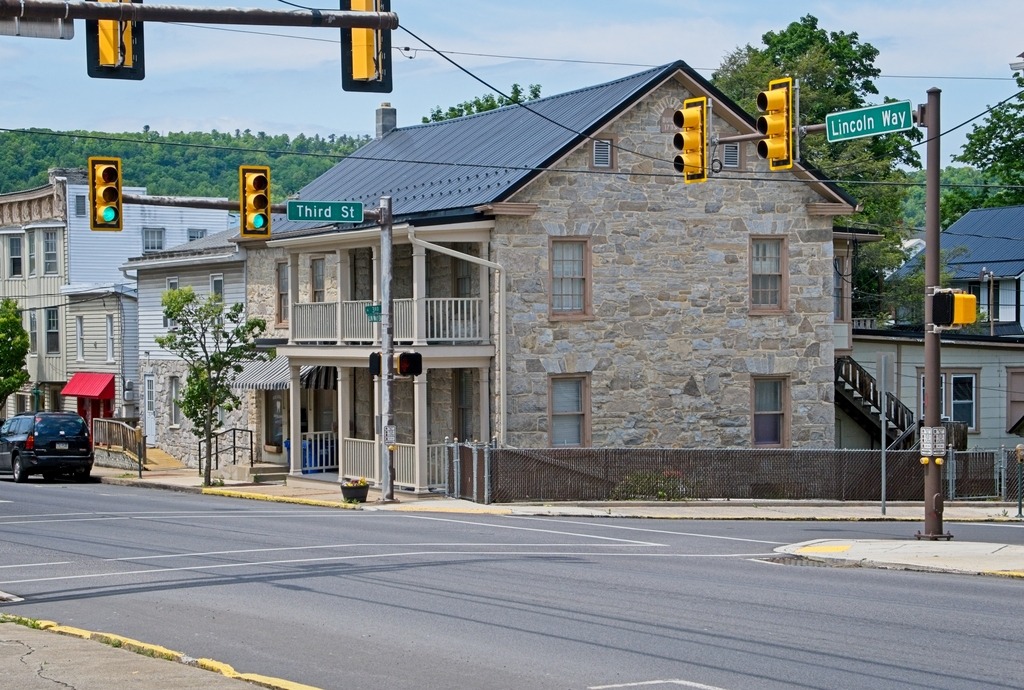
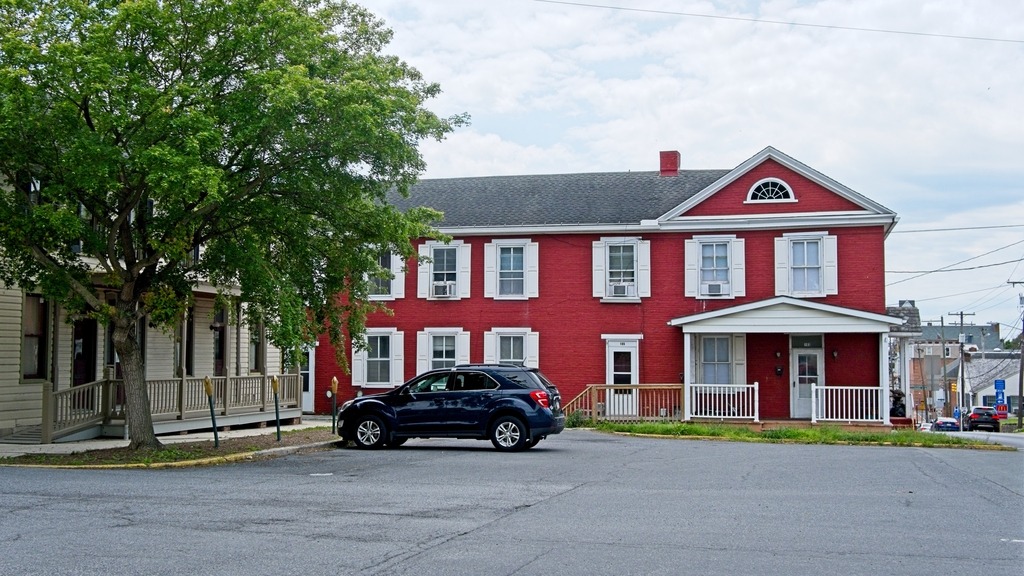
The Fulton House, located at 112-114 Lincoln Way East, was built in 1793 as an inn and tavern and was expanded in 1820. It was constructed by the town founder, Daniel McConnell, and was a major stop for travelers headed west. It has hosted noted people (including presidents), was involved in two incursions of the confederacy, and nearly burned to the ground in 1944. It was later restored and and purchased by the Borough of McConnellsburg. The original log cabin kitchen was built circa 1770 and was later restored. The museum shows furnishings, tools, utensils, and decorative items relating to the cultural and material heritage of Fulton County from the 18th, 19th, and 20th centuries.
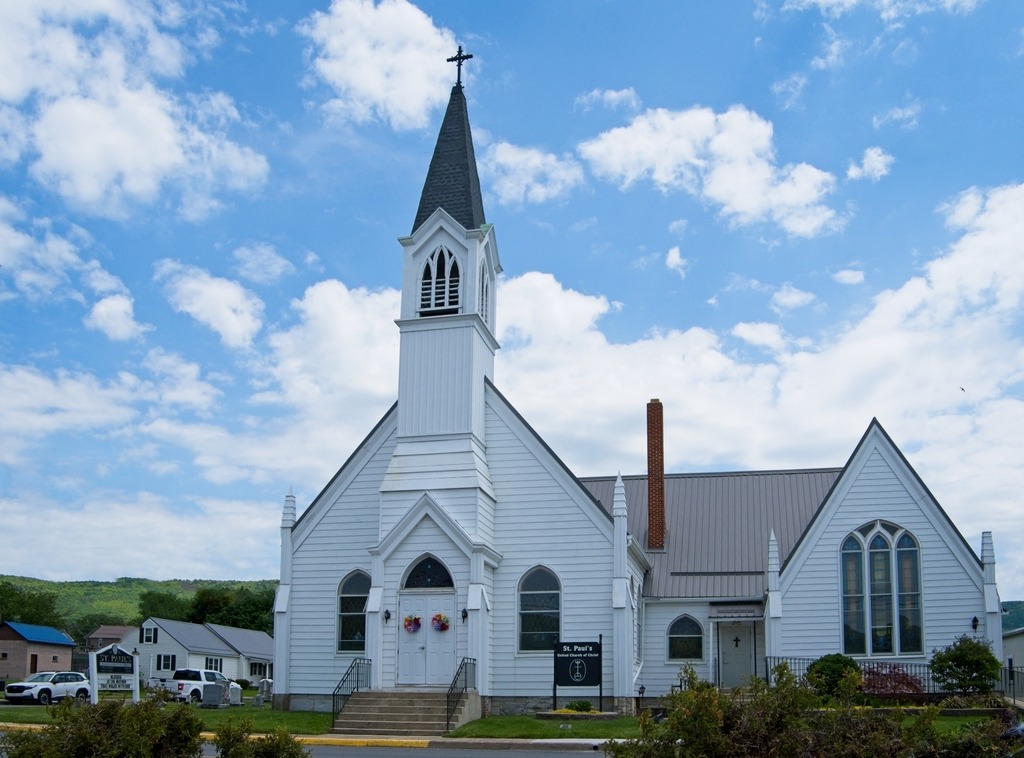
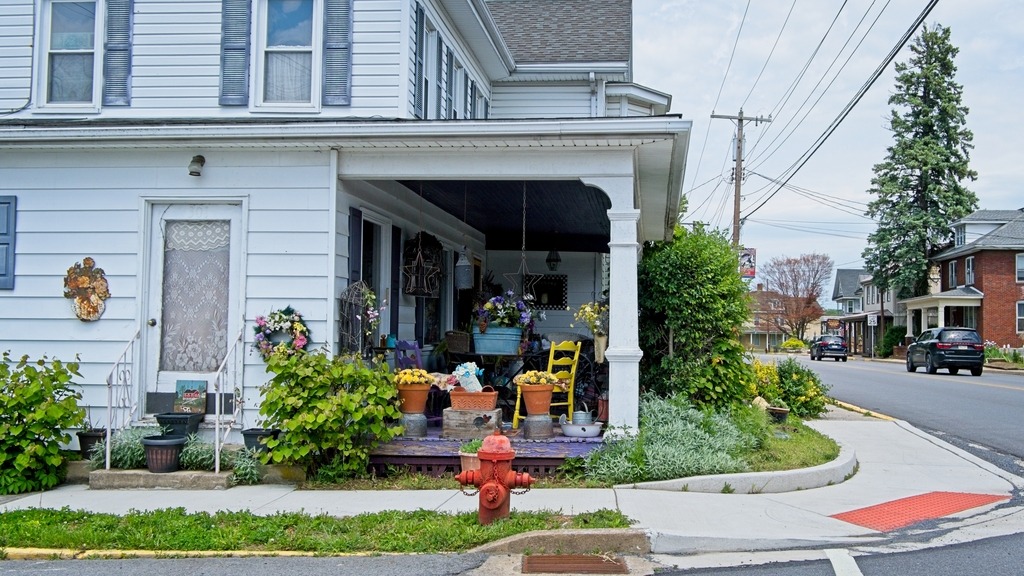
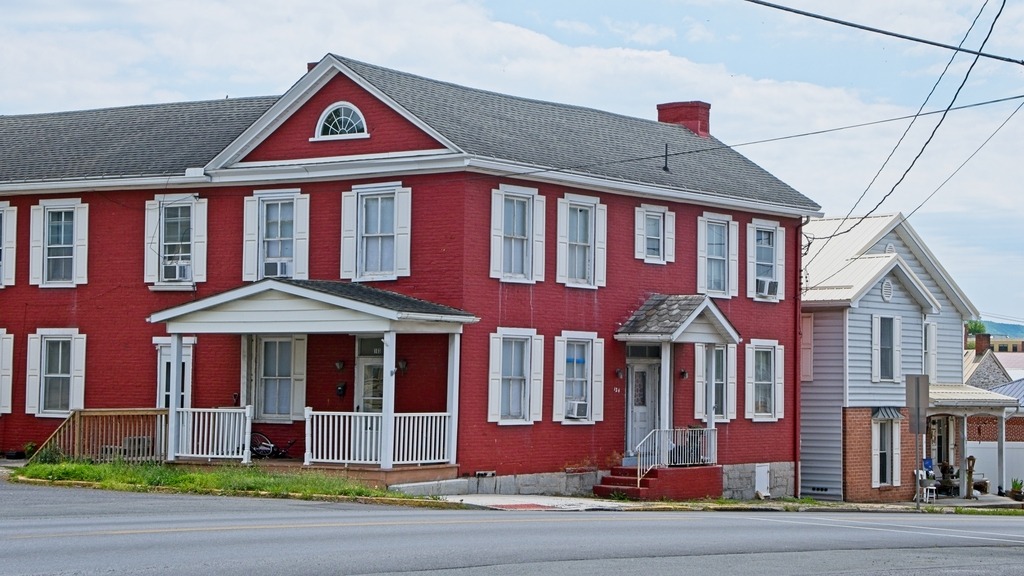
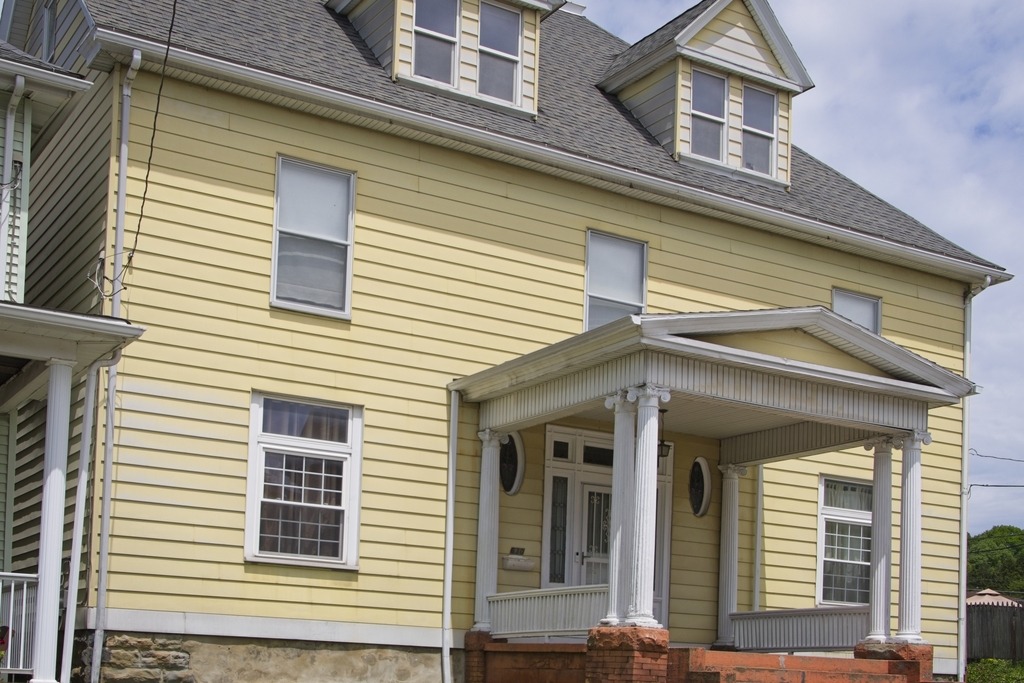
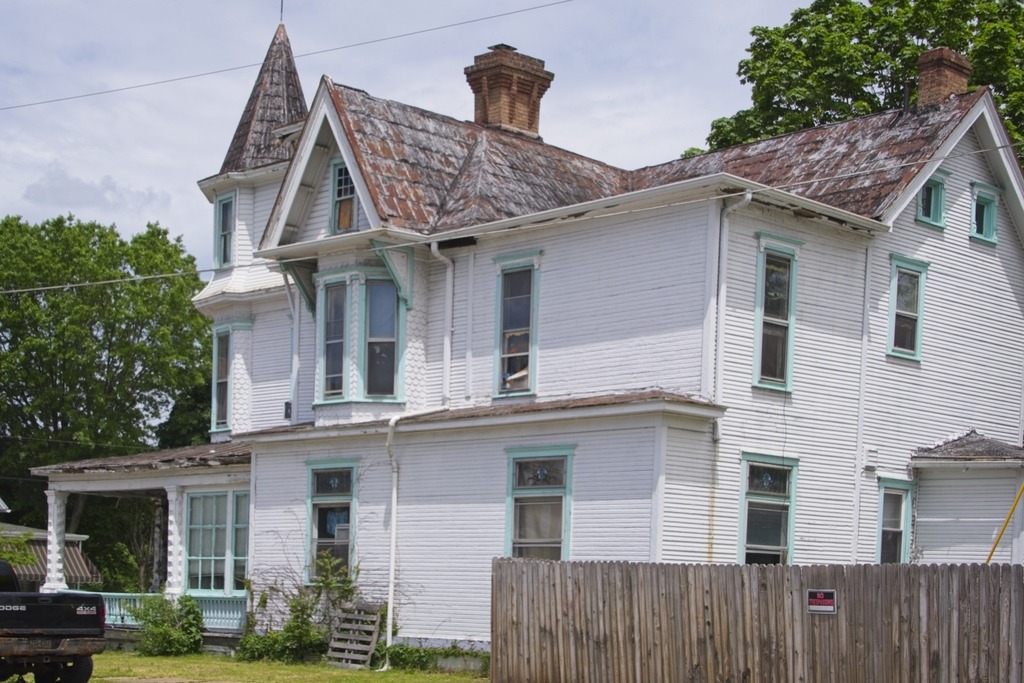
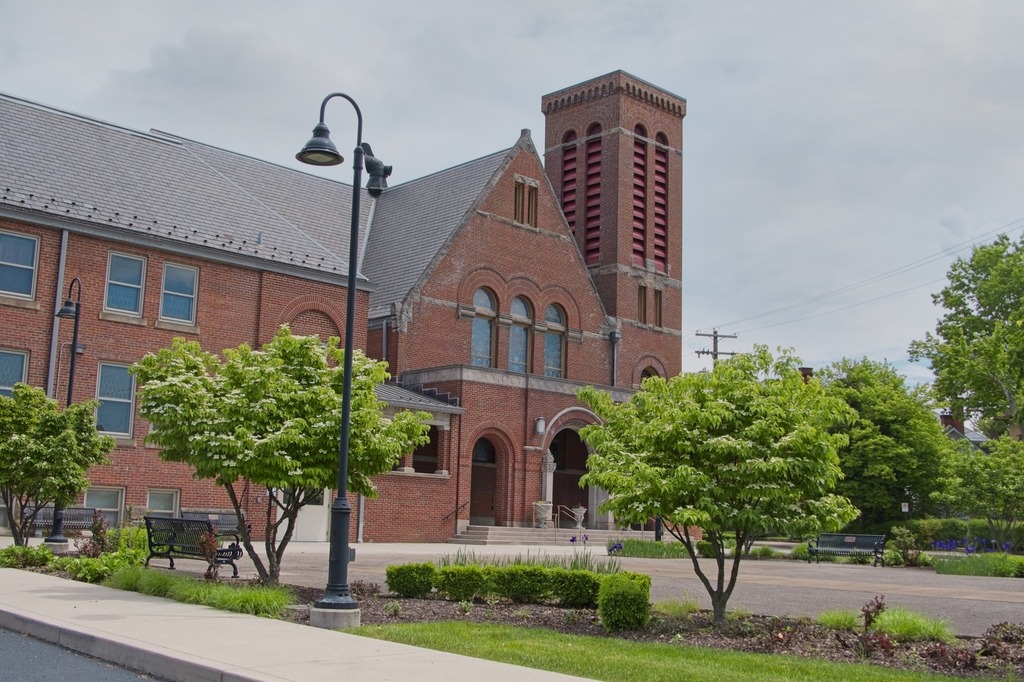
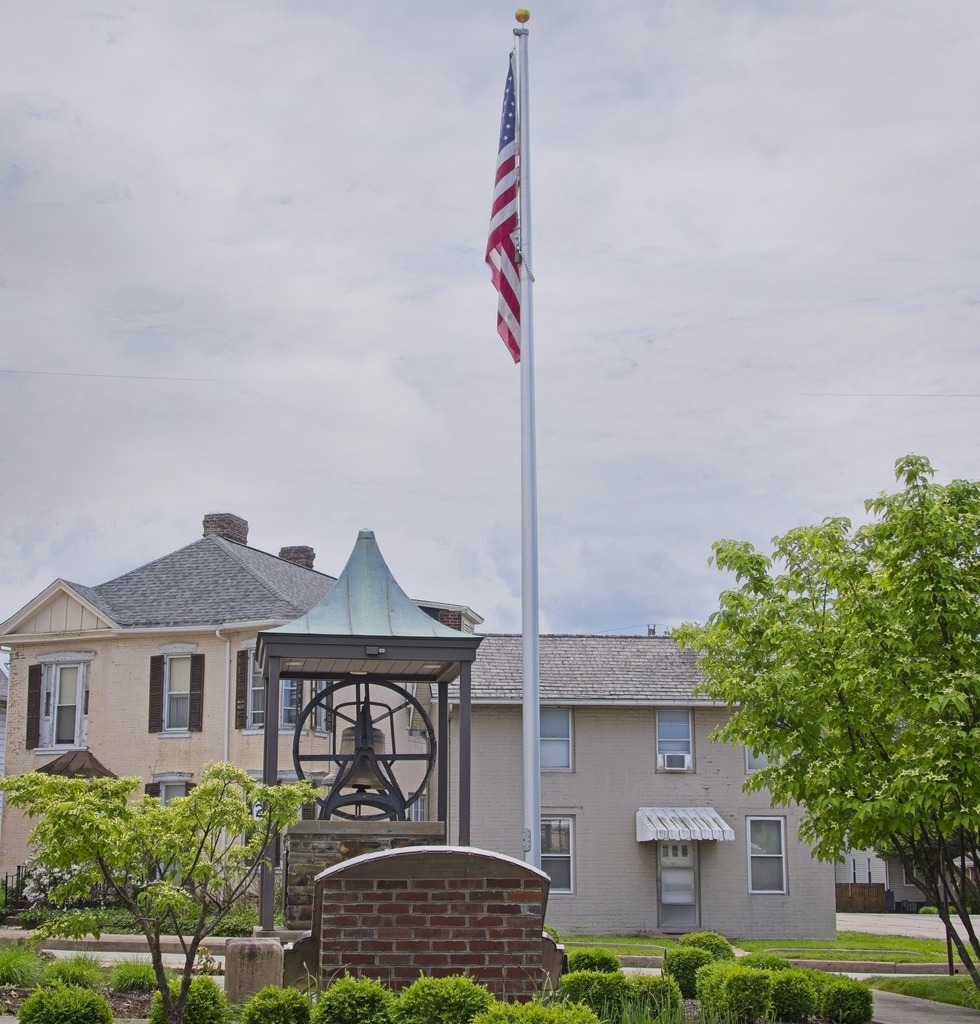
The Fulton HouseThe log cabinThe Agnew House, one of the first stores in McConnellsburg.St. Paul’sThe Fulton County CiourthouseMcConnell ParkSome brightly painted buildings near the courthouse.
Mercersburg is a borough in Franklin County that is 72 miles (116 km) southwest of Harrisburg. As of the 2020 census, Mercersburg had a population of 1,507. The land currently known as Mercersburg was previously territory of the Massawomeck people who were part of the Iroquois Nation.
Due to its location in a rural area, it had a relatively large percentage of African-American workers who had been enslaved from the Revolution. It was called “Black Town” in the early 19th century before incorporation under its current name. Refugee African Americans escaping from slavery in the South also settled here, and the area was known as “Little Africa”.
Mercersburg was platted in 1780. The borough was named after Hugh Mercer, a general and hero in the American Revolutionary War. A post office has been in operation at Mercersburg since 1812.
Located near the southern border of Pennsylvania, the rural community became a place of refuge during the antebellum years for escaped African Americans who had been enslaved in the South. Some came to the area via the Underground Railroad. After the American Revolution, Pennsylvania had abolished slavery. In this area were communities of free African Americans who had worked in agriculture. It was relatively easy for refugees to join their communities after passing over the border of Maryland. In later years, black people moved away from here as they were at risk from slavecatchers, especially after passage of the Fugitive Slave Act in 1850, which had more stringent rules against free states. Many African Americans moved to Philadelphia, which had a large and free black community, which helped new arrivals get settled.
The Mercersburg Historic District, Lane House, and Mercersburg Academy are listed on the National Register of Historic Places.
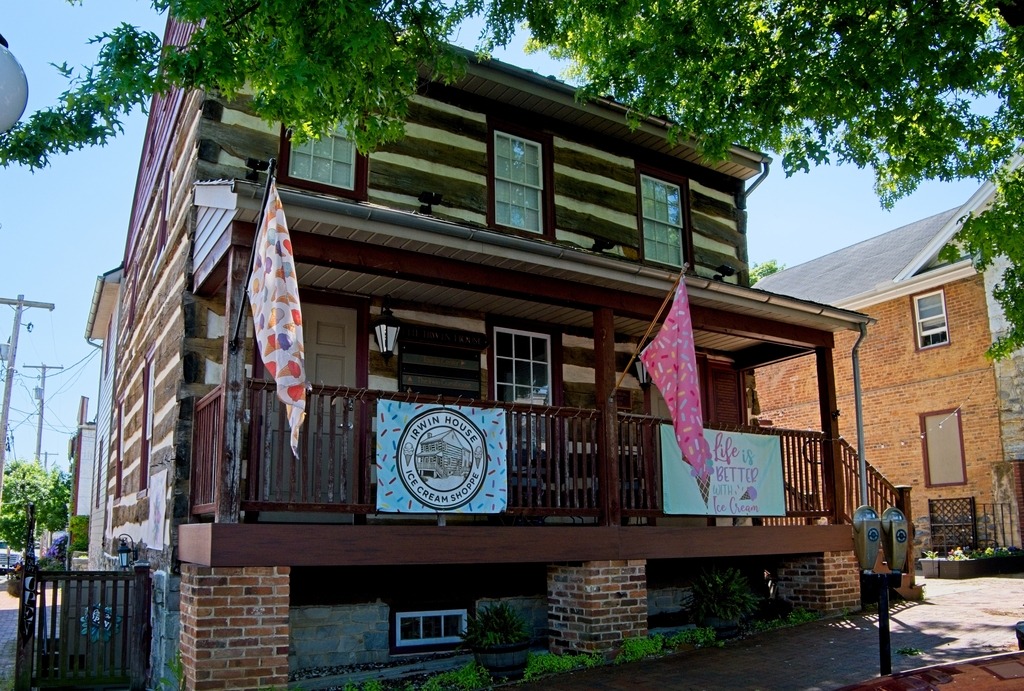
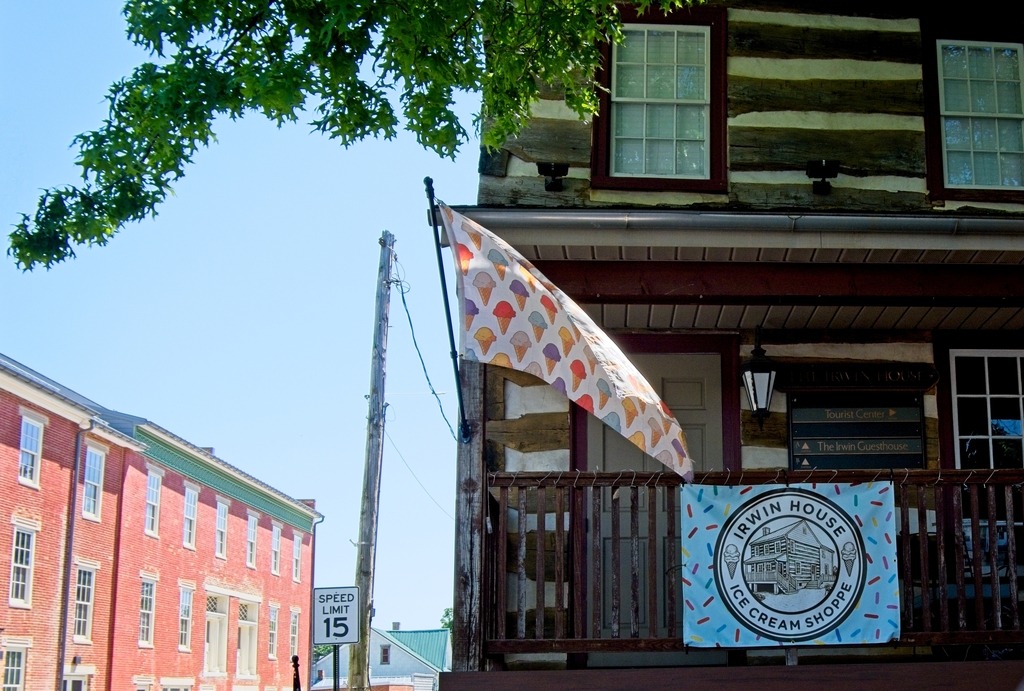
The Irwin House
On September 26, 2003, this corner property was destroyed by fire exposing this log house built in 1791-1792 by Archibald Irwin. Irwin’s granddaughter Jane married William Henry Harrison, Jr., and served as First Lady when her father-in-law, William Henry Harrison, Sr., was elected 9th President of the United States. Irwin’s granddaughter Elizabeth married John Scott Harrison and became the mother of Benjamin Harrison, who served as 23rd President of the United States.
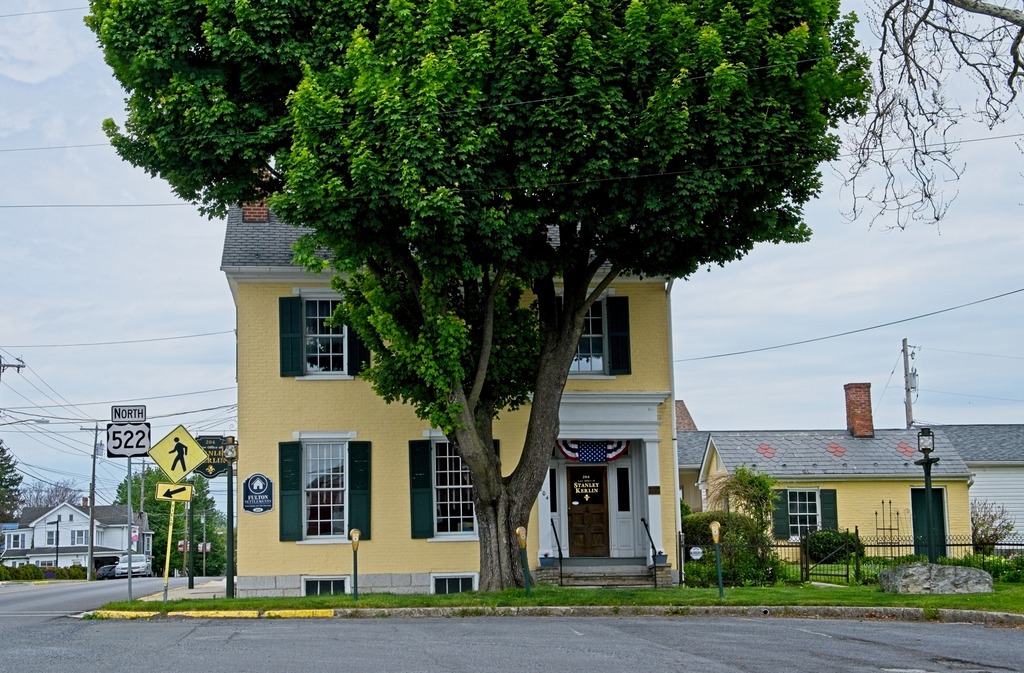
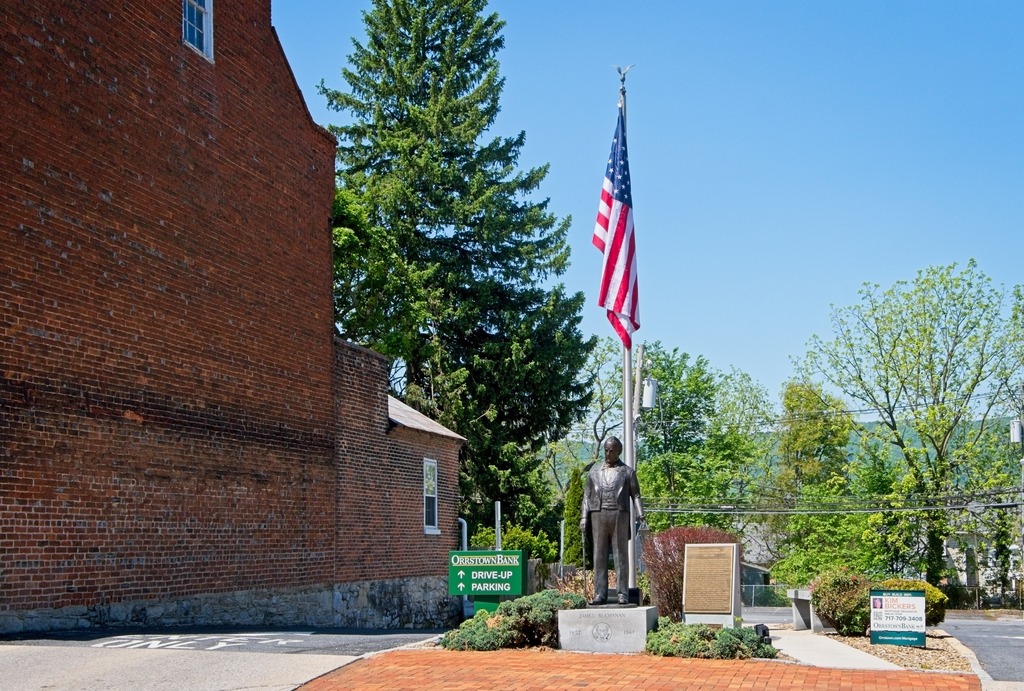
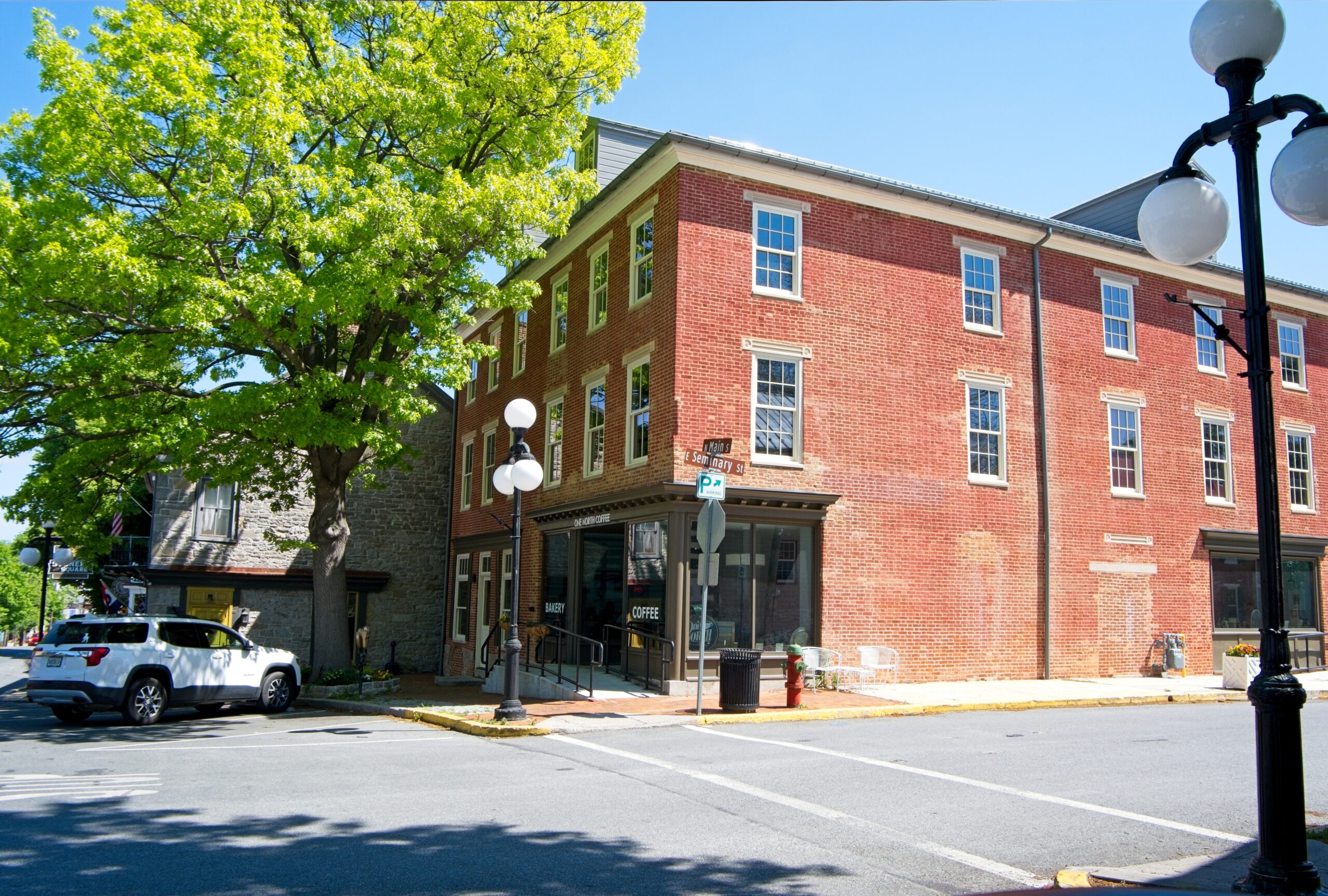
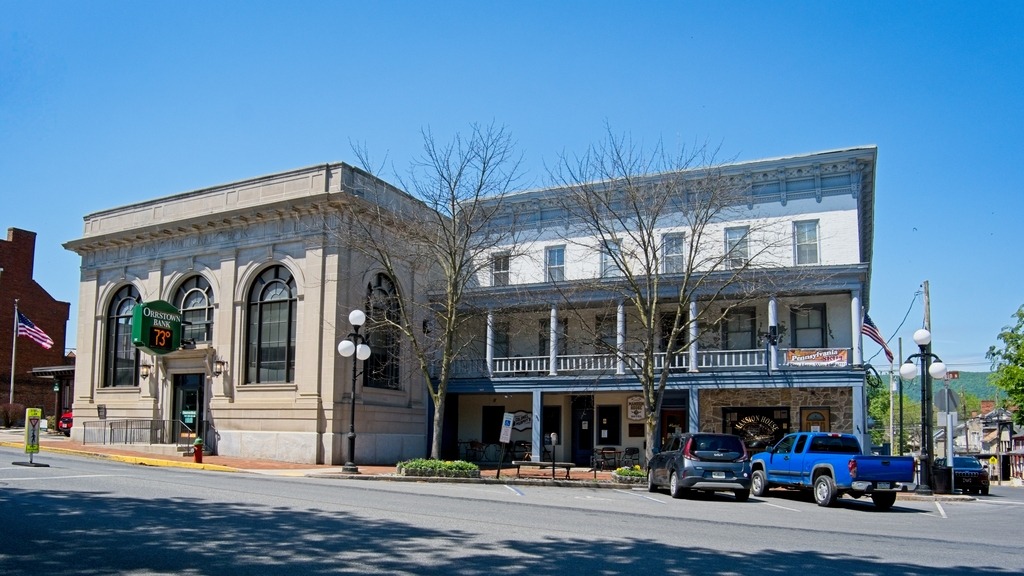
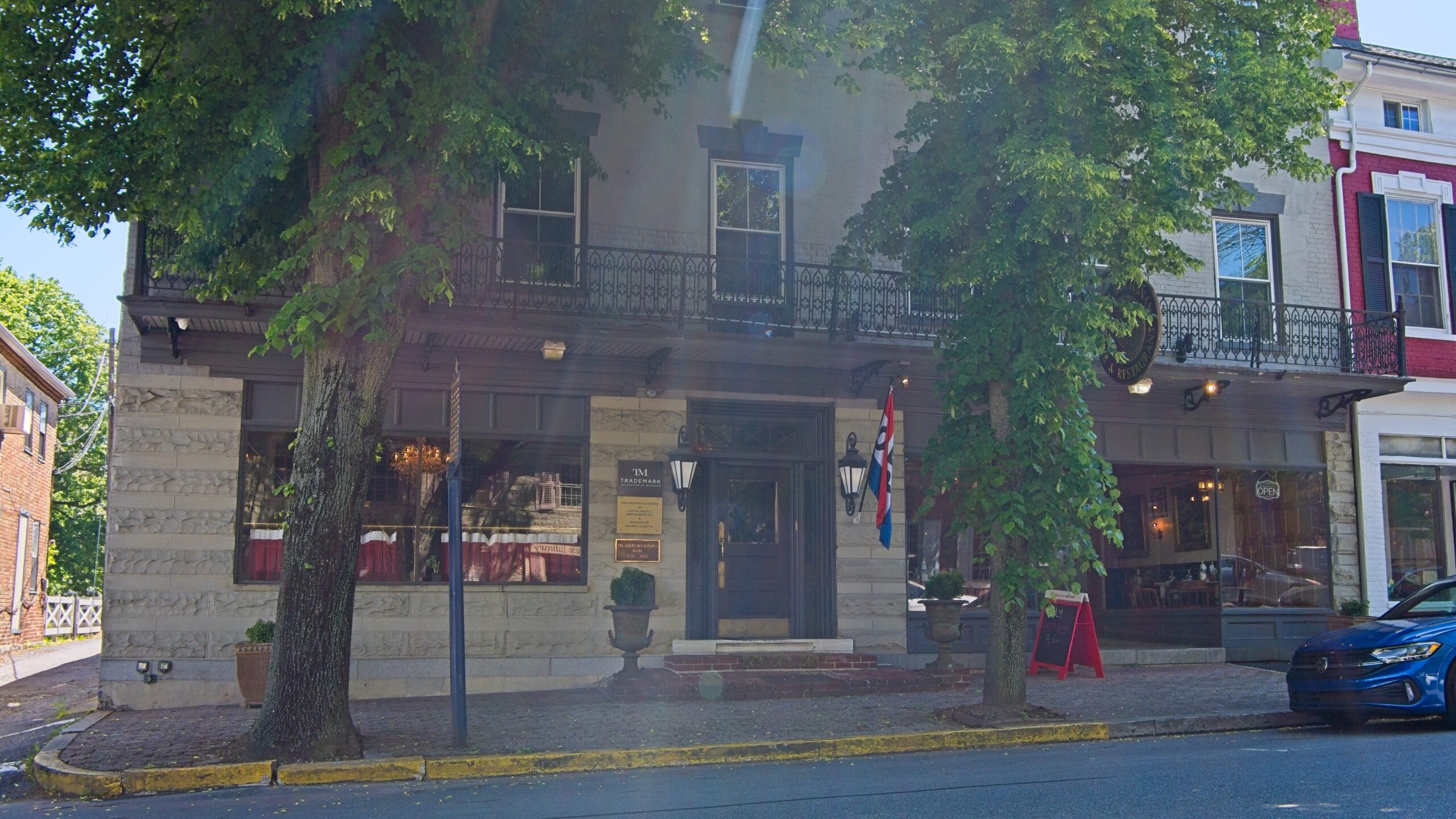
The statue if James Buchanan.Stoner’s Mansion HouseMany beautiful older properties around town.
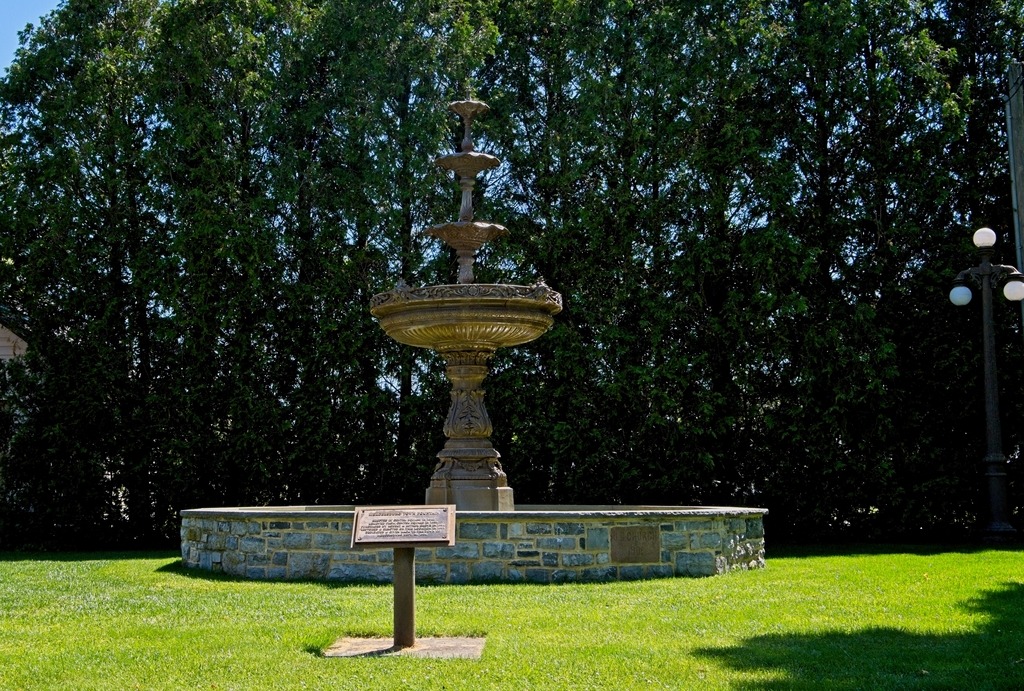
The Mercersburg Fountain is a beloved historical icon, originally placed in Center Square (The Diamond) in 1916. In 1915, the Woman’s Club of Mercersburg (now the Women’s Club) successfully raised money to install a fountain instead of a grass plot. The fountain stood in the Square until it was removed in 1959. After being lost for decades, it was purchased from an antique collector in 1991, restored, and rededicated to the Borough in 1994, finding a new home on North Fayette Street.
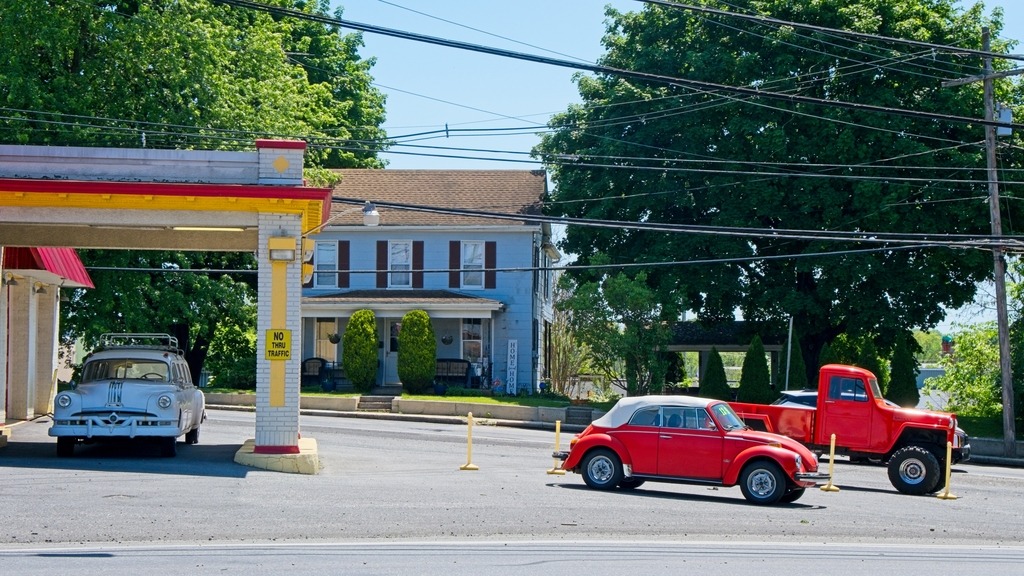
Probably the most interesting used car dealer I’ve ever seen.
The town of Wateville sits near the confluence of Pine and Little Pine Creeks in Lycoming County. It is a popular jumping off point for exploring the Pine Creek Valley and the Pine Creek Rail Trail, with a restaurant, bar, hotel and a convenience store with a gas station.
The Pine Creek Rail Trail and one of its iron bridges.This home looks like a former Church and is a popular photo subject.The Waterville Hotel still provides lodging and has a restaurant and bar.
Up Route 44 from the town is the Tiadaghton Forest District Office. It is a large building with exhibits and the grounds are scenic. Though most of Tiadaghton State Forest’s 146,539 acres reside in Lycoming County, some tracts extend into Tioga County, Potter County, Clinton County and Union County. Tiadaghton’s forest features high-country flats bisected by clean, fast-moving mountain streams, including Pine Creek and Slate Run. It is one of eight state forests located in the Pennsylvania Wilds region.
Laughlintown is located in Ligonier Township, Westmoreland County. It is located on U.S. Route 30, 3 miles southeast of Ligonier.
The town is named after Robert Laughlin. The Compass Inn, which is listed on the National Register of Historic Places, is located here, as are the Rolling Rock Club and The Washington Furnace Inn. However, I think for many the notable landmark is this bakery:
I couldn’t resist buying some pie and baklava here. Both were delicious. The menu also includes pizza and sandwiches. Across the street is the Compass Inn property. The Inn is a historic inn and tavern. It is a 2 1/2-story, five bay log and stone building in a vernacular Georgian style. The original section was built in 1799, and it is three bays wide. The two bay stone section was added in the 1820s. A clapboarded frame section was added in 1862. It was restored in 1970, and operated as a local history museum. The property includes a rebuilt barn and blacksmith shop.
The barn.The Compass Inn. Double barn stars on the adjacent property.
Many forestry district offices seem to be in out of the way locations. This one is right on Route 30 in Laughlintown. They are great stops for maps and information.
Latrobe is a city in Westmoreland County, with a population of 8,060 as of the 2020 census. Latrobe was incorporated as a borough in 1854, and as a city in 1999.
Latrobe is known as the home of the Latrobe Brewery, the original brewer of Rolling Rock beer. Latrobe was also the birthplace and childhood home of children’s television personality Fred Rogers and former professional golfer Arnold Palmer. The nearby airport is named after Palmer.
The banana split was invented in Latrobe by David Strickler in 1904. The city is also home to the training camp of the Pittsburgh Steelers. Latrobe was long recognized as the site of the first professional American football game in 1895 until research found an 1892 game with paid players.
The banana split is claimed to have been invented in 1904 in Latrobe by David Evans Strickler at the pharmacy that later became named Strickler’s Drug Store. In 2004, the National Ice Cream Retailers Association certified Latrobe as the birthplace of the banana split. The town holds an annual festival in honor of the dessert.
The train station, listed on the National Register of Historic Places.Latrobe Presbyterian Church.
The town of Ligonier makes a great homebase or stopover for food or drinks when exploring the Laurel Highlands. I stopped by during my recent trip to the area for some lunch and to see the town, which is also home to historic Fort Ligonier.
This gazebo sits in the middle of the town square.I couldn’t resist photographing this birdhouse.My kind of store. Coffee shops and ice cream are also to be had in the heart of town.The post office.Can you tell what is sold in the red brick building?An old train station just outside of downtown.