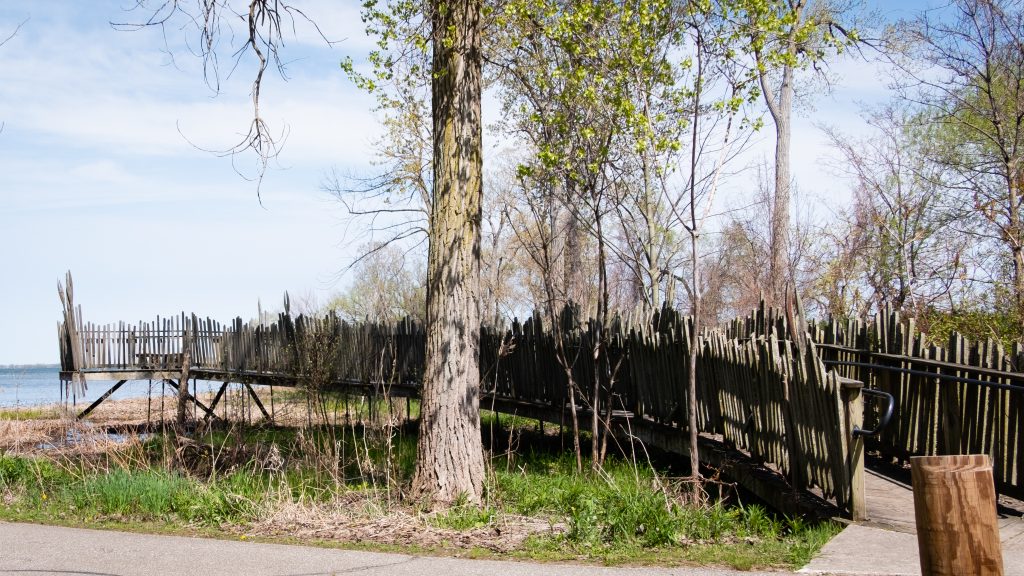
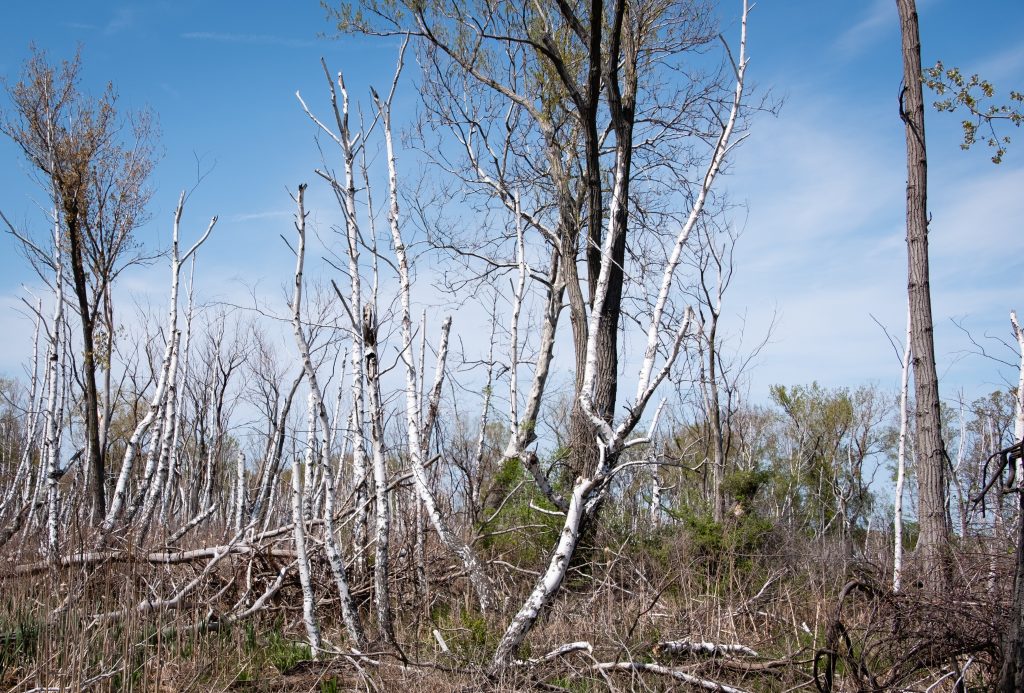
As part of my recent experimentation of getting back into film photography, I took out my Canon A2E for the first time to shoot some black and white at Evansburg State Park. Here are some of the results.


A day out in the rural areas of Lancaster County will provide many encounters with horse drawn buggies, whether in motion or stationery. Sundays tend to be particularly busy, with people going to church or visiting neighbors.


I have been working on doing a little more film photography these days, which is something I haven’t done much of in over 20 years. The experiment started with a Lomography 120 film camera which is a little more than a toy. I have never used 120 film before, so I didn’t know what to expect. The results weren’t too awful – kind of arty in a good way, including some interesting double exposures. These are views around Tredyffin Township, Chester County. Better pictures will return soon. LOL


Below are a few photographs of a favorite corner of northwestern Chester County. I go here in hopes of finding some grassland species of birds that sometimes frequent farmers fields. So far I have just found horned larks, but there have been snow buntings, eastern meadowlarks and others spotted in the area, so you never know ….


There are lots of sights to behold on a drive through southern Chester County.


Springton Manor Farm is a county park located in Glenmoore, Chester County. Within the farm’s historic landscape of fenced fields, stone walls and misty morning vistas is a preserved patchwork of colonial plantation, Industrial Revolution era scientific farm, Victorian tenant farm, and gentleman’s country estate. The Manor House and Carriage House overlook 300 acres of centuries-old sugar maples, open pastures and stately Penn Oaks, which grace the lower pond. The Manor House is not open to the general public.
Initially part of a William Penn Manor, Springton Manor has been in agricultural use since the early 1700’s. On this demonstration farm, you can meet the animals and learn about Chester County’s farming history. The barn complex consists of the Great Barn, sheep shed, goat shed, a roost and equipment shed. You may see horses, donkeys, rabbits, calves, pigs, sheep, goats, chickens and peacocks. The Family Farm Museum, located within the Great Barn, contains seasonal tools and apparatus used on Chester County farms from the 1700’s to the 1900’s.


Nestled in southwest Chester County near the Maryland line are several patches of a unique ecosystem called serpentine barrens. One example is found at Nottingham County Park. Dedicated in September 1963, Nottingham Park was the first Chester County park. The 731-acre park sits atop an outcropping of serpentine stone greater than one square mile in size – one of the largest serpentine barrens on the East Coast. It features former feldspar and serpentine quarries, and numerous former chromite ore mines. The National Park Service recognized Nottingham Park as a National Natural Landmark in 2008.
Nottingham Park offers nine pavilions, an 18-station fitness trail, and three modern, handicapped accessible playgrounds. To experience the serpentine barrens, one must wander around some of the trails in the park.
Serpentine, a geological outcrop of rare, light-green rock found only in three small geographic areas in all of North America, has soil so low in essential nutrients and so high in some metals that most ordinary plants will not grow. The barrens have their own community of plants, some of them globally-rare, with practically no species in common with the surrounding forests and fields. Typically, serpentine barrens contain scrub oak, pine, cedar and unique wildflowers. Some areas dominated by grasses are known as true prairies. Some areas with scattered trees are known as a savannah, which can survive and prosper with occasional fires.


A trip tp eastern Lancaster County provided a look at the following scenes:
A group of vultures found something dead and furry by the side of the road. There was one black vulture and several turkey vultures.


There were also plenty of horses enjoying their Sunday off. I think almost everyone likes horses.


A trip to Chambers Lake looking for some Trumpeter Swans didn’t yield any birds, but an assemblage of photographs (as usual). I did get to see some sections of Hibernia County Park that I don’t normally get a chance to visit.


Adjacent to the Goshenville Blacksmith Shop is the Goshenville Wetlands, a nice place for a short walk and a dog friendly area. It is located in East Goshen Township, which lies in northeastern Chester County. Here are some early Spring photos of the wetlands and the nearby historic structures.
The first thing you notice from the parking area is the honey bee project. The Bees by the Blacksmith Shop is a public-private partnership that brought honey producing hives to this open space. The Watermark at Bellingham Senior Living sponsored the hives, and Carmen B’s Honey, a Township-based small business, manages and maintain the bees. The Watermark will introduce apiary education to its residents and begin using the honey in its recipes and cooking classes. The Township was also set to begin a youth apiary program. In 2022, a kids program complete with youth-sized beekeeper outfits so they can safely get close and see the inner workings of the hives will be started.

The walk provides open views over the wetland with a dry walkway and elevated platforms and walks over potentially damp areas. There is a nice view of Ridley Creek which runs along side the property.


The historic structures are adjacent to this area and are connected via the walking path. The Goshenville Historic District was listed on the National Register of Historic Places in 2000. The Blacksmith Shop was built in 1840 and is open to the public two days a week from April through October. An image of the shop is a symbol of East Goshen Township.