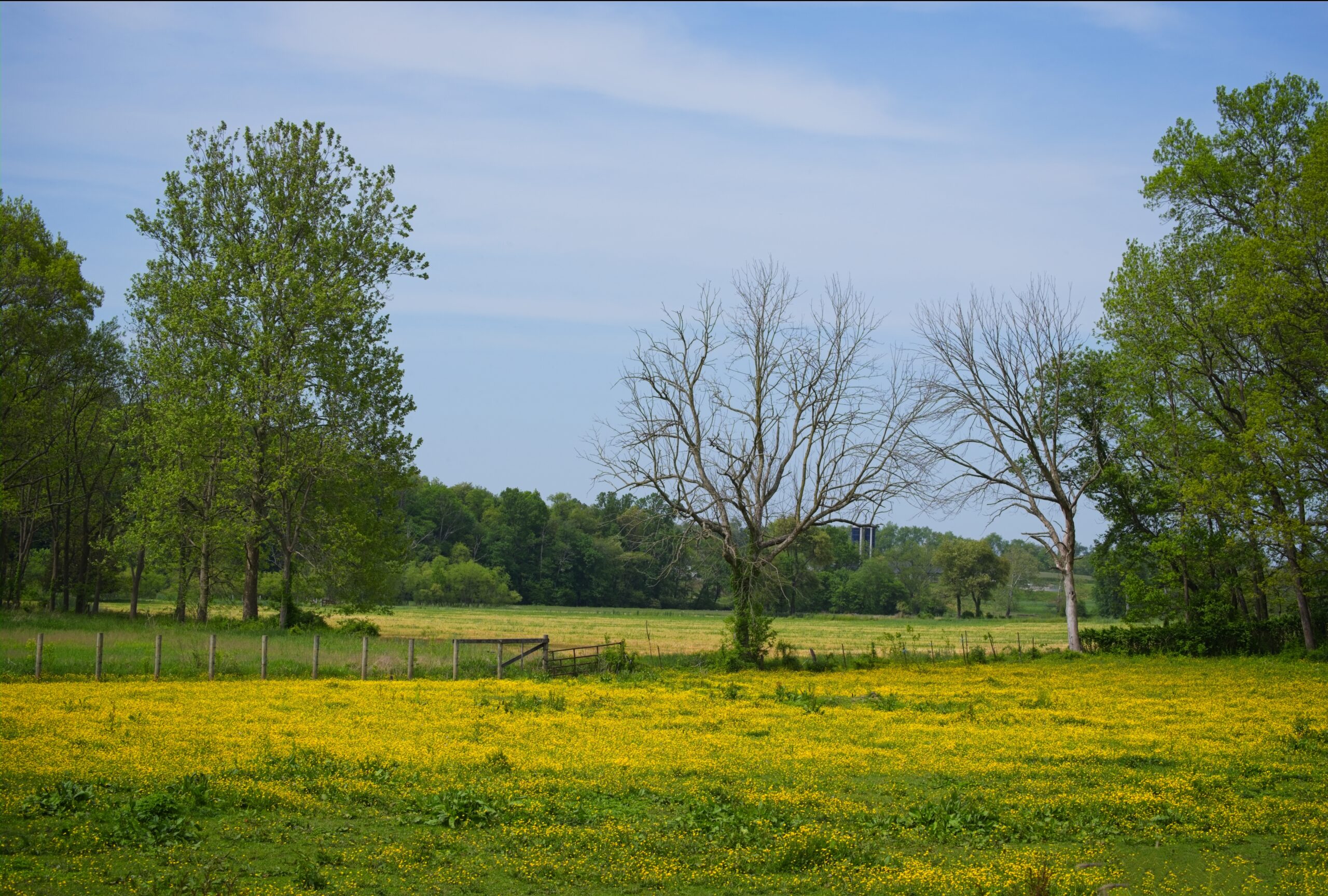
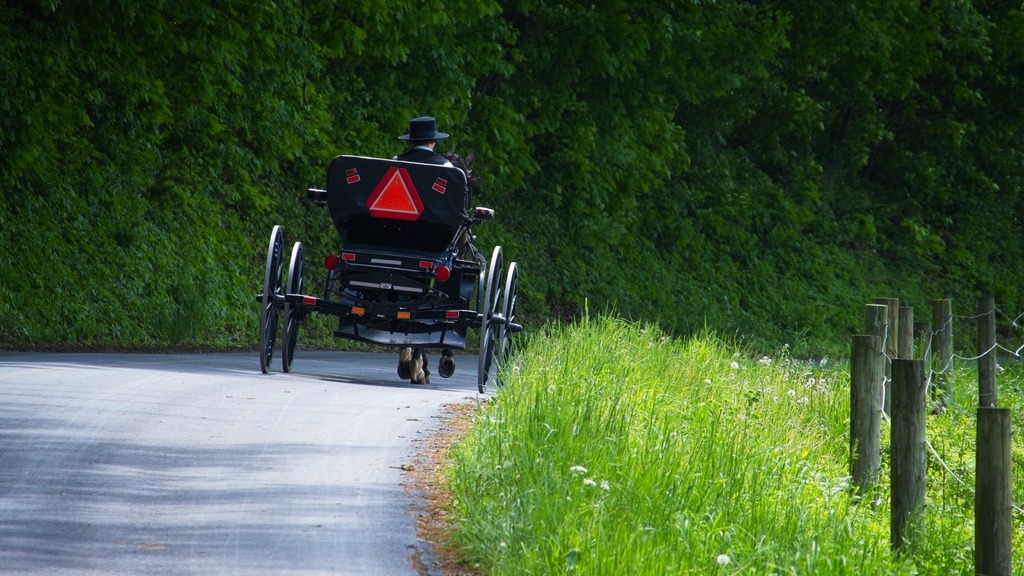
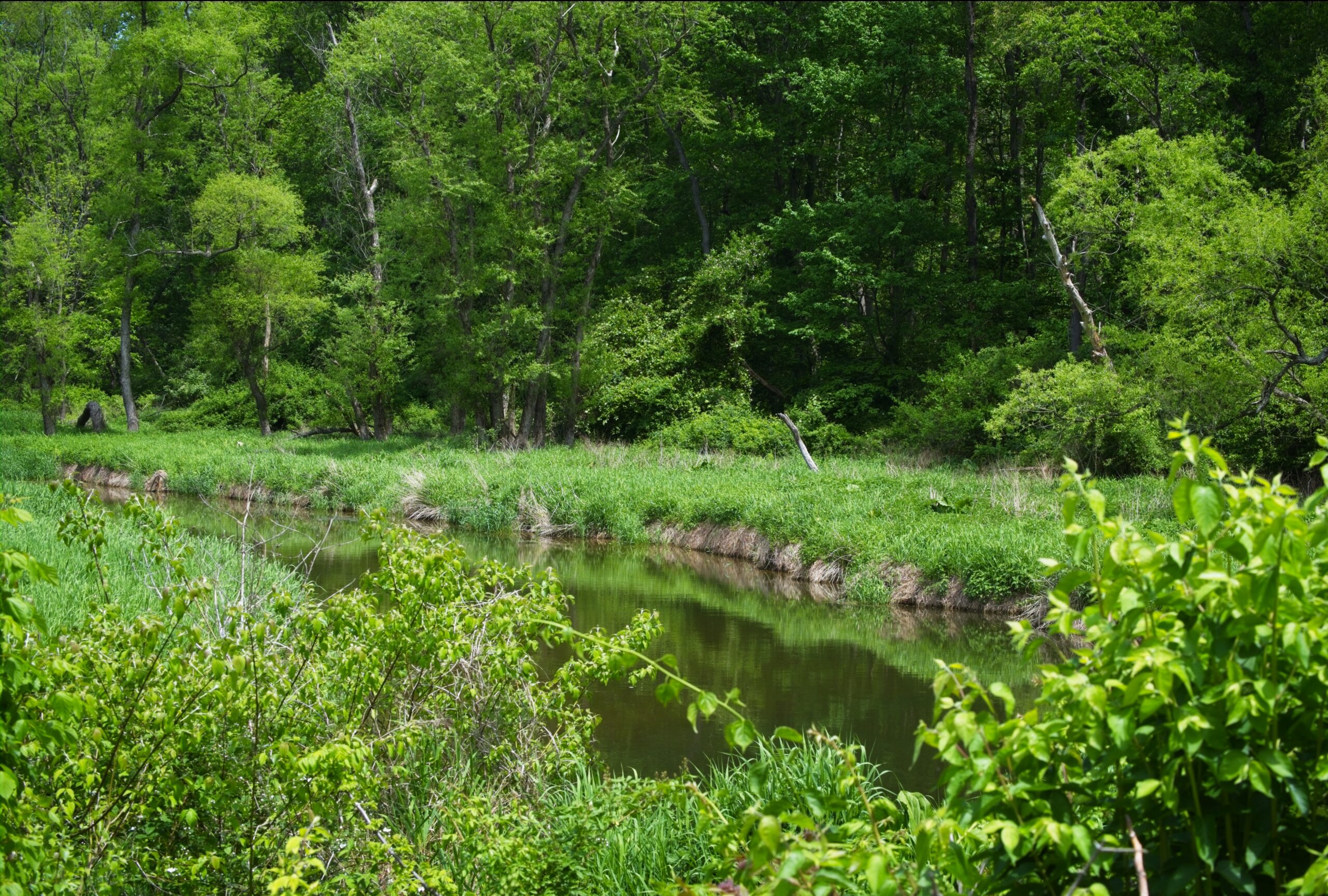
It feels like the season is a bit late this year. However, the early bulbs and the forsythia are finally making an effort.


Below are some early Spring scenes from around Valley Forge.
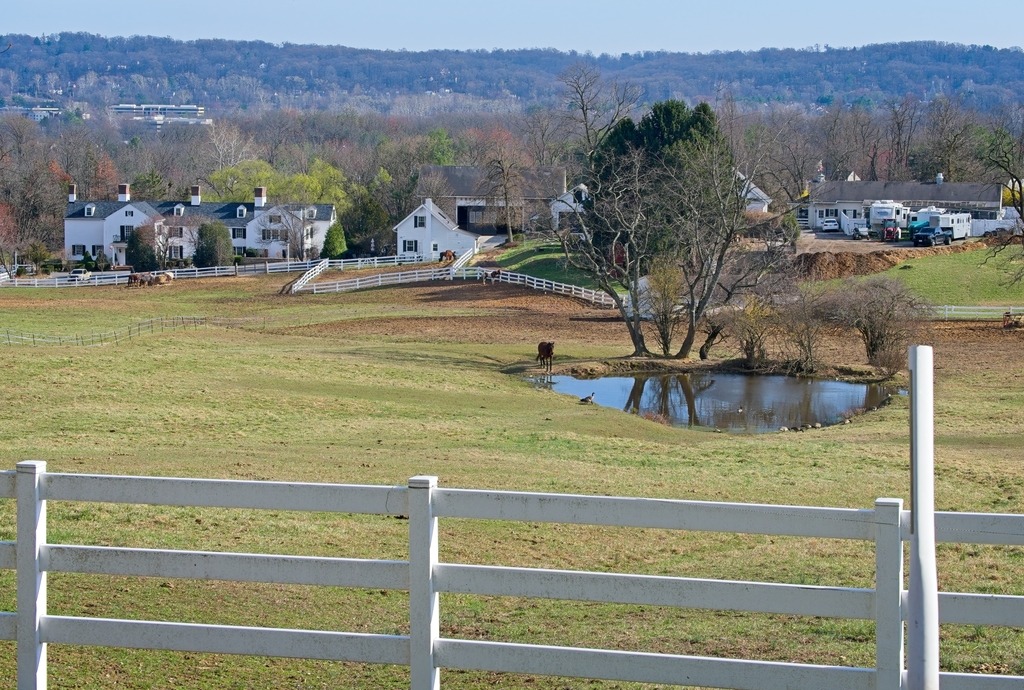
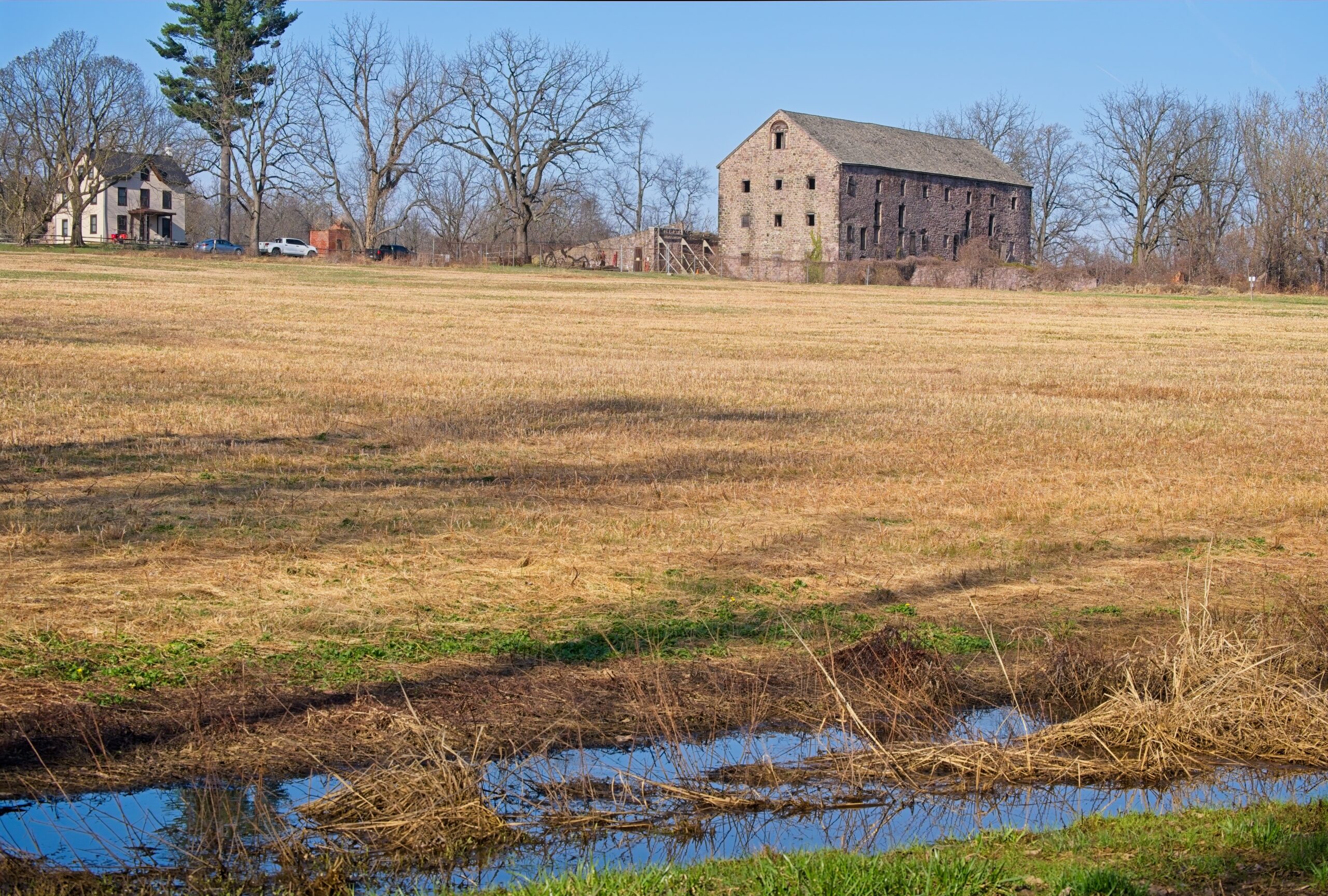
It feels like the season is a bit late this year. However, the early bulbs and the forsythia are finally making an effort.
Below are some early Spring scenes from around Valley Forge.
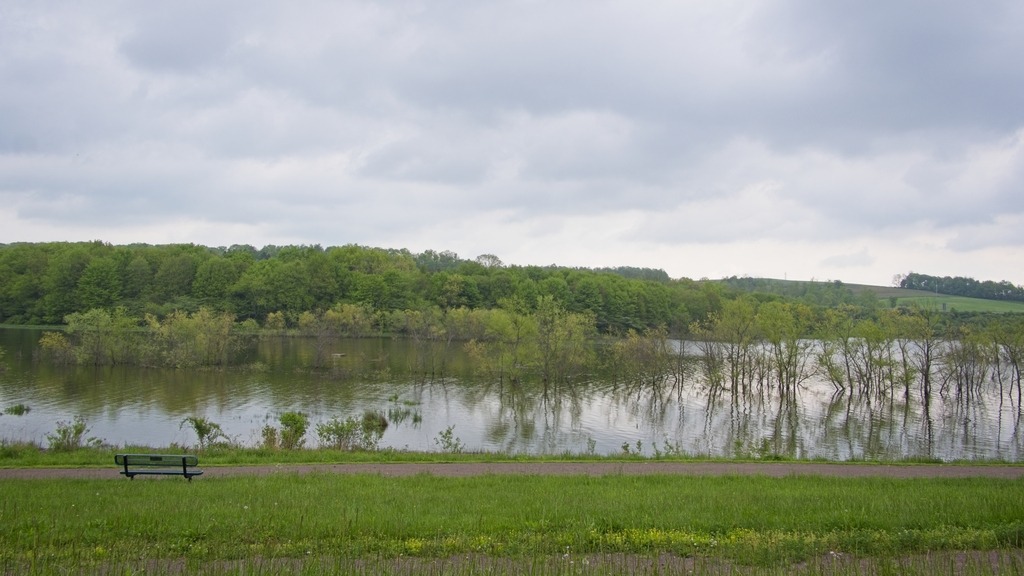
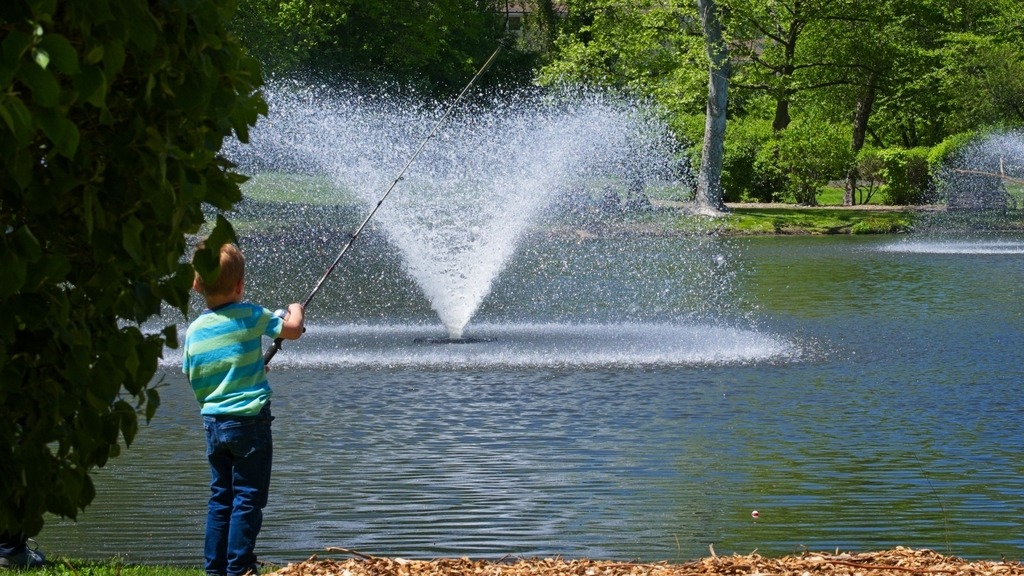
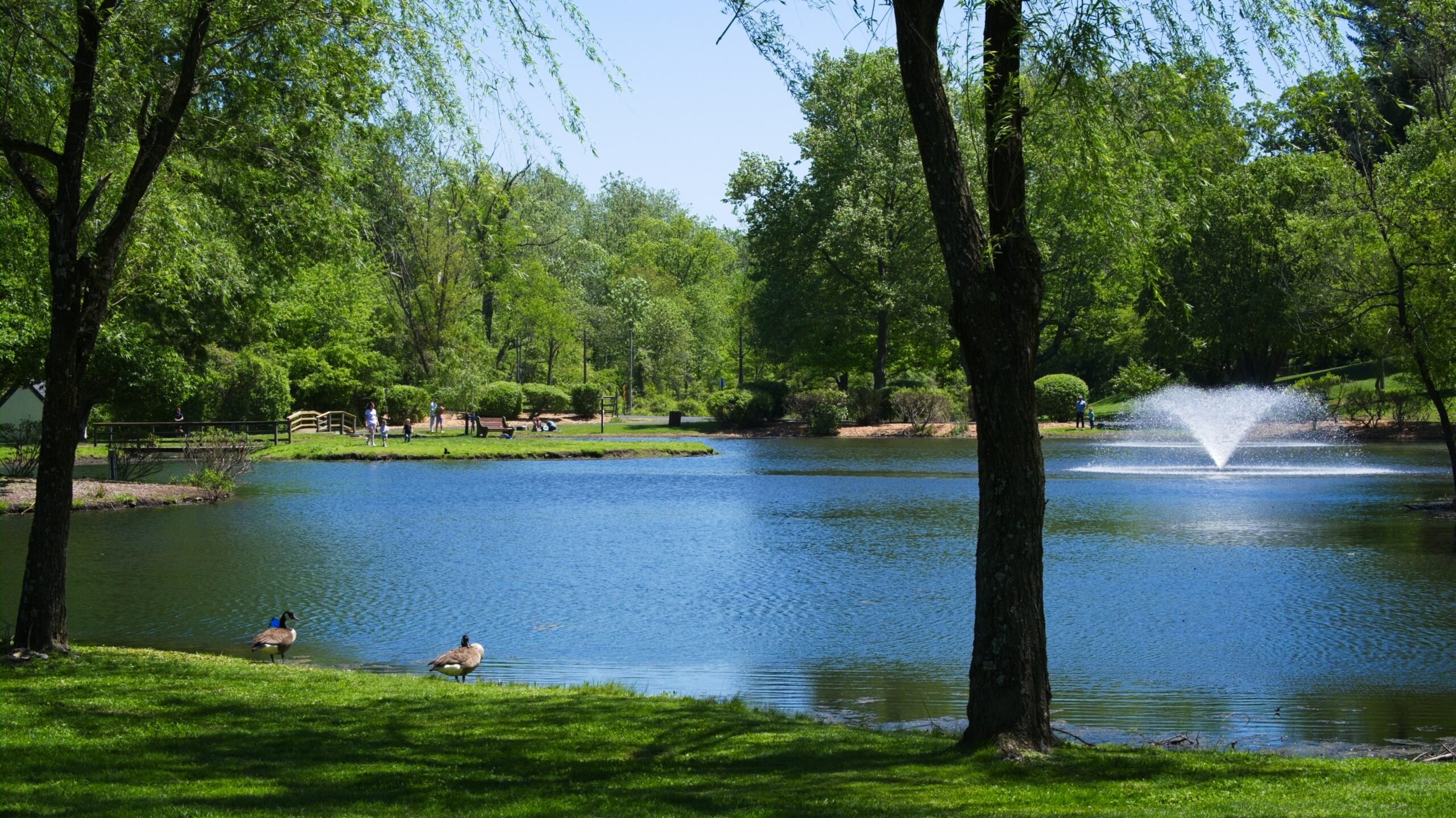
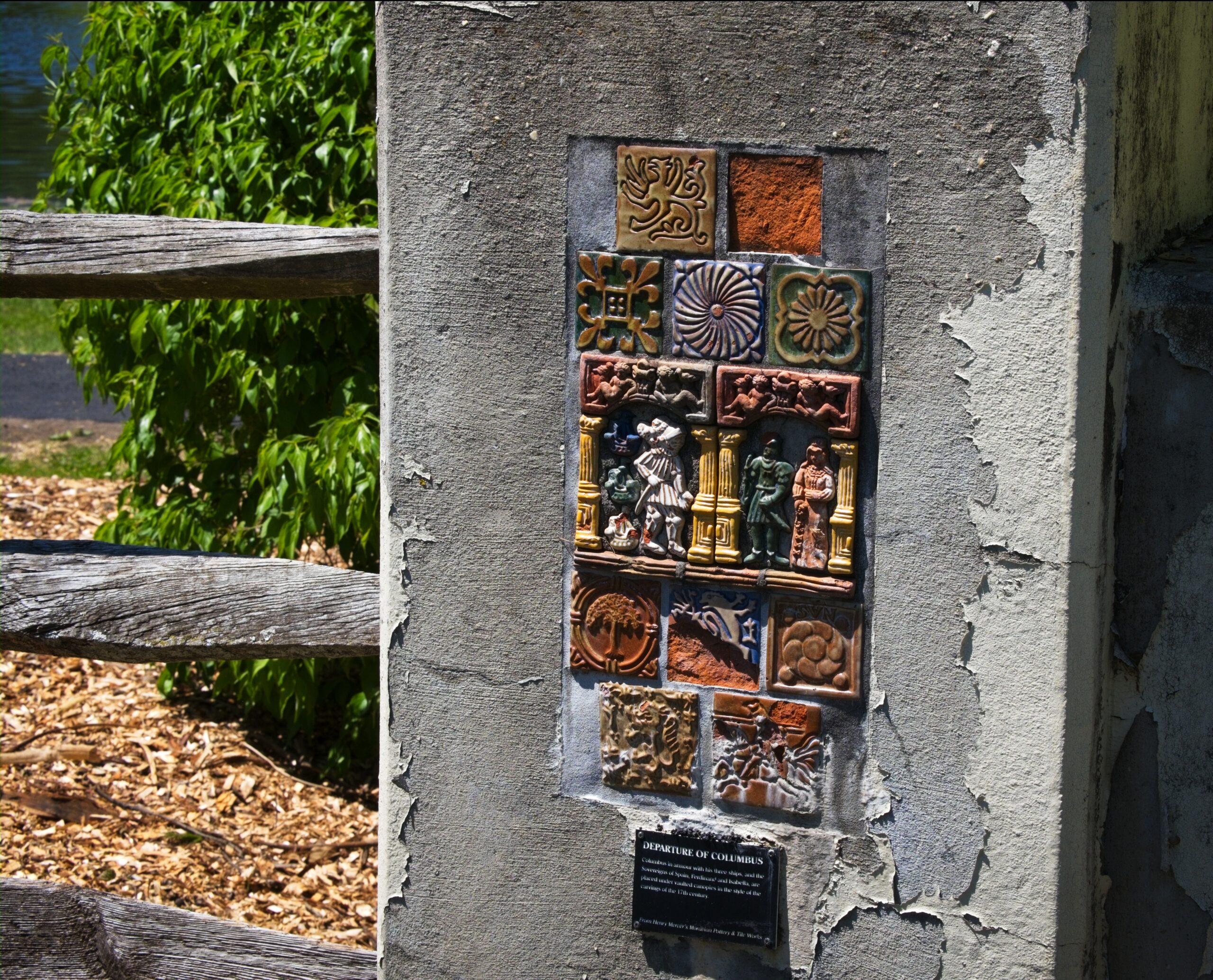
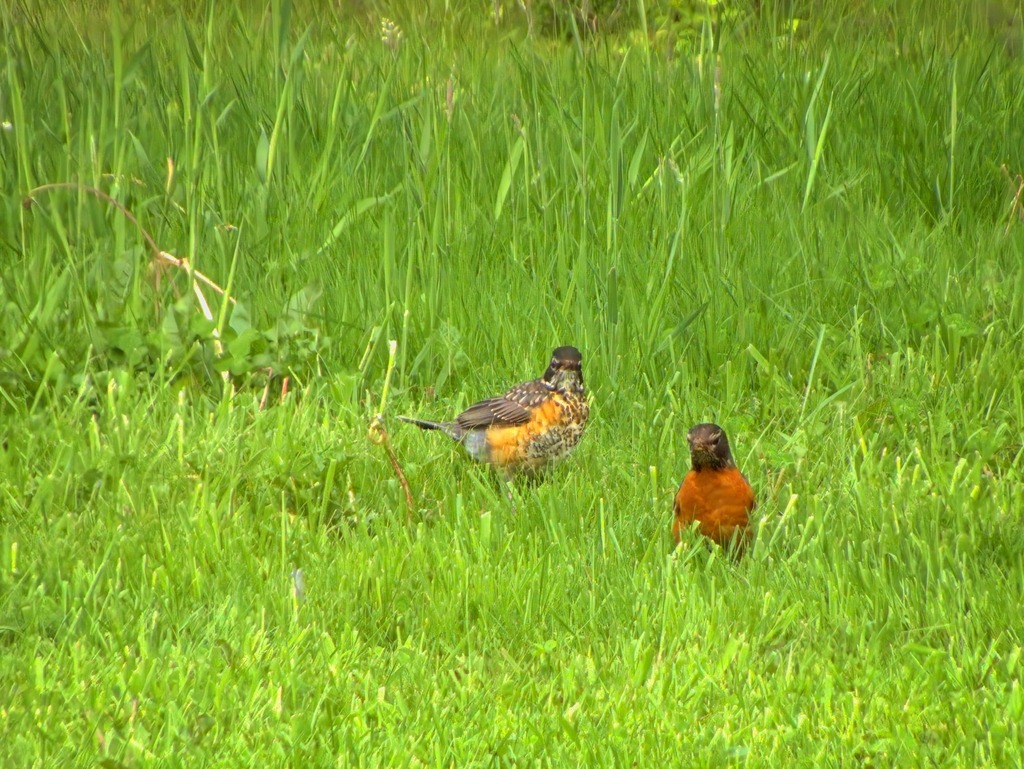
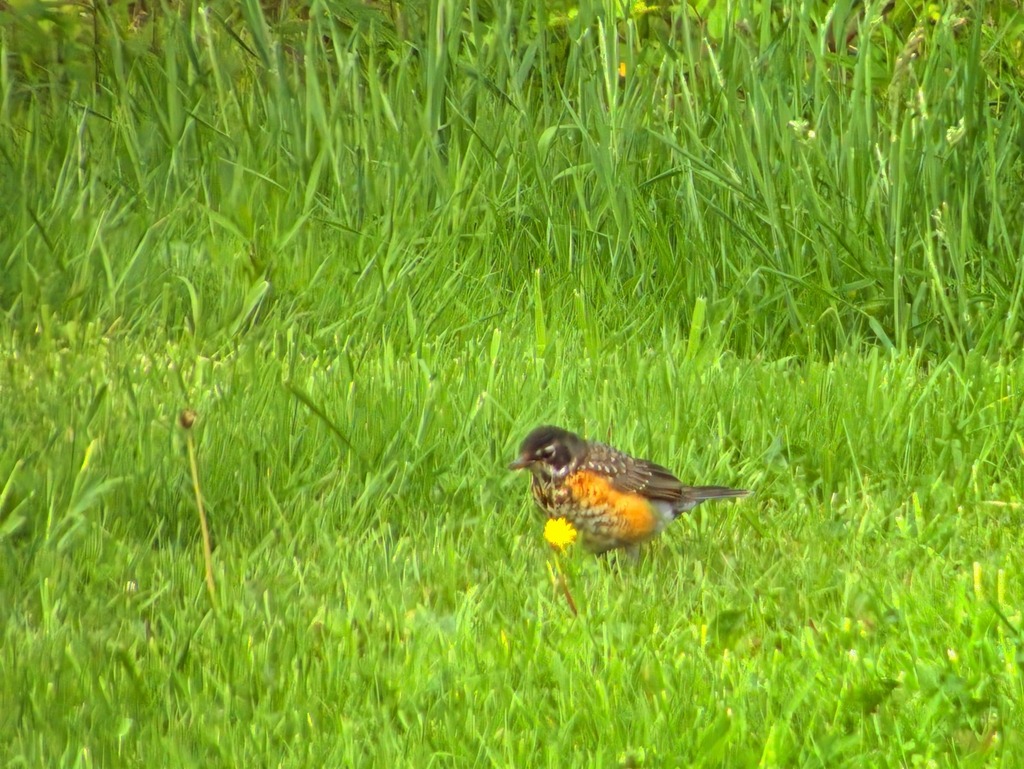
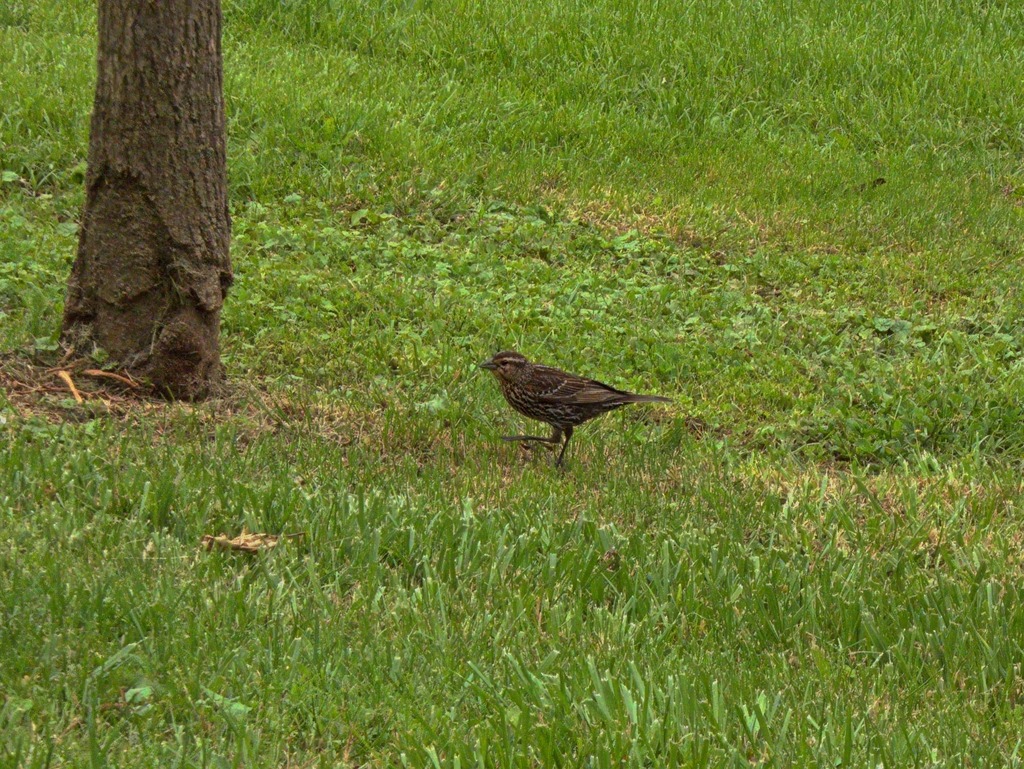
The Willows Park Preserve in northwestern Delaware Country has been a popular spot for birding, fishing, picnicking and walking for decades. Built in 1910, the Willows Mansion is surrounded by 47.5 acres of public park with water, meadow, woodland and garden views. Closed for nearly a decade, the deteriorating mansion sits idle while park life carries on. However, efforts to restore the Mansion are ongoing. It was once a very popular wedding reception venue.

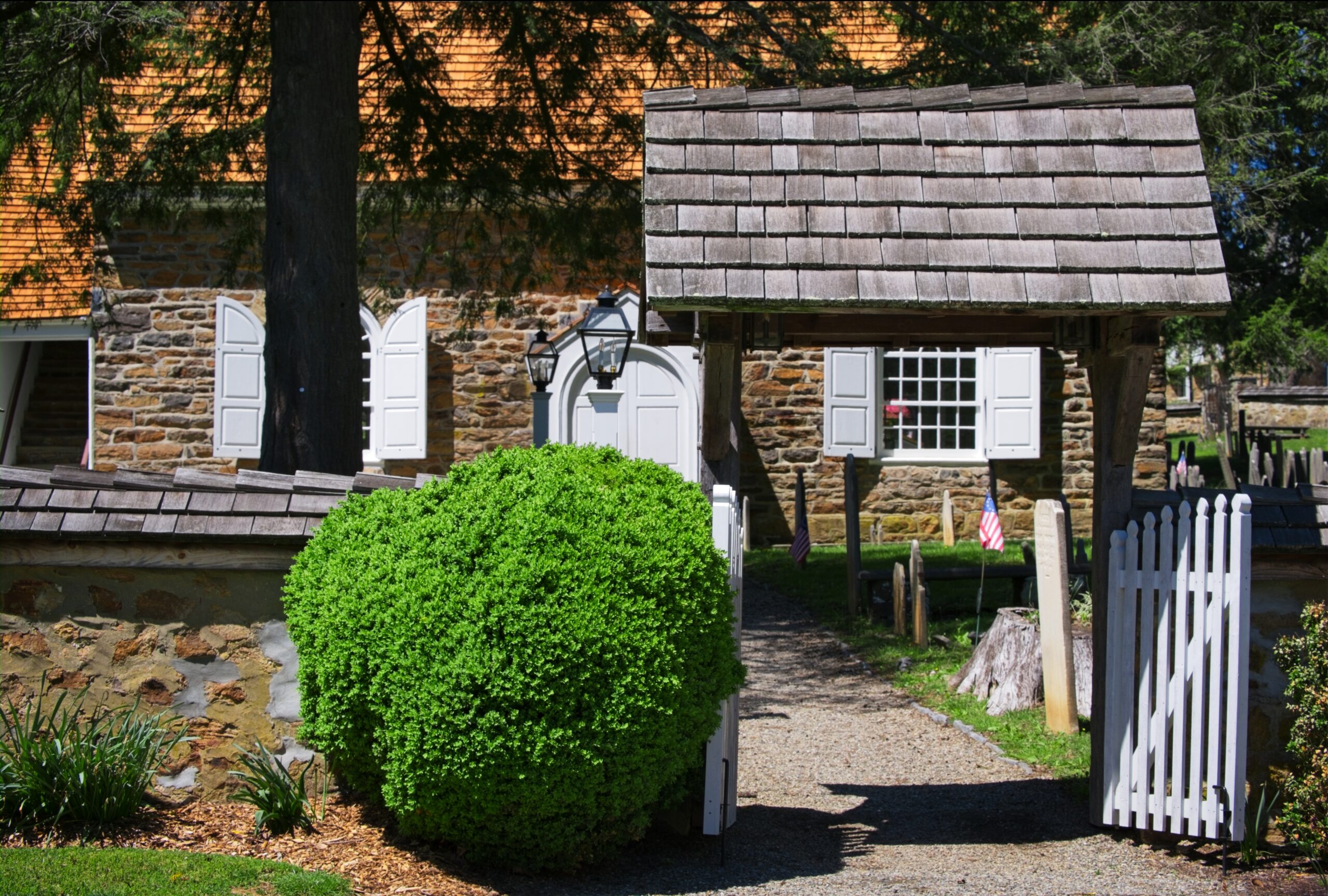
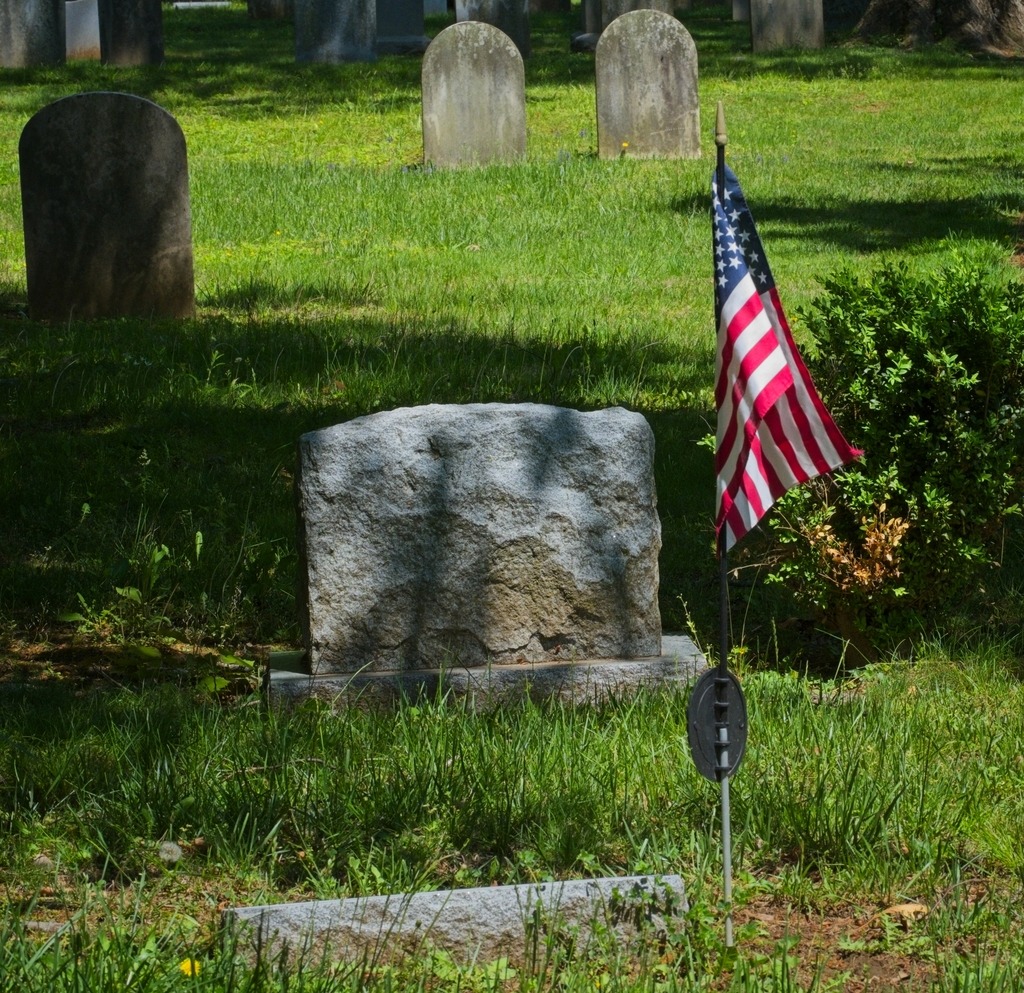
I made another stop that day at St. Davids Church, which lies mostly within Radnor Township, Delaware County. The parish is more than 300 years old. Toward the close of the seventeenth century, a hardy group of Welsh colonists settled in an area which became known as Radnor. In 1704, a 100-signature petition for Welsh prayer books and a Bible, but more particularly for a Welsh-speaking missionary, was dispatched to the Society for the Propagation of the Gospel in London. Ten years later, in return for this long-awaited recognition, the settlers “heartily engaged themselves to build a handsome stone church,” to be named after the Patron Saint of Wales. The cornerstone was laid on May 9, 1715.
With the coming of the Revolution in the colonies, a rapidly swelling wave of resentment against the Church of England arose among the patriots of the congregation. A leader of this opposition was Anthony Wayne, later appointed major general of the American forces, who is buried in St. David’s historic churchyard. The church building provided shelter for soldiers of both sides.



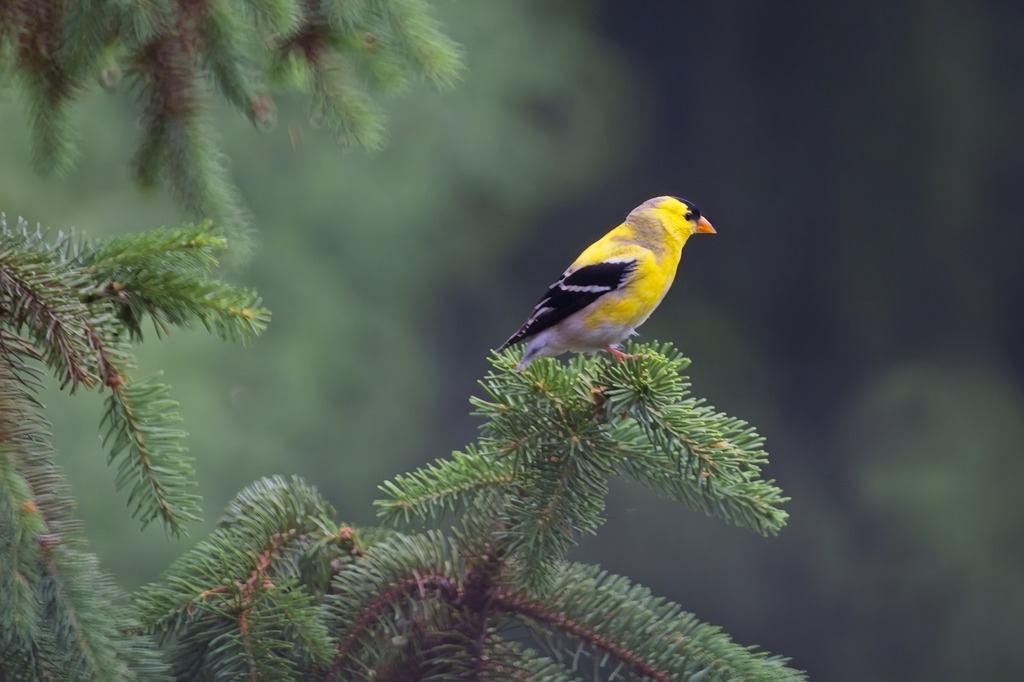
So do these photos look unusable to you? (rhetorical question) I recently got a mirror lens – the Tamron 55BB 500mm F8 – to be exact. Many dislike mirror lenses because they can be finicky to work with due to the fixed F8 focal ratio, shallow depth of field, and long focal length. All of which makes getting focus and capturing sharp images challenging. These lenses also have very distinctive bokeh due to the obstruction from the secondary mirror. Can you see the “donuts” in these photos.

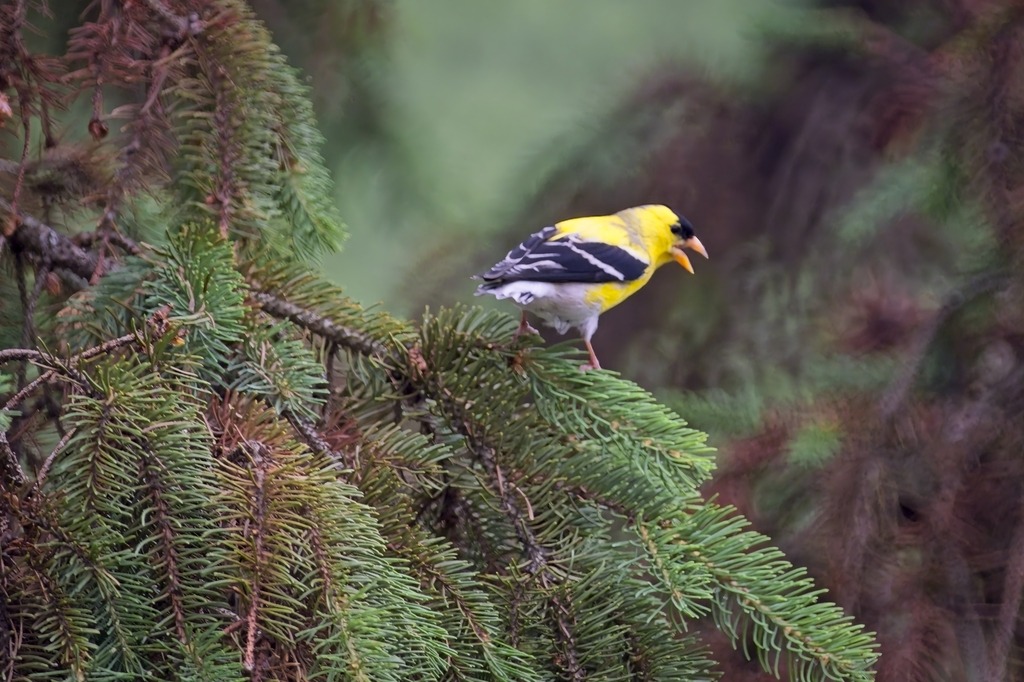


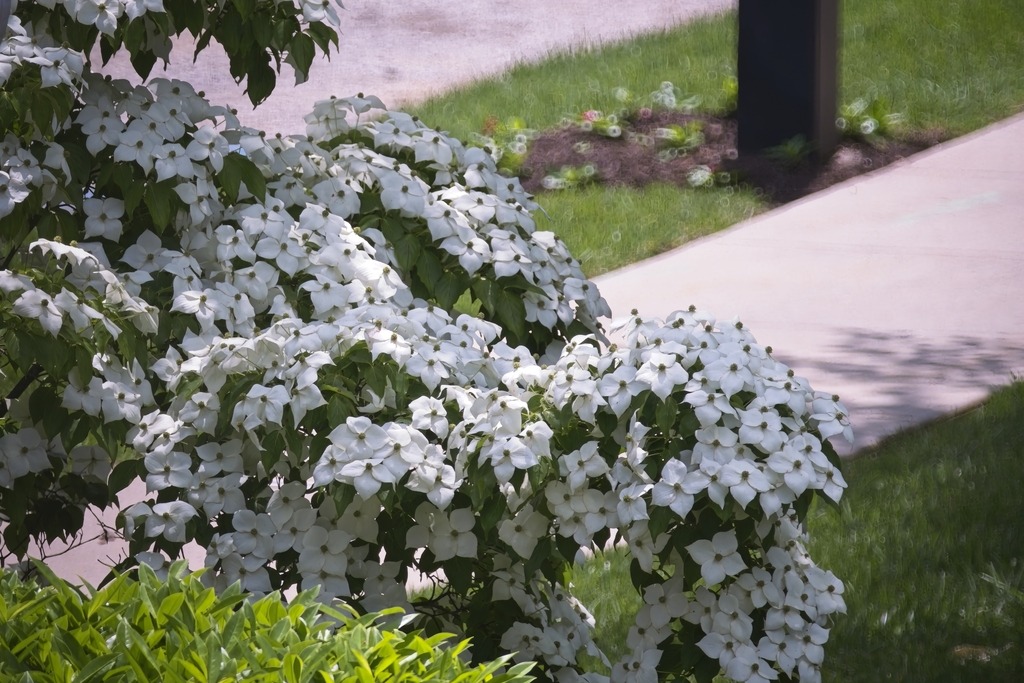

I quite like these photos. They remind me of old film photographs. As you can probably tell from this blog, I am not one who is too fussed about “tack sharp” as a photographer. If a photo is acceptably in focus, I’m good. I do have to say that this lens does really need daylight. Low light would require a tripod and long exposure times to compensate for the F8 aperture.
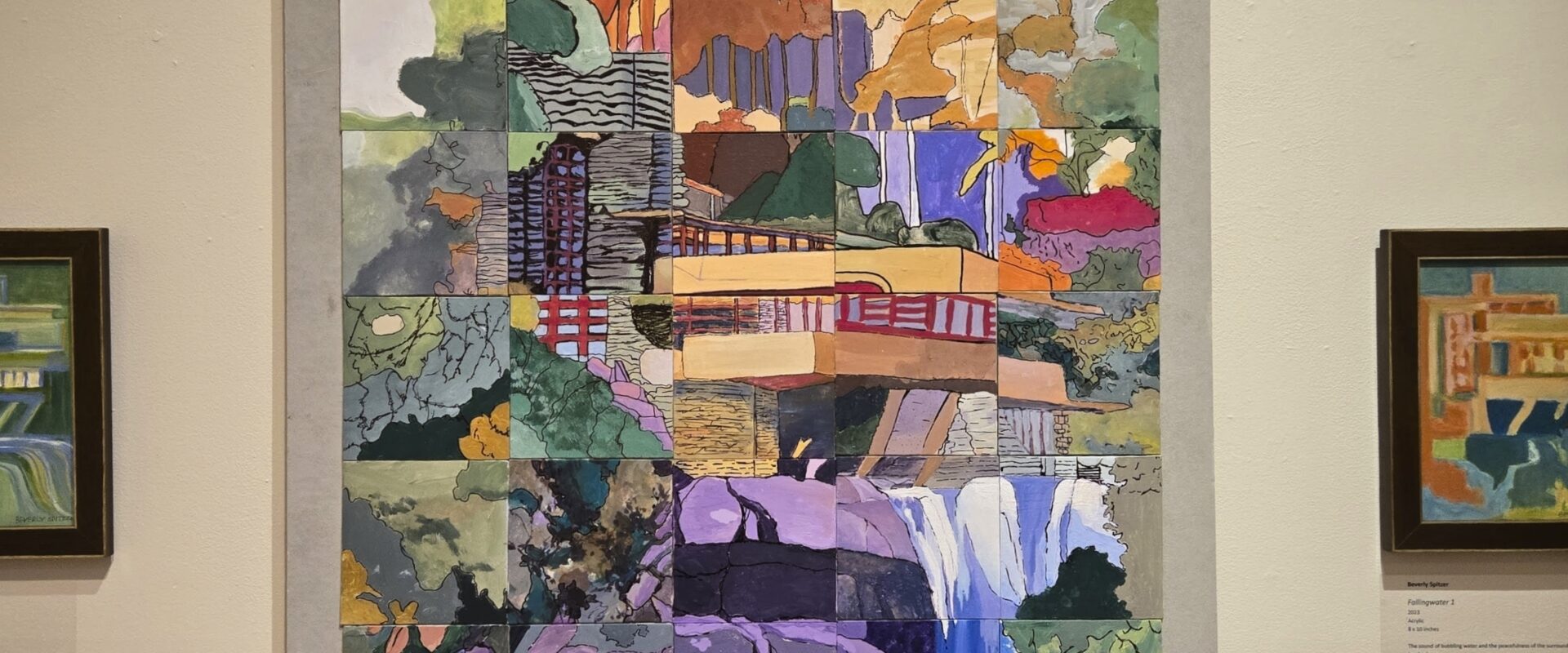
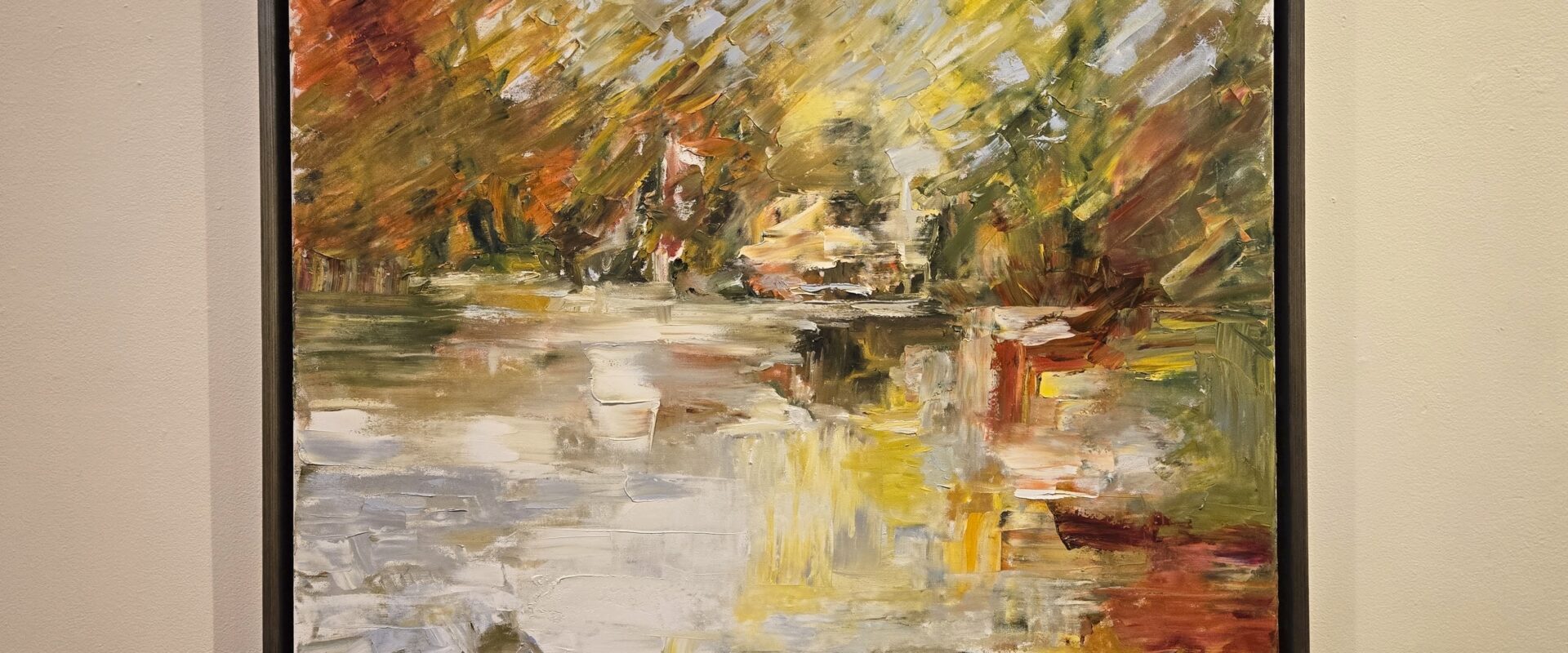
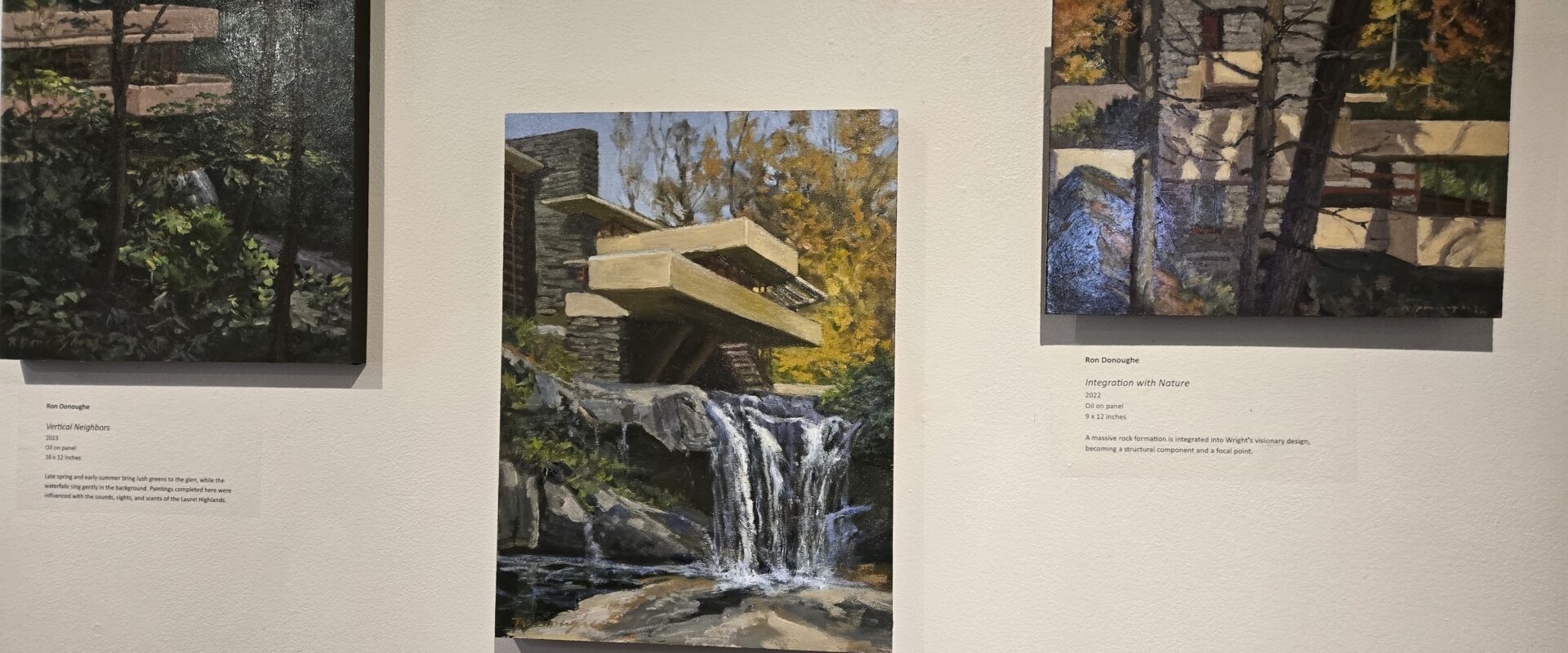
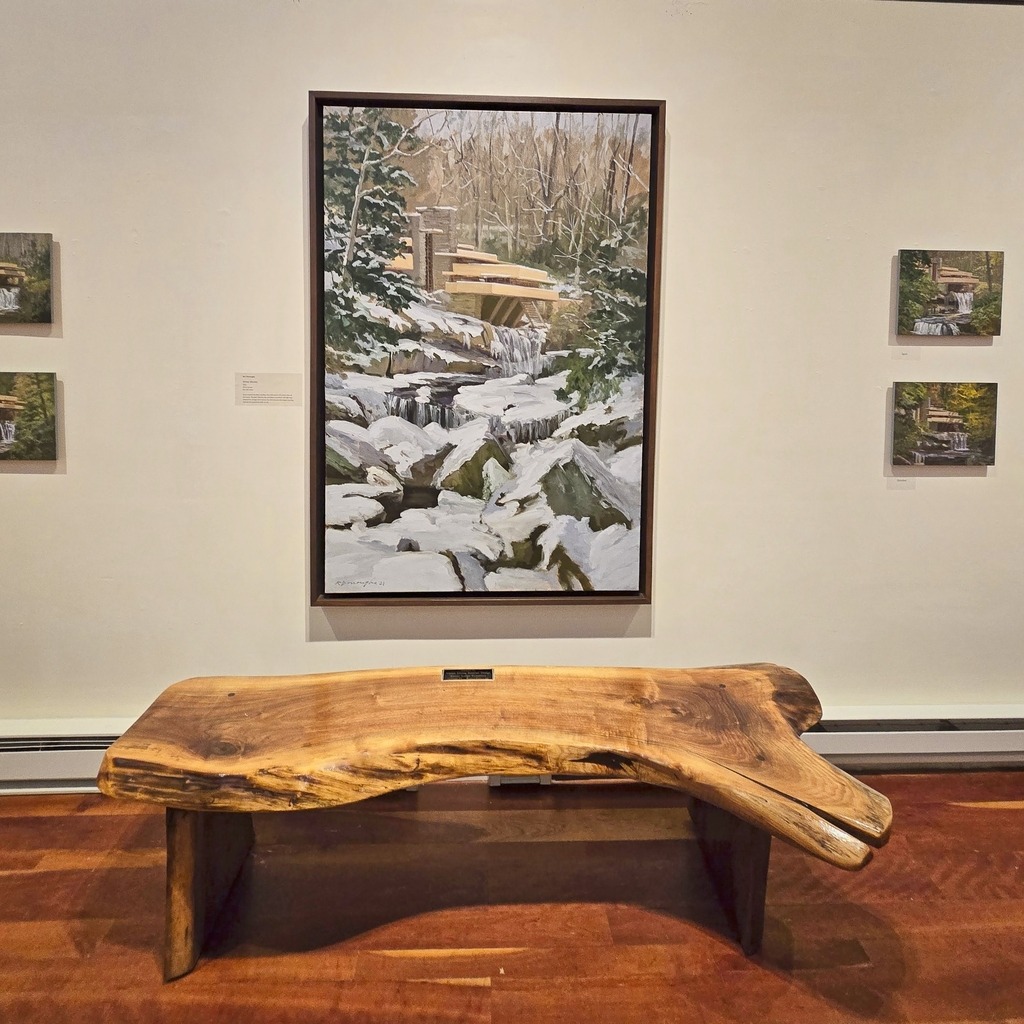
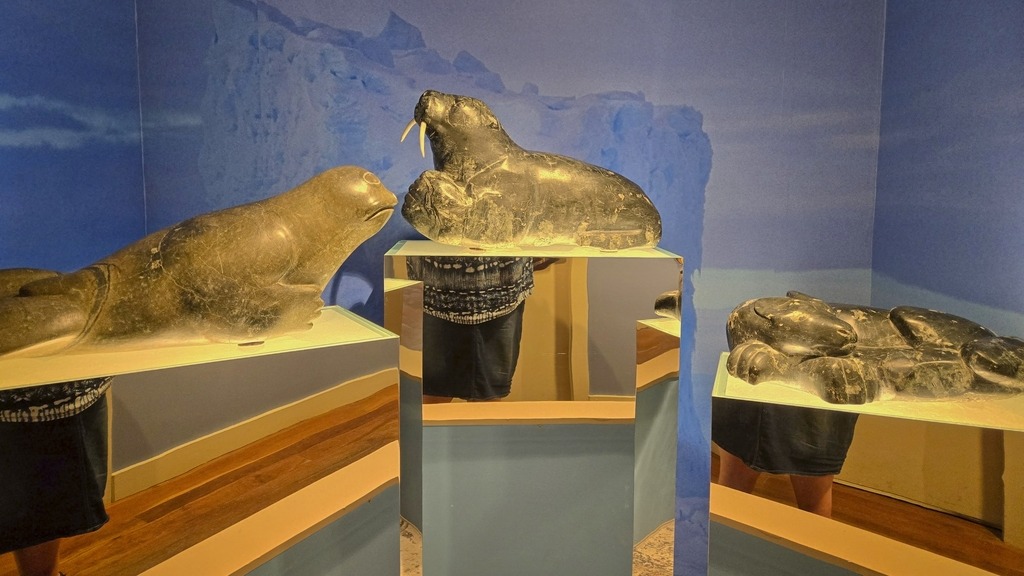
The Southern Alleghenies Museum of Art has a branch in Ligonier. The grounds feature some beautiful statuary while indoors the featured exhibit focused on the nearby Frank Lloyd Wright masterpiece, Fallingwater, at the time of my visit. The museum is free, but donations are appreciated.

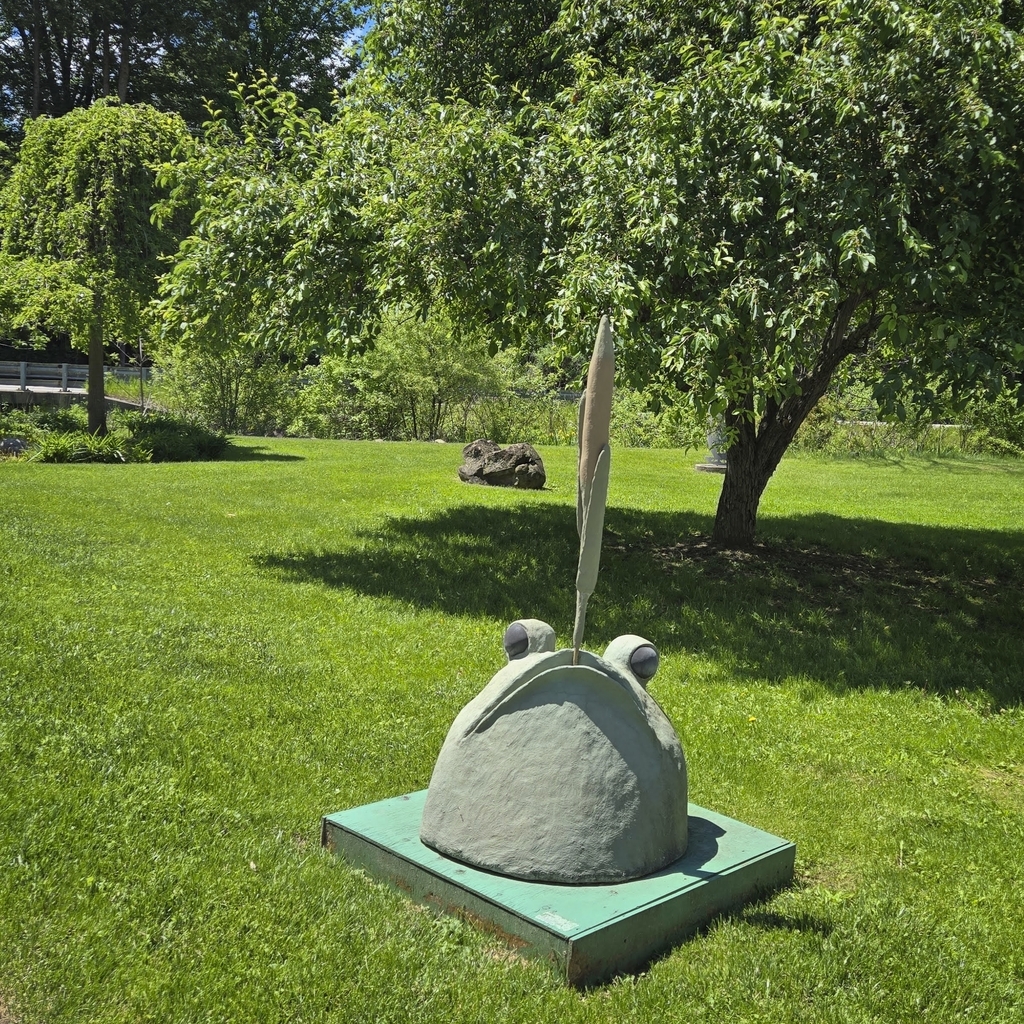


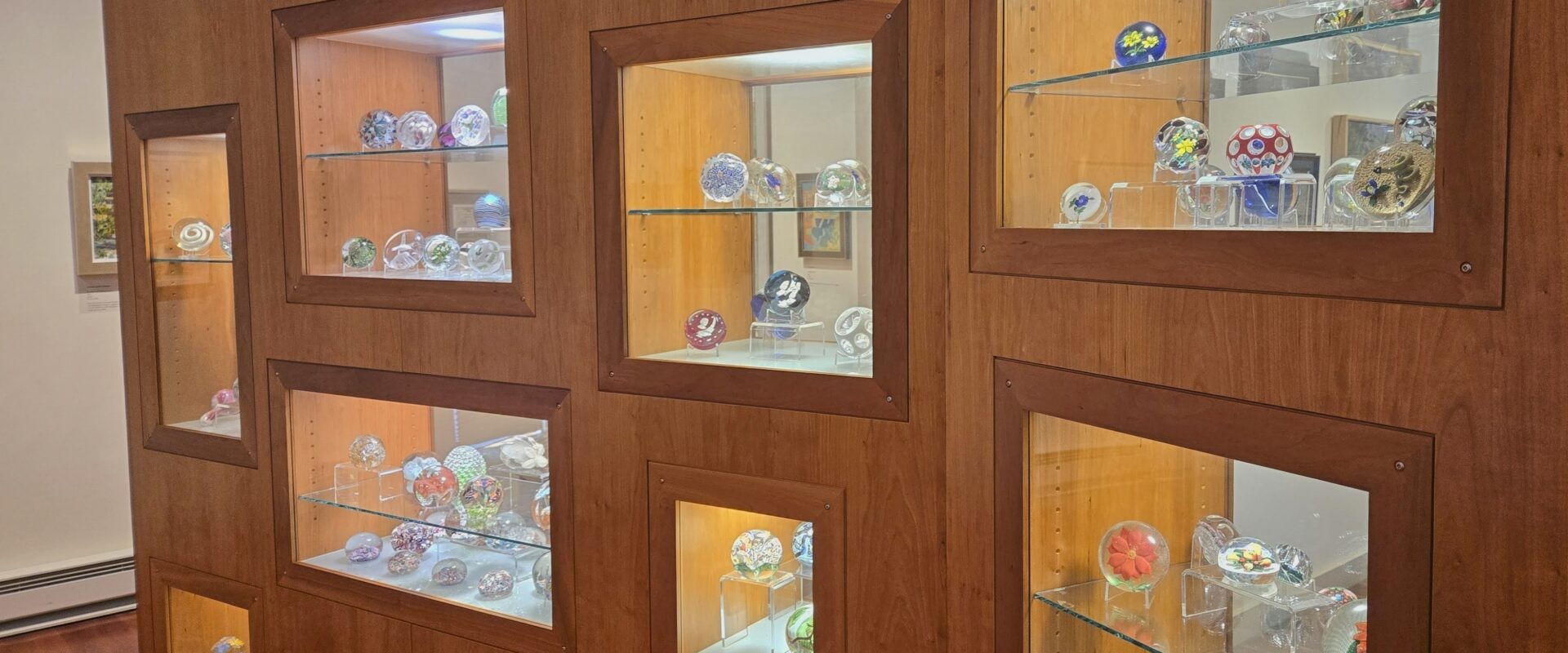
A sampling of pieces featuring Fallingwater and a collection of glass paperweights.







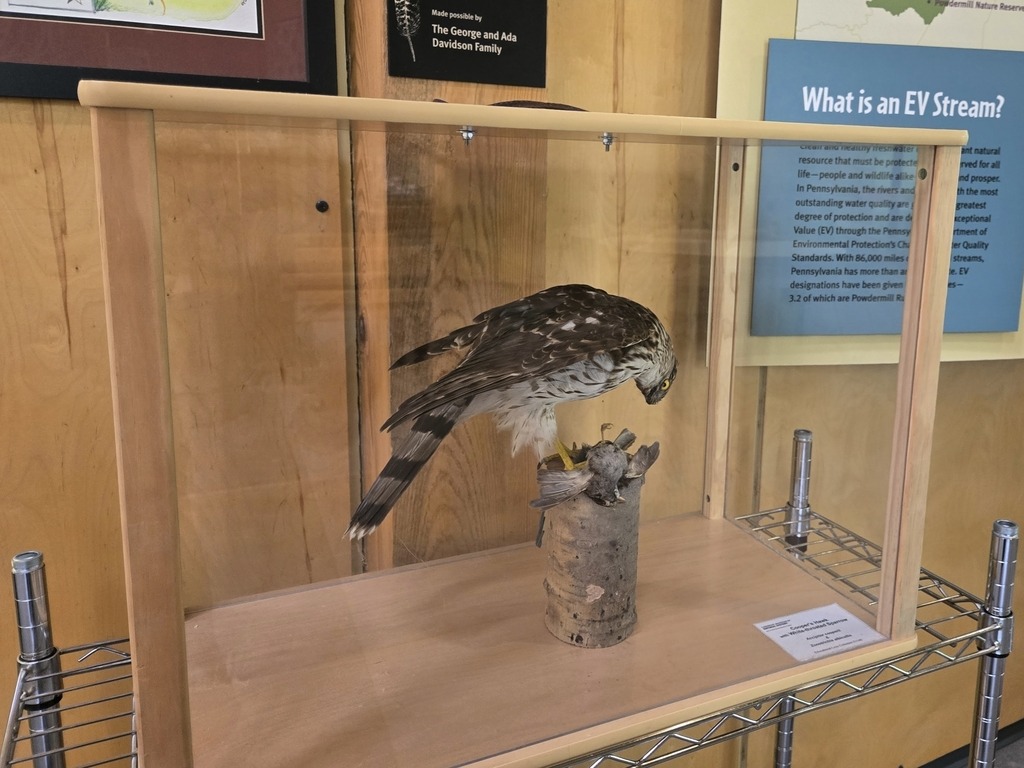
Powdermill Nature Reserve is an environmental research center that is operated by the Carnegie Museum of Natural History.
Established in 1956, Powdermill serves as a field station for long-term studies of natural populations, and now forms the core of the museum’s Center for Biodiversity and Ecosystems. The reserve encompasses 928.17 hectares, which includes forests, fields, developed land, and ponds and streams.
It is located in the Laurel Highlands, near Rector, Pennsylvania and is well known for its avian research. The Center is one of the longest continually-running bird banding stations in the United States. I had visited on a previous trip, which you can read about here.
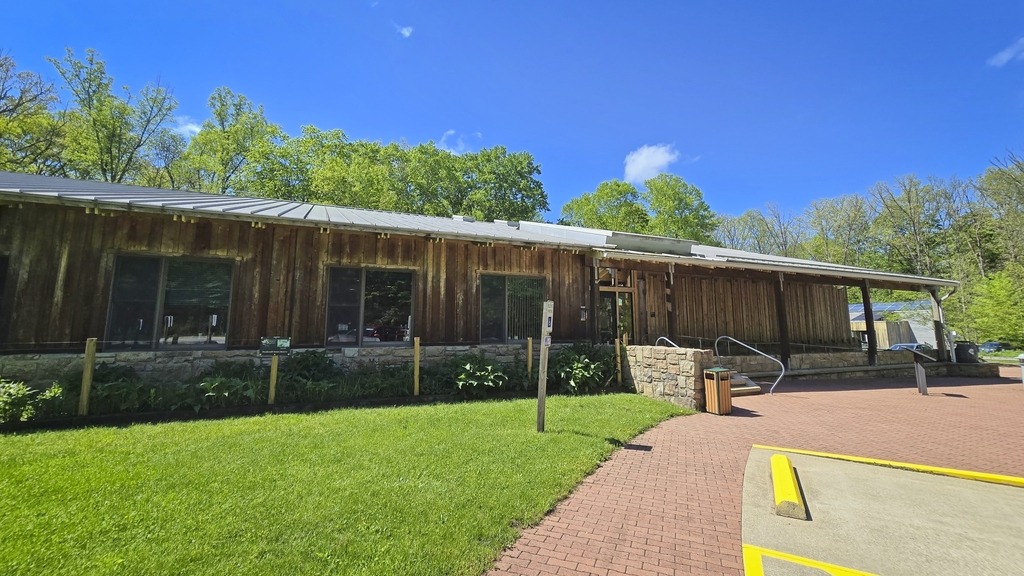

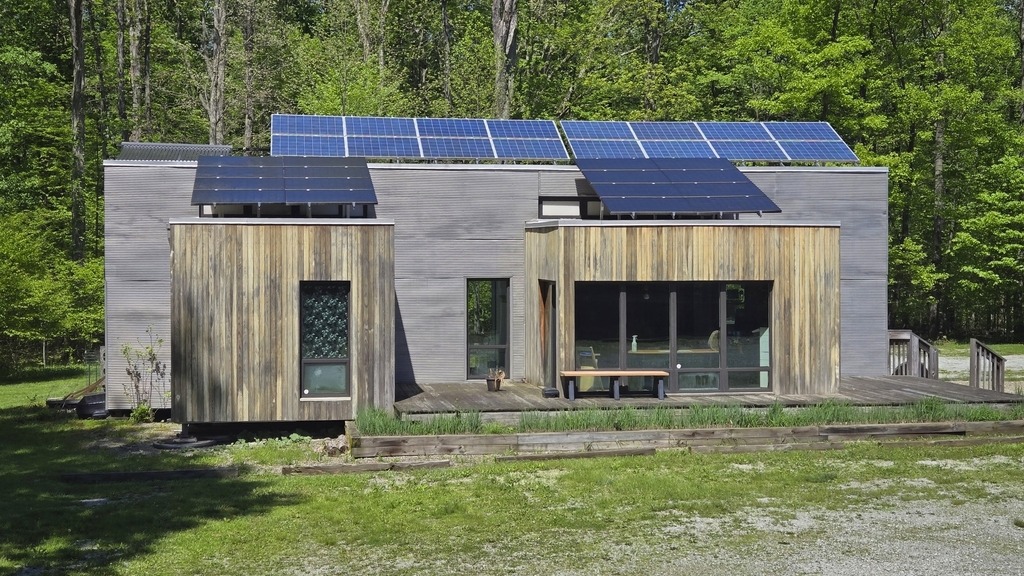


One of my favorite day trips is to Middle Creek Wildlife Management Area, a near 6,000 acre tract managed by the Pennsylvania Game Commission primarily for waterfowl, grassland nesting birds, and wetland dependent species. The facility hosts an interactive visitor center, seasonal wildlife driving tour, and over twenty miles of hiking trails. There are other recreational activities available such as wildlife viewing, boating, special hunts, and picnicking. Middle Creek is one of just six Globally Important Bird Areas in the state and straddles Lancaster and Lebanon counties.
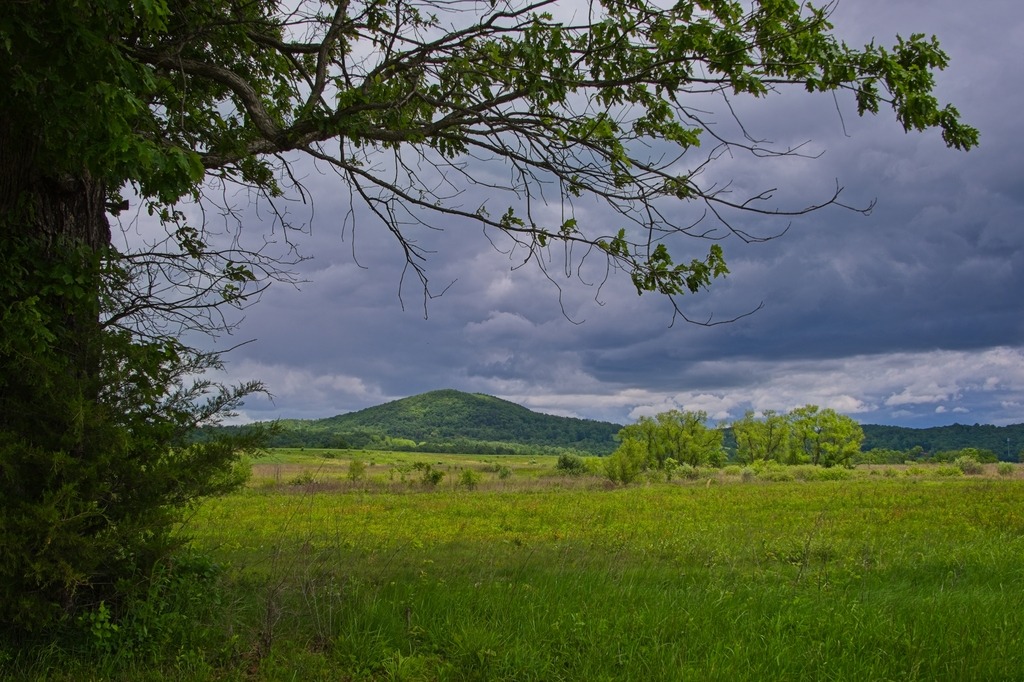
I particularly like the view of these hills from the wildlife driving tour road.



Laughlintown is located in Ligonier Township, Westmoreland County. It is located on U.S. Route 30, 3 miles southeast of Ligonier.
The town is named after Robert Laughlin. The Compass Inn, which is listed on the National Register of Historic Places, is located here, as are the Rolling Rock Club and The Washington Furnace Inn. However, I think for many the notable landmark is this bakery:


I couldn’t resist buying some pie and baklava here. Both were delicious. The menu also includes pizza and sandwiches. Across the street is the Compass Inn property. The Inn is a historic inn and tavern. It is a 2 1/2-story, five bay log and stone building in a vernacular Georgian style. The original section was built in 1799, and it is three bays wide. The two bay stone section was added in the 1820s. A clapboarded frame section was added in 1862. It was restored in 1970, and operated as a local history museum. The property includes a rebuilt barn and blacksmith shop.


Many forestry district offices seem to be in out of the way locations. This one is right on Route 30 in Laughlintown. They are great stops for maps and information.
Lake Somerset is a 253-acre impoundment just north of Somerset (duh). It is owned by the Commonwealth of Pennsylvania and managed by the Fish and Boat Commission for public fishing and boating. The Commission’s Southwest Region Office is located at the lake. I stopped on a previous trip and couldn’t resist a return visit. It was great spot for some more Spring birding.