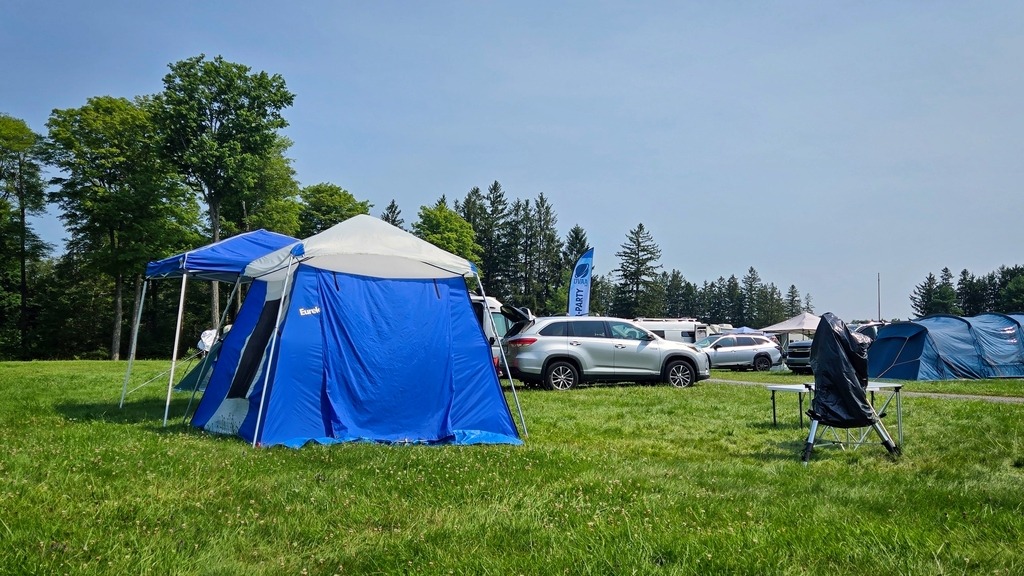
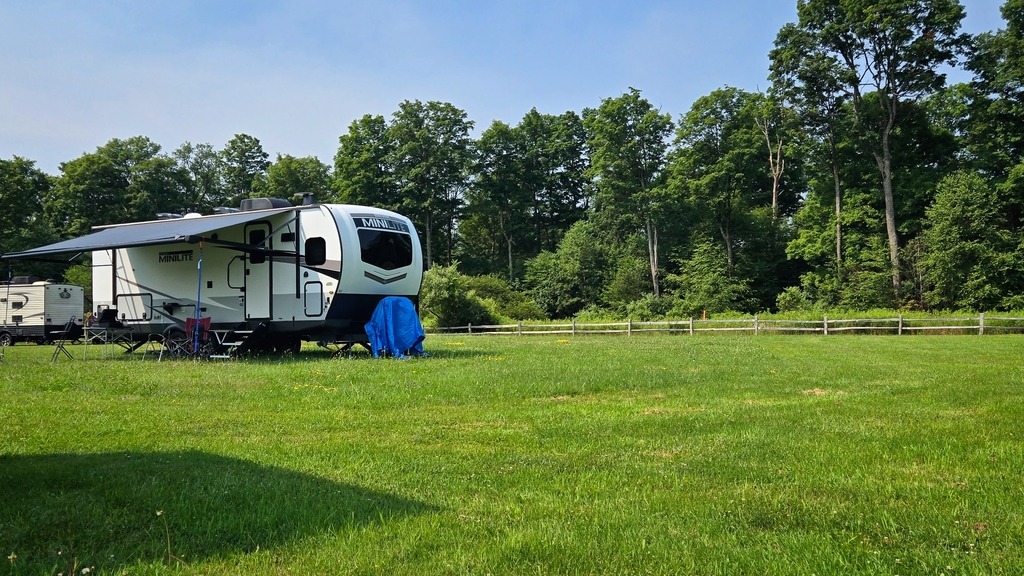
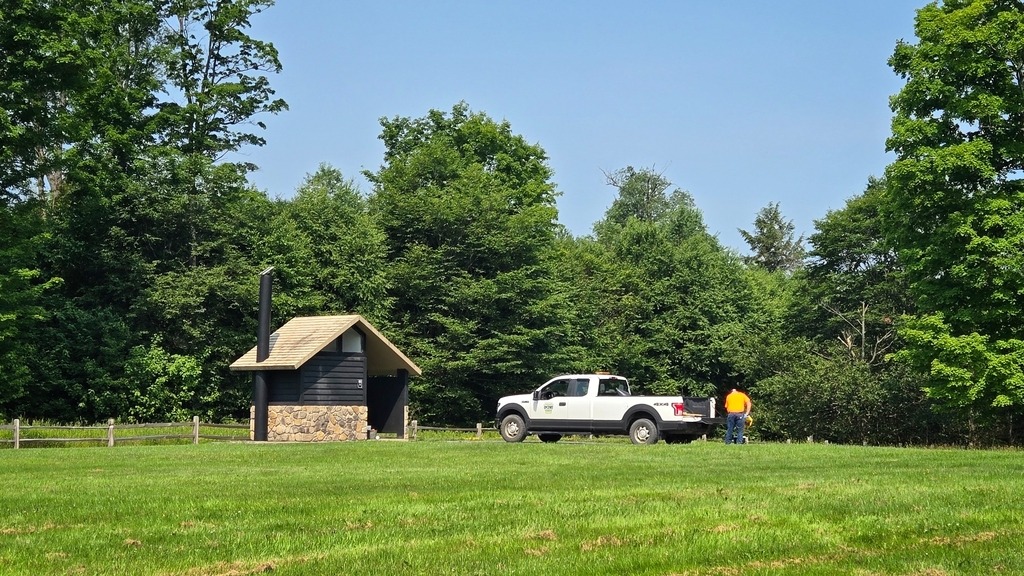
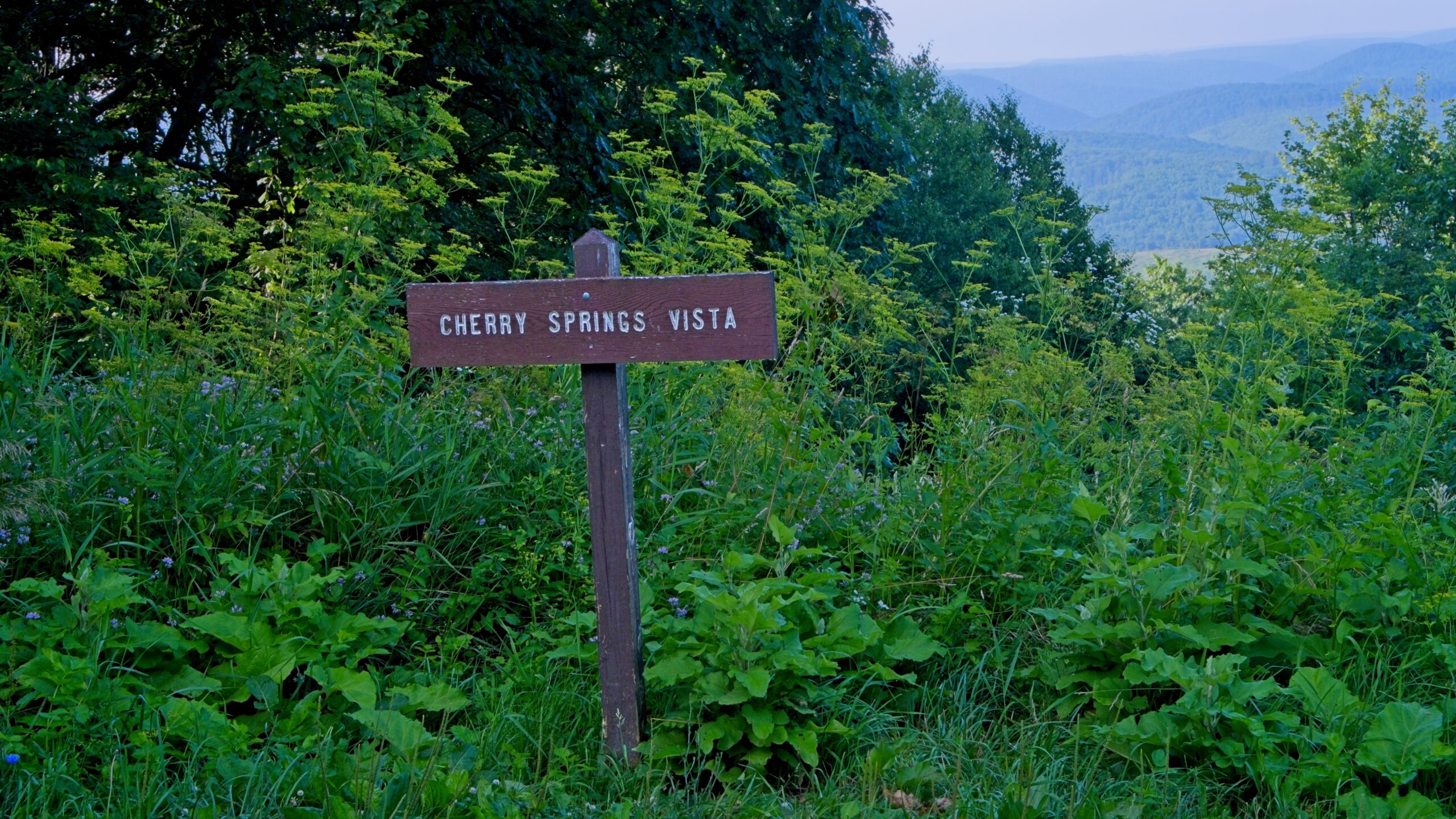
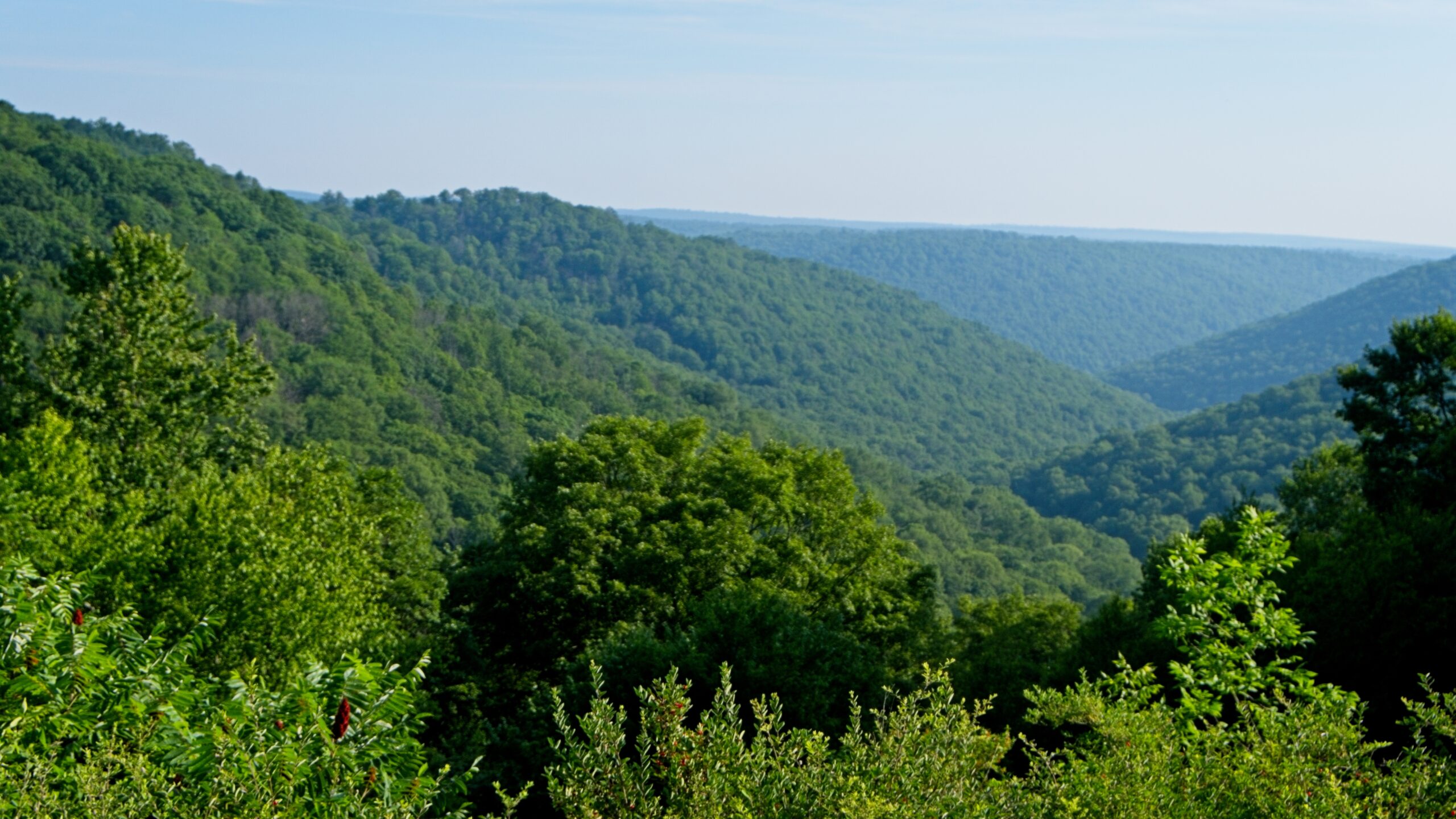
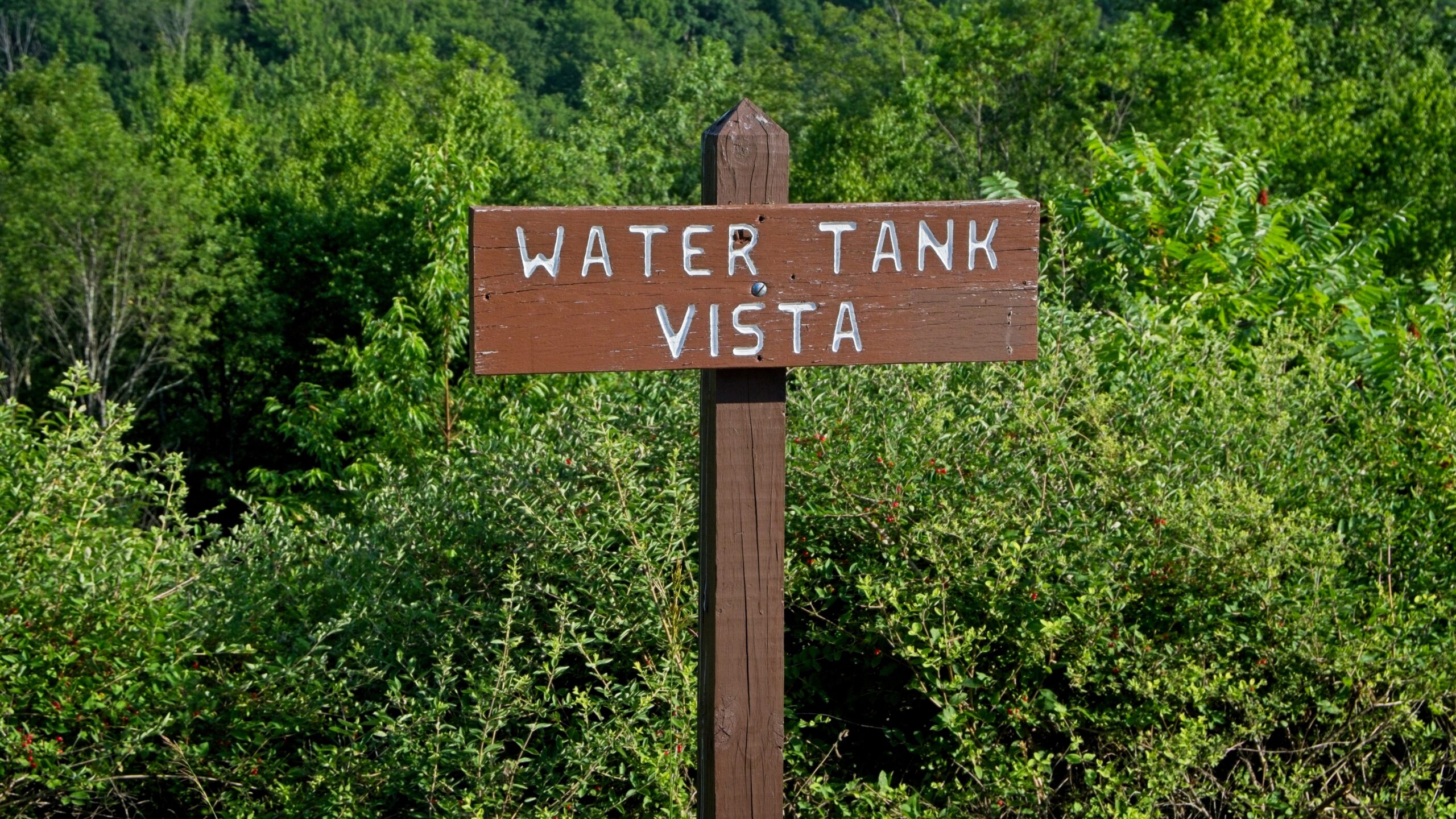
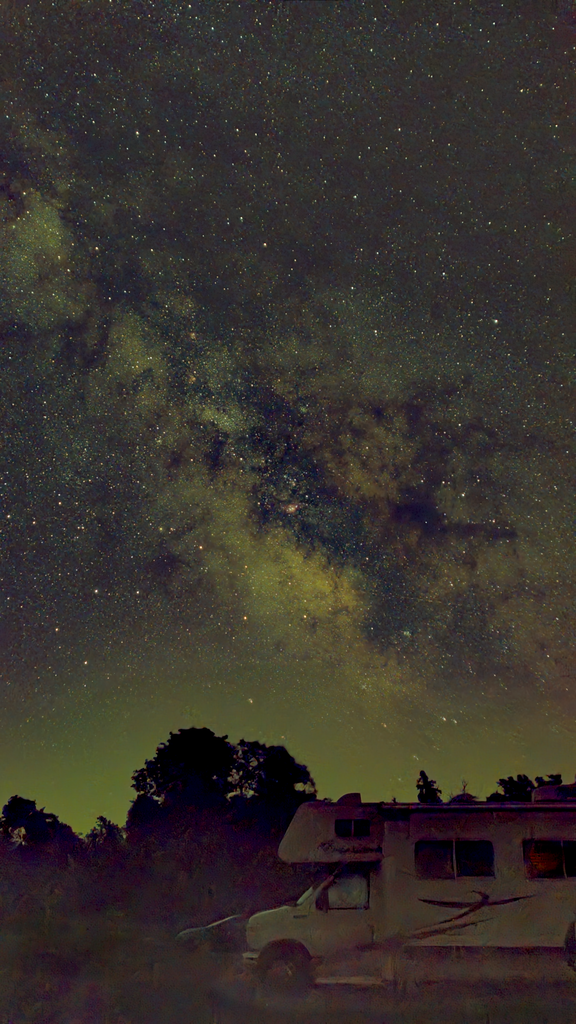
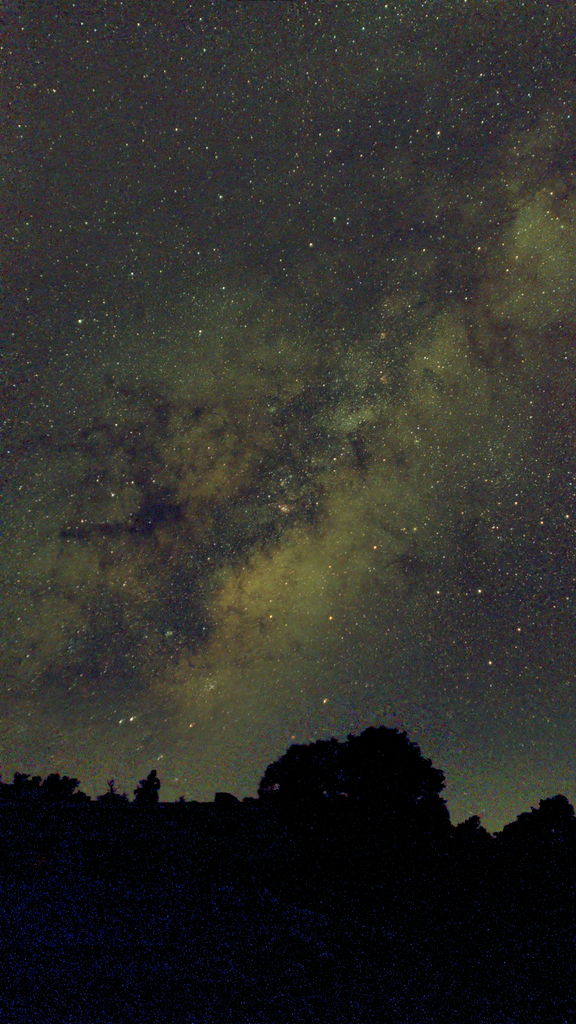
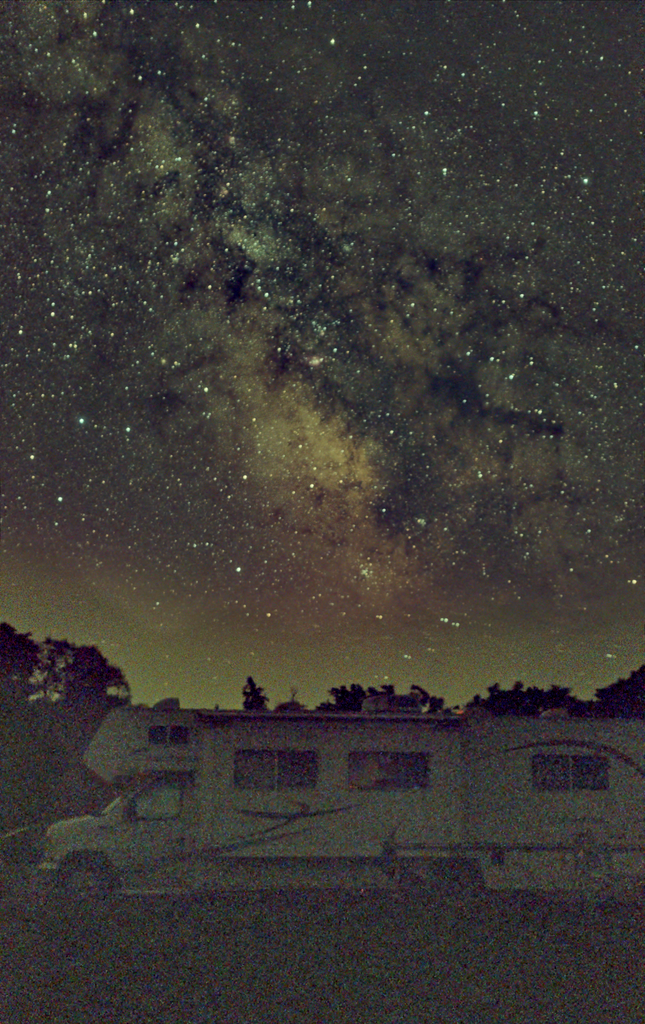
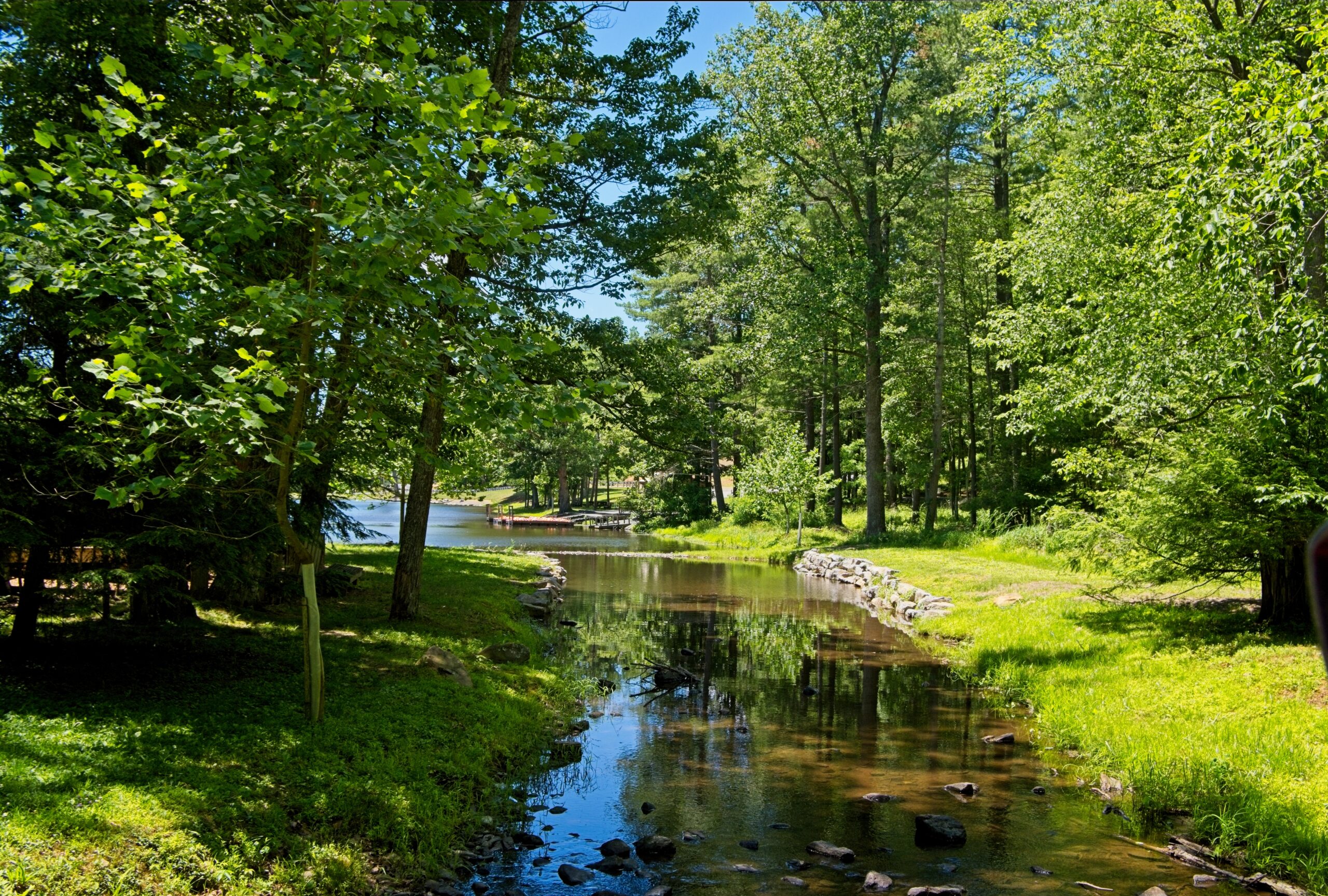
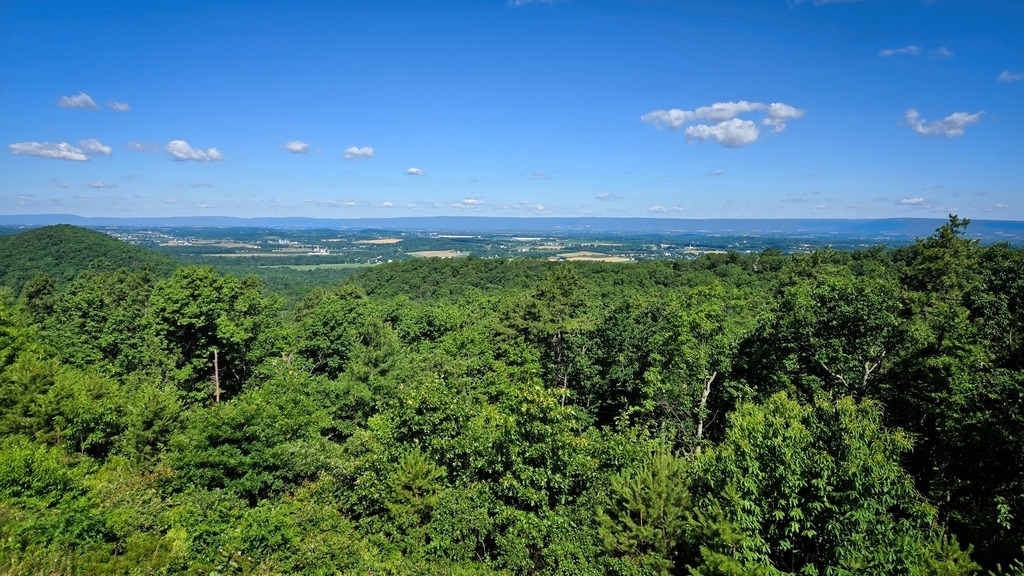
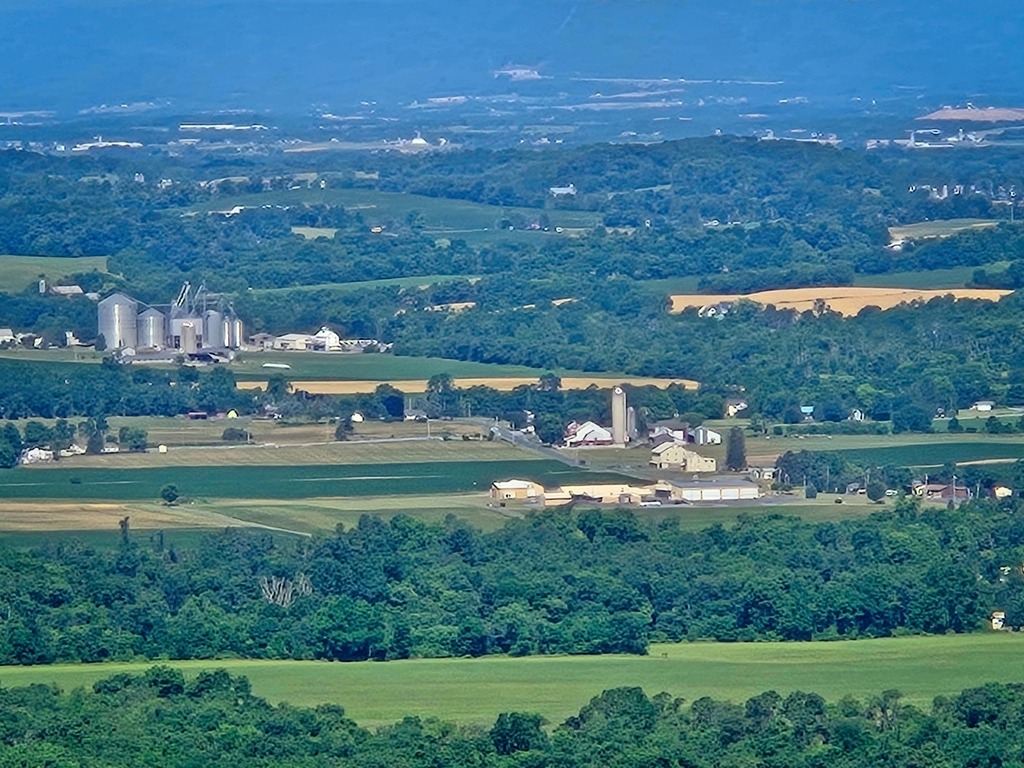
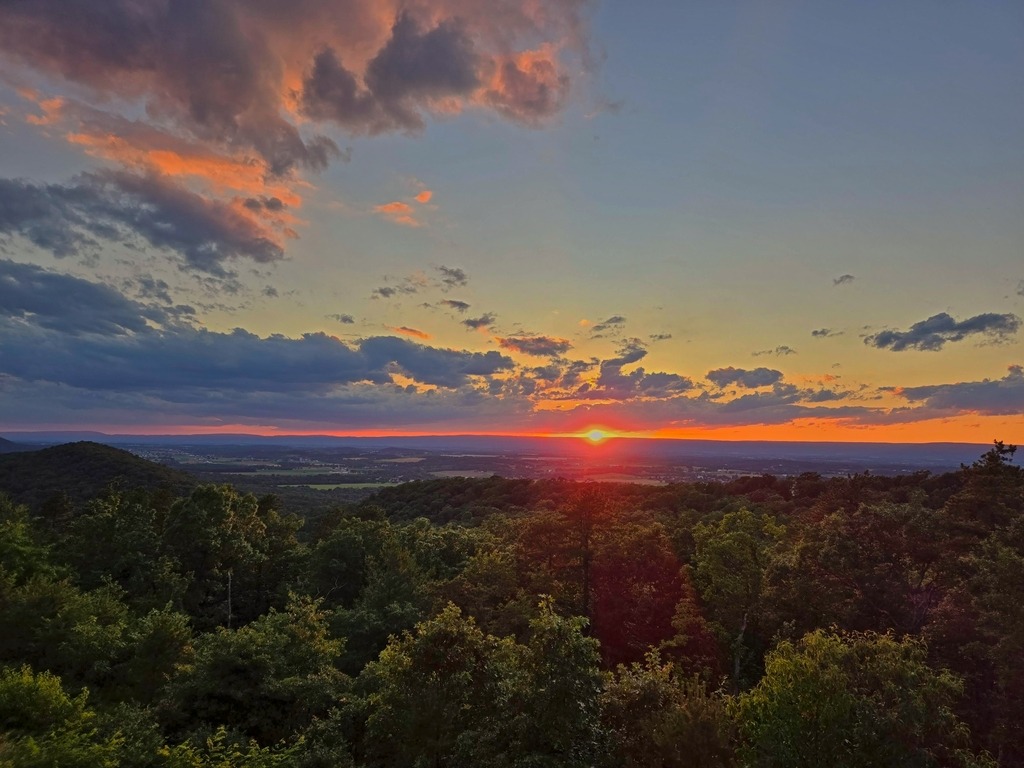
I am taking a few days to look back at some rare (for me) Summer trips taken this year. My first ever overnight camping trip to Cherry Springs State Park took place in July.
The weather was miserably hot and the astronomy field was sparsely populated mid-week.
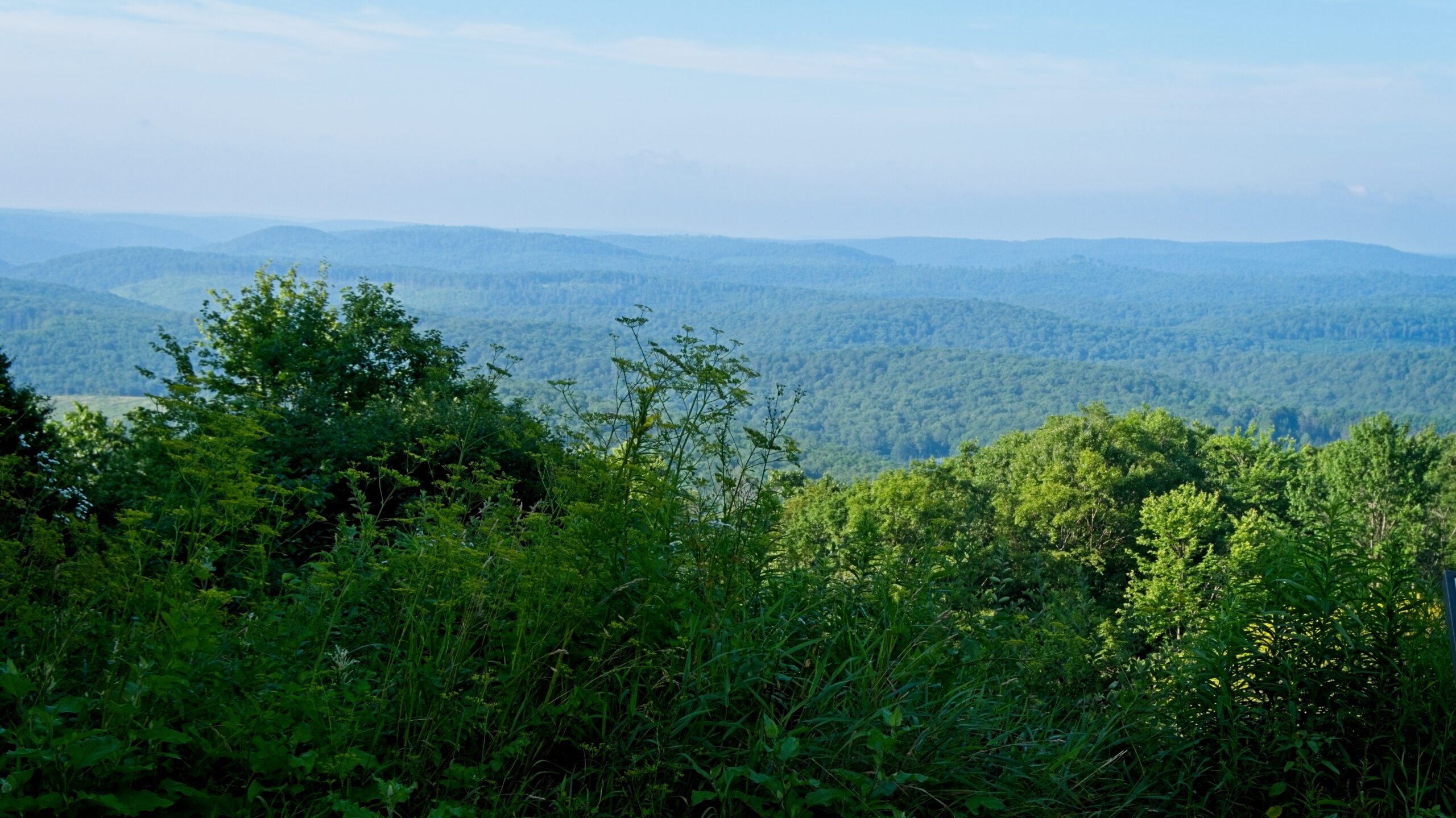
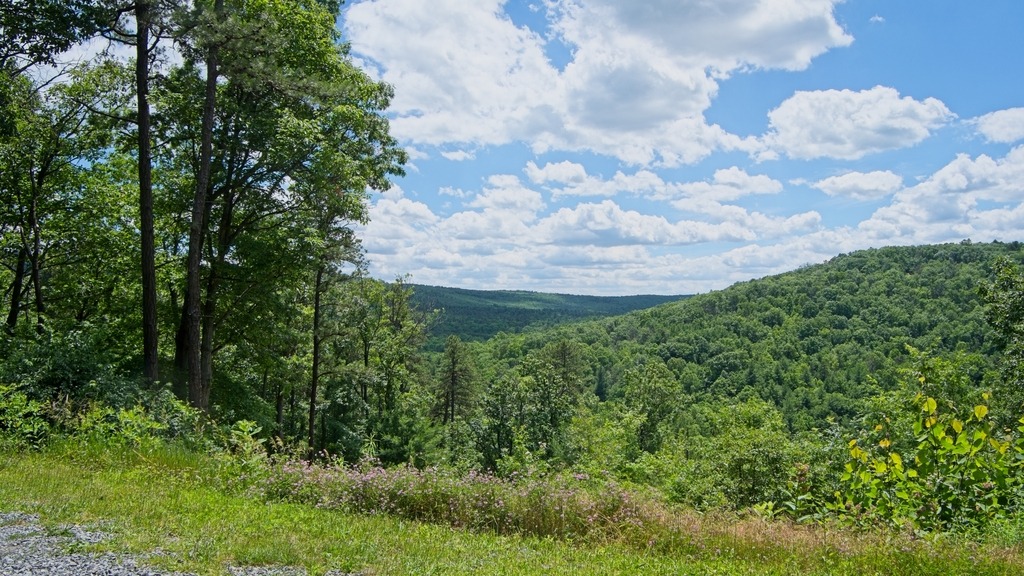
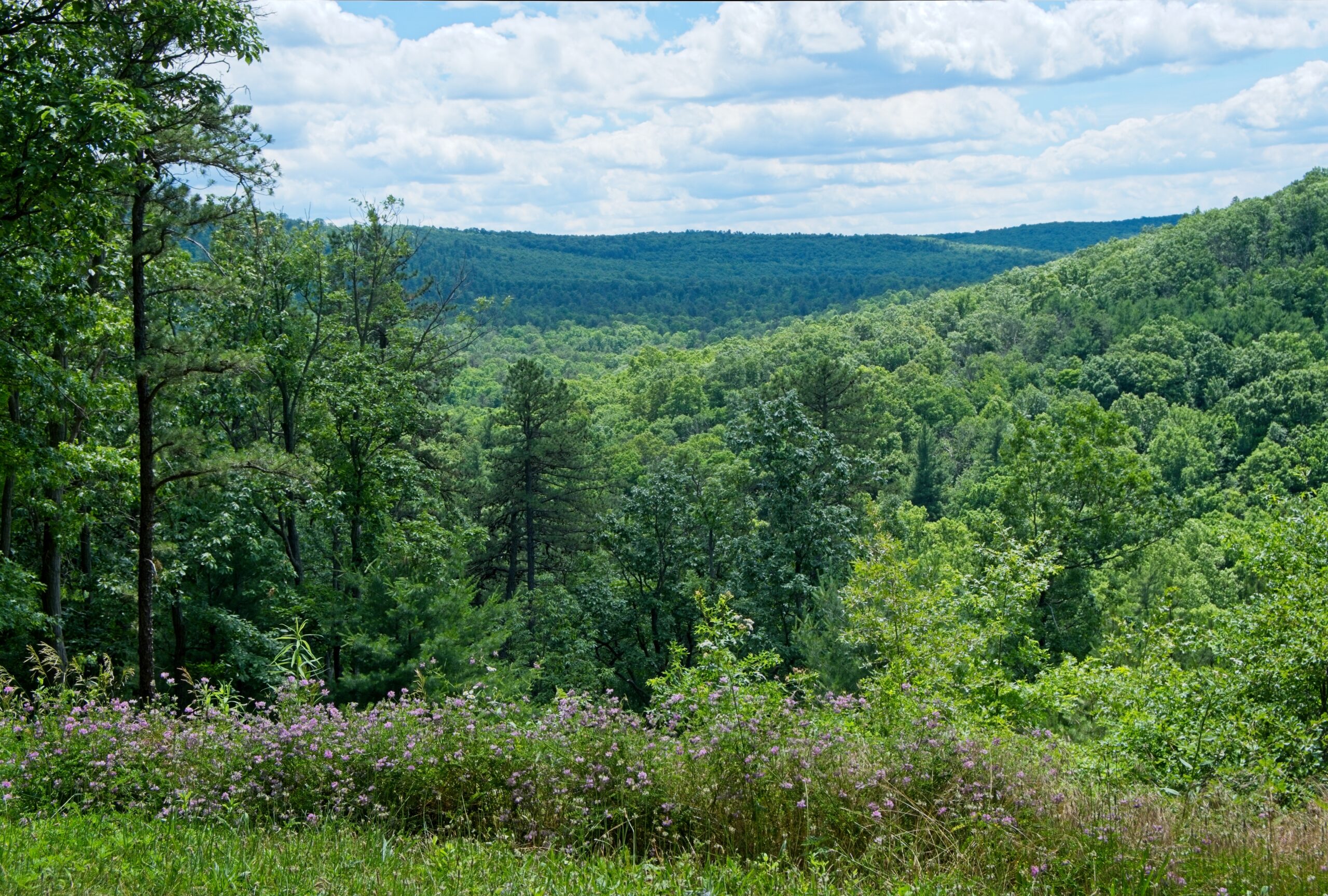
I stopped at a few scenic vistas along Route 44 on the way home.
I did use my Seestar S30 Pro to try some Milky Way shots for the first time.
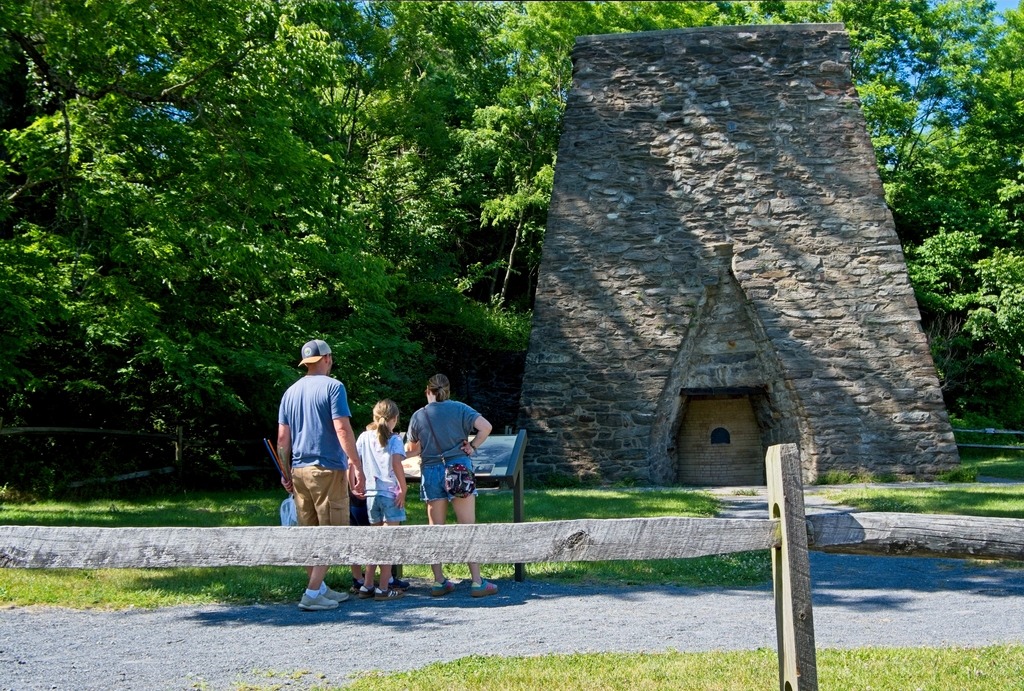
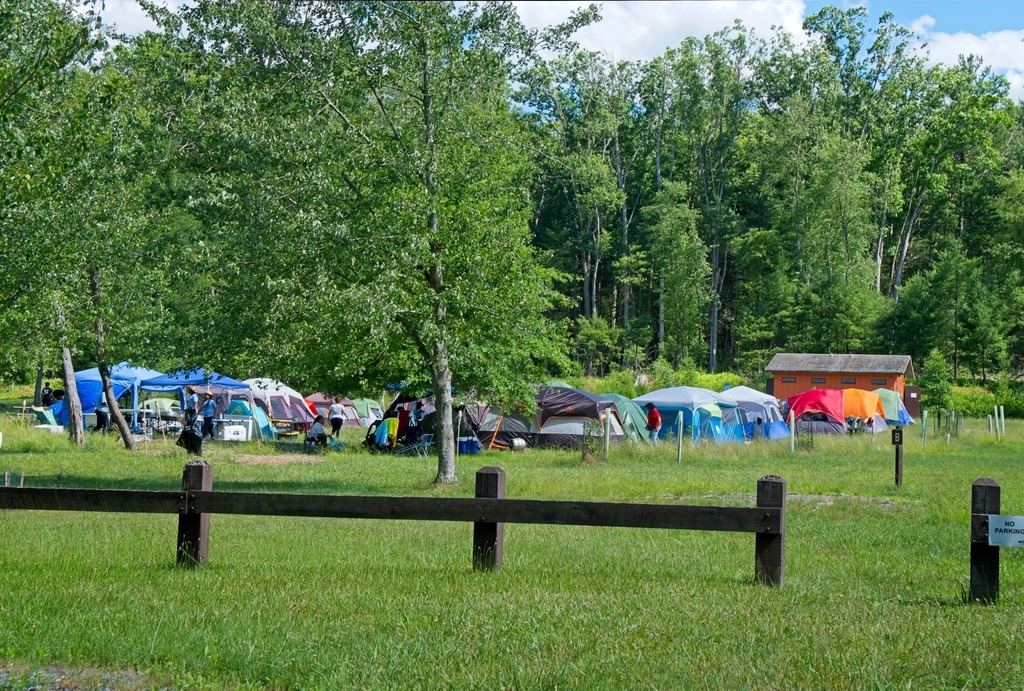
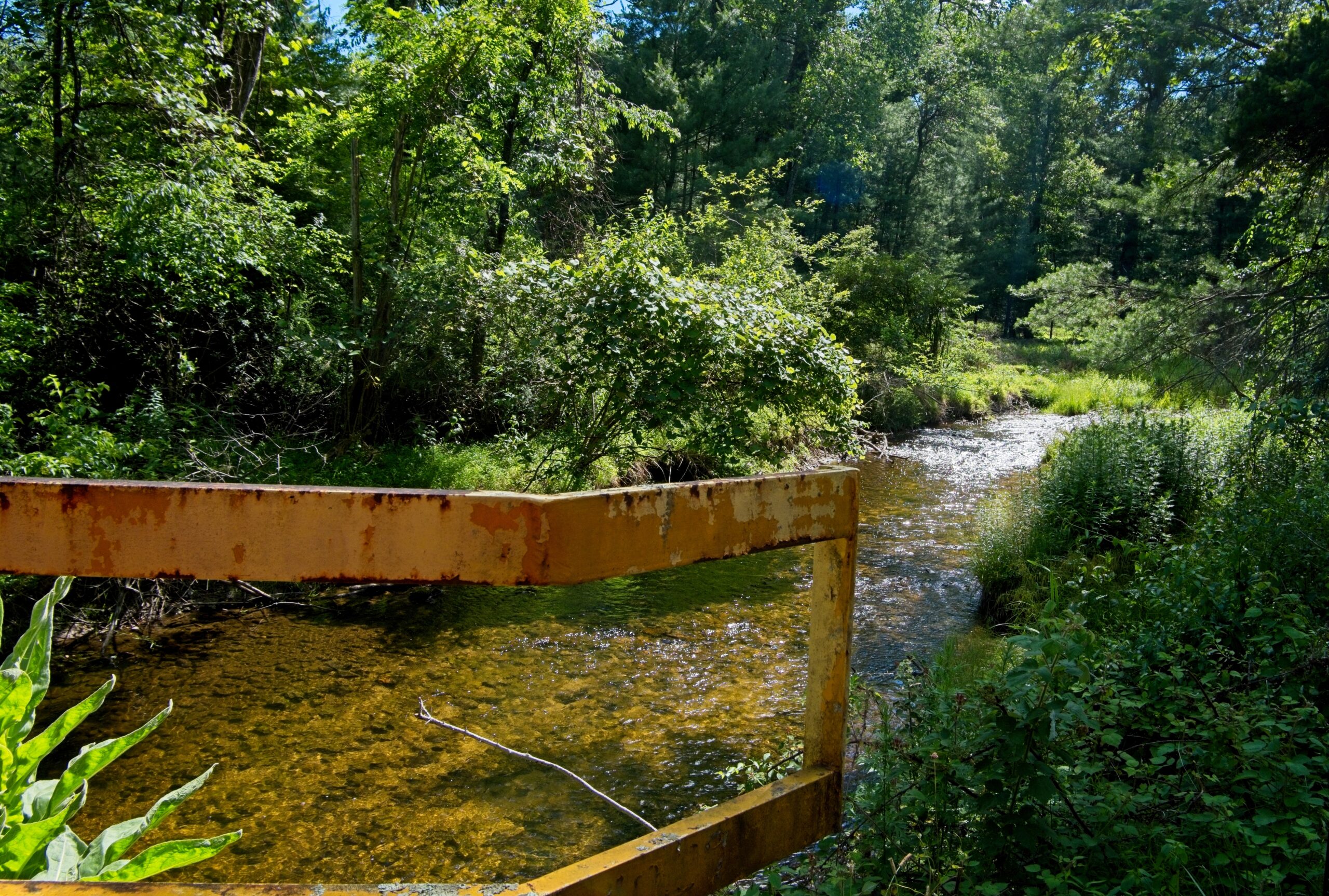
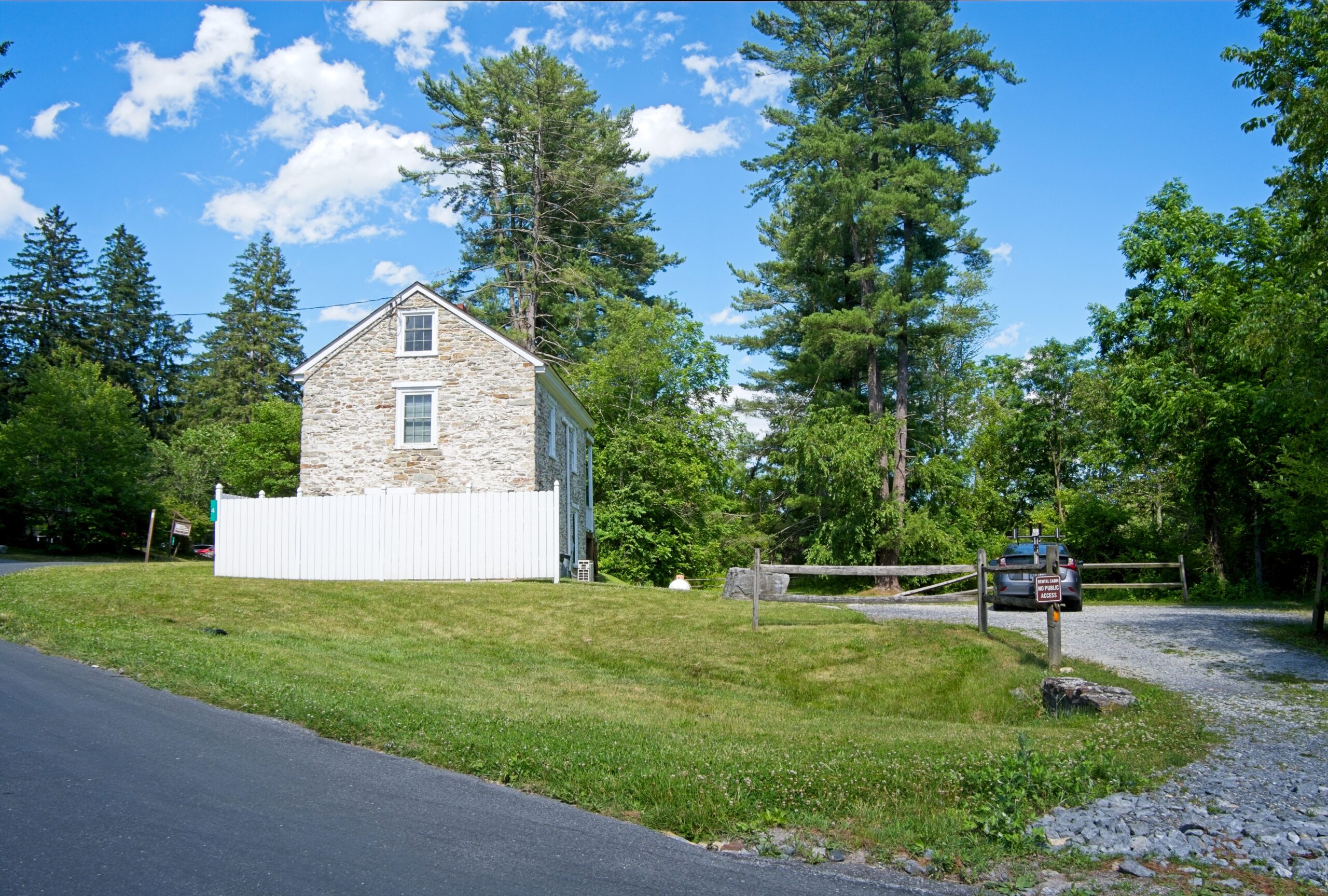
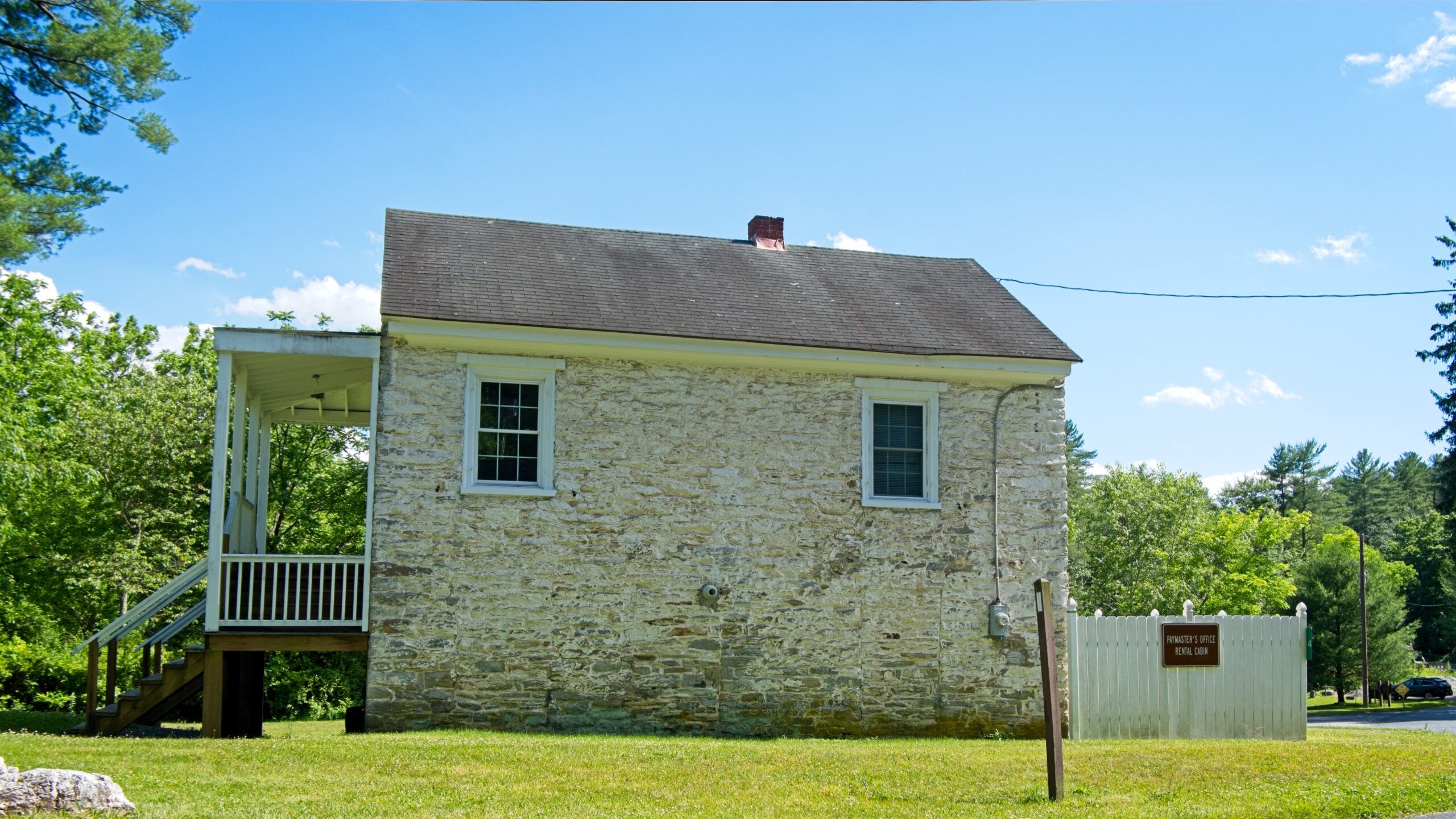
The 696-acre Pine Grove Furnace State Park is at the northern tip of the Blue Ridge Mountains, in an area known as South Mountain. Visitors enjoy many recreational opportunities, including two mountain lakes (Laurel Lake and Fuller Lake), hiking the Appalachian Trail, biking the rail trail, visiting the Appalachian Trail Museum, and viewing sites from when the park was a charcoal-fired iron furnace community
The park is surrounded by Michaux State Forest, which provides opportunities for exploring extensive public lands around South Mountain. The area is know for being close to the mid way point of the Appalachian Trail.
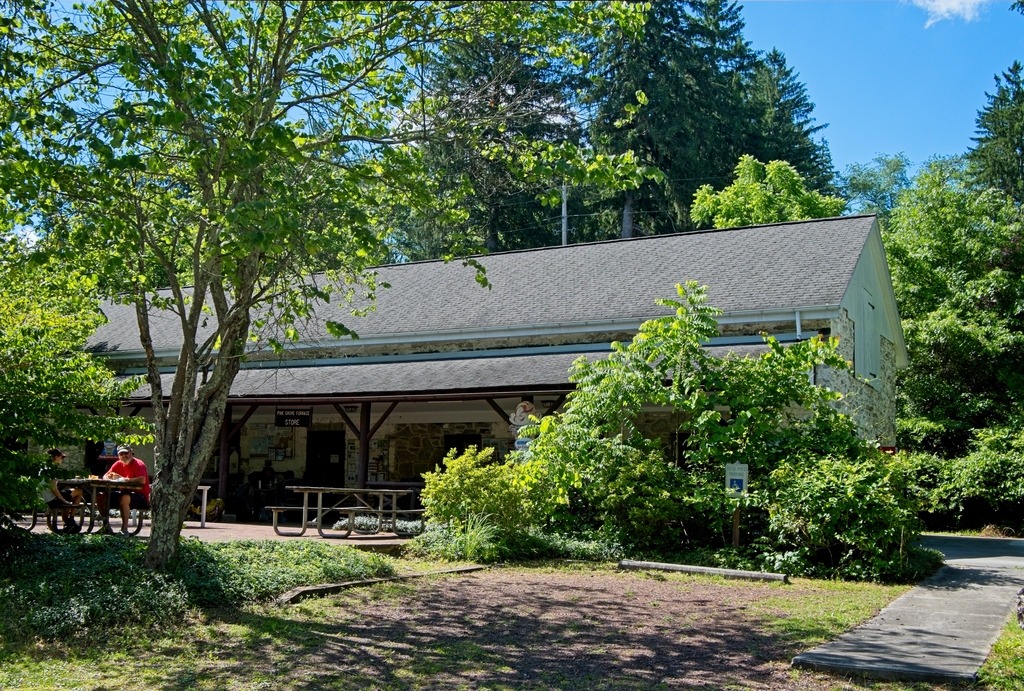
An old iron furnace.The group tent camping area.The Pine Grove Furnace General Store, home of the half gallon ice cream challenge.
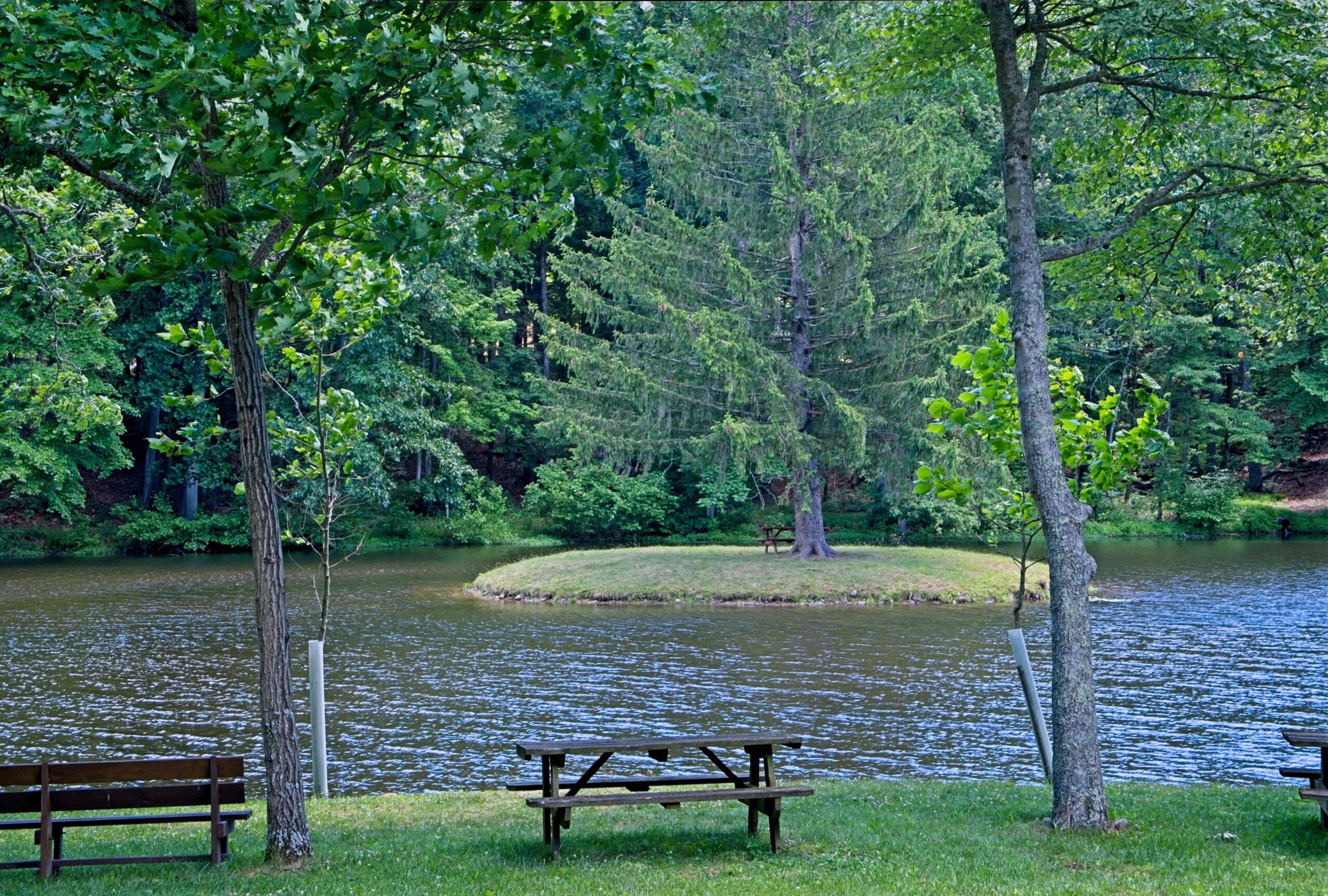
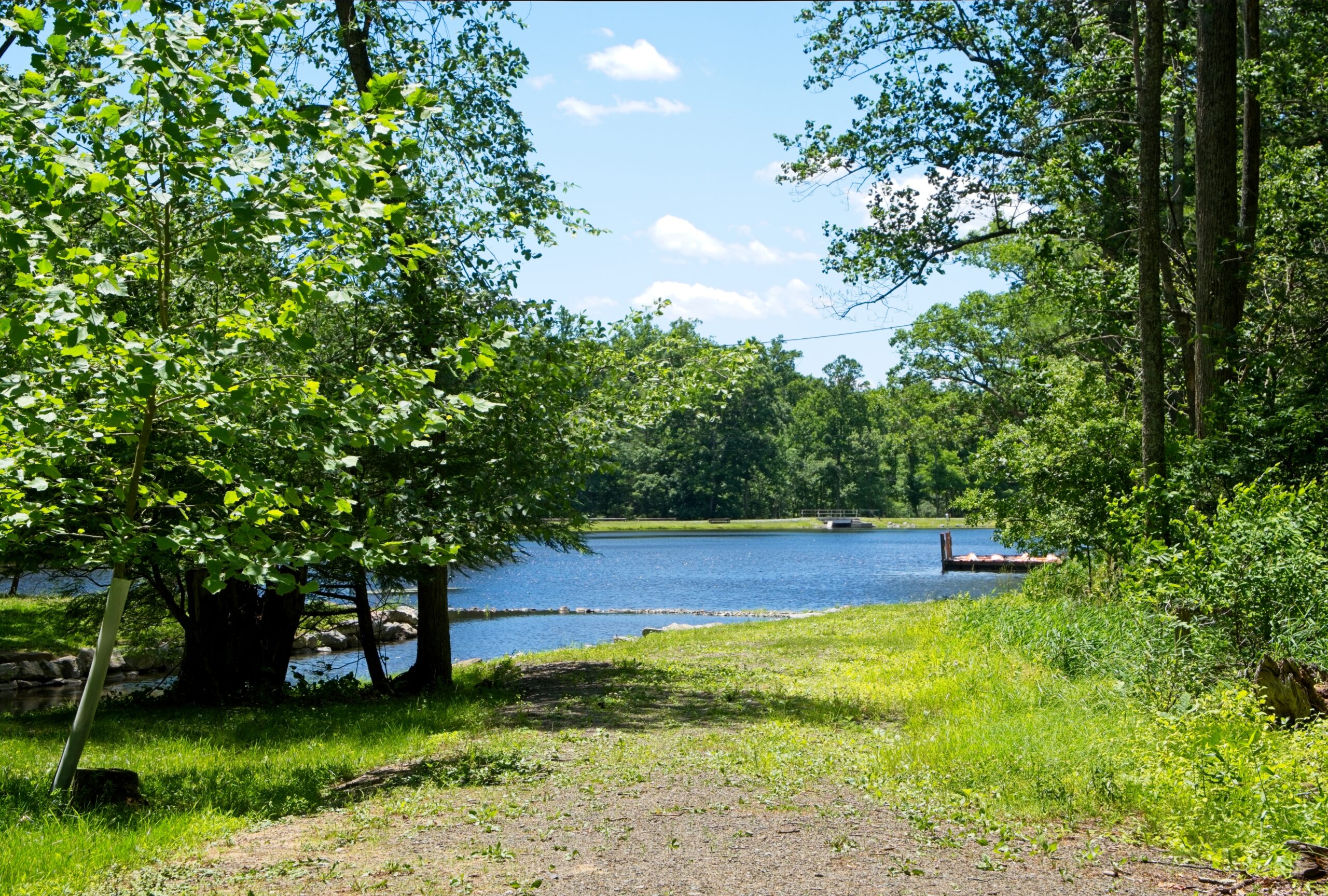
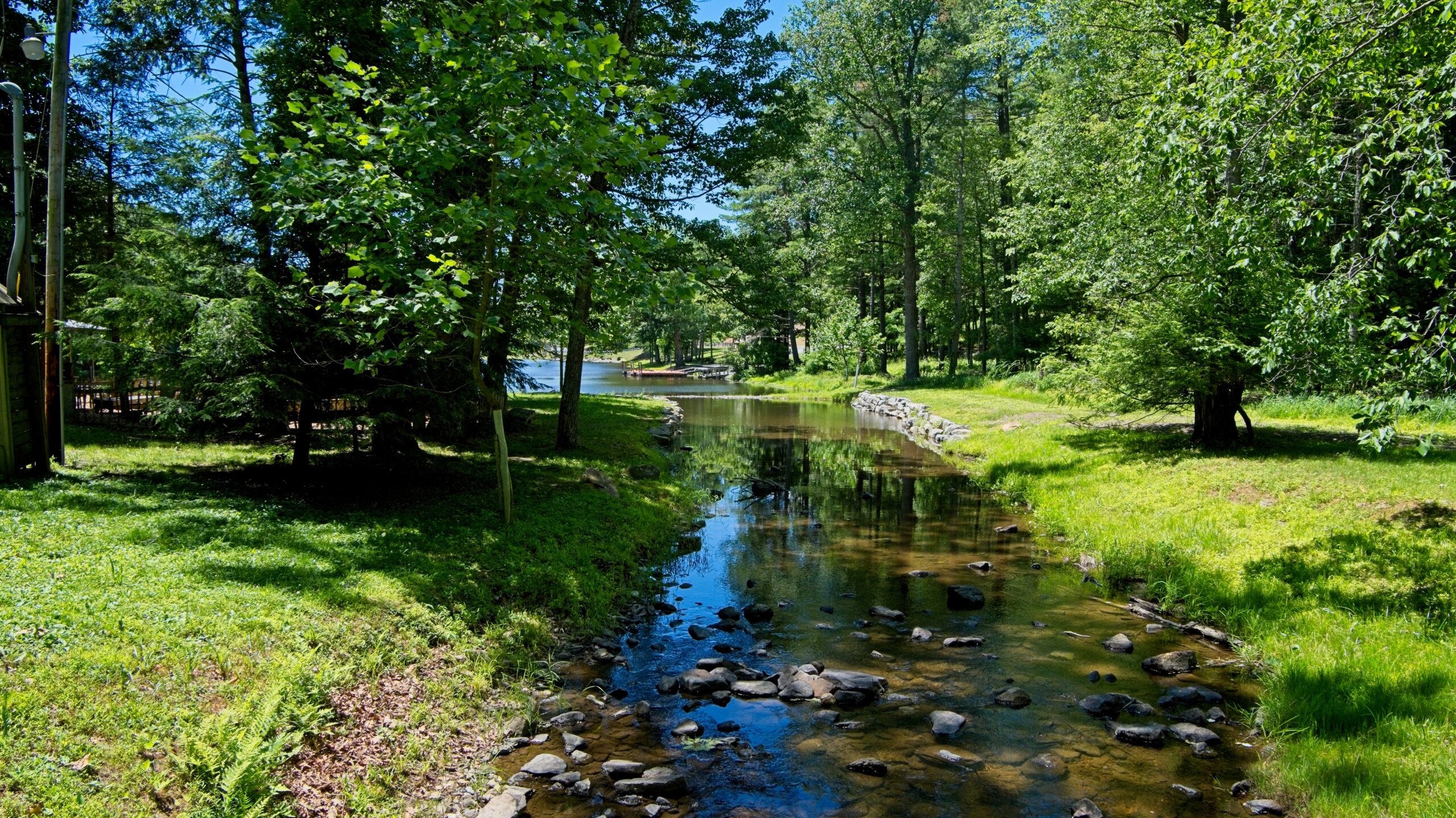
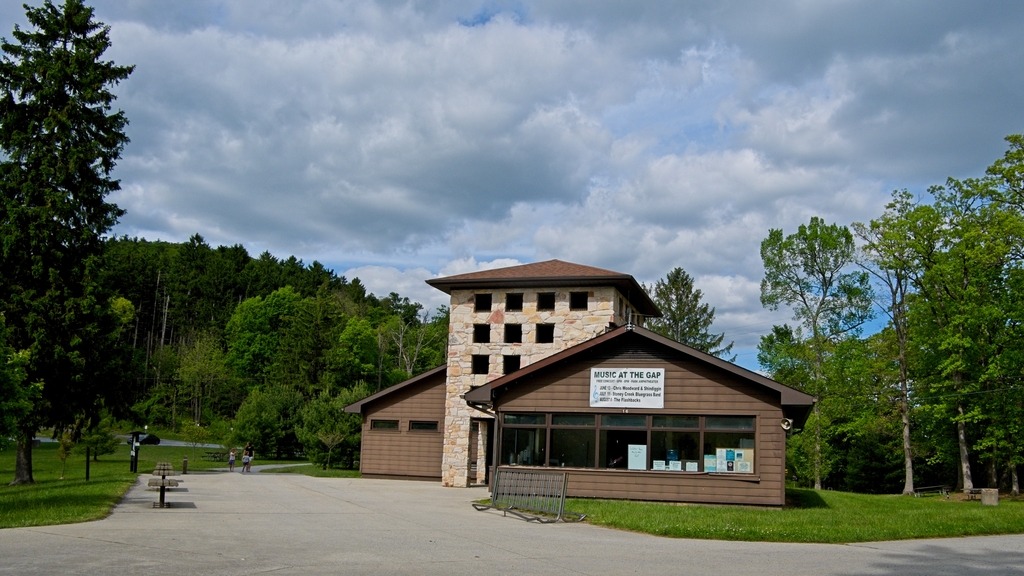
I had previously visited Colonel Denning State park in Spring of 2020. The previous post can be found here. The Park, in north-central Cumberland County, has 273 acres of woodland and a 3.5-acre lake. It serves as a gateway to the 96,000-acre Tuscarora State Forest, which surrounds the park.These scenic and historic public lands are located in Doubling Gap, so named by the “S” turn where Blue Mountain doubles back on itself.
Although never a colonel, William Denning (1737-1830) served as a Revolutionary War sergeant from March 1778 to April 1780 in Nathaniel Irish’s Company of Artillery Artificers in Benjamin Flower’s Regiment. Stationed just outside of Carlisle at Washingtonburg Forge (now Carlisle Barracks), Denning earned his place in history making wrought iron cannons for the Continental Army. Unfortunately, none of Denning’s cannons survive today.
After the Revolution, William Denning lived out his life near Newville and is interred with his only son and daughter in the Big Spring Presbyterian Church cemetery in Newville. His monument reads, “The patriotic blacksmith and forger of wrought iron cannon during the Revolutionary War.” It is not known when or who added the “Colonel” to Sergeant William Denning’s name.
Colonel Denning State Park became a state recreational area around 1930, under the Pennsylvania Bureau of Forestry. It was developed formally in 1936 through the efforts of the Civilian Conservation Corps Camp S-111 in Perry County.
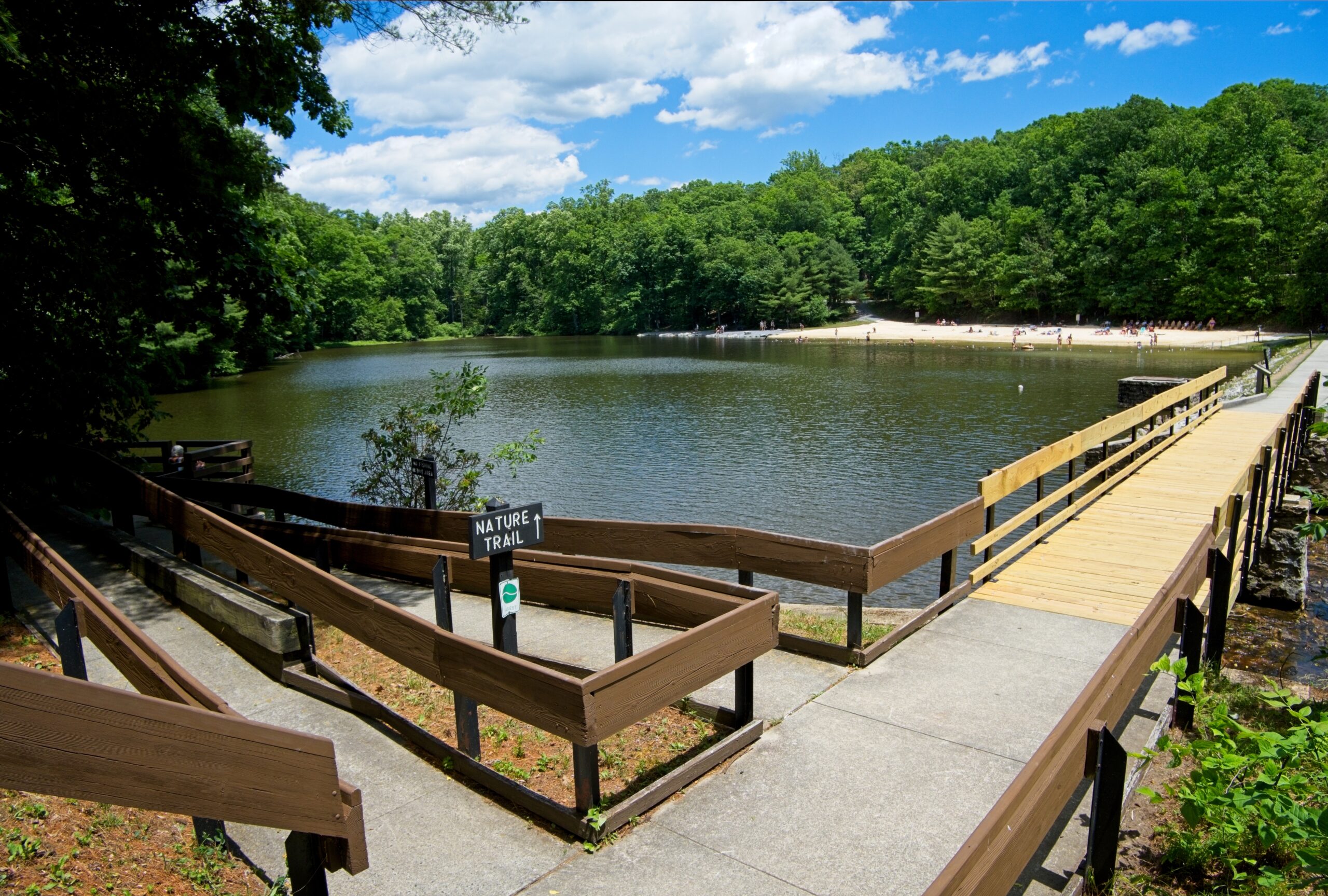
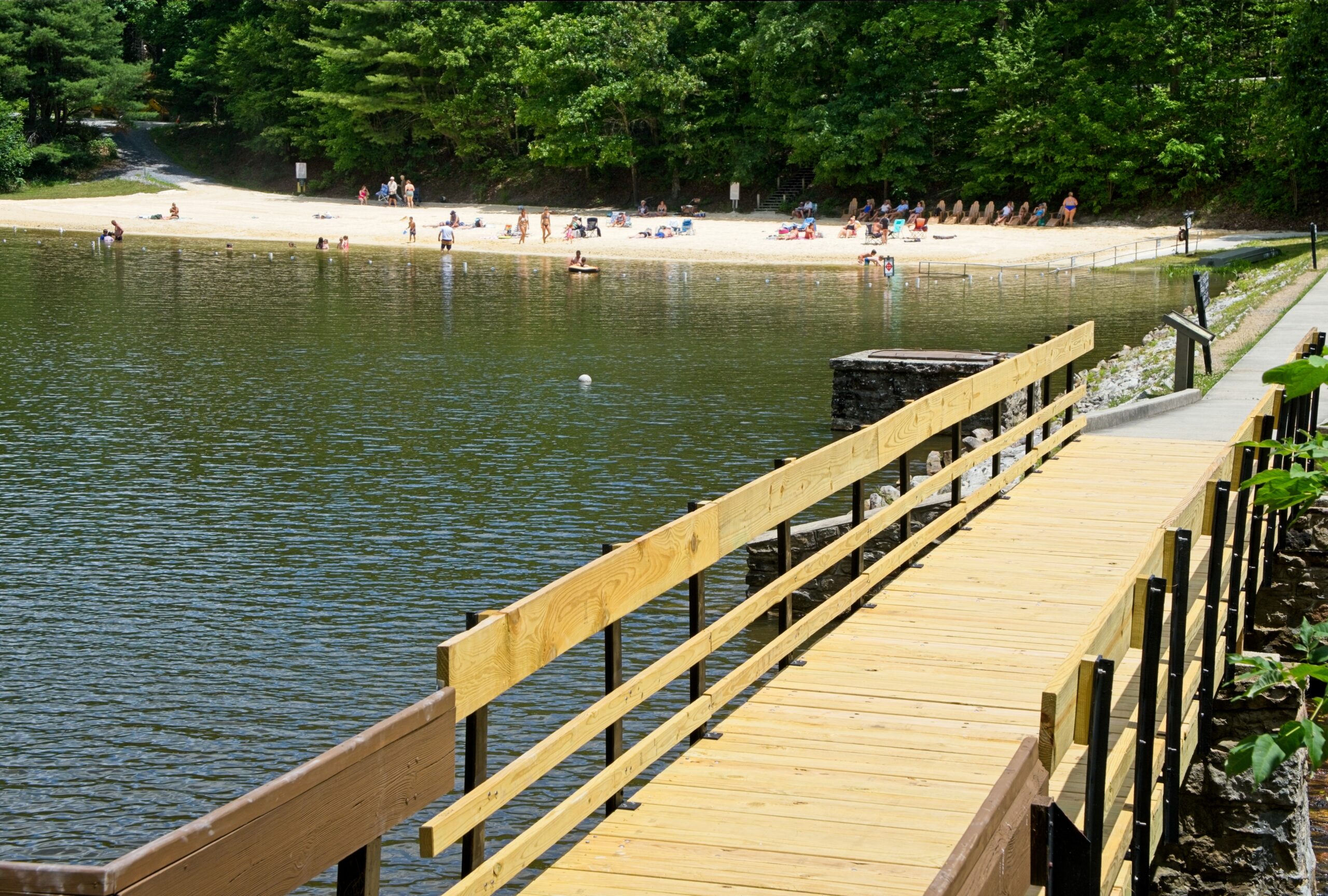
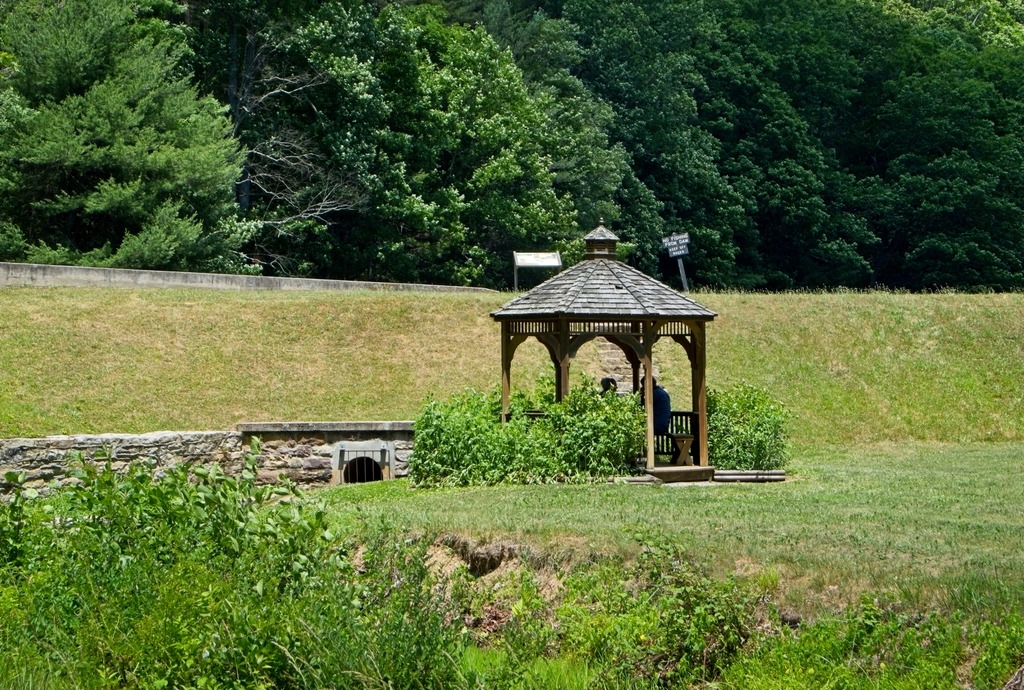
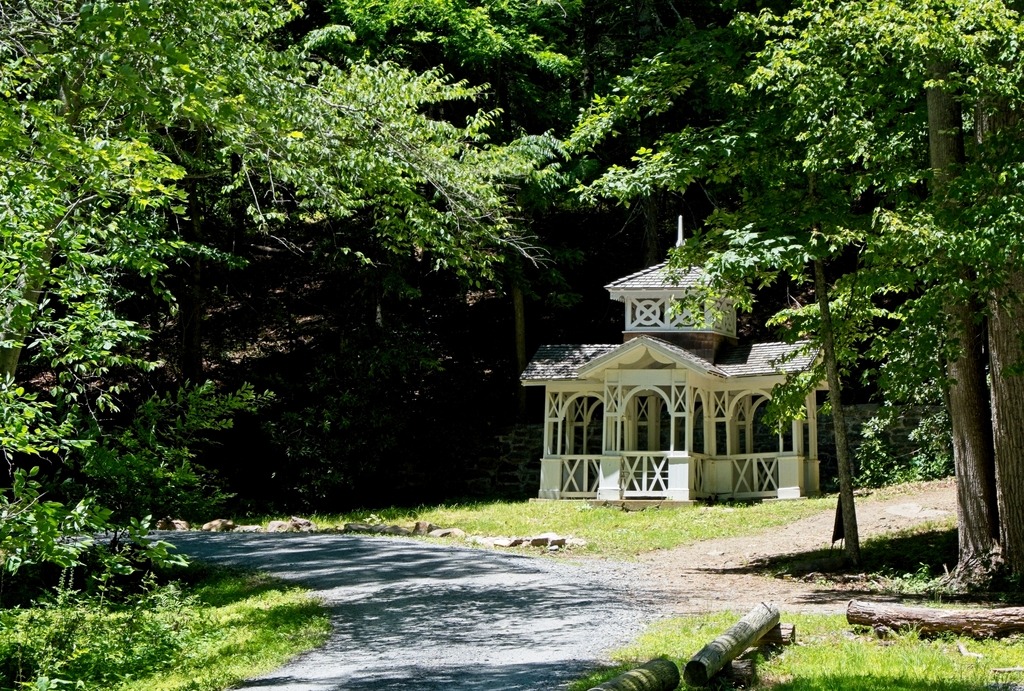
The lake and beach.A distinctive gazebo near the dam.
As a bonus, here are some looks at a nearby church camp known as Doubling Gap Center Camp YoliJwa.
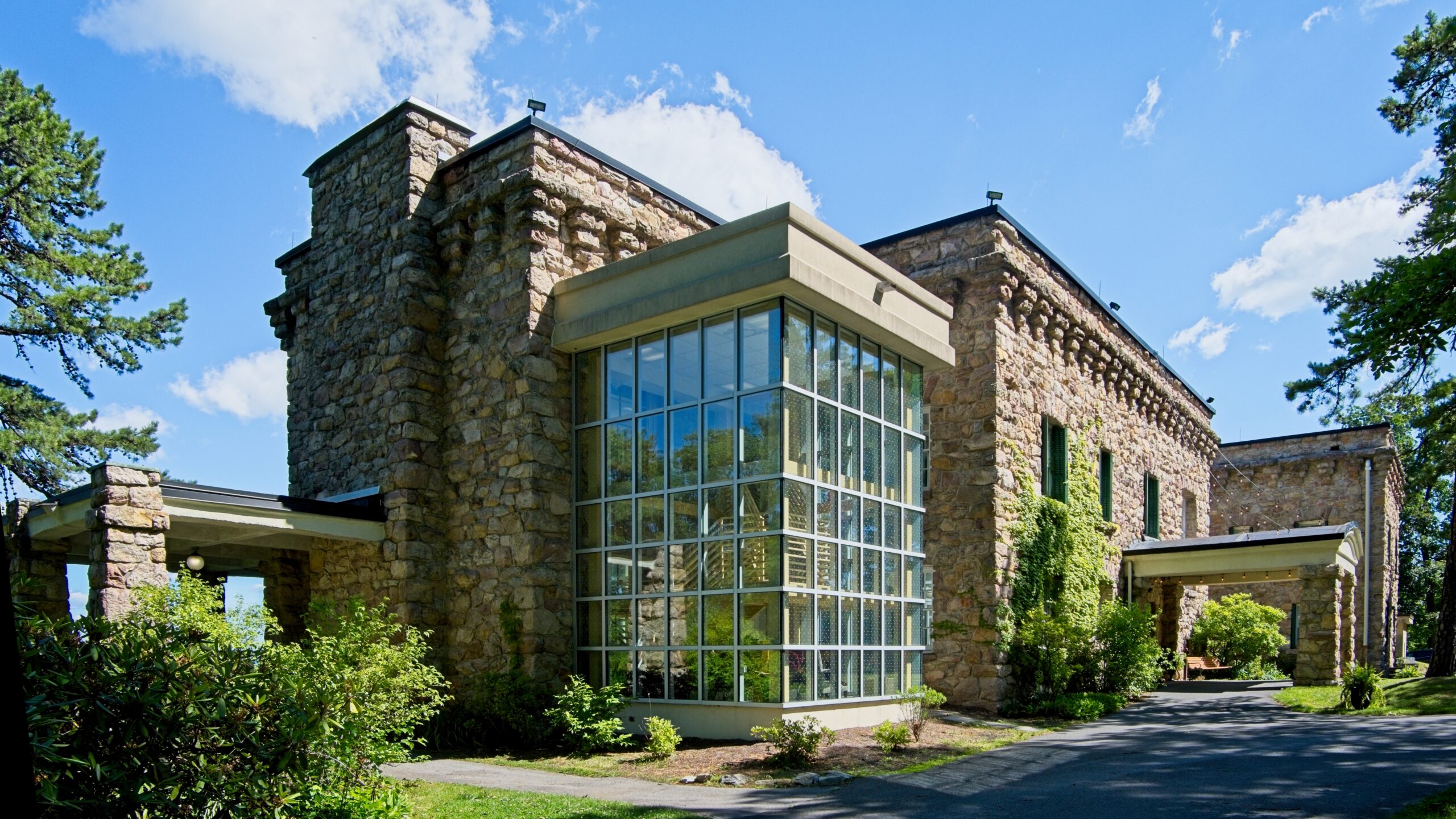
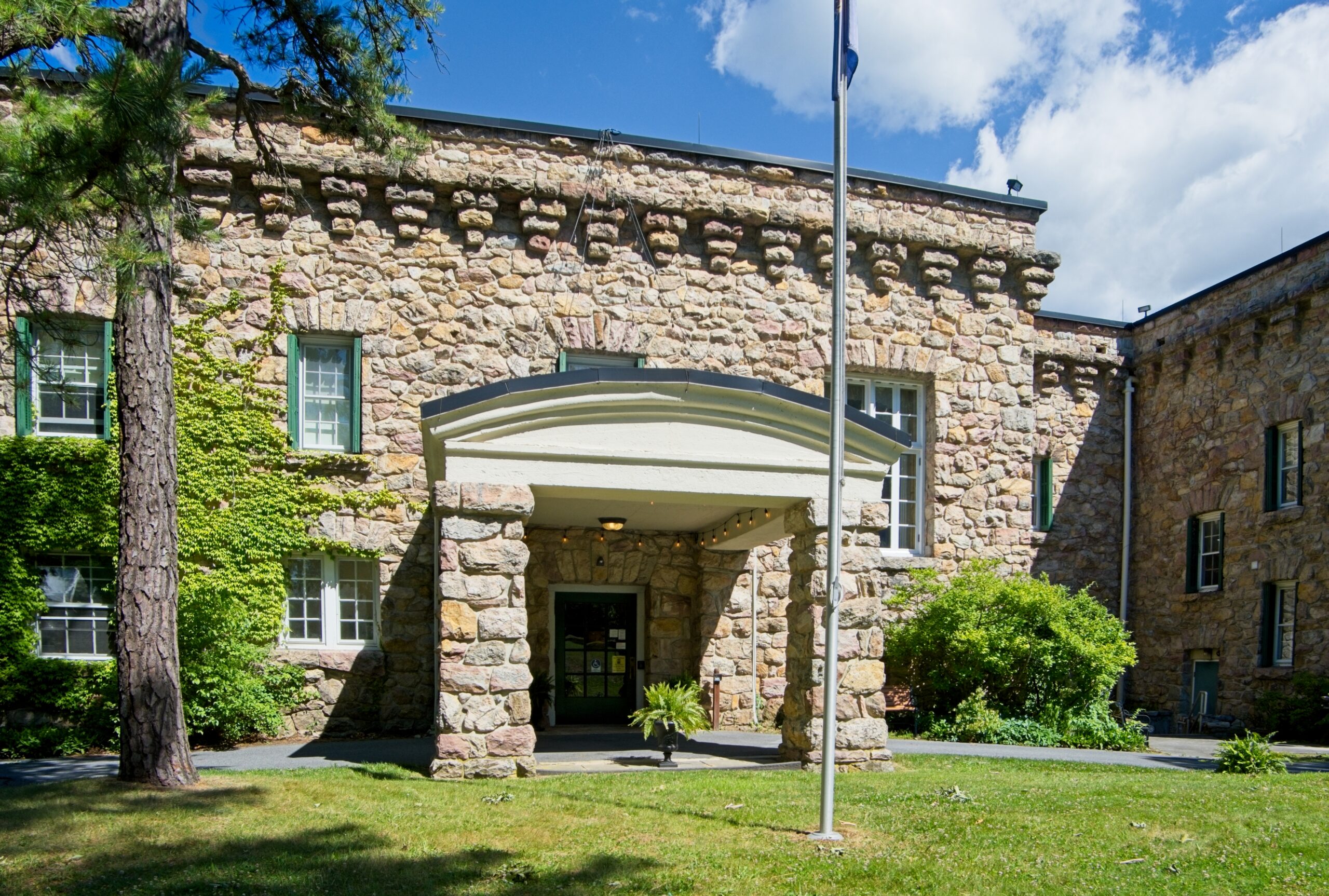
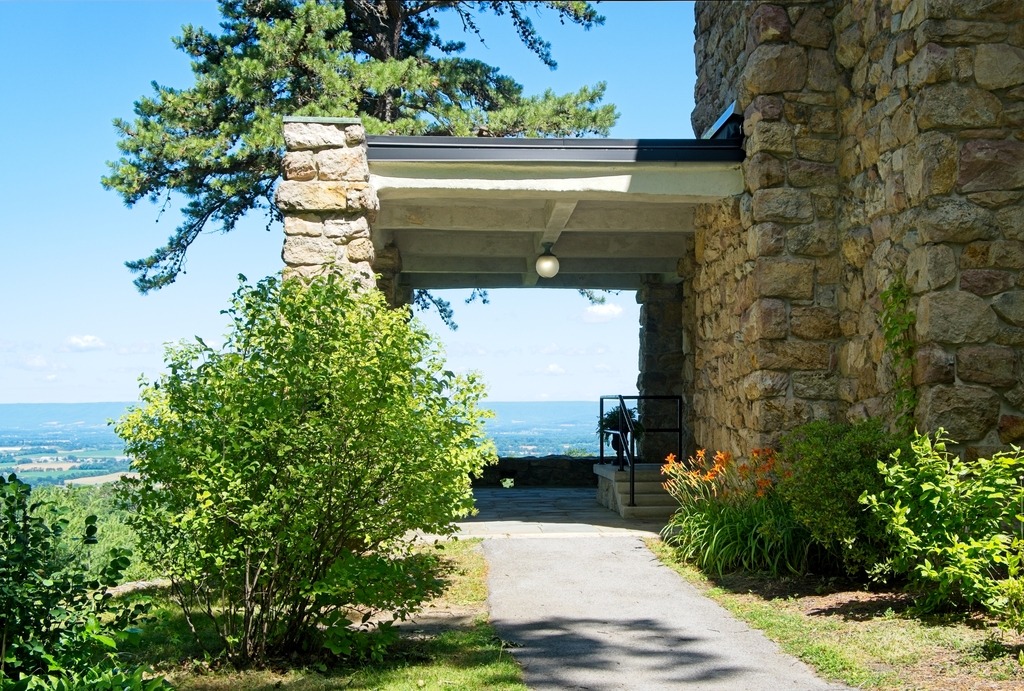
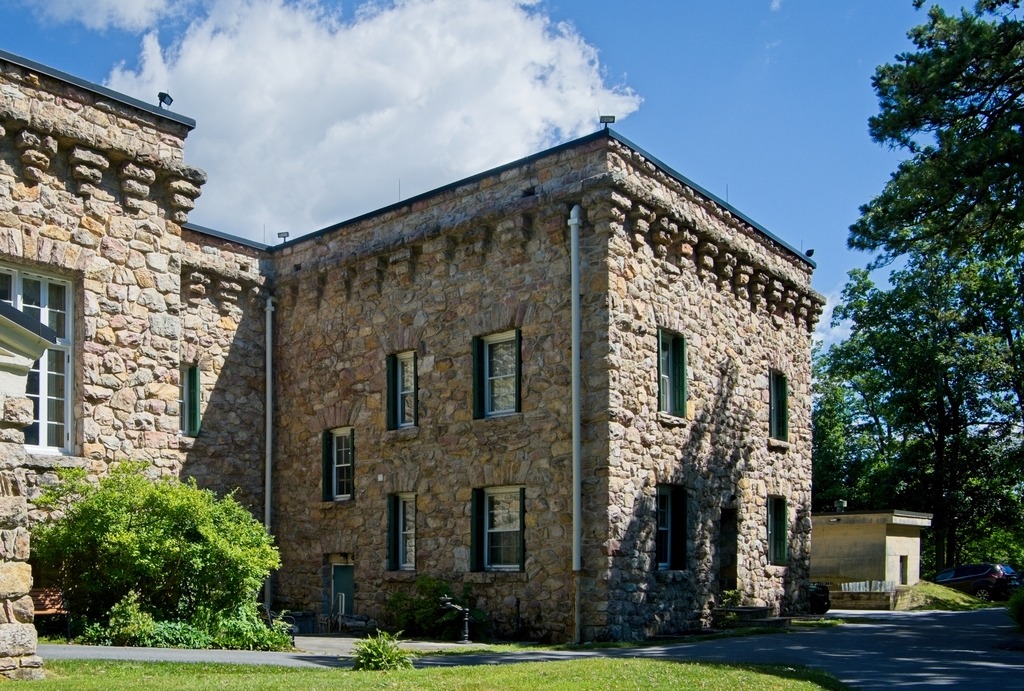
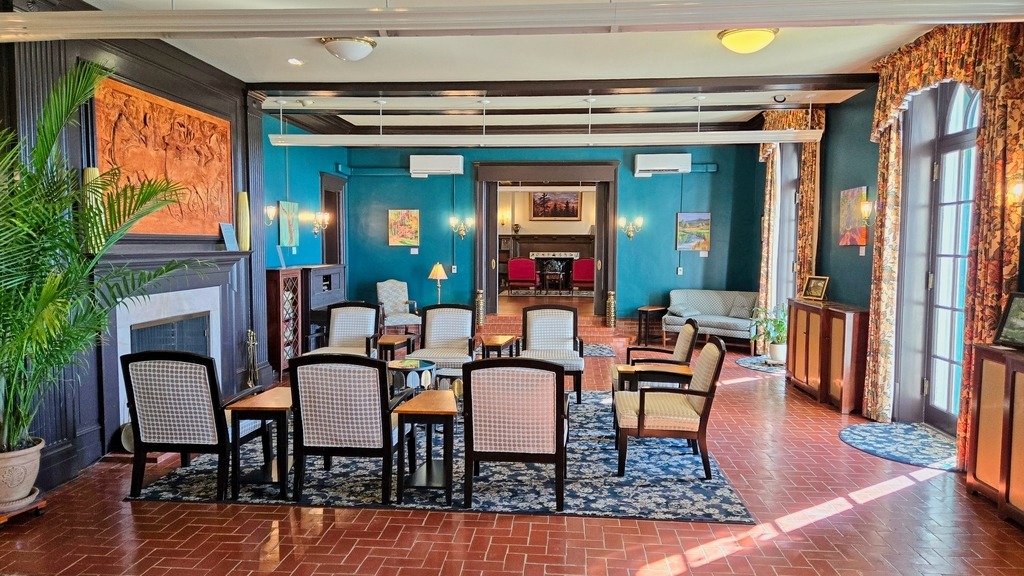
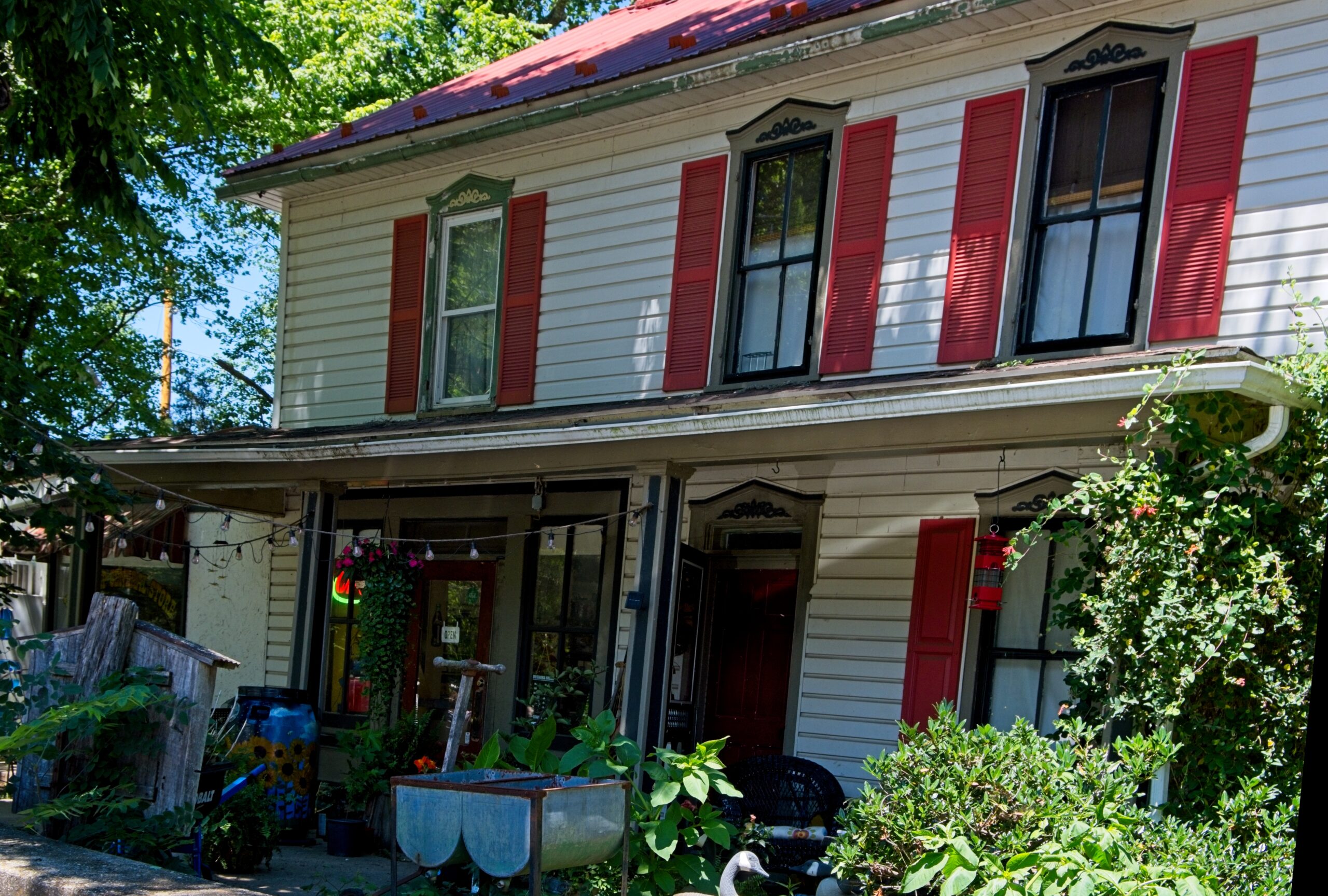
James McCormick Cameron erected the stone mansion at the present King’s Gap Environmental Educaiton Center as a summer home around 1908. The mansion is approximately 200 feet long and is built of native Antietam quartzite quarried from a nearby ridge.
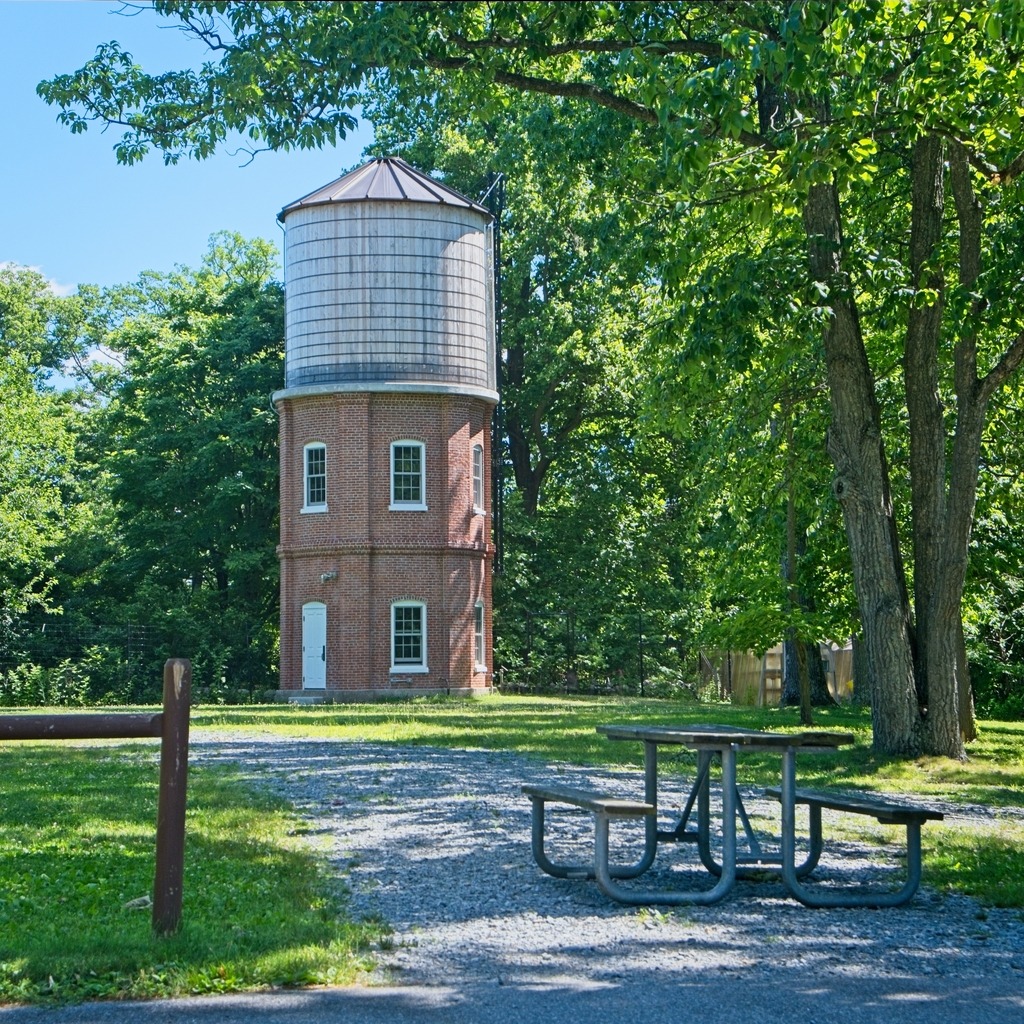
The 32-room house was designed to resemble an Italian villa with its flat roof, huge windows and flagstone terrace. The use of steel-reinforced concrete for the internal structure of the building is believed to be one of the first such applications in local construction. The materials used in the construction were intended to make the mansion as fireproof as possible. Nevertheless, Mr. Cameron only lived at Kings Gap from May through October, when fire danger is at its lowest. Other structures include an ice house, garden, water tower, carriage house, generator building and the caretaker’s house.
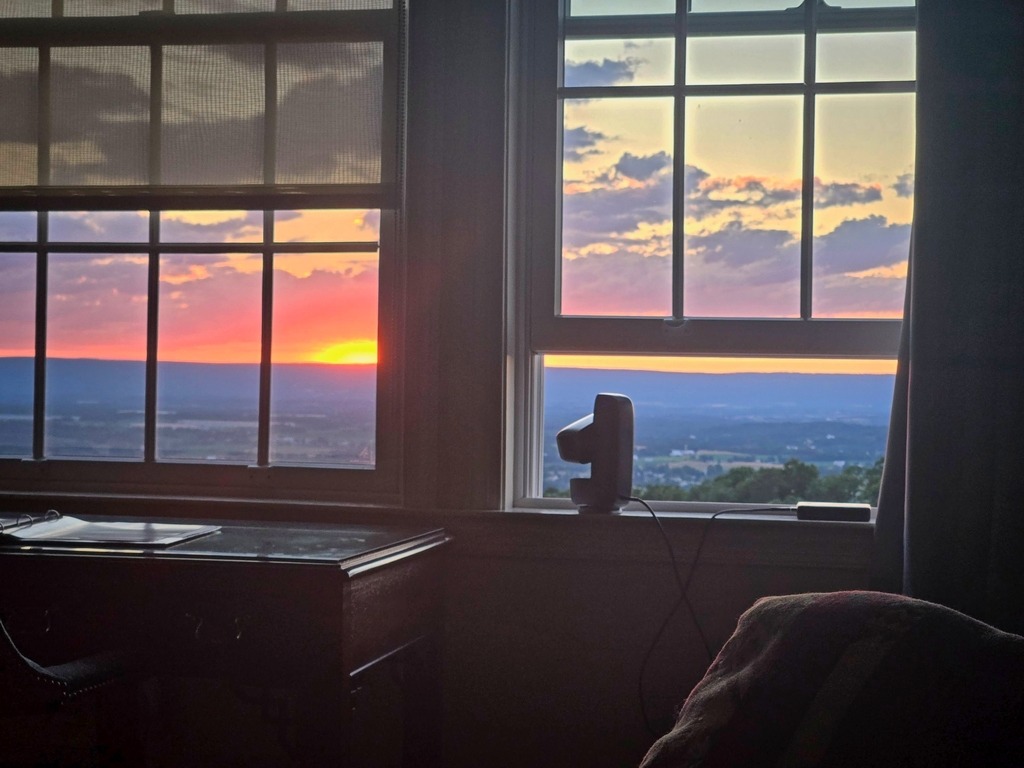
I stayed at the Mansion for two nights in June.
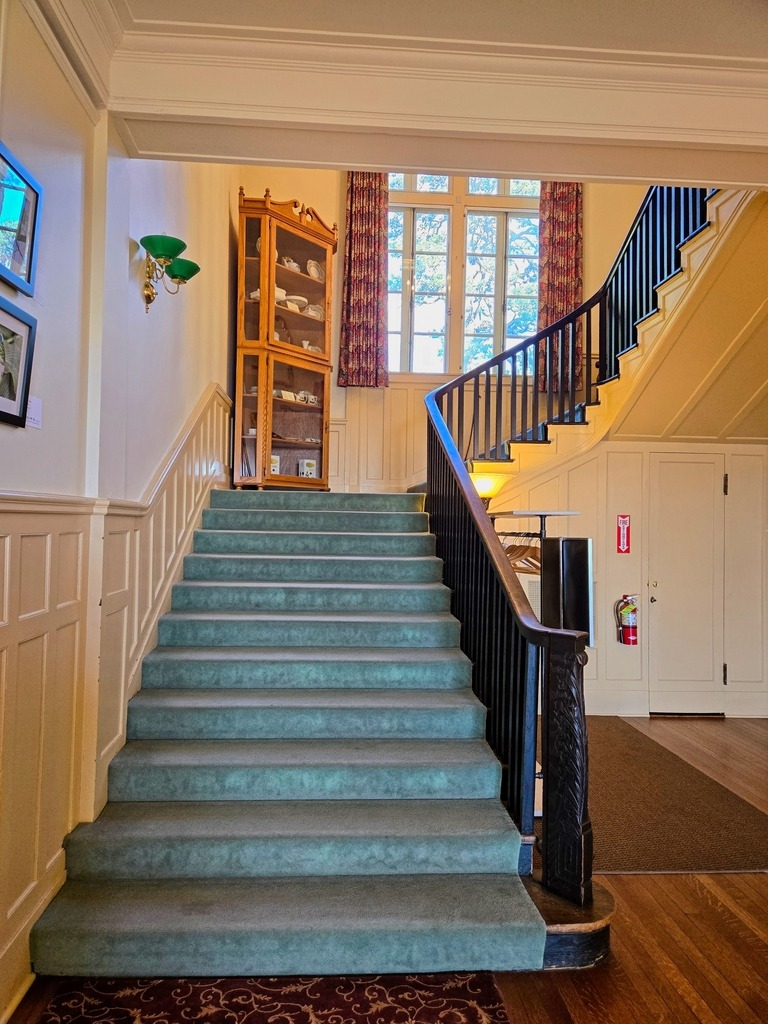
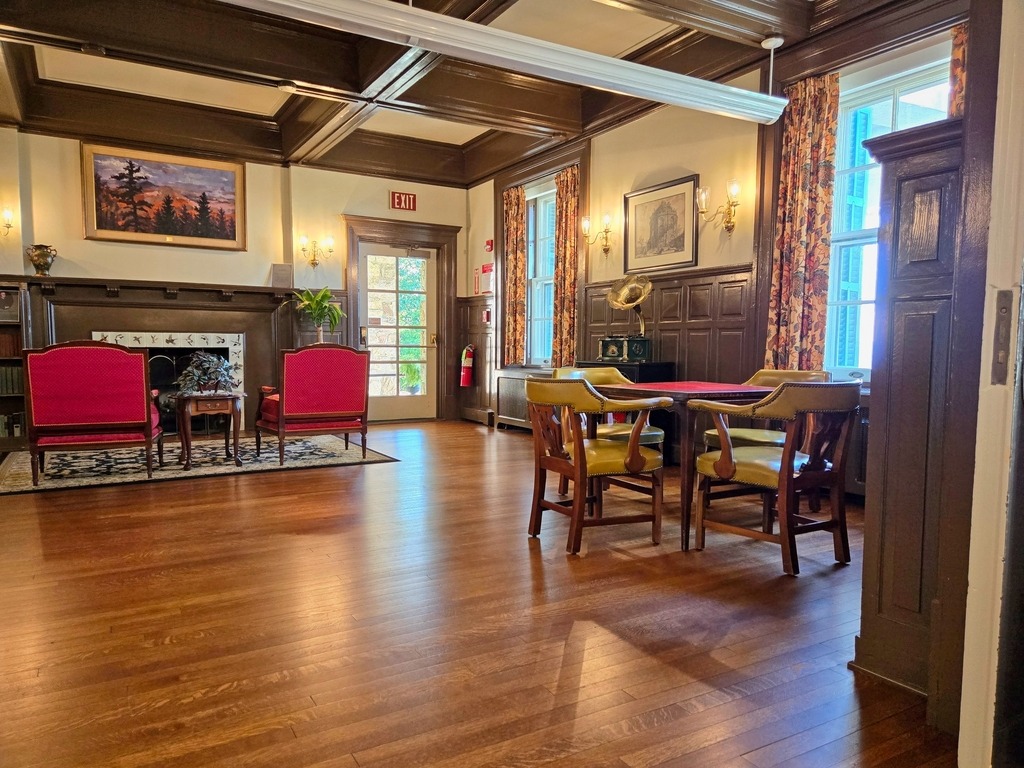
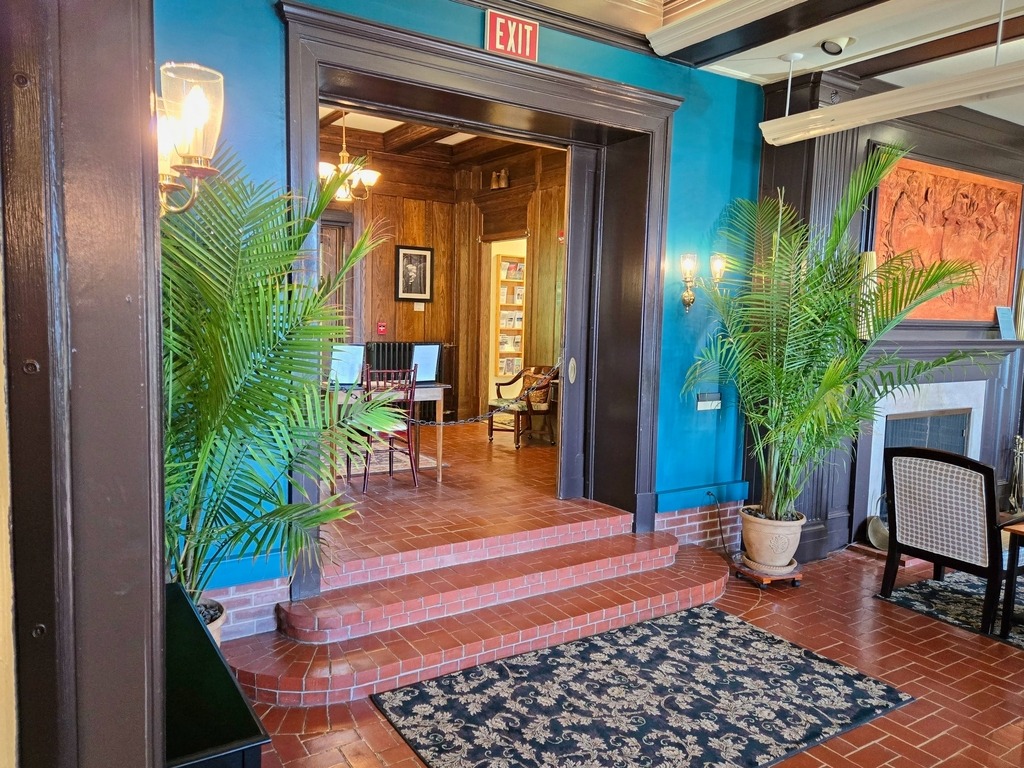
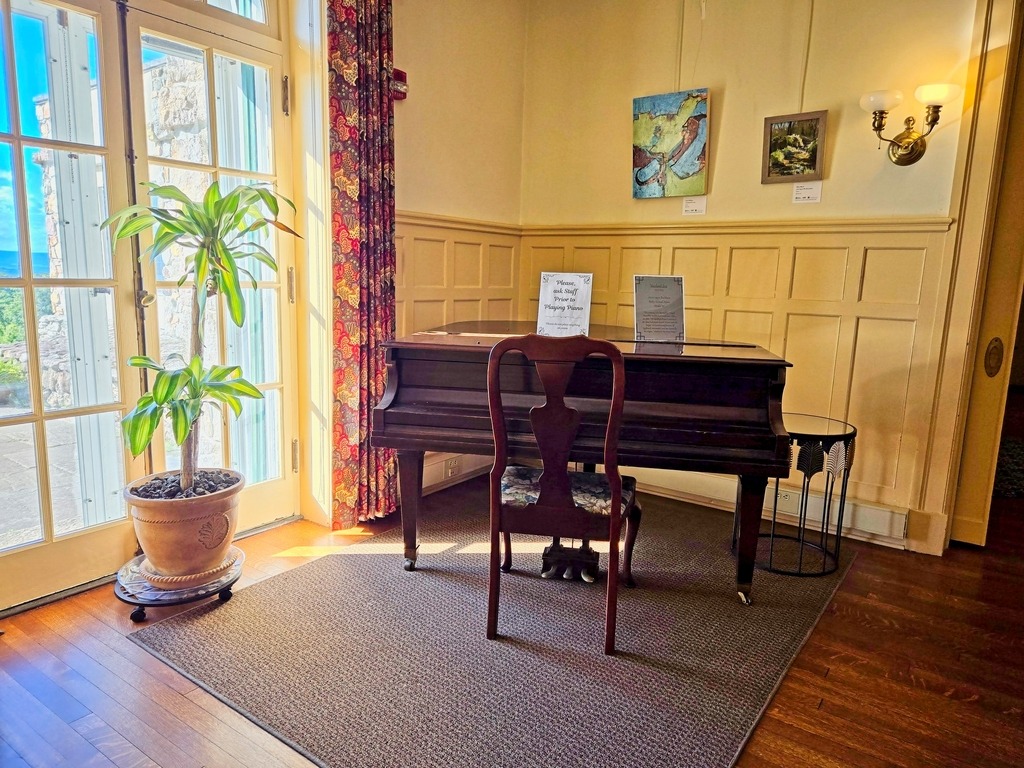
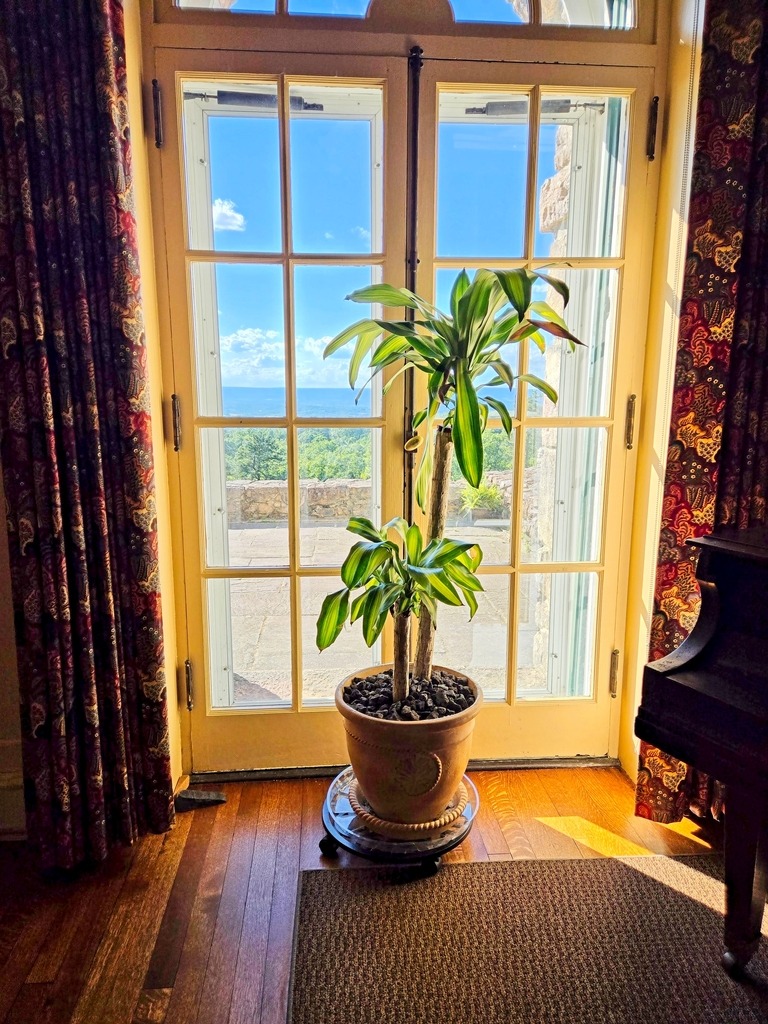
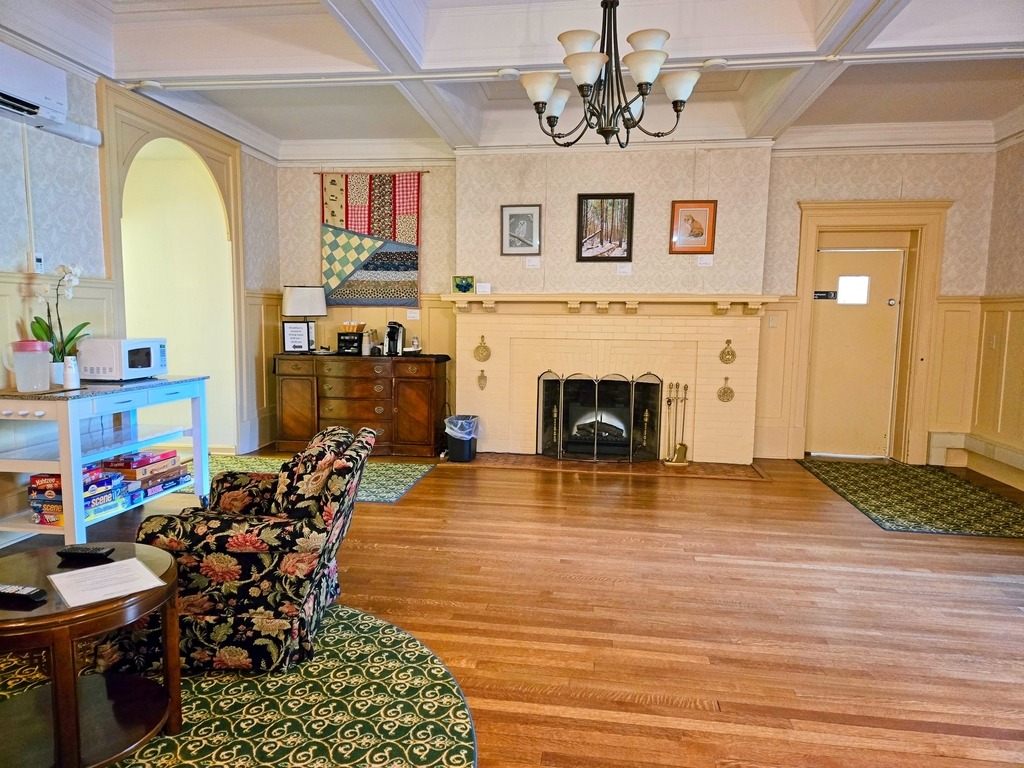
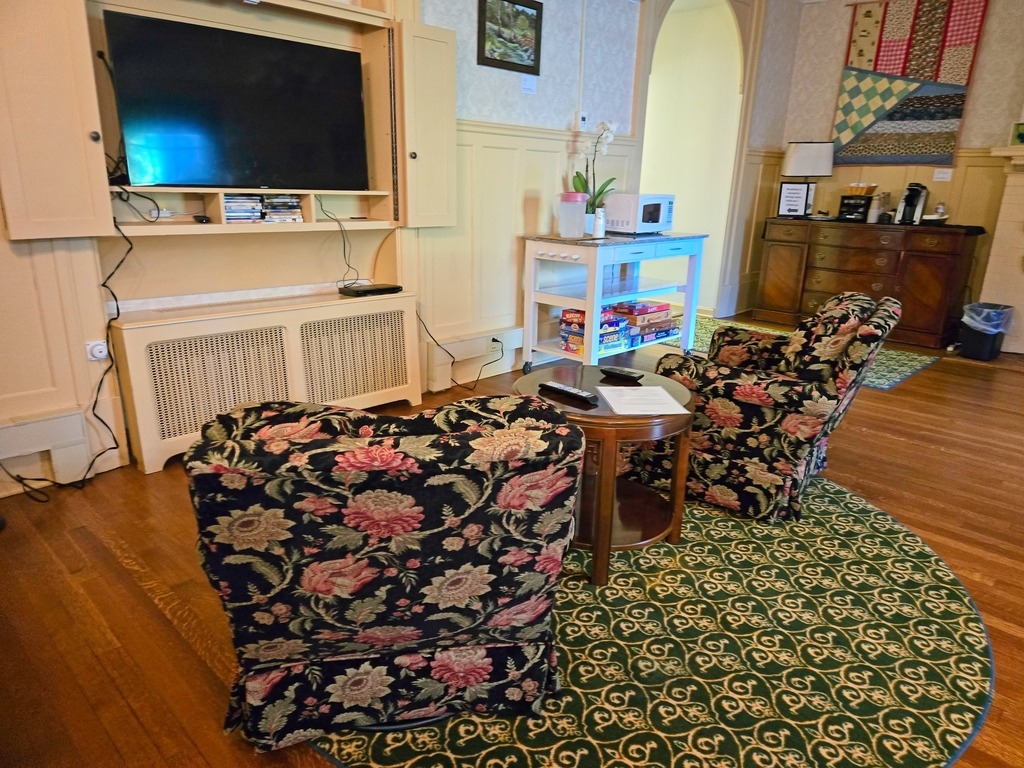
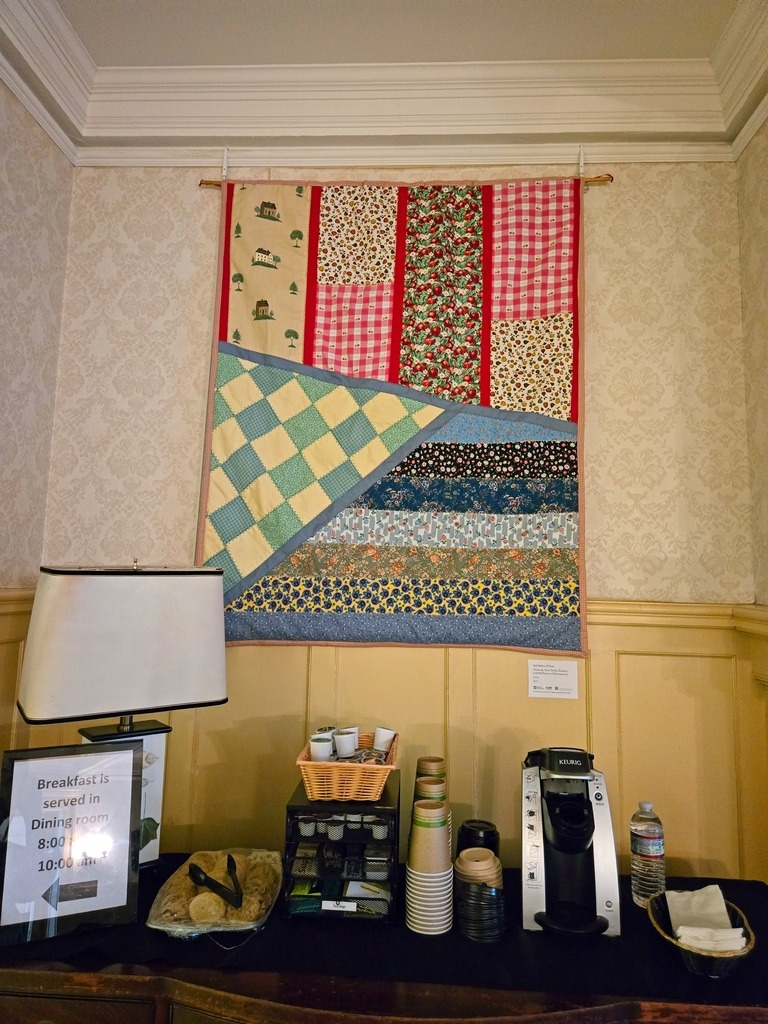
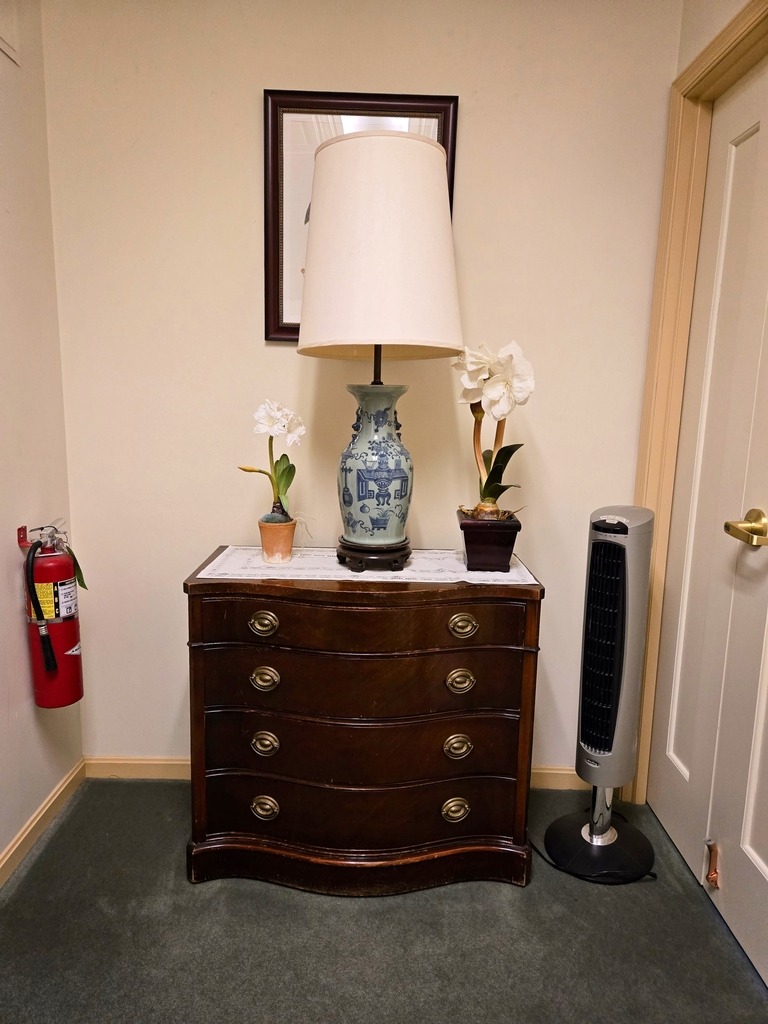
Here is a look at the first floor public areas.
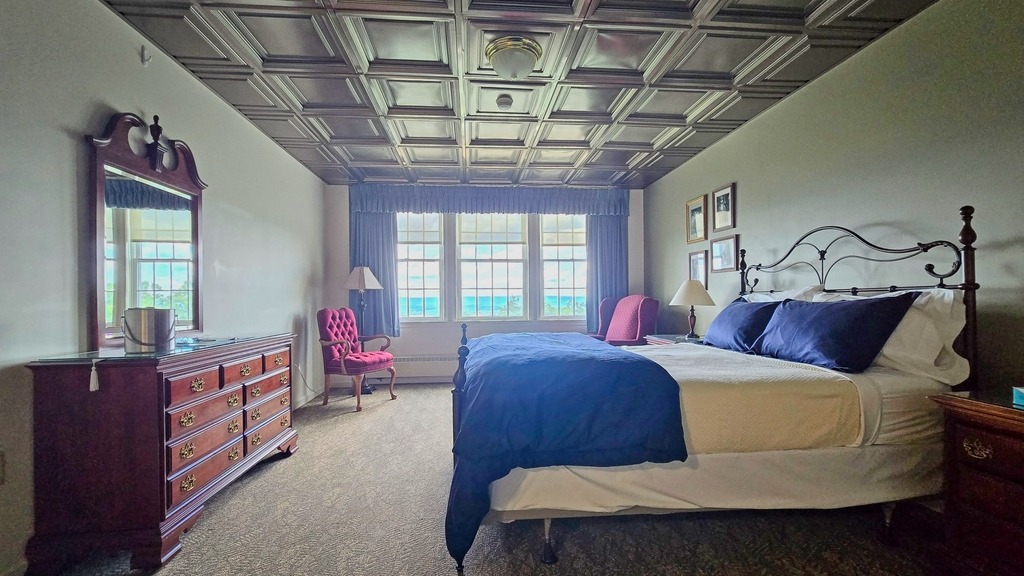
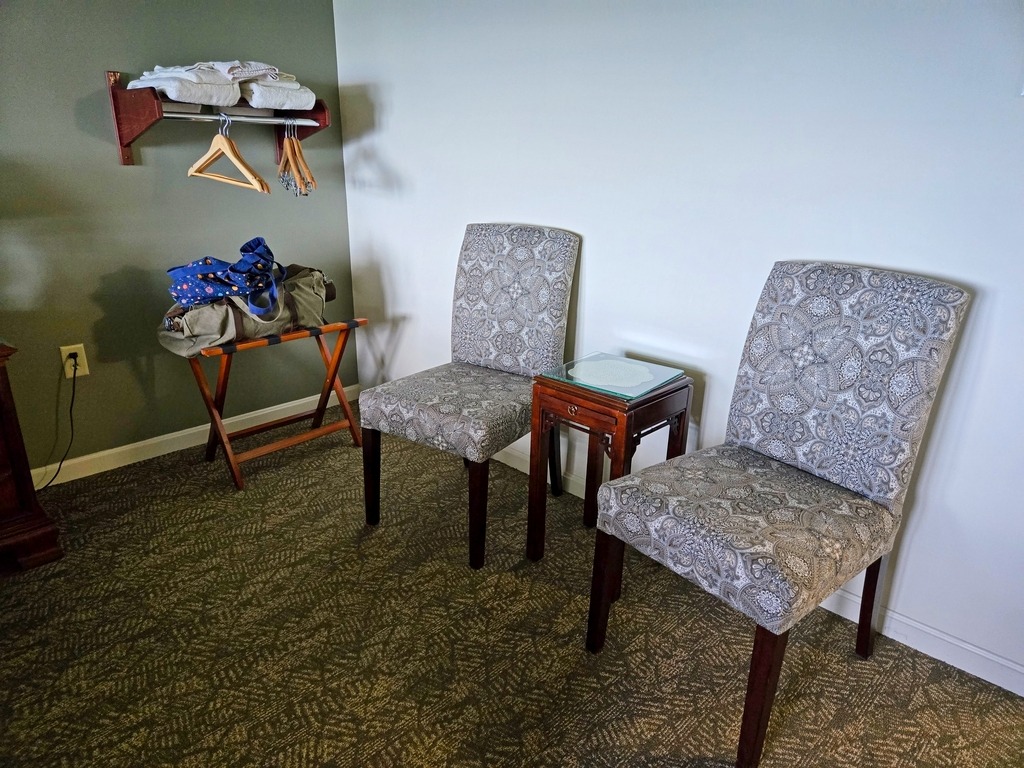
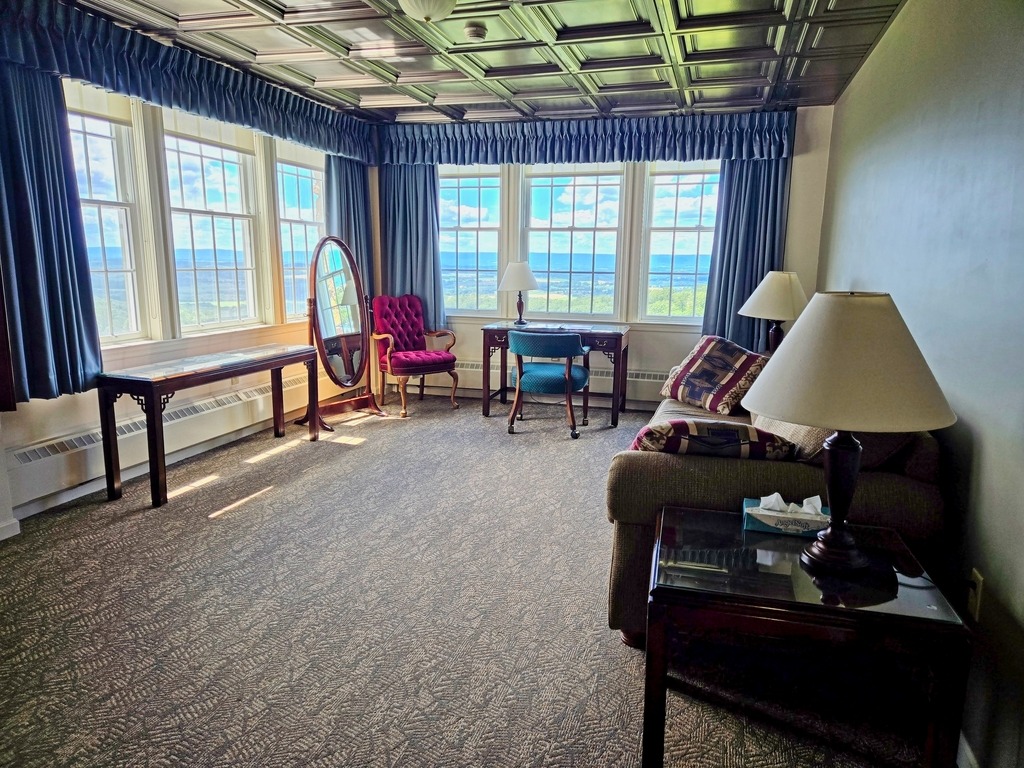
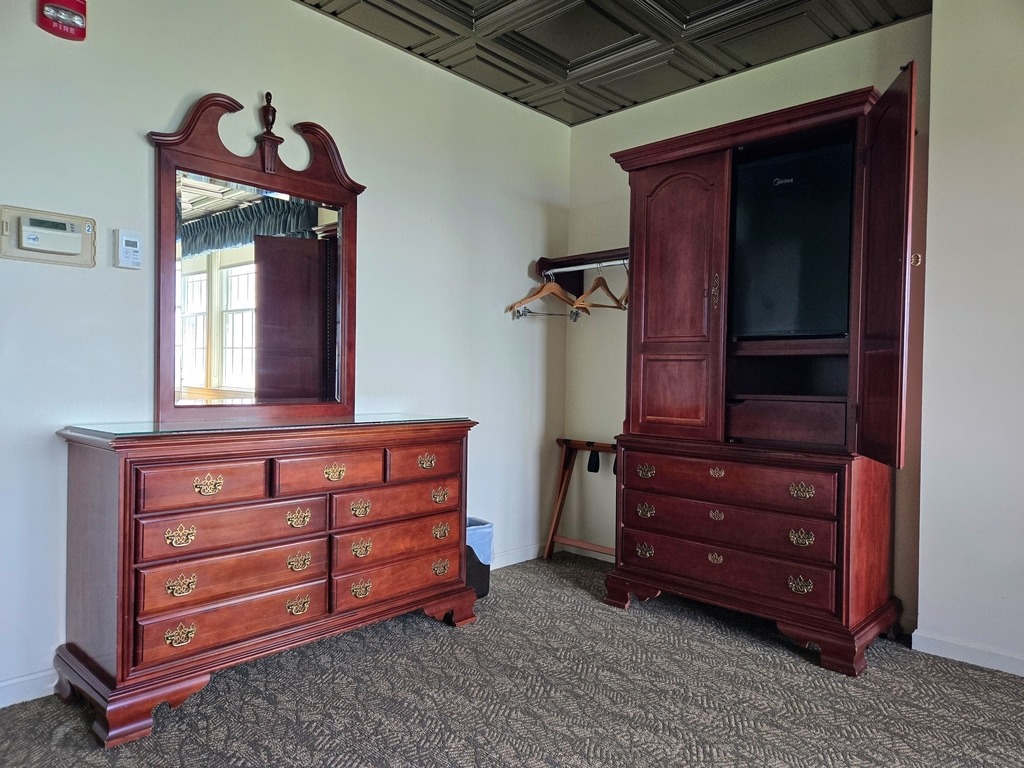
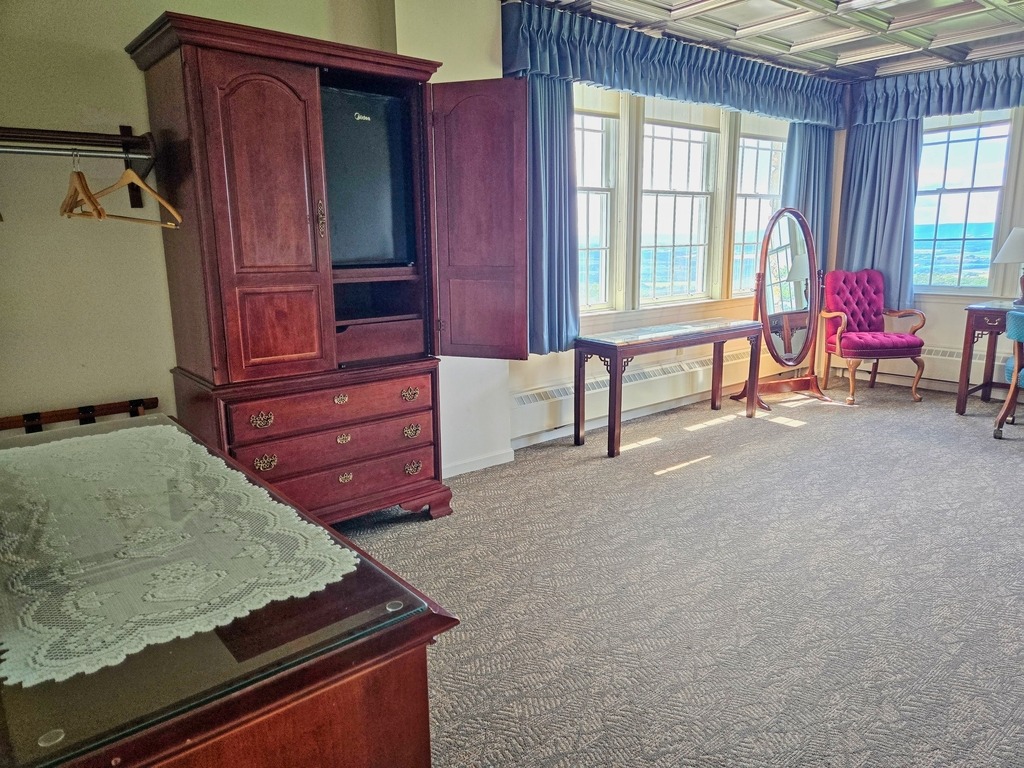
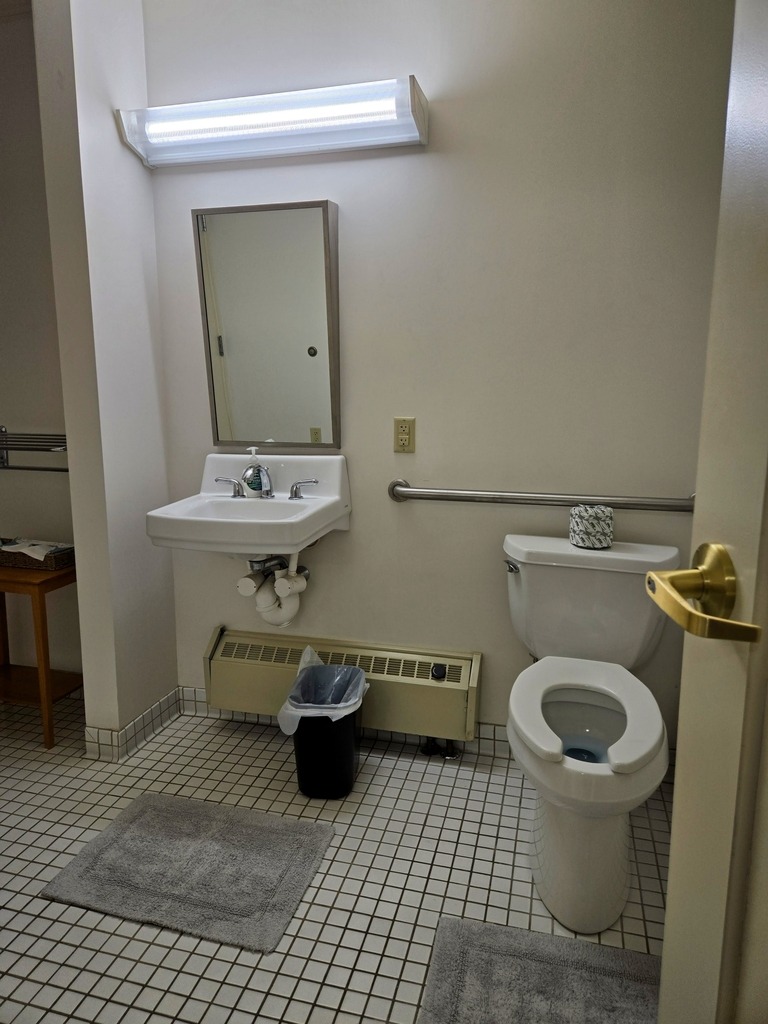
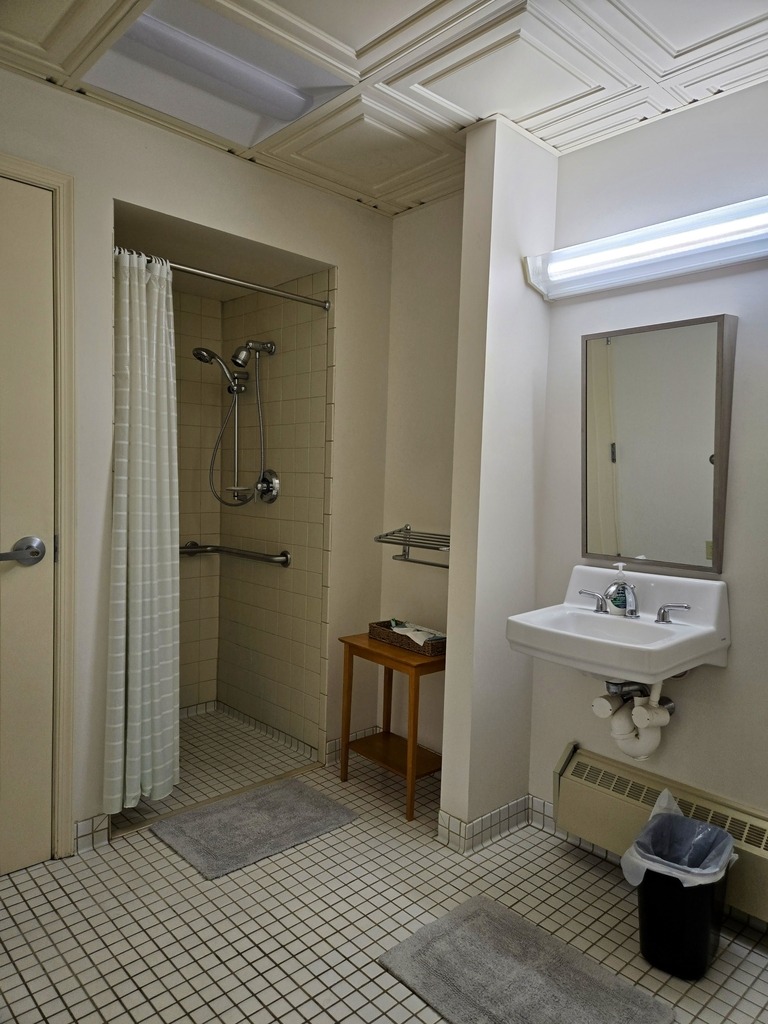
Here is my room. It is an accessible room and one of the best I have ever stayed in.
According to it swebsite, Kings Gap Environmental Education Center has “mountainous terrain, extensive forest, and panoramic views, which may be experienced while driving the winding road to the mansion area, or while hiking the trails. The sweeping view of the Cumberland Valley from the Cameron-Masland Mansion is impressive at any time of the year.” I concur with this assessment.
Kings Gap consists of 2,531 acres of forest on South Mountain, with more than 25 miles of hiking trails, a permanent orienteering course, picnicking, hunting, and other recreational and educational opportunities.
The mansion provides facilities for breakfast and overnight lodging on a seasonal basis, and may be reserved for meetings, weddings, receptions, and similar functions.
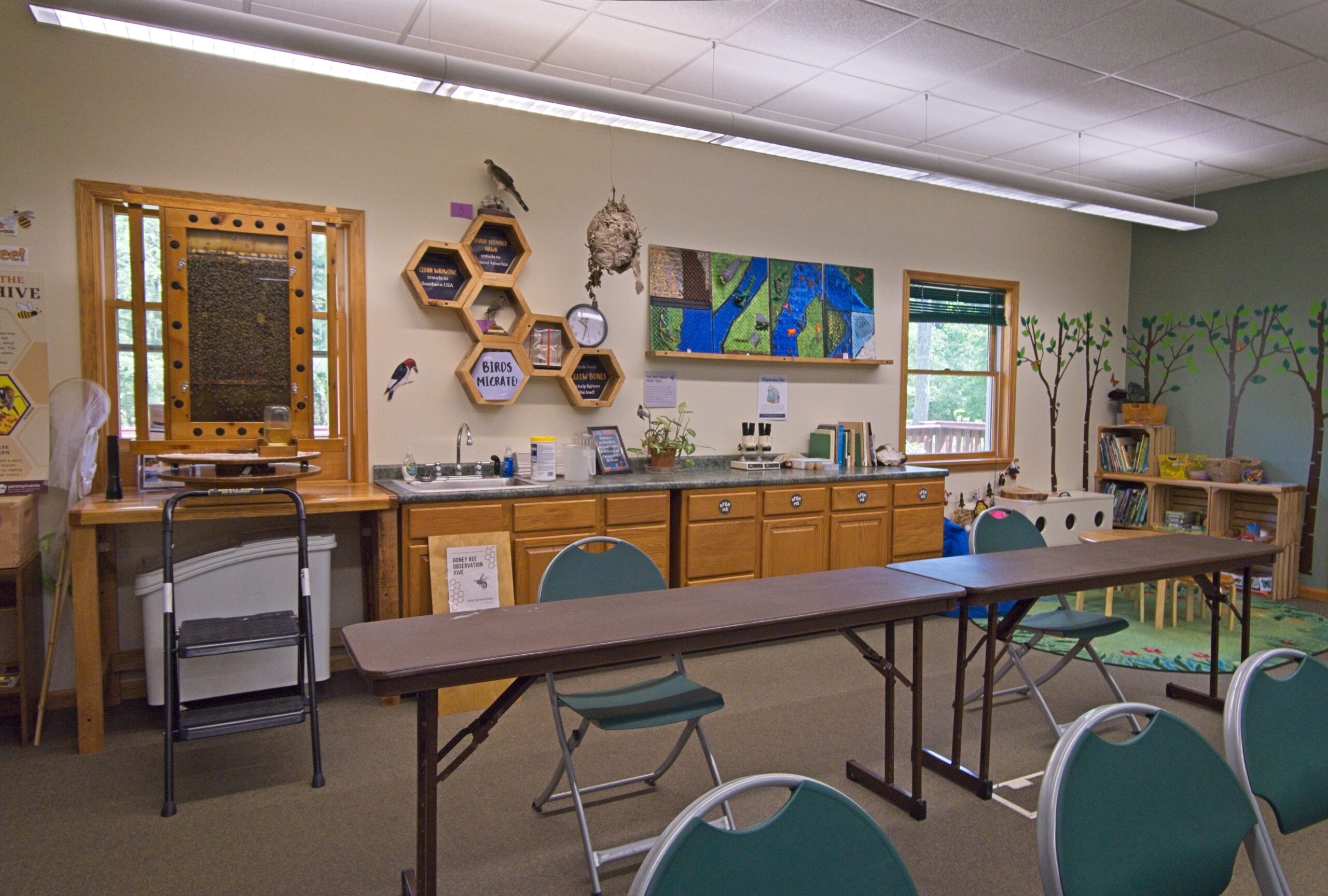
Kings Gap is one of several state parks specifically dedicated to provide environmental education and recreational programs to the citizens of Pennsylvania. A variety of programs are available for children, teachers, and the general public to increase knowledge and awareness of the values and function of our natural resources.
I previously visted the park, which I documented here.
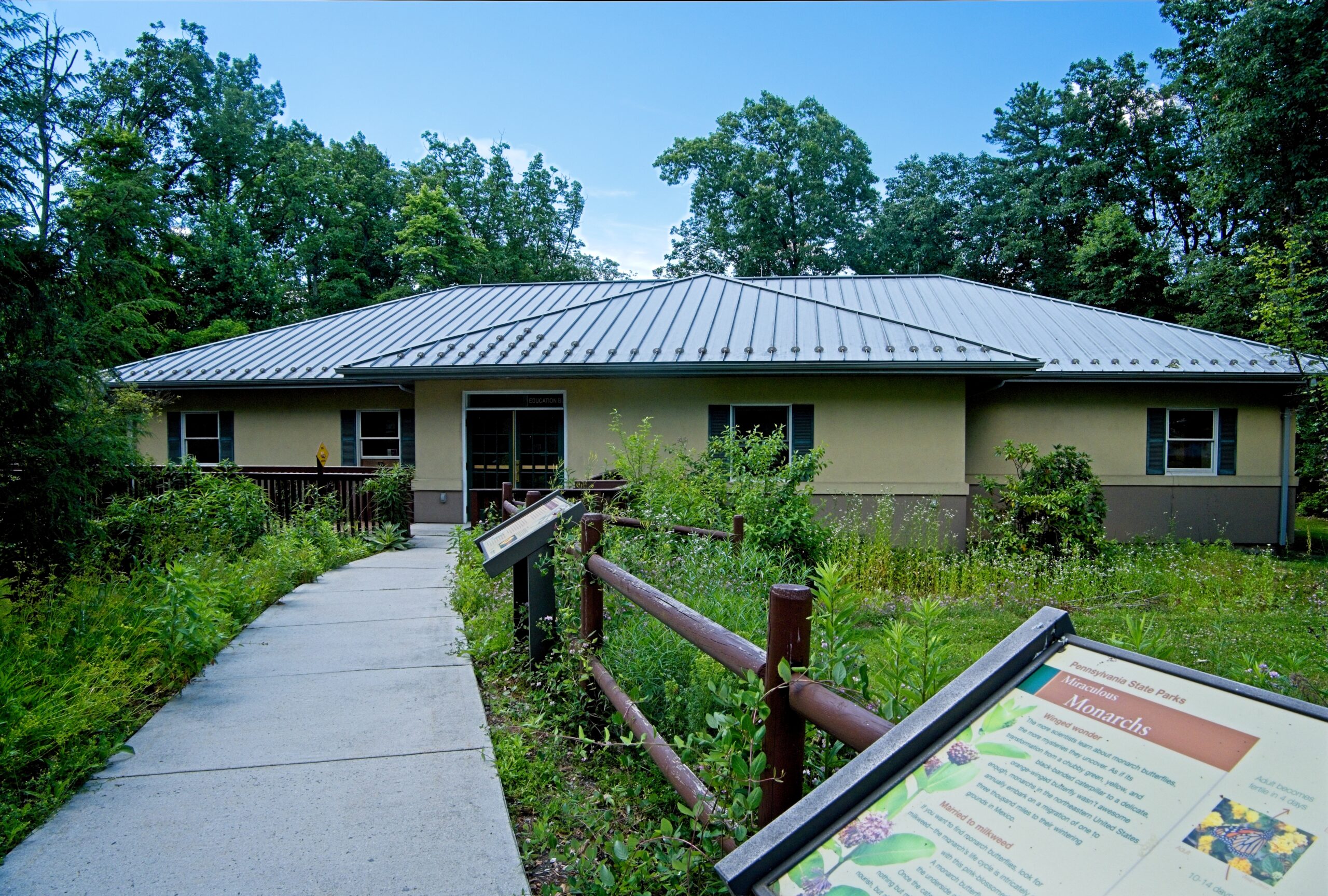
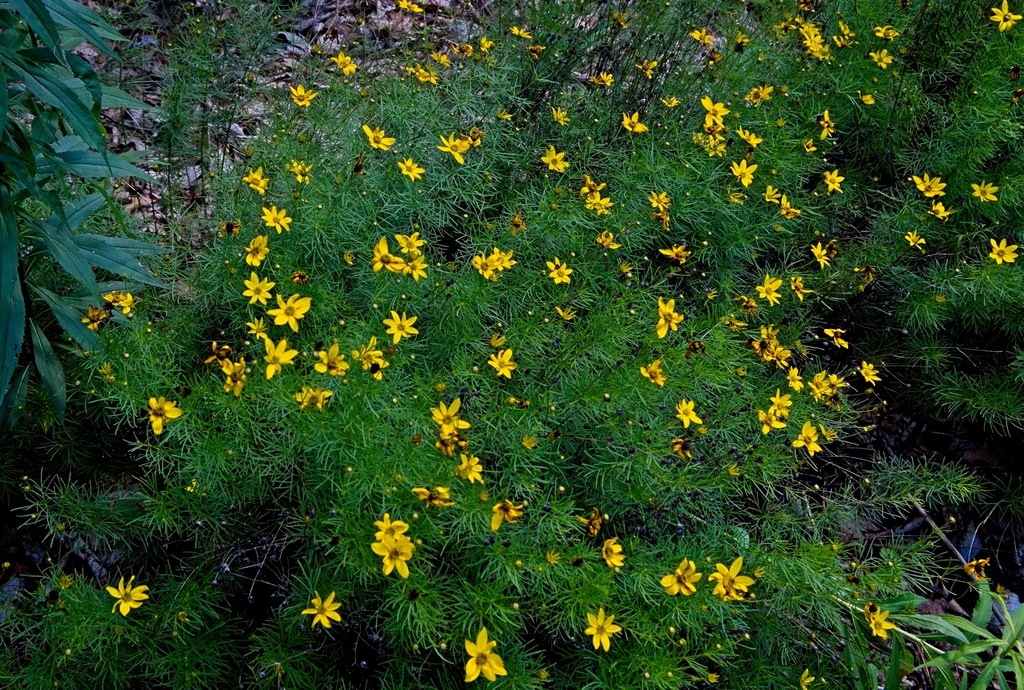
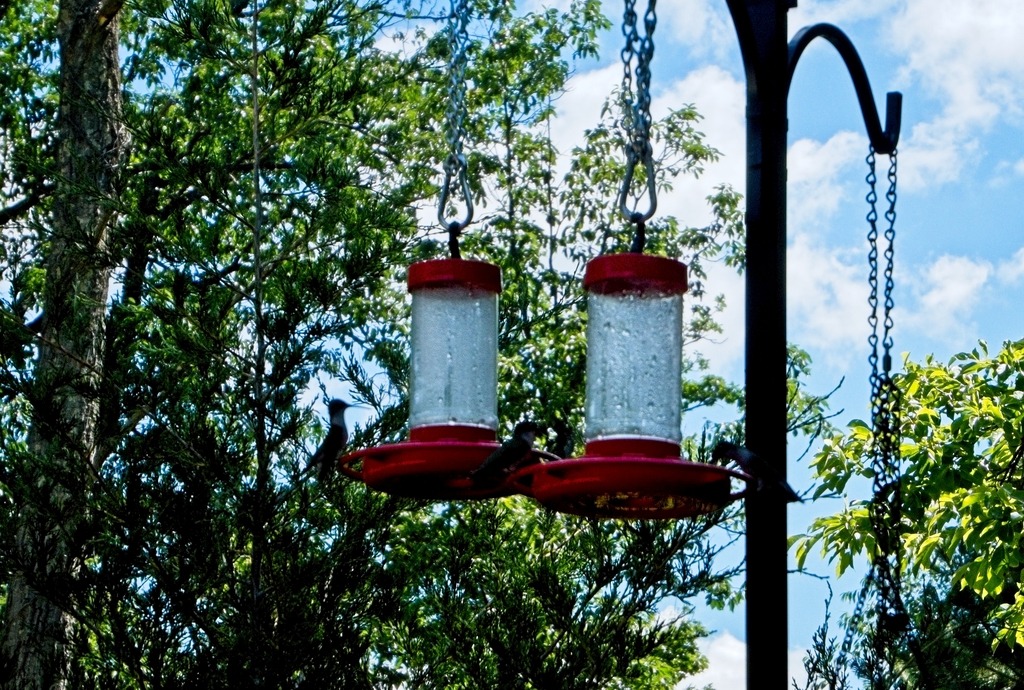
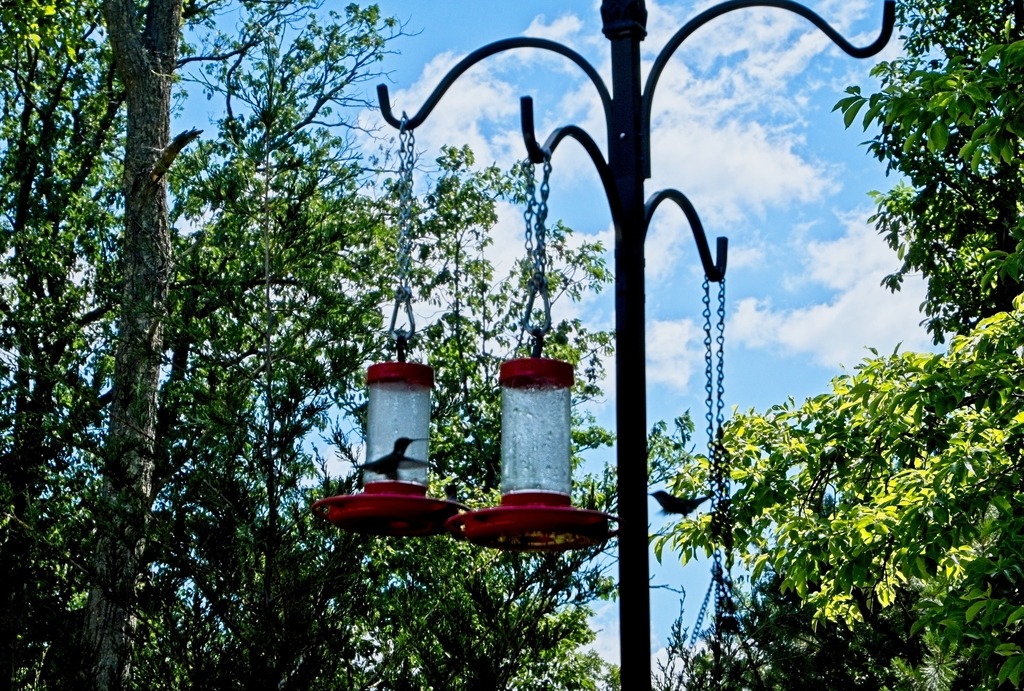
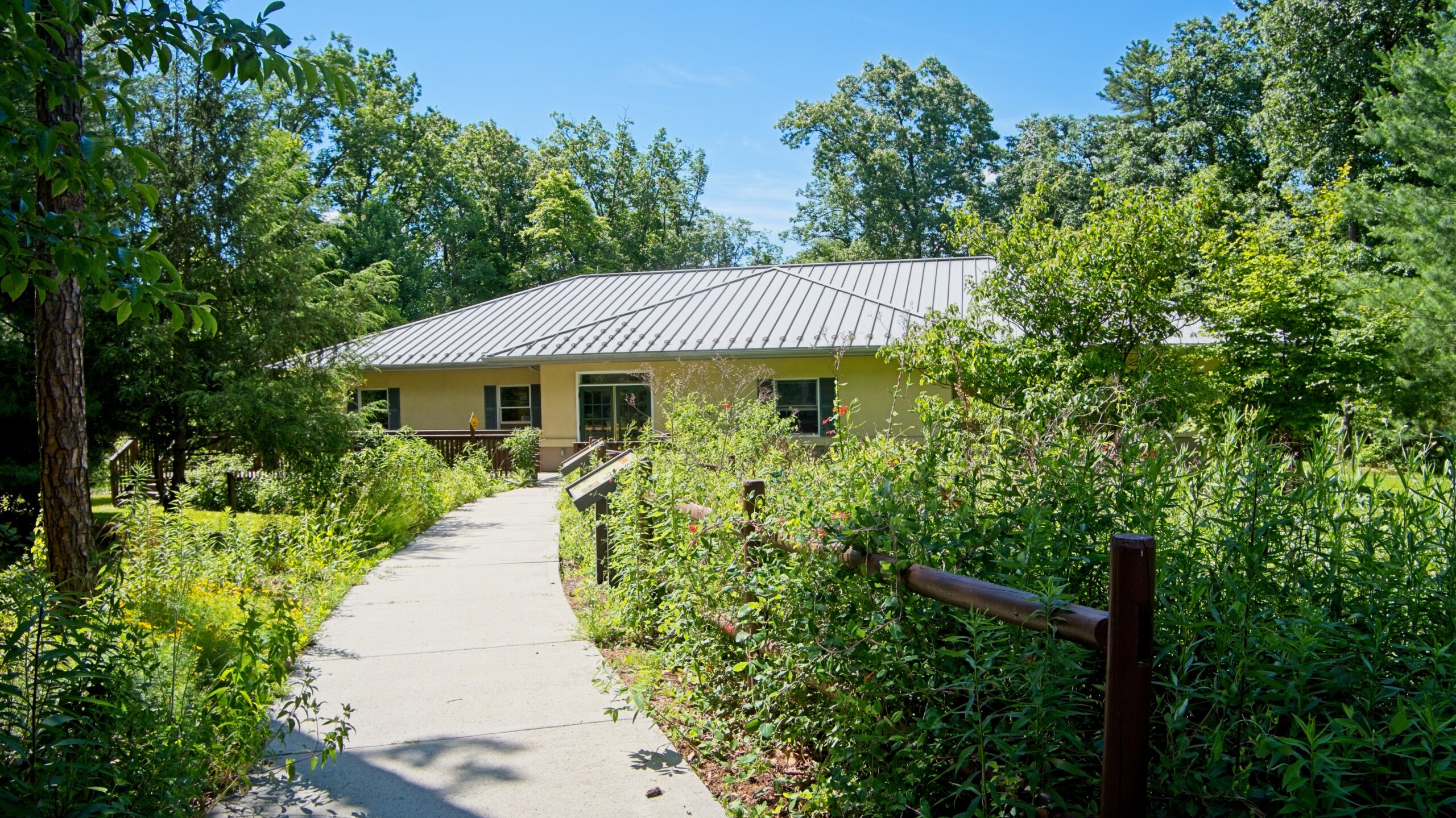
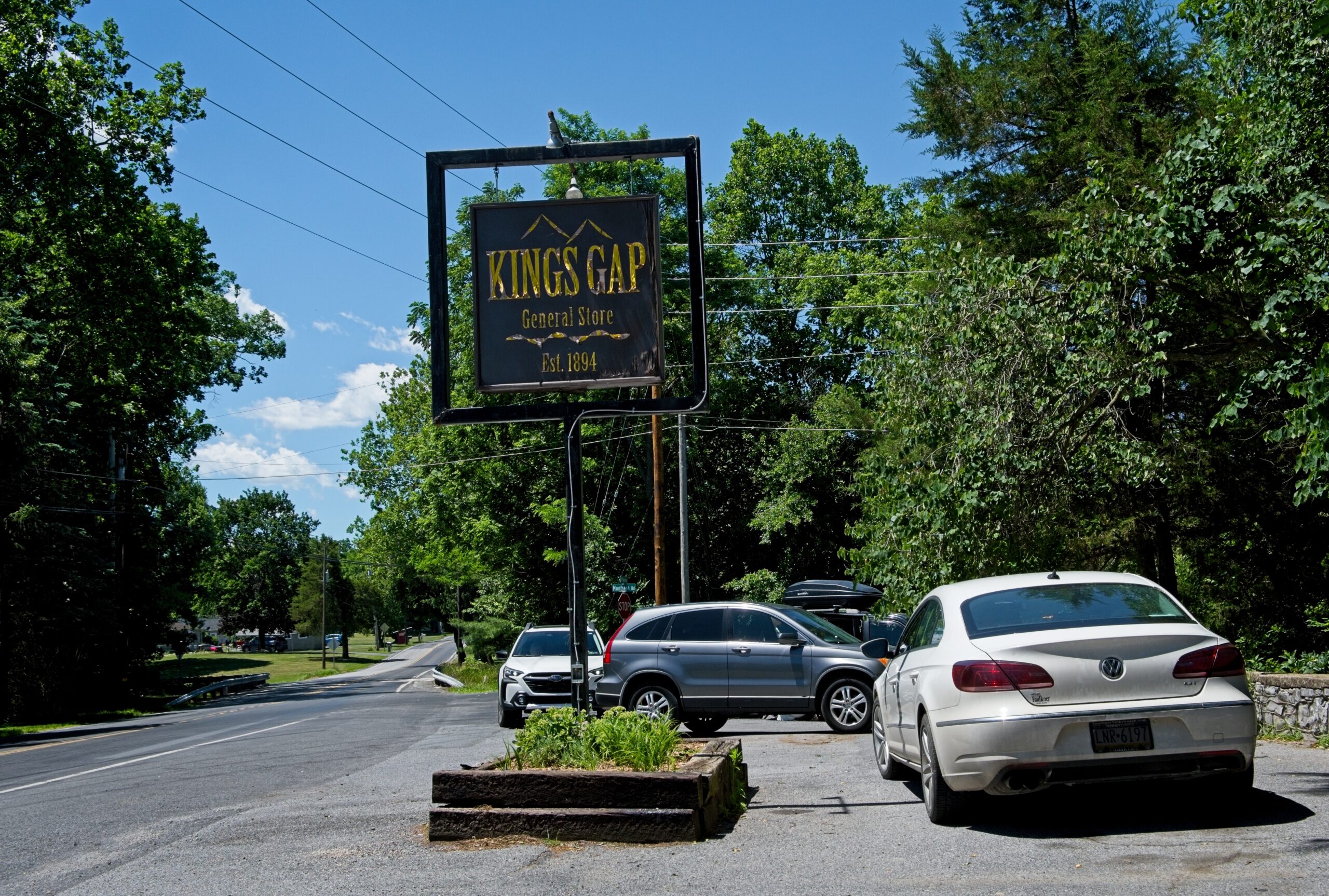
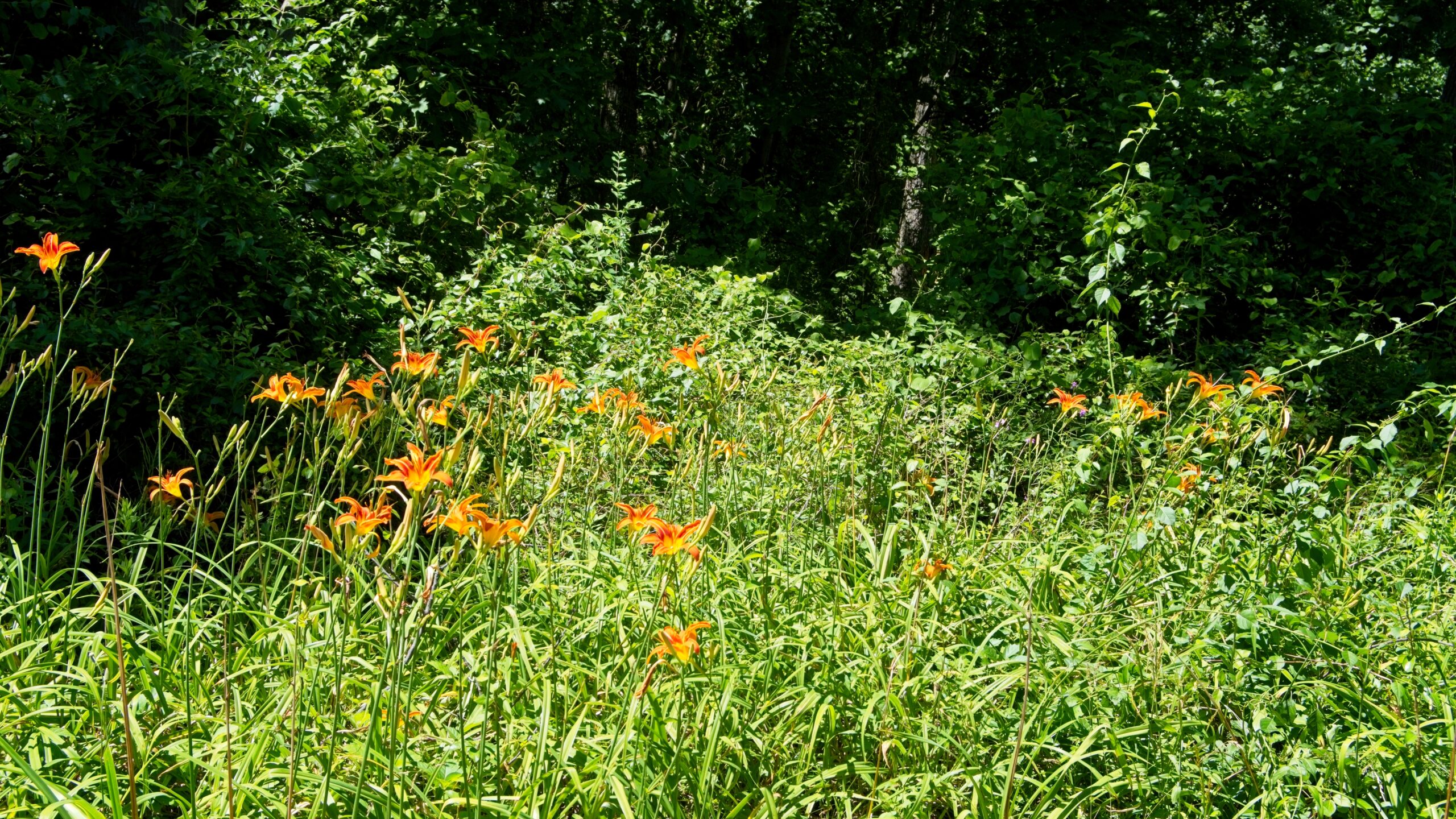
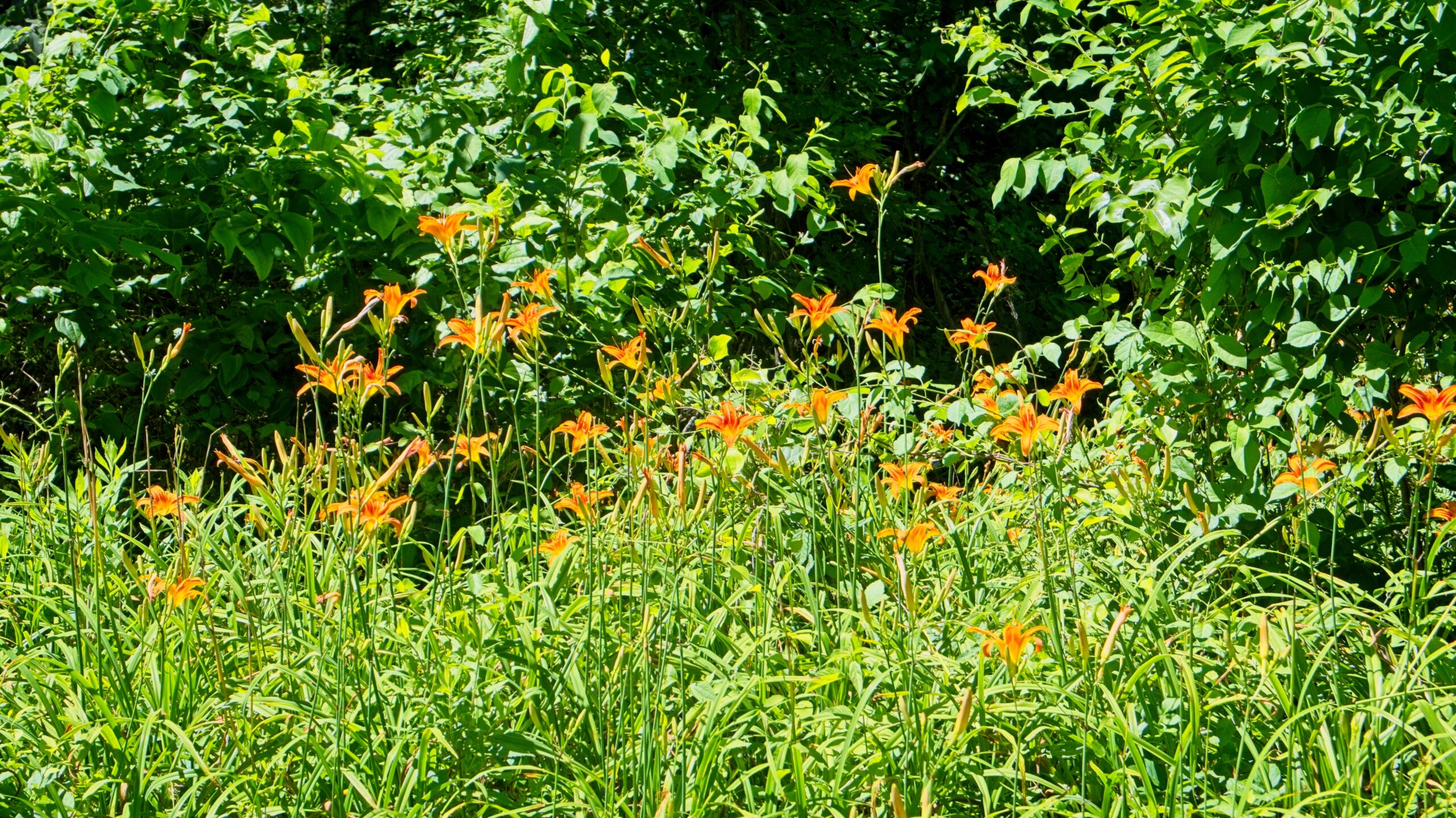
A view from the access road.a view of the water tower on the grounds.The park office and education center,.Hummingbird feeders on the deck.The King’s Gap General Store at the base of the access road.Some tiger lillies at the Irish Gap access .
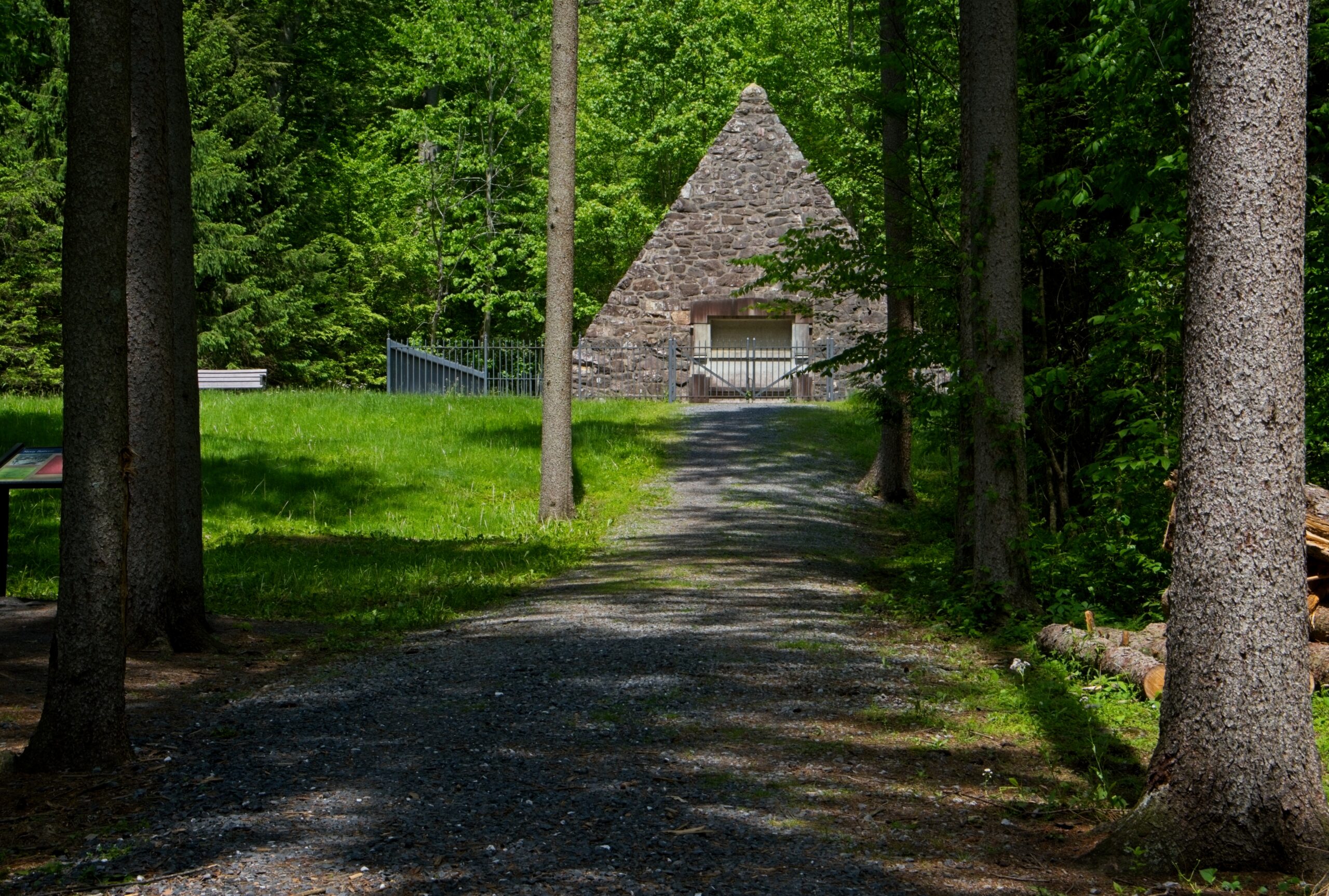
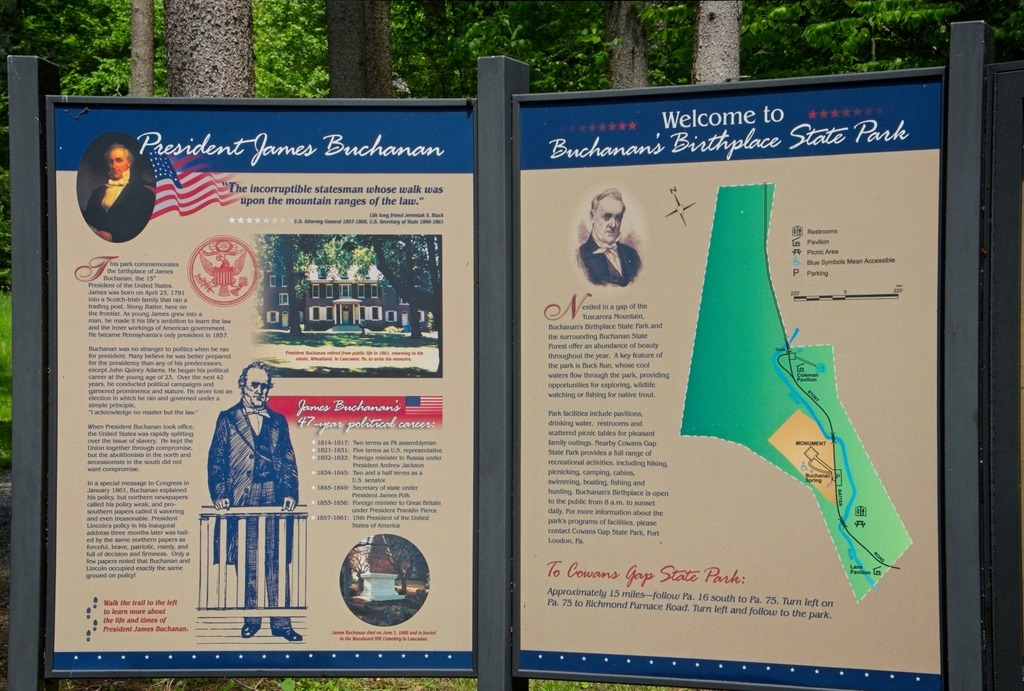
Buchanan’s Birthplace State Park is an 18.5-acre park nestled in a gap of Tuscarora Mountain in Franklin County. Today, the area is still a quiet place, but on April 23, 1791, at the time of James Buchanan’s birth, Cove Gap was on the western edge of civilization — a place alive with the sights and sounds of a center of commerce. Although the surrounding Allegheny Mountains provided a formidable barrier to those seeking the way to the west, Cove Gap cut through two of the three parallel mountains, making the westward journey a little easier. During those days, anyone seeking a route west passed through this gap and by the last mercantile store for many miles.
The park today provides historical interpretive signage and opportunities for picnicking and fishing. I previously visited the park, which is featured in this post.
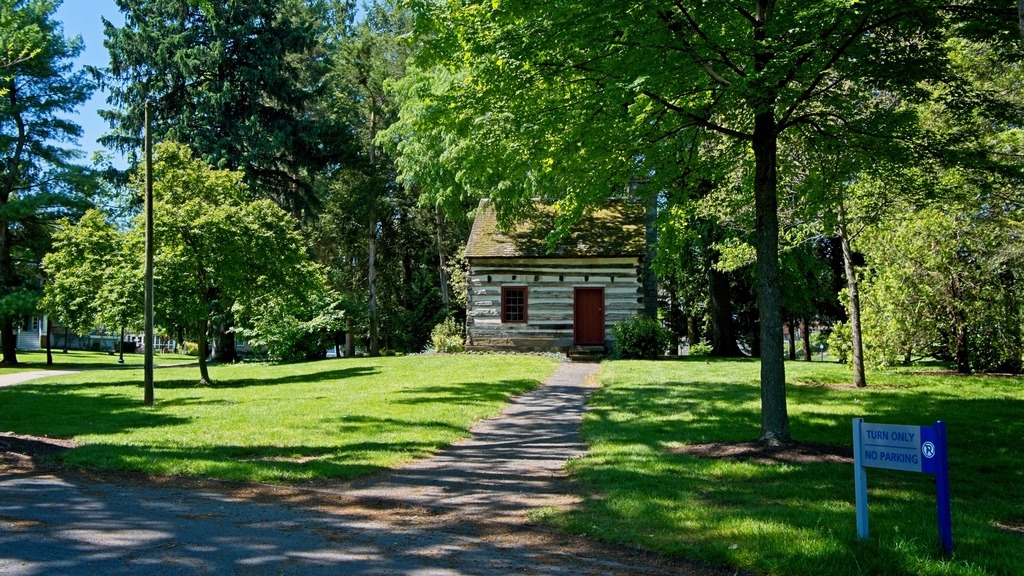
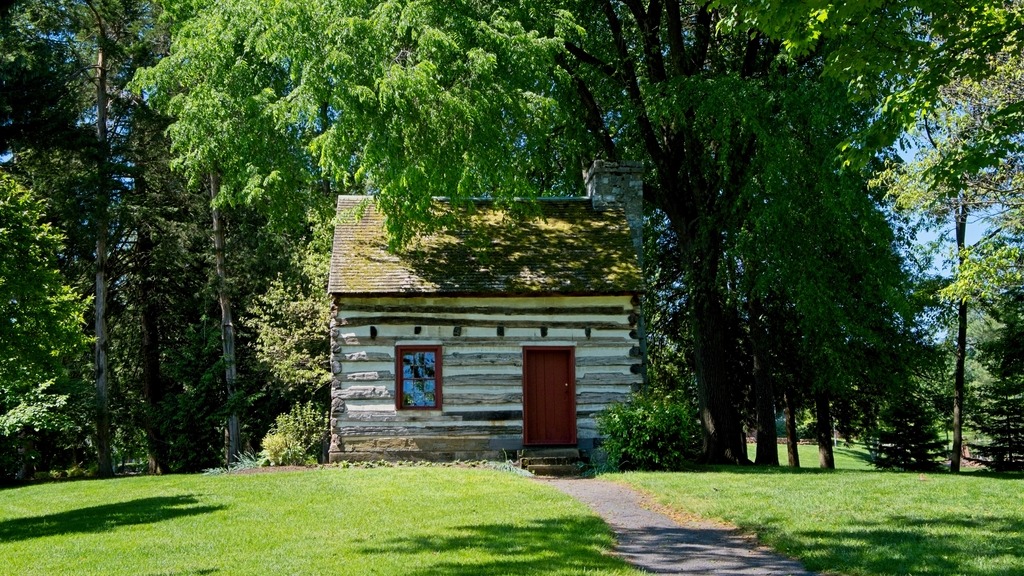
The James Buchanan Cabin (believed to be the birthplace of the first Pennsylvanian to be elected president of the United States) was originally located at the site. It was erected sometime before 1791. The cabin was moved to Chambersburg, where it served various uses. To ensure that the cabin would be adequately stored and maintained, Mercersburg Academy purchased it in 1953 and placed it near Nolde Gymnasium on campus.
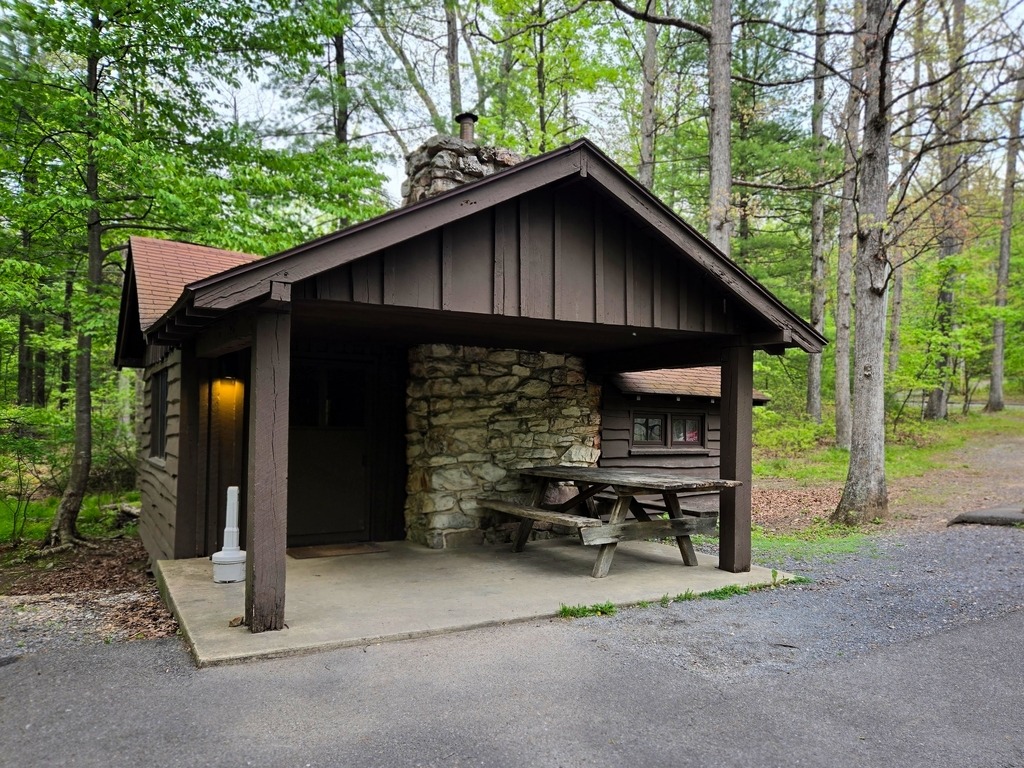
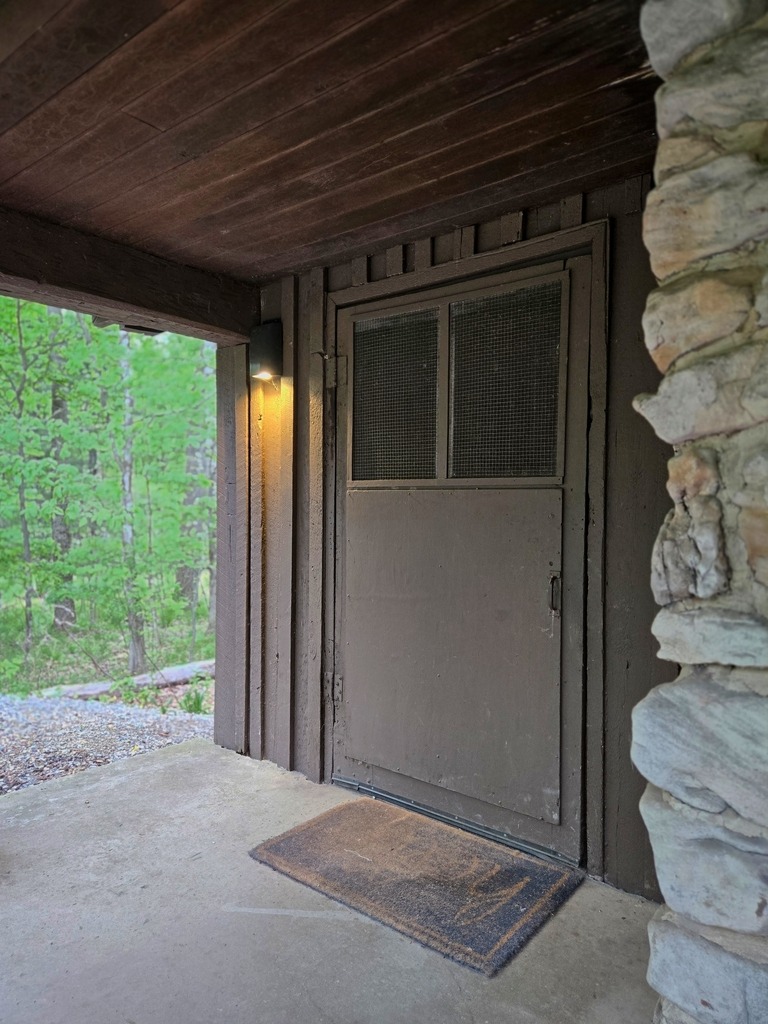
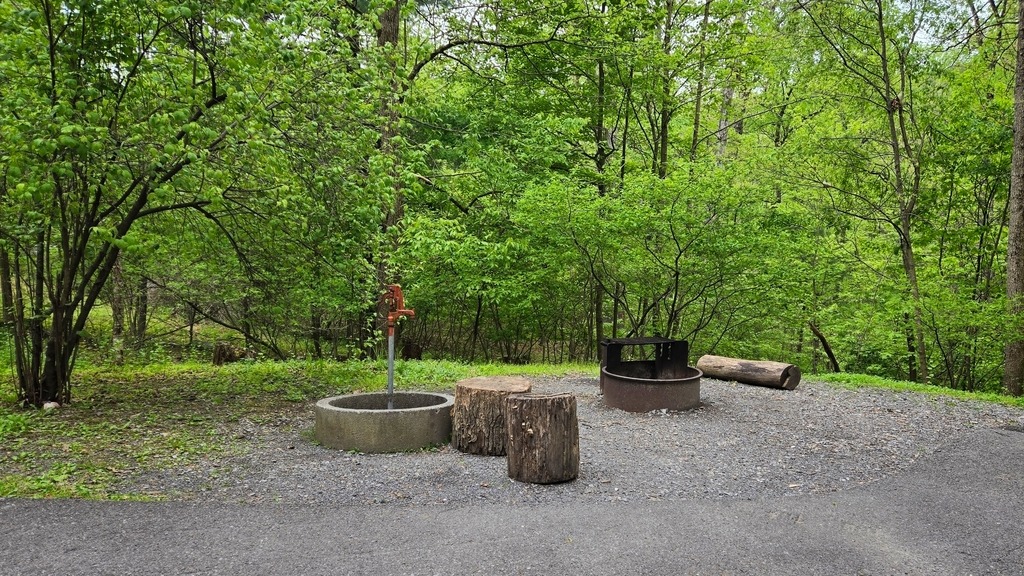
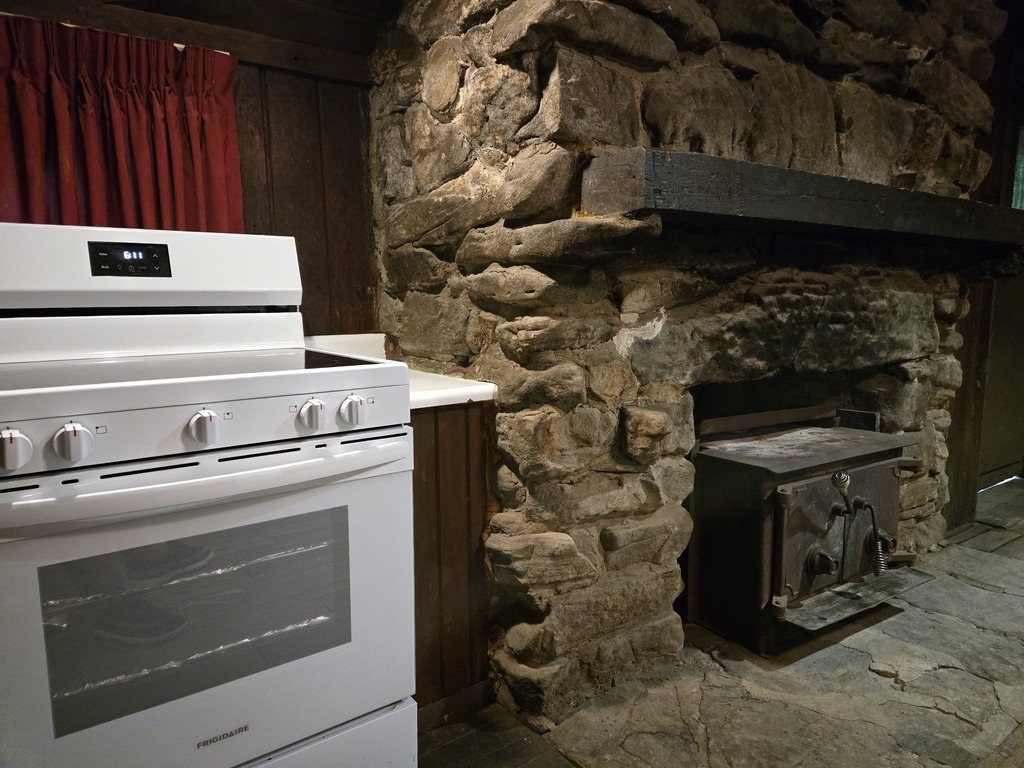
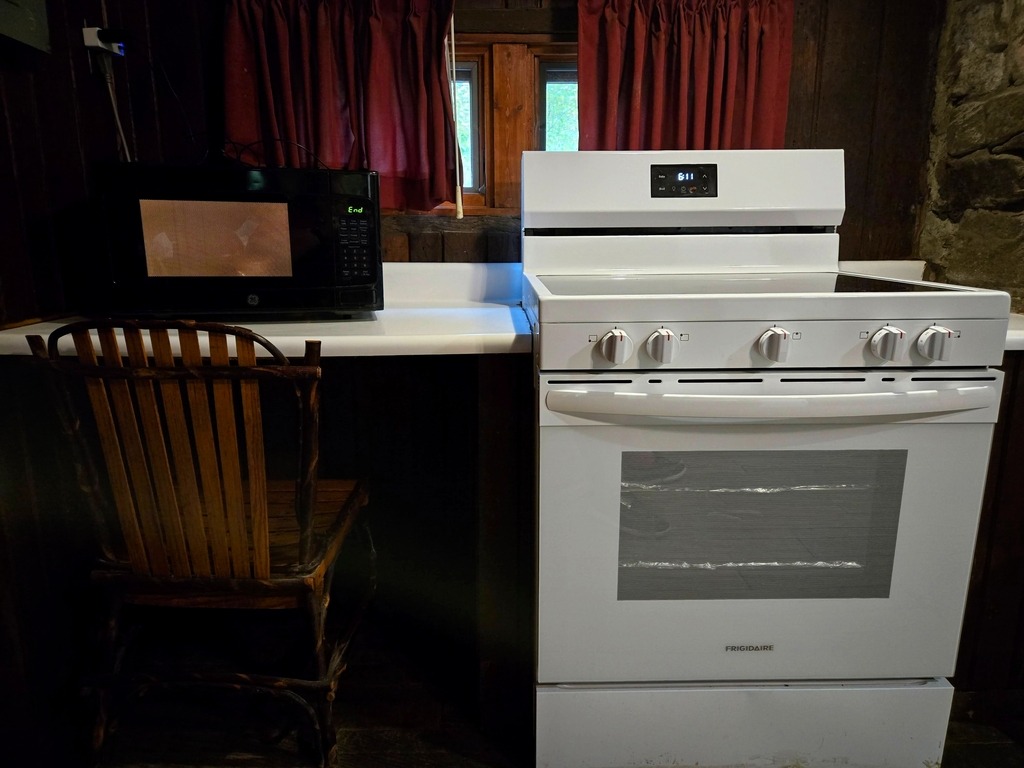
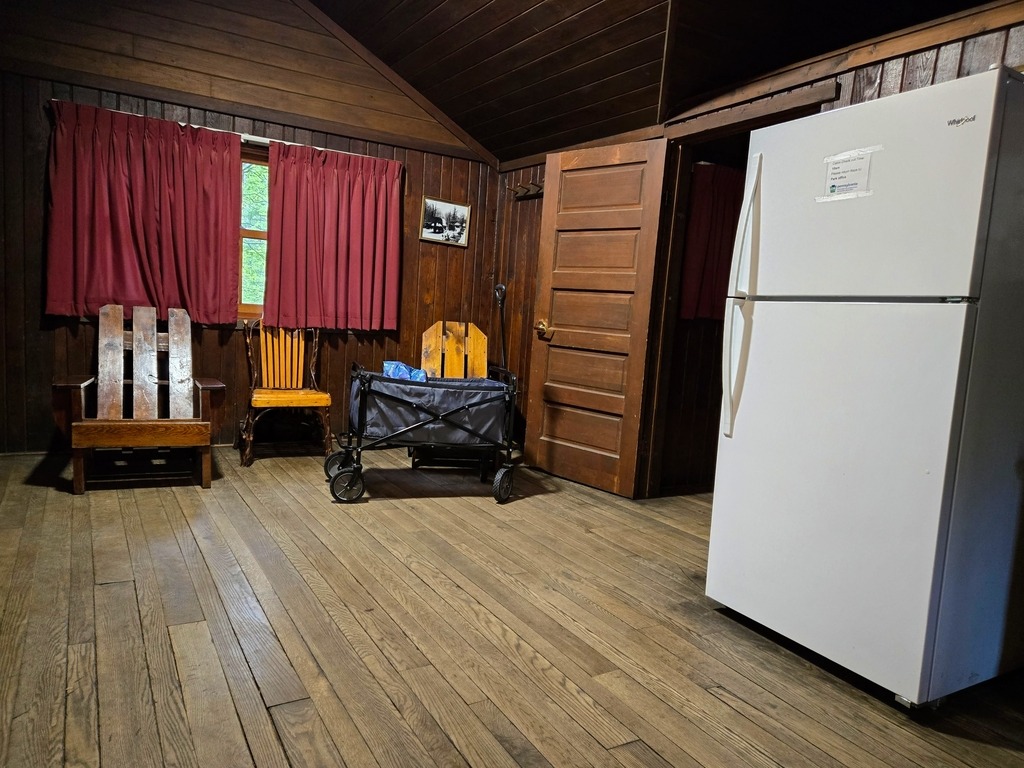
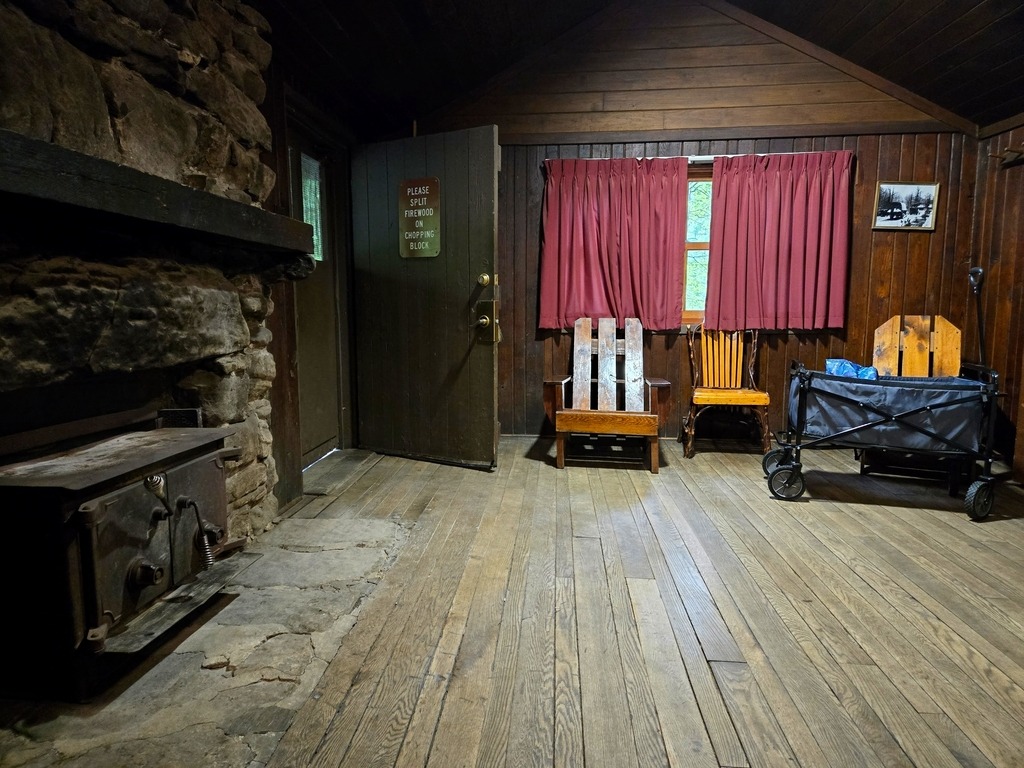
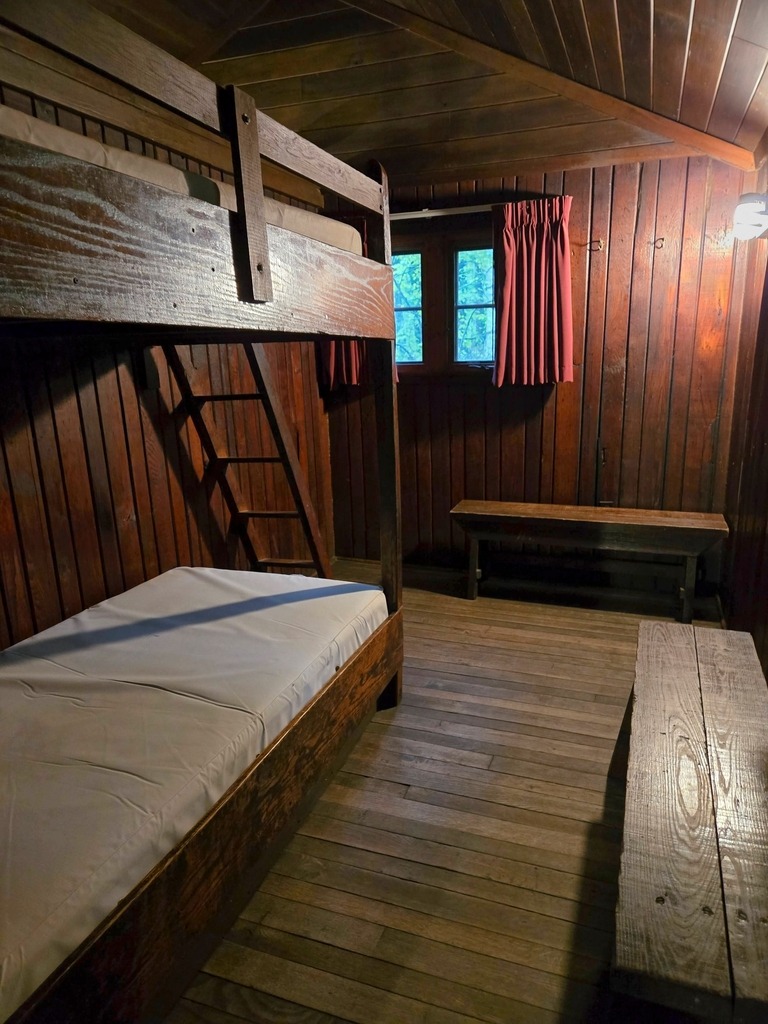
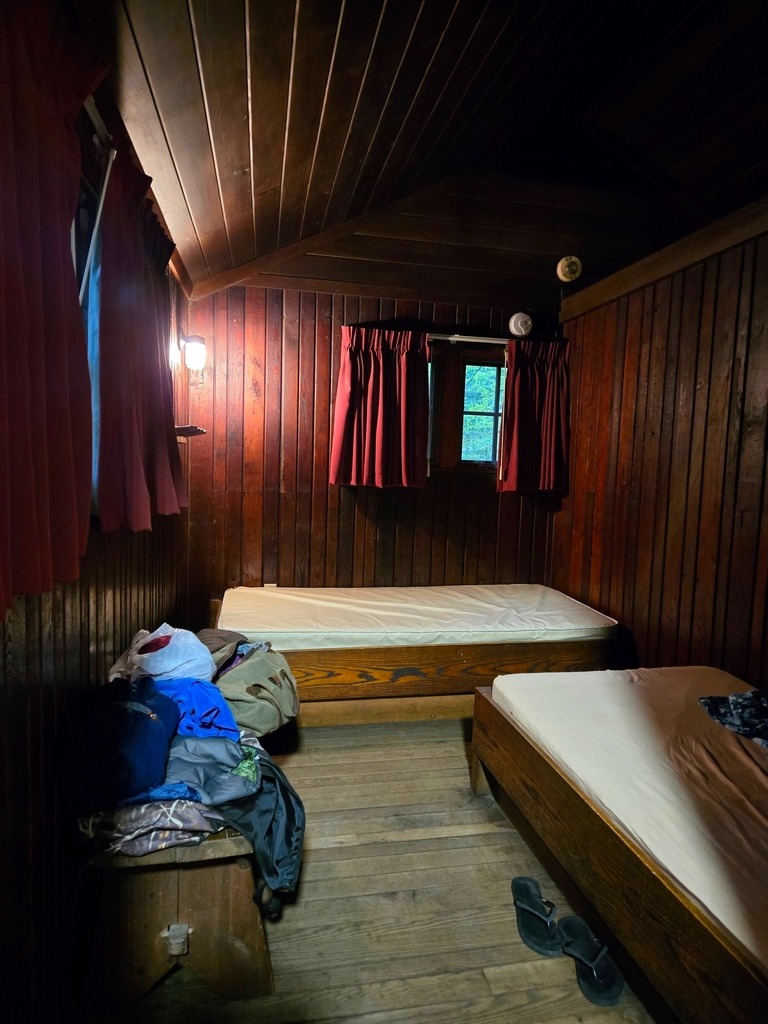
Cowans Gap State Park has 201 campsites in two loops. The camping area is open from mid-April until mid-December. The campsites can accommodate campers from a small tent to a large motor home, with seven walk-in tent sites are adjacent to Camping Area B. There is also a rutic cabin colony, built by the CCC. Here is a look at one of the cabins I stayed in.
The fireplace, mantel, some of the chairs, benches and bunks seem to be original, in addition to the outer structure of the cabin. Forgive the sight of my stuff strewn around, I forgot to take photos first.
This cabin had an interior wall separating the sleeping area into two rooms.
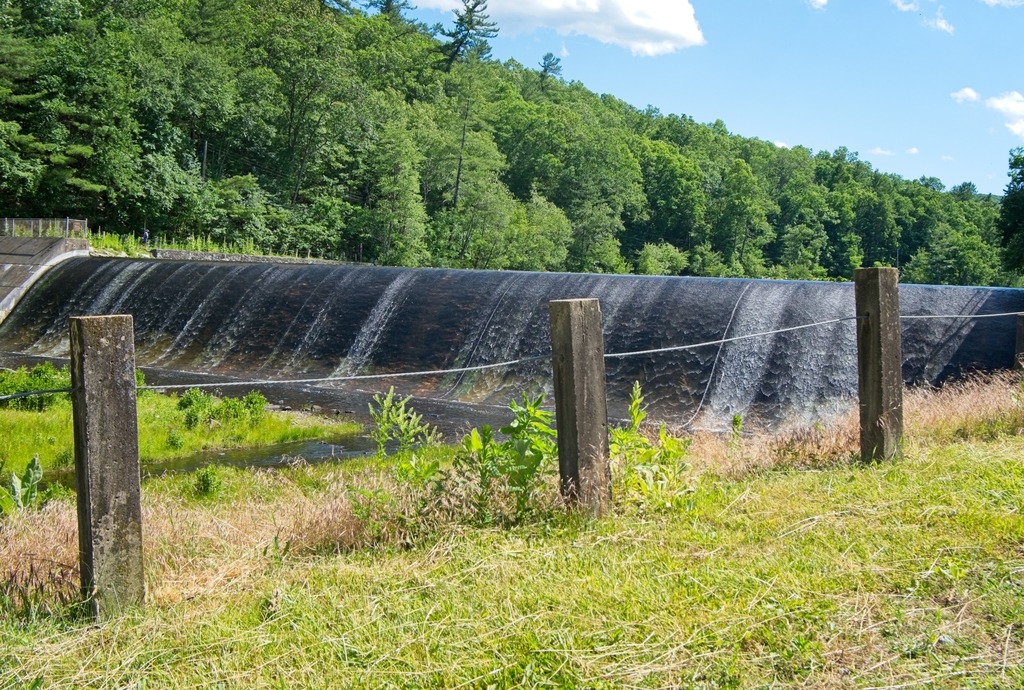
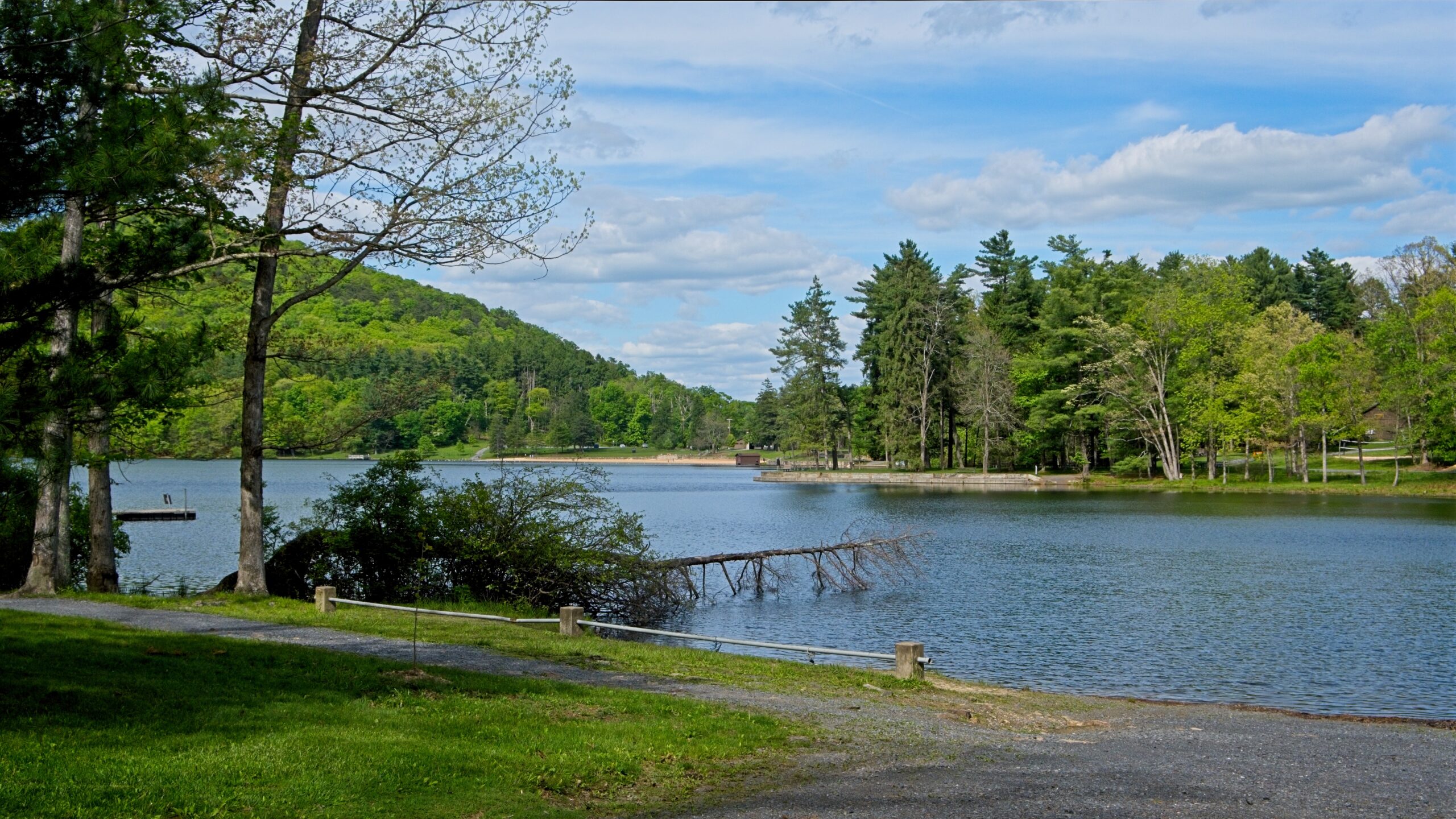
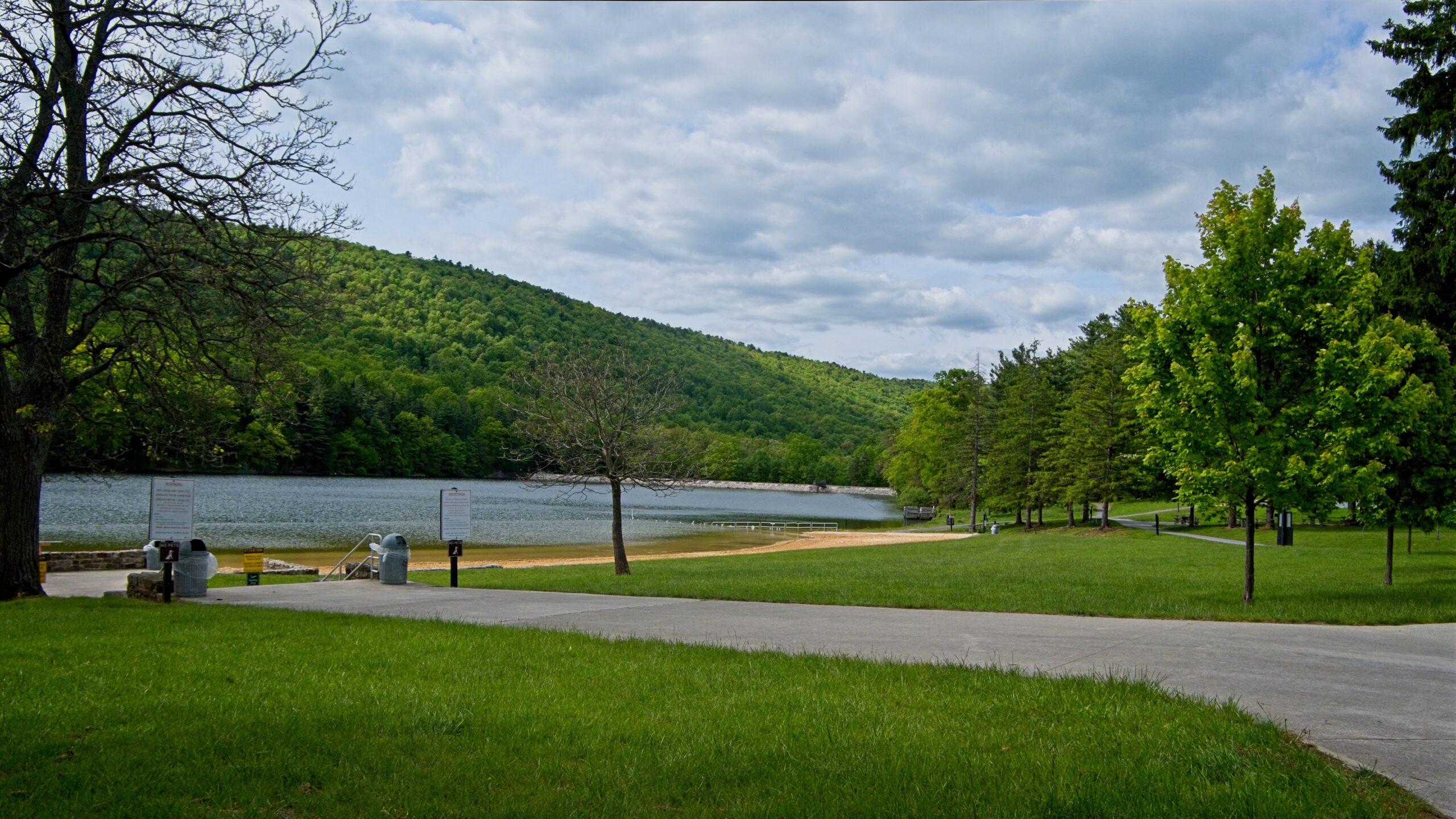
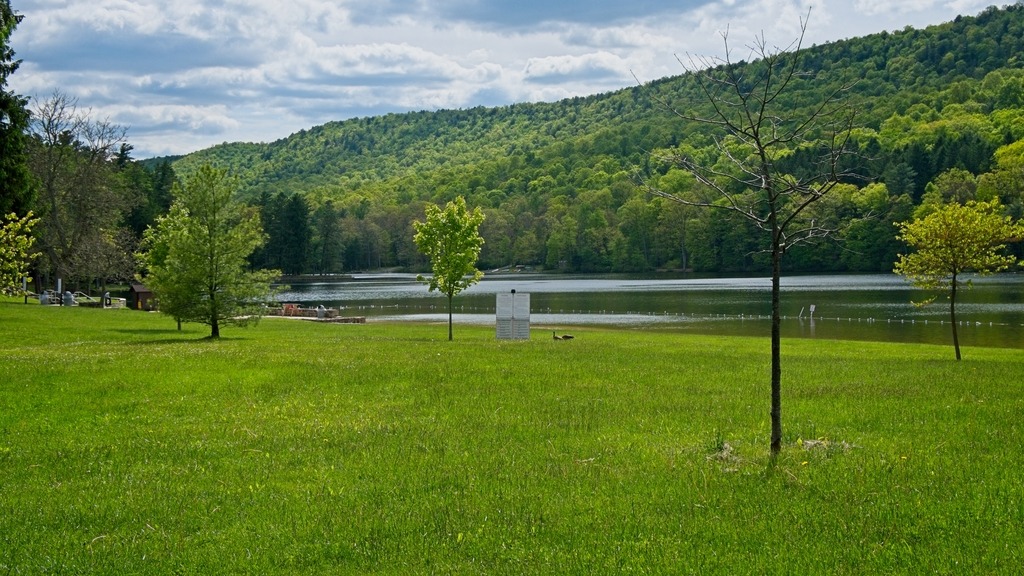
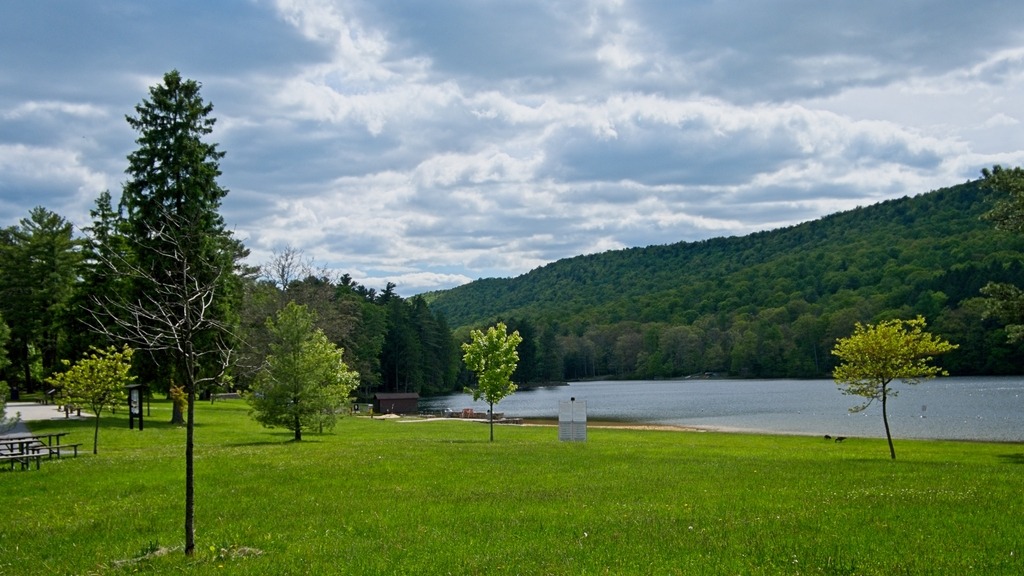
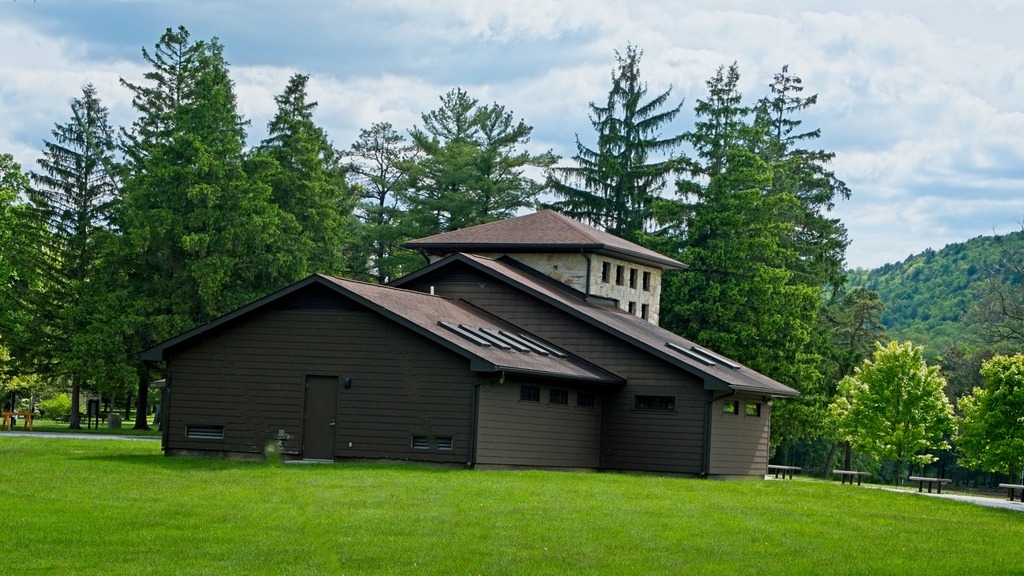
Cowans Gap State Park is a 1,085-acre (439 ha) Pennsylvania state park in Fulton County. The park is largely surrounded by Buchanan State Forest in Allens Valley just off Pennsylvania Route 75 near Fort Loudon. The park is lovely, and although I have visited before, I was happy to be back.
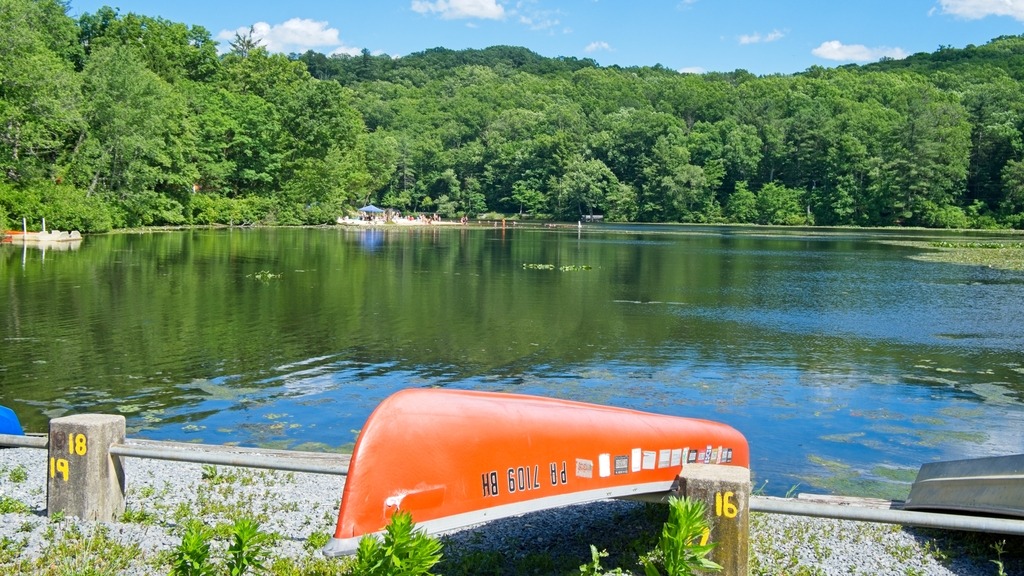
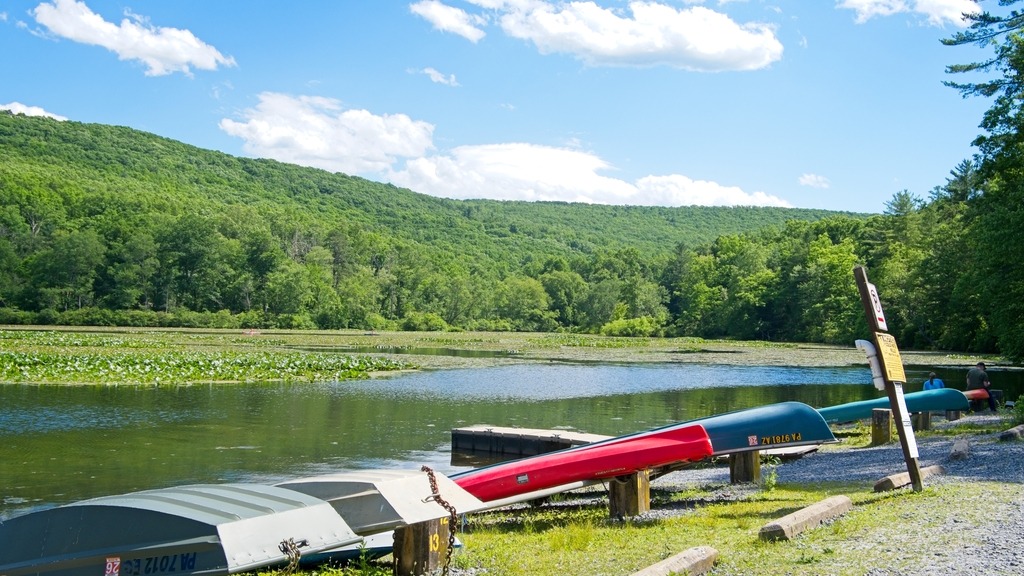
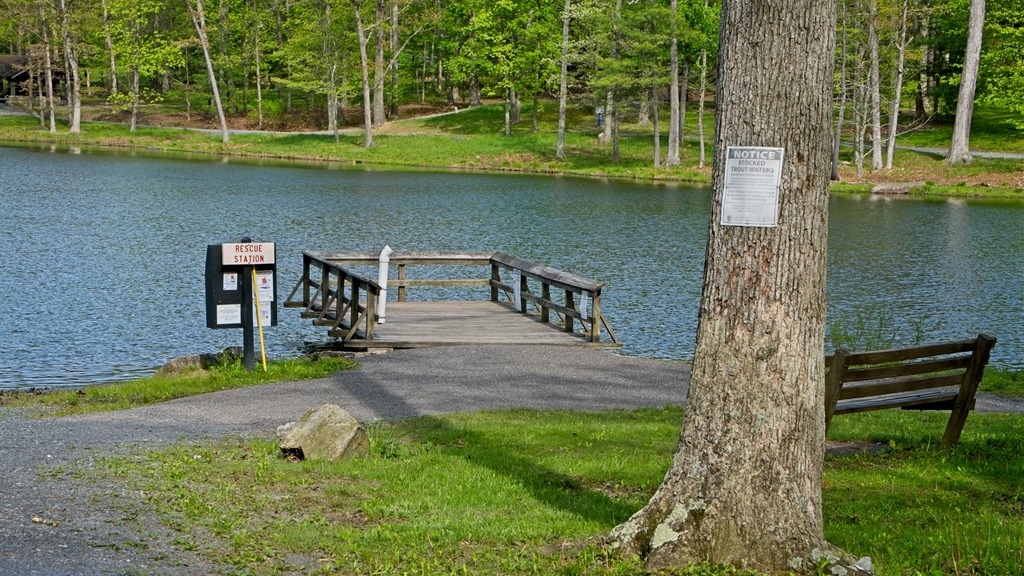
A boat access for the lake.The swimming beach at the day use area.
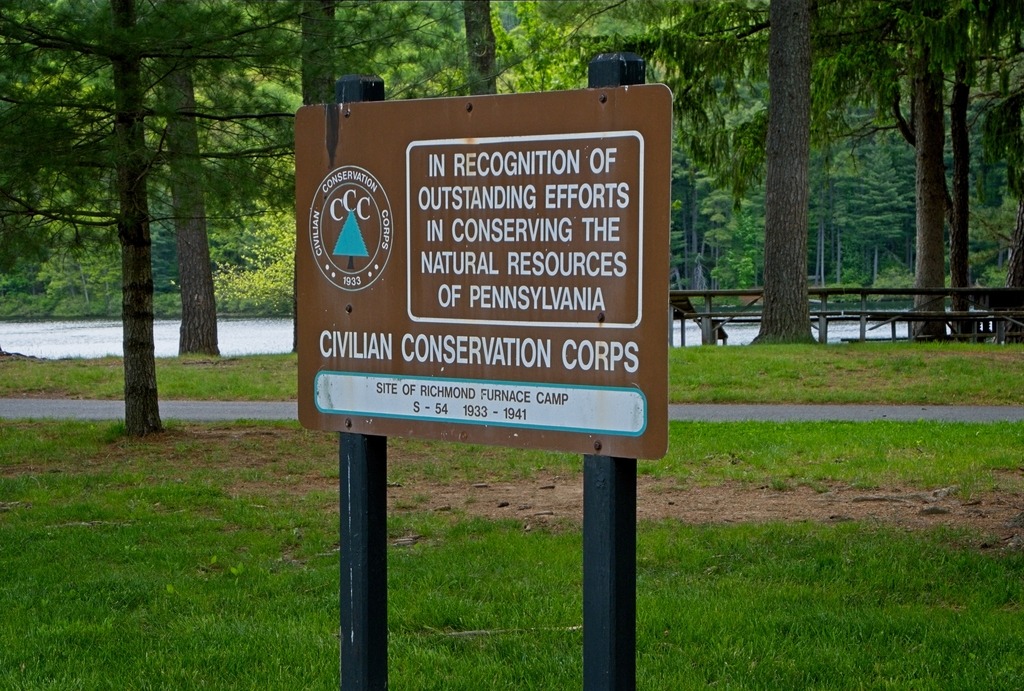
The Civilian Conservation Corps provided work for the unemployed from throughout the United States. A CCC camp, Richmond Furnace Camp PA-SP-54, was built at the site of Cowans Gap State Park. At first the young men lived in tents, but they soon built cabins (which are still in use at the park). The young men of the CCC also planted thousands of acres of new trees, built four bridges, 30 miles (48 km) of state roads, 32 miles (51 km) of fire trails, and 11 miles (18 km) of telephone lines. In addition, the CCC also cleared the forests and streams of brush, built pavilions, and constructed the dam that created Cowans Gap Lake. The park opened to the public in 1937.
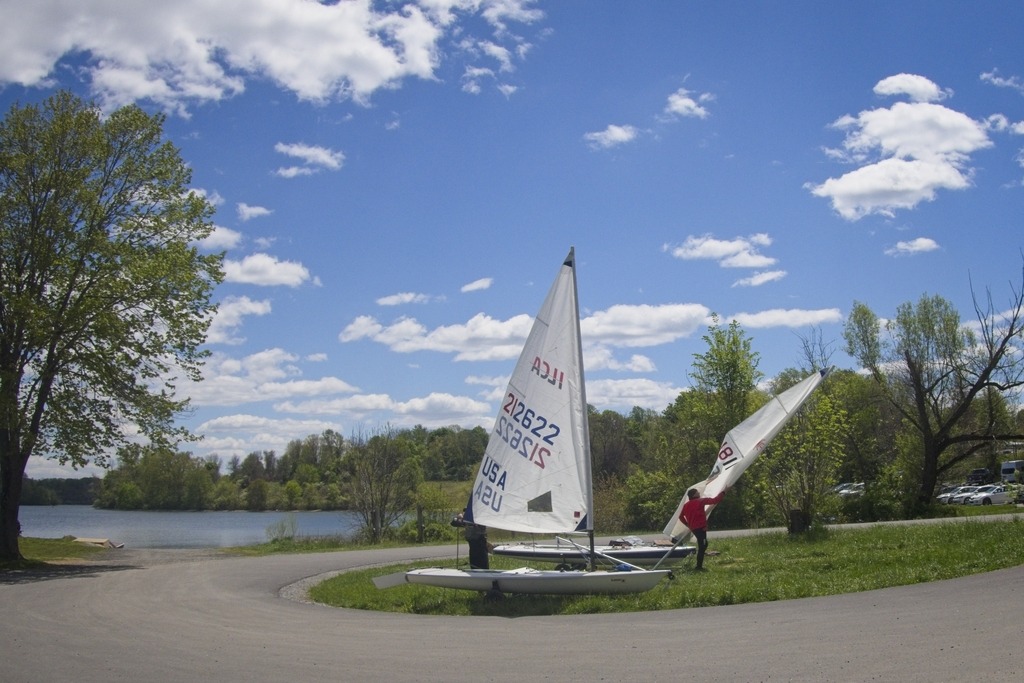
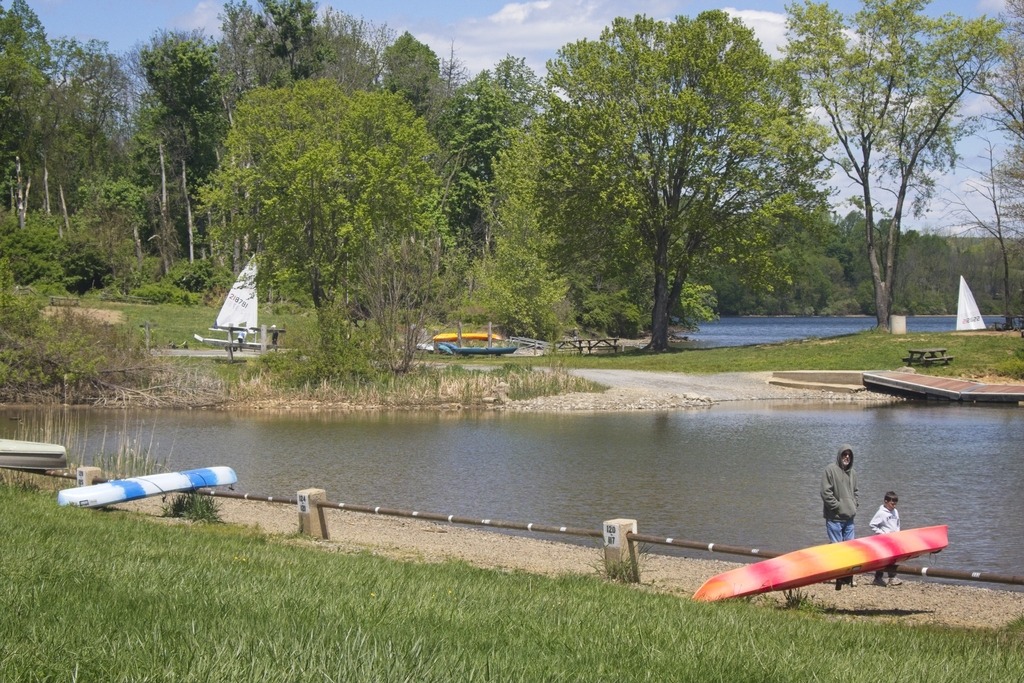
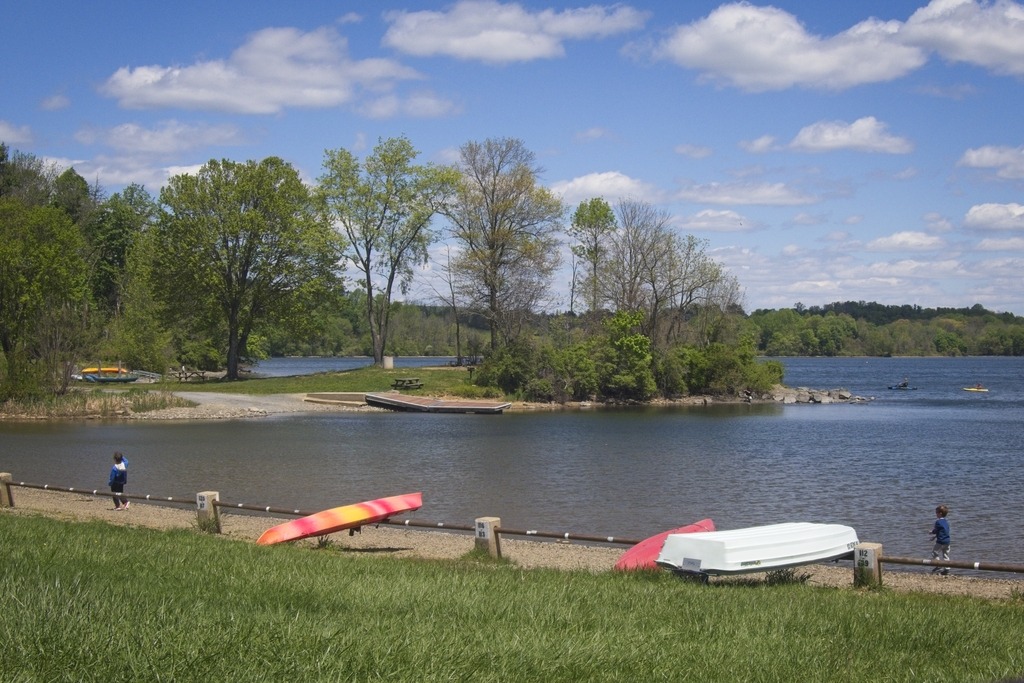
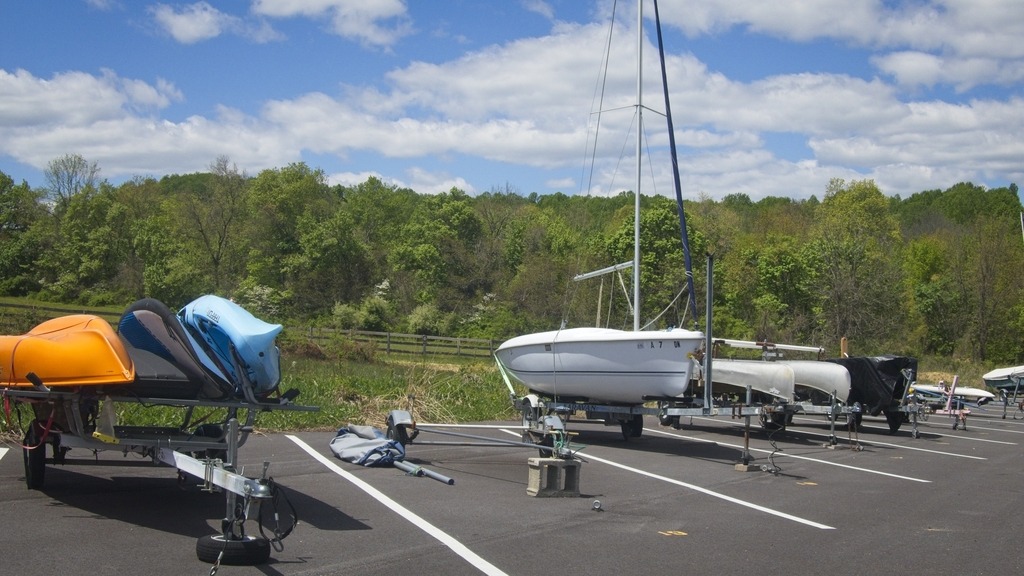
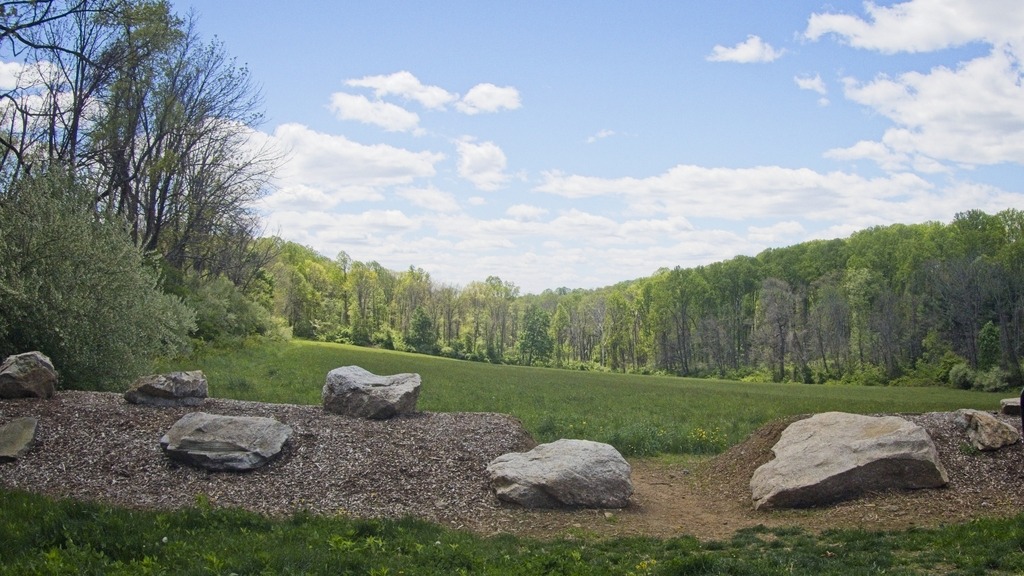
The Spring birding season led to another trip to Marsh Creek State Park in Chester County. The park was active with boaters getting ready for the season in relatively nice weather for May.
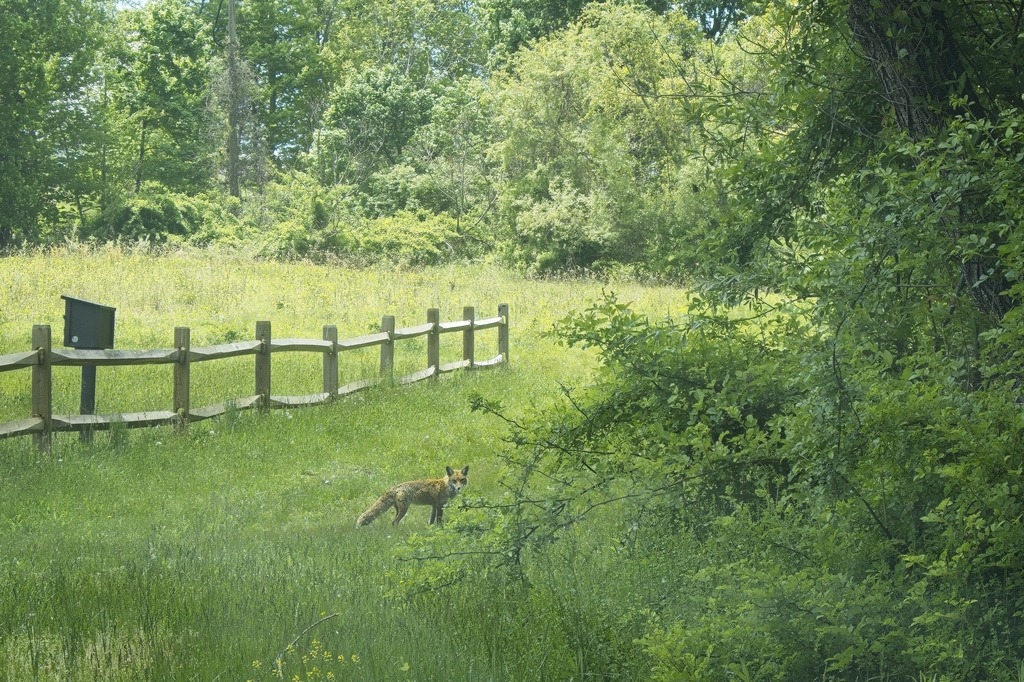
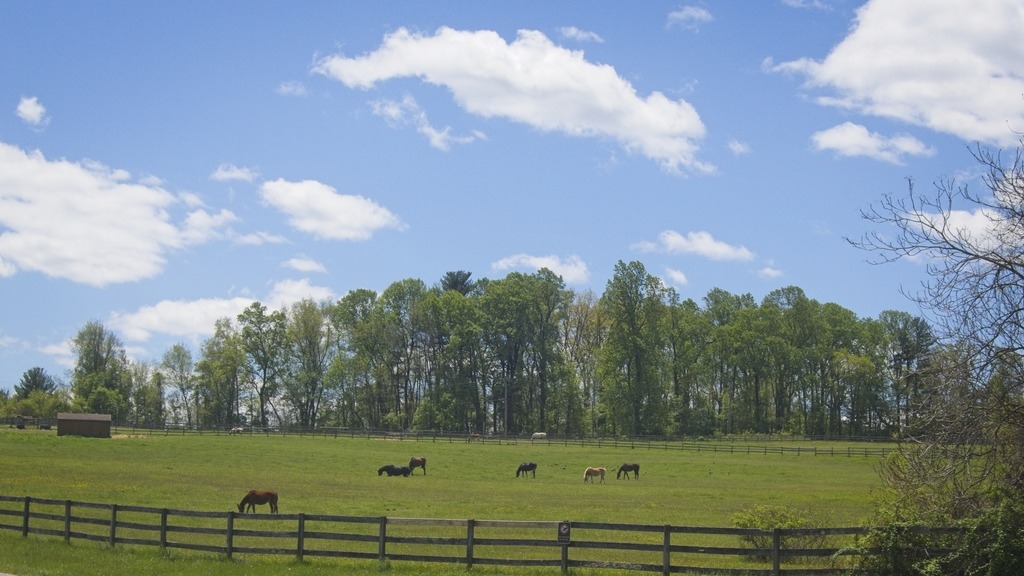
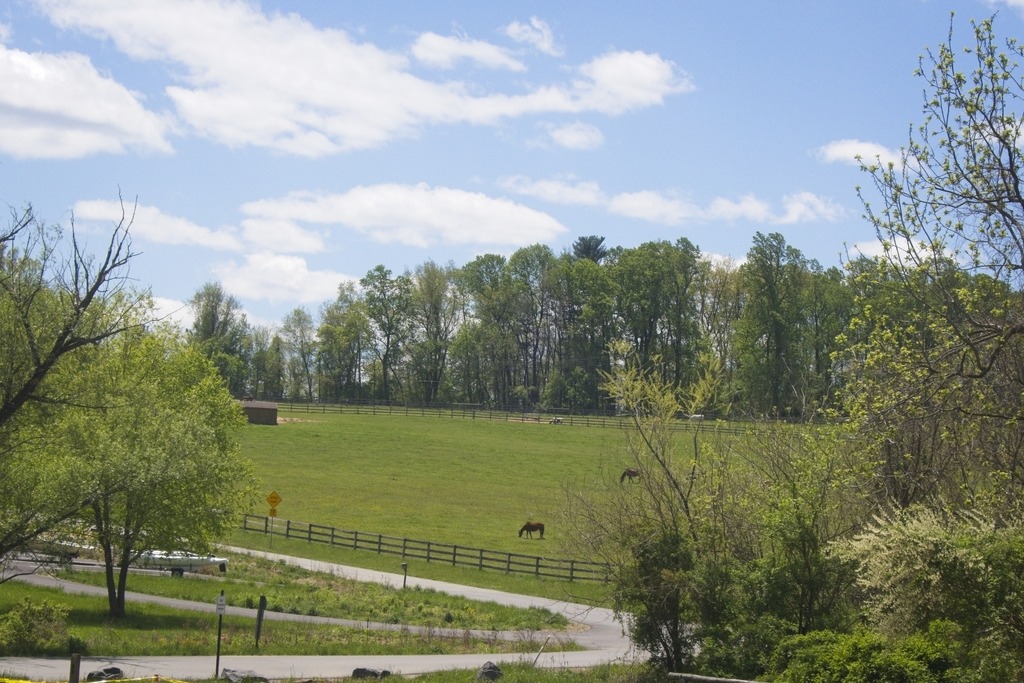
At the west boat launch.This fox was out enjoying the sun.More horses than unusual out in the pasture.The new access point off Chalfont Road.