

It feels like the season is a bit late this year. However, the early bulbs and the forsythia are finally making an effort.


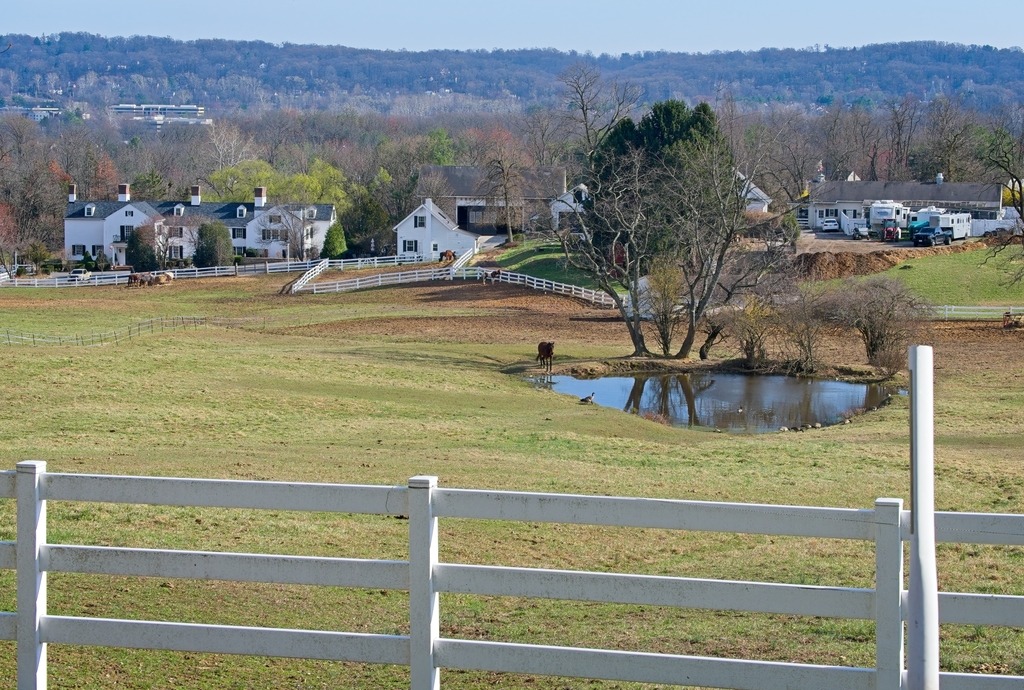
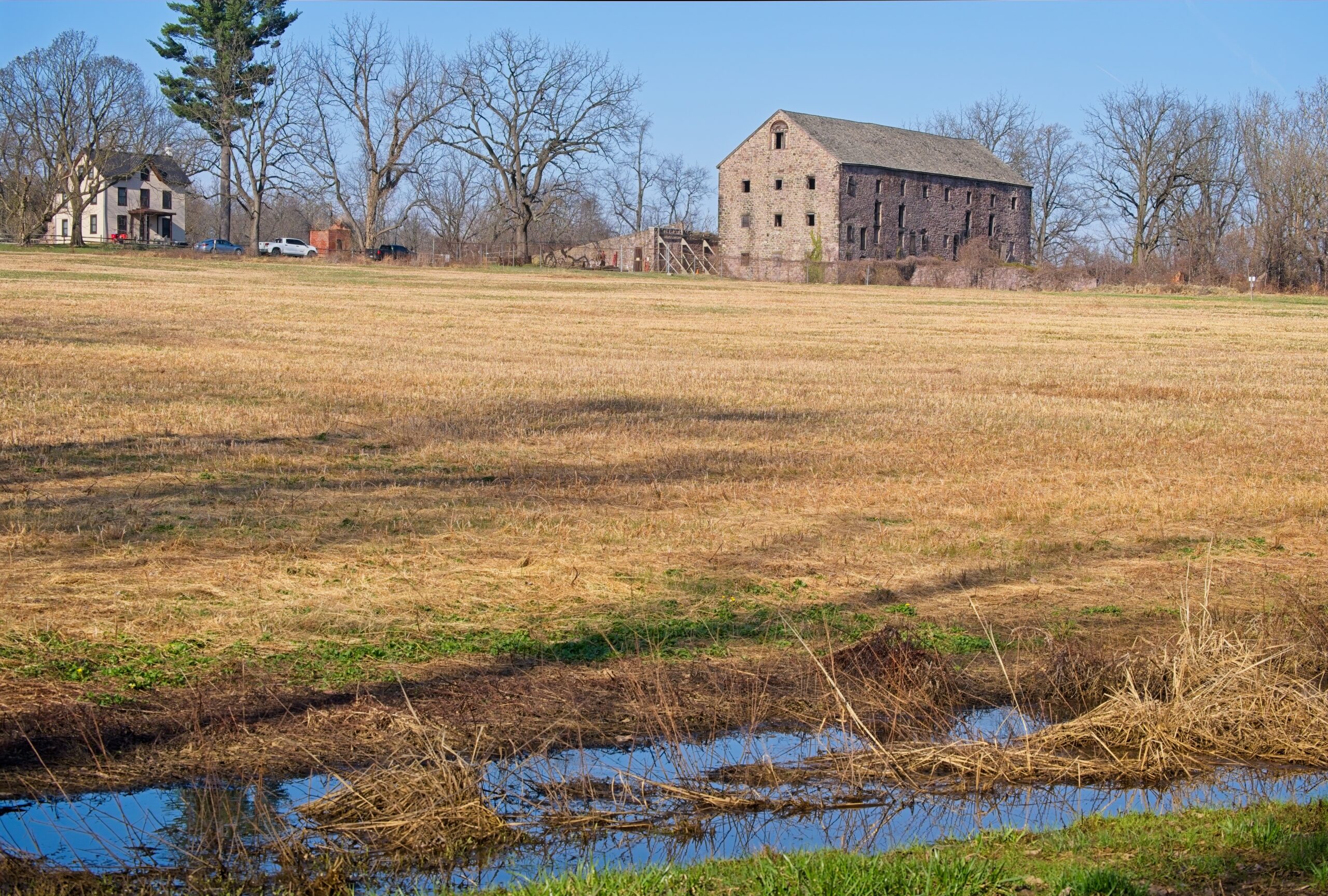
Below are some early Spring scenes from around Valley Forge.
It feels like the season is a bit late this year. However, the early bulbs and the forsythia are finally making an effort.
Below are some early Spring scenes from around Valley Forge.
The Schuylkill River once had a navigation along its length. A few structures associated with this waterway remain – including Lock 60 at Mont Clare, Montgomery County. I visited on Valentine’s Day as part of a trip along the River to look for waterfowl. A few areas of the River that were free of ice had groups of ducks, including Hooded and Common Mergansers, Goldeneye, Mallard, Greater Scaup, Ring-necked, Bufflehead and a rarity – the Tufted Duck.
Lock 60 is a fully restored, working lock on the Schuylkill Canal, originally built as part of the Schuylkill Navigation system. The lock is demonstrated for groups and during special events by the Schuylkill Canal Association. This lock, one of 71 originally built on the canal, was constructed in the 1820s and was originally part of the Oakes Reach. The site includes the original Locktender’s house as well as canal information and interpretation. The house is open by appointment and during special events.

Some views of the lockkeeper’s house.


Some looks along the Canal and the River – sadly no ducks were present here, as both areas were covered in ice.


This winter has been particularly harsh, with prolonged periods of below average temperatures that have kept me trapped at home when the snow fails to melt around my car. I did, however, manage to travel to a farming area in northwestern Chester County to do some birding on New Year’s weekend.
This area is known for attracting winter migrant species that prefer open habitats, such as horned larks, Lapland longspurs, and snow buntings. I have had lucky seeing the horned larks before. This time, I saw the flocks of birds but had difficulty making out individuals with my binoculars or camera. However, a popular bird sound id app did pick up all of the species above, including the snow bunting and longspur. To access this site, one has to try to pull off by the side of the road and sit an wait. There was one other car during the time I was there. The locals must think we are crazy.
In terms of pictures, I had to content myself with scenes of the local area.


I made my way home via Marsh Creek State Park. Alas, the gull photos I took there were too distant and blurry.


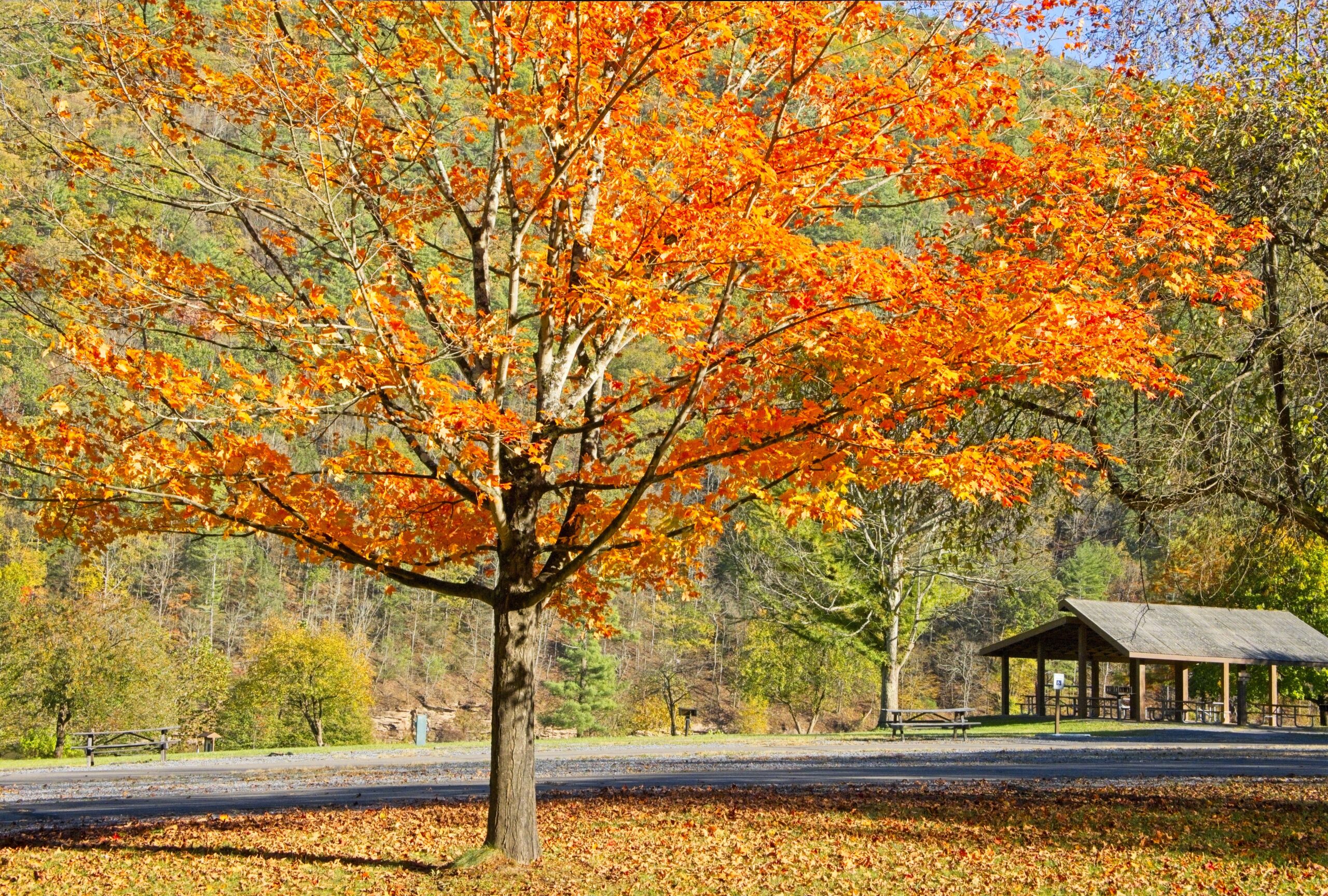
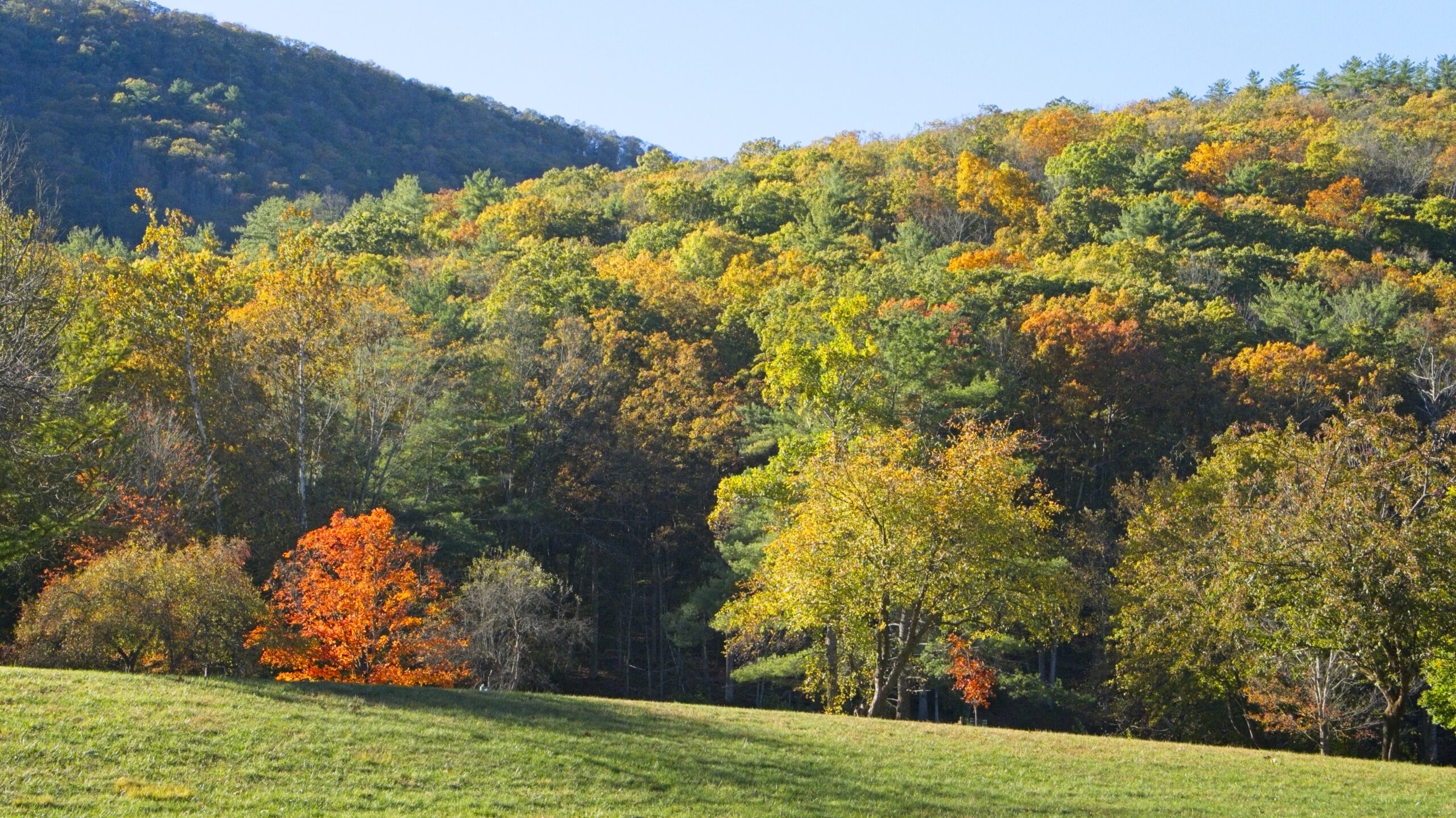
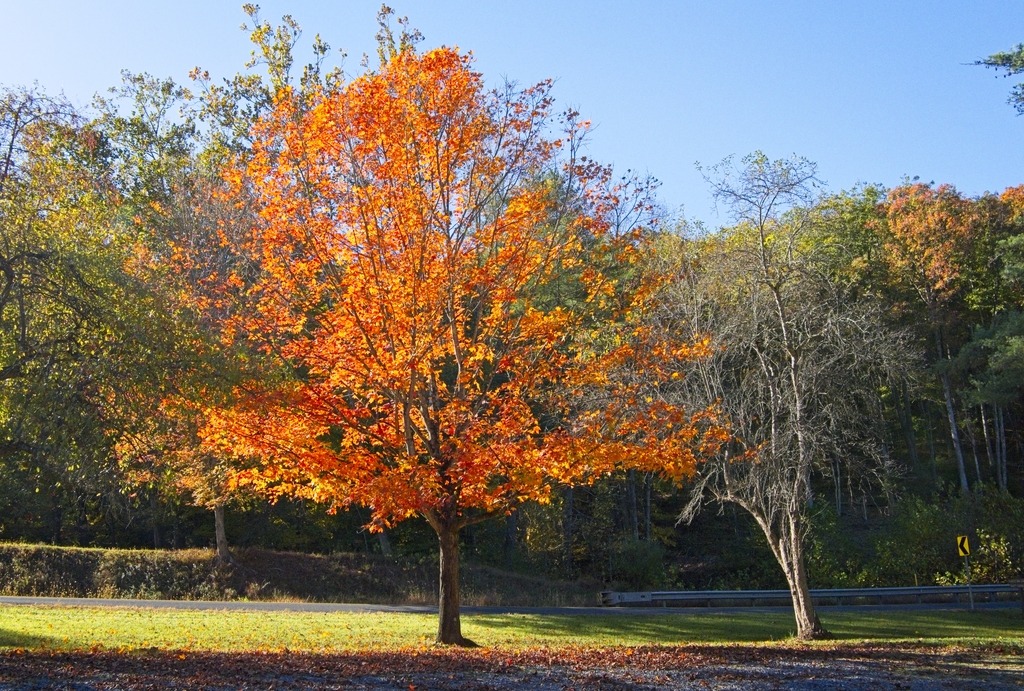
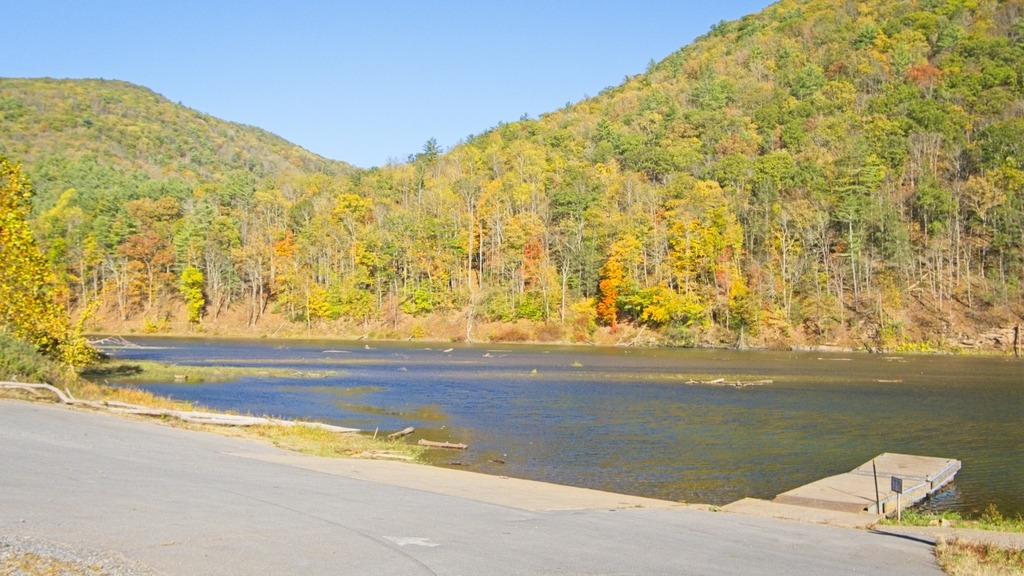
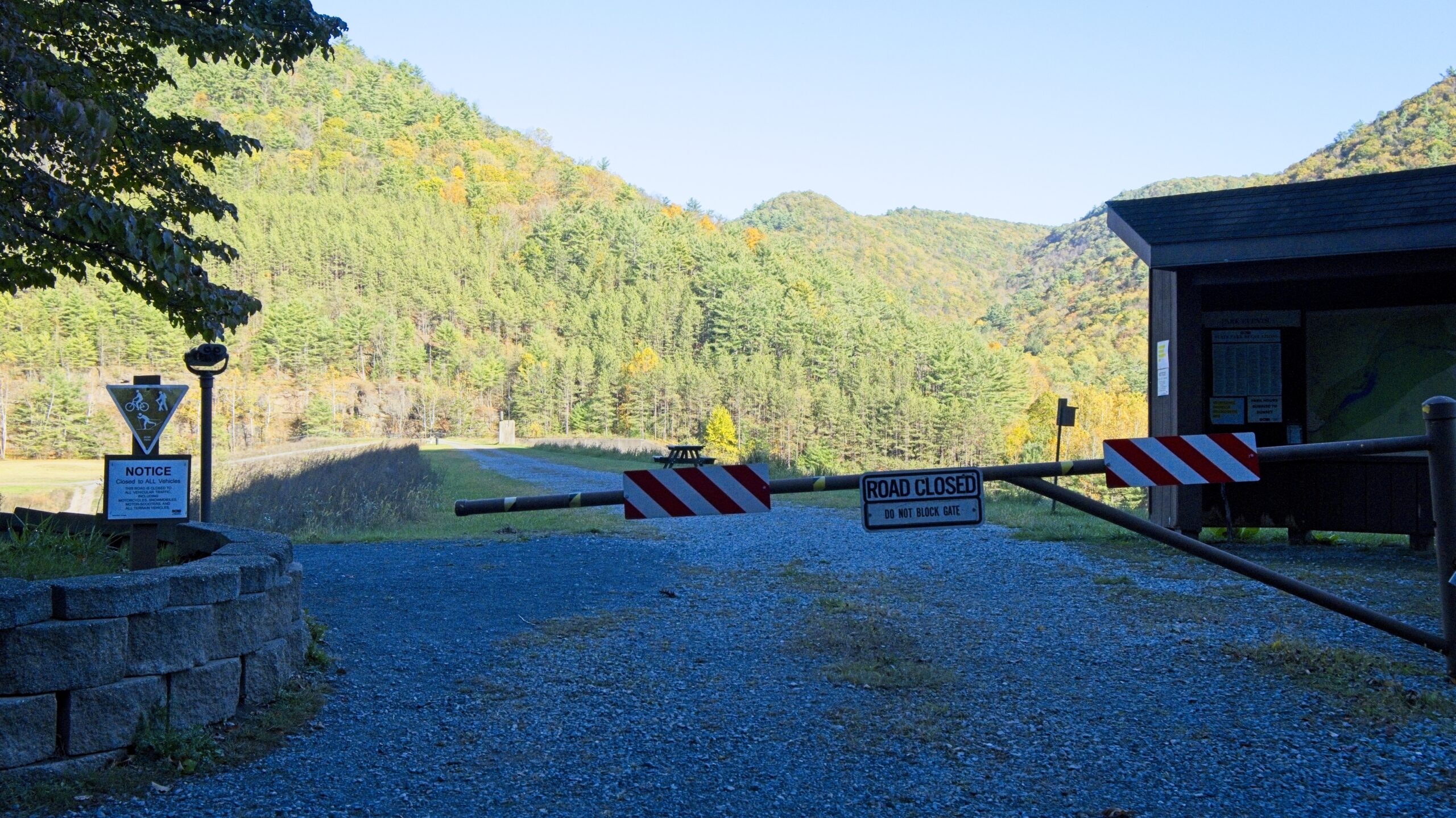
My Autumn destination this October was Little Pine State Park in northern Lycoming County. The 2,158-acre Little park is surrounded by a beautiful mountain section of Tiadaghton State Forest . The 45-acre Little Pine Lake, hiking trails, campground, and nesting bald eagles are prime features of the park, along with nearby access to Pine Creek.
During 1933, the Civilian Conservation Corps (CCC) built Camp S-129-PA and a small picnic area along Little Pine Creek. During 1937, the camp was closed and the property turned over to the Bureau of State Parks. When the park opened, it used many of the CCC buildings. In 1950, a dual-purpose flood control/recreation dam was constructed. The park remained a picnic area until the campground, beach, and swimming area were constructed in 1958. In 1972, Hurricane Agnes flooded and destroyed many park facilities, including all but a few remnants of the former CCC facilities. Hurricane Agnes was the only time water went over the spillway. In 1975-76, federal disaster aid helped build a new beach house, office, maintenance area, and a new campground with modern restrooms. As part of the “Growing Greener” initiative, several major improvements began in 2002, including, enlarging and modernizing the park office and putting showers in the campground.
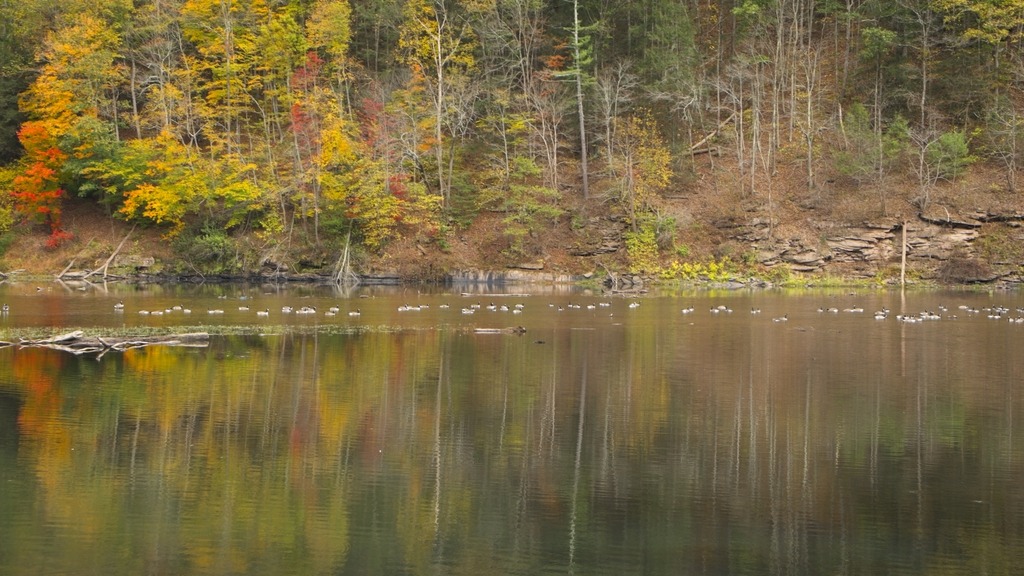
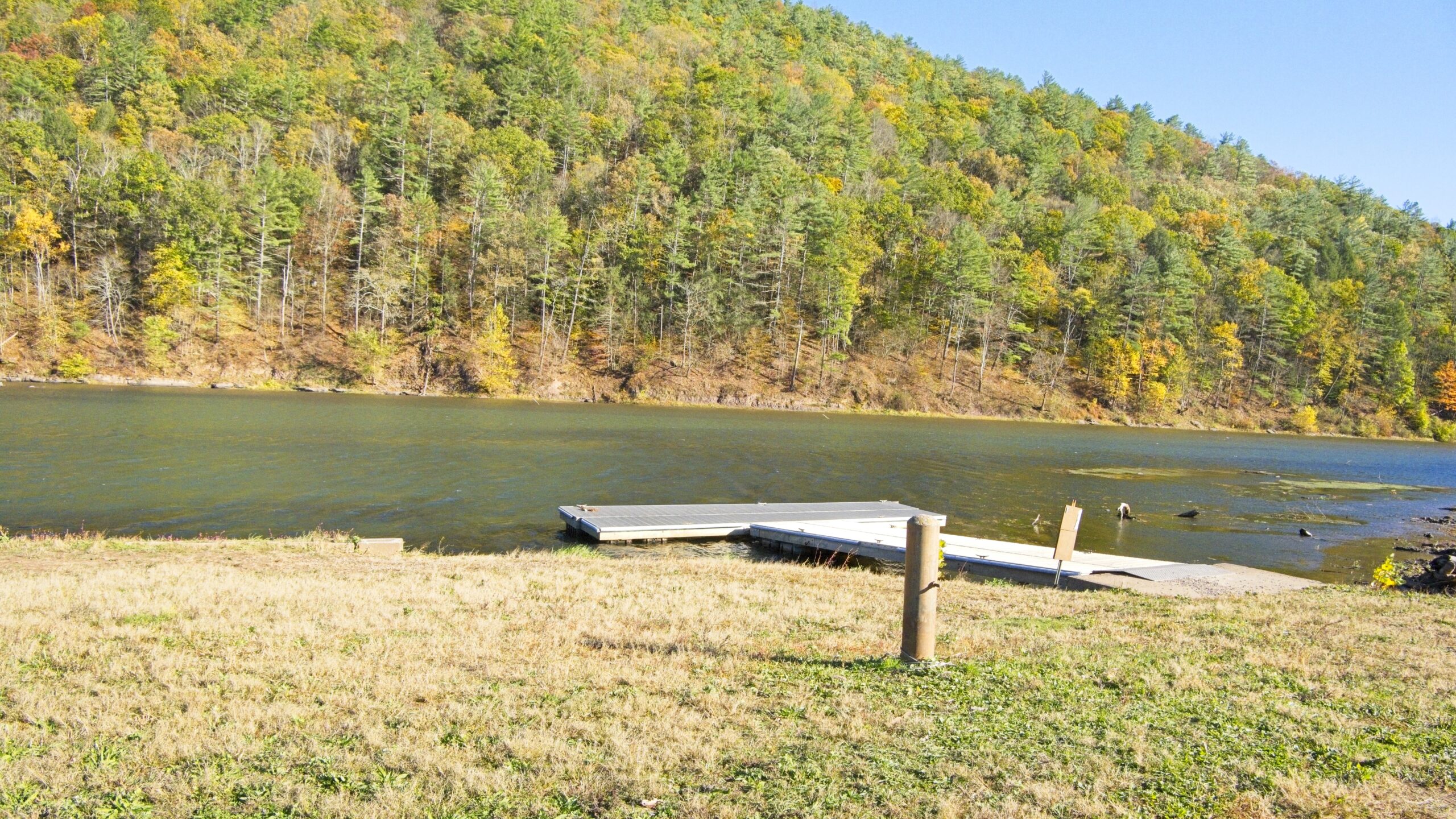
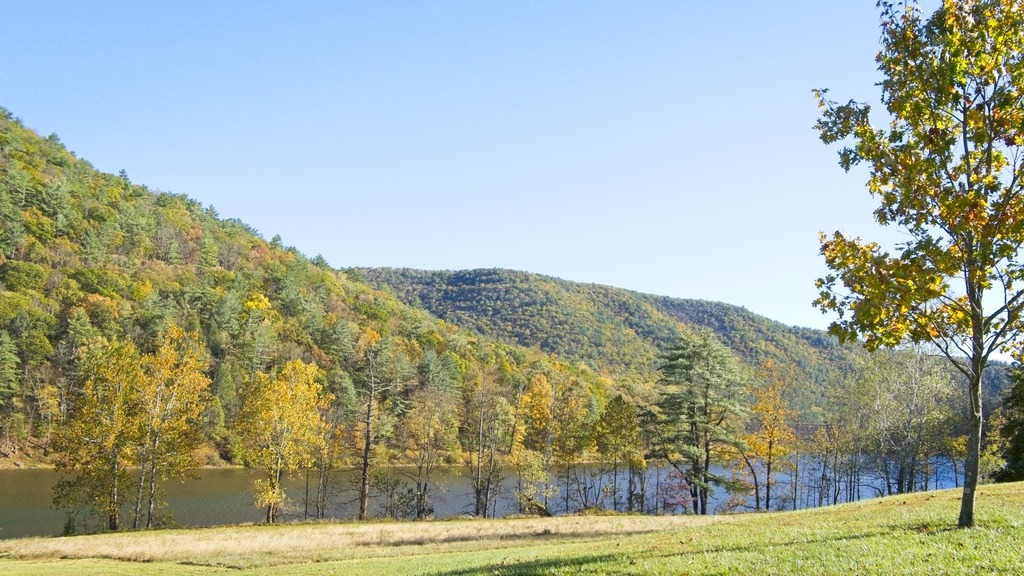
Below are photos of the lake and day use area.


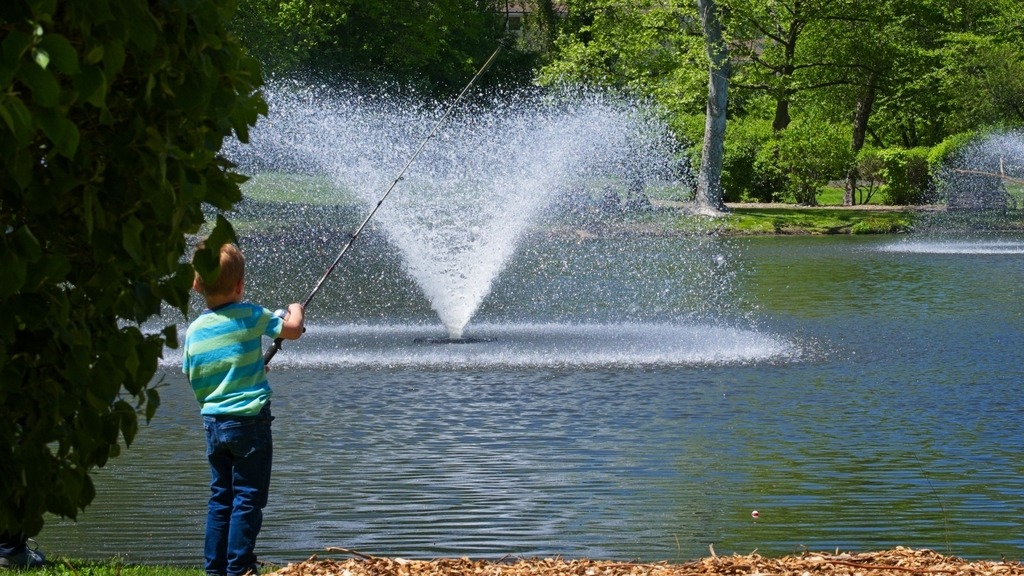
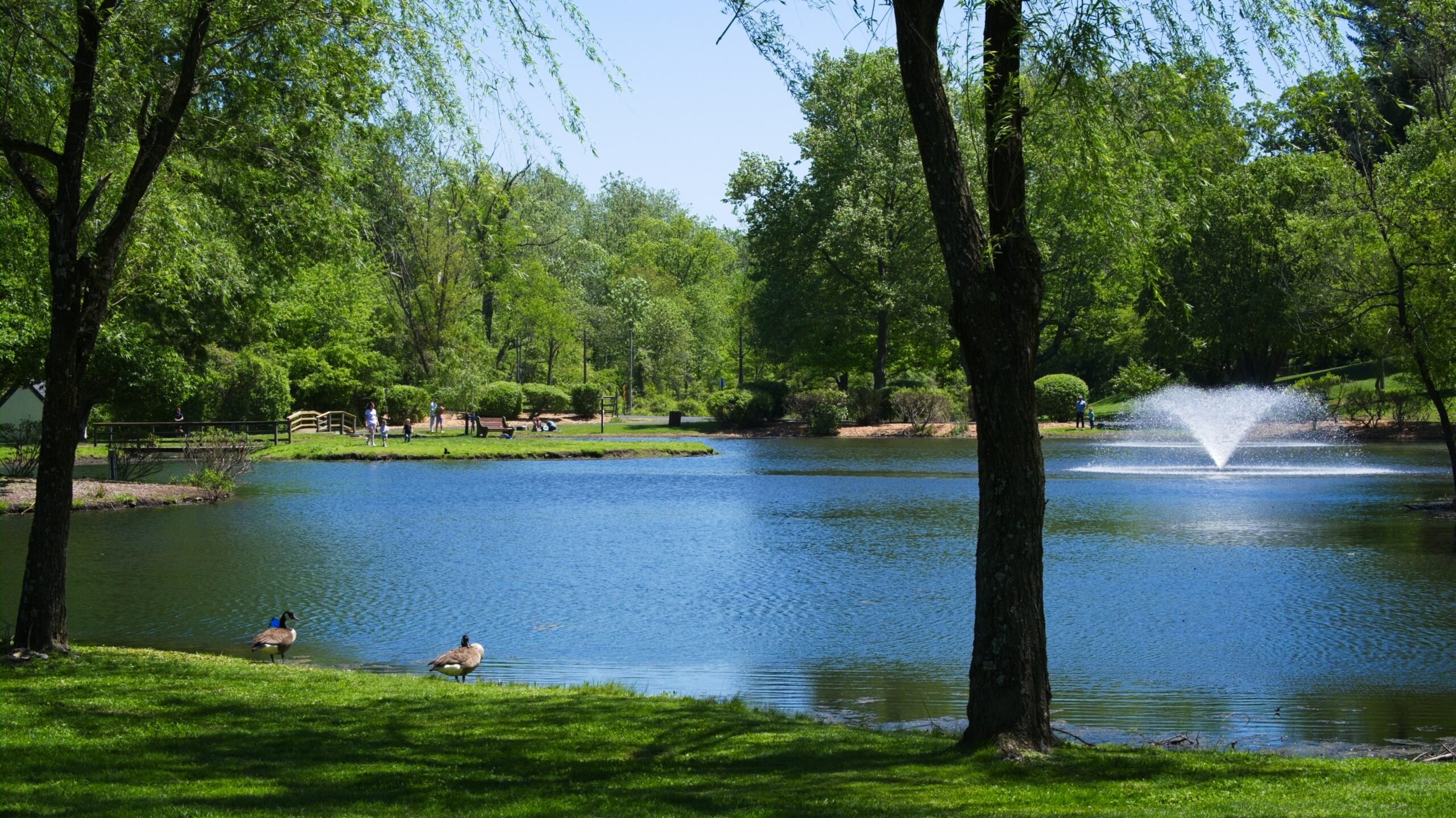
The Willows Park Preserve in northwestern Delaware Country has been a popular spot for birding, fishing, picnicking and walking for decades. Built in 1910, the Willows Mansion is surrounded by 47.5 acres of public park with water, meadow, woodland and garden views. Closed for nearly a decade, the deteriorating mansion sits idle while park life carries on. However, efforts to restore the Mansion are ongoing. It was once a very popular wedding reception venue.

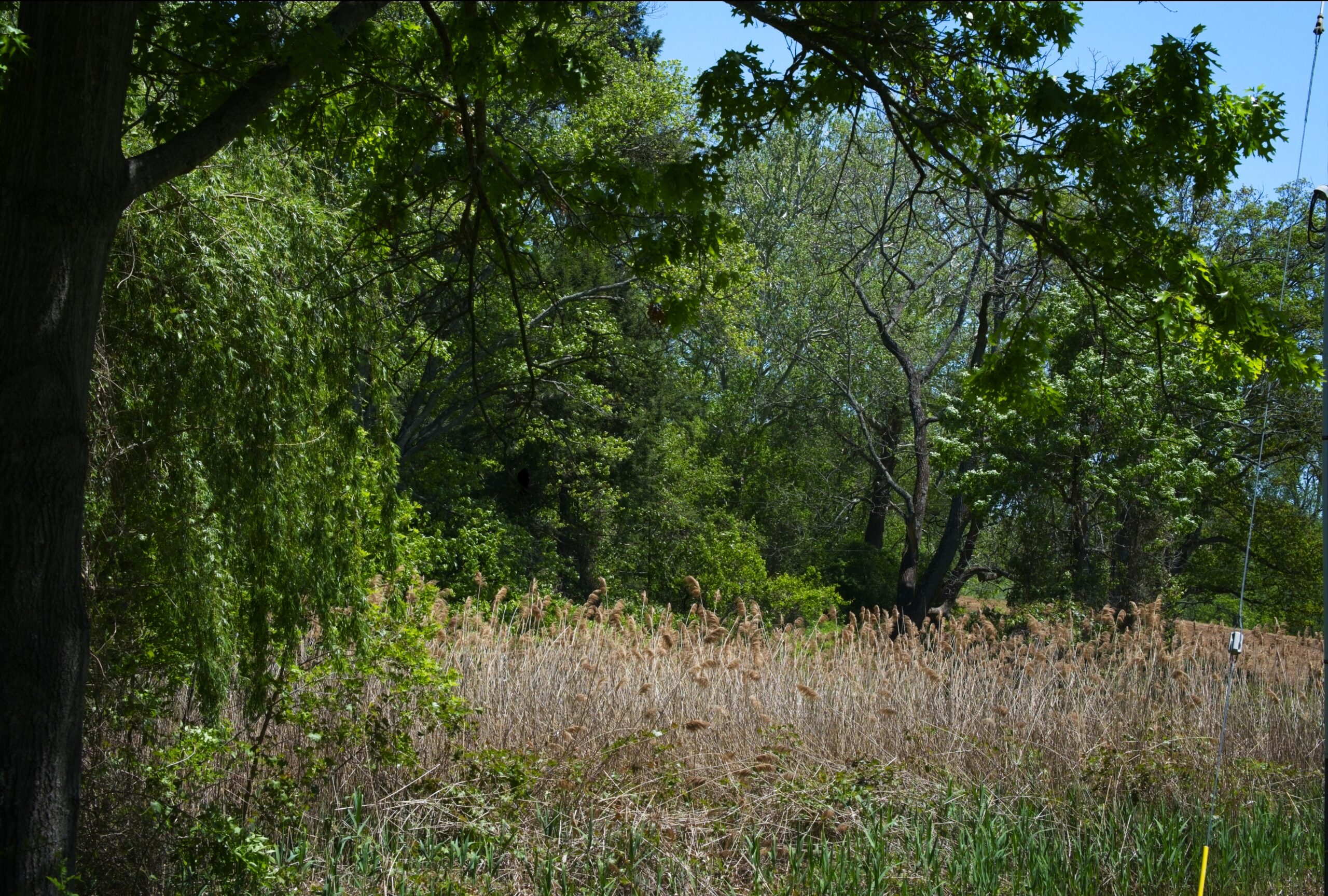
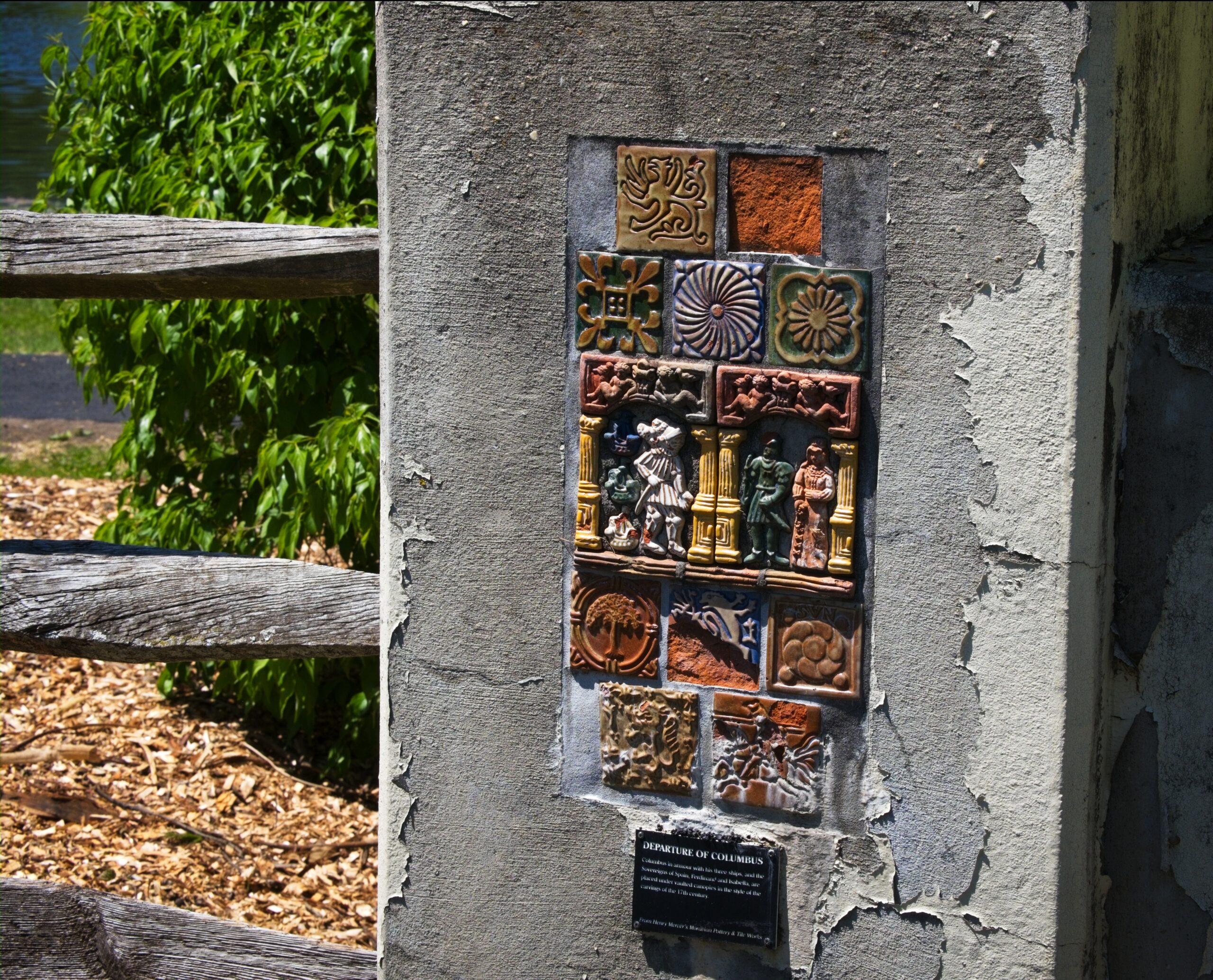
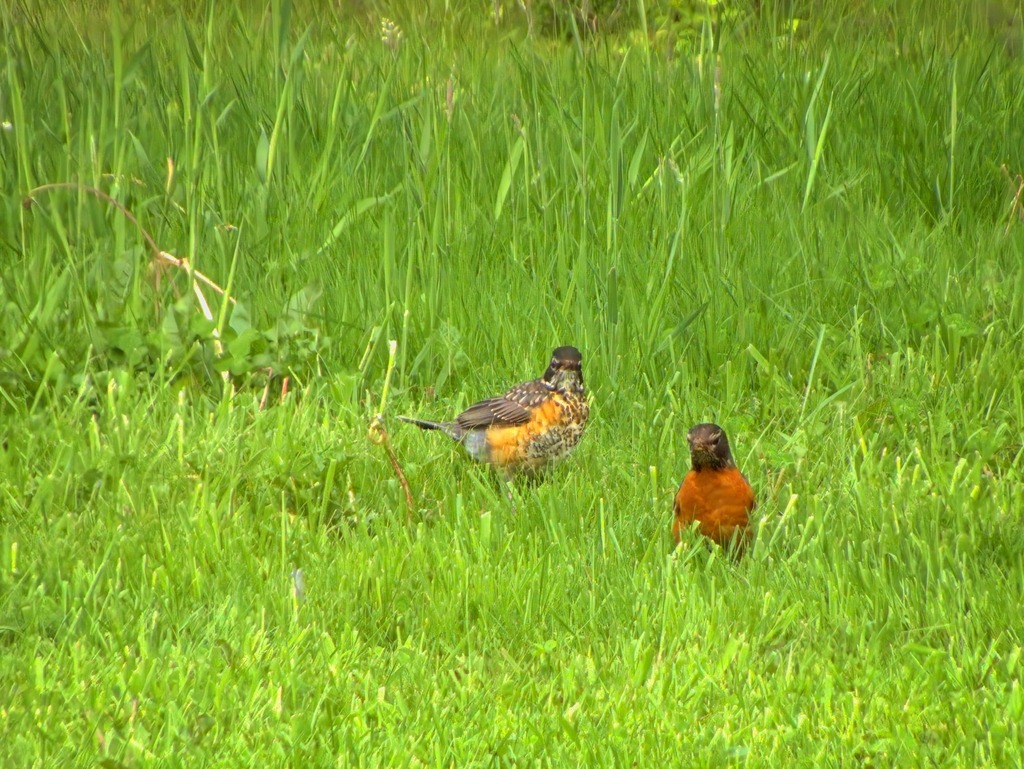
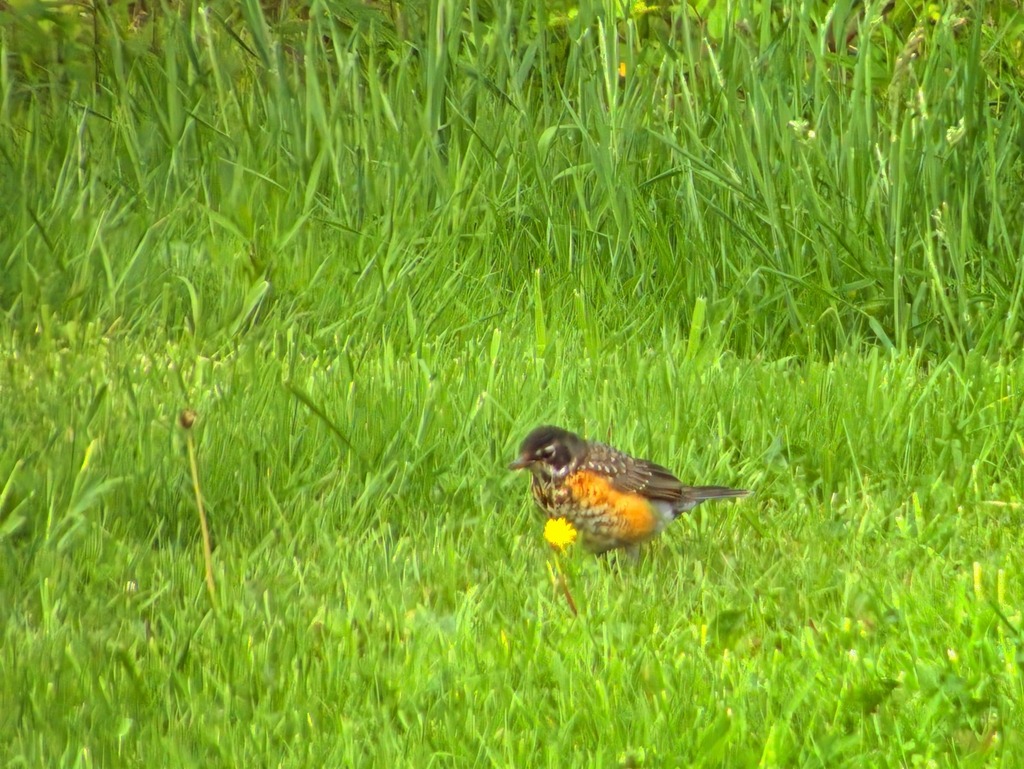
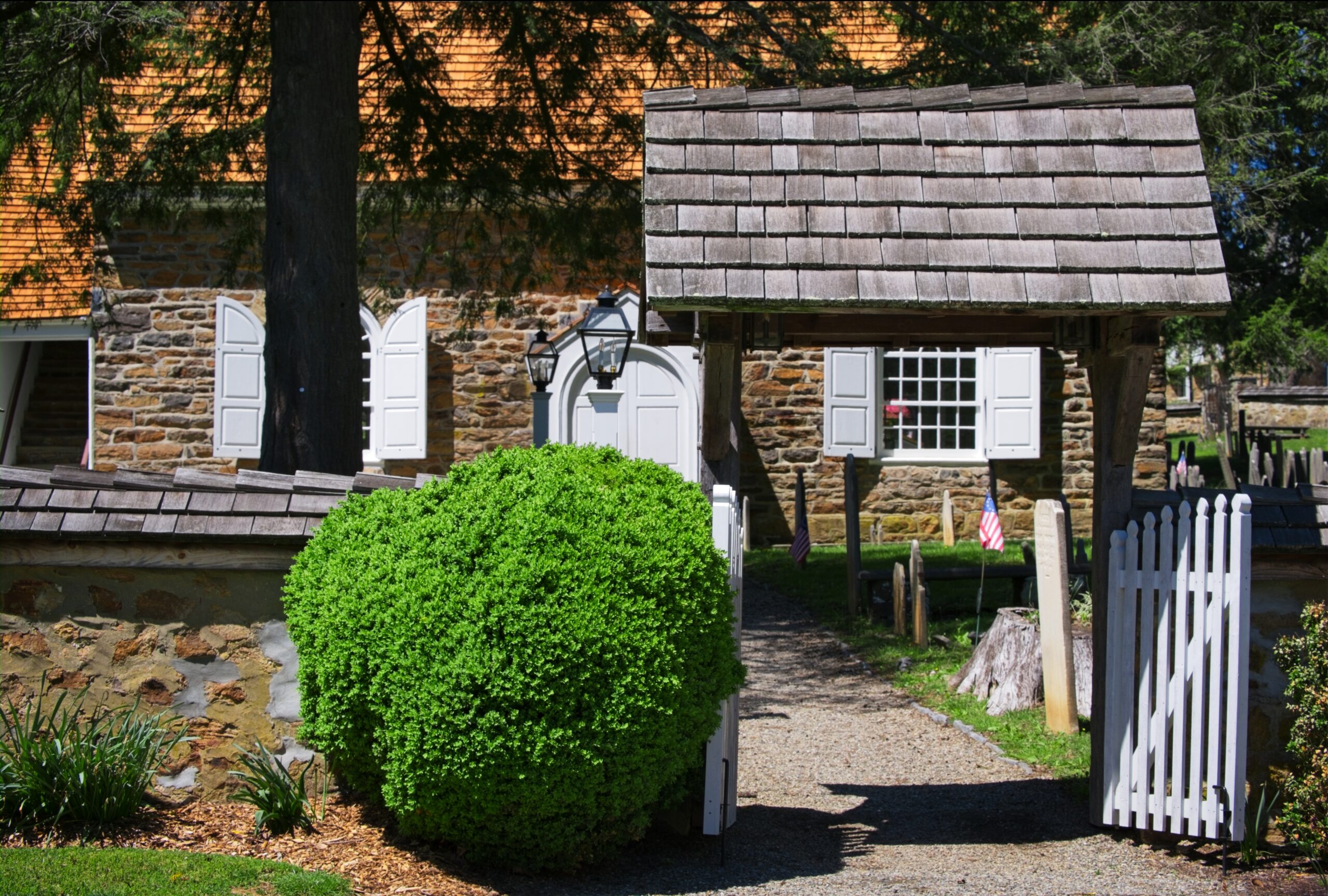
I made another stop that day at St. Davids Church, which lies mostly within Radnor Township, Delaware County. The parish is more than 300 years old. Toward the close of the seventeenth century, a hardy group of Welsh colonists settled in an area which became known as Radnor. In 1704, a 100-signature petition for Welsh prayer books and a Bible, but more particularly for a Welsh-speaking missionary, was dispatched to the Society for the Propagation of the Gospel in London. Ten years later, in return for this long-awaited recognition, the settlers “heartily engaged themselves to build a handsome stone church,” to be named after the Patron Saint of Wales. The cornerstone was laid on May 9, 1715.
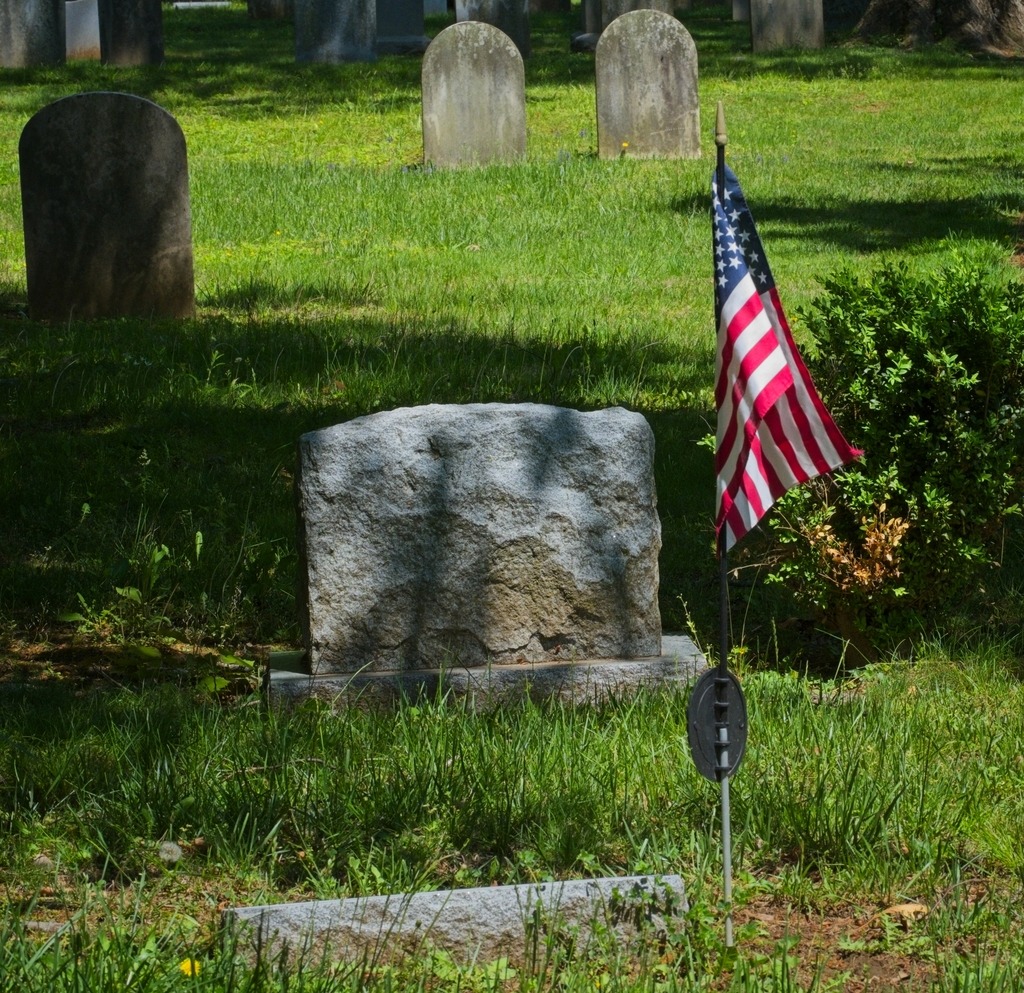
With the coming of the Revolution in the colonies, a rapidly swelling wave of resentment against the Church of England arose among the patriots of the congregation. A leader of this opposition was Anthony Wayne, later appointed major general of the American forces, who is buried in St. David’s historic churchyard. The church building provided shelter for soldiers of both sides.



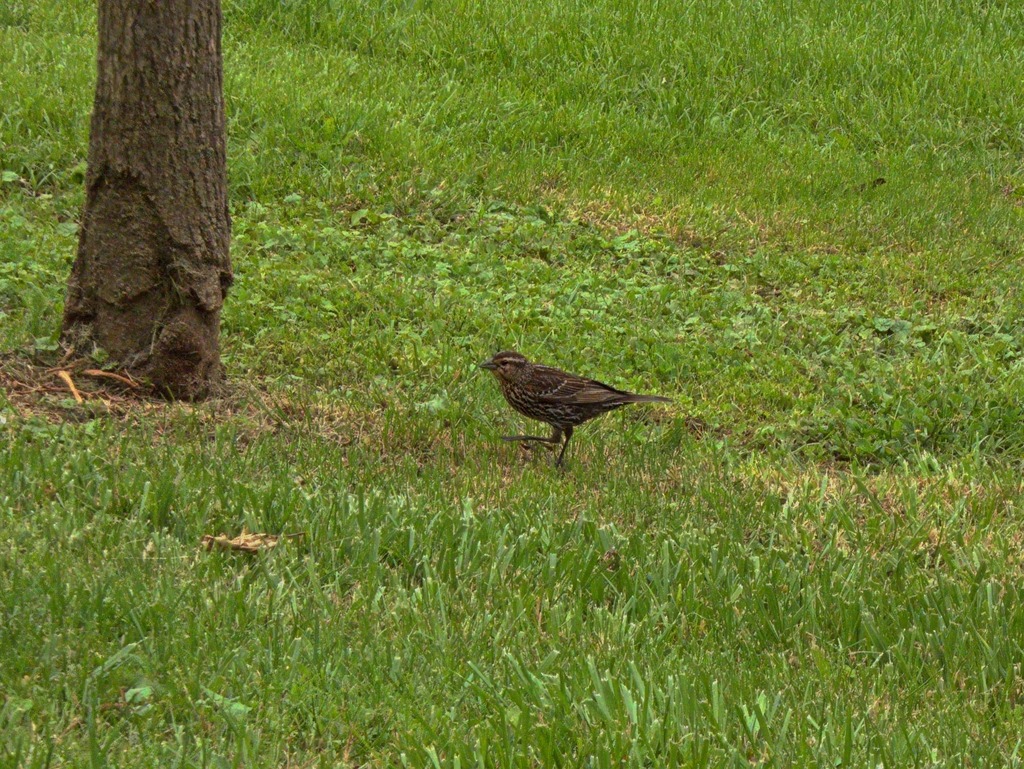
So do these photos look unusable to you? (rhetorical question) I recently got a mirror lens – the Tamron 55BB 500mm F8 – to be exact. Many dislike mirror lenses because they can be finicky to work with due to the fixed F8 focal ratio, shallow depth of field, and long focal length. All of which makes getting focus and capturing sharp images challenging. These lenses also have very distinctive bokeh due to the obstruction from the secondary mirror. Can you see the “donuts” in these photos.

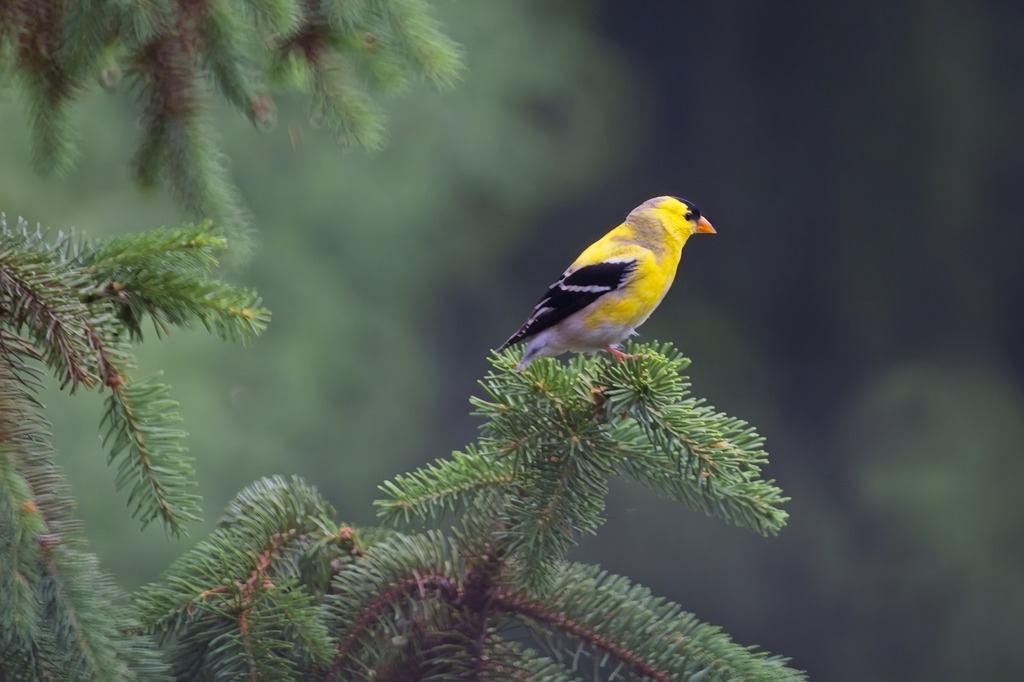
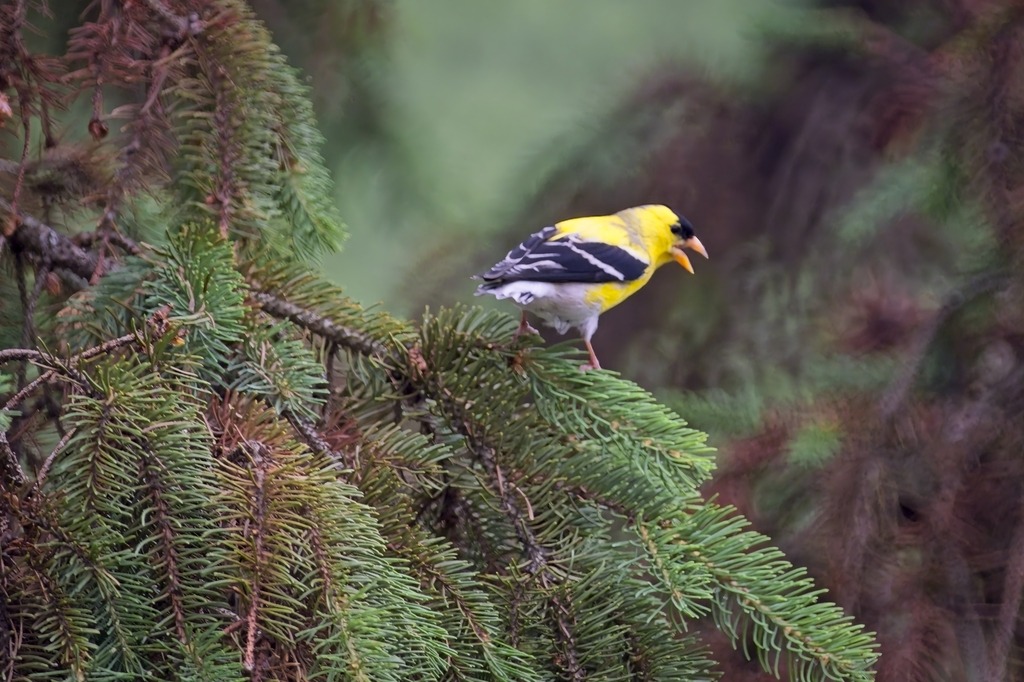




I quite like these photos. They remind me of old film photographs. As you can probably tell from this blog, I am not one who is too fussed about “tack sharp” as a photographer. If a photo is acceptably in focus, I’m good. I do have to say that this lens does really need daylight. Low light would require a tripod and long exposure times to compensate for the F8 aperture.
I made a rare summer visit to Bombay Hook National Wildlife Refuge (near Smyrna, Delaware) due to the increased number of interesting species found there in prior days. I didn’t manage to find all of them, but the trip didn’t disappoint.
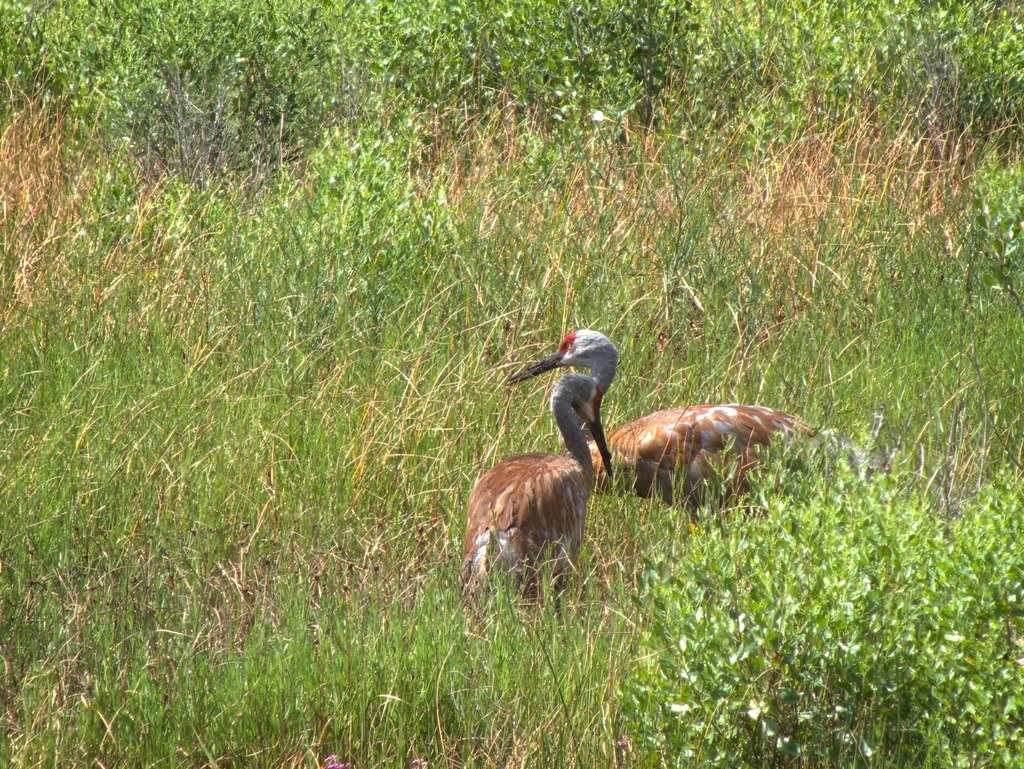
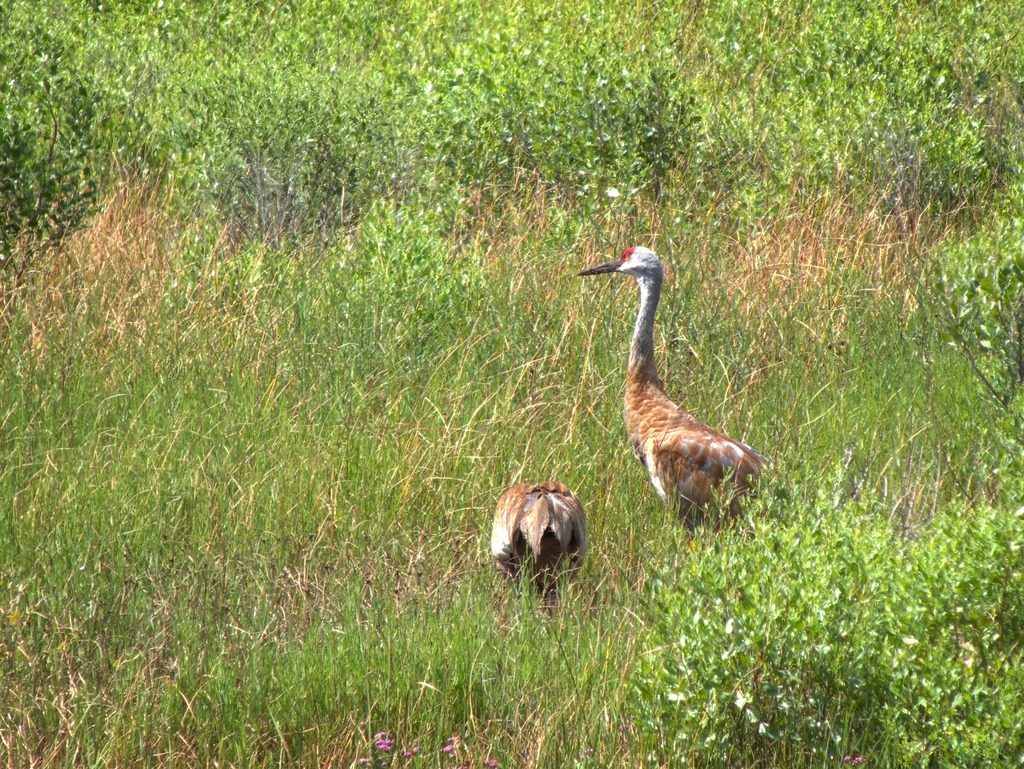
Of particular interest were the Curlew Sandpiper, Glossy Ibis, Sandhill Crane, Black Swan, and Roseate Spoonbill, as well as the host of other birds that visit the Refuge or call it home. Large numbers of American Avocet, Semipalmated and Black Bellied Plover, Mute Swans, Great and Snowy Egrets, Great Blue Herons and a variety of sandpipers and other shorebirds were present.
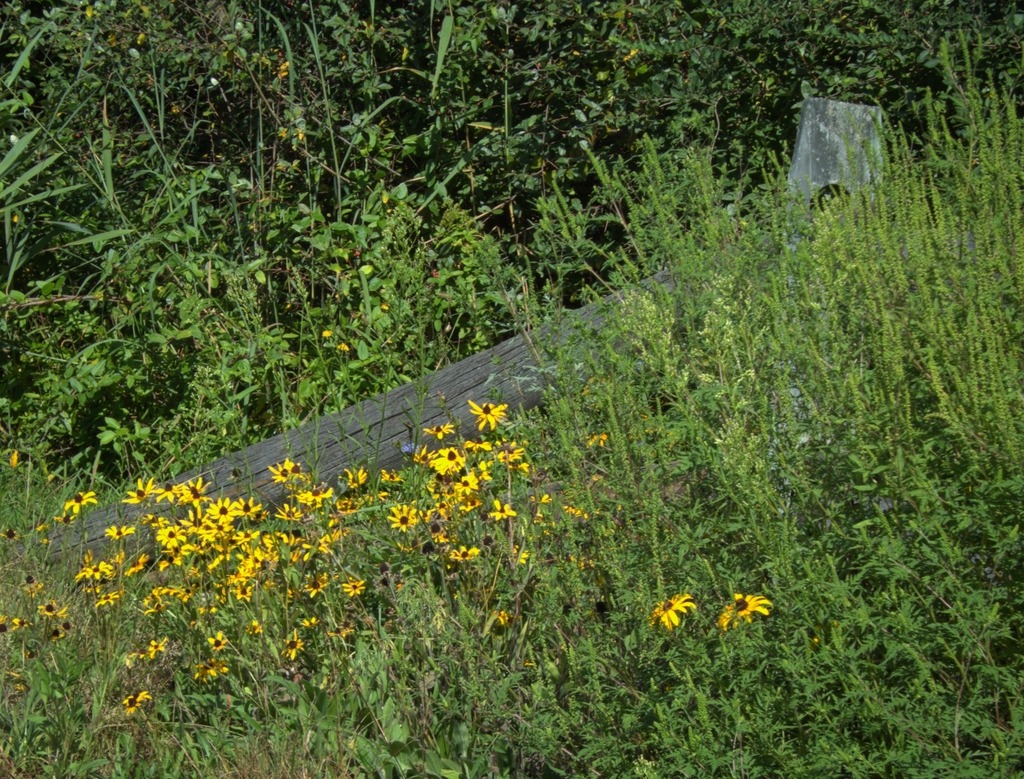
With many summer wildflowers in bloom, the Refuge was looking lovely. Sadly, the Purple Martin colony seems to have mostly dispersed. I also missed the Black Swan, Spoonbill, and Curlew Sandpiper but was still happy with my day.

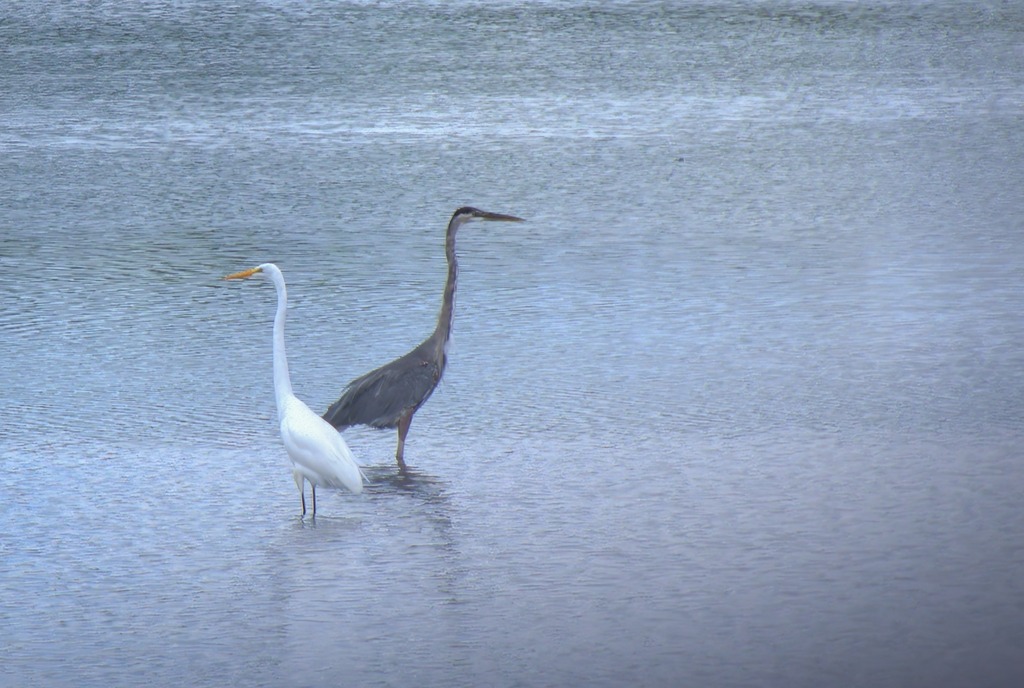

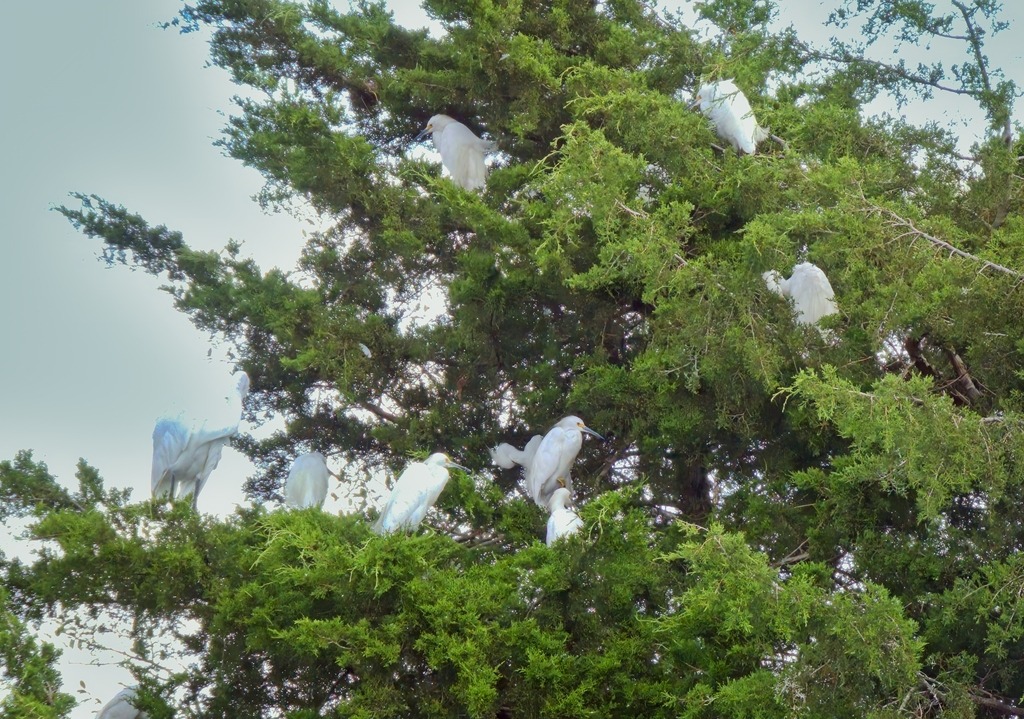

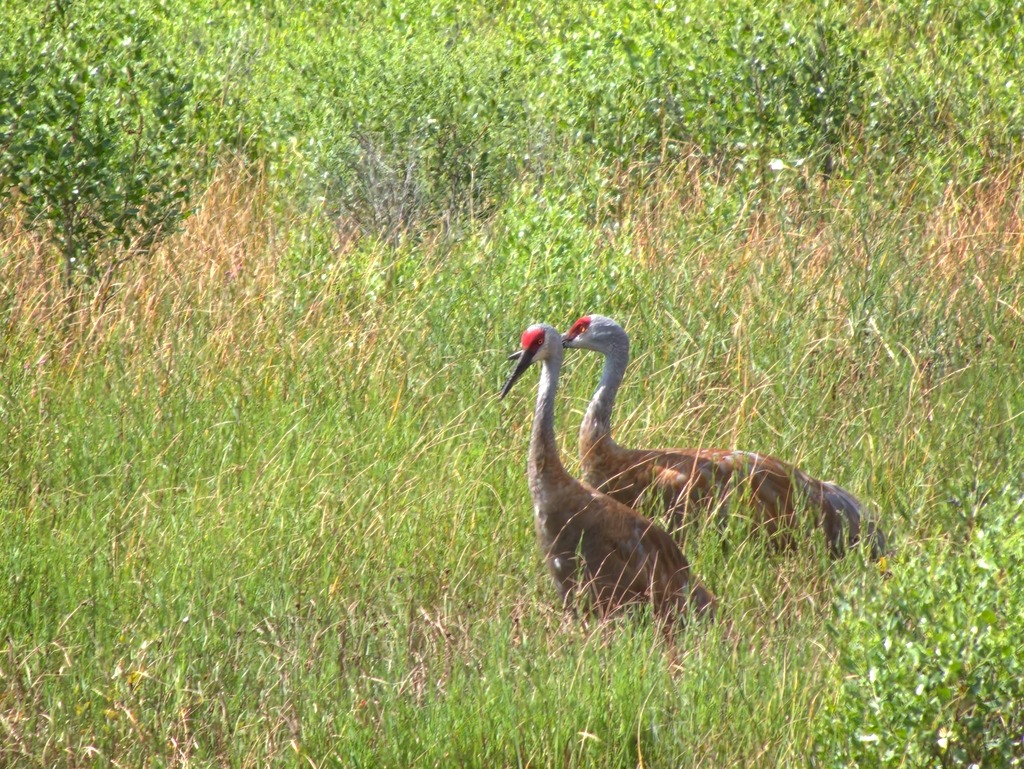
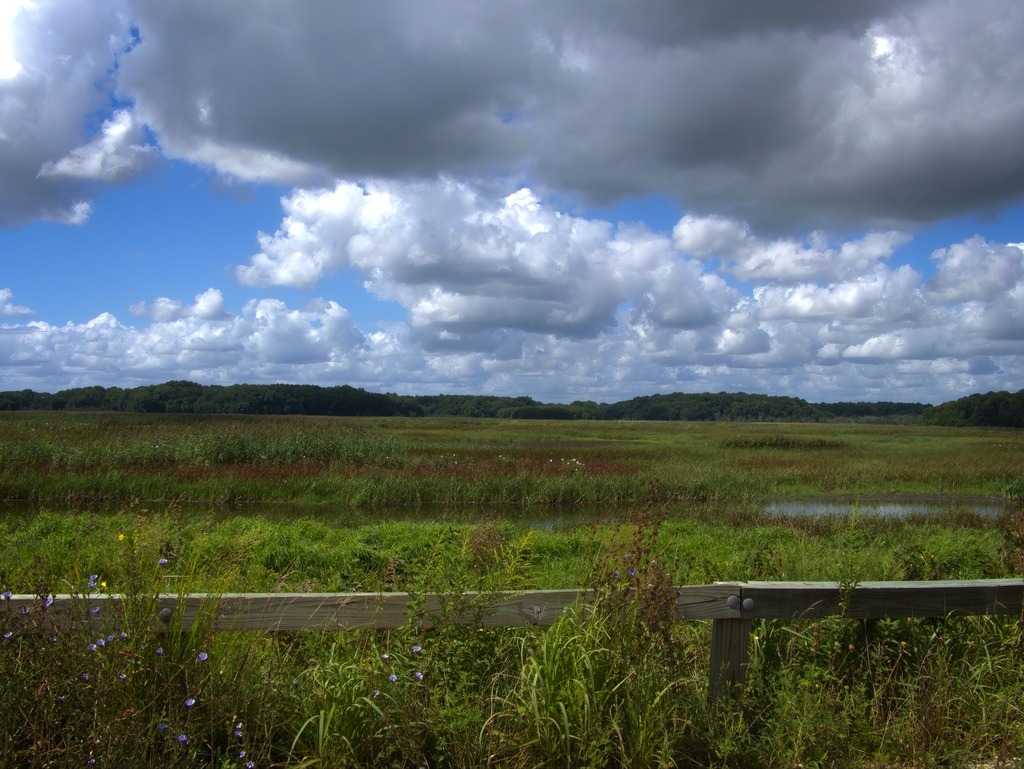
If the bird life disappoints, you can always just enjoy the view.


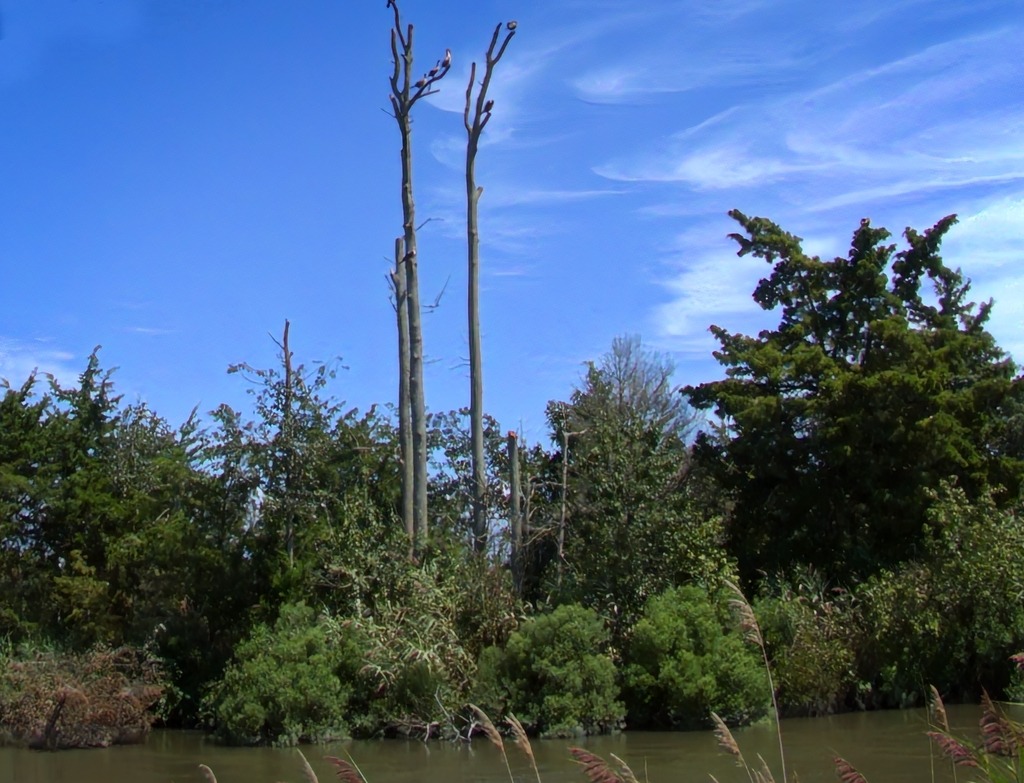
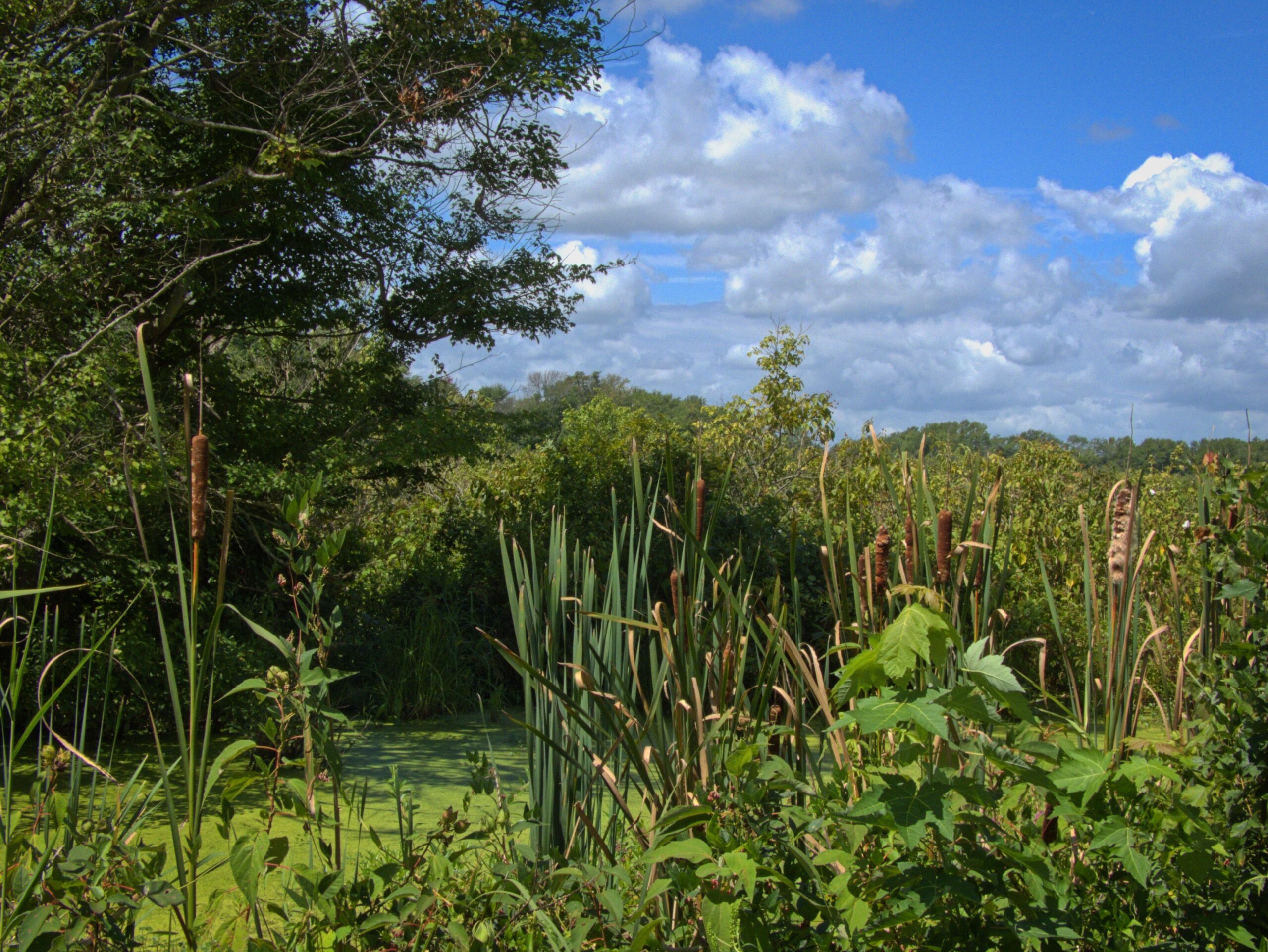

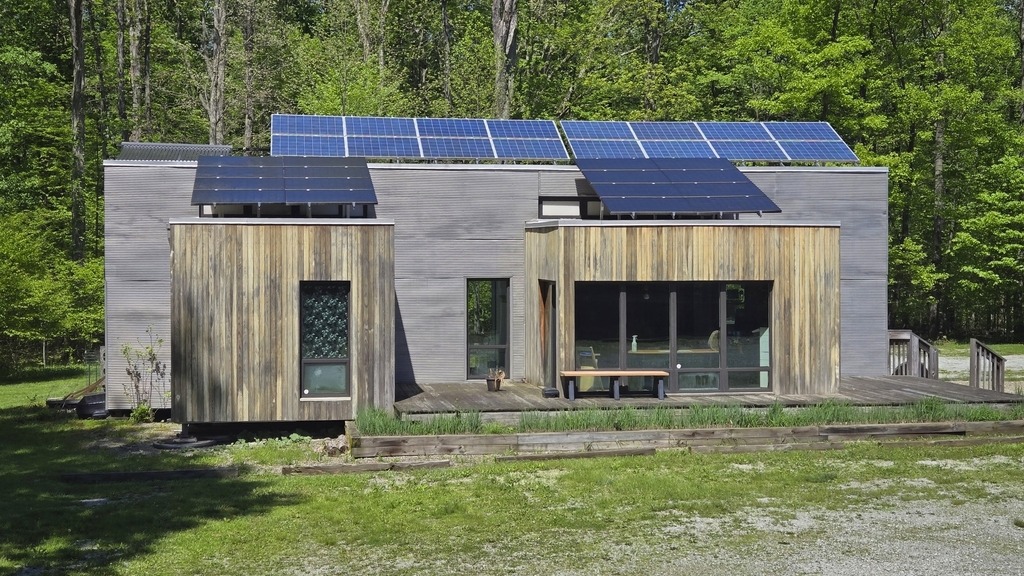
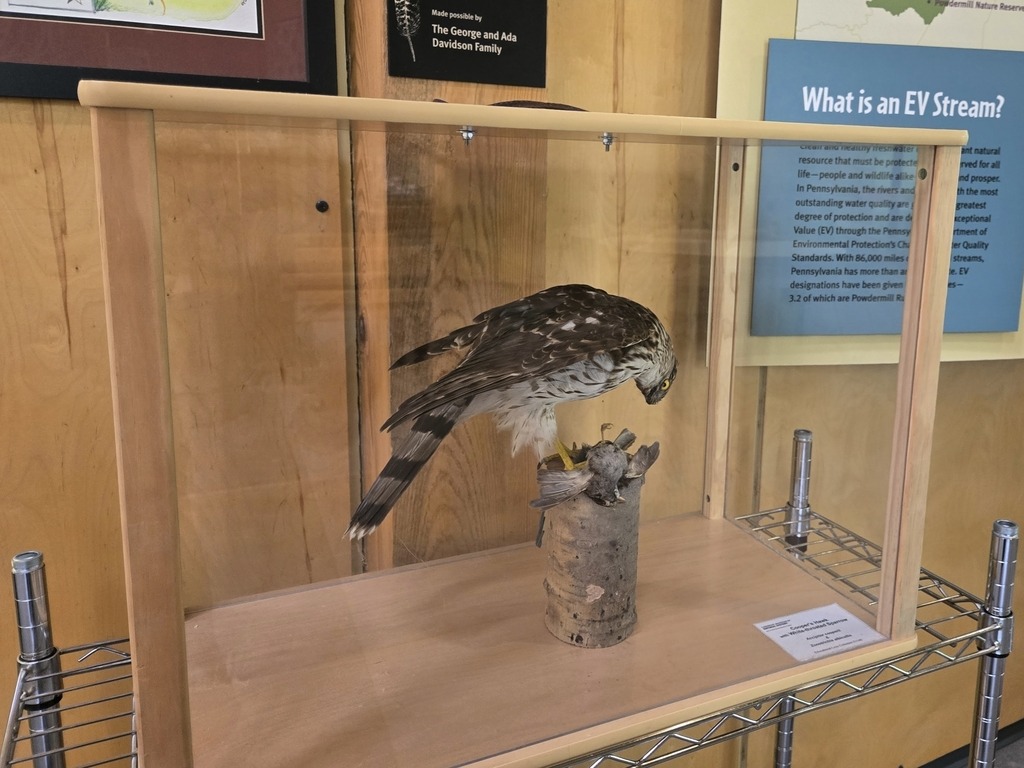
Powdermill Nature Reserve is an environmental research center that is operated by the Carnegie Museum of Natural History.
Established in 1956, Powdermill serves as a field station for long-term studies of natural populations, and now forms the core of the museum’s Center for Biodiversity and Ecosystems. The reserve encompasses 928.17 hectares, which includes forests, fields, developed land, and ponds and streams.
It is located in the Laurel Highlands, near Rector, Pennsylvania and is well known for its avian research. The Center is one of the longest continually-running bird banding stations in the United States. I had visited on a previous trip, which you can read about here.
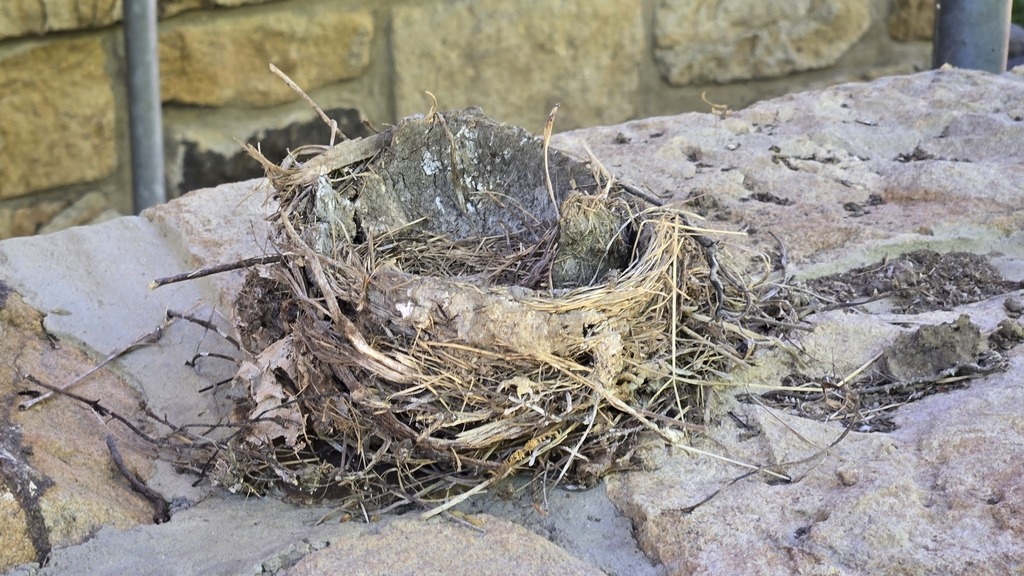

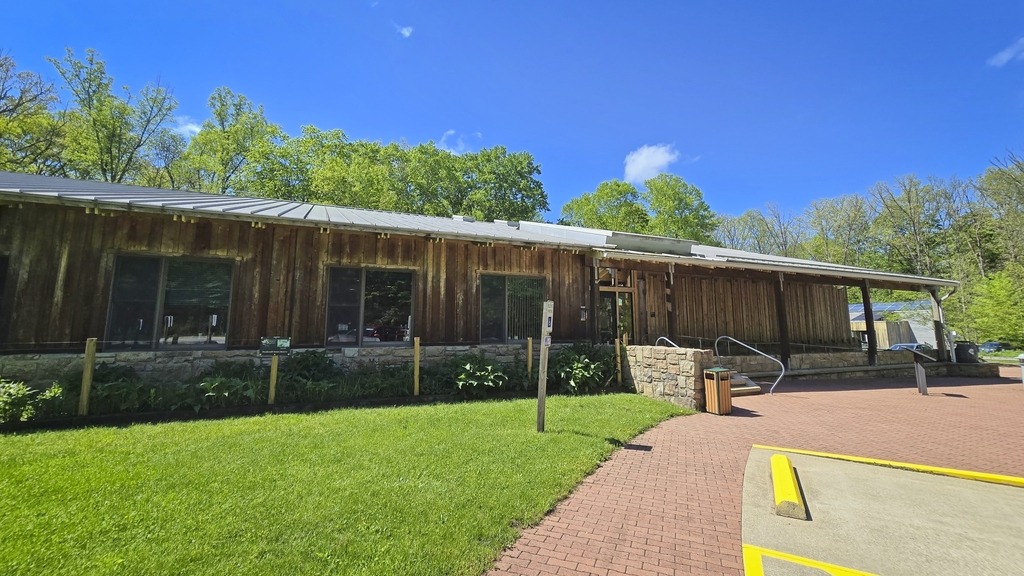



One of my favorite day trips is to Middle Creek Wildlife Management Area, a near 6,000 acre tract managed by the Pennsylvania Game Commission primarily for waterfowl, grassland nesting birds, and wetland dependent species. The facility hosts an interactive visitor center, seasonal wildlife driving tour, and over twenty miles of hiking trails. There are other recreational activities available such as wildlife viewing, boating, special hunts, and picnicking. Middle Creek is one of just six Globally Important Bird Areas in the state and straddles Lancaster and Lebanon counties.
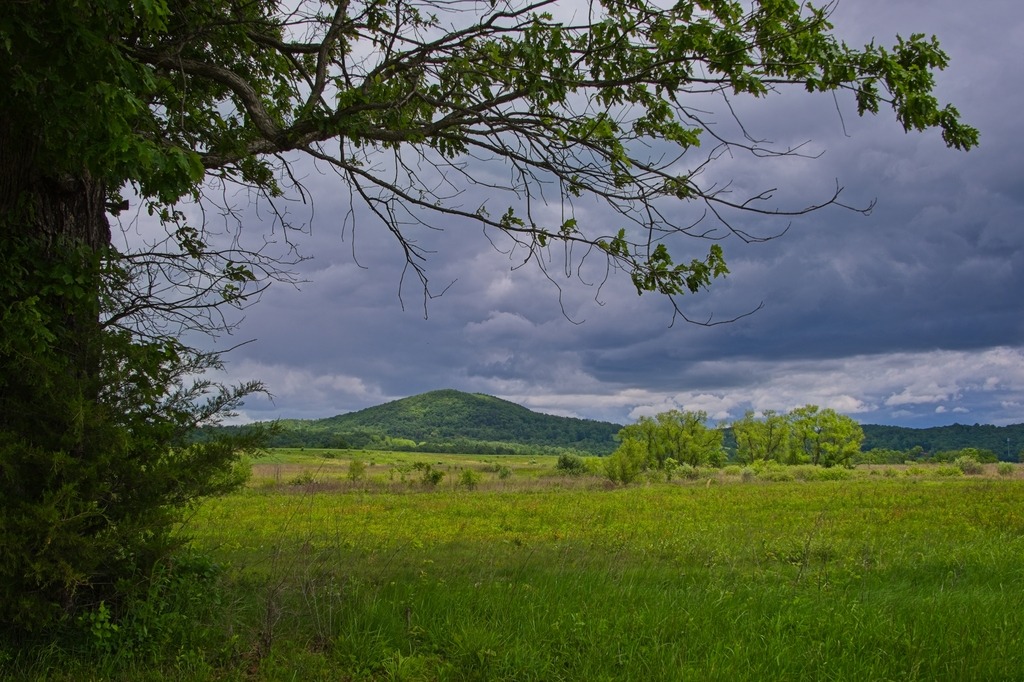
I particularly like the view of these hills from the wildlife driving tour road.



Pictured below are the regular visitors to my cabin at Linn Run State Park. I also heard a lot of birdsong around th cabin in mid May, and the surrounding park and forest has an abundance of wildlife. The bird watching on the trip was a success, chalking up a few more birds for my life list and registering a large number of species (for me at least).


