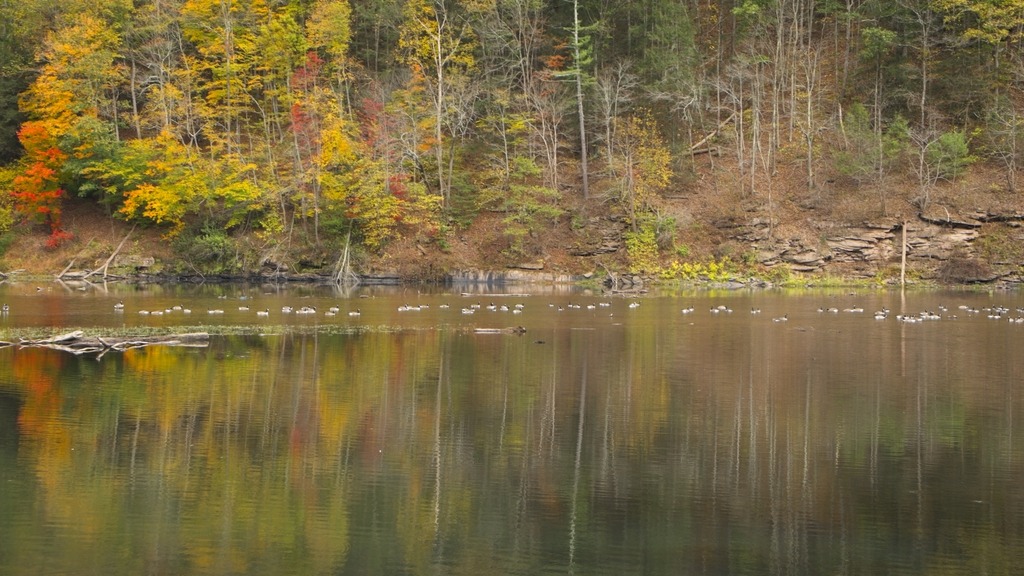
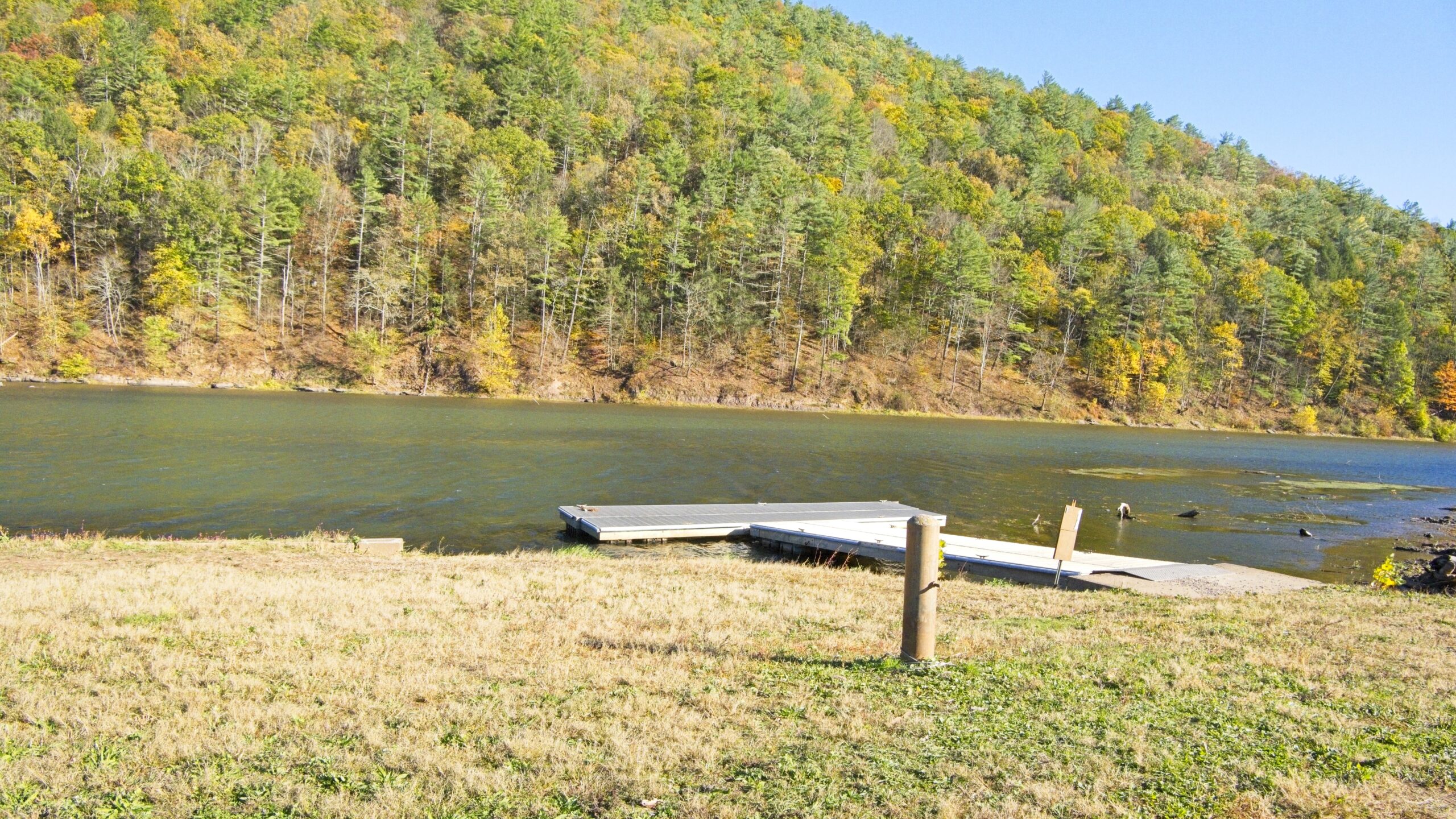
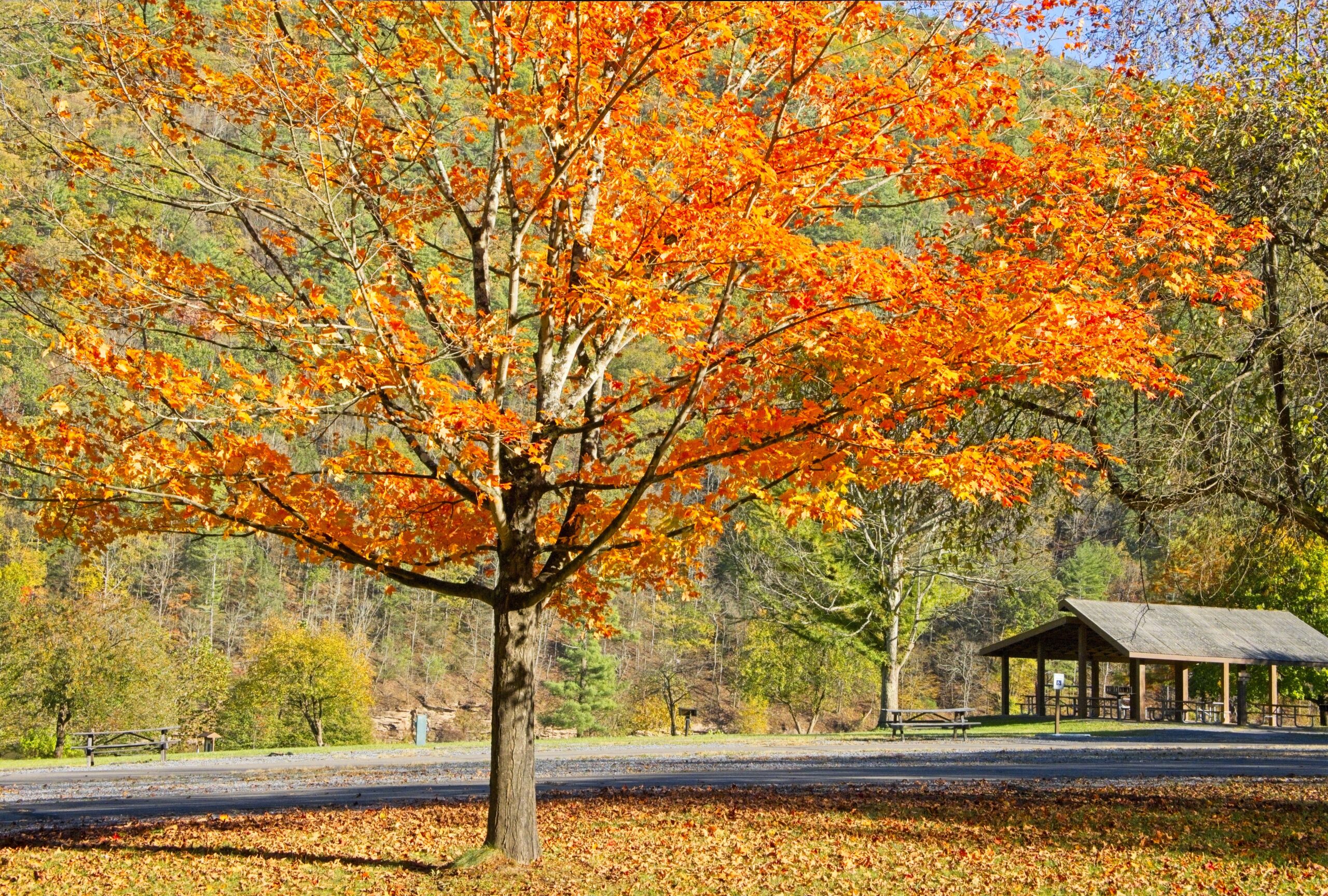
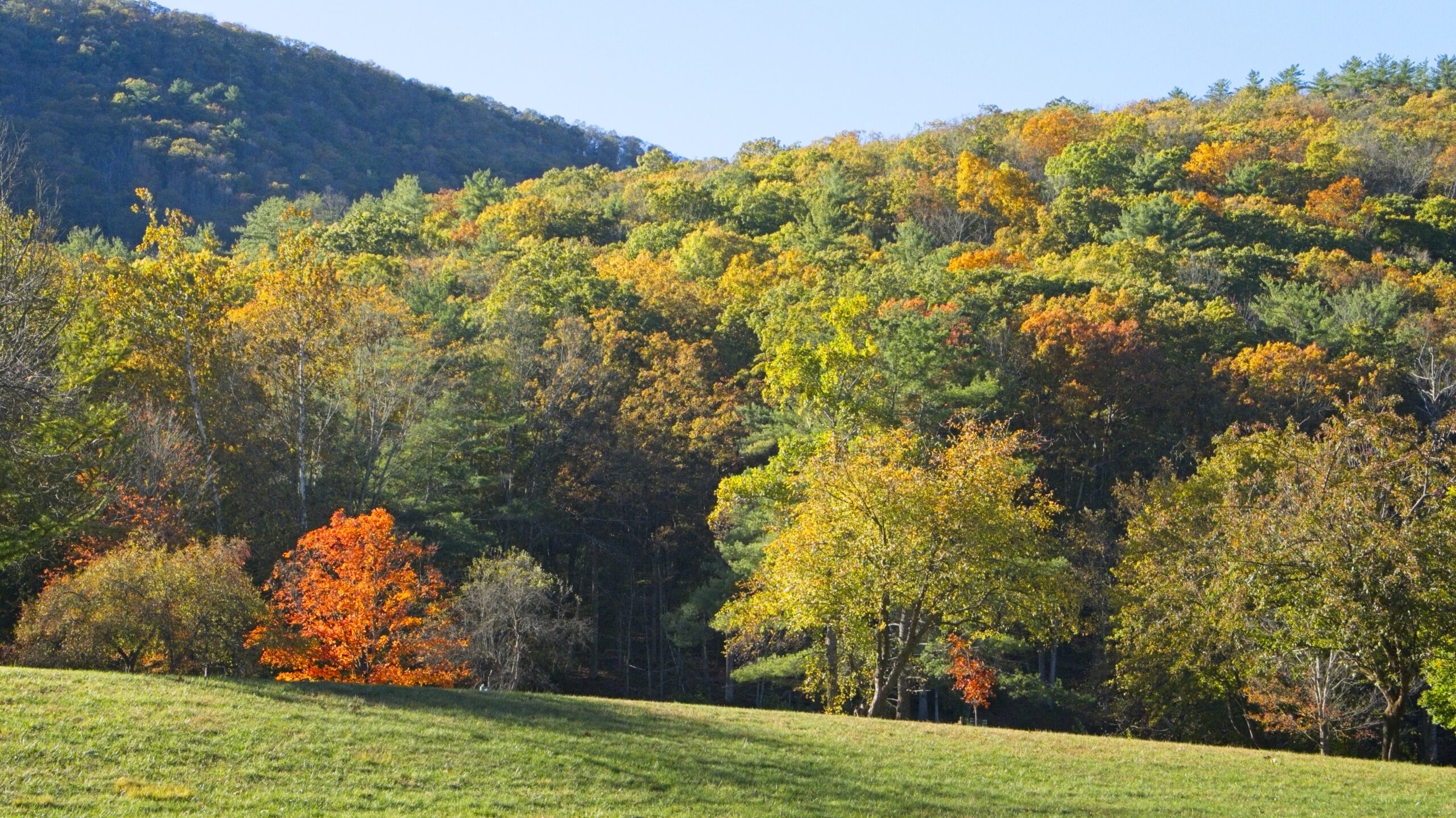
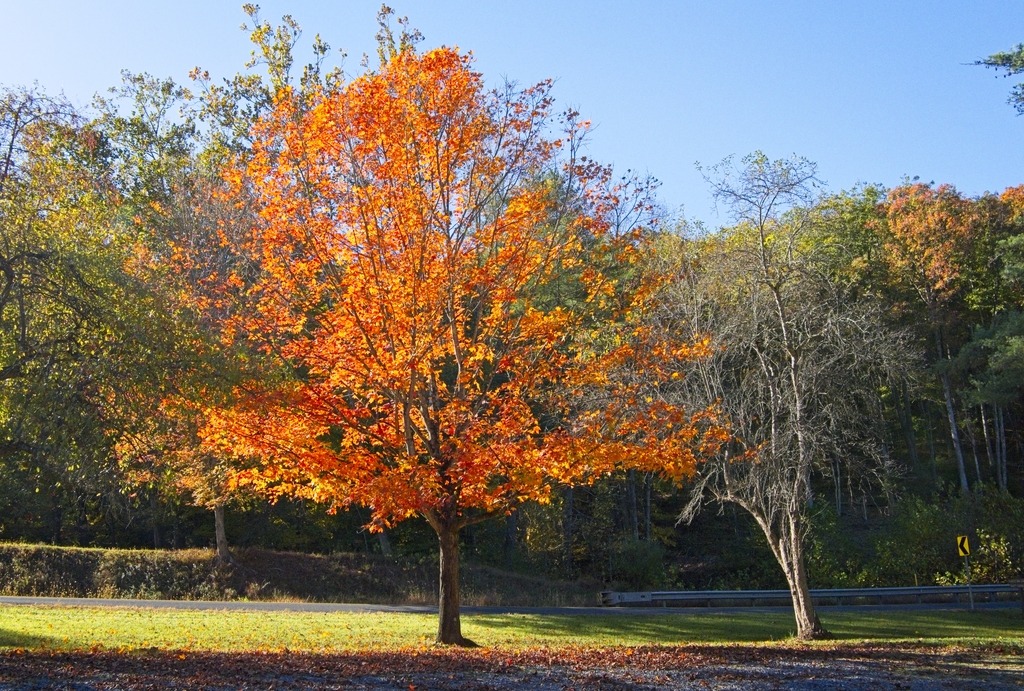
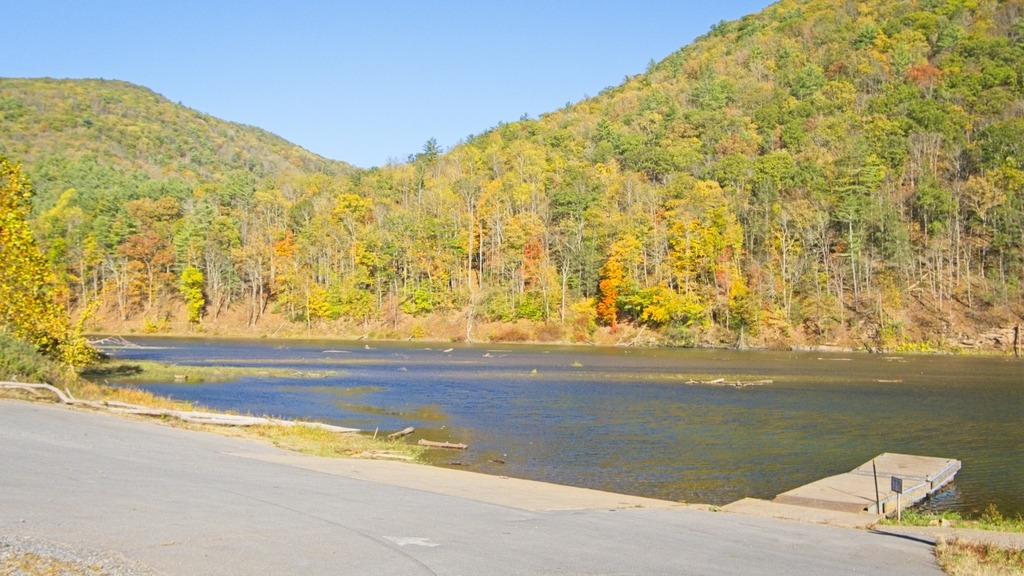
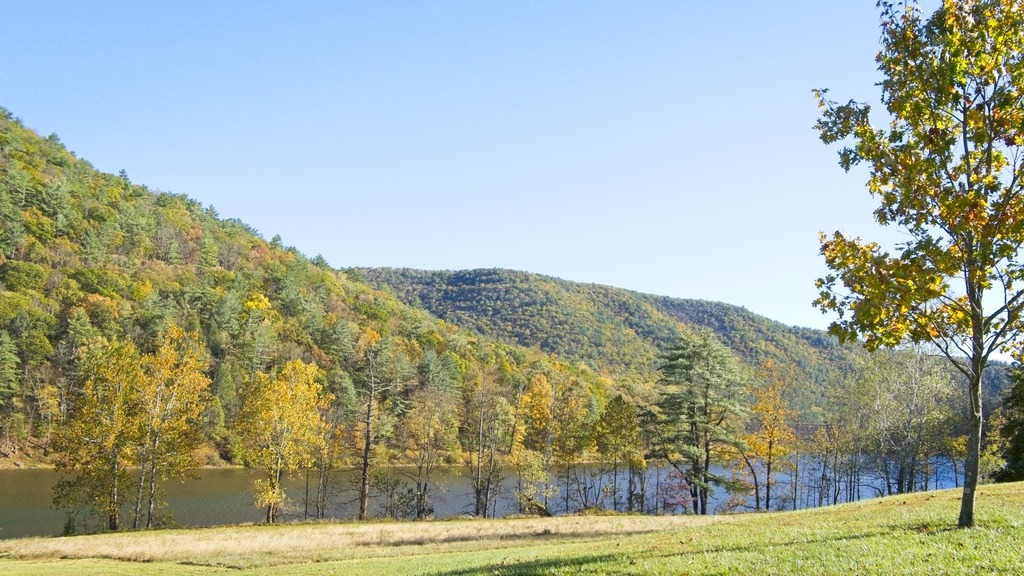
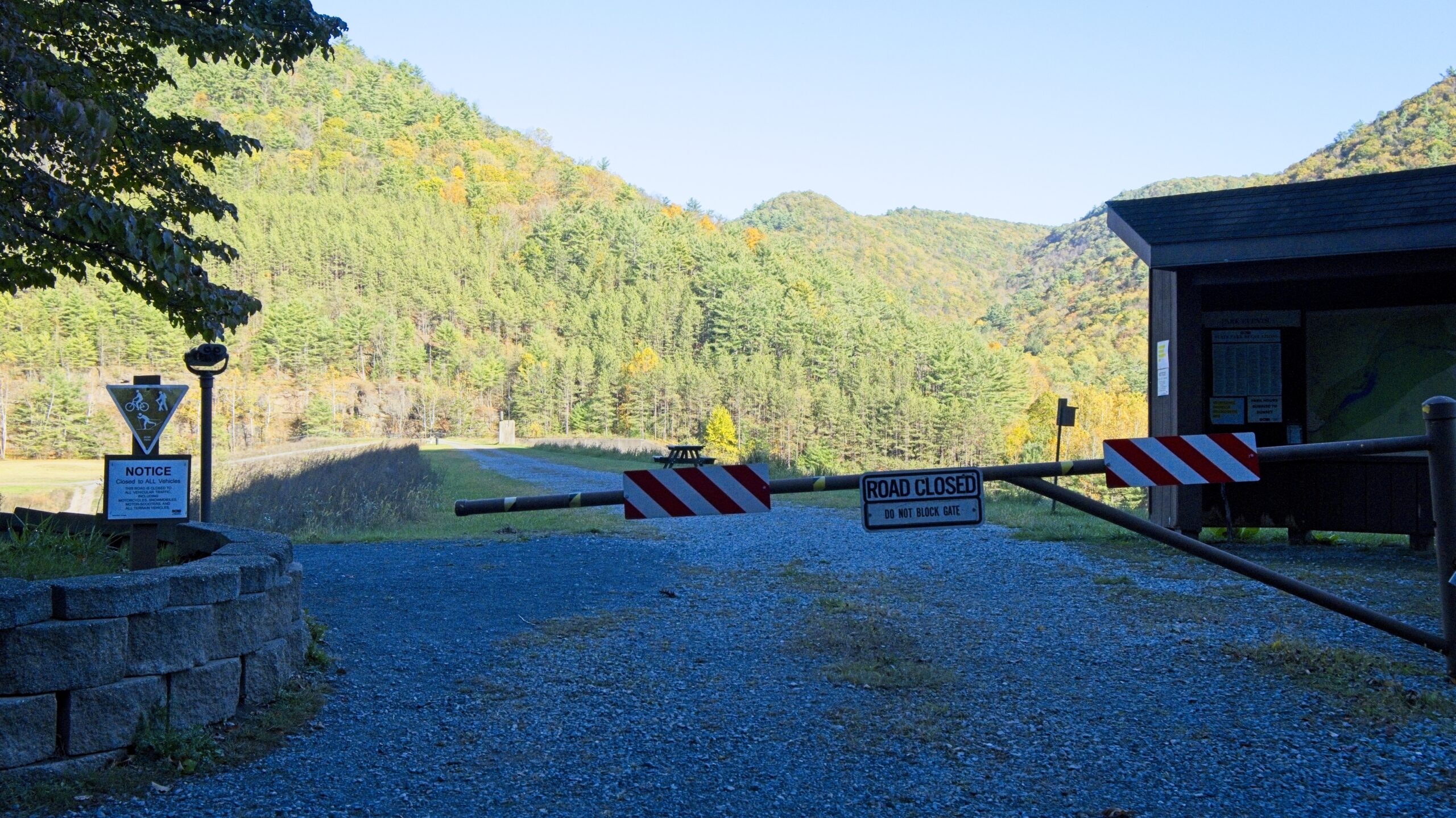
My Autumn destination this October was Little Pine State Park in northern Lycoming County. The 2,158-acre Little park is surrounded by a beautiful mountain section of Tiadaghton State Forest . The 45-acre Little Pine Lake, hiking trails, campground, and nesting bald eagles are prime features of the park, along with nearby access to Pine Creek.
During 1933, the Civilian Conservation Corps (CCC) built Camp S-129-PA and a small picnic area along Little Pine Creek. During 1937, the camp was closed and the property turned over to the Bureau of State Parks. When the park opened, it used many of the CCC buildings. In 1950, a dual-purpose flood control/recreation dam was constructed. The park remained a picnic area until the campground, beach, and swimming area were constructed in 1958. In 1972, Hurricane Agnes flooded and destroyed many park facilities, including all but a few remnants of the former CCC facilities. Hurricane Agnes was the only time water went over the spillway. In 1975-76, federal disaster aid helped build a new beach house, office, maintenance area, and a new campground with modern restrooms. As part of the “Growing Greener” initiative, several major improvements began in 2002, including, enlarging and modernizing the park office and putting showers in the campground.
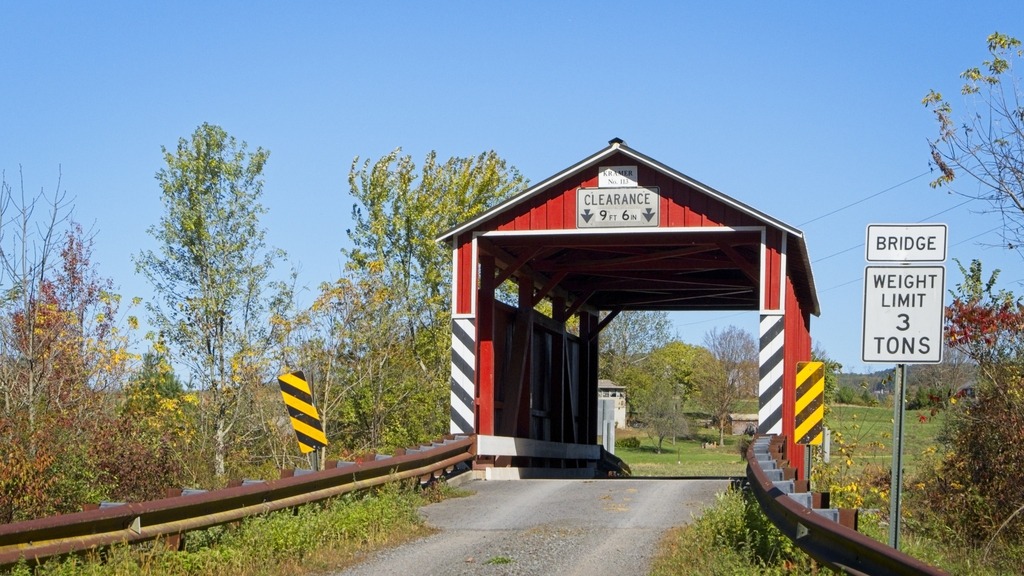
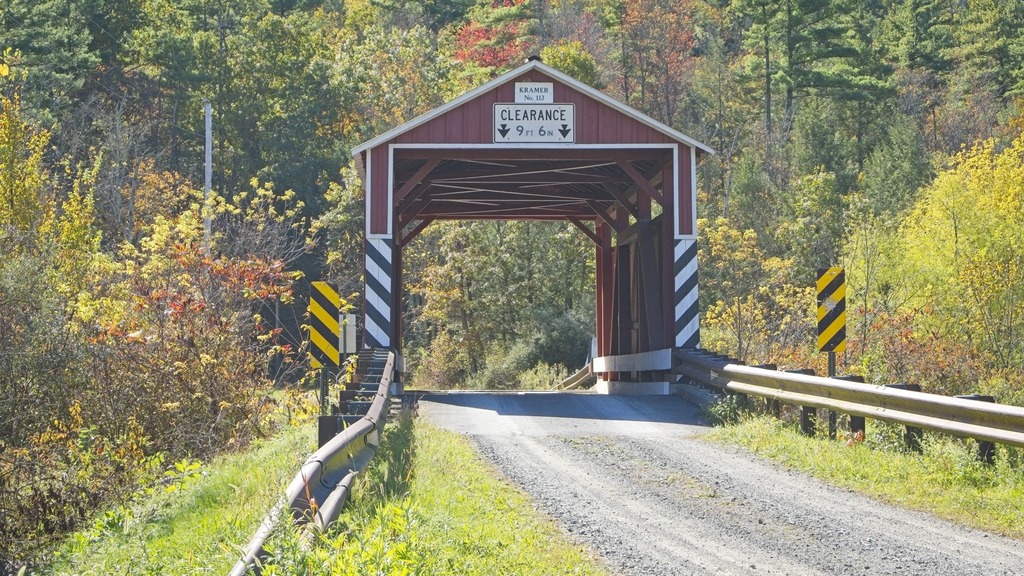
On my way to the Pine Creek area, I made a quick stop in Columbia County to view the Kramer Covered Bridge. I had somehow missed photographing this bridge, even though it is near where my relatives live.
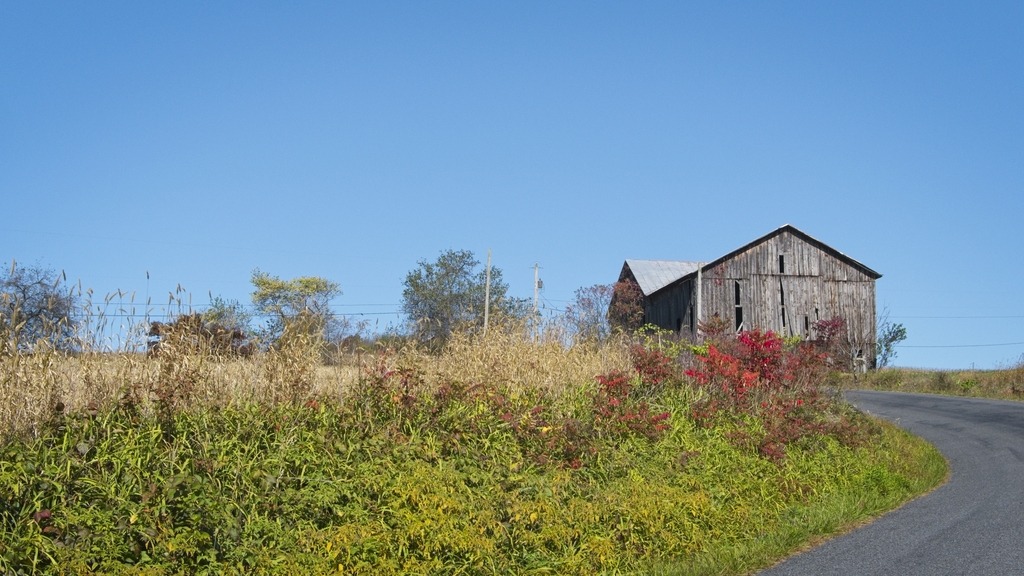
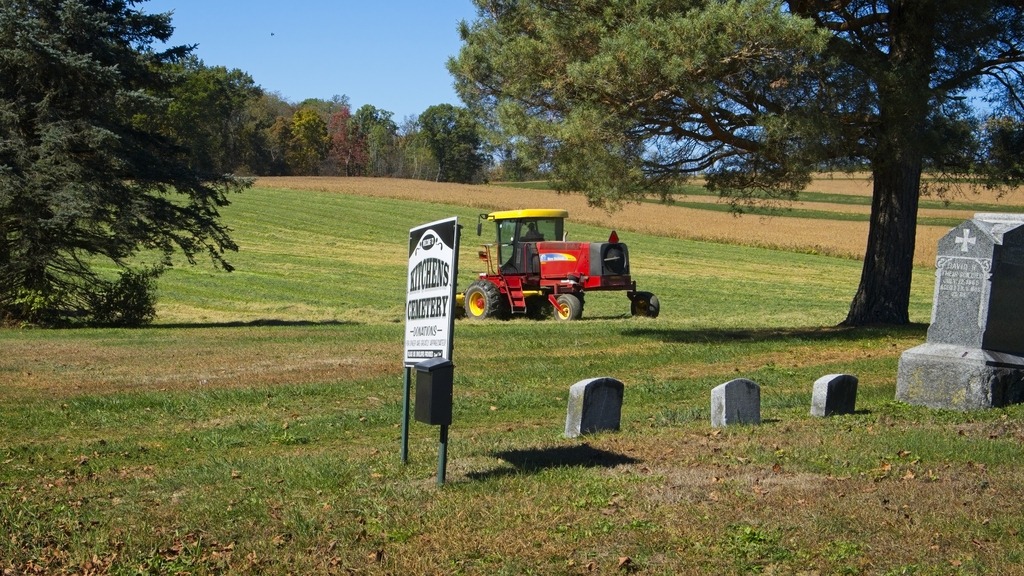
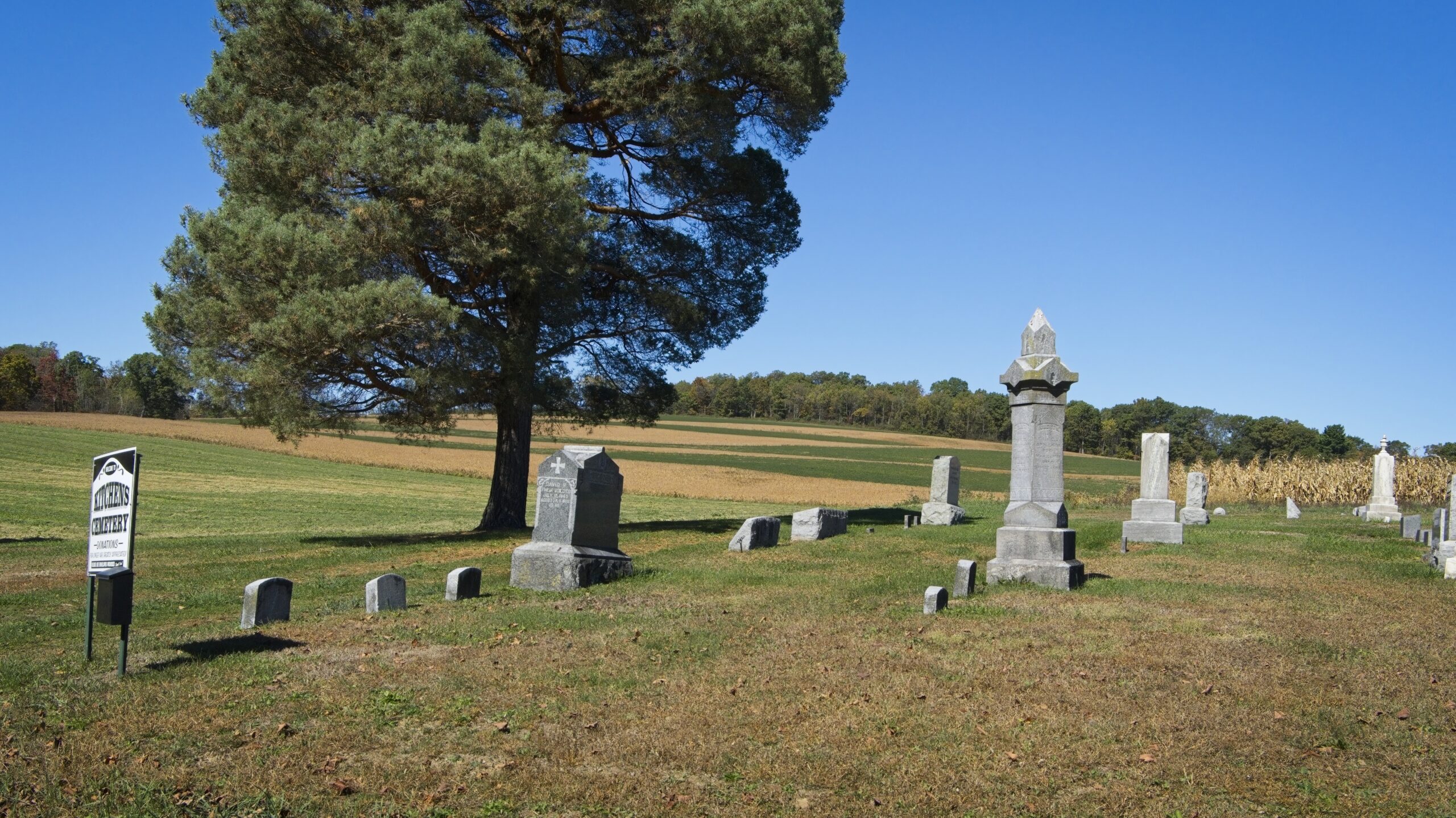
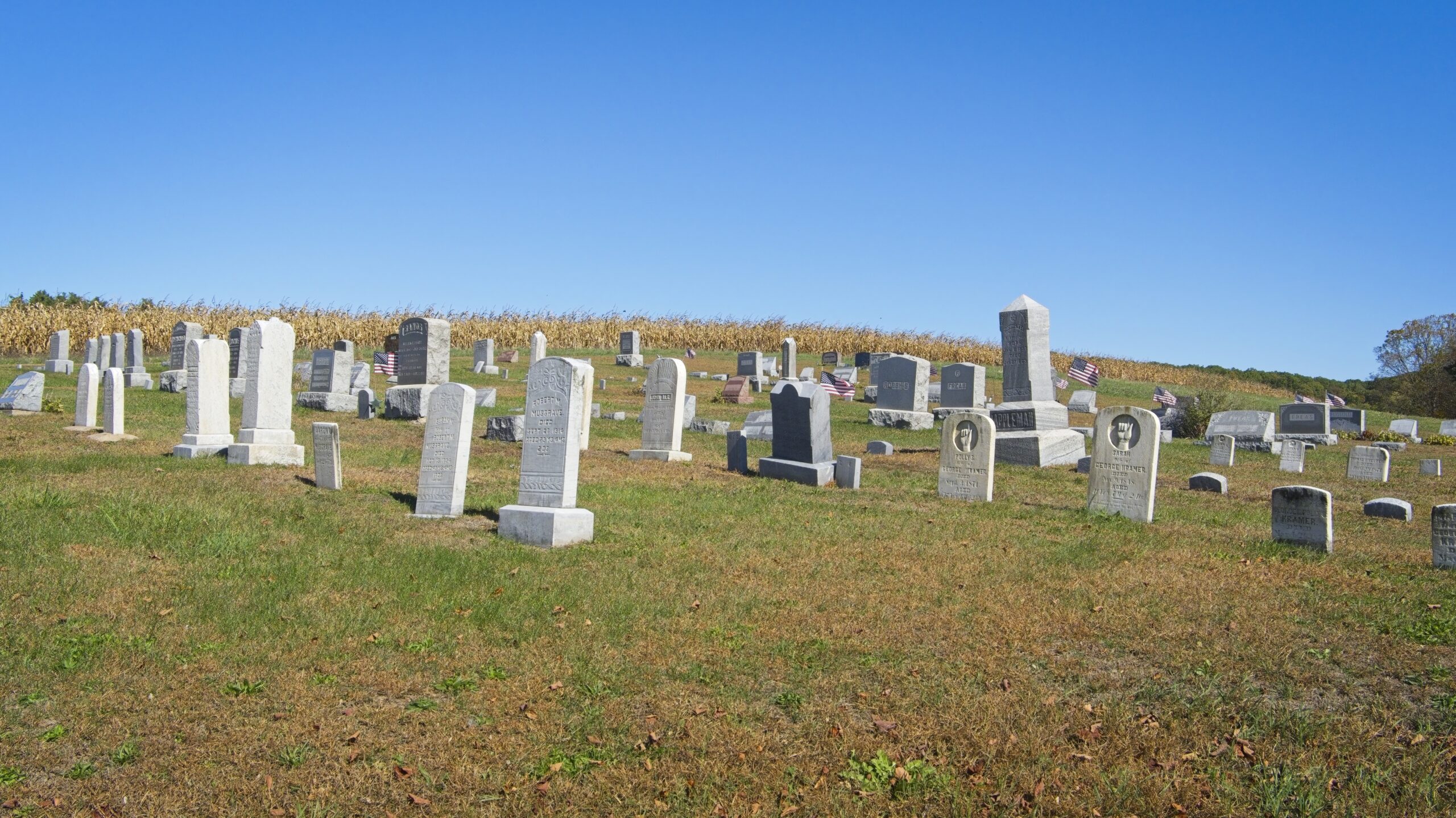
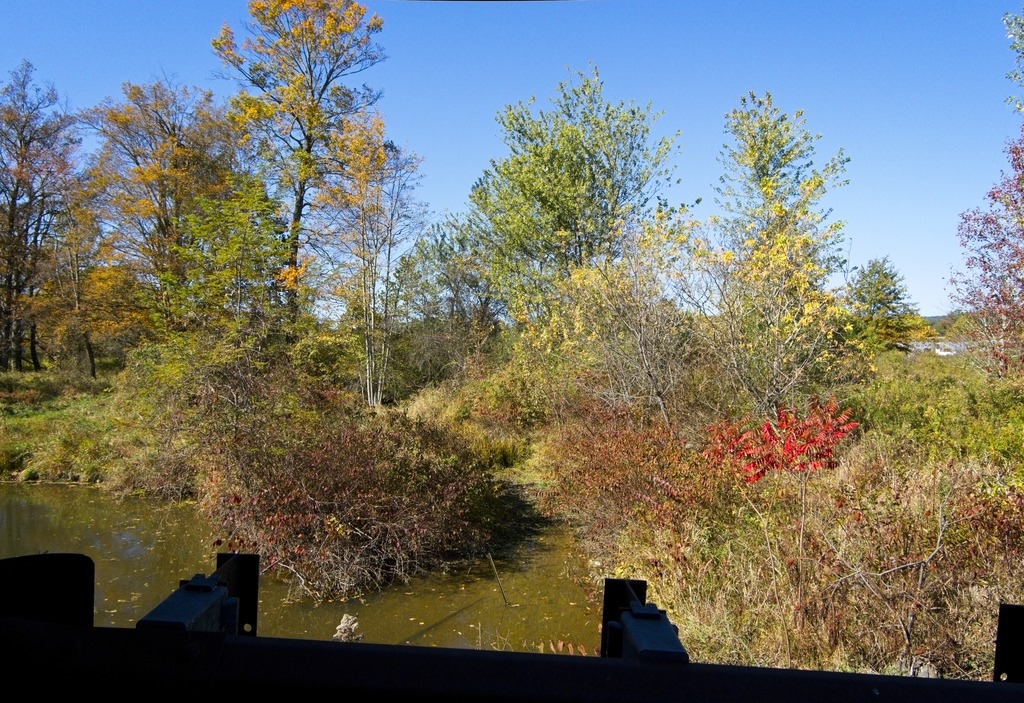
Showing signs of Autumn …A stop at Kitchens Cemerery where my grandparents are buried.
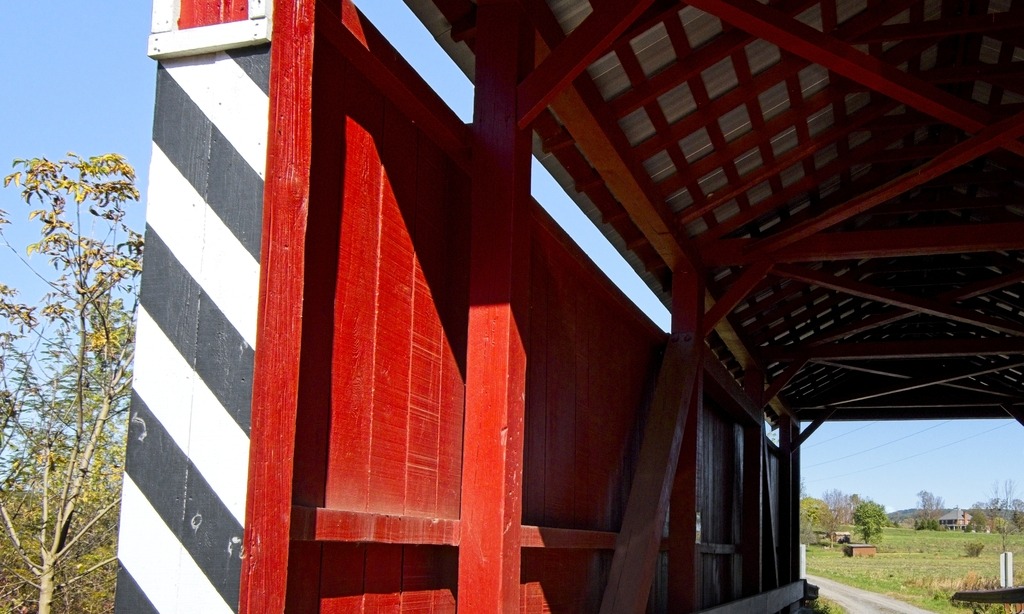
The Kramer Covered Bridge is a wooden covered bridge that is located in Greenwood Township. It crosses Mud Run. It was listed on the National Register of Historic Places in 1979. Built in 1881, this historic structure is a 50-foot-long (15 m), Queen Post Truss bridge with a metal roof constructed in 1881. It is one of twenty-eight historic covered bridges that are located in Columbia and Montour Counties.
The targets for the Hubble Telescope 35th Anniversary Challenge were a diverse range of objects.
The first up is my favorite planetary nebula – the Helix Nebula (NGC 7293 or Caldwell 63). Although not quite as easy to photograph as the Dumbbell Nebula, I like the circular form and range of colors in the Helix. The object is a planetary nebula located in the constellation Aquarius. Discovered by Karl Ludwig Harding, most likely before 1824, this object is one of the closest of all the bright planetary nebulae to Earth. The distance is 655±13 light-years from Earth. It is similar in appearance to the Cat’s Eye Nebula and the Ring Nebula, whose size, age, and physical characteristics are in turn similar to the Dumbbell Nebula, differing only in their relative proximity and the appearance from the equatorial viewing angle. The Helix Nebula has sometimes been referred to as the “Eye of God” in pop culture, as well as the “Eye of Sauron”.
C63
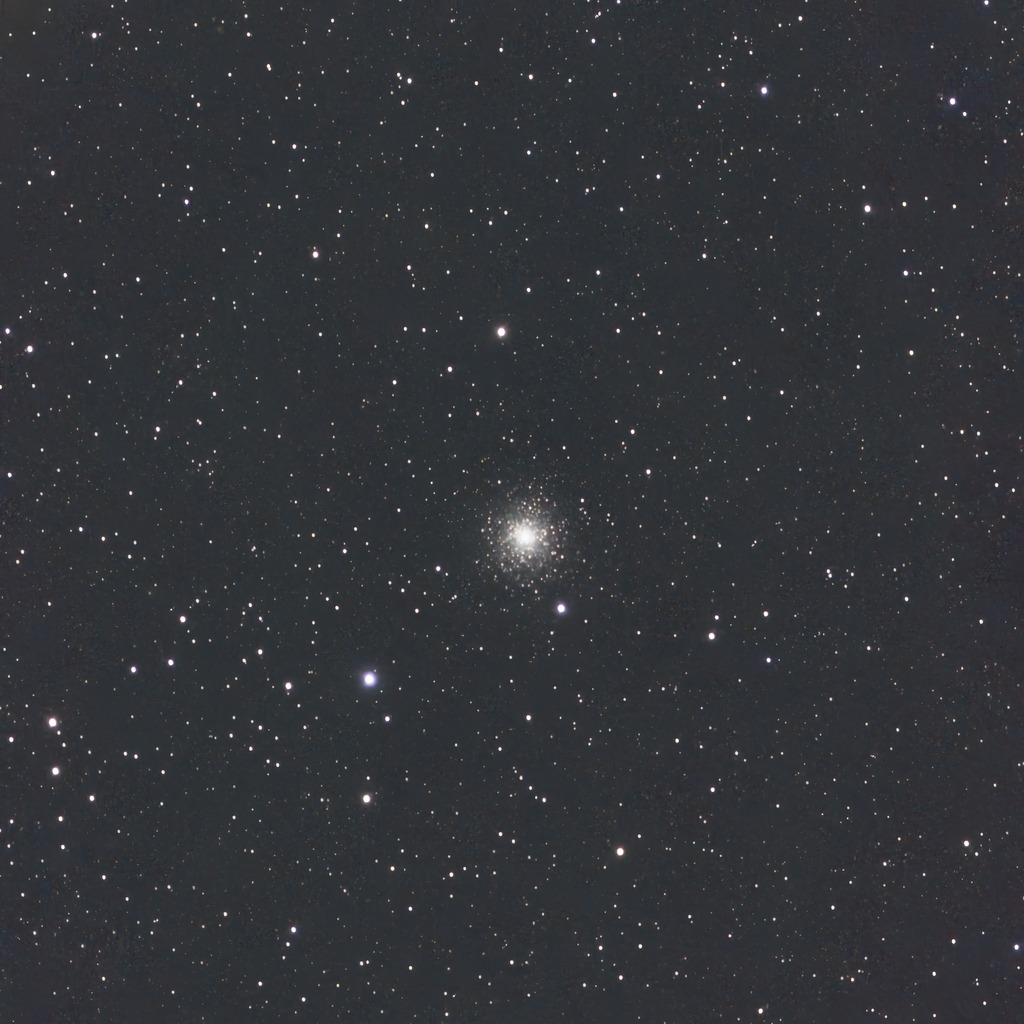
Messier 30 (also known as M30, NGC 7099, or the Jellyfish Cluster) is a pretty globular cluster of stars in the constellation of Capricornus. It was discovered by the French astronomer Charles Messier in 1764, who described it as a circular nebula without a star. In the New General Catalogue, compiled during the 1880s, it was described as a “remarkable globular, bright, large, slightly oval.” It can be easily viewed with a pair of 10×50 binoculars, forming a patch of hazy light some 4 arcminutes wide that is slightly elongated along the east–west axis.
M30
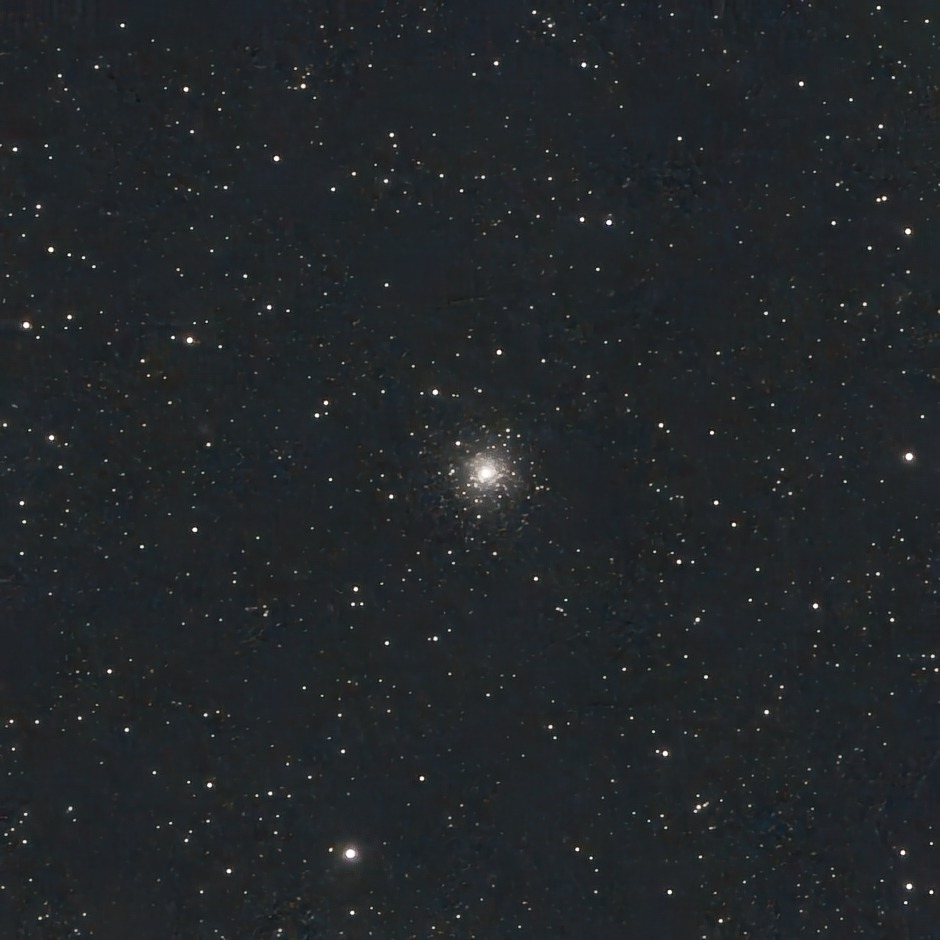
Messier 2 or M2 (also designated NGC 7089) is also a globular cluster, but in the constellation Aquarius, five degrees north of the star Beta Aquarii. It was discovered by Jean-Dominique Maraldi in 1746, and is one of the largest known globular clusters. M2 was discovered by the French astronomer Jean-Dominique Maraldi in 1746 while observing a comet with Jacques Cassini. Charles Messier rediscovered it in 1760, but thought that it is a nebula without any stars associated with it. William Herschel, in 1783, was the first to resolve individual stars in the cluster. M2 is, under extremely good conditions, just visible to the naked eye. Binoculars or a small telescope will identify this cluster as non-stellar, while larger telescopes will resolve individual stars, of which the brightest are of apparent magnitude 6.5.
M2
NGC 7814 (also known as Caldwell 43) is a spiral galaxy about 40 million light-years away in the constellation Pegasus. The galaxy is seen edge-on from Earth. It is sometimes referred to as “the little sombrero”, a miniature version of Messier 104. The star field behind NGC 7814 is known for its density of faint, remote galaxies as can be seen in the vicinity of this object, in the same vein as the Hubble Deep Field.
It’s among the few bright galaxies that exhibit modest distortion and twisting of the galaxy’s plane in optical wavelengths. The light from the distant background galaxies becomes more red as it passes through NGC 7814’s halo. This has been used to determine the amount of gas and dust in the halo. One supernova has been observed in NGC 7814: SN 2021rhu (Type Ia, mag 15.66) was discovered by Automatic Learning for the Rapid Classification of Events (ALeRCE) on 1 July 2021.
C43. You can see a central dust lane here.
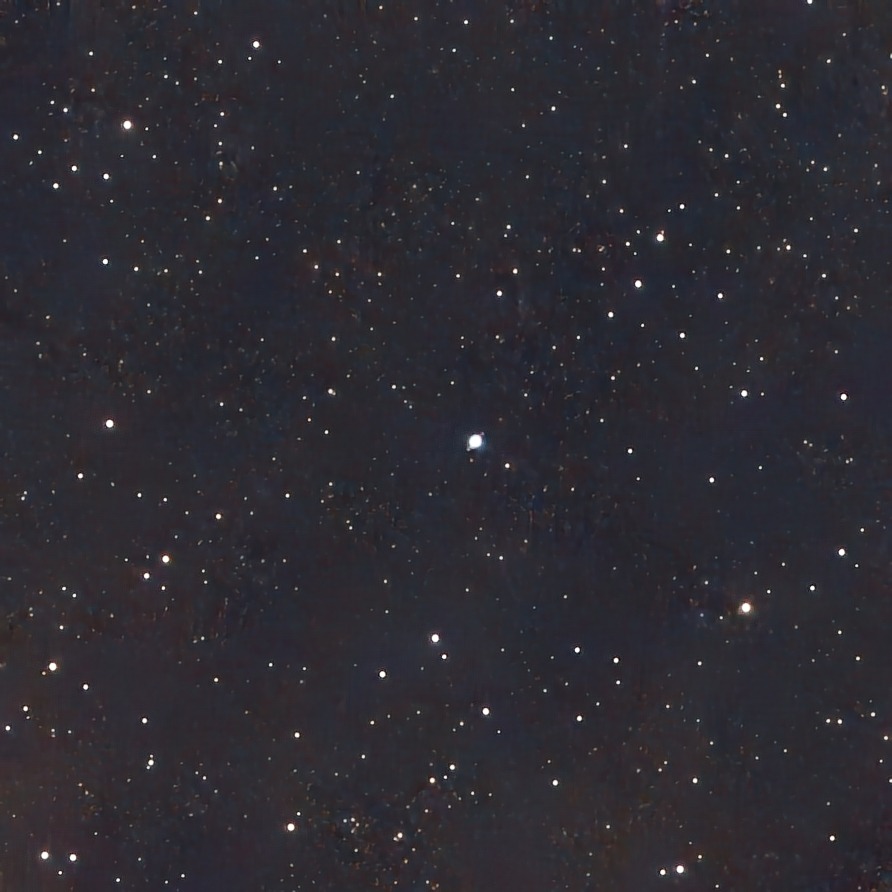
NGC 7662 is a planetary nebula located in the northern constellation Andromeda. It is known as the Blue Snowball Nebula, Snowball Nebula, and Caldwell 22. This nebula was discovered October 6, 1784 by the German-born English astronomer William Herschel. In the New General Catalogue it is described as a “magnificent planetary or annular nebula, very bright, pretty small in angular size, round, blue, variable nucleus”. The object has an apparent visual magnitude of 8.3. Parallax measurements give a distance estimate of 5,730 ± 340 ly (1,757 ± 103 pc). NGC 7662 is a popular planetary nebula for casual observers. A small telescope will reveal a star-like object with slight nebulosity. A 6″ telescope with a magnification around 100x will reveal a slightly bluish disk.
C22 (bright blue ringed object in upper center of photo)
A qucik trip into Lancaster County proved to a source a frustration. A higher level of traffic and lighting challenges did not yield the photographs I had hoped for. However, I took the opportunity to check out the rebuilt Smorgasbord and Restaurant at the Hershey Farm Resort. I had a very nice meal, and I am glad to see the business back in operation after a fire.
Here are some views of eastern Lancaster County in September.
A trip into Bucks County led me to several covered bridges. Near the Cabin Run Covered Bridge is Tohickon Valley Park, a pleasnt spot with parking, picnic tables and fishing access to the Tohickon Creek. It is close to several other county parks. The 612-acre Tohickon park also has playgrounds,hiking, ball fields, and a swimming pool in season. Overnight stays include group and family camping and cabins on 22 campsites. It is deceptively large, which is why I missed a portion of it when I was there.
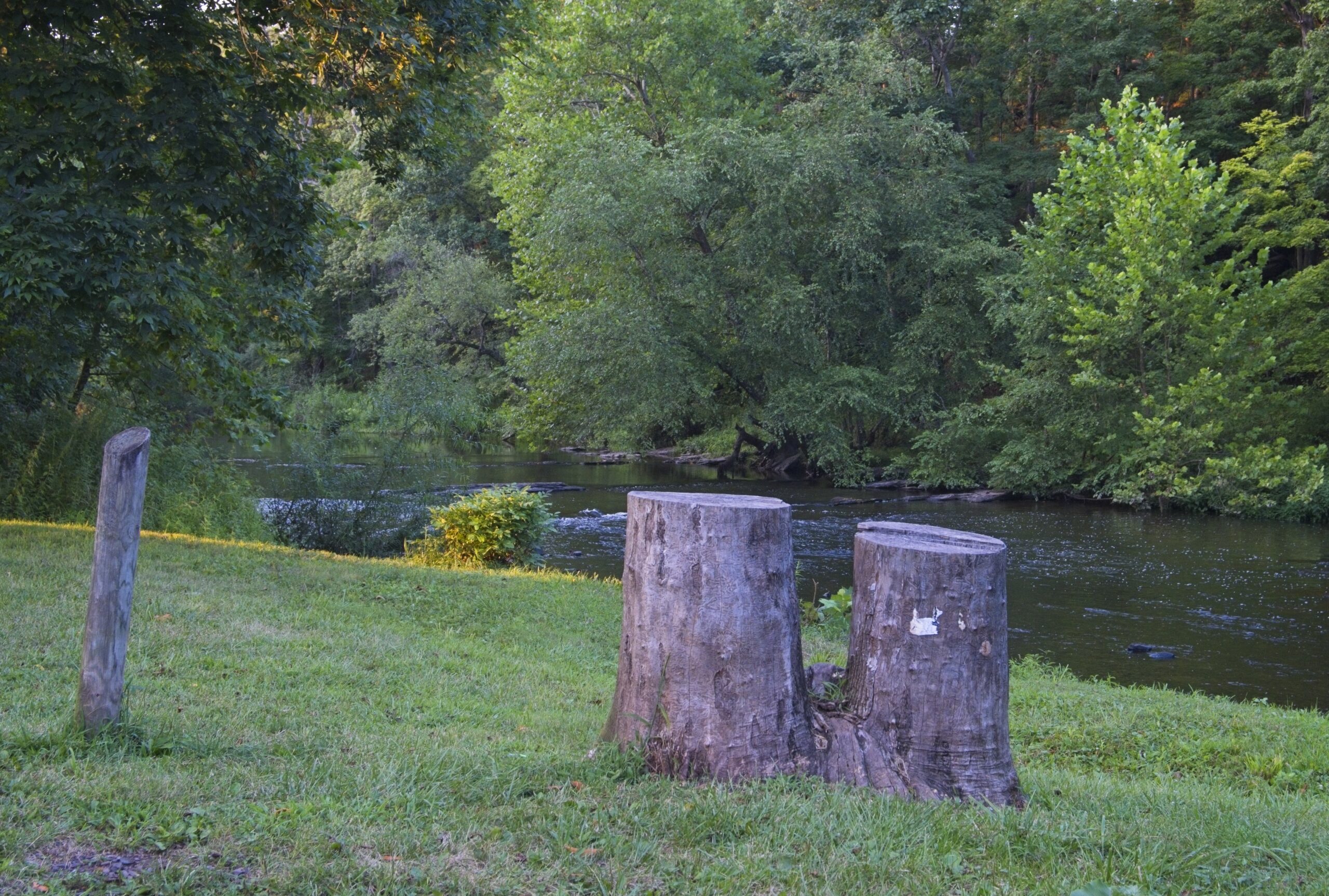
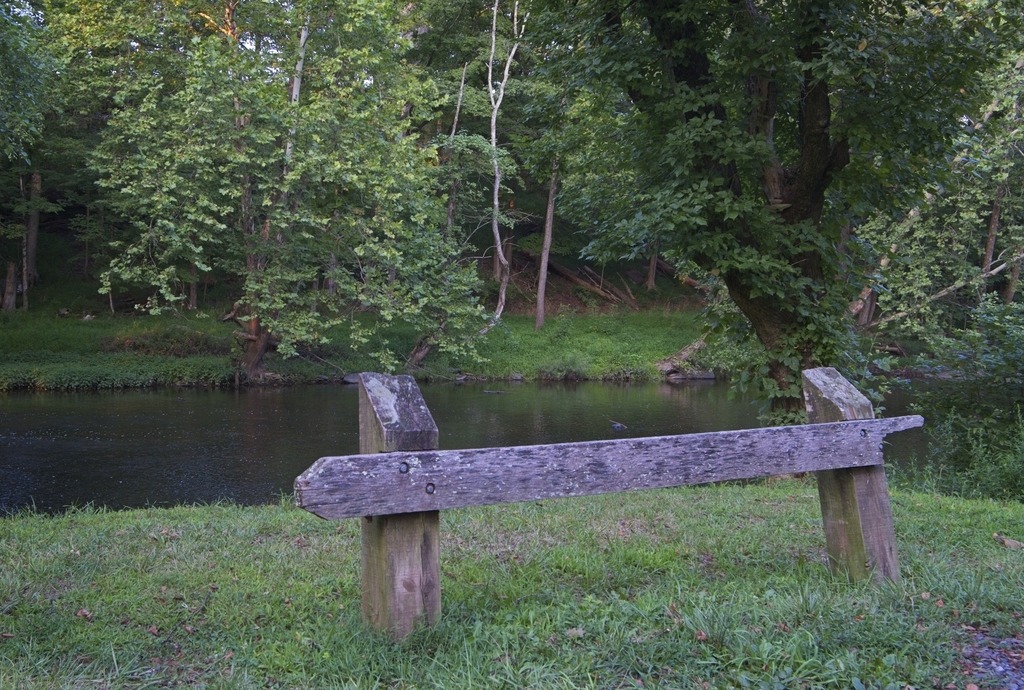
Views of Tohickon Creek.
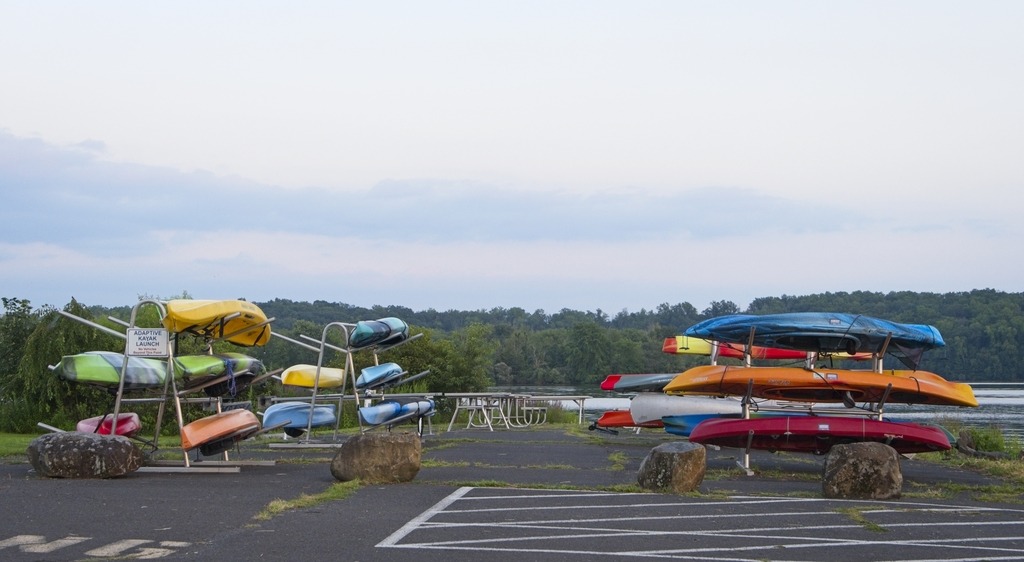
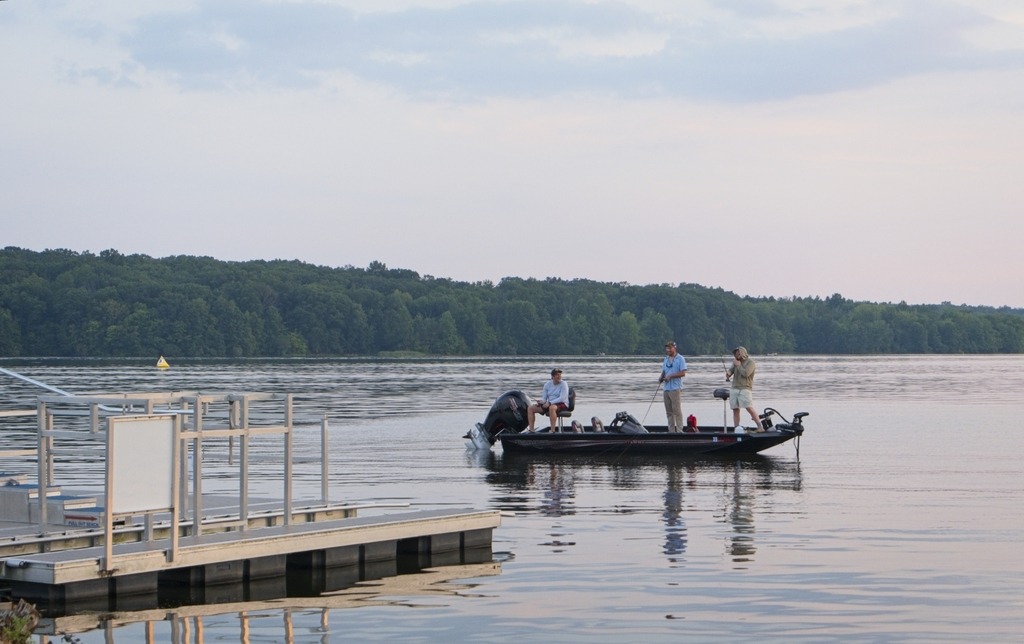
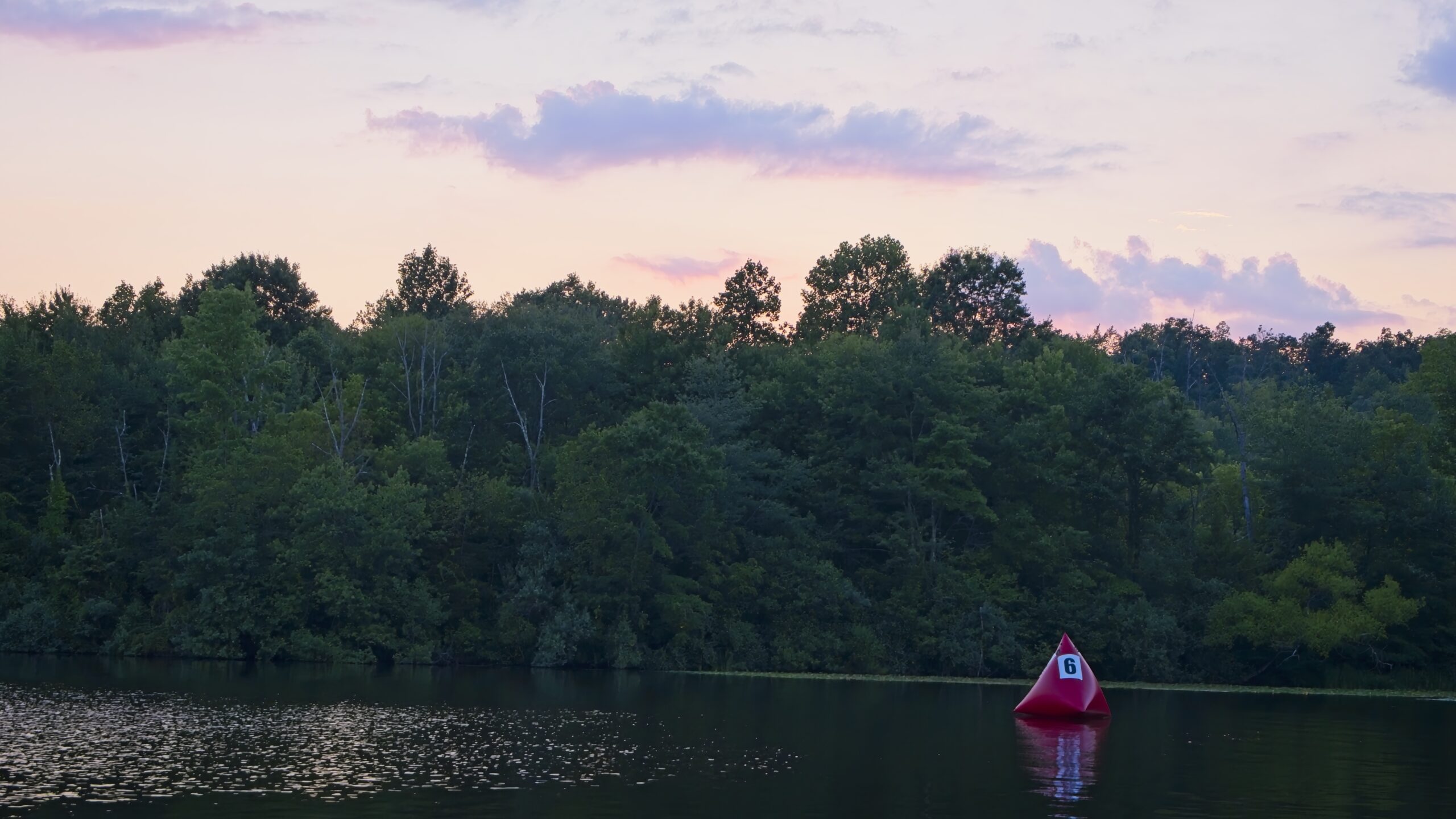
Nockamixon State Park has been featured on this blog before.so I will not go into detail here. It is a large park in Bucks County with a lake, full service marina, hiking, picnicking, hunting and fishing. It is actually a decent location for astronomy close to the city of Philadelphia. The Tohickon boat launch area is used for astronomy and provides fairly open horizons and a 20.10 mag/arssec^2 sky.
As you begin to learn anything about photogrpaphy, the concept of “golden hour” (the hour right before sunset or after sunrise) will certainly come up. It is considered to be an ideal time to photograph because of the attractive soft light. In fact, you will often find advice that taking photos any other time is “wrong” and that you shouldn’t bother. I find that taking photos at this time to be quite tricky and that it doesn’t necessarily lead to better results. This is especially true if you shoot without a tripod or have limited choices in terms of angle and framing.
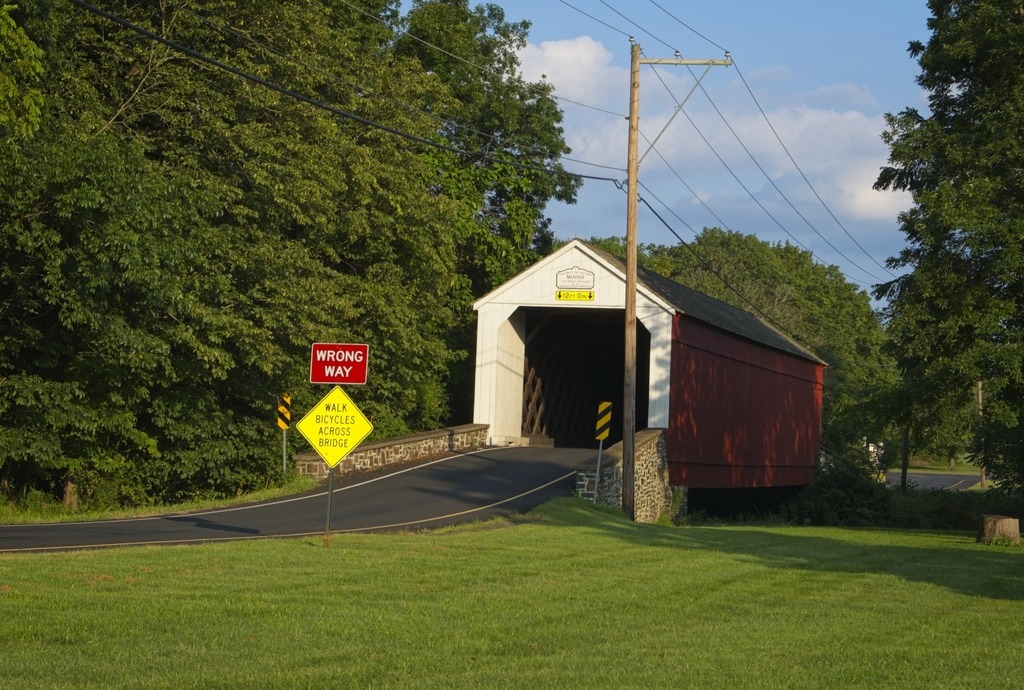
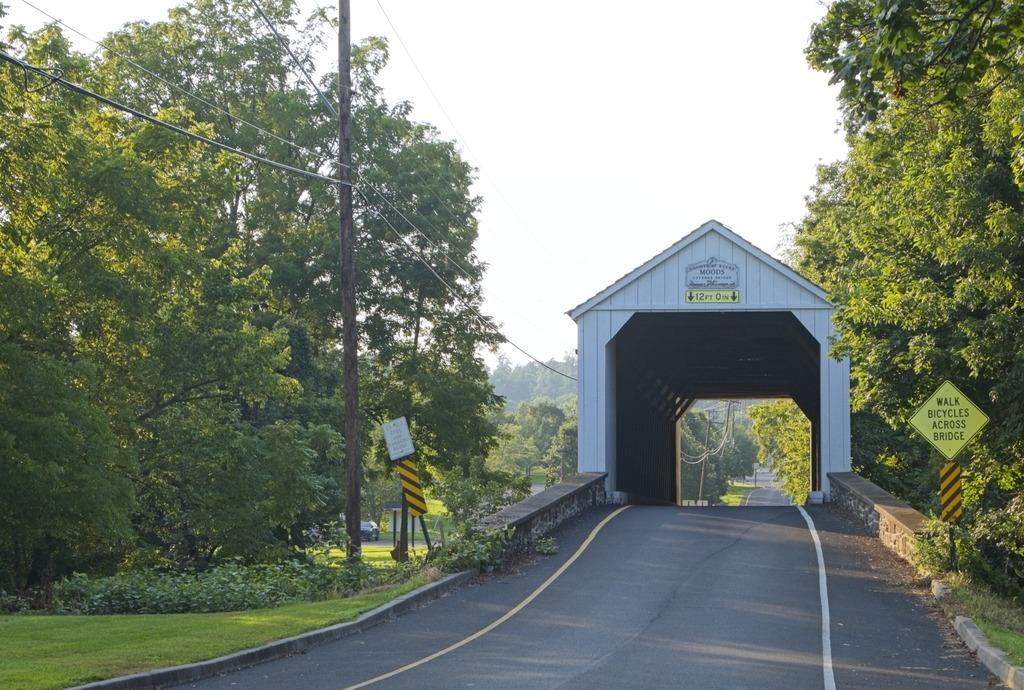
As you can see from the photos of covered bridges below. there is a dramatic difference in lighting between the photos taken from one side of the bridge compared to the other. However, I still like to document both sides of a bridge, if possible, so I am stuck with shots that really aren’t that great. If the subject is backlit, as it is here in some photos, it can look terrible. At golden hour you can be fighting low light, back-lighting (but with the foreground not usable as a silhouette), harsh light and long shadows.
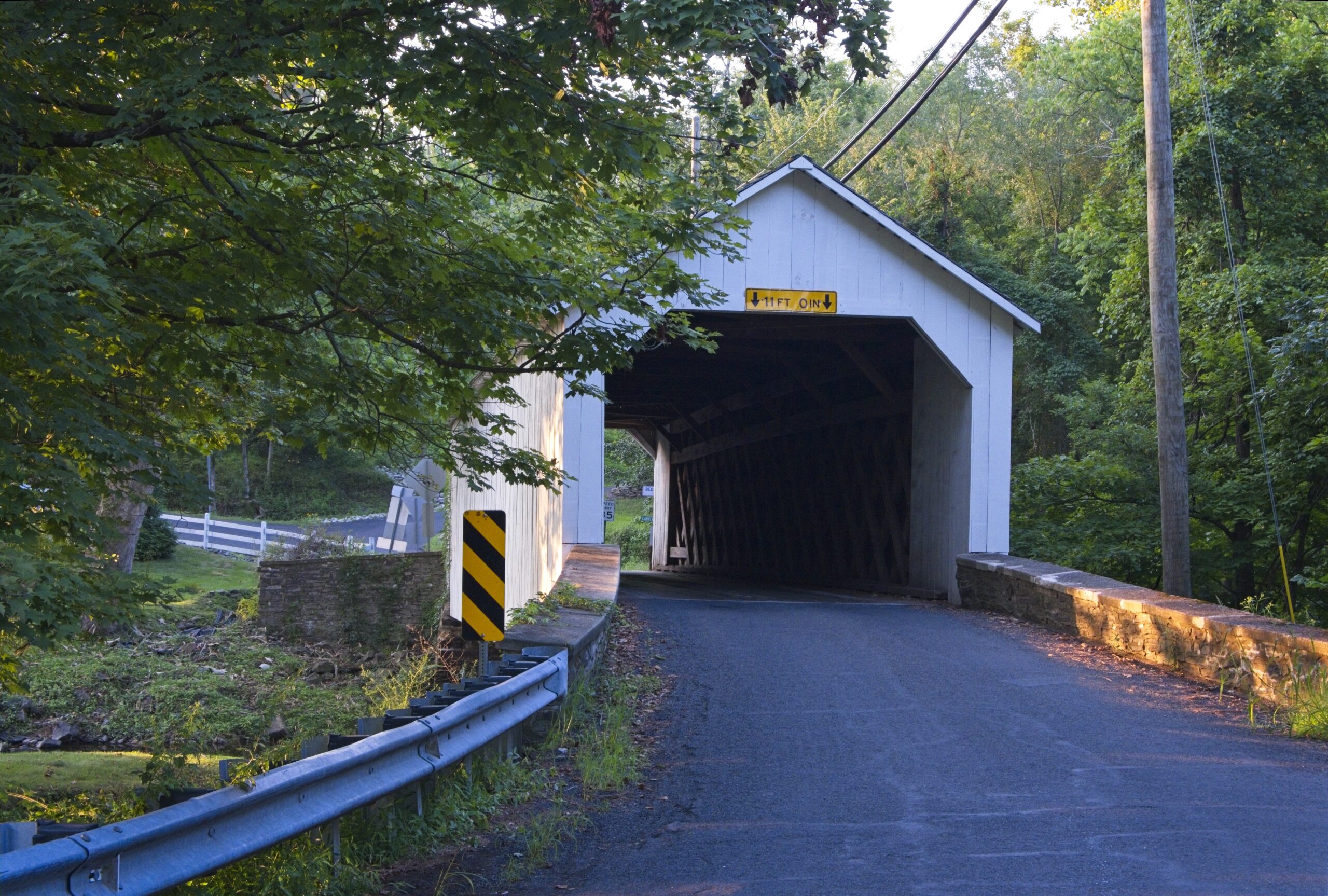
Rant over. I don’t get into Bucks County as often as I should. I took the opportunity of a trip to Nockamixon State Park for a star party to visit some covered bridges in the area. The first stop was Mood’s Covered Bridge, a historic covered bridge located in East Rockhill Township. It crosses the East Branch Perkiomen Creek.
Built in 1874 and designed in the town truss style, the bridge was 120 feet long and 15 feet wide. It was added to the National Register of Historic Places on December 1, 1980. It was destroyed by arson on June 22, 2004,and subsequently removed from the National Register of Historic Places. The wooden cover was subsequently rebuilt and the bridge reopened on February 15, 2008. It is an example of a one-way bridge and is open to vehicle traffic.
Moods Covered Briidge. Clearly one-way only.Moods Covered Bridge. Here is a photo froom the other side. See how washed out the sky is by comparison.
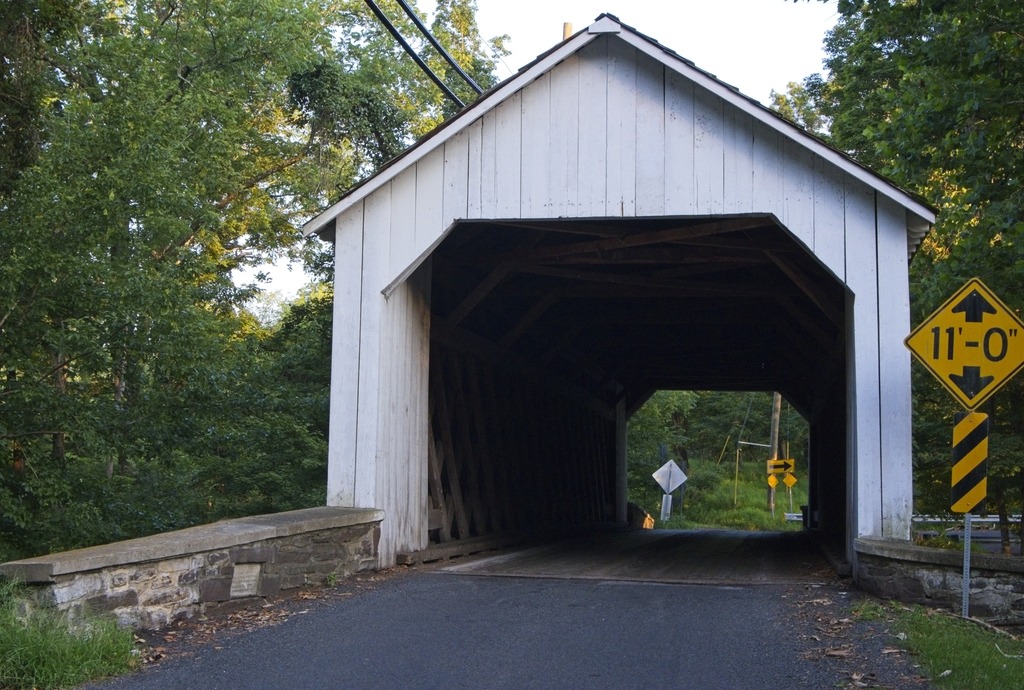
Below we have the all-white Loux Covered Bridge. A historic wooden covered bridge located on Wismer Road crossing Cabin Run upstream from the Cabin Run Covered Bridge in Bedminster Township and Plumstead Township. It was built in 1874 by David Sutton out of hemlock in the Town Truss style. This is one of the shorter covered bridges in Bucks County at only 60 feet (18 m) long. The bridge was added to the National Register of Historic Places on December 1, 1980. Bucks County obviously does not go for a uniform look for their covered bridges.
Loux Covered BridgeLoux Covered Bridge
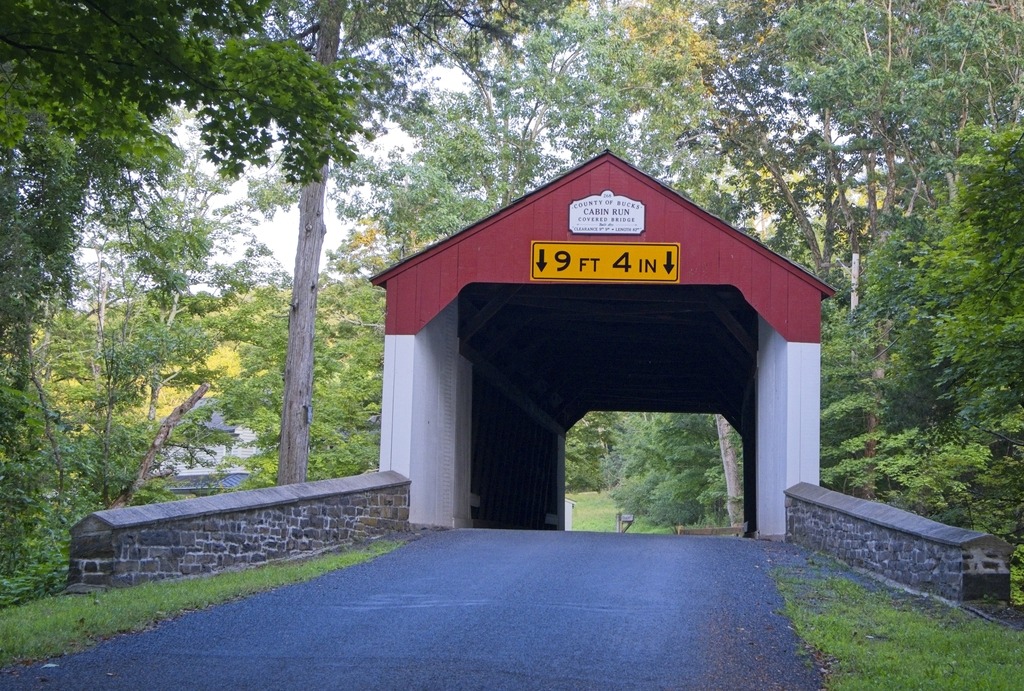
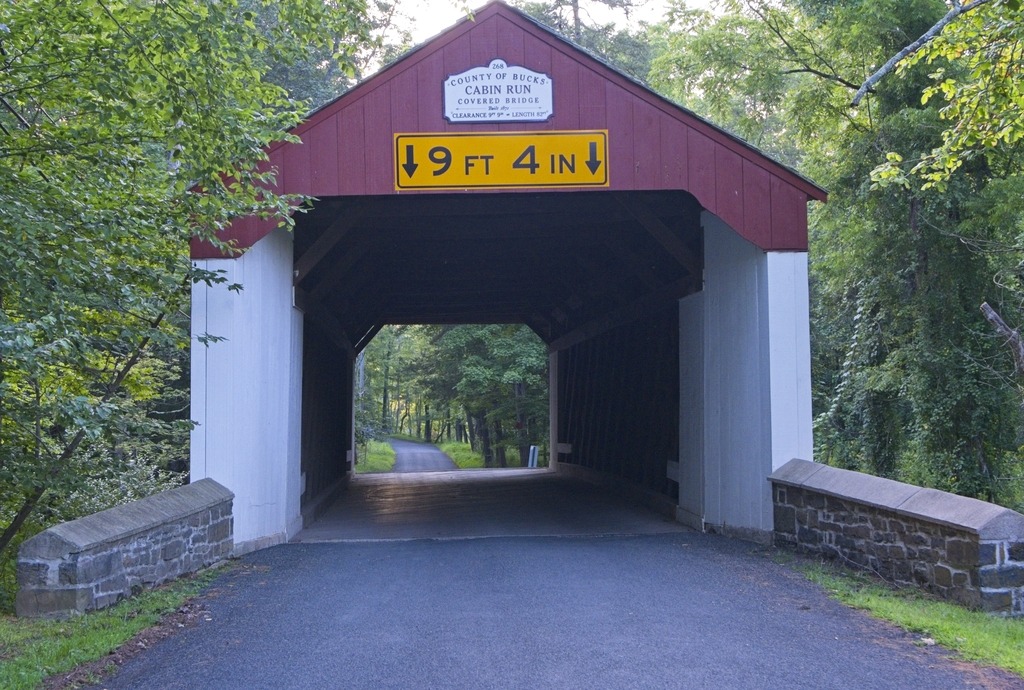
The Cabin Run Covered Bridge has a distinctive look. It is alsoo a historic covered bridge located in Point Pleasant, Plumstead Township. The bridge was built in 1871, and is 15 feet (4.6 m) wide and has a length of 82 feet (25 m). The Town truss bridge crosses Cabin Run (creek) downstream from the Loux Covered Bridge. It was added to the National Register of Historic Places on December 1, 1980. Together with the Loux Bridge, it is an example of a cluster or pair of bridges built over the same stream, as is found elsewhere in Pennsylvania.
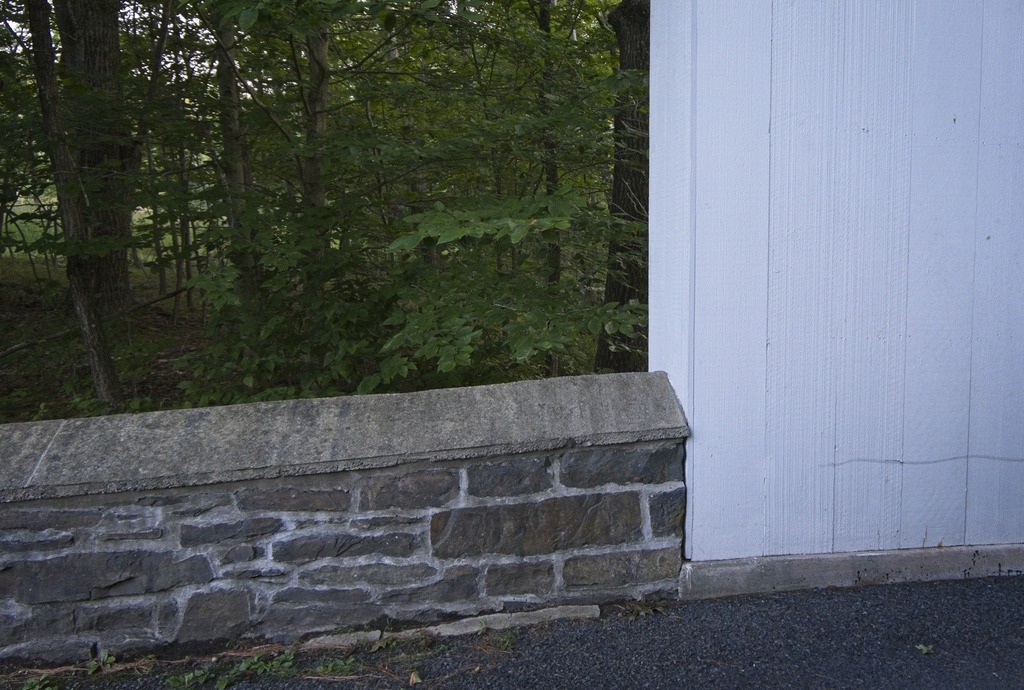
Cabin Run Covered BridgeCabin Run Covered BridgeThis property is unusually close. You can even see the approach railing.Cabin Run Covered Bridge
The September Hubble 35th Anniversary Challenge offered a large number of targets, and I was able to capture them all. More information about the Challenge can be found here.
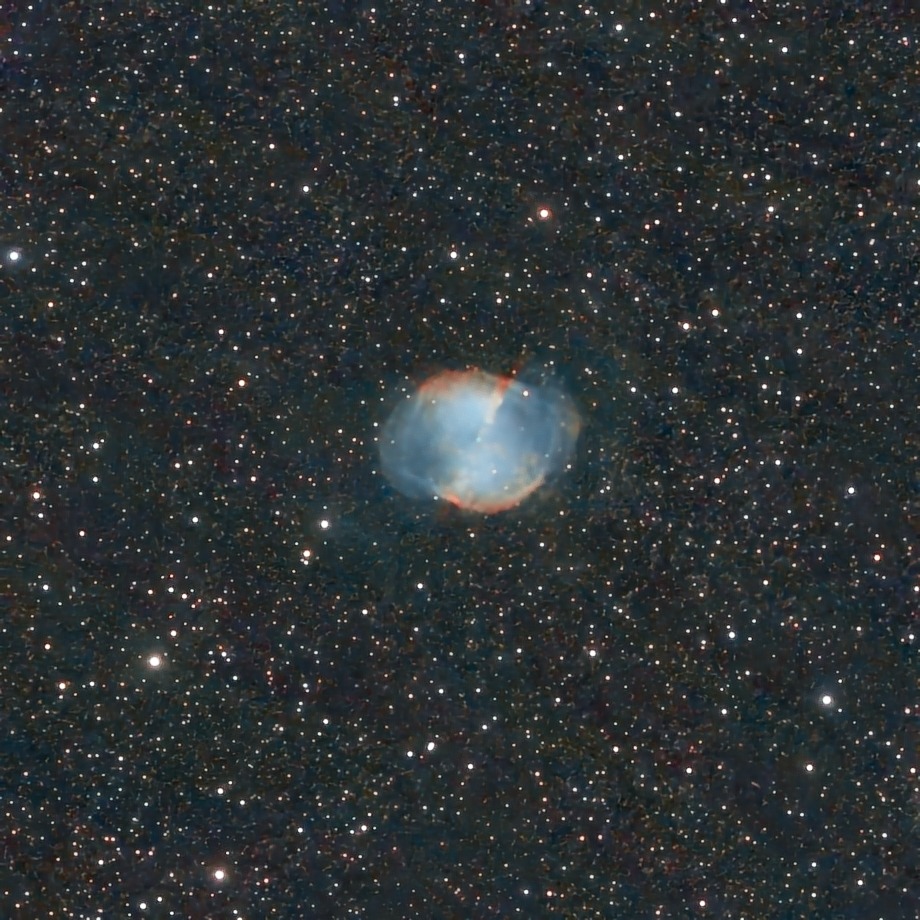
The targets were a diverse mix of nebulae, star clusters and a galaxy, and the list includes some famous objects. My favorite target this month was the Dumbbell Nebula, Messier 27. I had imaged this object before but thought the one I took in September wasn’t bad for short exposure time. You can clearly see the dumbbell or hourglass shape and the colors.
The Dumbbell Nebula (also known as the Apple Core Nebula, Messier 27, and NGC 6853) is a planetary nebula (nebulosity surrounding a white dwarf star, not a planet) in the constellation Vulpecula, at a distance of about 1360 light-years. It was the first such nebula to be discovered, by Charles Messier in 1764. At its brightness of visual magnitude 7.5 and diameter of about 8 arcminutes, it is easily visible in binoculars and is a popular observing target.
M27, the Dumbbell Nebula
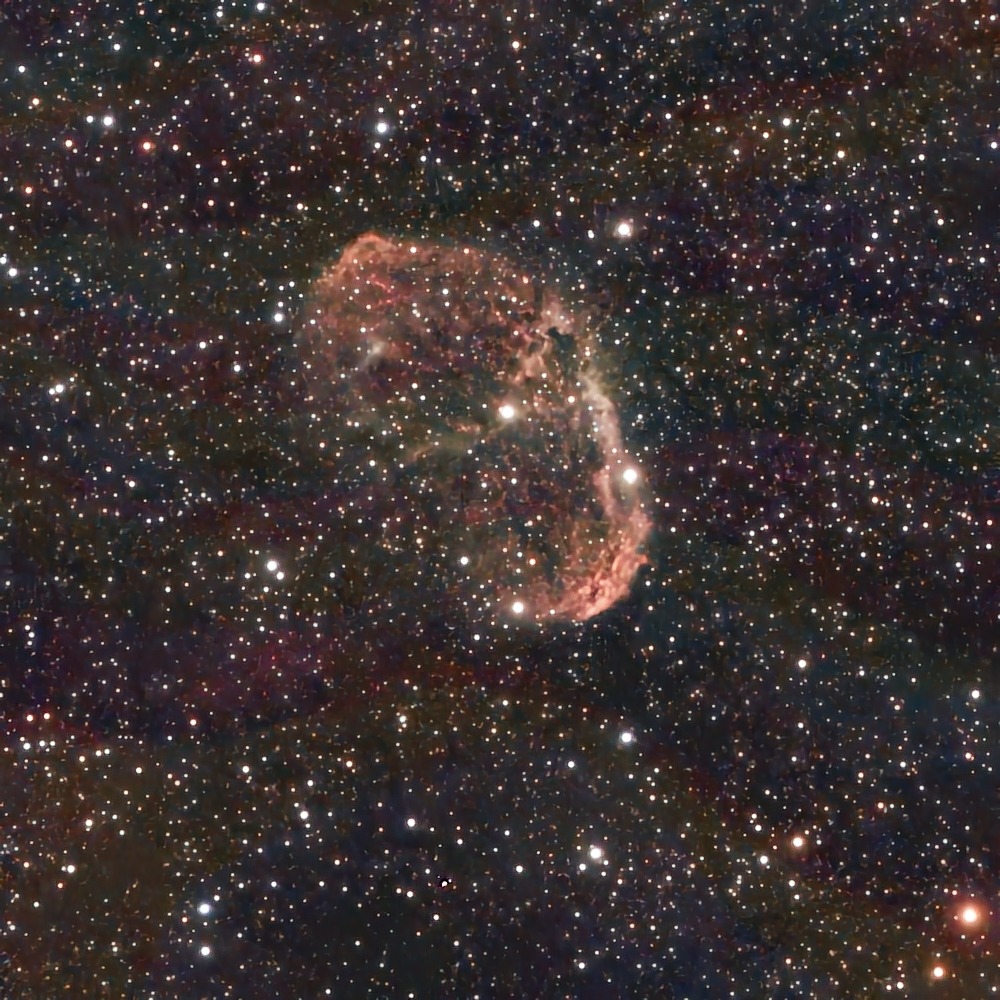
The Crescent Nebula (also known as NGC 6888 or Caldwell 27) is an emission nebula in the constellation Cygnus, about 5000 light-years away from Earth. It was discovered by William Herschel in 1792. It is formed by the fast stellar wind from the Wolf-Rayet star WR 136 (HD 192163) colliding with and energizing the slower moving wind ejected by the star when it became a red giant around 250,000 to 400,000 years ago. The nebula is a rather faint visual target, but with a telescope the nebulosity can be seen, and perhaps the rounded E shape that looks like the Euro symbol.
c27, the Crescent Nebula
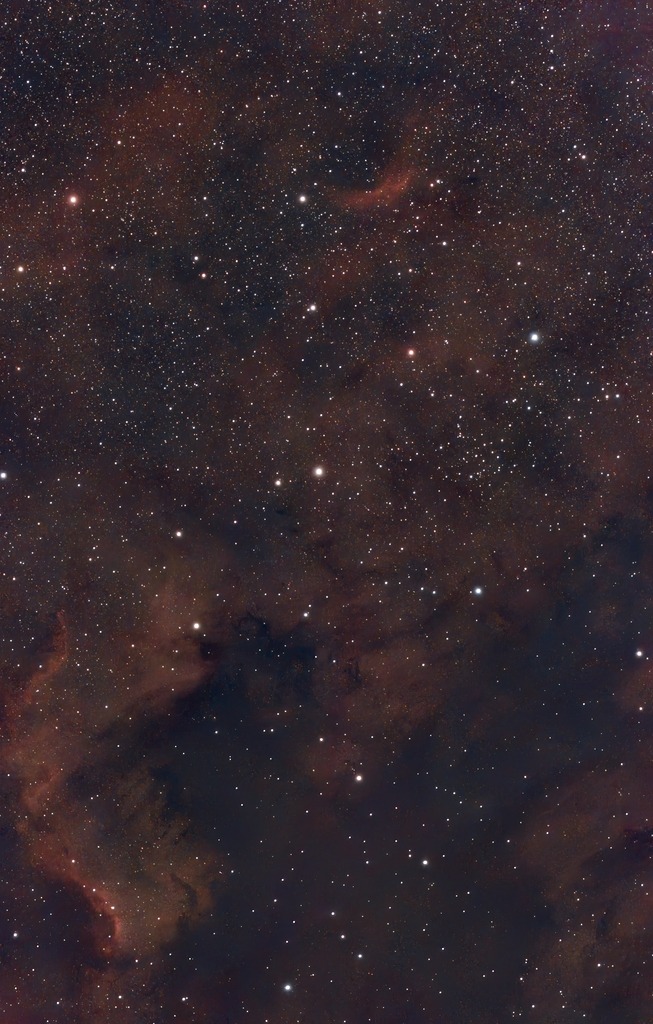
The North America Nebula (NGC 7000 or Caldwell 20) is an emission nebula in the constellation Cygnus, close to Deneb (the tail of the swan and its brightest star) in the night sky. It is named because its shape resembles North America. It is a large object and only a portion can be see here. The North America shape is pointed downward toward the right.
On October 24, 1786, William Herschel noted a “faint milky nebulosity scattered over this space, in some places pretty bright.” The most prominent region was catalogued by his son John Herschel on August 21, 1829. It was listed in the New General Catalogue as NGC 7000, where it is described as a “faint, most extremely large, diffuse nebulosity.” In 1890, the pioneering German astrophotographer Max Wolf noticed this nebula’s characteristic shape on a long-exposure photograph, and dubbed it the North America Nebula.
NGC 7000, the North American Nebula
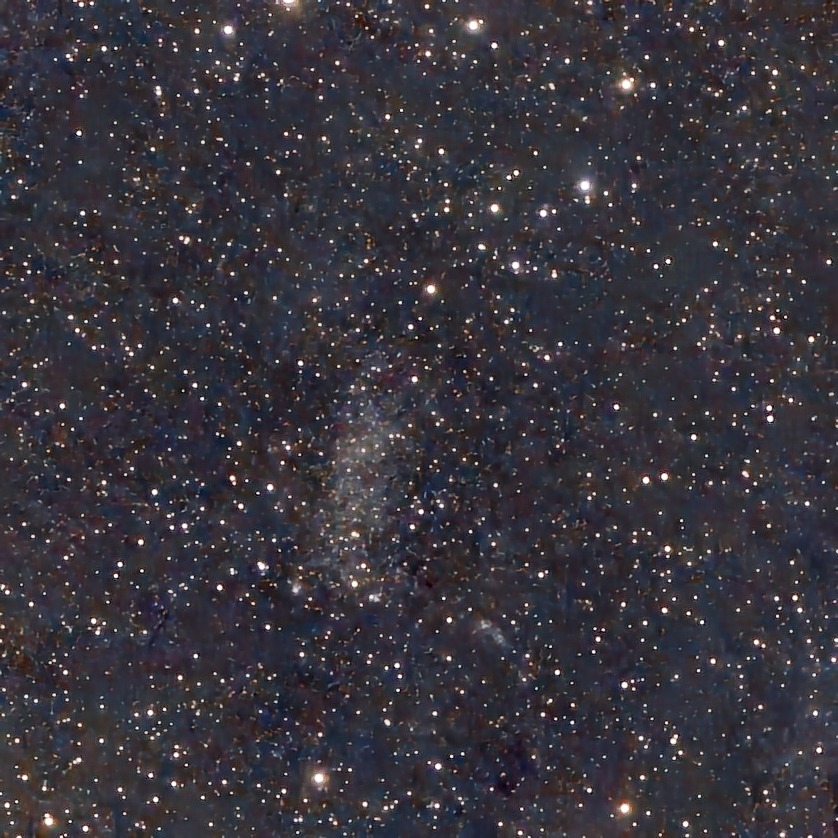
NGC 6822 (also known as Barnard’s Galaxy, IC 4895, or Caldwell 57) is a barred irregular galaxy approximately 1.6 million light-years away in the constellation Sagittarius. Part of the Local Group of galaxies, it was discovered by E. E. Barnard in 1884, with a six-inch refractor telescope. It is the closest non-satellite galaxy to the Milky Way, but lies just outside its virial radius. It is similar in structure and composition to the Small Magellanic Cloud. It is about 7,000 light-years in diameter. The irregular shape can be seen in this photograph, albeit as a faint smudge.
C57, Barnard’s Galaxy
We now move on to a series of star clusters. The very pretty Messier 55 (also known as NGC 6809 or the Specter Cluster) is a globular cluster in the south of the constellation Sagittarius. It was discovered by Nicolas Louis de Lacaille in 1752 while observing from what today is South Africa. Starting in 1754, Charles Messier made several attempts to find this object from Paris but its low declination meant from there it rises daily very little above the horizon, hampering observation. He observed and catalogued it in 1778. The cluster can be seen with 50 mm binoculars; resolving individual stars needs a medium-sized telescope.
It is about 17,600 light-years away from Earth.
M55
Messier 71 (also known as NGC 6838 or the Angelfish Cluster) is a globular cluster in the small constellation Sagitta. It was discovered by Philippe Loys de Chéseaux in 1745 and included by Charles Messier in his catalog of non-comet-like objects in 1780. It was also noted by Koehler at Dresden around 1775. This star cluster is about 13,000 light years away from Earth and spans 27 light-years (8 pc). The irregular variable star Z Sagittae is a member. It was once thought to be a densely packed open cluster, but modern photometry has revealed characteristics of a globular cluster. It is considered a loosely concentrated globular cluster, like M68 in Hydra.
M71
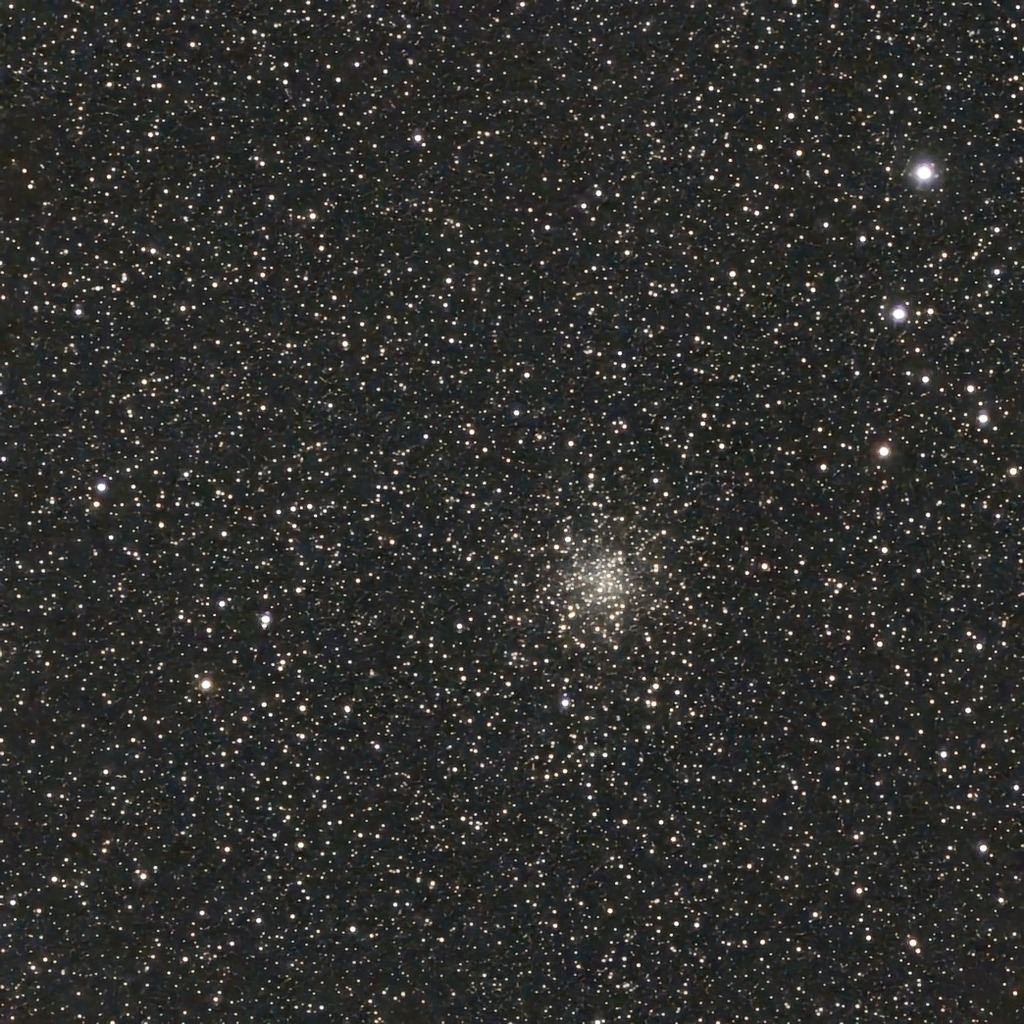
Messier 75 or M75 (also known as NGC 6864) is a globular cluster of stars in the southern constellation Sagittarius.It was discovered by Pierre Méchain in 1780 and included in Charles Messier’s catalog of comet-like objects that same year. M75 is about 67,500 light years away from Earth . Its apparent size on the sky translates to a true radius of 67 light years. M75 is classified as class I, meaning it is one of the more densely concentrated globular clusters known.
M75
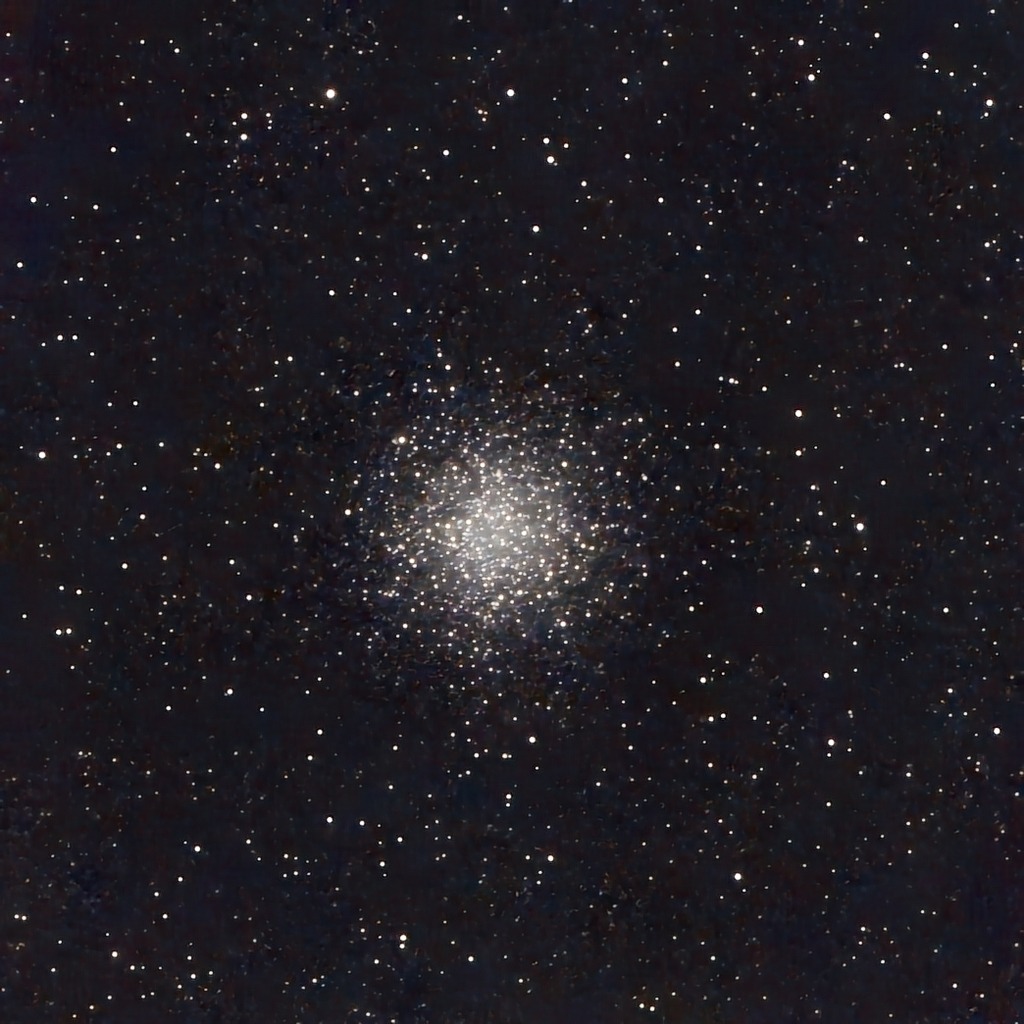
Messier 15 or M15 (also designated NGC 7078 and known as the Great Pegasus Cluster) is a globular cluster in the constellation Pegasus. It was discovered by Jean-Dominique Maraldi in 1746 and included in Charles Messier’s catalogue of comet-like objects in 1764.At an estimated 12.5±1.3 billion years old, it is one of the oldest known globular clusters. M 15 is about 35,700 light-years from Earth, and 175 light-years in diameter. It has an absolute magnitude of −9.2, which translates to a total luminosity of 360,000 times that of the Sun. Messier 15 is one of the most densely packed globulars known in the Milky Way galaxy.
M15
Finally, we have two more planetary nebula. Unlike the Dumbbell, these are more typical in that they appear very small. They are the bright objects in the center of the frame with a faint colored glow around them,.
The Saturn Nebula (also known as NGC 7009 or Caldwell 55) is a planetary nebula in the constellation Aquarius. It appears as a greenish-yellowish hue in a small amateur telescope. It was discovered by William Herschel on September 7, 1782, using a telescope of his own design in the garden at his home in Datchet, England, and was one of his earliest discoveries in his sky survey. The nebula was originally a low-mass star that ejected its layers into space, forming the nebula. The central star is now a bright white dwarf star of apparent magnitude 11.5. The Saturn Nebula gets its name from its superficial resemblance to the planet Saturn with its rings nearly edge-on to the observer. It was so named by Lord Rosse in the 1840s, when telescopes had improved to the point that its Saturn-like shape could be discerned. William Henry Smyth said that the Saturn Nebula was one of Struve’s nine “Rare Celestial Objects”.
C55
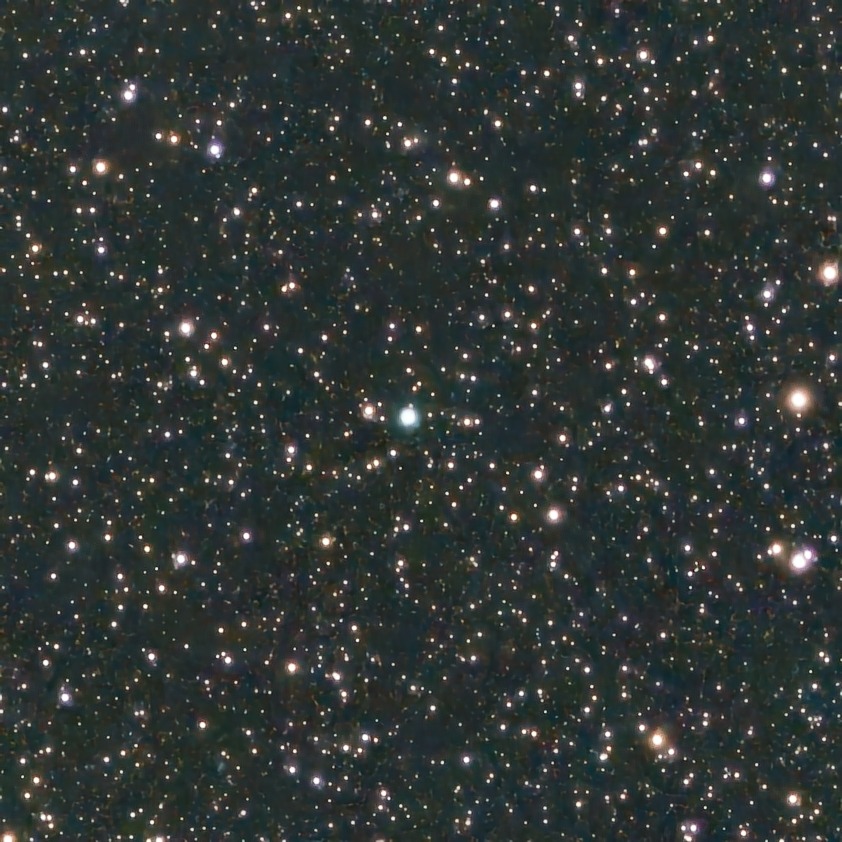
NGC 6826 (also known as Caldwell 15) is a planetary nebula located in the constellation Cygnus. It is commonly referred to as the “Blinking Planetary”, although many other nebulae exhibit such “blinking”. When viewed through a small telescope, the brightness of the central star overwhelms the eye when viewed directly, obscuring the surrounding nebula. However, it can be viewed well using averted vision, which causes it to “blink” in and out of view as the observer’s eye wanders.
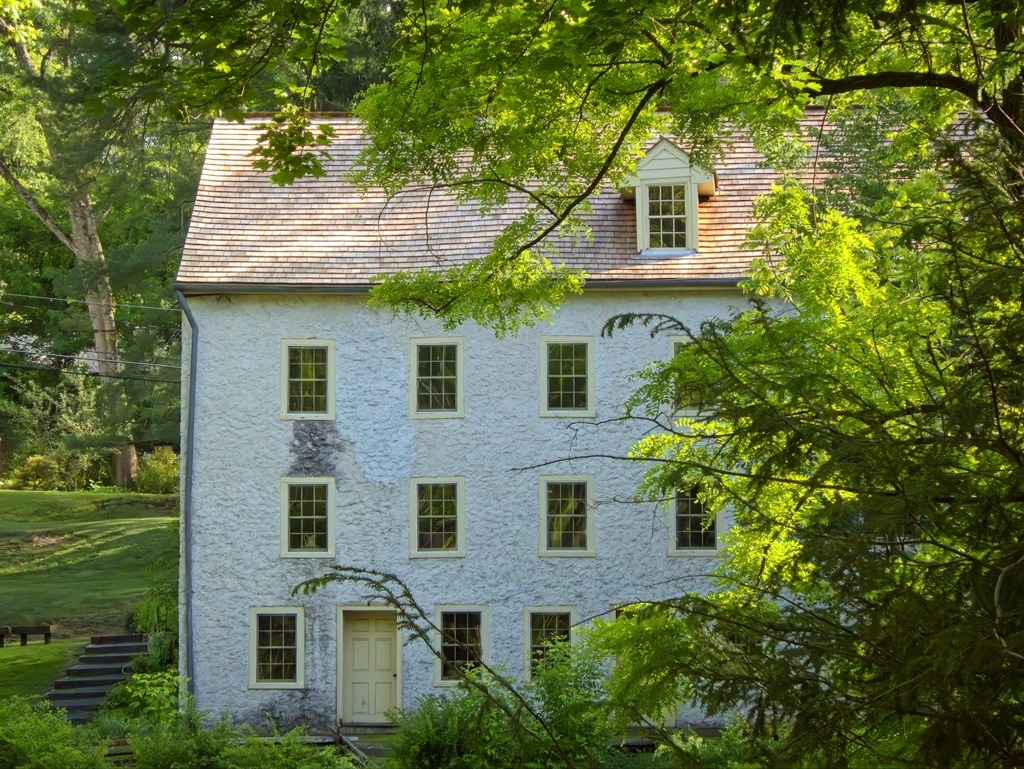
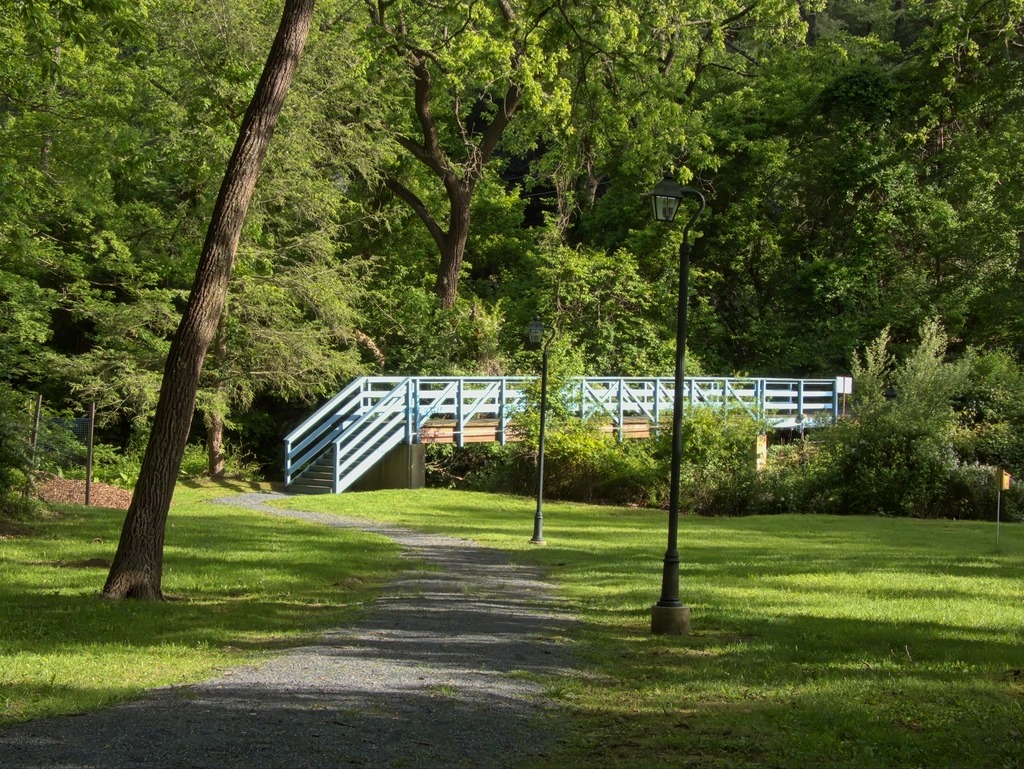
The Paper Mill Museum is a historic three story stone building along Darby Creek in Newtown Township, Delaware County that contains an 1850’s era general store, and three levels of a local history museum containing artifacts representing the history of Newtown Township. The original building was constructed in 1828 to house four families that worked at the local mills along the Darby Creek. An addition was built in 1845 to contain a general store that served the community that grew up around the mills. In the immediate area of the site were the William Crosley Woolen Mill (1828-1861) and Casper S. Garrett’s Union Paper Mill (1869-1889). The building overlooks the creek and a stone bridge that carries St. David’s Road over the creek. A modern wooden pedestrian bridge over the creek connects the building to the parking area for the site.
Along the creek in the area are archeological remains of both old mills, including building foundations, the millrace, and other traces of the mill activity. The site was recognized as historically significant in 2002 when it was placed on the National Register of Historic Places.
The structure stood in ruins in the early 1980’s, without a roof, without a use, and destined for demolition. However, the history of the building and the site was recognized by a small handful of civic minded Newtown residents, and through their efforts and those of many other volunteers, the building was acquired by the Township, and then enclosed to protect it from the elements. Over the last 25 years, the Building has been restored, inside and out, and now houses a recreated general store from the mid-19th century, and a museum containing artifacts collected and donated by Newtown residents that represent some of the history of the Township and its people.
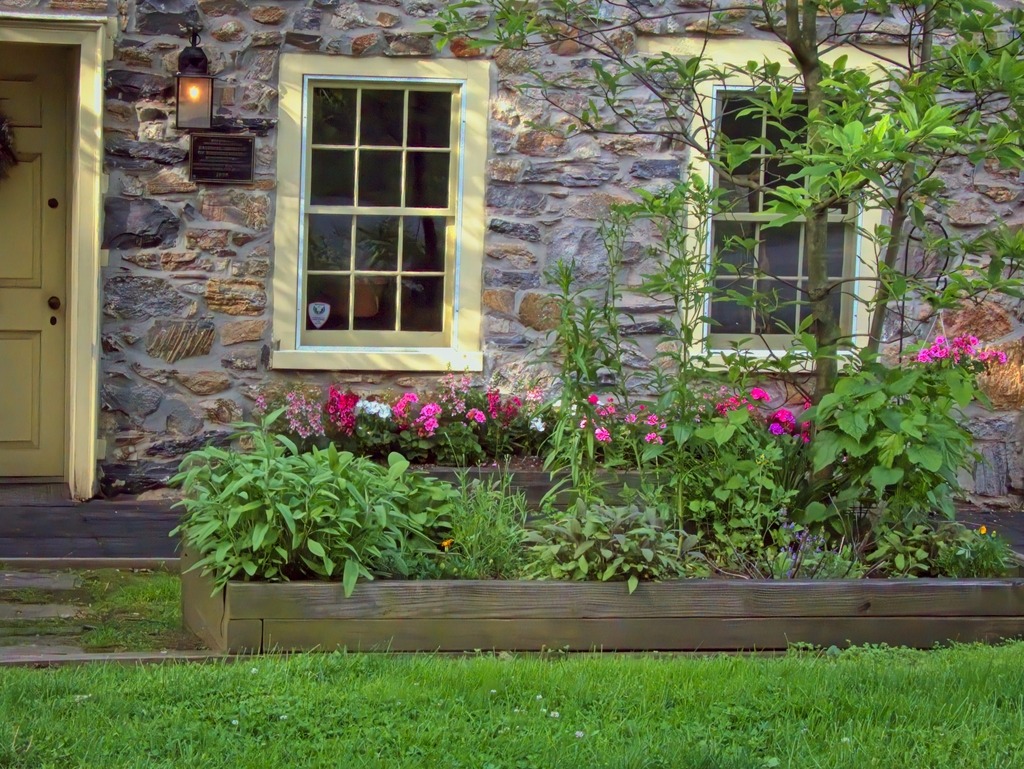
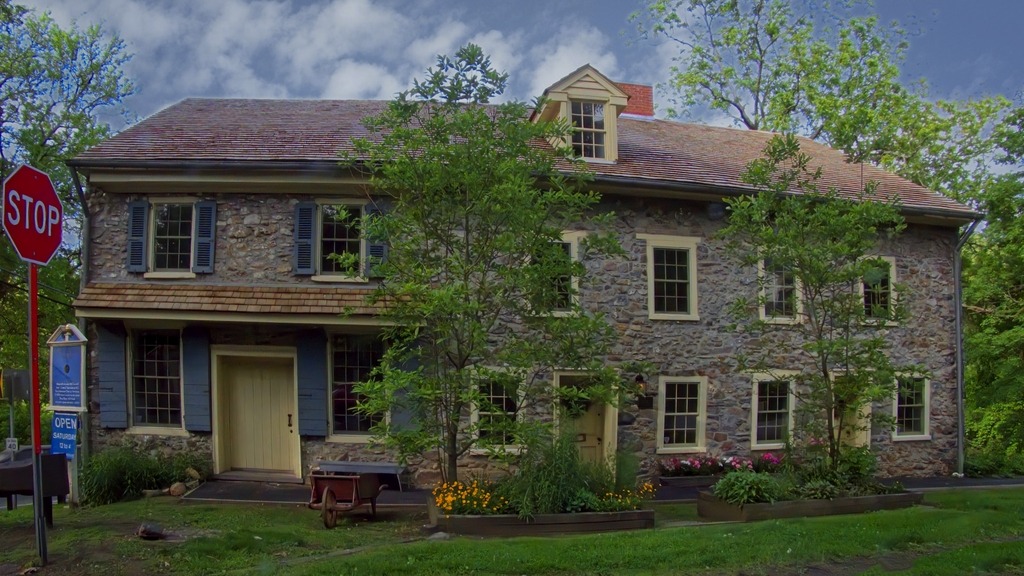
Here are some views of the exterior and the grounds:
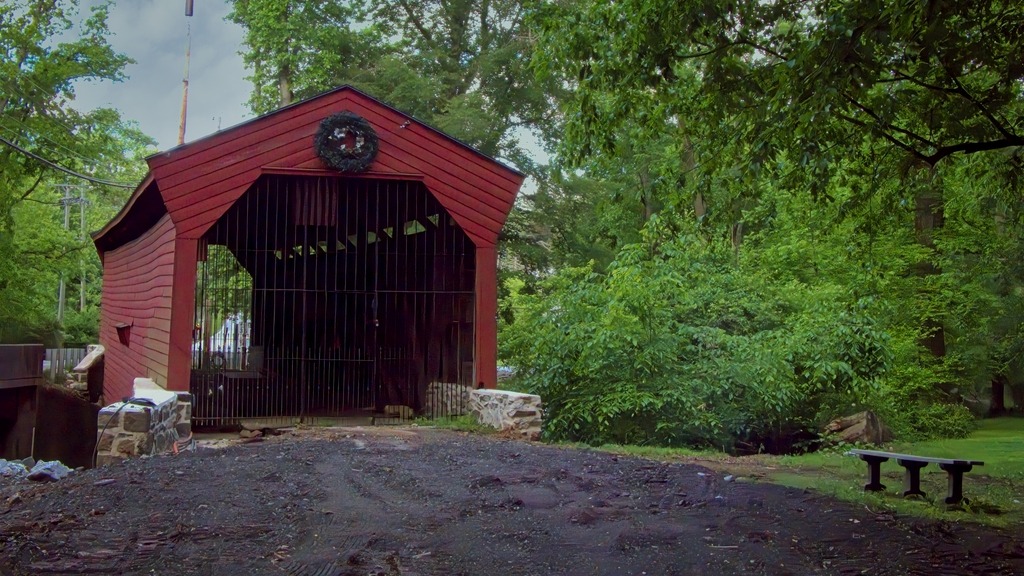
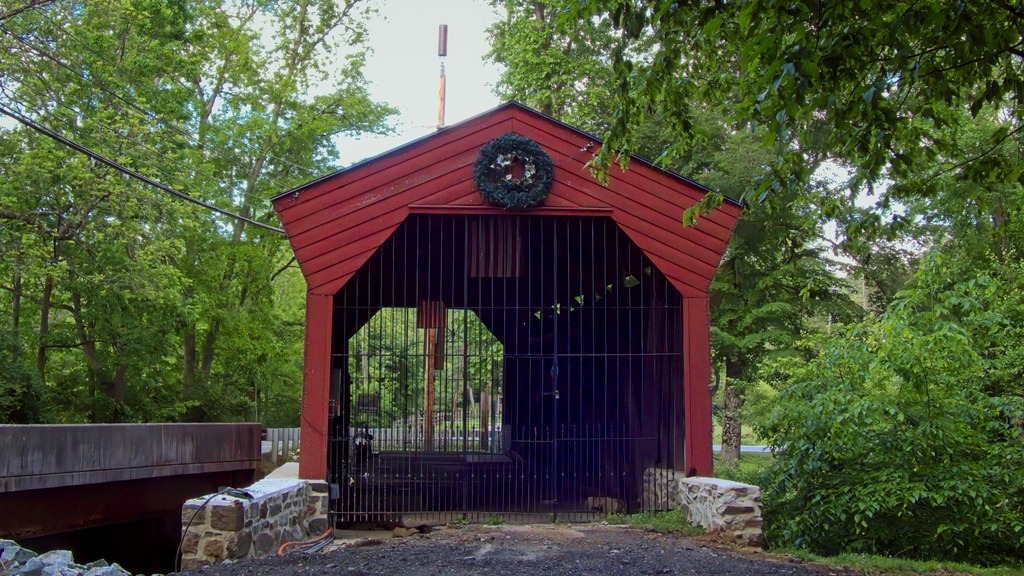
Not far away sits Bartram’s Covered Bridge, which spans the county line between Delaware and Chester Counties over Crum Creek in Newtown Square. As such, it is the last covered bridge remaining in Delaware County, a county which once had over 30 covered bridges. The bridge has unique slanted plank portals, the only bridge in Pennsylvania with this unusual design.
Built in 1860 by Ferdinand Wood, who designed the portals to be “Hi and Wide as a Load of Hay,” the bridge is 80 feet long by 13 feet wide. The original cost of $1,133 to build the bridge was shared by Delaware and Chester Counties. It is named for Mordecai Bartram, an adjacent landowner. The bridge design, pioneered by Theodore Burr, features the Burr Truss, commonly found in Pennsylvania covered bridges of the time. At one time, the words “LINCOLN, Save Union and Congress” were still visibly painted inside the bridge. The last traces of this old graffiti from 1860 are believed to have been lost during the last restoration of the bridge in 1995.
The bridge closed to traffic in 1941. The bridge was first rehabilitated in the 1960’s (at the time by the Marple Newtown Historical Society). After years of neglect, the bridge was restored in 1995, funded by a combination of donations, grants and fundraising. The bridge is on the National Register of Historic Places.
The bridge appears to have had some additional work since I last visited. There is now a gravel parking area on the west side of the bridge, in addition to on street parking on a side street to the east.
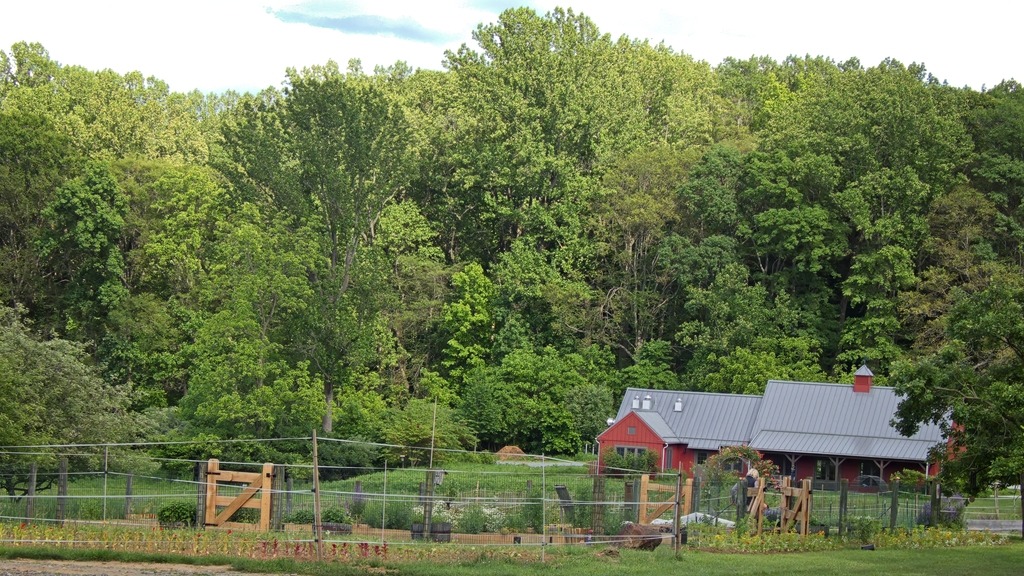
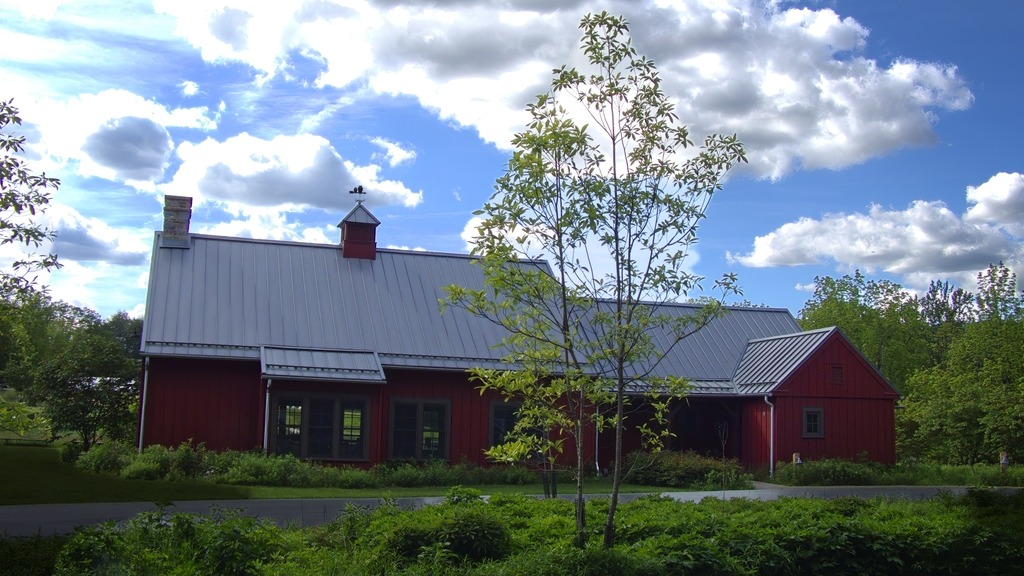
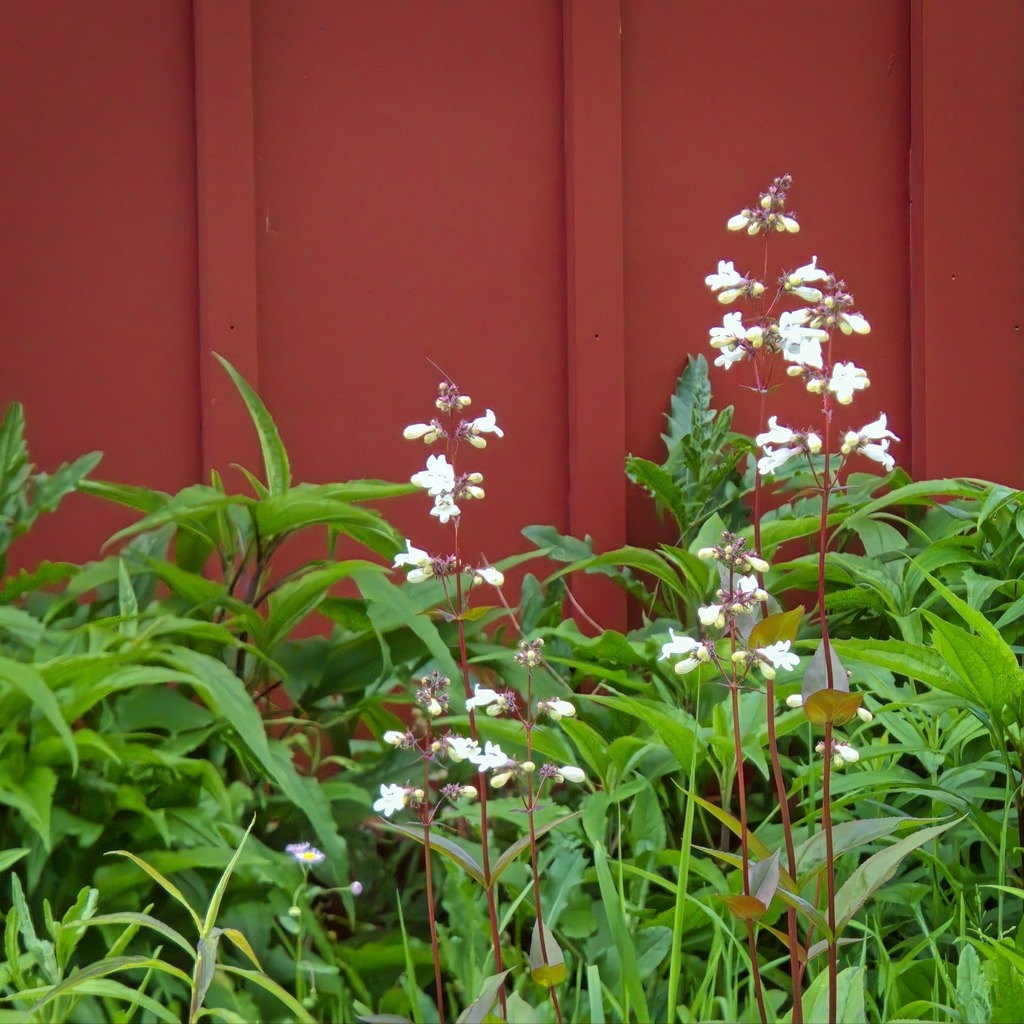
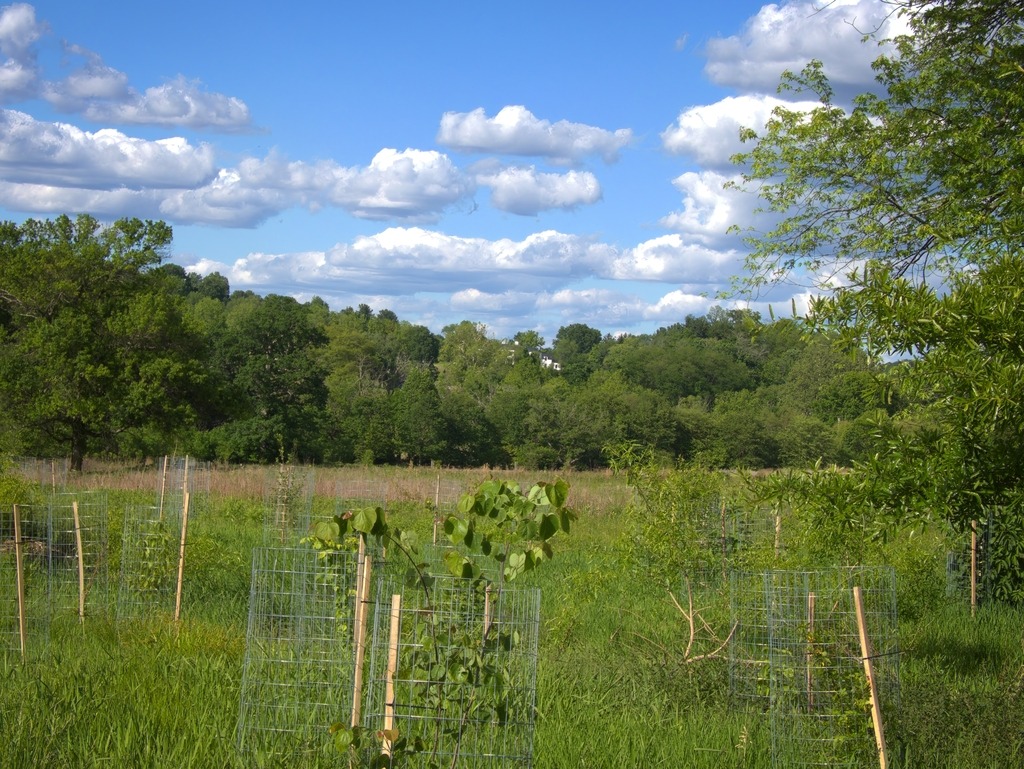
Rushton Woods Preserve is an 86-acre owned by the Willistown Conservation Trust. The preserve has an impressive complex of meadows, wetlands, and mature woodland for visitors to explore. You can hike trails through the upland forest of beech, maple, oak, and tulip poplars, and then follow the trails down to Okehocking Run.
The property is a popular spot for birding, and the scrub shrub demonstration area is a favorite stopover for migrating songbirds including warblers and chats. Rushton Woods Preserve is also home to Rushton Farm and the Rushton Conservation Center, Rushton Farm CSA and the location of a variety of WCT community and educational events.
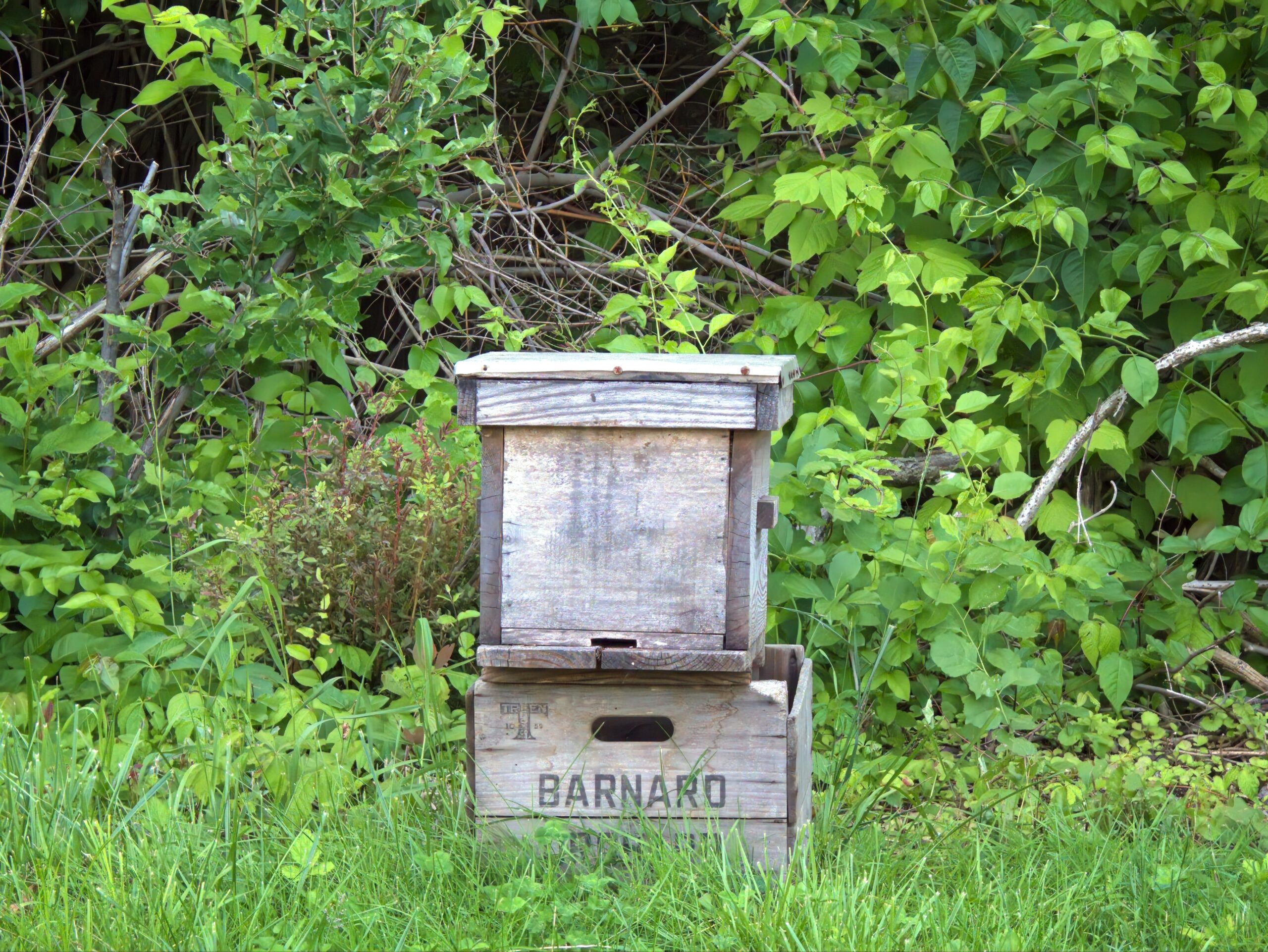
Looks like some old beehives.
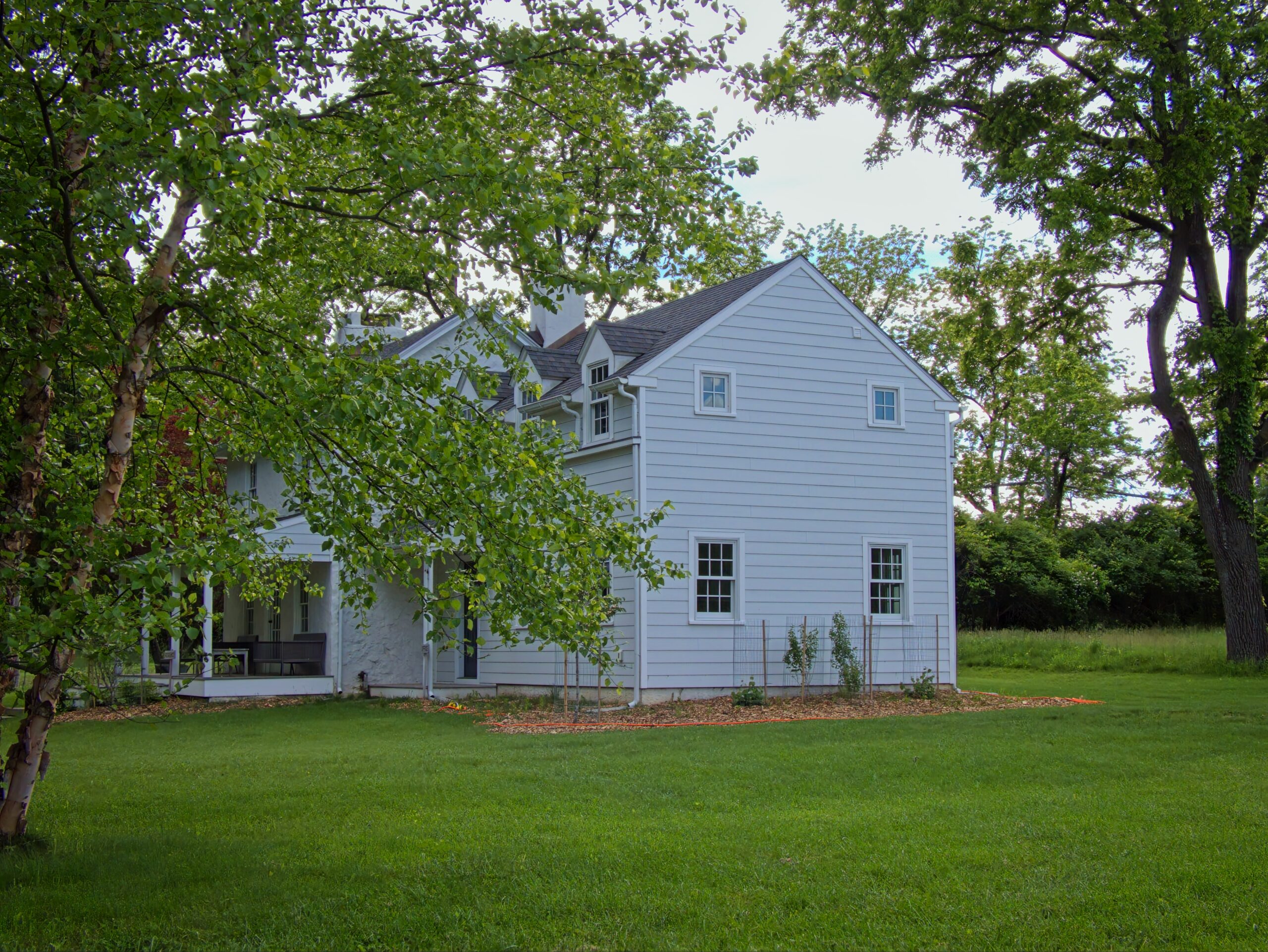
Nearby one finds Kirkwood Preserve, where warm and cool season grasses comprise the majority of this 102-acre Preserve, providing important nesting and foraging habitat for grassland birds. The Preserve features over 4 miles of pedestrian and equestrian trails, a half-mile stretch of Crum Creek, and 8 acres of upland and riparian woodland. Kirkwood Preserve is part of an Audubon-designated Important Bird Area (IBA), a global network of sites recognized for their outstanding value to bird conservation.
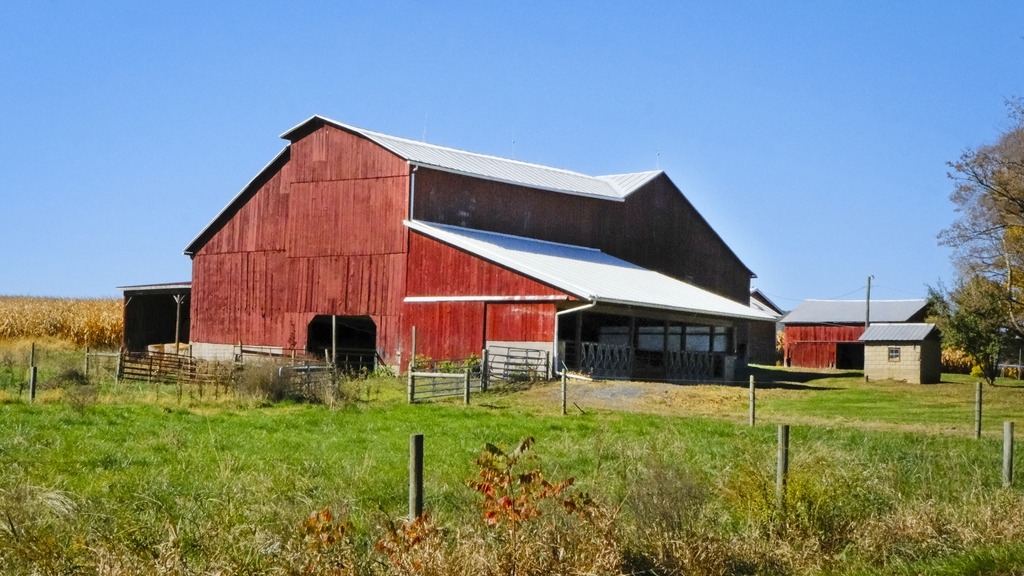
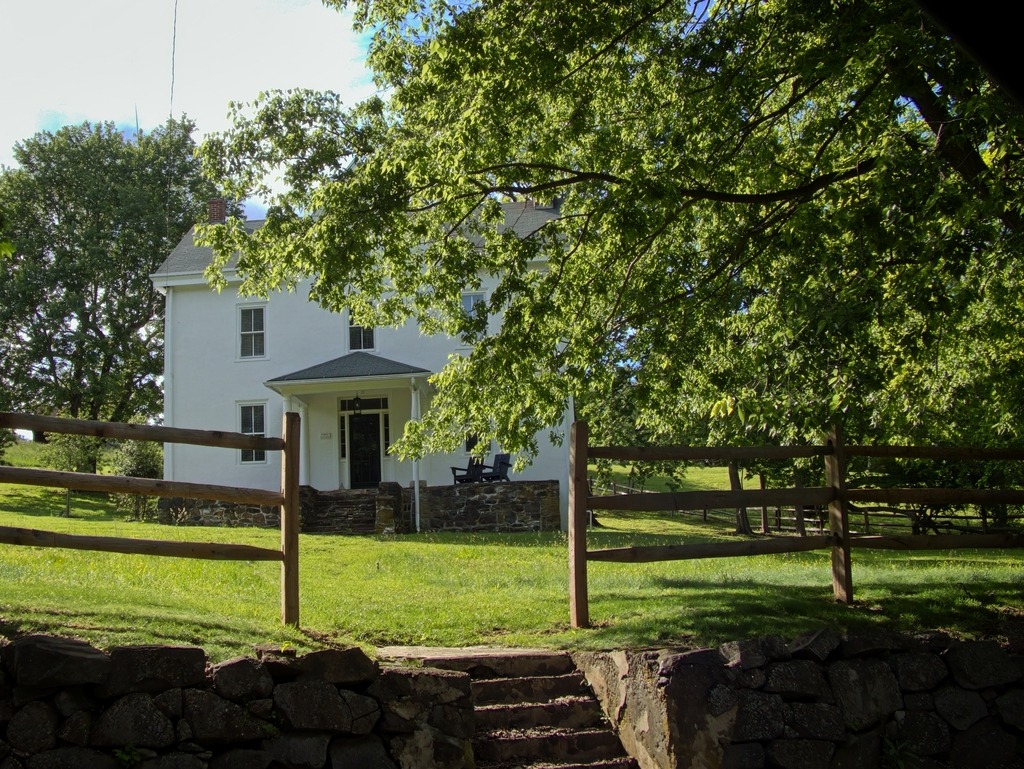
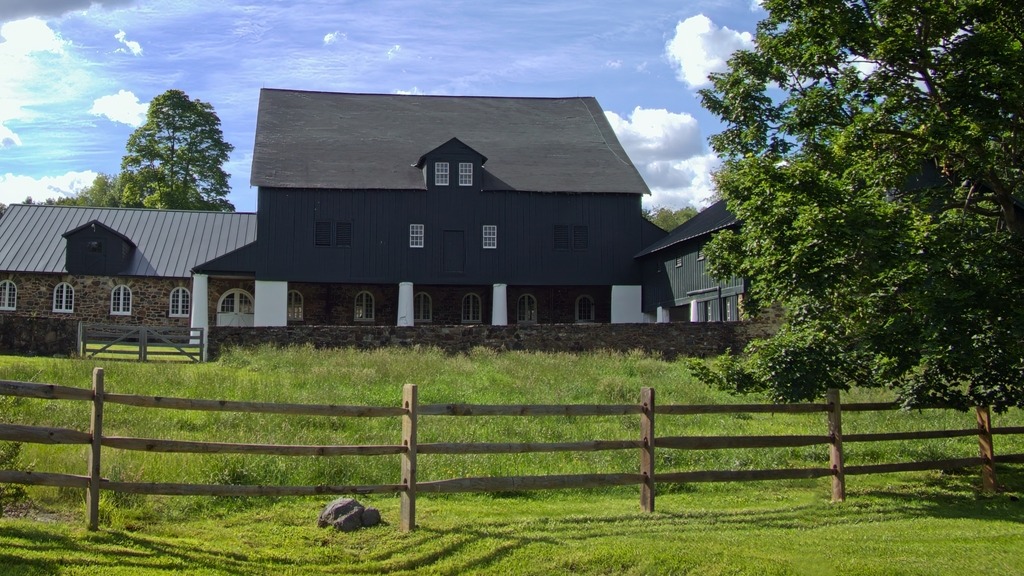
The preserve is popular with walkers, hikers and birders.Some of the nearby farms.
Today’s post takes us back to the area of the Octoraro watershed in southern Chester and Lancaster counties, with a focus on some of the farms and animals of the area.